North Tokushima · AizumiNo.1039★★★Open in map →
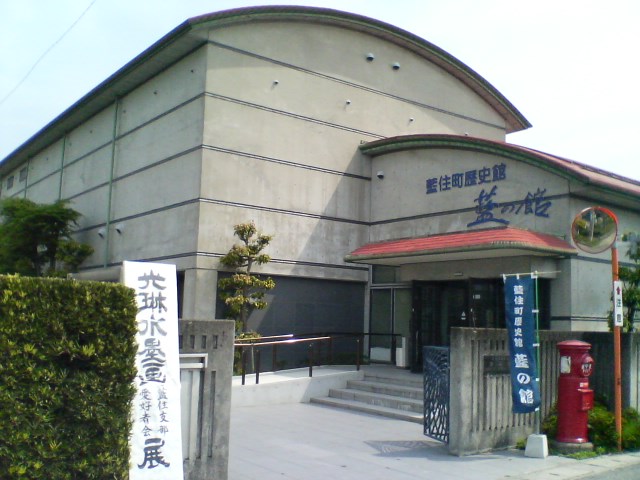
Ai no Yakata Indigo Museum
A town museum inside the estate of an Awa indigo merchant, north of the river in Tokushima. The dye that coloured most of the country's cloth was made in sheds like the ones still standing here.
- FromTokushima Station
- ~30 minJR train, then a short taxi
- Get off atShozui Station (JR Kotoku Line)
- From there
- Ai no Yakata Indigo Museum
Where it is
13 more notes in Tokushima · open the map →What to look for — in walking order
- Exhibition wingpanels and tools tracing indigo from seedling to finished dye stock
- Merchant's main housethe family residence itself, standing as it did behind the estate walls
- Fermentation shedslow buildings where the leaves were piled, watered and turned for months
- Dyeing workshopa working dye room inside one of the sheds, used for hands-on sessions
How to actually get there
- Tokushima Station to Shozui Station on the JR Kotoku Line, toward Takamatsu.
- Shozui Station to Ai no Yakata by taxi, heading west.
- Exhibition wing first, then the main house and the fermentation sheds.
- Sign up for the dyeing session on arrival if you want it, because the desk closes early.
- JR Kotoku Line, then a taxi
- Take the JR Kotoku Line from Tokushima Station toward Takamatsu and get off at Shozui, a few stops out. The museum lies west of the station, too far to walk, so take a taxi from the forecourt. Trains on this stretch are the ordinary local service.
- Back from Shozui Station
- Return the same way, by taxi to Shozui and then the JR Kotoku Line south to Tokushima. Shozui is unstaffed and has a ticket machine only. The museum sits in a residential grid where taxis do not cruise, so arrange the return ride before you settle in.
About the place
Tokushima's indigo is not a dye but a raw material called sukumo. Leaves of the indigo plant are dried, piled in a shed, watered and turned until they ferment into a dark, crumbling mass, and that mass is what dyers across the country bought. The Yoshino River plain in northern Tokushima was the leading source of it. Ai no Yakata occupies the estate of the Okumura family, one of the merchant houses that traded it. The residence, the fermentation sheds and an exhibition wing all stand inside the same walls, so the business and the household sit side by side.
How to enjoy it
Sign-ups for the hands-on dyeing close well before the museum itself does, so an afternoon arrival can mean missing it. Come in the morning if you want to dye something. Allow an hour or so for the exhibition wing and the house if you are only looking, and check the weekly closing day before you build a weekday around it.
Background & history
The crop peaked in 1903, when indigo covered some 15,000 hectares of the prefecture. Cheap Indian indigo and then synthetic dyes ended that, and the acreage collapsed within a generation. The making of the dye stock survived as a craft: in 1978 the technique was named a nationally selected conservation technique, meaning a skill the state undertakes to keep alive. The Okumura residence is a cultural property designated by the prefecture, and the growing and processing tools kept here are a national folk cultural property.
Before you go
- Cash
- Admission is charged, 300 yen for an adult at the time of checking, and the dyeing session is priced separately according to what you dye. Bring cash for both the museum and the taxi.
- Good to know
- Closed on Tuesdays and over the new year period. Almost everything worth seeing is under a roof, so rain does not spoil the visit, but the old rooms are cold in winter.
- Another way
- By car it is about five minutes from the Aizumi interchange on the Tokushima Expressway, which makes it an easy stop on a drive between Tokushima city and the Naruto whirlpools. Local buses also run from in front of Tokushima Station toward Aizumi, but the stop to get off at differs by route, so confirm it before boarding.
- After you get off
- From Shozui Station the museum is about four and a half kilometres west, a short taxi ride rather than a walk. The station forecourt is small, so it helps to have the museum's name written down to show the driver.
Nearby notes
 そらみみ (Soramimi) / CC BY-SA 4.0
History · Tokushima★★★
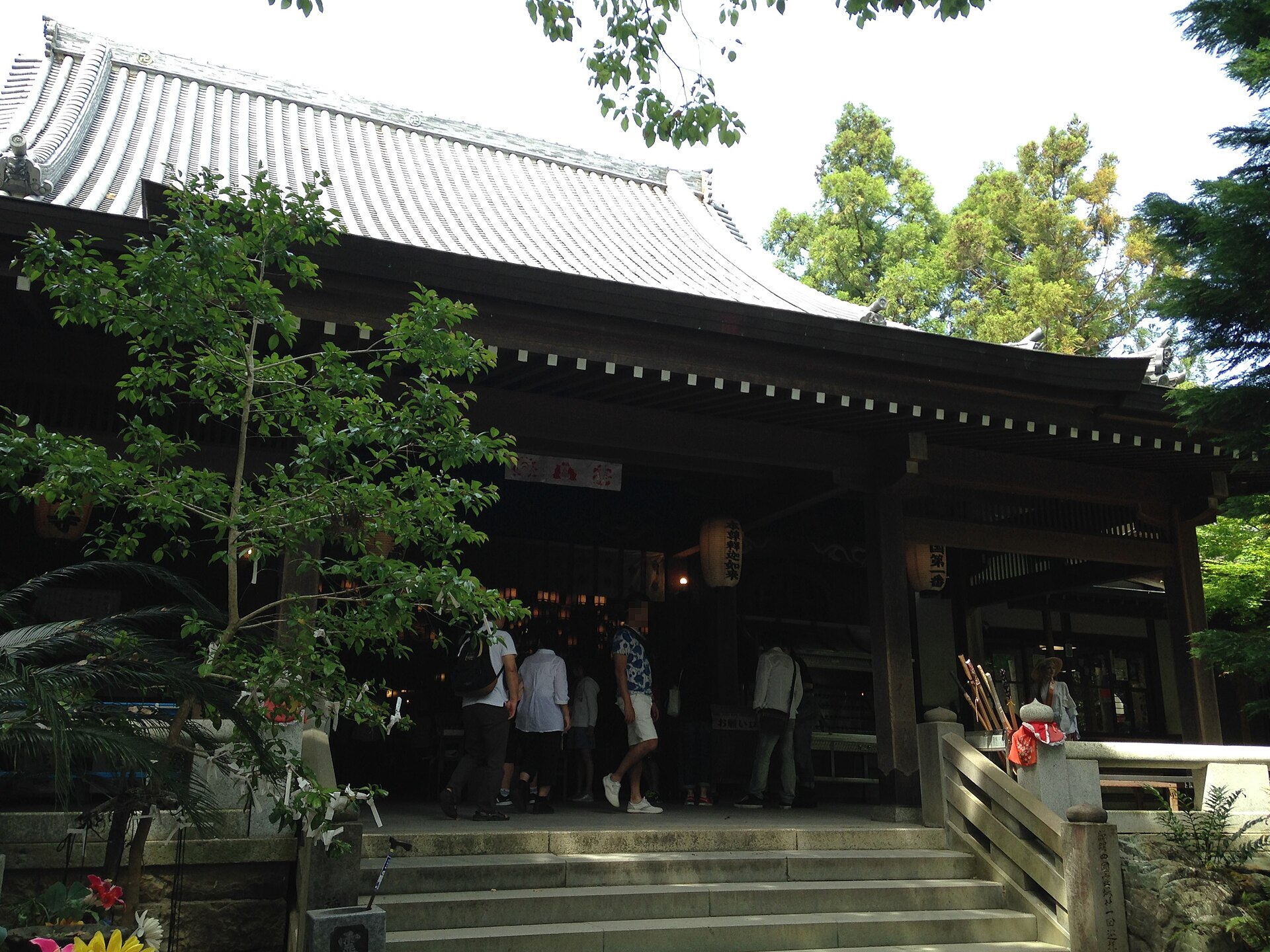
Ryozenji Temple
5.3 km · straight line
 そらみみ (Soramimi) / CC BY-SA 4.0
Culture · Tokushima★★
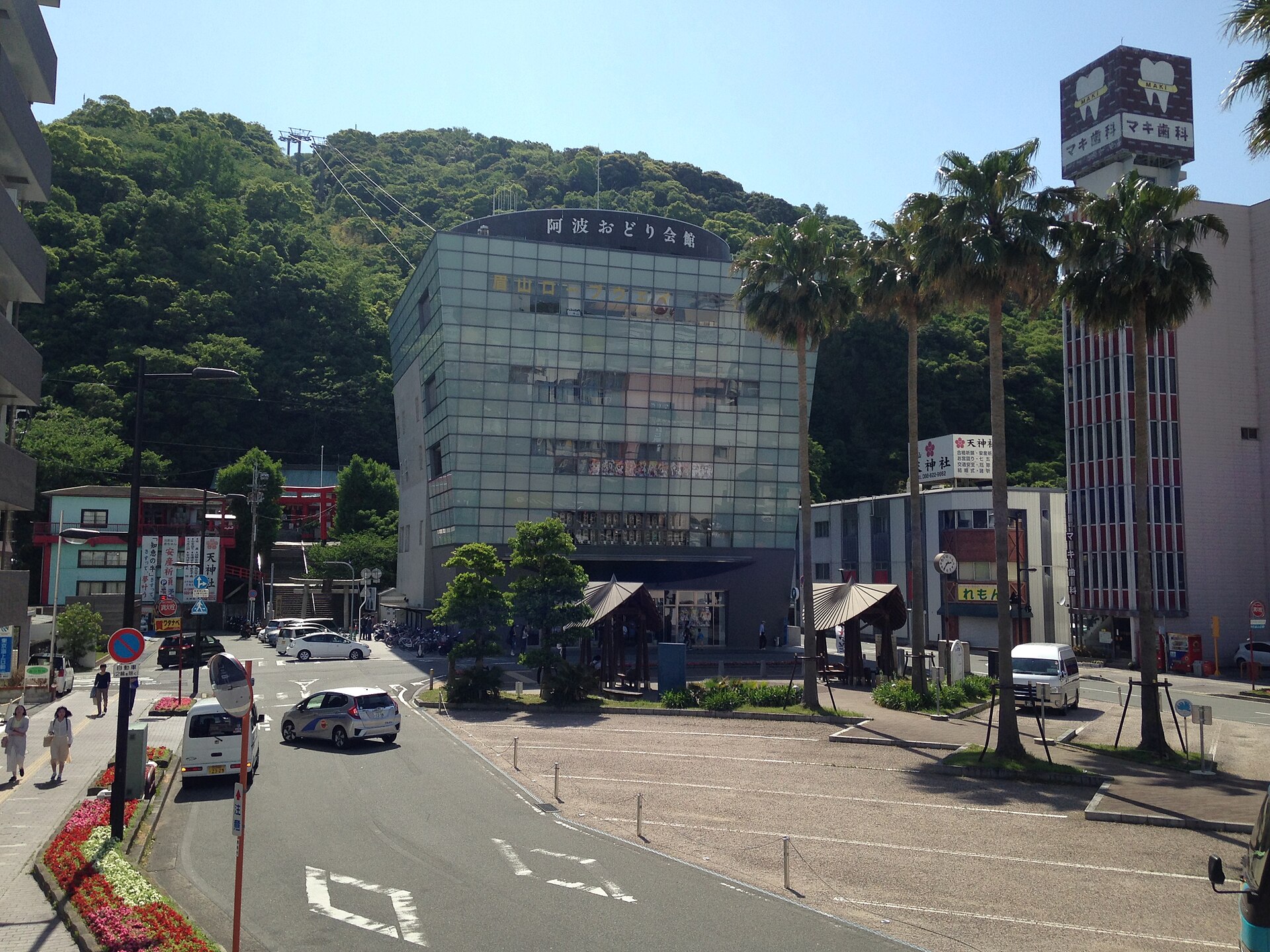
Mount Bizan and Awa Odori Kaikan
7.6 km · straight line
 Araiyasushige / CC BY-SA 4.0
Food · Tokushima★★
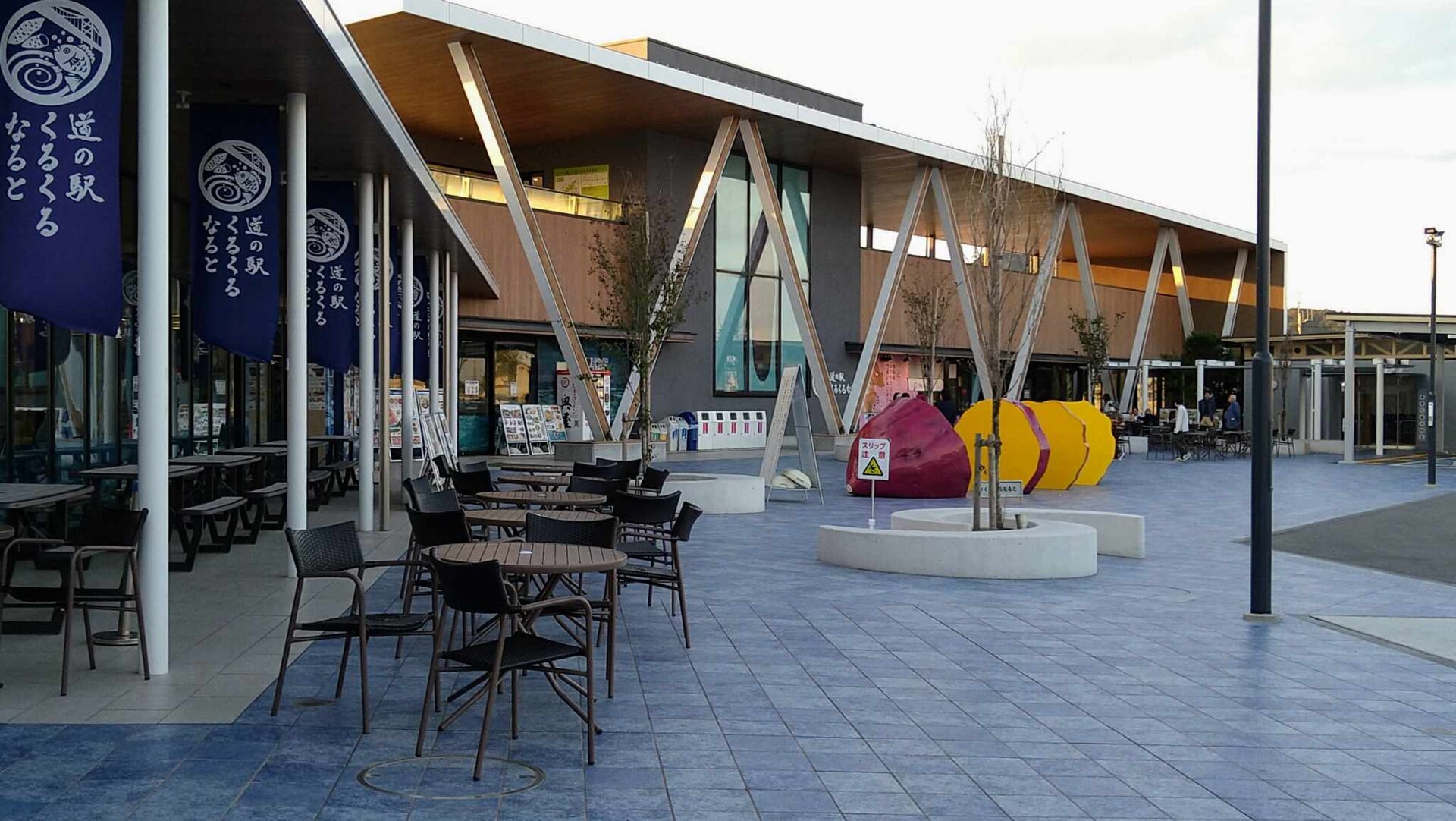
Naruto Kintoki Sweet Potato
10.2 km · straight line
 663highland / CC BY 2.5
History · Kagawa★
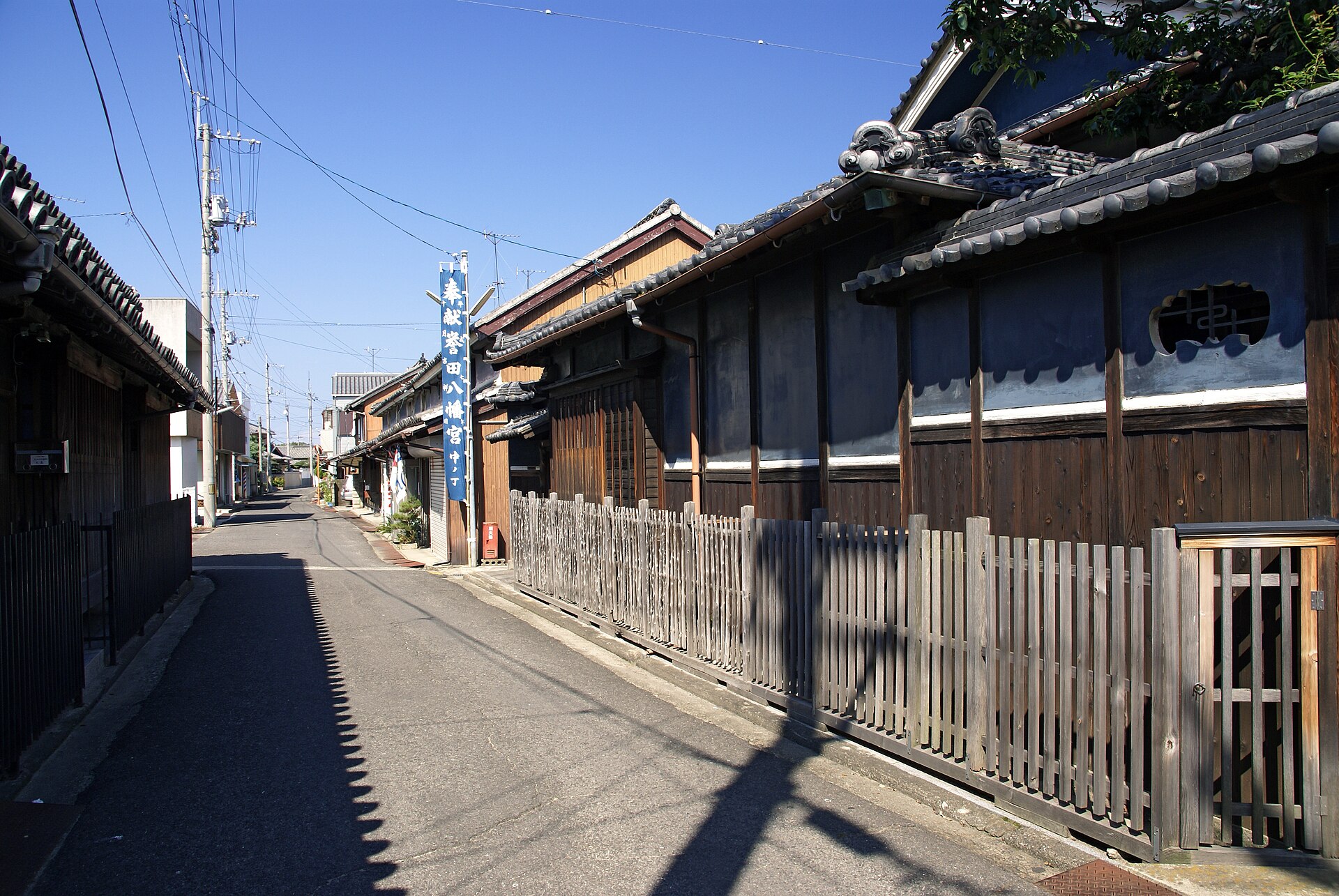
Hiketa Historic Townscape
14.5 km · straight line
Distances are straight lines on the map, not travel times.