Fukuoka Inland · AkizukiNo.736★★Open in map →
Akizuki Castle Town
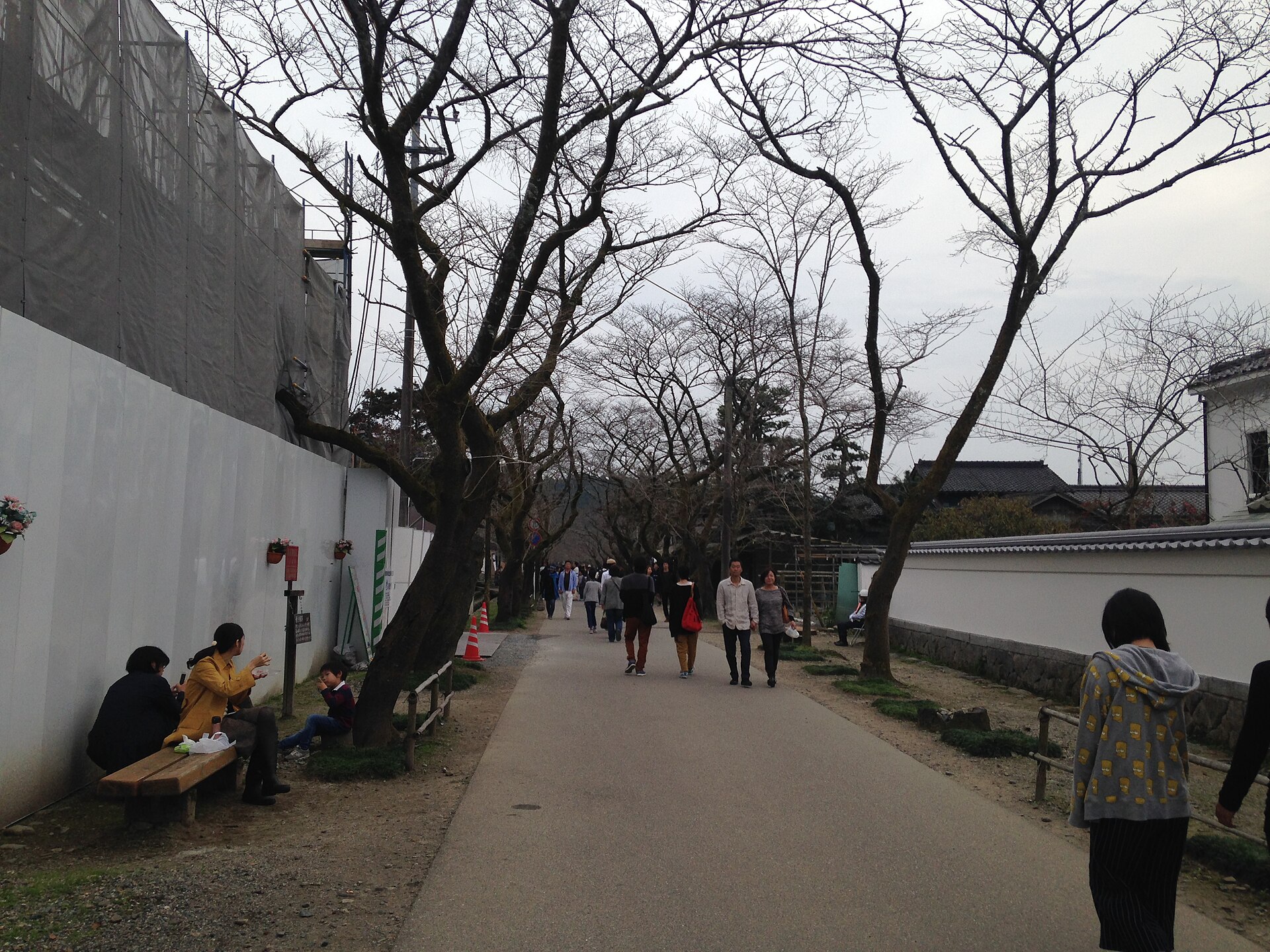
A hill-ringed castle town in Asakura, inland Fukuoka, built along a straight avenue of cherry trees that ends at the moat, ramparts and black gate of the old Kuroda residence. The whole quarter is a national preservation district.
- FromHakata Station
- ~1 hr 45 minAmagi Railway, then bus
- Get off atHakubutsukan-mae bus stop (Amagi Kanko Bus, Akizuki line)
- On foot
- Akizuki Castle Town
The sweet spot
Akizuki is well known within Fukuoka and busy on spring weekends, so it is not an undiscovered corner. The part people miss is that the crowd concentrates into two short seasons and into the middle of the day. Outside those hours it is an ordinary country street with an extraordinary avenue down the middle.
Where it is
28 more notes in Fukuoka · open the map →What to look for — in walking order
- Akizuki Museumthe local history and art museum, at the foot of the avenue beside the bus stop
- Sugi-no-baba avenuea straight run of cherry trees on both sides, arching overhead in spring
- The moat and stone rampartsthe water and cut stone left from the Kuroda residence at the head of the avenue
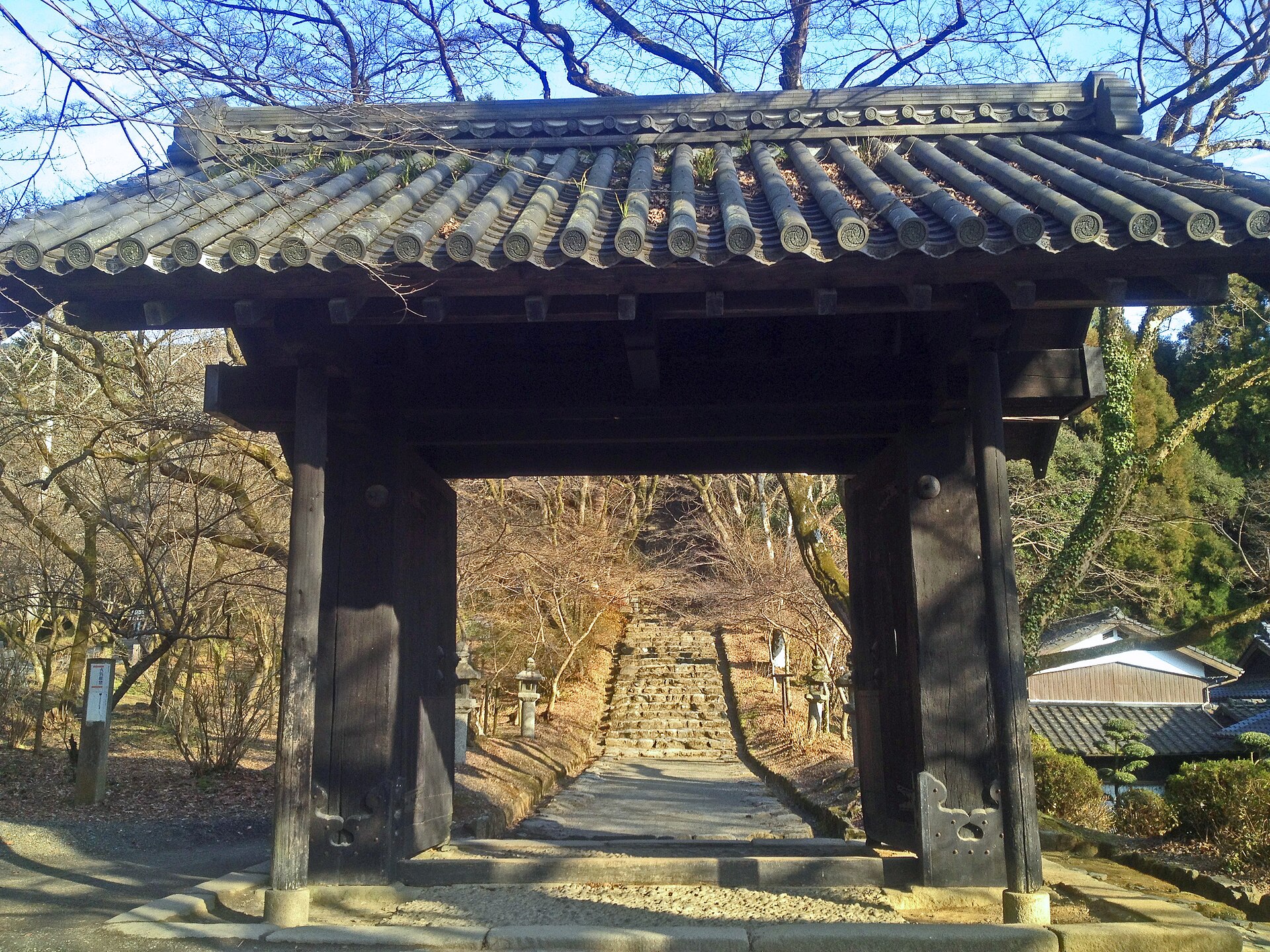
- Kuromon black gatea prefecturally designated gate from the castle, now the entrance to the shrine approach
- Suisho Shrineup a flight of stone steps through the gate, on the ground the residence once held
How to actually get there
- Hakata Station → Kiyama (JR Kagoshima Line), then change to the Amagi Railway for Amagi Station.
- Amagi Station → Hakubutsukan-mae (Amagi Kanko Bus, Akizuki line bound for Notori, about 20 min).
- Walk the avenue to the moat and ramparts, then through the Kuromon and up the steps to Suisho Shrine.
- Return to Hakubutsukan-mae for the bus back to Amagi.
- JR to Kiyama, Amagi Railway to Amagi, then the Akizuki bus
- Hakata Station →(JR Kagoshima Line)→ Kiyama →(Amagi Railway)→ Amagi Station →(Amagi Kanko Bus, Akizuki line bound for Notori, about 20 min)→ Hakubutsukan-mae. Allow roughly an hour and three quarters door to door, most of it on the two trains. The bus is the short leg but the one that sets your timing.
- Back to Amagi, then on to Hakata
- Return the same way from Hakubutsukan-mae. The Akizuki bus is a rural service with wide gaps between runs, so photograph the timetable at the stop when you arrive rather than assuming a bus will be there. Trains from Amagi thin out in the evening.
About the place
Akizuki sits in a bowl of hills in Asakura, inland from Fukuoka city. Its spine is Sugi-no-baba, a level avenue running straight from the bus stop to the earthworks of the old castle. Somei-yoshino cherries stand along both sides for about 500 metres and close overhead into a tunnel in spring. Plaster-walled shops and houses fill the lanes on either side, and the whole quarter carries a national preservation listing under the castle-town category. The name Sugi-no-baba means the cedar riding-ground, and records what the avenue was before the cherries arrived: a place to school horses, lined with cedar trees.
How to enjoy it
Take one of the earlier buses out of Amagi. In cherry season the avenue is at its calmest before the coaches arrive, and you can walk it end to end, climb through the gate to the shrine and be back down before the stalls fill. Late November turns the same walk over to maples around the black gate, and the museum, which opens mid-morning, fits naturally on the way back.
Background & history
The Akizuki clan held this valley from the thirteenth century, and in the Edo period a branch of the Kuroda house of Fukuoka ruled the domain from a walled residence at the head of the avenue. What survives is not a keep but its gates: the Kuromon, or black gate, and the adjoining Nagayamon, both designated tangible cultural properties by Fukuoka Prefecture. The Kuromon now stands on the approach to Suisho Shrine, built on the castle ground. The cedars along the riding-ground were felled and replaced with cherries after Japan's victory in the Russo-Japanese War.
Before you go
- Cash
- The avenue, the castle ground, the gates and the shrine are open ground with nothing to pay. The museum on the avenue charges an entrance fee. Carry cash for the bus and for the small shops along the street.
- Good to know
- The avenue is flat and paved; the climb to the shrine is a flight of stone steps. There is no lighting on the castle ground after dark. Roads into the valley are congested on spring weekends, which is exactly why the city asks visitors to come by bus.
- Another way
- By car, leave the Oita Expressway at Amagi IC and use the Akizuki car park, a short walk from the avenue. In cherry season this is the slow option.
- After you get off
- From Hakubutsukan-mae the avenue begins at once. The museum stands right by the stop, and the castle gate is a level walk of under ten minutes straight ahead.
Nearby notes
 DENCHIkun / Public domain
Craft · Fukuoka★★
Koishiwara Ware
12.1 km · straight line
 そらみみ / CC BY-SA 4.0
Local life · Fukuoka★★
Chikugo-Yoshii Townscape
14.7 km · straight line
 Koda6029 / CC BY-SA 4.0
History · Fukuoka★★
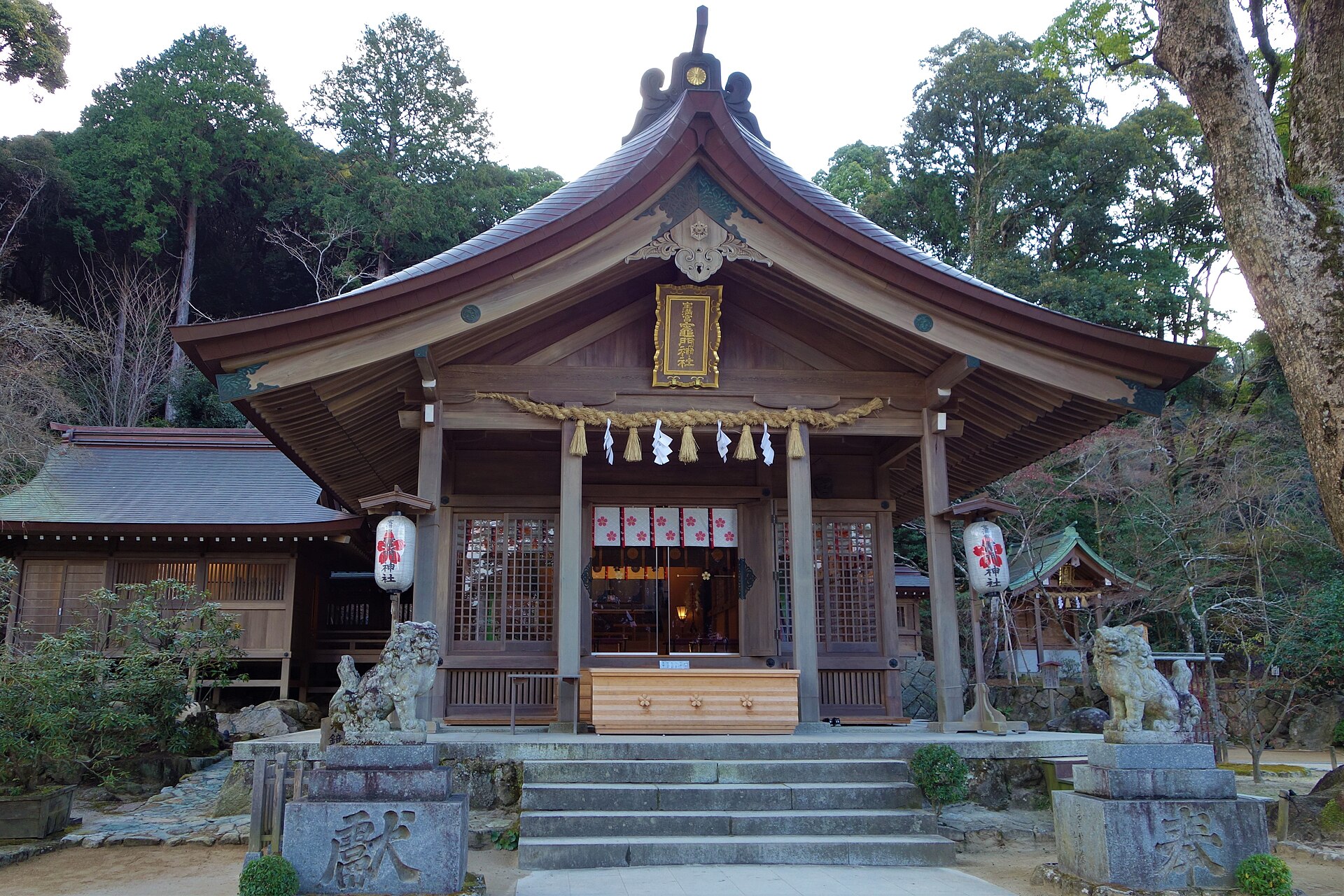
Homangu Kamado Shrine
15.0 km · straight line
 nagi usano / CC BY 4.0
Culture · Fukuoka★★
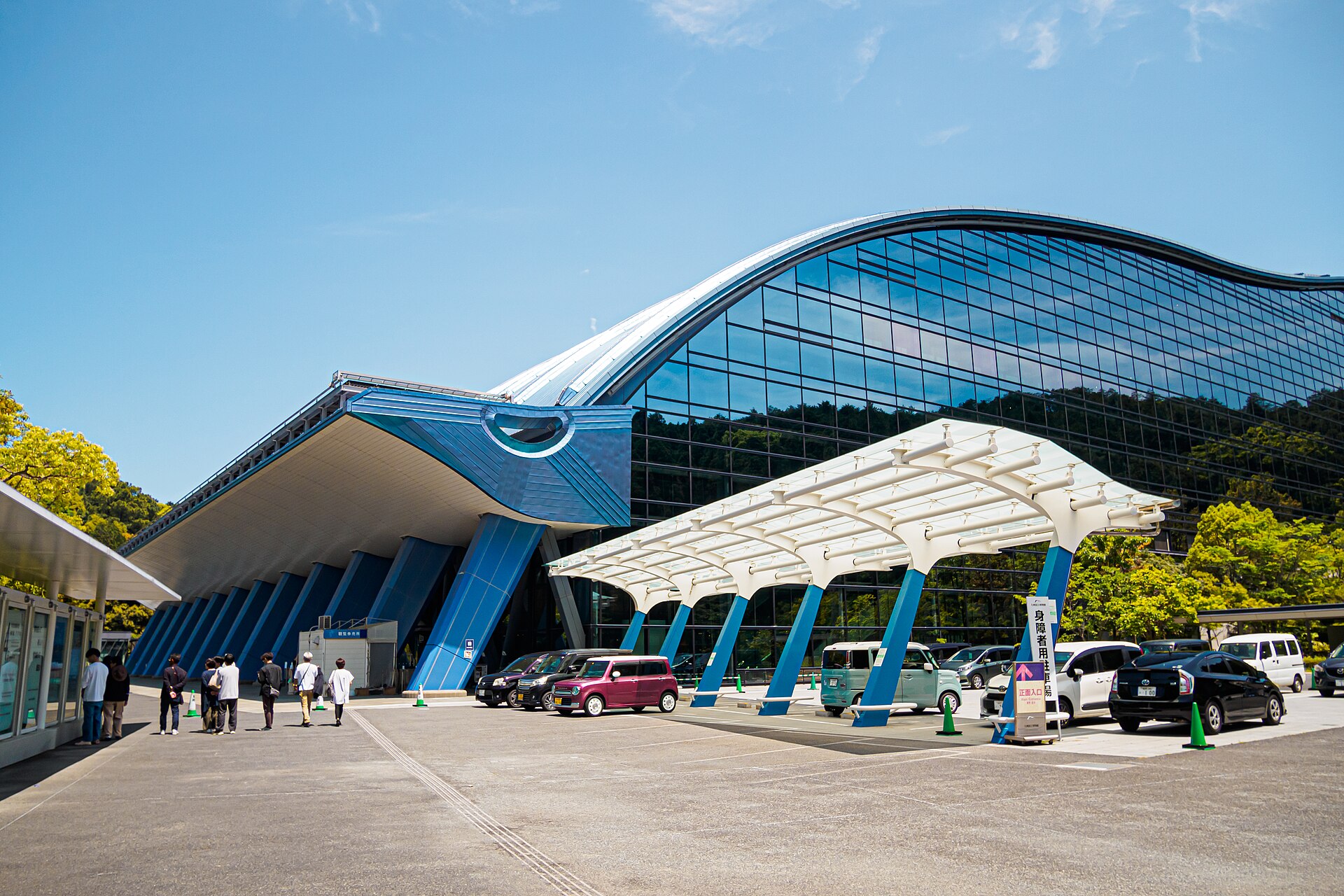
Kyushu National Museum
15.7 km · straight line
Distances are straight lines on the map, not travel times.