Fukui · Echizen Town, KosoharaNo.1302★★Open in map →
Echizen Pottery Village
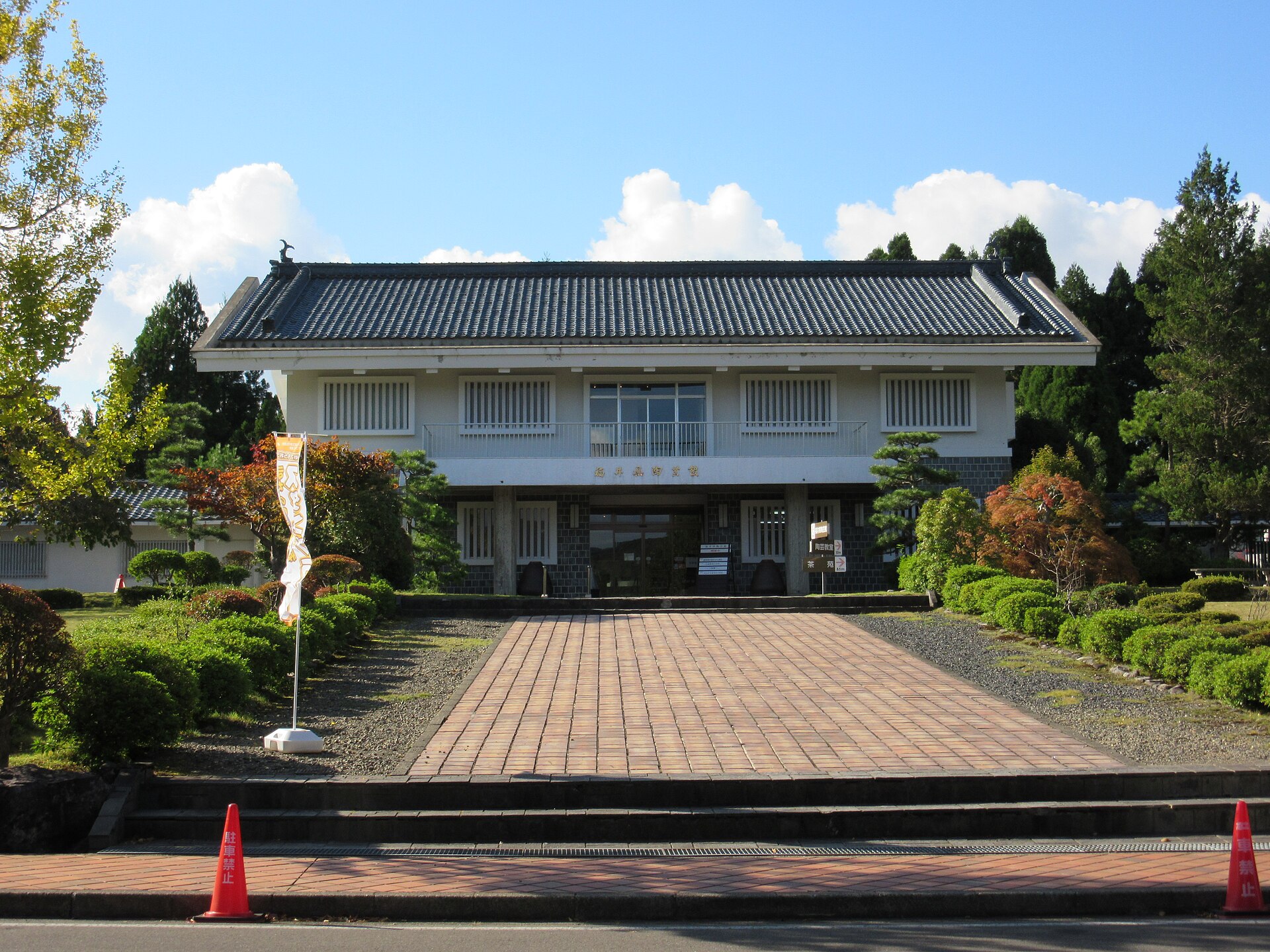
A pottery park in Kosohara, Echizen Town, on the ground where Echizen ware's first kiln was built. A ceramics hall with clay classes, a museum of old Echizen ware and a sculpture park share one site that is free to walk.
- FromTakefu Station (Hapi-Line Fukui)
- ~35–40 minHapi-Line train + Fukutetsu bus
- Echizen Pottery Village
The sweet spot
This is not a hidden place. It is the prefecture's own showcase for Echizen ware, one of Japan's Six Ancient Kilns. What is easy to miss is where it stands: not in a shopping street but in the district where the ware began, with the museum, the classes and the potters' work all within a short walk. The practical catch is the calendar, since the prefectural hall shuts on Mondays.
Where it is
28 more notes in Fukui · open the map →What to look for — in walking order
- Fukui Prefectural Ceramics Hallthe prefecture's Echizen ware hall: a museum and clay classes, with a tea room beside it
- Echizen Old Kiln Museuman Edo-period farmhouse moved here from a mountain hamlet, now showing old Echizen ware
- Echizen Ceramics Parklawns and plazas set with ceramic sculptures and works by Okamoto Taro and Isamu Noguchi
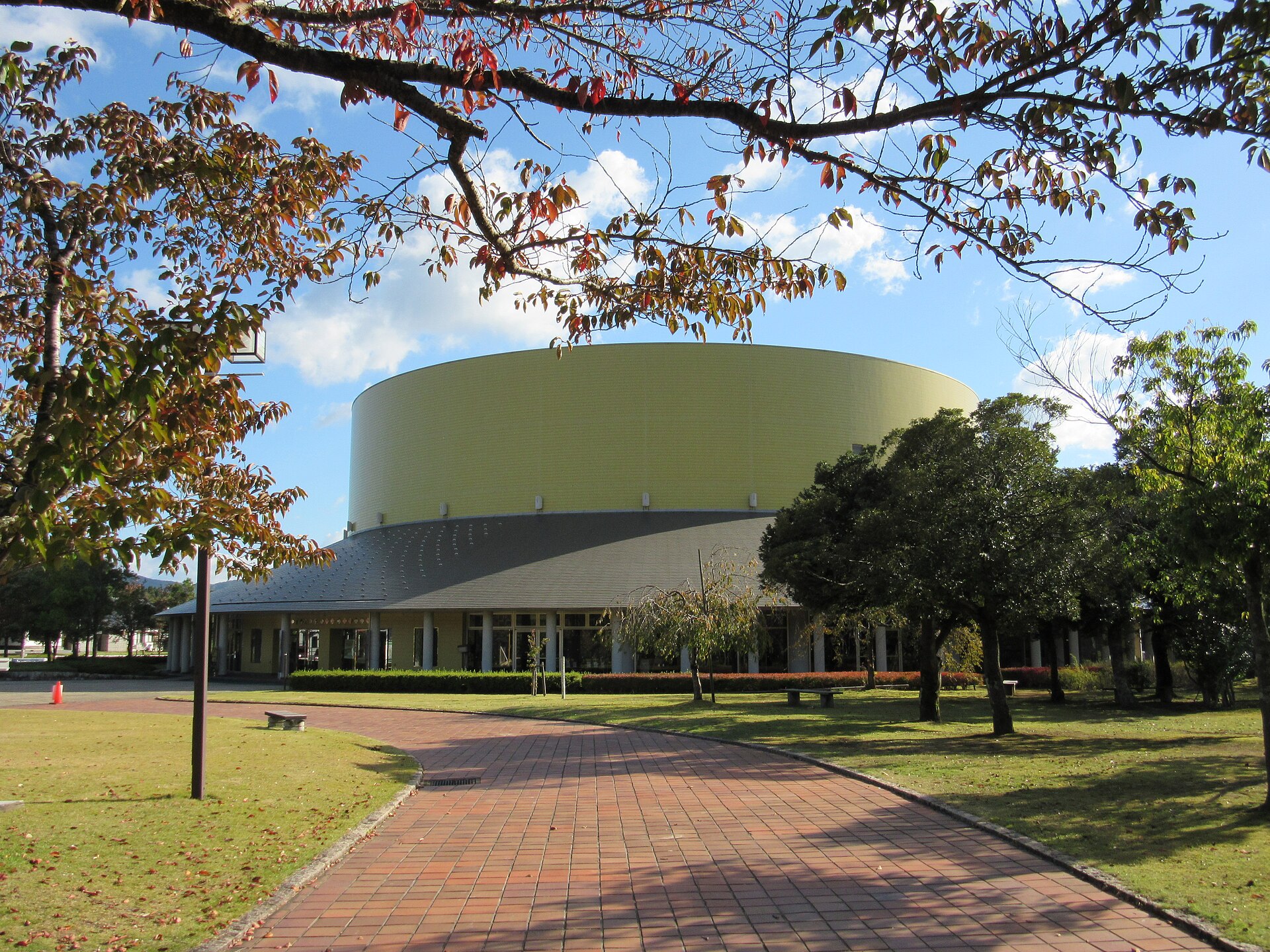
- Cultural Exchange Halla round yellow building whose lobby shows and sells tableware by local potters
How to actually get there
- Takefu Station (Hapi-Line Fukui) → board a Fukutetsu bus on the Echizen Coast line bound for Kareizaki.
- Ride to Togeimura-guchi (roughly 25–30 min), then walk about 10 min to the Fukui Prefectural Ceramics Hall.
- From the hall, walk north to the Echizen Old Kiln Museum, then cross the sculpture park.
- Finish at the round Cultural Exchange Hall on the south side of the park, then return to the bus stop.
- Hapi-Line Fukui to Takefu, then the Fukutetsu bus
- Take Hapi-Line Fukui to Takefu Station. From there, board a Fukutetsu bus on the Echizen Coast line bound for Kareizaki, and ride roughly 25–30 minutes to the Togeimura-guchi stop. The village is about a ten-minute walk from the stop.
- Return from Togeimura-guchi
- Walk back to the Togeimura-guchi stop and take the bus toward Takefu Station, then continue on Hapi-Line Fukui. Check the return bus times as soon as you arrive, so the end of the visit is not spent waiting at the stop.
About the place
Echizen Pottery Village lies in Kosohara, a district of Echizen Town to the west of Takefu. It is a pottery district and a public park at the same time. The park around the Fukui Prefectural Ceramics Hall is an urban park set up by the prefecture, and its grounds are free to walk. Sculptures stand across the lawns and plazas, including Okamoto Taro's Moon Face and Isamu Noguchi's Rain Mountain. Around them are a museum of old Echizen ware in a relocated farmhouse, a round hall where local potters show and sell tableware, and the classrooms where visitors can work the clay themselves.
How to enjoy it
The prefectural hall and the Old Kiln Museum both open from 9:00 to 17:00, with last entry at 16:30, and both close on Mondays. The park can be walked freely, and in spring it holds a weeping-cherry festival. Hand-building, wheel-throwing and glaze painting are offered at the hall; check session times and booking rules on its site first, and expect the fired piece to be finished later rather than on the day.
Background & history
Echizen ware began in the late Heian period, when potters adopted Tokoname methods and started firing hard, unglazed stoneware. The first kiln was built here in Kosohara. The iron-rich clay fires to a reddish brown, often streaked with natural ash glaze, and the jars, storage pots and grinding bowls travelled up the Sea of Japan coast as far as Hokkaido. Production later dwindled. In 1948 the ceramics scholar Koyama Fujio counted Echizen among Japan's Six Ancient Kilns, and the name Echizen ware was settled in 1965. The village was built with prefectural support in the early 1970s, and the ware became a national traditional craft in 1986.
Before you go
- Cash
- Walking the park is free. The prefectural hall's permanent exhibition and the pottery classes are charged, and the current rates are on the hall's price list. Carry cash for the bus fare.
- Good to know
- The Fukui Prefectural Ceramics Hall closes on Mondays (it opens when Monday is a public holiday), on the day after a public holiday, and over the New Year. The Old Kiln Museum follows the same pattern. Class sign-ups stop well before the hall closes.
- Another way
- By car, the village is about 30 minutes from Takefu IC or Sabae IC on the Hokuriku Expressway. There is a shared car park for the whole village.
- After you get off
- Takefu Station is a transfer point, not the destination: the village lies about 11 km west-northwest of it in a straight line. Take the Fukutetsu bus from the station, get off at Togeimura-guchi, and walk about ten minutes to the Fukui Prefectural Ceramics Hall.
Nearby notes
 さかおり / CC BY-SA 4.0
Food · Fukui★★★
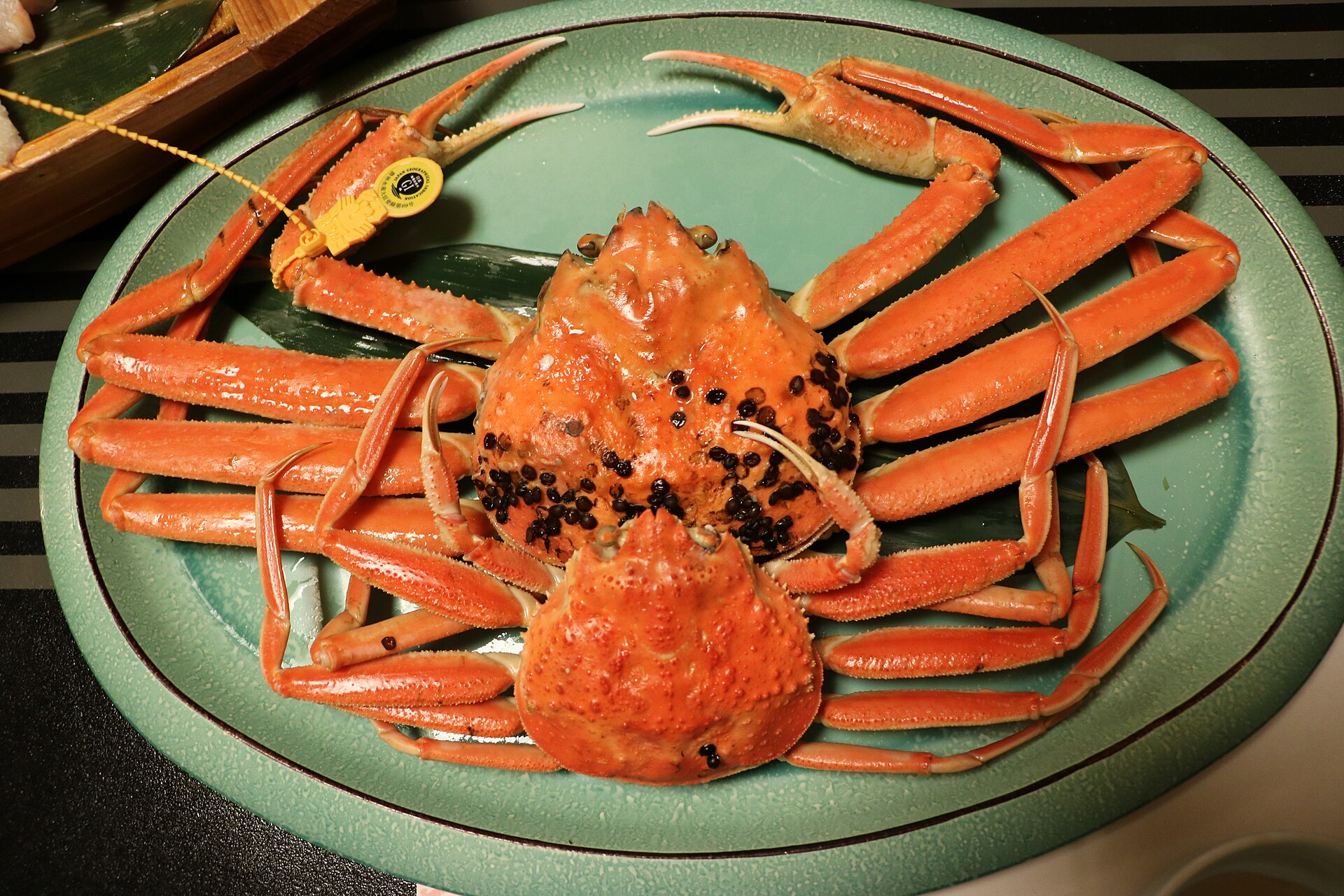
Echizen Snow Crab
5.8 km · straight line
 Opqr / CC BY-SA 4.0
Craft · Fukui★★
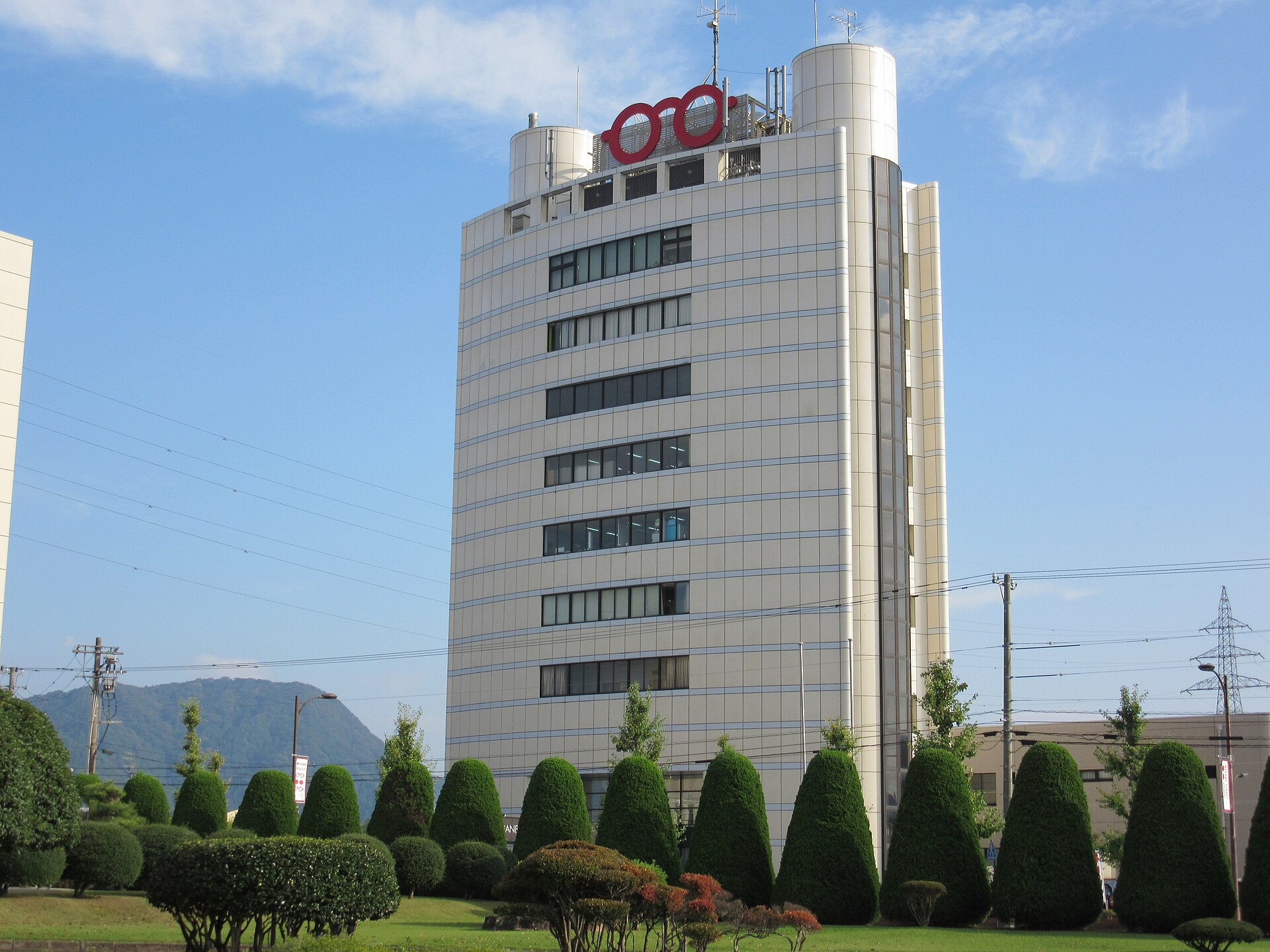
Sabae Eyewear
12.7 km · straight line
 TR15336300101 / CC BY-SA 4.0
Craft · Fukui★★★
Echizen Washi
16.9 km · straight line
 Frank Schulenburg / CC BY-SA 4.0
Craft · Fukui★★
Echizen Forged Blades
16.9 km · straight line
Distances are straight lines on the map, not travel times.