Southwest Hokkaido · EsashiNo.731★★Open in map →
Esashi Inishie Kaido
— Esashi's preserved merchant street
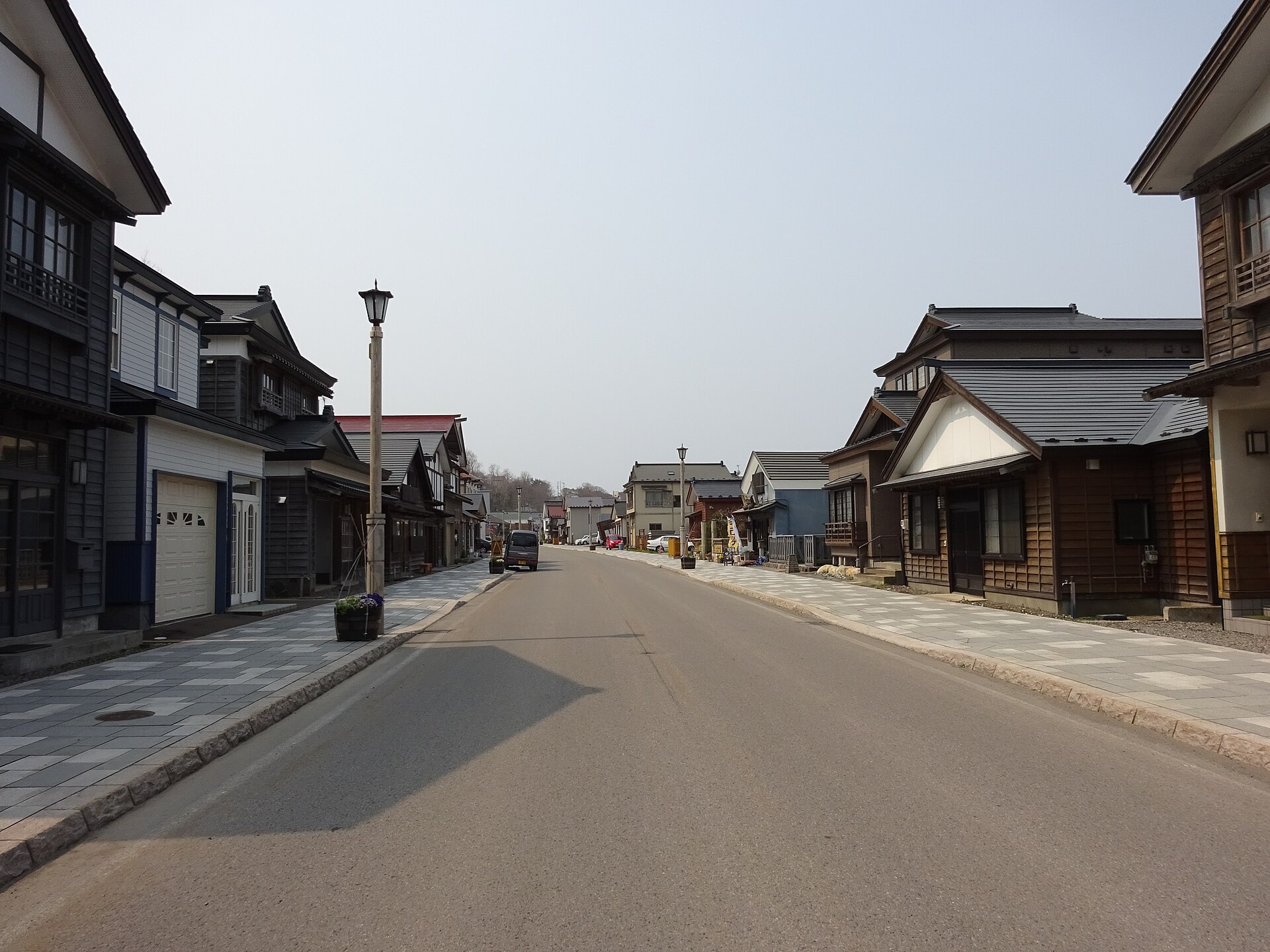
A single street of merchant houses, warehouses and shrines on the south-west coast of Hokkaido, left from the years when herring and cypress timber made Esashi rich enough for a saying that placed its May above Edo's.
- FromHakodate Station
- ~2 hr 15 minHakodate Bus, five a day
- Get off atNakautacho (Hakodate Bus route 610)
- From there
- Esashi Inishie Kaido
The sweet spot
Esashi is not undiscovered. It holds a national Important Cultural Property and its own Japan Heritage story. It is quiet because the railway that once reached the town has been closed, and the bus from Hakodate takes over two hours each way, which keeps most day-trippers short.
Where it is
102 more notes in Hokkaido · open the map →What to look for — in walking order
- Nakamura Housemain hall, document store, lower store and loading platform in one line toward the harbour
- Former Hiyama and Nishi County Officea Western-style government building on the slope above the street, now the town museum
- Yokoyama Housea merchant family's compound on the street, closed to visitors at the time of checking
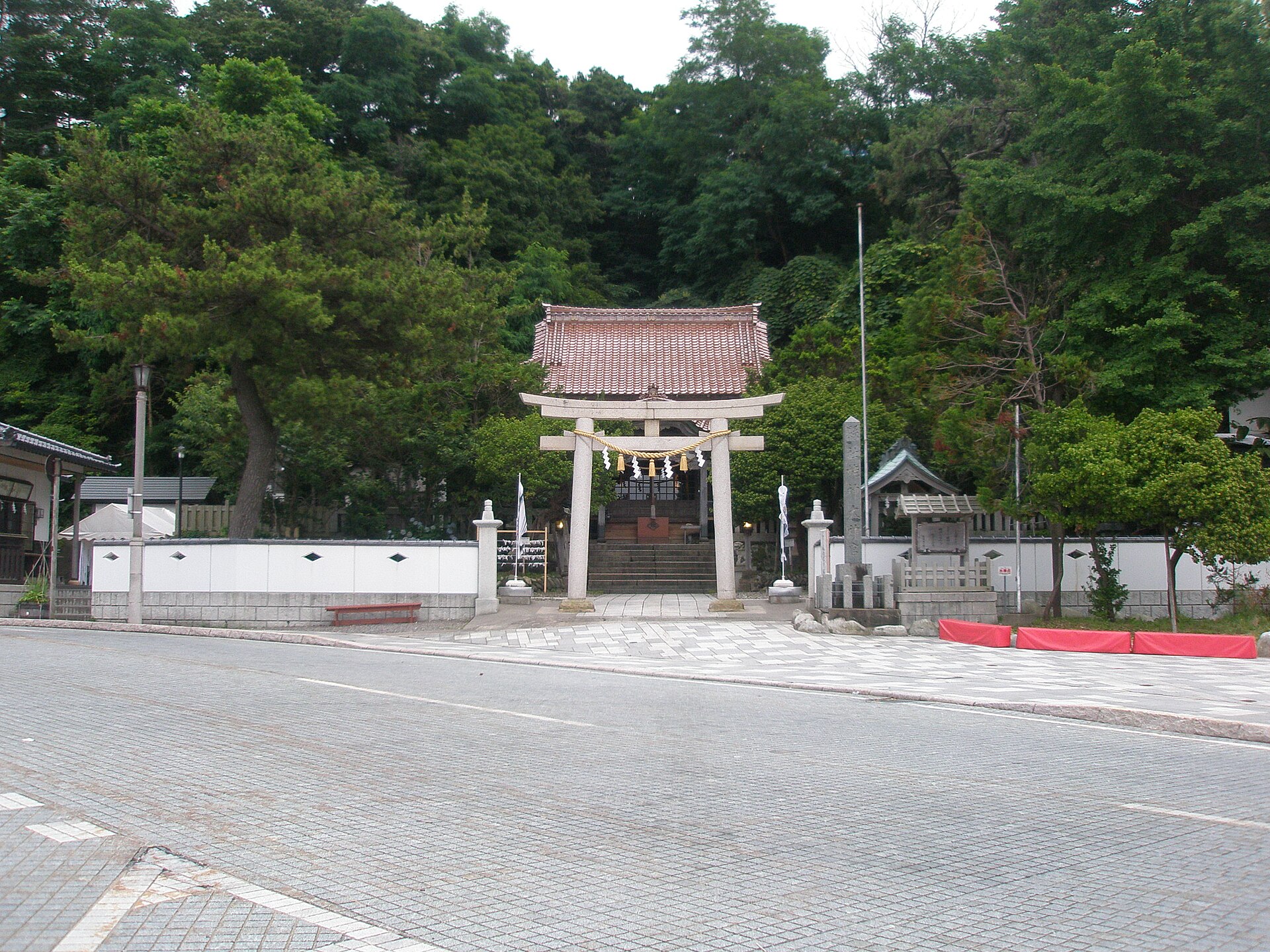
- Ubagami Daijinguthe shrine at the southern end, whose festival floats take over the street each August
How to actually get there
- Hakodate Station front → Nakautacho (Hakodate Bus route 610 toward Esashi Terminal, about 2 hr 15 min).
- Nakautacho stop → Inishie Kaido at the Nakamura house (a minute or two on foot).
- Walk south along the street: former county office → Yokoyama house → Ubagami Daijingu (about ten minutes end to end).
- Return to Nakautacho for the Hakodate-bound bus, or walk on to the ferry stop if you are continuing to Kamome Island.
- Hakodate Bus route 610 from Hakodate Station
- Hakodate Station front → Hakodate Bus route 610 toward Esashi Terminal → Nakautacho. About 2 hr 15 min across the Oshima peninsula. At the time of checking there were five departures a day, of which the earliest and the latest do not run on weekends or public holidays.
- Return on the same route
- Buses back to Hakodate use the same stops on route 610, and the departures are posted at the shelter. Note them when you arrive rather than at the end of the walk — the route runs only a few times a day, and the ride back is again over two hours.
About the place
Esashi faces the Sea of Japan on Hokkaido's south-west shoulder, one block back from the water. The old highway through the town now carries the name Inishie Kaido, and the buildings along it are the ones the herring trade paid for. The Nakamura house stands near the northern end — a main hall, a document store, a lower store and a hanedashi loading platform set in a line running down toward the harbour, built of hiba cypress on a footing of Echizen stone. At the southern end the street reaches Ubagami Daijingu, whose festival still fills the town every August. Between the two it passes a hillside county office and a merchant house currently closed to visitors.
How to enjoy it
Get off at Nakautacho rather than the ferry stop and you start at the Nakamura house, then walk south with the sea on your right. The house opens at 9:00 and closes at 17:00, and from November to March it is shut on Mondays and on the day after a public holiday. Allow about ten minutes of walking to reach the shrine at the far end, and read the return board before you set off.
Background & history
Esashi opened earlier than most of Hokkaido. Herring ran in numbers that supported a whole trading economy, and hiba cypress from the Hiyama hills went south in the same holds, carried by the kitamaebune coastal ships. That prosperity produced the phrase the town still uses — Esashi's May is not to be found even in Edo. The Nakamura main hall and document store date from the Meiji period, the lower store from the closing years of Edo. Japan's Heritage programme has since recognised the story under that same phrase.
Before you go
- Cash
- Hakodate Station front to Nakautacho was 2,500 yen one way at the time of checking. Admission to the Nakamura house was 300 yen for adults and 100 yen for school students. The street itself and the shrine grounds cost nothing to walk.
- Good to know
- The Nakamura house opens 9:00 to 17:00. From November to March it closes on Mondays and on the day after a public holiday, and it shuts from 31 December to 5 January. The Yokoyama house was closed to visitors at the time of checking, so it is an exterior only. The street is a public road and can be walked at any hour.
- Another way
- From Shin-Hakodate-Hokuto, the Shinkansen station, the same route 610 runs to Nakautacho for 2,000 yen. By car, Hakodate Airport to Esashi is about 90 minutes.
- After you get off
- The town's own guide describes the Nakautacho stop as being beside the Nakamura house. From the shelter it is a minute or two on foot to the old highway. The ferry stop one further along is the one for Kamome Island, not for this street.
Nearby notes
Distances are straight lines on the map, not travel times.