Iwate · KamaishiNo.1165★★Open in map →
Hashino Iron Mining and Smelting Site
A World Heritage site of dressed granite furnace bases standing in a mountain valley inland from Kamaishi, where the Nanbu domain ran Western-style blast furnaces from the closing years of the shogunate. Free to enter, with an information centre at the gate.
- FromKamaishi Station (JR Kamaishi Line)
- ~50 minCar or taxi from Kamaishi Station
- Hashino Iron Mining and Smelting Site
The sweet spot
This is a UNESCO site, so it is not undiscovered — it is simply awkward to reach. Iwate's tourism bodies list one practical way in, and it is the drive inland from the coast. Snow then closes the season down. What that buys you is a World Heritage site you can walk at your own pace instead of shuffling through it.
Where it is
17 more notes in Iwate · open the map →What to look for — in walking order
- Hashino Iron Mine Information Centrethe gateway building at the site entrance, with a film, exhibition panels, and audio-guide pens and AR tablets for hire
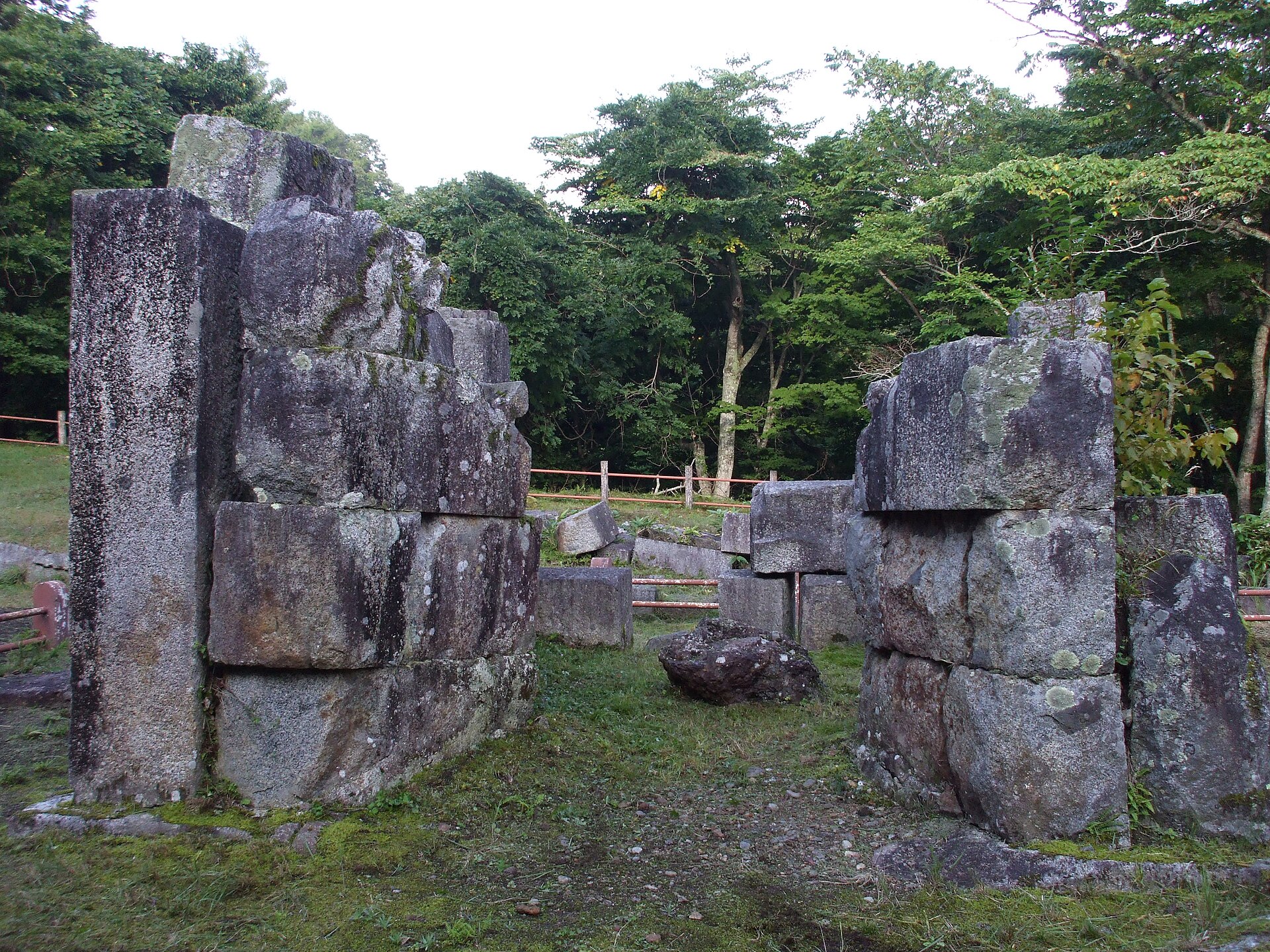
- The No. 3 furnace basethe oldest of the three and the last to stop working, its stonework taken as the basic early form
- The No. 1 and No. 2 furnace basestwo squared blocks of dressed granite standing side by side across the yard
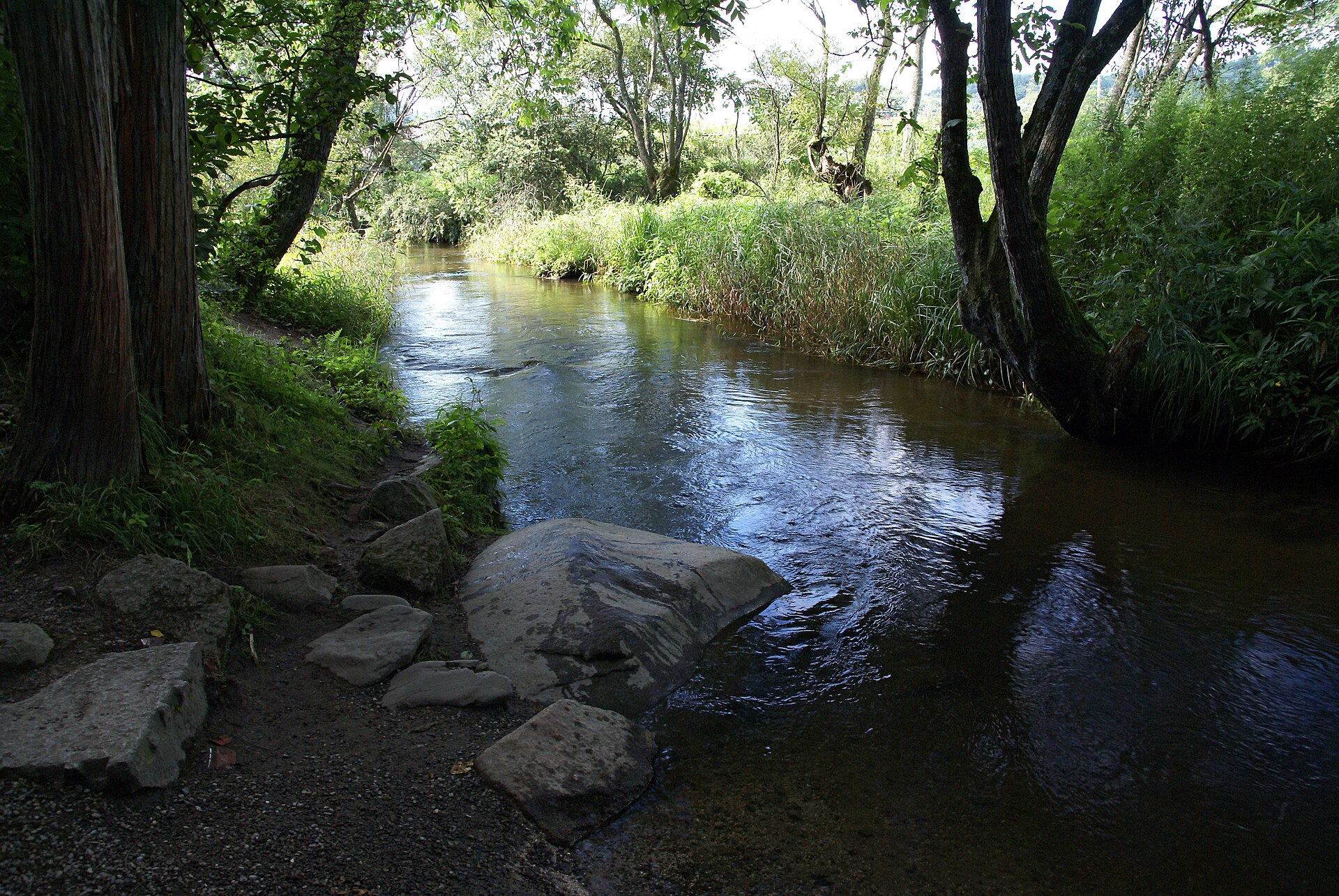
- The waterwheel sitestonework where water drawn off the stream supplied the power the works ran on
- The office and row-house sitesflattened platforms and stone footings where the yard's administration post and workers' quarters stood
How to actually get there
- Take the JR Kamaishi Line or the Sanriku Railway Rias Line to Kamaishi Station.
- Arrange a rental car or a taxi at the station; a seasonal shuttle also runs from there on selected days.
- Drive inland into the Hashino valley, about 50 minutes.
- Start at the information centre, then walk out to the three furnace bases.
- Kamaishi Station, then a car
- Kamaishi Station → inland into the Hashino valley, about 50 minutes by rental car or taxi, the figure both Iwate's Sanriku travel guide and the Tohoku tourism board give. Rental desks and taxis are at the station, so that is where the last leg gets settled. Kamaishi's tourism association also runs a seasonal shuttle from the station on selected days.
- Back down to the coast
- The same valley road returns to Kamaishi Station, which is the junction of the JR Kamaishi Line running inland through Tono and the Sanriku Railway Rias Line running along the coast. Leave with daylight in hand: the information centre closes in the late afternoon, and a mountain road is a poor place to be learning in the dark.
About the place
Hashino is not one monument but a whole production line laid across a mountain valley northwest of Kamaishi. Magnetite was quarried high on the slopes, brought down a stone-walled haulage route, and smelted at a furnace yard on the valley floor. Three furnace bases survive in that yard, each a squat block of dressed granite that once carried a firebrick shaft inside it. Water drawn off the stream powered the works, and the flattened ground around the furnaces still marks where the office and the workers' quarters stood. The quarry and the haulage route are closed to visitors; the furnace yard is the part you walk.
How to enjoy it
Visit outside winter, while the information centre is open — its film and panels are what turn a row of stone blocks into a legible production line. Start there, take an audio-guide pen or an AR tablet, and walk the yard outward from the No. 3 furnace. Arrive in the late morning and you can still be back on the coast at Kamaishi for the afternoon.
Background & history
The first furnace here was raised in 1858 under the direction of Oshima Takato, the Nanbu domain engineer remembered in Japan as the father of modern ironmaking. Two more furnaces went up beside it, and the yard kept working under changing owners until 1894, when the operation was folded into a larger ironworks and the last furnace went out. The ruins were designated a national historic site in 1957. In 2015 they were inscribed on the UNESCO World Heritage List as one of the Sites of Japan's Meiji Industrial Revolution.
Before you go
- Cash
- The furnace site is free to enter and the information centre charges no admission. Guided tours of the ruins are offered for a fee, arranged through Kamaishi City's world heritage section or the local guide association. Settle anything you need to buy down in Kamaishi before you drive up.
- Good to know
- The information centre is closed through the winter, and snow makes the valley hard to visit in that season. Kamaishi City's own visitor page asks for shoes you can walk in, because the yard is uneven ground rather than pavement.
- Another way
- Coming from Morioka rather than the coast, the JR Kamaishi Line runs down through Hanamaki and Tono to Kamaishi Station, and the drive up the valley starts from the same forecourt.
- After you get off
- Kamaishi Station is the railhead, not walking distance — the furnace yard sits in a mountain valley well inland of it. Take a taxi or drive; the information centre has its own car park at the site entrance, and the furnace yard lies just beyond it.
Nearby notes
Distances are straight lines on the map, not travel times.