South Toyama · InamiNo.477★★Open in map →
Inami Woodcarving Town
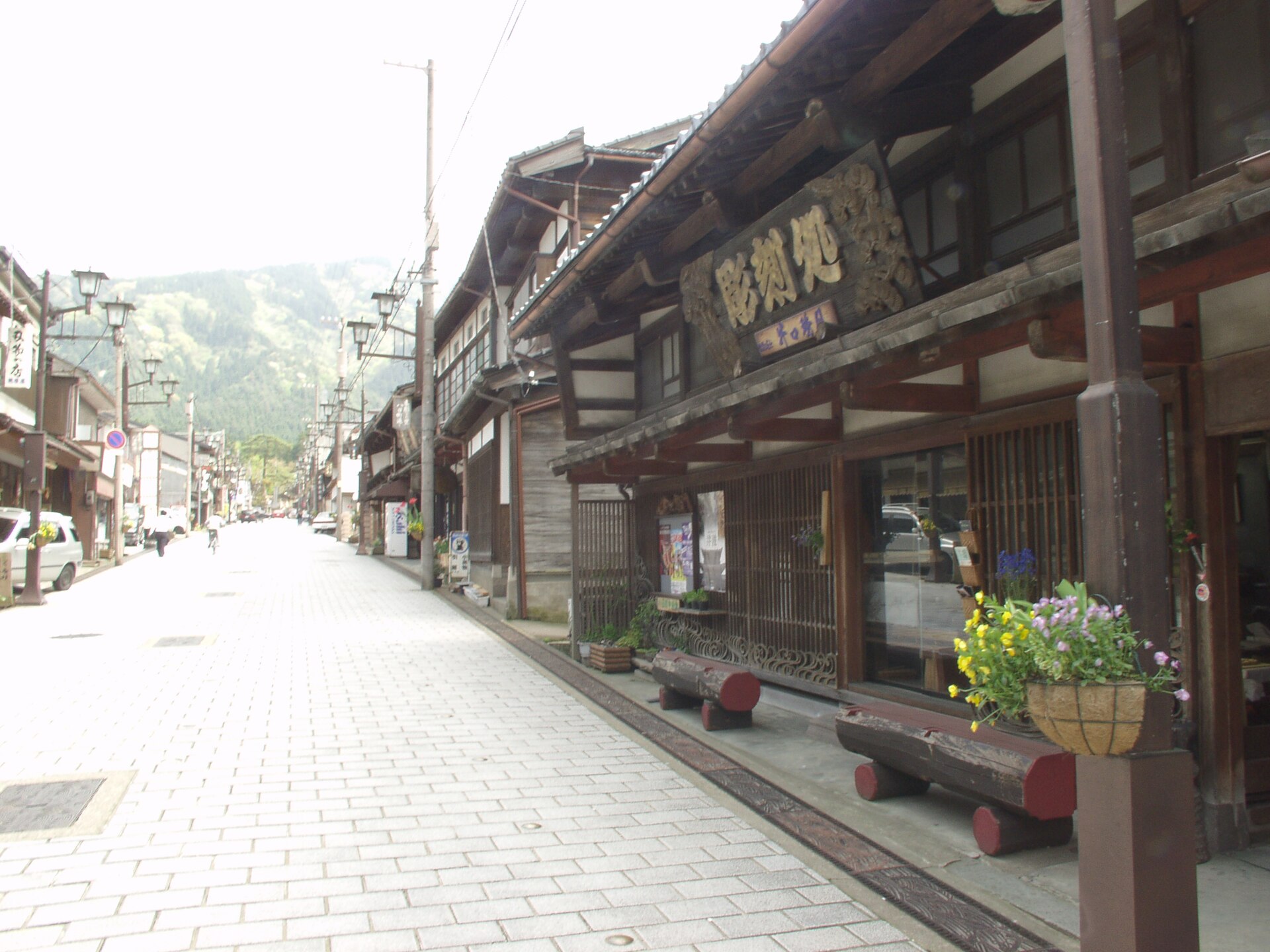
A temple town in the hills of southern Toyama where wood carving is the local trade. The stone-paved approach to Zuisen-ji is lined with the workshops that produce it, and the temple at the top is the reason the craft exists at all.
- FromKanazawa Station
- ~1 hr 15 minKaetsunou bus, six a day
- Get off atInami (Kaetsunou Bus, Nanto–Kanazawa line)
- On foot
- Inami Woodcarving Town
The sweet spot
Inami is well documented in Japanese and nationally designated, so it is not an undiscovered place. What is unusual is the arrangement. The workshops sit at street level with their fronts open, so a craft normally met as a finished object in a glass case is met here mid-cut, in the room where it is being made.
Where it is
8 more notes in Toyama · open the map →What to look for — in walking order
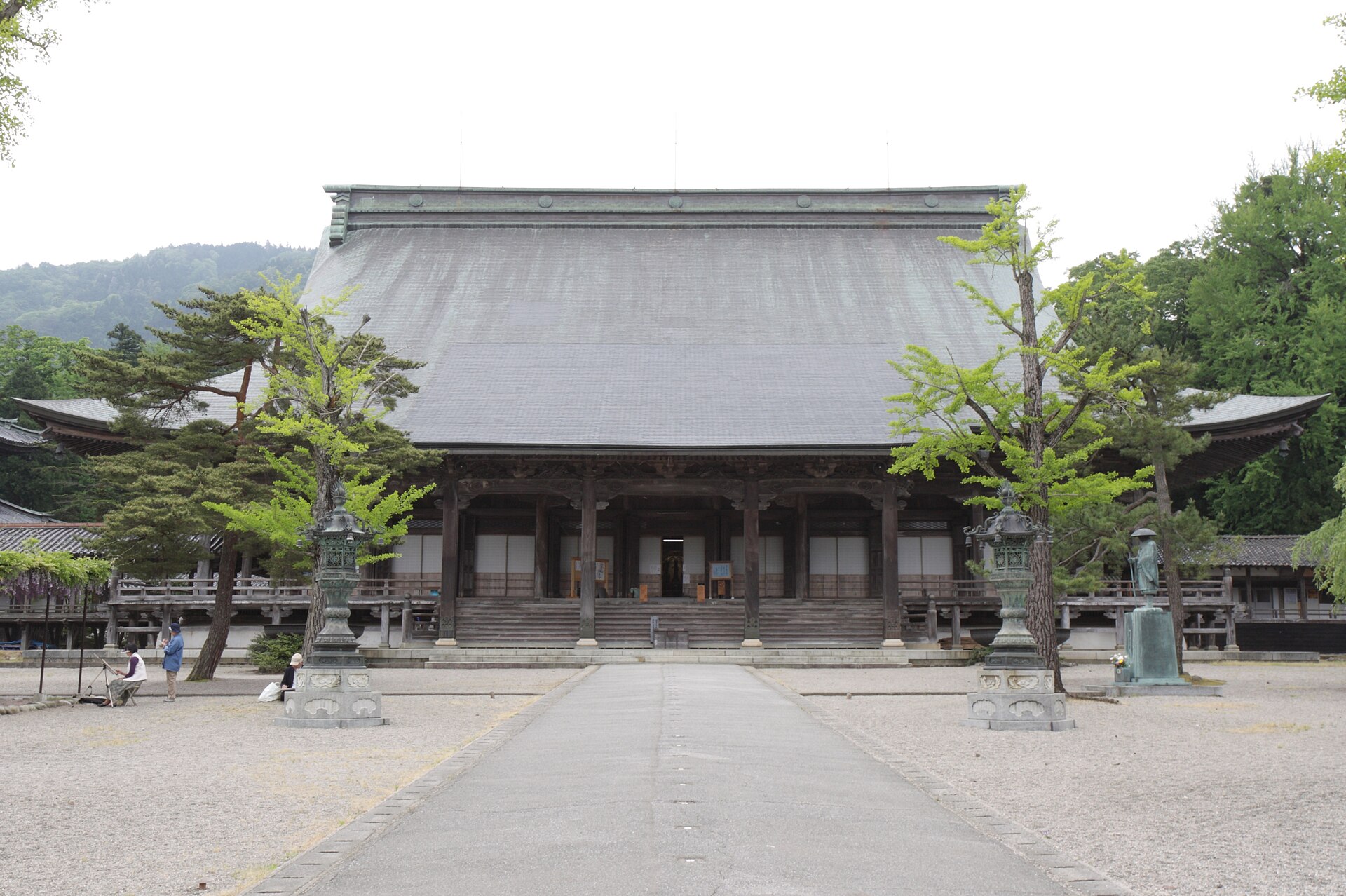
- Yokamachithe stone-paved approach climbing from the town toward the temple gate
- The carvers' workshopsstreet-level ateliers with their fronts open onto the same slope
- Zuisen-ji main gatethe precinct entrance, itself carved by the trade the town is known for
- The main hallthe largest wooden hall of its Buddhist school in the Hokuriku region
- Taishi-dothe hall raised for the Prince Shotoku rites, rebuilt after the last fire
How to actually get there
- Kanazawa Station west exit → Inami (Kaetsunou Bus, Nanto–Kanazawa line, about 1 hr 15 min).
- Inami stop → the foot of Yokamachi (walk south, roughly 15 min).
- Climb the stone paving past the workshop fronts to the main gate of Zuisen-ji.
- Inside the precinct, take the main hall first, then Taishi-do behind it.
- Kaetsunou bus from Kanazawa
- Kanazawa Station west exit →(Kaetsunou Bus, Nanto–Kanazawa line, about 1 hr 15 min)→ Inami. The line runs six return trips a day, so the timetable shapes the visit rather than the other way round. From the stop it is roughly fifteen minutes on foot south to the foot of the temple approach.
- Return from Inami
- The same service runs back to Kanazawa Station west exit. With only six departures each way there is no margin for guessing, so check the operator's timetable before you start uphill. If the last one has gone, the fallback is a Nanto city bus out to the Johana Line at Fukuno, Fukumitsu or Jouhana.
About the place
Zuisen-ji stands at the top of the slope and the town runs downhill from its gate. The temple's main hall is the largest wooden building of its Buddhist school in the Hokuriku region, and the carving on the gate and under the eaves was cut by people living a few streets away. Yokamachi, the approach, is paved in stone and climbs gently toward the precinct. Workshops and two-storey merchant houses line it with their doors on the road, so the carving is met as work rather than as display. The trade has roughly two and a half centuries behind it, and the town holds a national Japan Heritage designation on the strength of it.
How to enjoy it
Workshops keep ordinary working hours, so a weekday from mid-morning into the late afternoon is when the street is at work rather than shuttered. Zuisen-ji was admitting visitors between 9:00 and 16:30 for 500 yen when this was checked. The Woodcarving Hall at the edge of town stays open half an hour later, and its last entry is earlier than its closing time, so leave a margin.
Background & history
Zuisen-ji was founded in 1390 by Shakunyo, the fifth abbot of Hongan-ji, and the town grew up in front of its gate. Sasa Narimasa's troops burned it in 1581. It burned again in the town fire of 1762, and for that rebuilding Kyoto sent a Hongan-ji carver, Maekawa Sanshiro; four local temple carpenters worked under him and kept the technique after he left. Fire took the halls once more in 1879, and the present main hall and Taishi-do date from 1885 and 1918.
Before you go
- Cash
- The street itself costs nothing and the workshops are working businesses rather than ticketed attractions. Zuisen-ji charges admission at its gate, and the Woodcarving Hall on the edge of town sets its own rate, with a reduced one for schoolchildren. This is a small town on a rural bus route, so carry cash.
- Good to know
- Every workshop is a private business with its own days off, which is why the street feels busier on some days than others. The Woodcarving Hall shuts on the second and fourth Wednesday of the month and over the New Year. The approach is a stone-paved slope, which is worth knowing in winter.
- Another way
- Toyama Prefecture's tourism office lists a Kaetsunou bus from Takaoka to the Inami-Chuo stop, about 70 minutes. From the JR Johana Line, Nanto city buses run to the Zuisenji-mae transport plaza out of Fukuno, Fukumitsu and Jouhana stations.
- After you get off
- From the Inami stop, walk south along the main road. The newer part of town comes first; the stone paving and the workshop fronts begin where the road narrows and starts to climb toward the temple gate.
Nearby notes
 Zairon / CC BY-SA 4.0
History · Toyama★★★
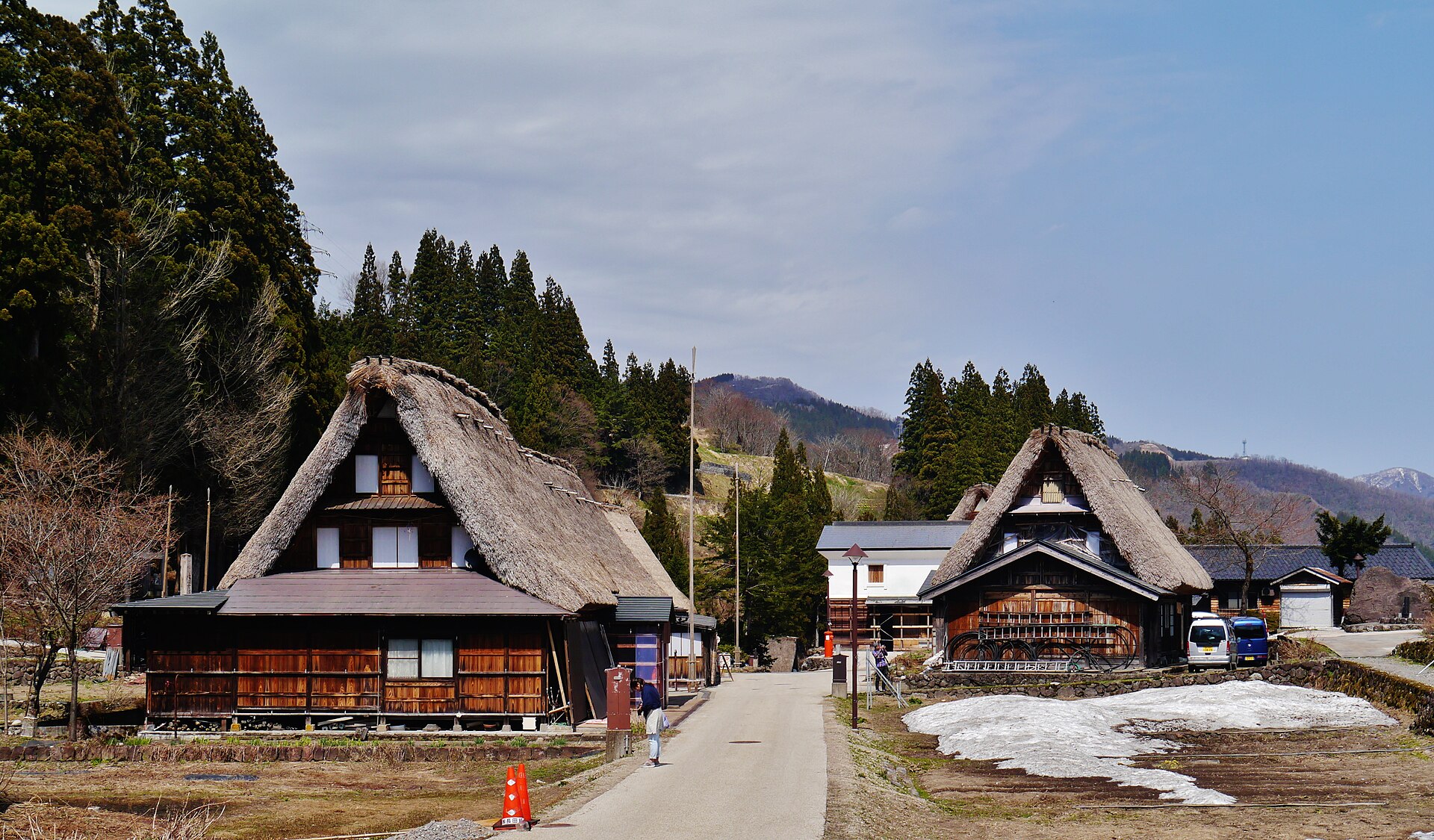
Ainokura Gassho Village
15.1 km · straight line
 Isoyan / CC BY-SA 3.0
Local life · Toyama★
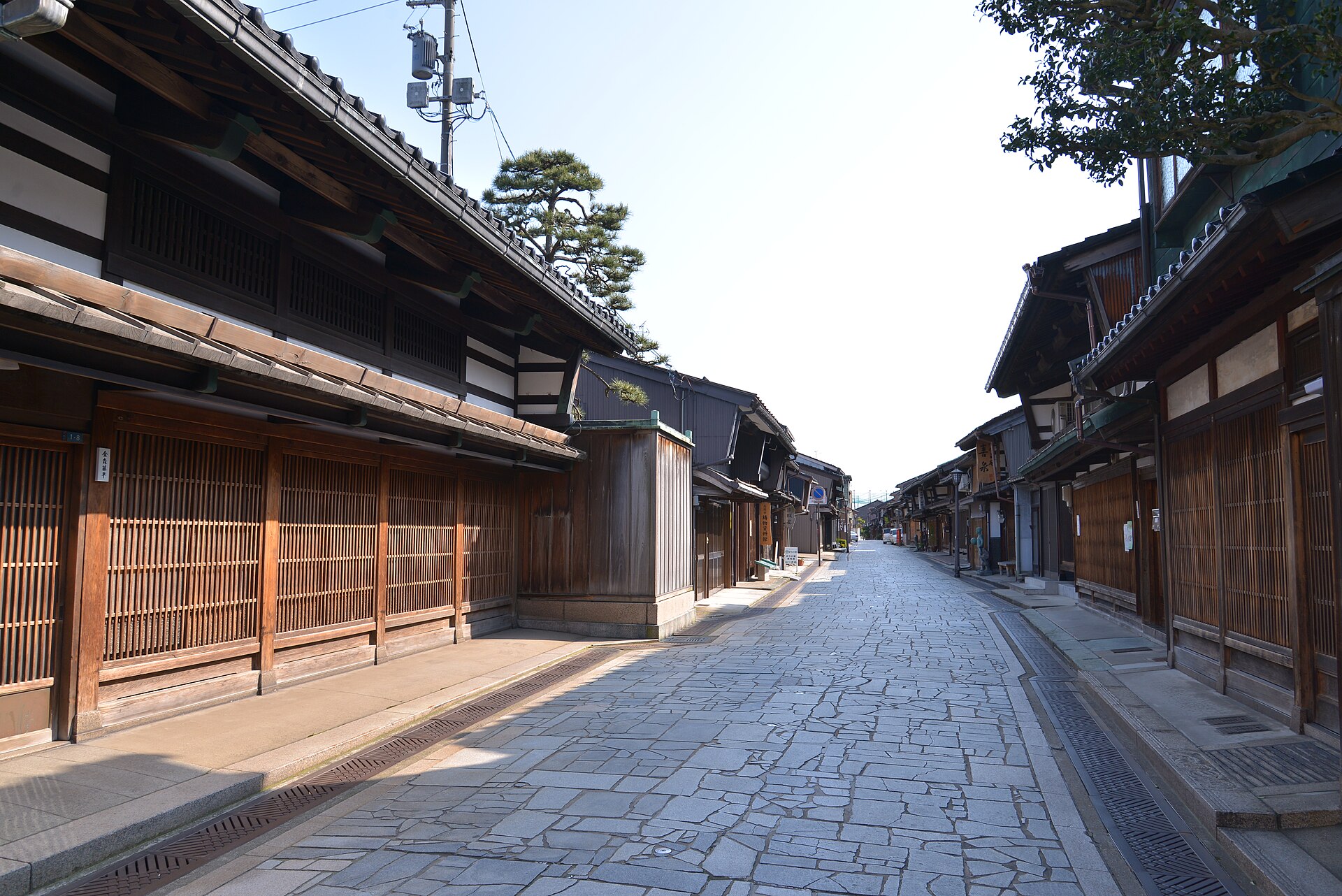
Kanayamachi Foundry Quarter
21.6 km · straight line
 7'o'7 / CC BY-SA 3.0
Food · Toyama★★
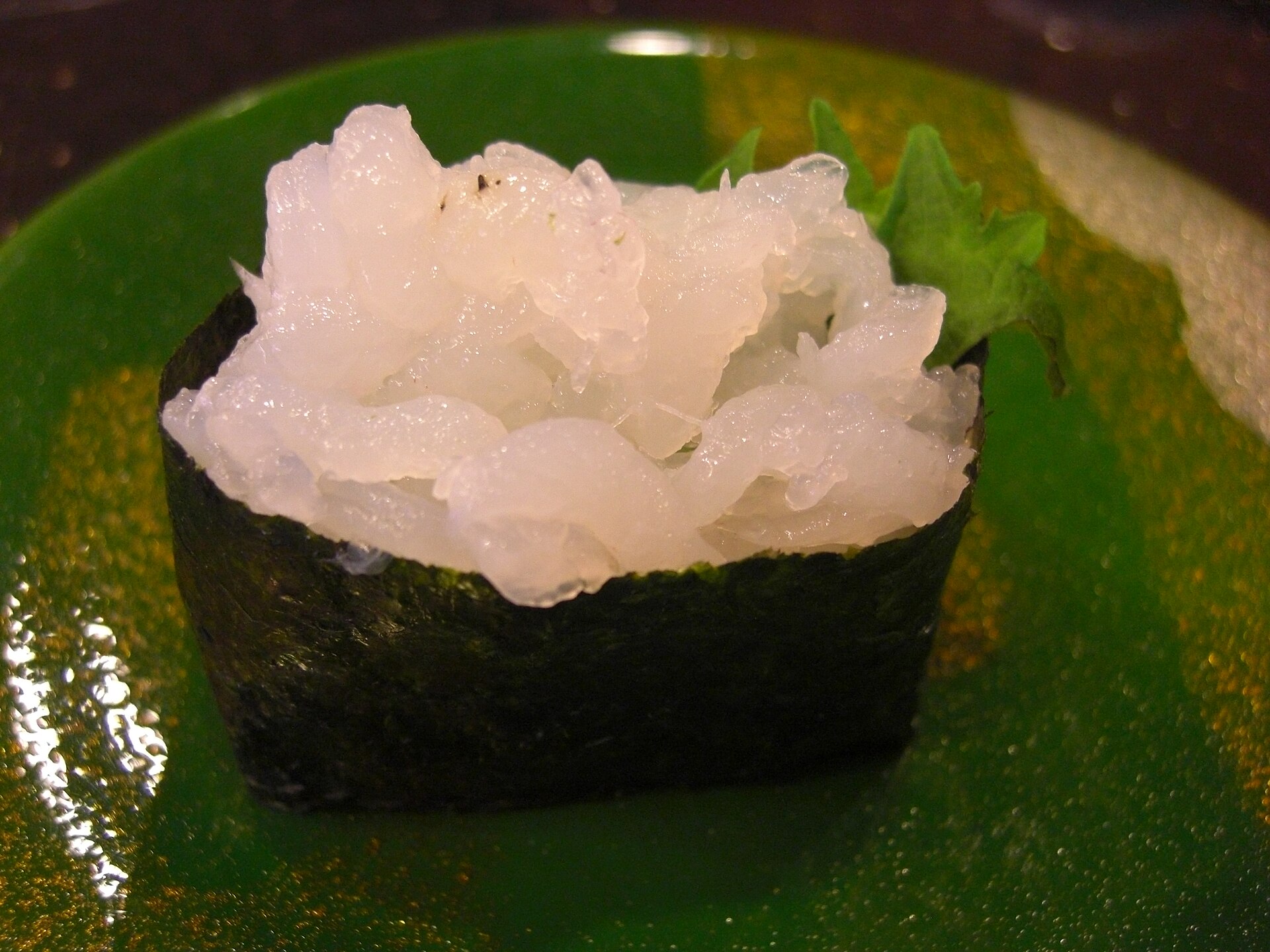
Toyama Bay White Shrimp
27.3 km · straight line
 Raita Futo from Tokyo, Japan / CC BY 2.0
Local life · Ishikawa★★★
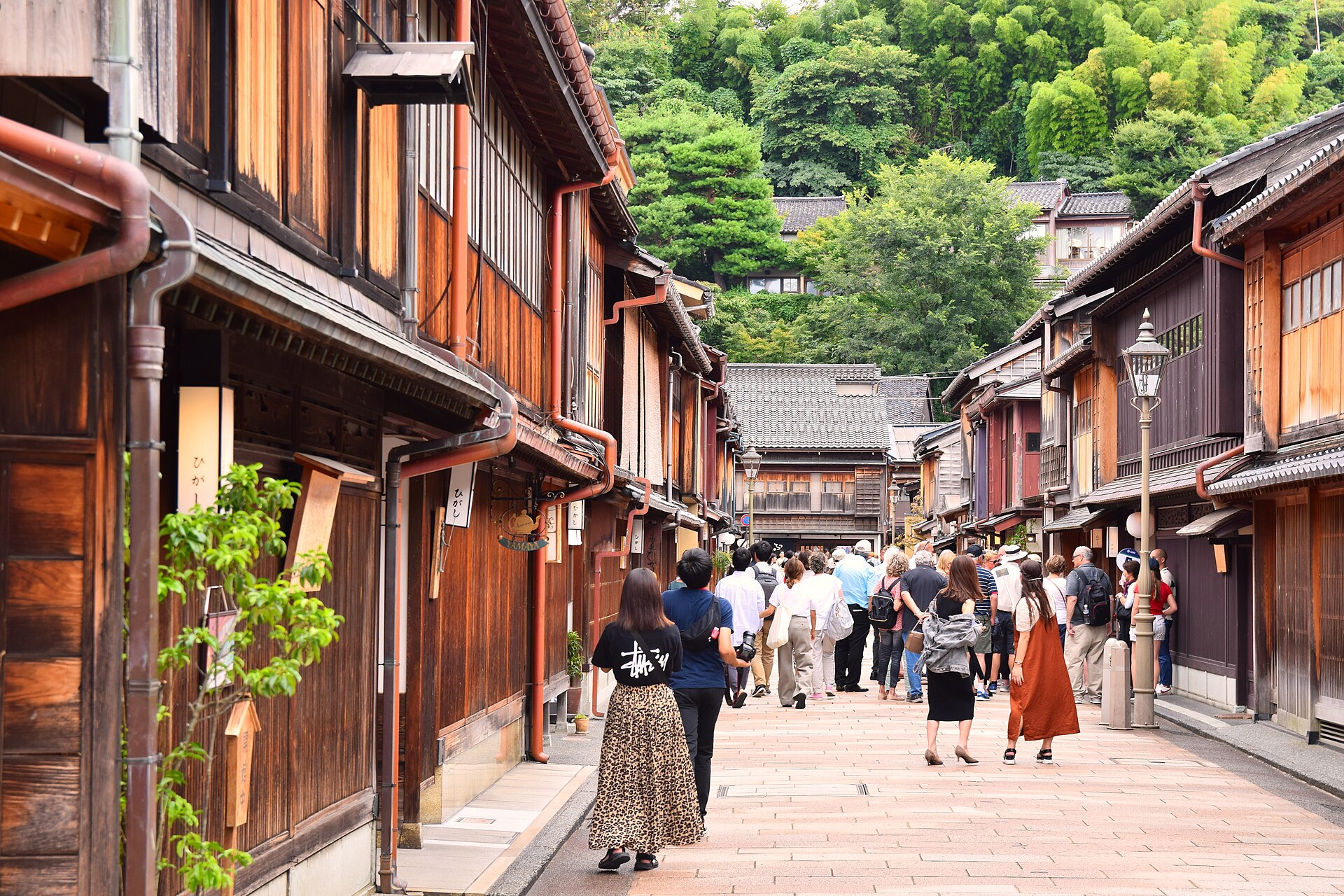
Higashi Chaya District
27.3 km · straight line
Distances are straight lines on the map, not travel times.