North Kagoshima · IzumiNo.518★★Open in map →
Izumi Fumoto Samurai District
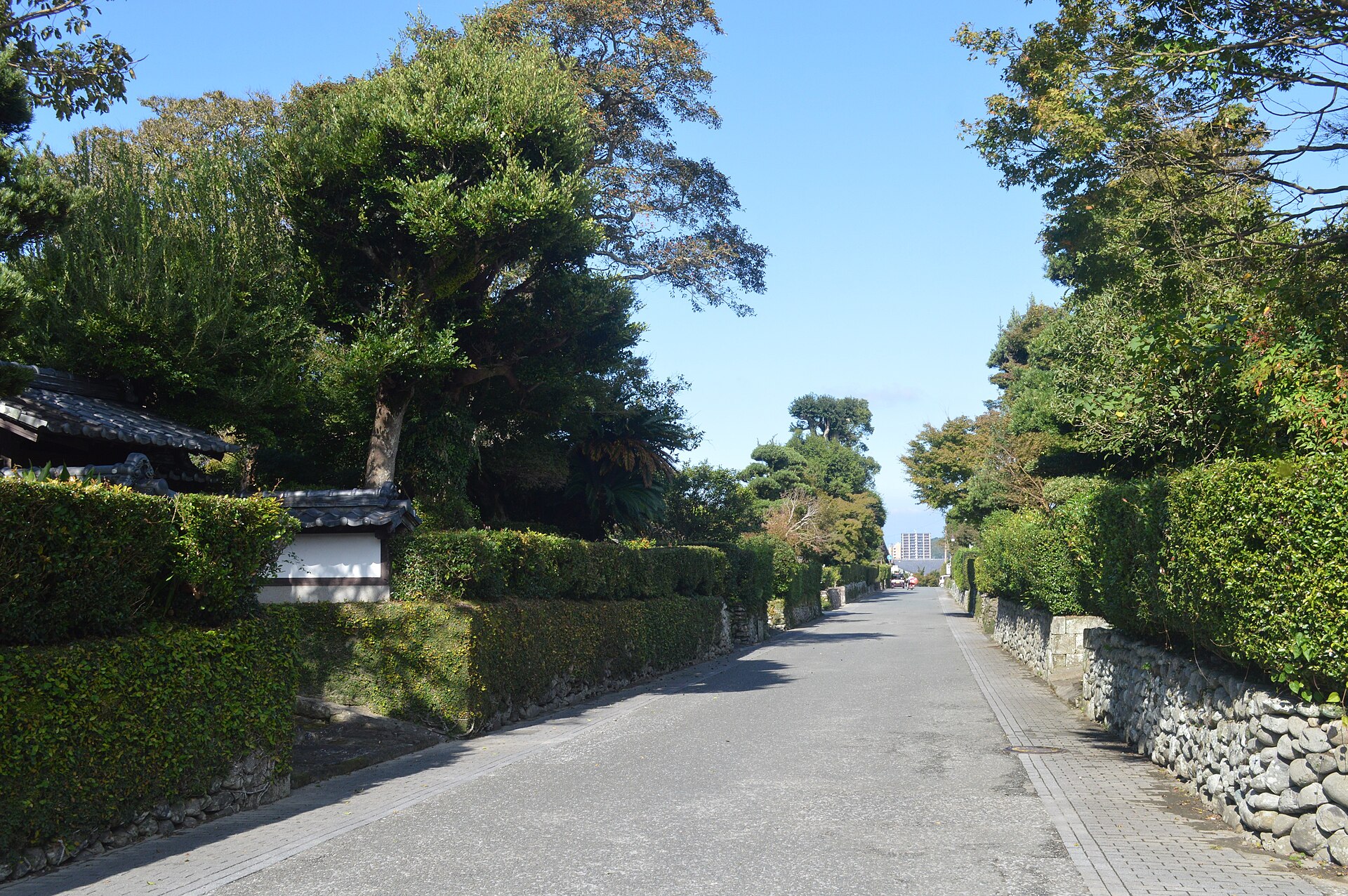
A samurai quarter of the old Satsuma domain, preserved in the middle of Izumi in northern Kagoshima. Walls of rounded river stones and clipped hedges run along a grid of lanes, and most of the plots behind them are still lived in.
- FromIzumi Station (Kyushu Shinkansen / Hisatsu Orange Railway)
- ~20 min on footKyushu Shinkansen stop
- Izumi Fumoto Samurai District
The sweet spot
This is a nationally listed district within walking distance of a Shinkansen station, so it is documented rather than hidden. It stays quiet because it is a working residential neighbourhood instead of a shopping street: there is nothing here built to gather a crowd, and the three buildings open to visitors are small.
Where it is
12 more notes in Kagoshima · open the map →What to look for
- Izumi Fumoto History Museumdioramas and film that set out how the quarter was planned
- The stone-walled laneslow walls of rounded river stones with hedges clipped along the top
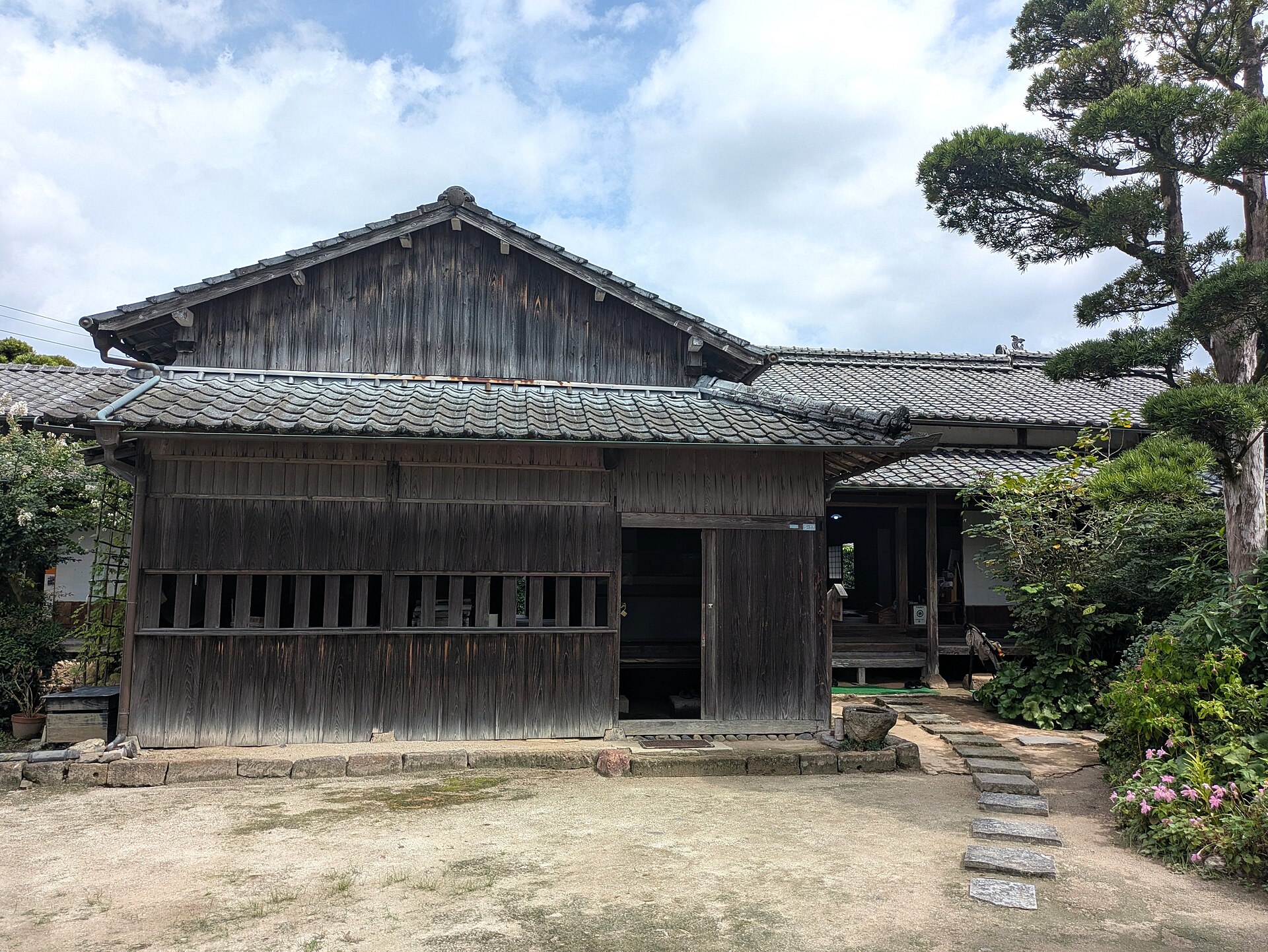
- Takezoe Residenceone of the two samurai houses open on the shared pass
- Saisho Residencethe other open house, covered by the same ticket
How to actually get there
- Kagoshima-Chuo Station → Izumi Station (Kyushu Shinkansen, no change of train).
- Izumi Station → Izumi Fumoto History Museum (about 20 minutes on foot heading south, or about 5 minutes by taxi).
- Museum → Takezoe Residence → Saisho Residence, walking the stone-walled lanes between them on the shared pass.
- Kyushu Shinkansen to Izumi, then on foot
- Izumi is a scheduled Kyushu Shinkansen stop, sitting between Shin-Minamata and Sendai, so it is reached from Kagoshima-Chuo without changing trains. The district lies roughly 1.5 km due south of the station, about twenty minutes on flat streets, or the five minutes by car that the city tourism site quotes.
- Return from Izumi Station
- Walk back north to Izumi Station for the Shinkansen toward Kagoshima-Chuo, or for the Hisatsu Orange Railway line that also serves the station. Evening services in a town this size thin out, so read the last departure off the platform board before committing to the walk back.
About the place
Izumi Fumoto lies near the centre of Izumi, a city at the northern edge of Kagoshima. The preservation district covers 43.8 hectares, set out on levelled ground below the old castle with straight lanes crossing in a grid. Walls of rounded river stones run along the streets, hedges are clipped along the top of them, and the gateways stand back behind that line. The Agency for Cultural Affairs lists the area in its samurai-town category. Most of the plots are still private homes, so what you look at is the wall, the hedge and the gate, seen from the road.
How to enjoy it
The history museum and the Takezoe and Saisho residences open at 9:00, with last entry at 16:30, and a single pass covers all three. See the museum first so the plan of the quarter is clear, then walk out into it. Early light rakes along the stone walls before the houses open, which is the easiest hour to look at them.
Background & history
Satsuma domain governed its territory through fumoto — samurai settlements gathered around a district office rather than around one castle town. Izumi's fumoto was placed to hold the border with Higo Province, and its street plan and plot divisions have survived close to their original form. Japan's Agency for Cultural Affairs selected the area on 26 December 1995 as an Important Preservation District for Groups of Traditional Buildings, in the samurai-town category.
Before you go
- Cash
- The lanes are public streets and cost nothing to walk. One pass covers the history museum, Takezoe Residence and Saisho Residence — 510 yen for high-school age and above and 300 yen for primary and junior-high pupils at the time of checking — and it is bought at the buildings themselves.
- Good to know
- The three buildings stop admitting visitors half an hour before they close, and they take a regular monthly closing day, so check before making a special trip for them. The lanes are ordinary residential streets with no lighting laid on for visitors, and people live behind the walls, so stay on the road.
- Another way
- From the Kumamoto side, the Hisatsu Orange Railway reaches the same station on a slower local line, which suits anyone travelling down the coast rather than by Shinkansen.
- After you get off
- From Izumi Station the walk runs due south on flat streets. The stone walls and hedges begin around the history museum in Fumoto-cho, and that edge is where the preservation district starts.
Nearby notes
Distances are straight lines on the map, not travel times.