Mogami · KaneyamaNo.564★Open in map →
Kaneyama Townscape
— The cedar-and-plaster town in northern Yamagata
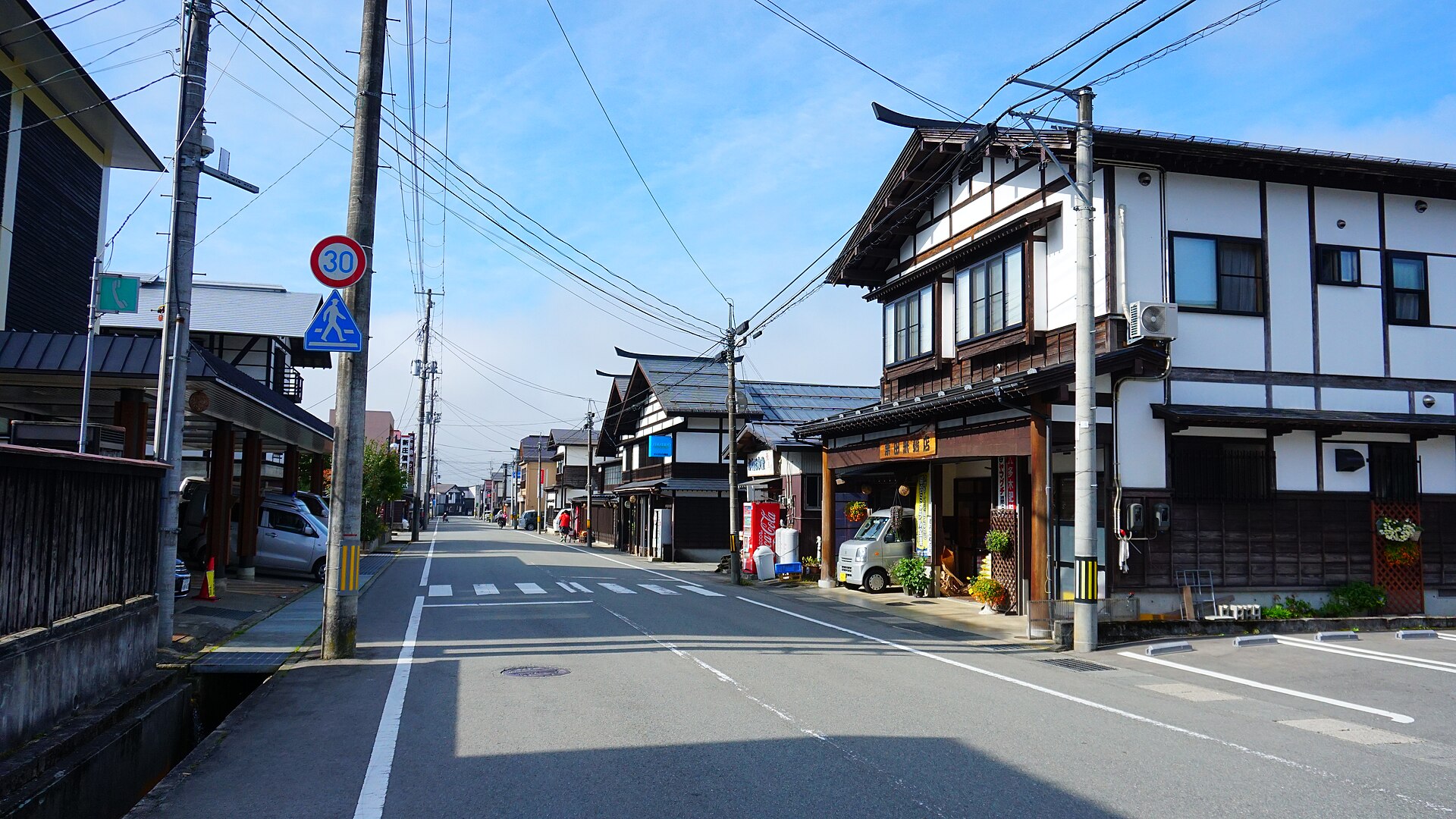
A working town in the Mogami hills where the houses share one form — white plaster, cedar board, steep gabled roofs. New buildings follow it as closely as old ones do, under a townscape plan the town measures in a hundred years.
- FromShinjo Station
- ~40 minYamako bus from Shinjo
- Get off atKaneyama Machiyakuba-mae bus stop (Yamako Bus)
- On foot
- Kaneyama Townscape
The sweet spot
Nobody arrives here on a tour. Kaneyama has no railway station, no ticket gate and no headline building — what there is to look at is the agreement between the houses, which reads as unremarkable until you notice that the new ones keep to it as well. That is also why it stays quiet: there is nothing here to queue for.
Where it is
9 more notes in Yamagata · open the map →What to look for — in walking order
- The Ozeki channela stone-lined irrigation watercourse running through the centre, with carp let into it in the warm months
- Ozeki Parka small park on the channel whose rest house was rebuilt from the timbers of an older local home
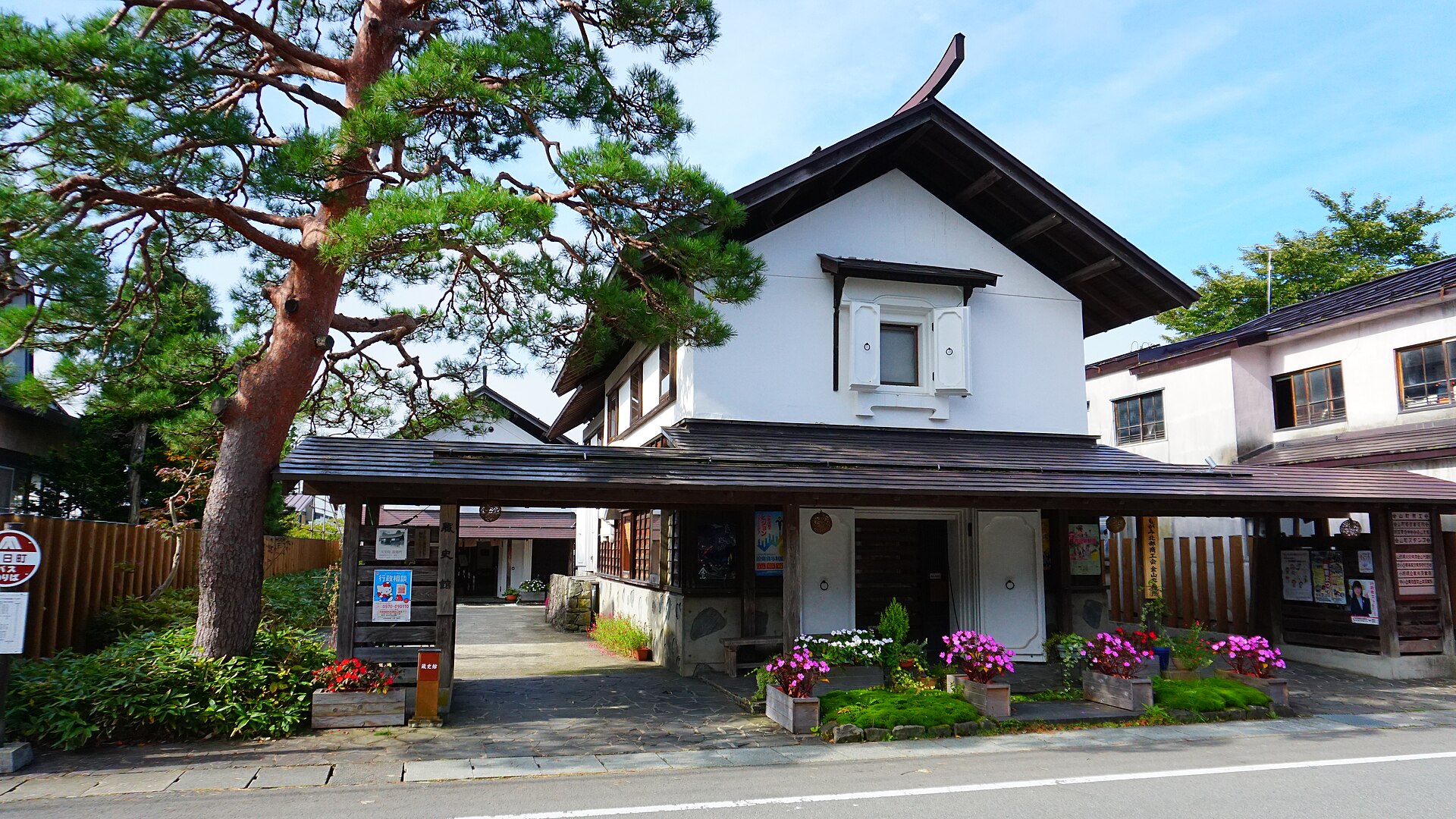
- The Kaneyama houseswhite plaster over cedar board under steep gables, on both sides of the streets and still being built
- Kurashikana converted storehouse serving as the town's local history hall
- Maruko no Kuraa merchant family's storehouses around an open yard, now a gallery, tea room and exhibition space
How to actually get there
- Tokyo or Yamagata → Shinjo Station (Yamagata Shinkansen, northern terminus).
- Shinjo Station → Kaneyama Machiyakuba-mae (Yamako Bus bound for Kaneyama, about 40 minutes).
- Follow the Ozeki channel through the centre as far as Ozeki Park.
- Carry on to Kurashikan and Maruko no Kura, then walk back along the opposite side of the street.
- Yamako Bus from Shinjo Station
- Shinjo is the northern terminus of the Yamagata Shinkansen and the nearest station to Kaneyama, which has no railway of its own. From the station take the Yamako Bus bound for Kaneyama and ride about forty minutes, getting off at Kaneyama Machiyakuba-mae in the centre of town.
- Return from Kaneyama Machiyakuba-mae
- The same Yamako Bus line runs back to Shinjo Station from the stop you arrived at. This is a rural route with wide gaps between services rather than a turn-up-and-go one, so photograph the timetable at the stop when you get off and pick a return before you start walking.
About the place
Kaneyama stands in the Mogami hills with forest on every side, and the trees decide how the town looks. Kaneyama cedar goes into the houses, and the houses follow one pattern: white plastered walls, exposed cedar board, a steep gabled roof cut for snow. The town calls the type the Kaneyama house and describes what it is after as ageing well rather than staying new. Down the centre runs the Ozeki, a stone-lined irrigation channel with carp let into it through the warm months. None of this is a conservation district. New houses go up in the same form, and that is the whole point of the town's hundred-year townscape movement.
How to enjoy it
The centre is small enough to walk in an hour and costs nothing to look at, which makes Kaneyama a half-day stop on the road north from Shinjo rather than a destination on its own. Carp are in the channel from spring through autumn. The guided walk and the two storehouse museums are the parts with opening hours, so settle those first and leave the streets themselves, which are open all day, until after.
Background & history
Kaneyama wrote its intentions into law. A townscape ordinance passed in 1986 set out how buildings in the centre should look, and the hundred-year movement it belongs to treats the result as something to be reached across generations rather than declared complete. The materials came first: cedar from the forest around the town, lime plaster over it, a roof pitched steeply enough to shed snow. What the ordinance added was agreement — that a new house here would be built to the same reading of those materials as an old one, and that the streets would be judged whole rather than building by building.
Before you go
- Cash
- The streets, the channel and the park are open ground and cost nothing. The guided townscape walk is run by a local town-building company and is charged, and it is worth arranging in advance rather than on the day.
- Good to know
- This is deep snow country and the winter here is long. Between December and March the channel and the park are under snow, the plaster walls are half hidden behind banked drifts, and the small storehouse museums keep their own days off, so confirm opening before building an afternoon around them.
- Another way
- By car, leave the Tohoku-Chuo Expressway at Shinjo-Mamurogawa and head north on Route 13; the centre of town is signposted off it.
- After you get off
- From Kaneyama Machiyakuba-mae the channel is a minute or two on foot and the park just beyond it. The plastered houses stand along the streets on either side, so the walk begins as soon as you step off.
Nearby notes
 ブルーノ・プラス / CC BY 4.0
Nature · Yamagata★★★
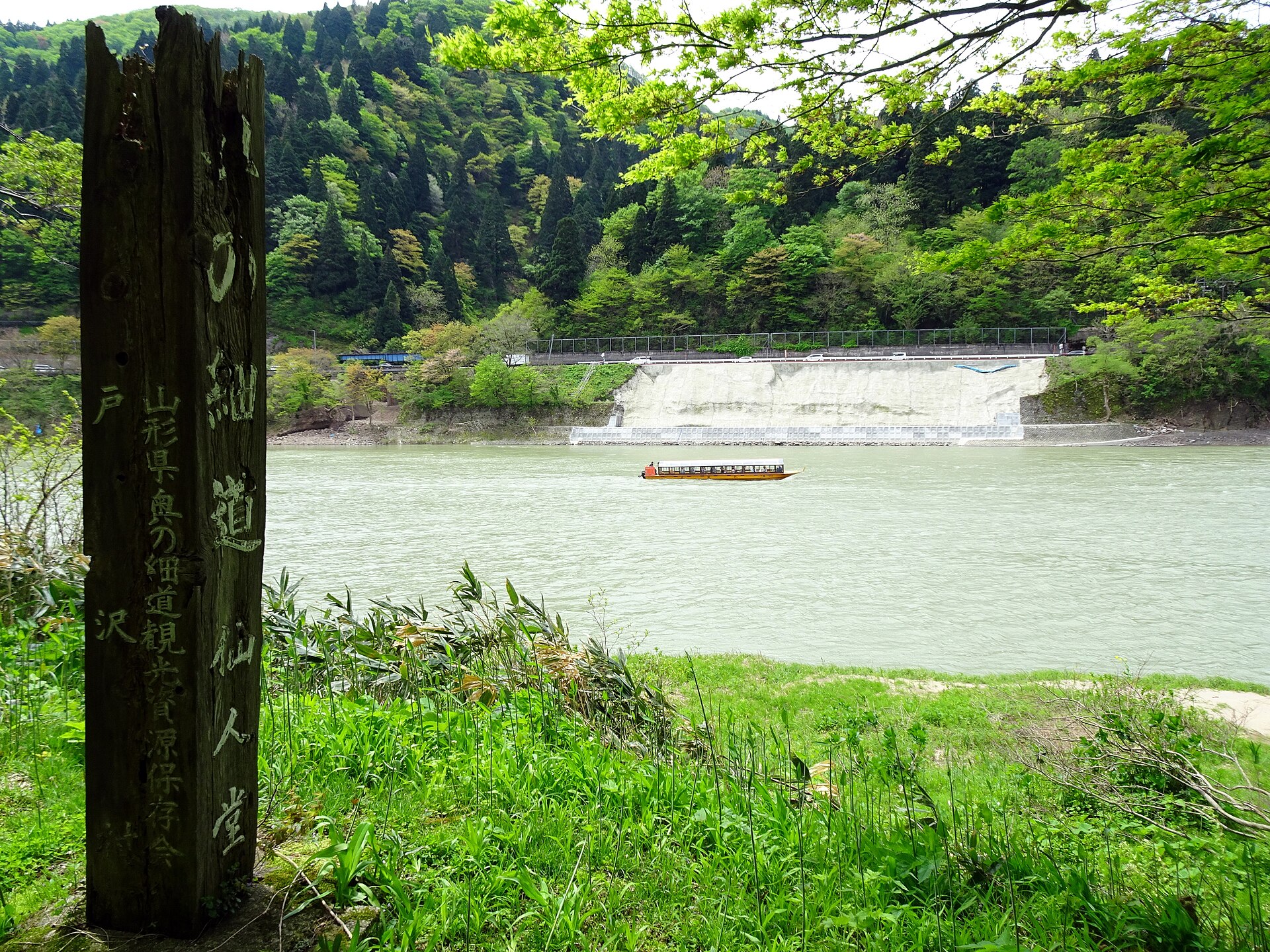
Mogami Gorge Boat Ride
23.1 km · straight line
 Raita Futo from Tokyo, Japan / CC BY 2.0
Nature · Akita★★
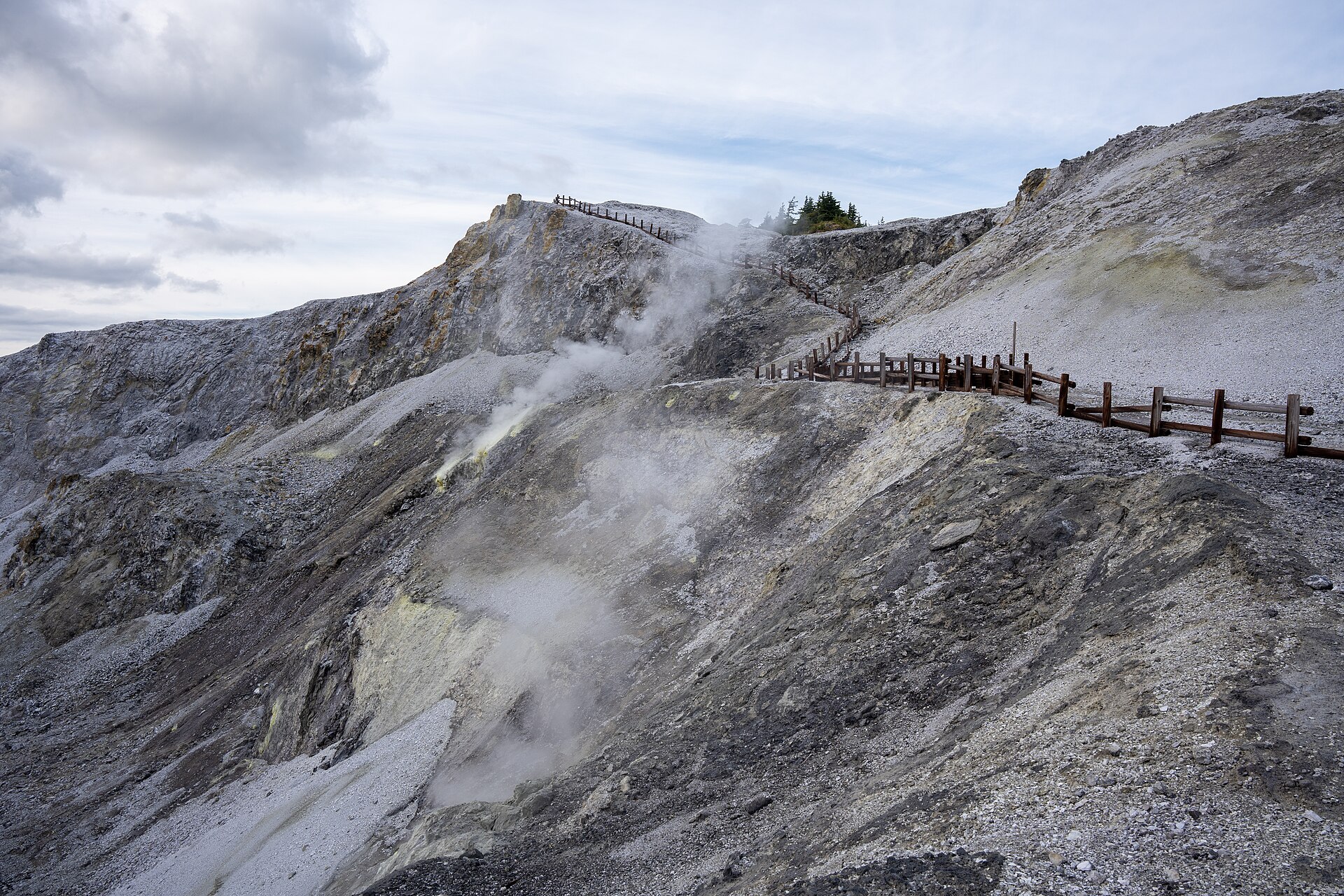
Kawarage Jigoku
25.5 km · straight line
Distances are straight lines on the map, not travel times.