Northwest Saga · KaratsuNo.1020★★★Open in map →
Karatsu Ware
— Saga's tea-ceremony stoneware, shown by its kiln guild
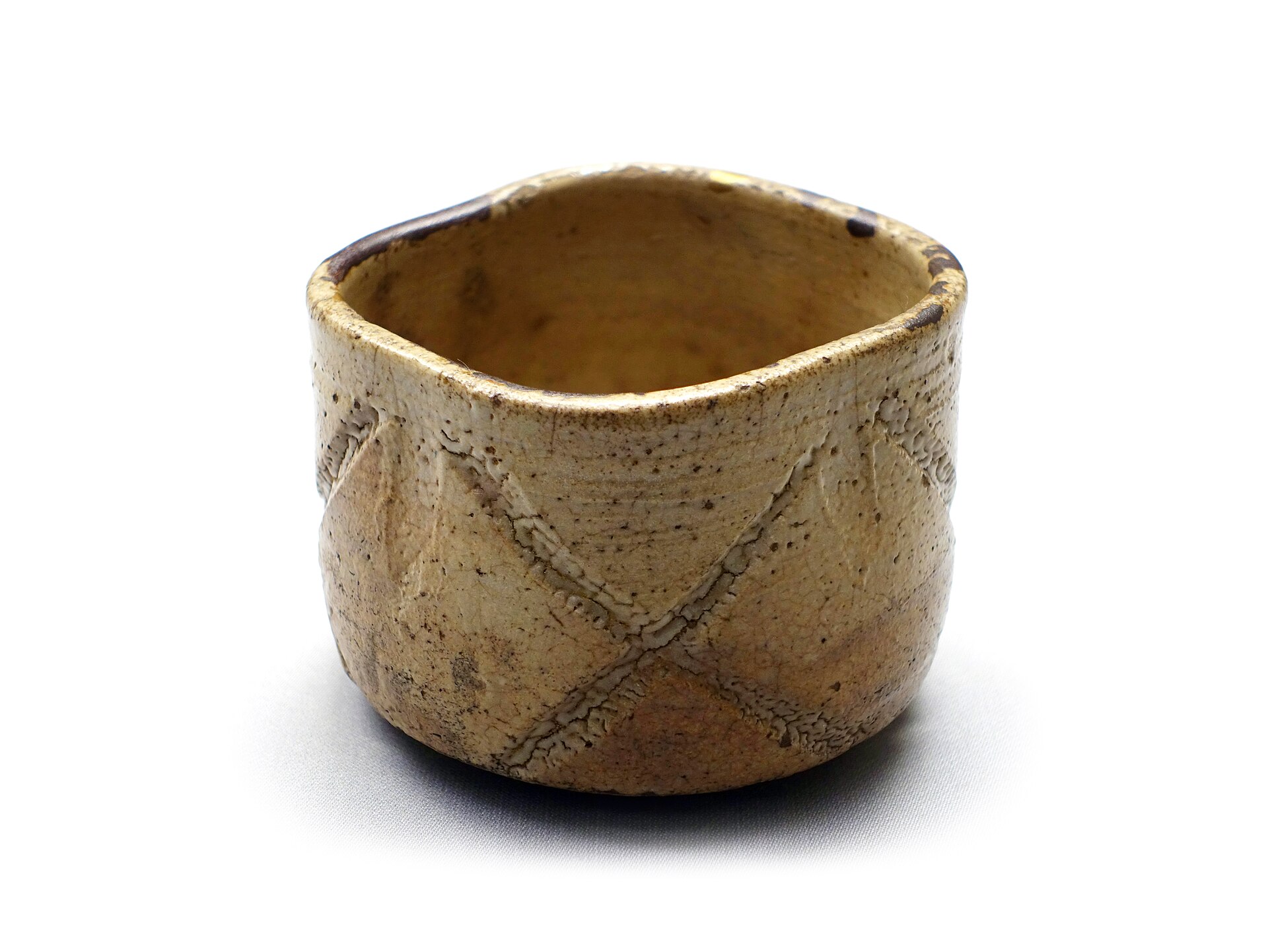
Sandy, iron-rich stoneware carrying brushed iron pigment or a clouded straw-ash glaze, prized by the tea world since the Momoyama period. Its kilns are scattered through northwest Saga, but the guild keeps one shared showroom beside Karatsu Station.
- FromHakata Station
- ~1 hr 30 minSubway-JR through train from Hakata
- Get off atKaratsu Station (JR Chikuhi and Karatsu Lines)
- On foot
- Karatsu Ware
Where it is
14 more notes in Saga · open the map →What to look for — in walking order
- Second-floor Karatsu ware showroomthe guild's shared sales floor, one level above the entrance
- The kiln-by-kiln shelvesa stretch given to each member kiln, so the range of hands stands side by side
- Process panelsboards following the work from the kick wheel through to the glazing, step by step
- Painting cornercups and plates set out to be decorated, charged separately and booked ahead for groups
- First-floor produce hallKaratsu specialities such as shoro manju and matsuura-zuke alongside Saga sake
How to actually get there
- Hakata Station → Karatsu Station (Fukuoka City Subway Airport Line through onto the JR Chikuhi Line, about an hour and a half).
- Leave by the south side and walk along the frontage to Furusato Kaikan Arpino.
- Take the stairs or the lift to the second floor for the guild's Karatsu ware showroom.
- Come back down to the first floor for the produce hall and the covered courtyard before returning to the platform.
- Subway and JR from Hakata
- Hakata Station →(Fukuoka City Subway Airport Line, running through onto the JR Chikuhi Line)→ Karatsu Station. Allow about an hour and a half. The subway and the JR line work as one route out of the city, so board a train showing Karatsu or Nishi-Karatsu on the front and there is no change to make.
- Return from Karatsu Station
- The same through services run back toward Meinohama, Tenjin, Hakata and Fukuoka Airport. Departures thin out through the evening, so read the last-train board when you arrive rather than after dinner. The Karatsu-go express bus leaves from the Otemachi bus centre in town as the alternative back to Fukuoka.
About the place
Karatsu ware is made to be used, and the potters here say a piece is only finished once someone uses it. The clay is sandy and full of iron, the shapes carry no ornament, and the surface is where the character sits: brush-drawn iron pigment, a straw-ash glaze that clouds to a mottled white, two glazes poured one over the other. Each look has its own name, egaratsu for the painted work, madara for the mottled, chosen-garatsu for the doubled glaze. Kick wheels and the tataki paddling method are still in use. What is difficult is the geography, because the workshops sit far apart, so the guild put one shared sales floor in the middle of town where member kilns each hold a stretch of shelf.
How to enjoy it
The showroom opens at 9:00 and runs to 18:00, so a morning train out of Fukuoka gets you there with the shelves freshly set and the afternoon still free for the coast. Ask first, then pick pieces up: Karatsu ware is judged by weight and by the way a rim meets the lip, and a photograph flattens both. If you want to paint a cup, start early enough that it is finished well before your train back.
Background & history
Firing began in the 1580s in the Kishidake hills inland from the city, in territory held by the Hata family, and gained depth when Korean potters reached Hizen at the close of the century. Tea masters took to the results, and the old ranking of bowls, ichi-Ido ni-Raku san-Karatsu, places Karatsu third. Under the Edo domain the work continued as an official kiln. Nakazato Muan, who lived from 1895 to 1985 and was named a Living National Treasure in 1976, excavated the old kiln sites and brought the paddling technique back into use.
Before you go
- Cash
- The showroom is a sales floor rather than a museum, so there is no ticket desk on the way in. Prices are set by each kiln, and the painting session is charged separately, so carry cash as well as a card.
- Good to know
- The two floors of the hall do not keep the same closing days: the ceramics showroom upstairs and the produce hall downstairs are listed with different rest days, and both also close over the New Year. Check both before building a weekday around the visit.
- Another way
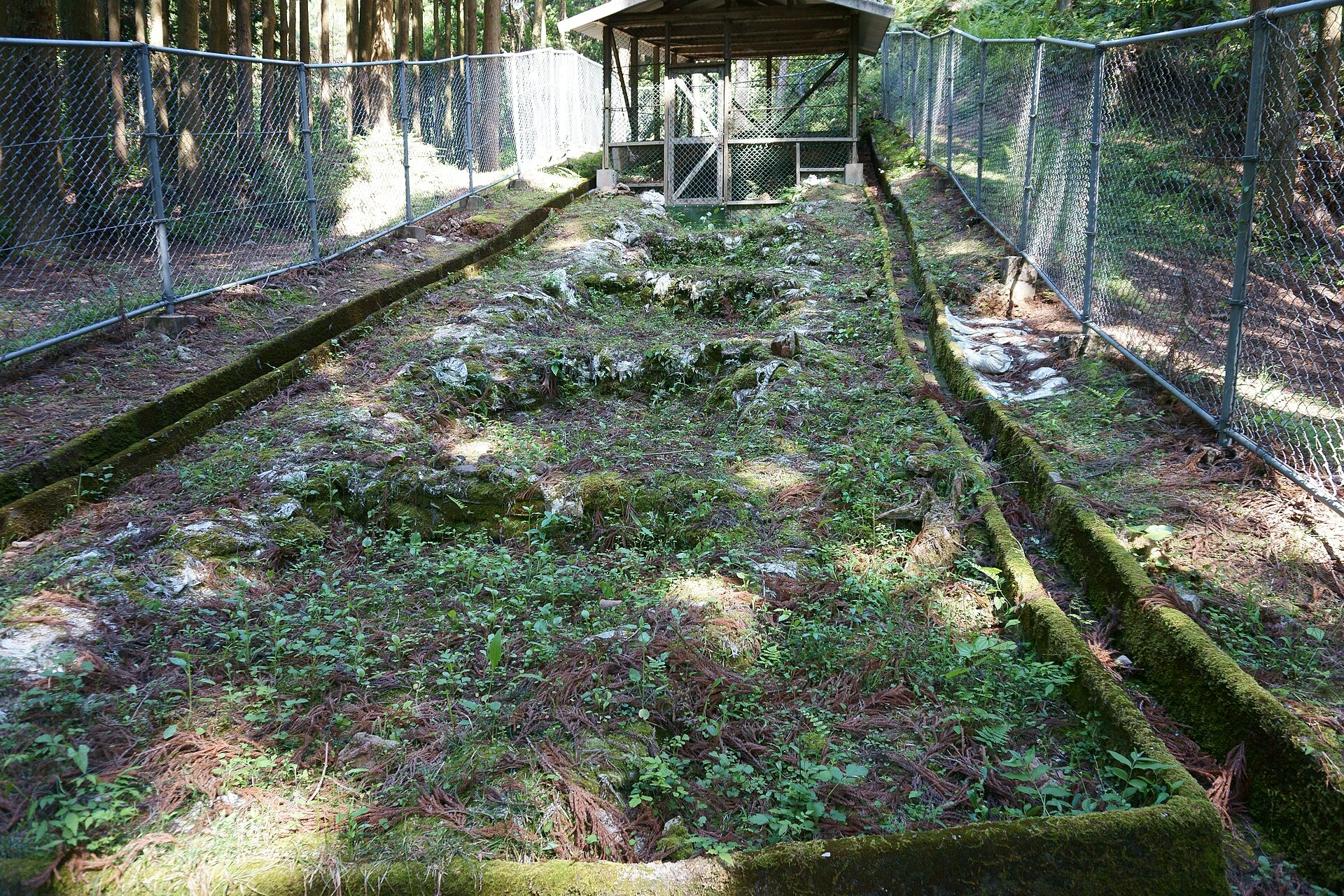
- There is parking at the hall, and the Taku interchange on the Nagasaki Expressway is the nearest exit. A car also opens up the Kishidake kiln sites at Kitahata, inland from the city, where an early split-bamboo climbing kiln survives as a national historic site.
- After you get off
- Leave Karatsu Station by the south side and walk a short way along the station frontage to Furusato Kaikan Arpino. The ceramics floor is one level up, directly above the produce hall.
Nearby notes
 伊比井勇喜 / CC BY-SA 4.0
Culture · Saga★★★
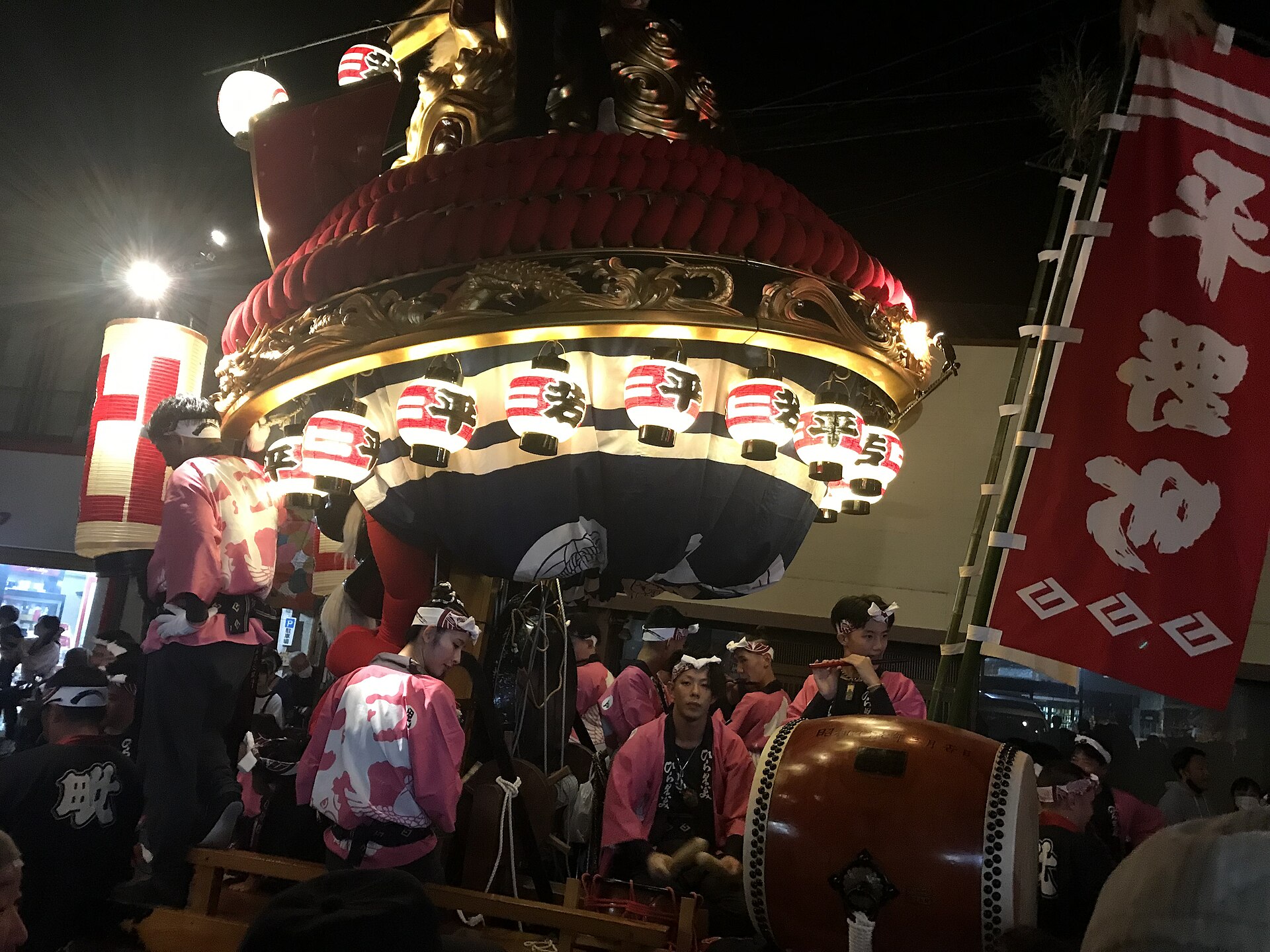
Karatsu Kunchi
0.7 km · straight line
 そらみみ / CC BY-SA 4.0
Nature · Saga★★★
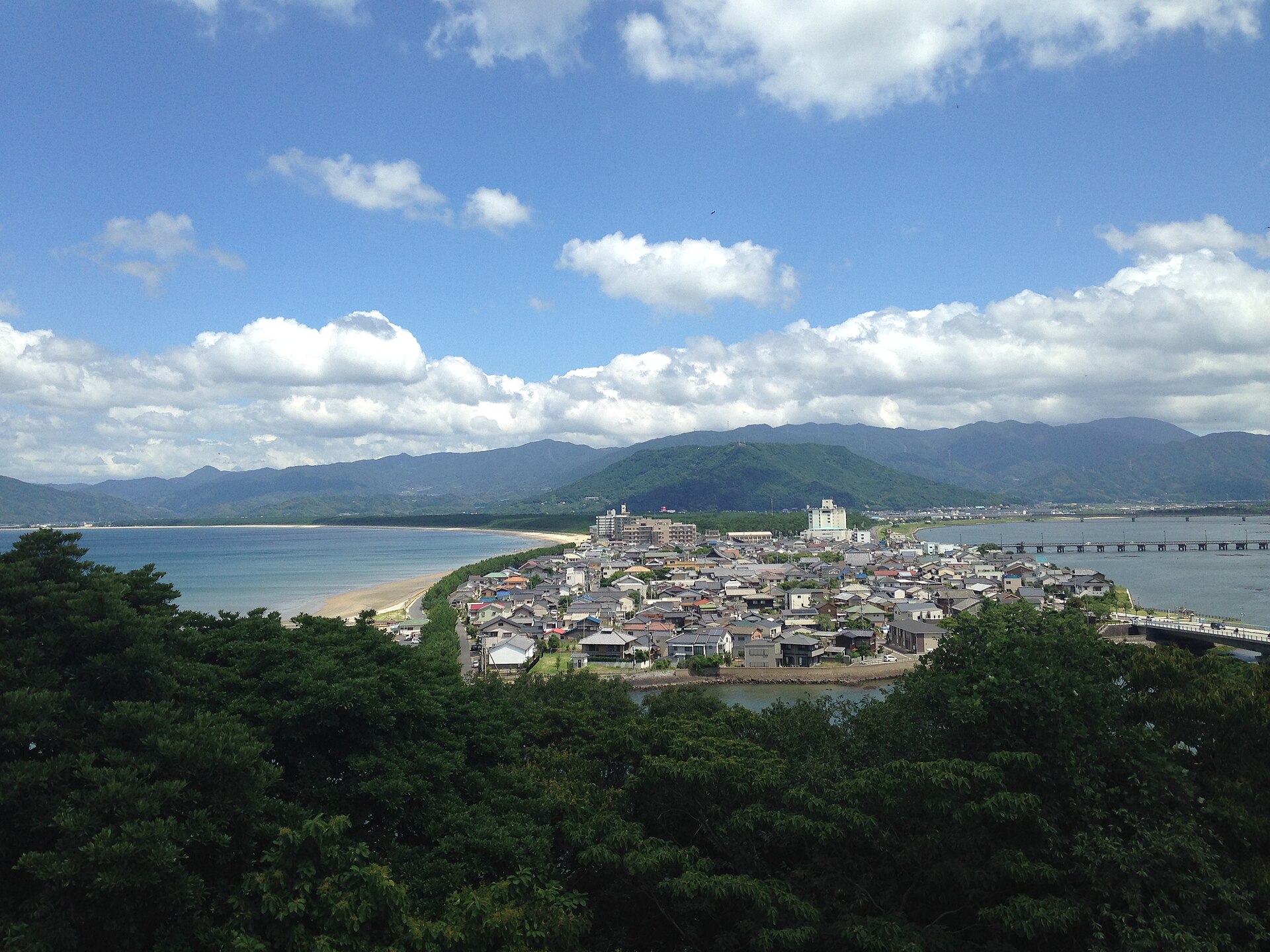
Niji no Matsubara
2.2 km · straight line
 gtknj / CC BY 2.0
Food · Saga★★
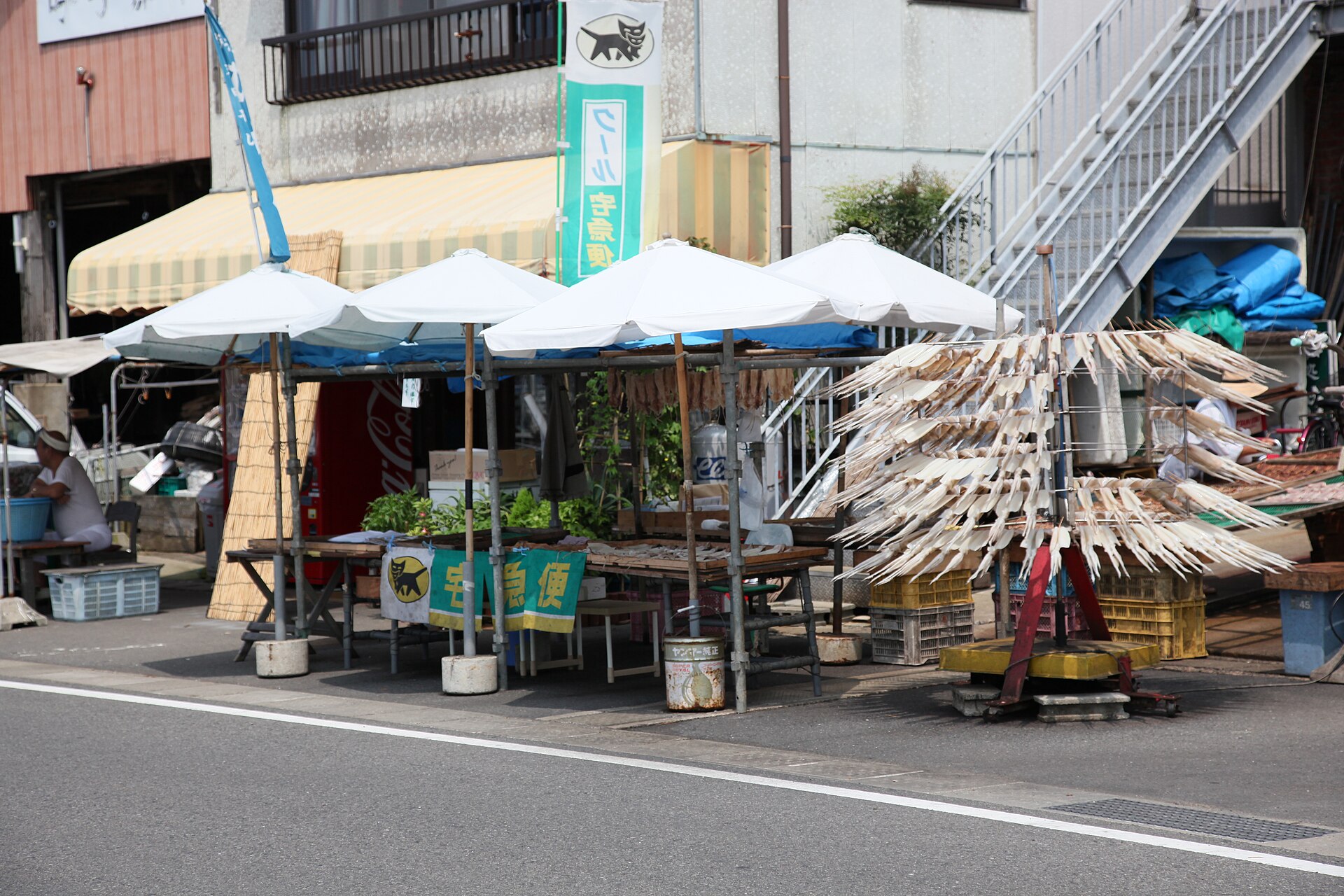
Yobuko Morning Market
12.3 km · straight line
 Muyo / CC BY-SA 4.0
Food · Saga★★
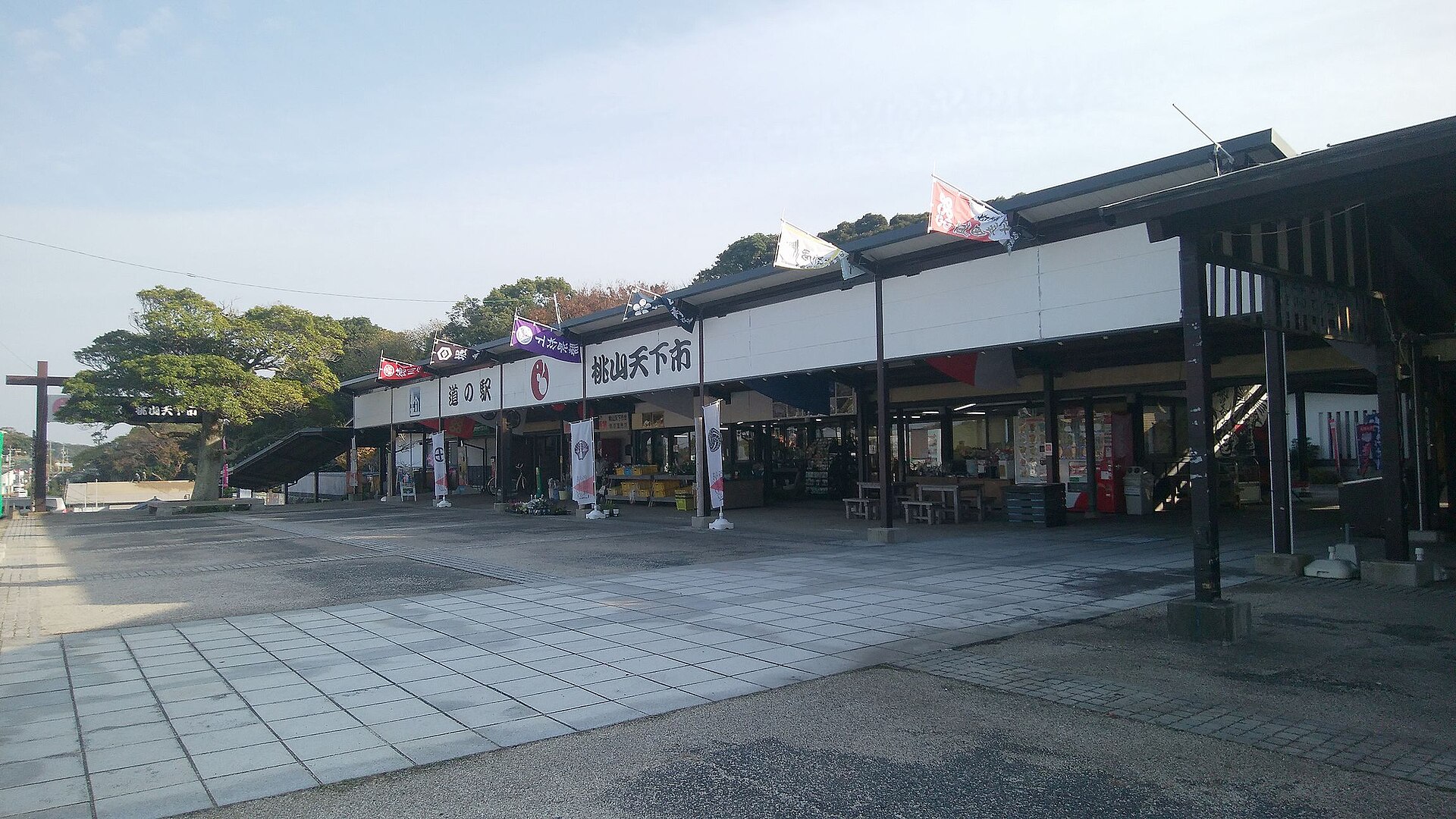
Yobuko Squid
12.8 km · straight line
Distances are straight lines on the map, not travel times.