Oita · KunisakiNo.877★★Open in map →
Kitsuki Castle Town
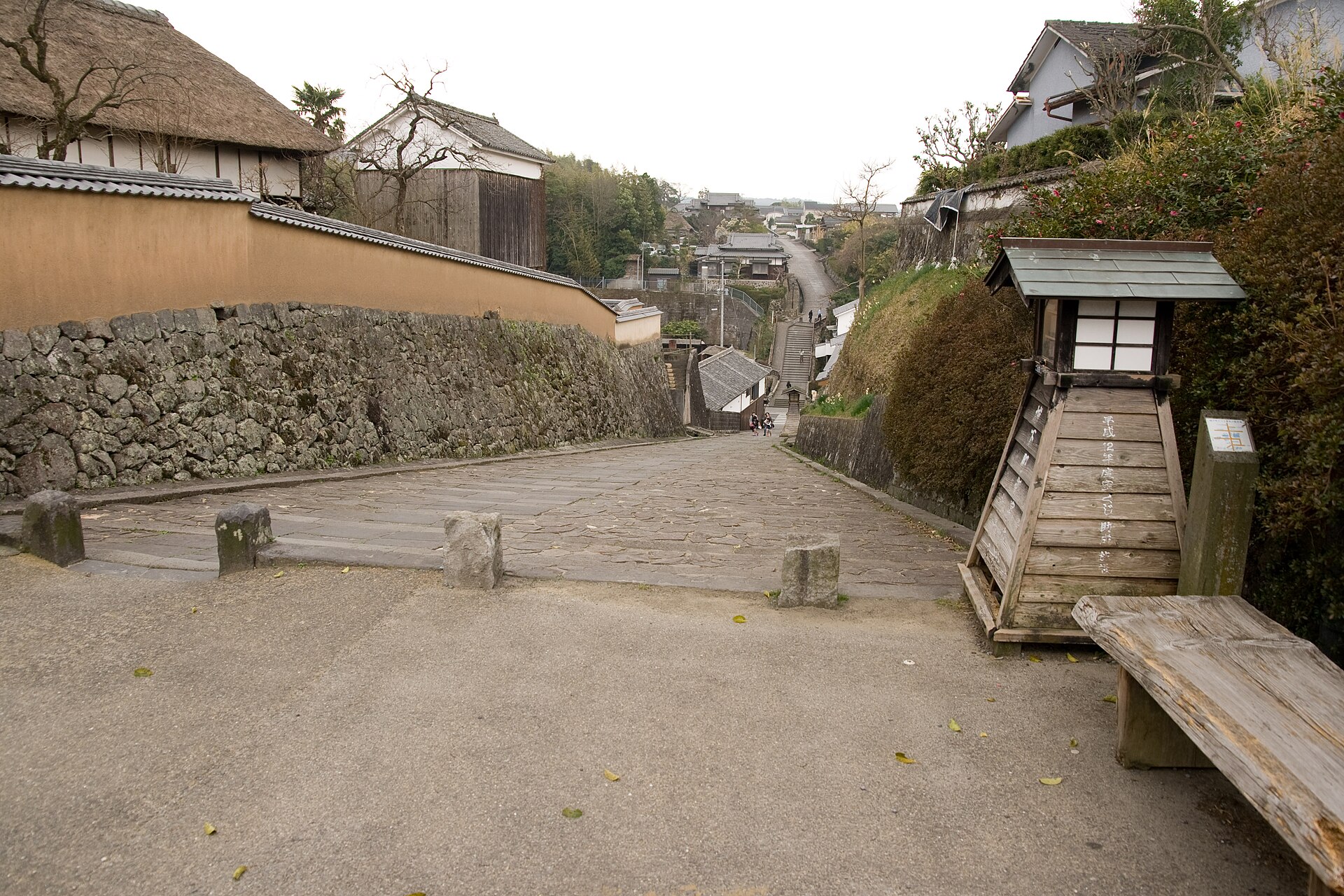
A former castle town on the Kunisaki peninsula, built across two flat-topped hills with the merchants' street in the valley between them. Stone slopes climb from the shopfronts to the samurai walls, and both quarters survive.
- FromKitsuki Station
- ~10 min by busJR Nippo Line + local bus
- Get off atKitsuki Bus Terminal (Oita Kotsu / Kunisaki Kanko bus)
- From there
- Kitsuki Castle Town
The sweet spot
Kitsuki is on the main line and thoroughly signposted, so it is not undiscovered. What thins the crowd is the shape of the place. The station is outside the town, the two samurai quarters sit up separate hills, and most short visits take the photograph at the top of one slope and leave. Walk both hills and the lanes are largely yours.
Where it is
12 more notes in Oita · open the map →What to look for — in walking order
- The valley streetthe merchants' floor of the town, running between the two hills with shopfronts on both sides
- Suya-no-sakaa paved stone slope climbing out of the valley to the northern samurai quarter
- Ohara-tei and the northern quartera preserved samurai residence on a lane of earthen walls, hedges and gateposts
- Shioya-no-saka and the southern quarterthe facing slope and the second block of walled samurai lanes above it
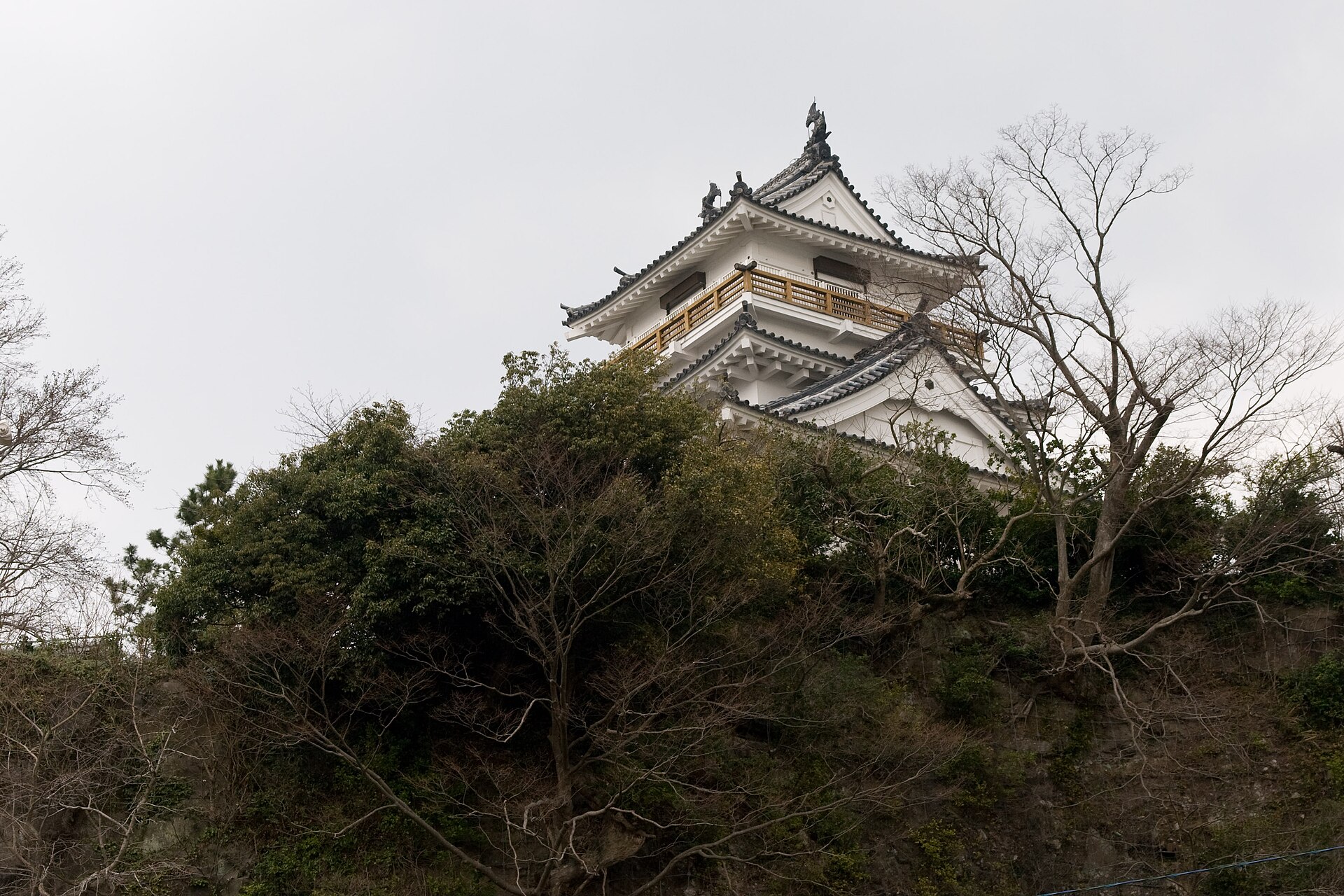
- Kitsuki Castlea reconstructed keep on the old castle mound, out on the bluff over the river mouth
How to actually get there
- Oita or Kokura → Kitsuki Station (JR Nippo Main Line; some Sonic limited express services stop).
- Kitsuki Station → Kitsuki Bus Terminal (Oita Kotsu or Kunisaki Kanko bus, about ten minutes, or a taxi).
- Walk the valley street, then climb Suya-no-saka to the northern samurai quarter and cross to the southern one.
- Finish east at Kitsuki Castle above the river mouth.
- JR Nippo Main Line, then a local bus
- Kitsuki Station is on the JR Nippo Main Line between Oita and Kokura, and some Sonic limited express services call there. The station is not in the castle town: it stands out on the plain, and a route bus run by Oita Kotsu or Kunisaki Kanko covers the last stretch to Kitsuki Bus Terminal in about ten minutes. A taxi does the same run if the bus times do not suit.
- Return from Kitsuki Bus Terminal
- Buses run back to the station from the terminal in the middle of the old town. Limited express services thin out in the evening, so check the last useful connection before you start the second hill — the two quarters are further apart on foot than the map suggests.
About the place
Kitsuki was the seat of a small domain on the Kunisaki peninsula, and it was laid out to fit the ground it was given: two flat-topped bluffs with a valley running between them. The samurai were housed on the high ground, north and south, and the merchants filled the valley floor. Stone slopes were cut to link the levels, so the town reads vertically as well as along its streets — earthen walls, hedges and gates above, shopfronts below. Local guides call the plan a sandwich, and it is described as the only castle town in Japan built this way. Both quarters are still standing.
How to enjoy it
Climb rather than drive. The view along Suya-no-saka to the slope opposite only works from the bottom, which is where the two halves of the town explain themselves. Late afternoon light runs along the earthen walls of the northern quarter. Renting a kimono to walk the slopes is part of the local offer, and the tourism association runs the shop.
Background & history
The Kitsuki family, a branch of the Otomo clan, held this stretch of coast in the medieval period and moved their castle to the bluff above the river mouth in 1394. The domain later passed to the Matsudaira, who held it through the Edo period, and the two-hill arrangement of samurai housing belongs to that era. The original castle is gone; the keep on the mound today is a modern reconstruction. The streets of walls, gates and merchant frontages are protected as a national Important Preservation District for Groups of Traditional Buildings.
Before you go
- Cash
- Walking the slopes, the walled lanes and the valley street costs nothing. The samurai residences and the castle keep are ticketed separately, with rates posted at each entrance. Carry cash, and confirm the current admissions at the tourism association counter before building a route around one house.
- Good to know
- Each residence and the keep sets its own closing days, so a specific address may be shut on the day you arrive. The stone slopes are steep and uneven and are not easy in rain, and there is little shade on either hill in summer. A hina doll display fills the town in late winter.
- Another way
- By road the castle town is a few minutes from the Kitsuki interchange on the expressway. Oita Airport is on the same peninsula, so a hire car from the airport is the quickest approach for anyone carrying on around Kunisaki.
- After you get off
- From Kitsuki Bus Terminal, walk south into the valley street. The two stone slopes face each other across it — one climbing to the northern quarter, the other to the southern. The castle stands further east, at the mouth of the river.
Nearby notes
 663highland / CC BY 2.5
Onsen · Oita★★★
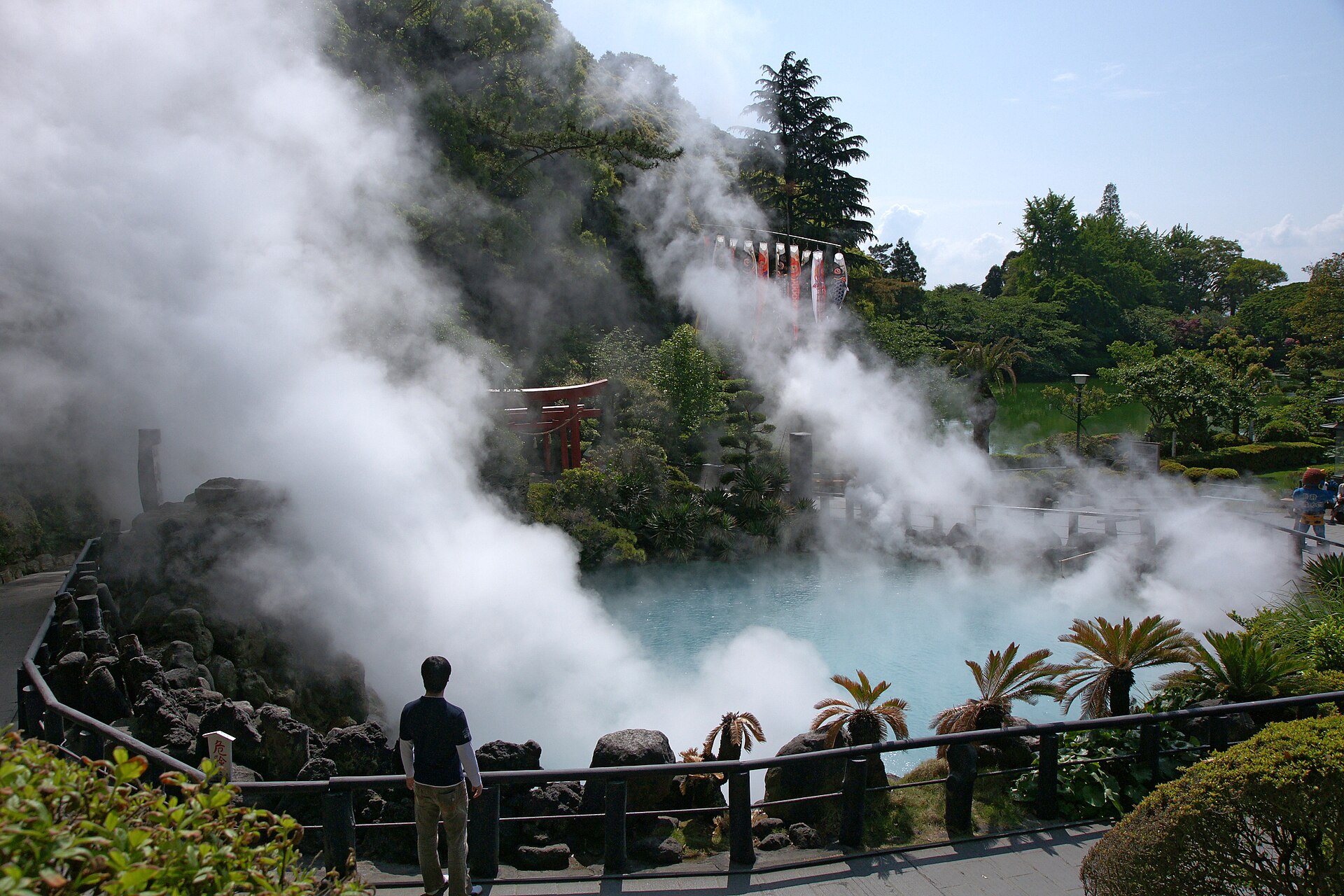
Hells of Beppu
18.3 km · straight line
 漱石の猫 / CC BY-SA 4.0
Food · Oita★★
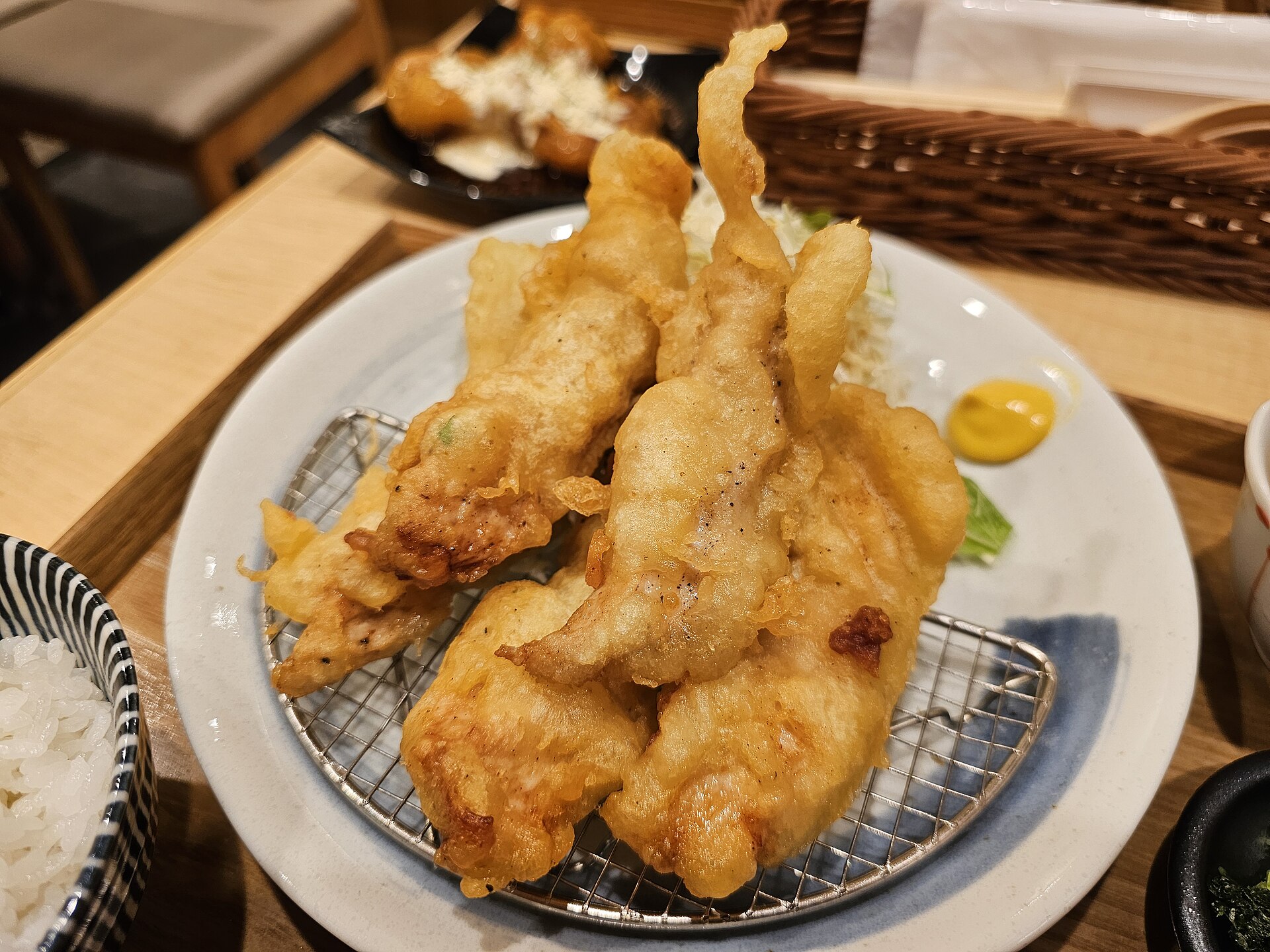
Toriten
19.1 km · straight line
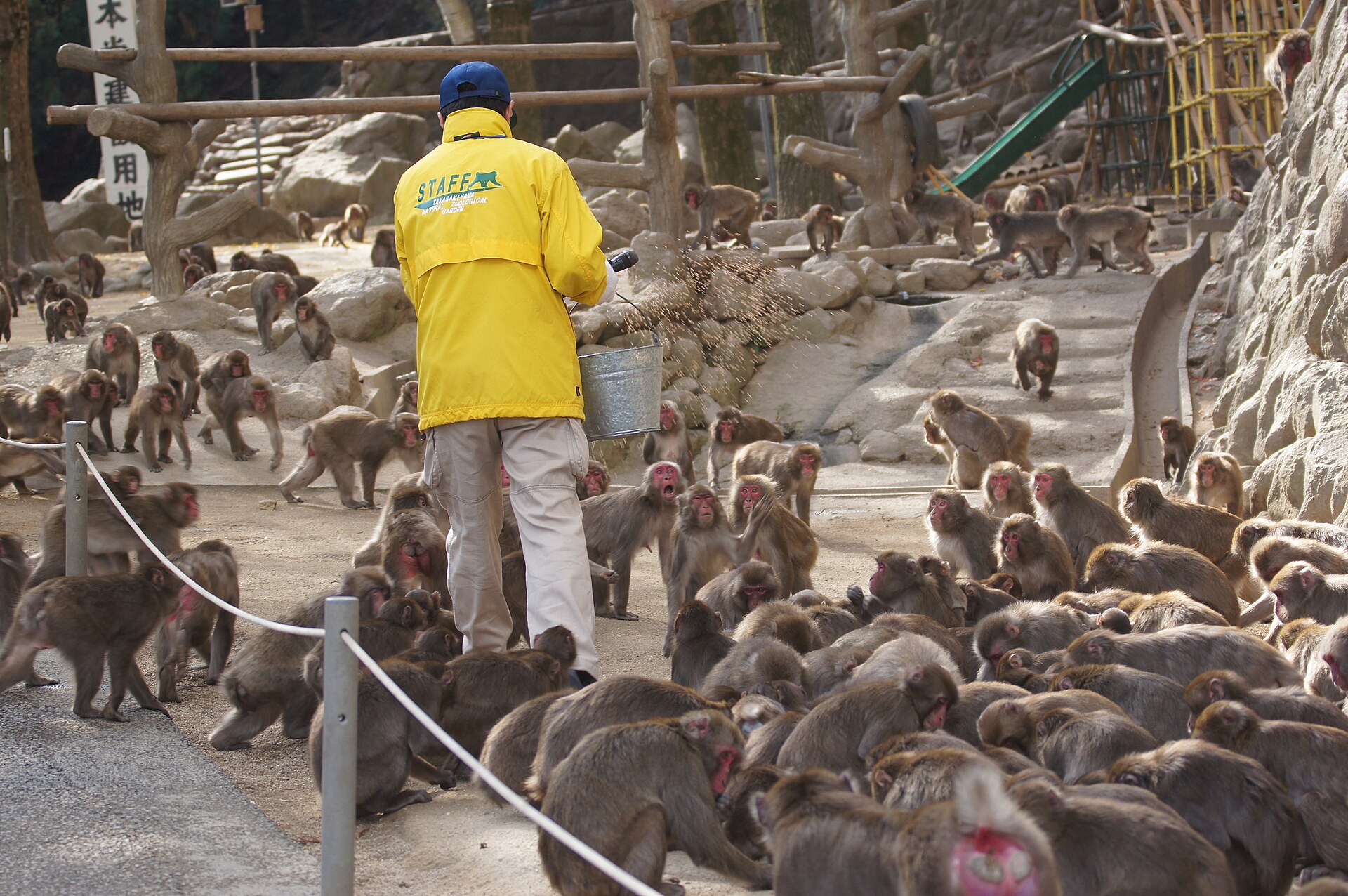 Kamakura / CC BY-SA 3.0
Nature · Oita★★★
Takasakiyama Natural Zoological Garden
19.5 km · straight line
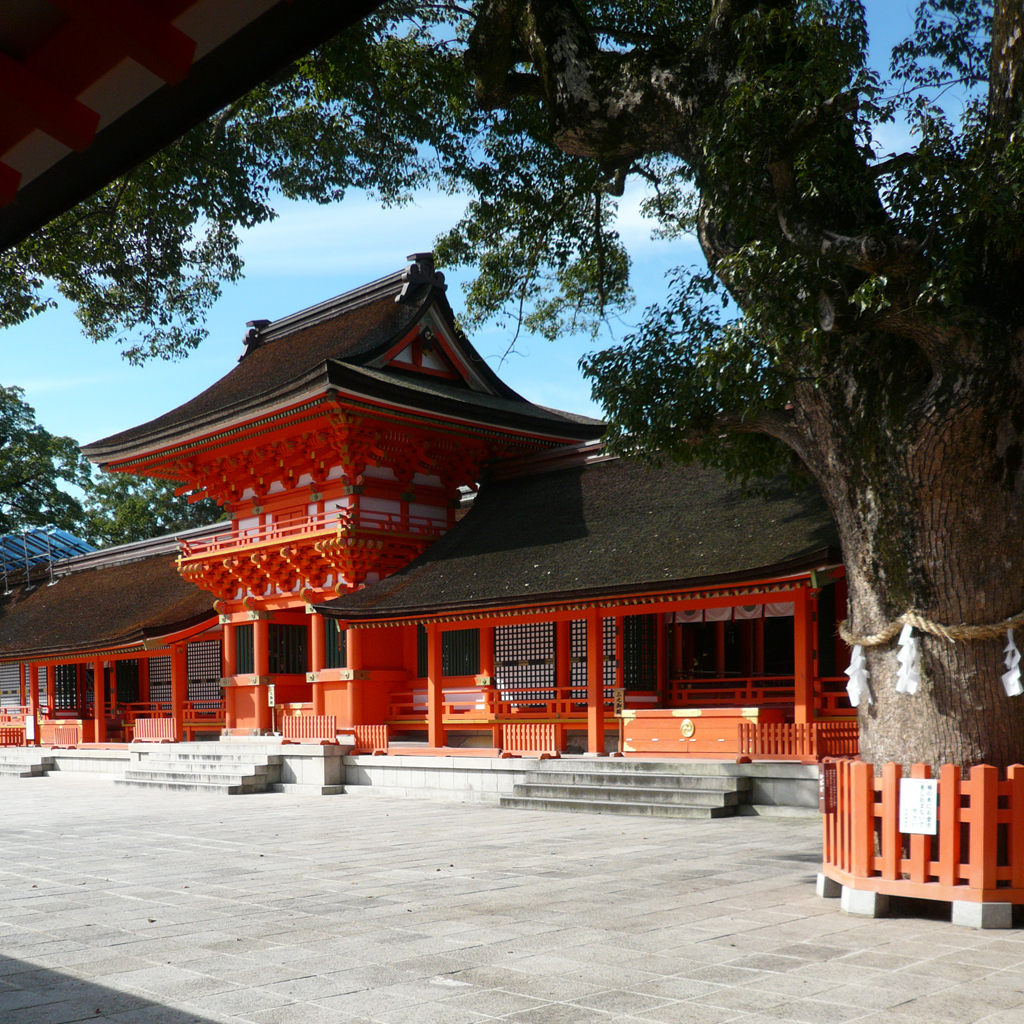 Dana + LeRoy Bunward / CC BY 2.0
History · Oita★★★
Usa Jingu
26.5 km · straight line
Distances are straight lines on the map, not travel times.