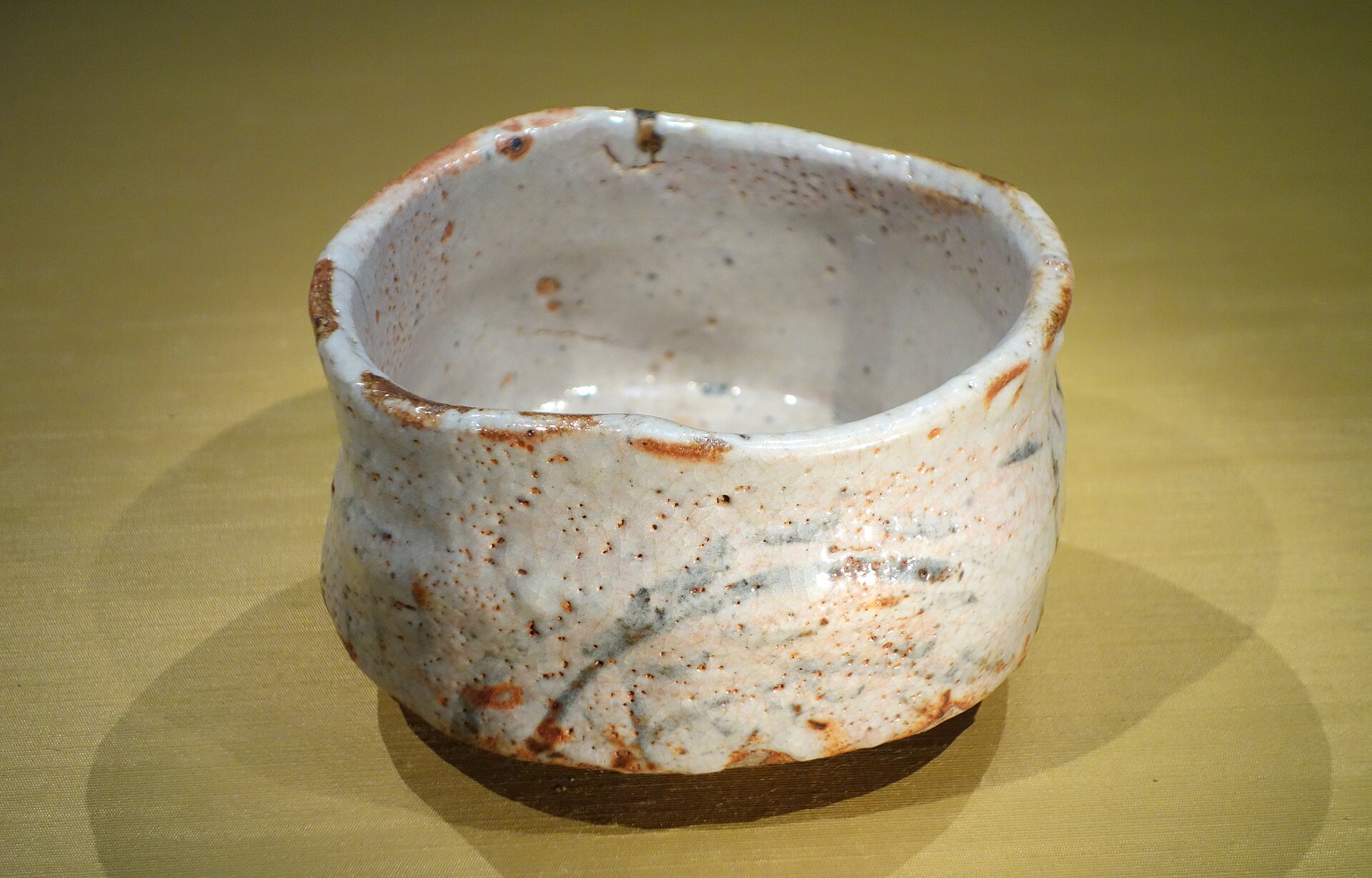
East Gifu · TajimiNo.992★★★Open in map →
Mino Ware
The pottery country of eastern Gifu, seen from the one place built to show all of it at once. Ceramic Park MINO holds the prefectural ceramic art museum, a hands-on studio and a shop of current kiln work under a single long roof.
- FromTajimi Station
- ~20 minCommunity bus from Tajimi
- Get off atCeramic Park MINO (Kikyo community bus)
- From there
- Mino Ware
Where it is
18 more notes in Gifu · open the map →What to look for — in walking order
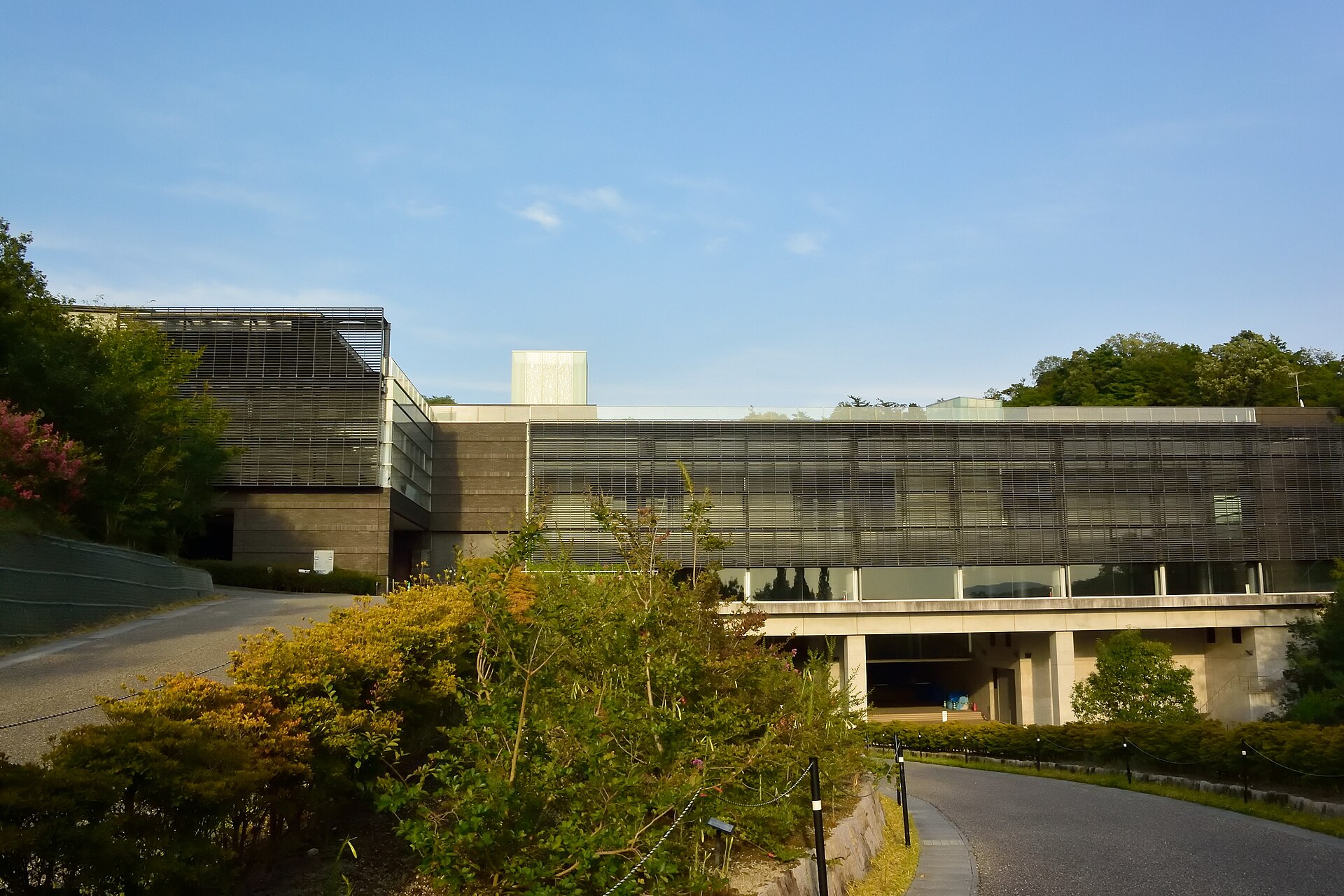
- Museum of Modern Ceramic Art, Gifuthe prefectural museum inside the park, studio, table and industrial ceramics from the late nineteenth century onward
- Sakutokan studiothe hands-on workshop, where a visitor shapes or paints a piece and the park fires it
- Shop & Gallery MI-NOthe sales floor, stocked from working kilns rather than from souvenir suppliers
- Cascade plaza and the lookoutthe water stair between the halls and the high point over the wooded ridges of the eastern basin
- Tajimi City Mino Ware Museumthe municipal hall one stop back down the slope, holding the historical record of the trade
How to actually get there
- Nagoya Station → JR Chuo Main Line rapid → Tajimi Station.
- South exit → Kikyo community bus, Oribe sightseeing route, up to the park (weekends and public holidays).
- Off at Ceramic Park MINO: the prefectural museum first, then the studio and the shop.
- Out to the cascade plaza and the lookout, then the bus back down, getting off one stop early for the city museum.
- Rapid train to Tajimi, then up the hill
- Tajimi is on the JR Chuo Main Line, served by rapid trains from Nagoya. From the station's south exit the Oribe sightseeing route of the Kikyo community bus climbs to the park on Saturdays, Sundays and public holidays. On weekdays a Tohtetsu bus on the Tsumagi line covers most of the distance and leaves a walk at the end. A taxi from the same exit works on any day of the week.
- Down to Tajimi Station
- The sightseeing route loops back to the south exit, so it is the bus rather than the train that fixes your last usable departure. Read the return board at the park before you settle into the galleries. If you have come on a day the route does not run, a taxi down to the station is short.
About the place
The name covers four cities in the eastern basin of Gifu: Tajimi, Toki, Mizunami and Kani. Fifteen styles are registered under it, from the milky crackle of Shino to the copper green of Oribe, which is why no one shape or glaze can stand for the whole. What holds it together is the ground itself, clay good enough and plentiful enough to have kept kilns burning here from ancient times into the present factory trade. Ceramic Park MINO sits above the town on a ridge of second-growth woodland. It is the one address where the region collects, displays and sells its own work in the same building.
How to enjoy it
Come on a Saturday or Sunday if you want the bus to do the climbing for you, and allow half a day rather than an hour, because the prefectural museum, the studio and the municipal hall below make one chain. Every third year the international ceramics festival takes over the halls and the park is at its fullest. If you are staying for the outdoor part, late afternoon is when the light runs along the ridge walk.
Background & history
Potting in this basin began with the Sue ware technique brought over from the Korean peninsula, and by the Momoyama years the Mino kilns were making the tea wares that still carry the name: Shino, Oribe, Kiseto, Setoguro. For centuries those pieces were credited to Seto, over the ridge in Aichi. In 1930 the potter Arakawa Toyozo found a shard of Shino at an old kiln site at Okaya, in what is now Kani, and settled the argument in Mino's favour. The park opened in 2002 to a design by Isozaki Arata, and has been the main hall of the international ceramics festival that began in 1986.
Before you go
- Cash
- The grounds and the walkways cost nothing. The prefectural museum charges its own admission, the studio charges by the piece, and the community bus takes a flat coin fare paid on board, so carry small change as well as a card.
- Good to know
- The halls keep their own closing days and shut between exhibitions, and the studio works on bookings, so one part may be closed while the rest of the site is open. The plazas, the cascade and the ridge path are outdoors and do not depend on any of that.
- Another way
- By car the park is reached from the Toki-Minami Tajimi interchange on the Tokai-Kanjo Expressway, or from the Tajimi and Toki interchanges on the Chuo Expressway. The approach is a climb, which is why driving makes a weekday visit far simpler than the bus does.
- After you get off
- The bus sets you down at the park's own stop, already inside the grounds. The museum entrance is along the level deck from there, and the plazas and the ridge path open off the same level.
Nearby notes
 Asturio Cantabrio / CC BY-SA 4.0
Craft · Aichi★★
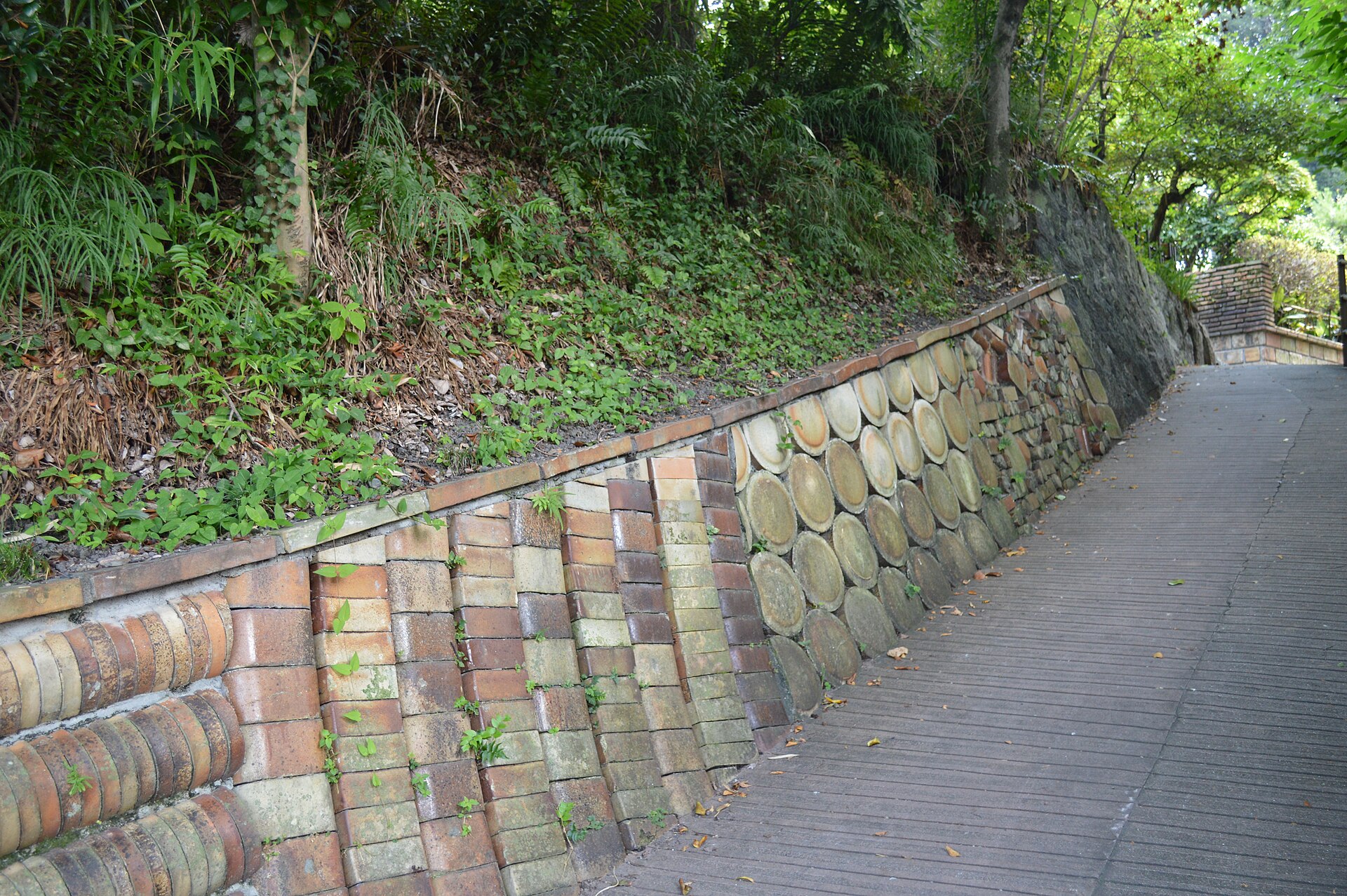
Seto Ware
12.4 km · straight line
 Tomio344456 / CC BY-SA 4.0
History · Aichi★★★
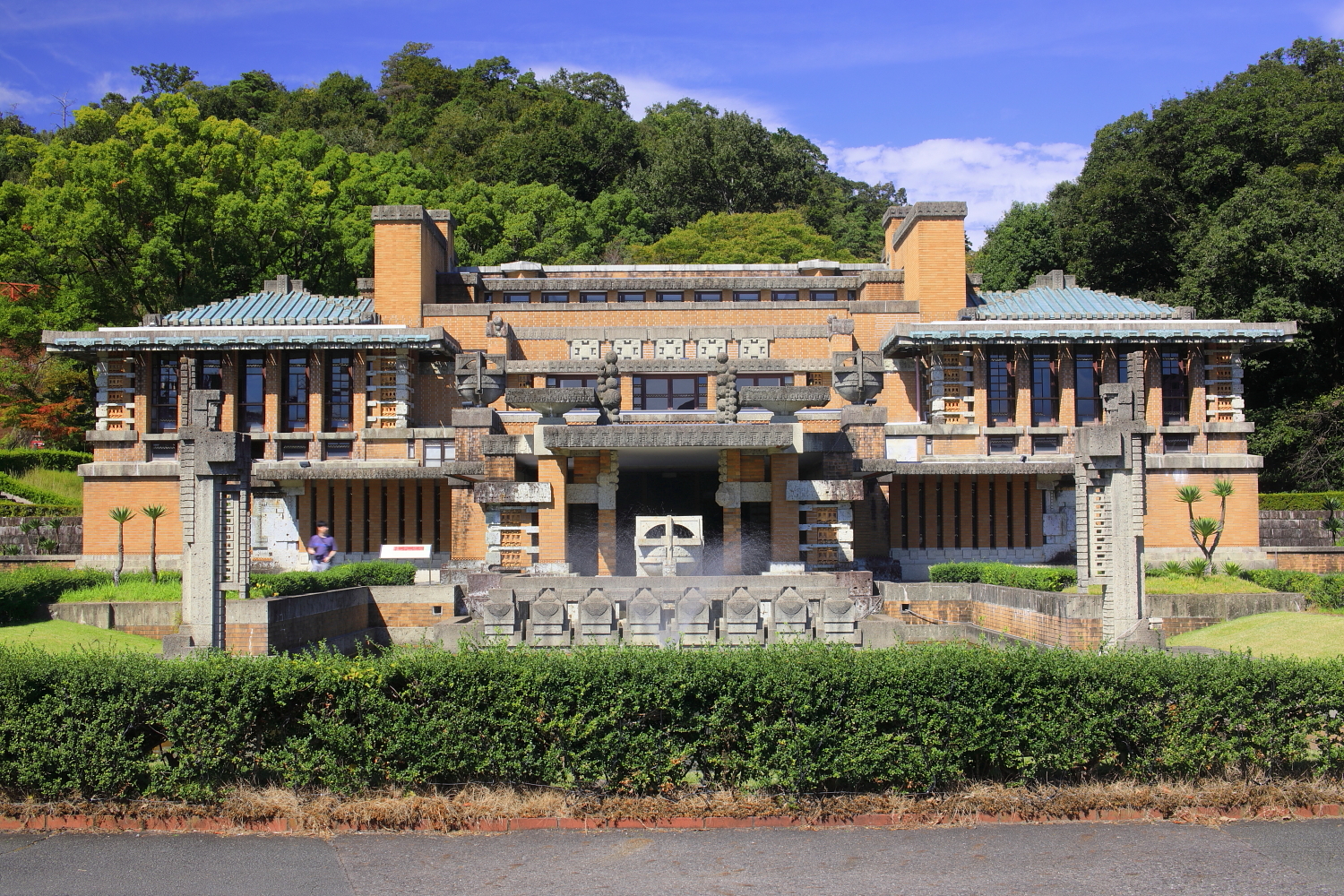
Museum Meiji-Mura
15.1 km · straight line
 Kyu3 / CC BY-SA 4.0
Entertainment · Aichi★★★
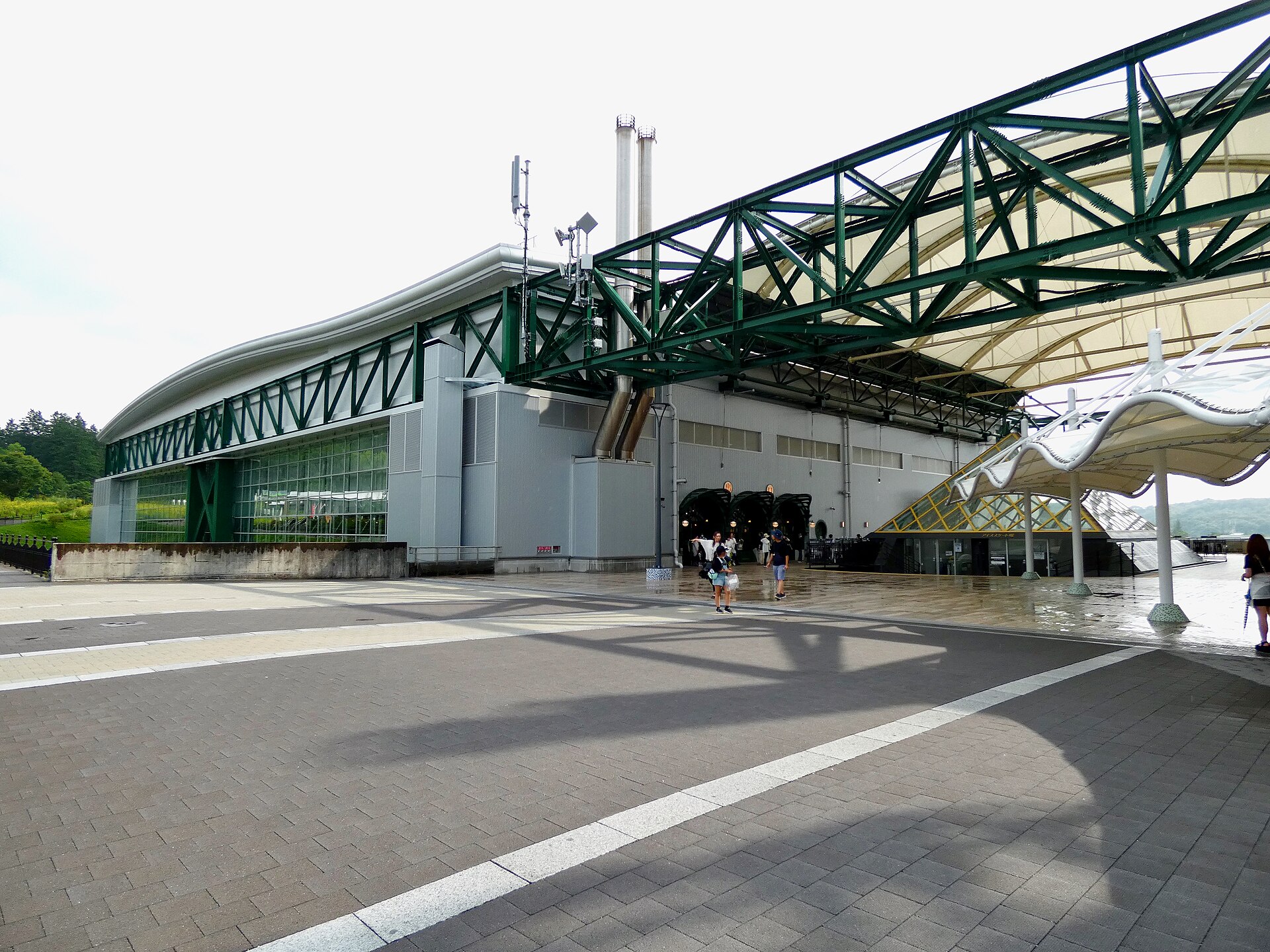
Ghibli's Grand Warehouse
18.5 km · straight line
 Suicasmo / CC BY-SA 4.0
History · Aichi★★★
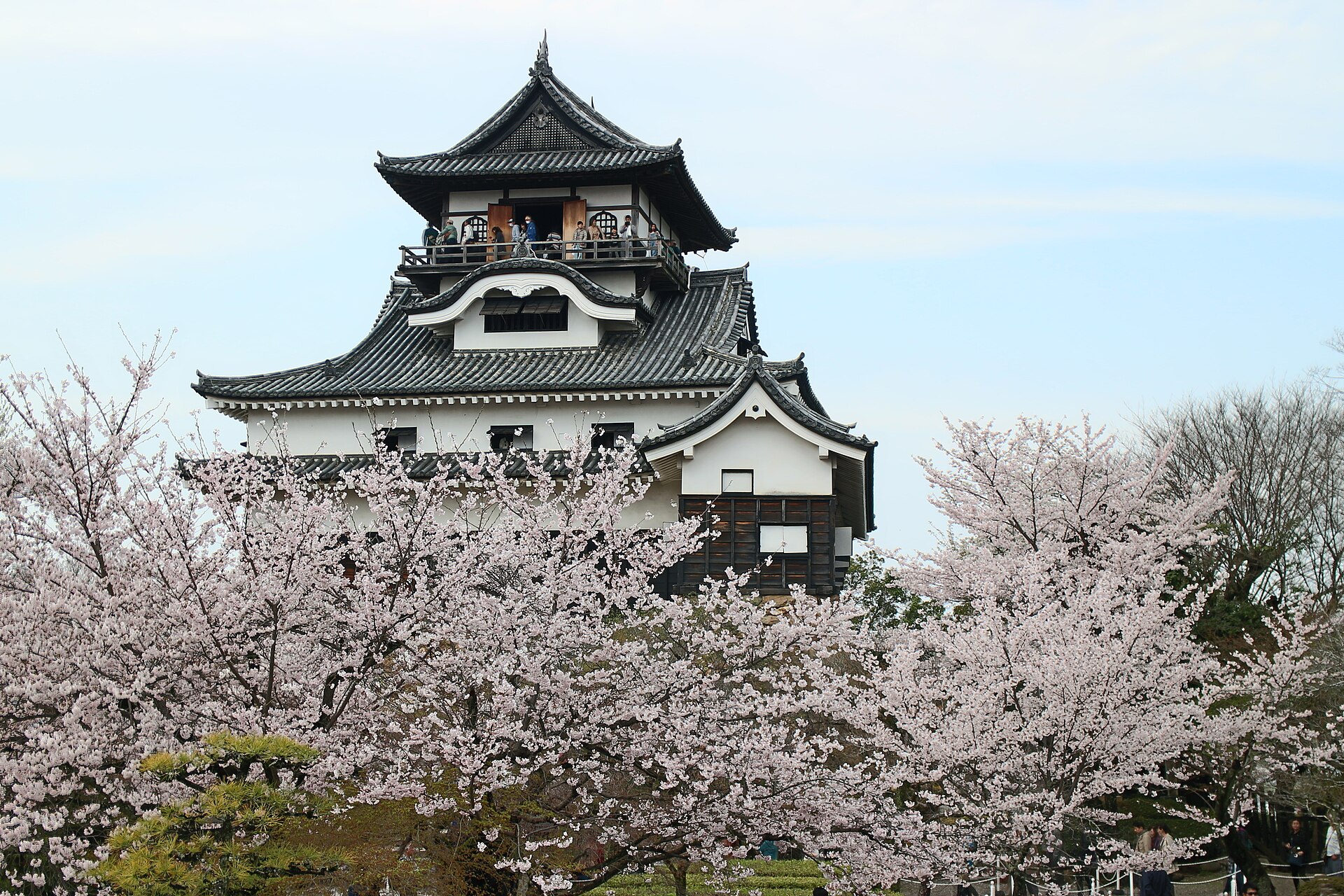
Inuyama Castle
20.6 km · straight line
Distances are straight lines on the map, not travel times.