Miyazaki City · JinguNo.1225★★Open in map →
Miyazaki Jingu
— Shrine to the legendary first emperor of Japan
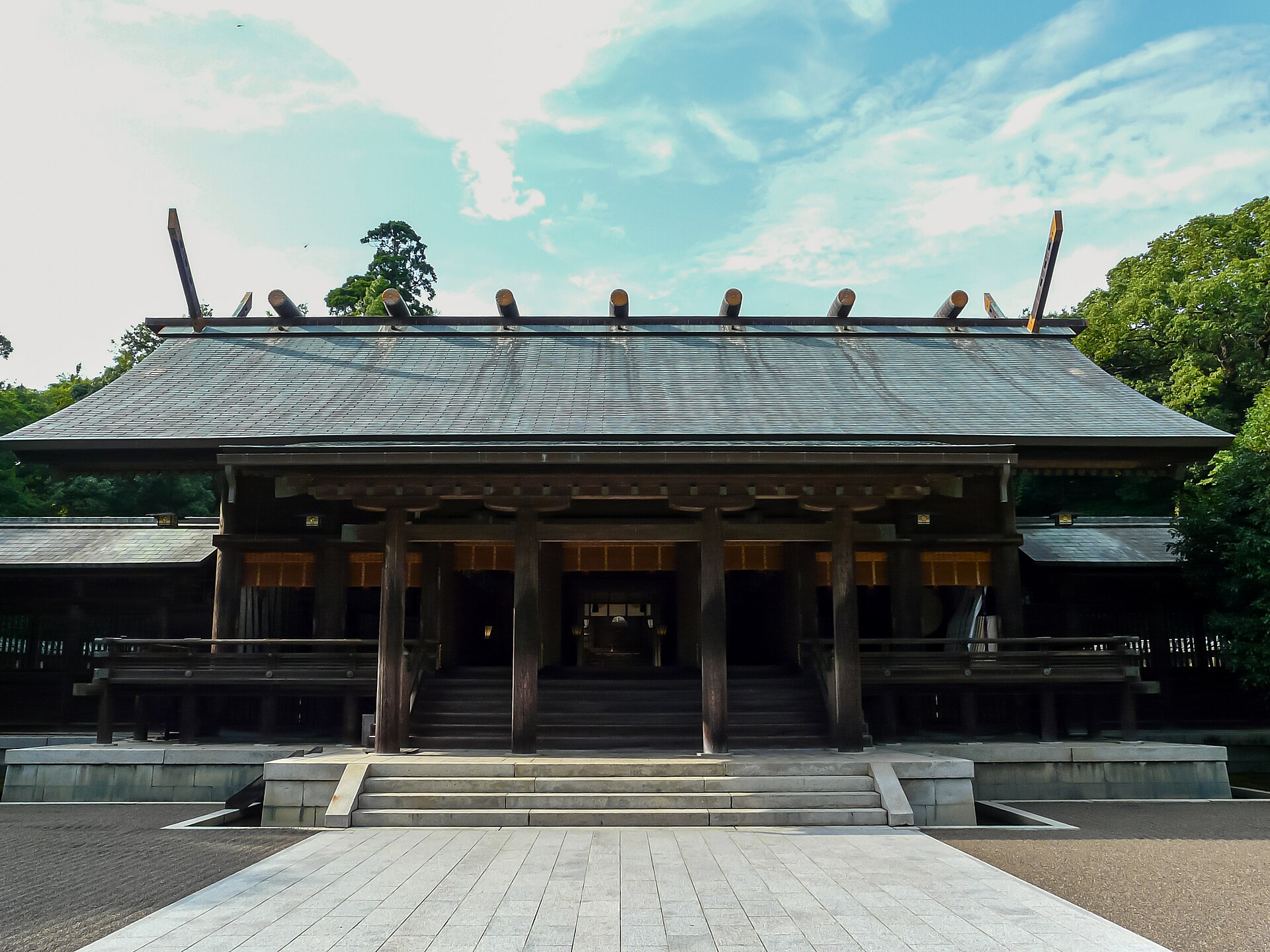
The main shrine of Miyazaki city, dedicated to Jinmu, the emperor Japanese tradition counts as the first. It stands inside its own wood on the north side of town, at the end of a long gravel approach, and opens early every day of the year.
- FromMiyazaki Station
- ~20 minJR Nippo Line, one stop
- Get off atMiyazaki-Jingu Station (JR Nippo Line)
- From there
- Miyazaki Jingu
The sweet spot
This is the best-known shrine in Miyazaki city, and the October procession fills the avenue end to end, so it is not an overlooked place. What changes is the hour. The halls open before the rest of the city does, and the avenue is long enough that early arrivals meet the wood before they meet the crowd.
Where it is
18 more notes in Miyazaki · open the map →What to look for — in walking order
- The gravel avenuea long straight approach in from the outer torii, lined with stone lanterns
- Shinmon gatethe inner gate, the last roof before the worship hall
- The worship hallthe hall at the head of the avenue, where visitors stop and bow
- The white wisteriaan old wisteria in the shrine garden, white-flowered in spring
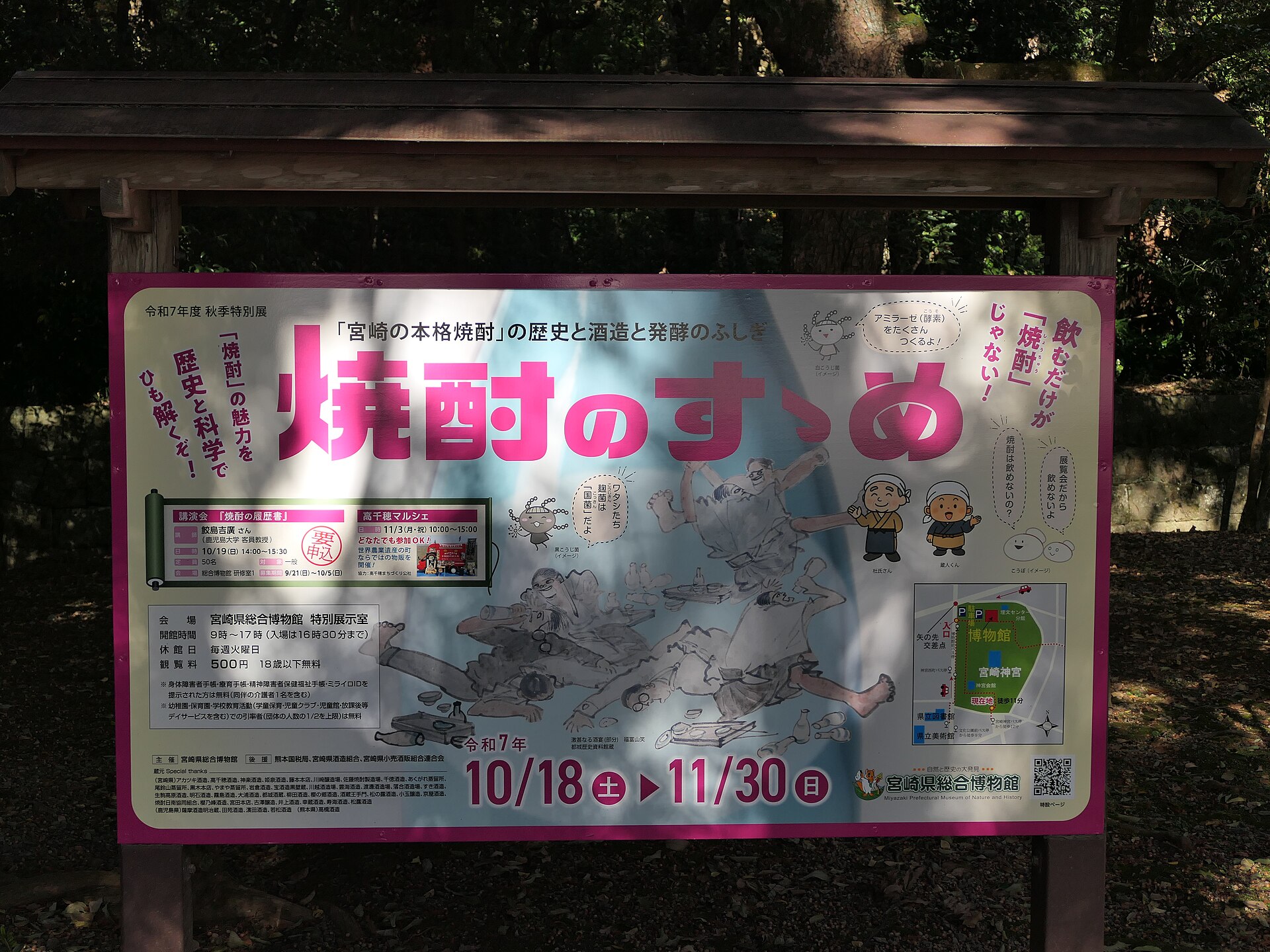
- Miyazaki Prefectural Museumthe prefecture's nature and history museum, standing in the same wood
How to actually get there
- Miyazaki Station → Miyazaki-Jingu Station (JR Nippo Line, the next stop north).
- Miyazaki-Jingu Station → the outer torii and the gravel avenue (walk about 10 minutes).
- Walk the avenue, pass through Shinmon gate, and bow at the worship hall.
- Turn into the garden for the wisteria, then on to the prefectural museum in the same wood.
- JR Nippo Line, one stop from Miyazaki Station
- Miyazaki-Jingu Station is the next stop north of Miyazaki Station on the JR Nippo Line, and the shrine is about a 10-minute walk from there. A street runs straight from the station toward the approach, so there is nothing to navigate. Allow roughly 20 minutes from platform to worship hall.
- Return from Miyazaki-Jingu Station
- Walk back along the same street to Miyazaki-Jingu Station and take the Nippo Line south to Miyazaki Station, where the Nichinan Line and the airport trains connect. Check the departure board when you arrive at the shrine end, and settle your return before you start up the avenue.
About the place
The grounds run to about 25 hectares, and most of that is standing timber rather than building. A wide gravel avenue leads in from the outermost torii, through further gates, to the halls at the far end. Several torii and a gate break the walk, and the trees close in as you go. The halls are built of Sano cedar, a Hyuga timber used here in place of the cypress that most large shrines rely on, and they are listed as registered tangible cultural properties. The prefectural museum stands in the same wood, so one walk covers a shrine, a garden and a museum.
How to enjoy it
The halls open at six in the morning all year, early enough to walk the avenue, take in the garden and still be on a mid-morning train toward the coast. Late October is the other reason to come: the annual festival falls on the twenty-sixth, and the procession through the streets runs on the weekend that follows.
Background & history
Shrine tradition credits the founding to Takeiwatatsu no Mikoto, said to be a grandson of Jinmu, who raised a shrine here to his grandfather's memory. The written record begins in the 1190s, when the local lord Tsuchimochi Nobutsuna had halls built on the site. What stands today went up in 1907, designed by the architect Ito Chuta and paid for by a subscription raised across the country. The shrine carried several other names through the Meiji years before the present one settled.
Before you go
- Cash
- There is no admission to the grounds or the halls. The car park at the west garden is free and holds about 300 cars. The prefectural museum in the same wood is a separate institution, so check its own notice at the entrance.
- Good to know
- The halls close in the late afternoon and the gate follows soon after, so this is a morning or early-afternoon visit rather than an evening one. The avenue is flat gravel but long, with nothing along it to shelter under in rain.
- Another way
- From Miyazaki Station you can also take a Miyazaki Kotsu bus by way of the department-store stop and get off at Miyazaki Jingu, about five minutes from the grounds. Buses from the Miyako City terminal use the same stop.
- After you get off
- From Miyazaki-Jingu Station, walk west along the station street for about 10 minutes to reach the outer torii, then turn in along the avenue. Arriving by bus puts you closer, at a stop roughly five minutes from the grounds.
Nearby notes
 Miyuki Meinaka / CC BY-SA 4.0
Food · Miyazaki★★★
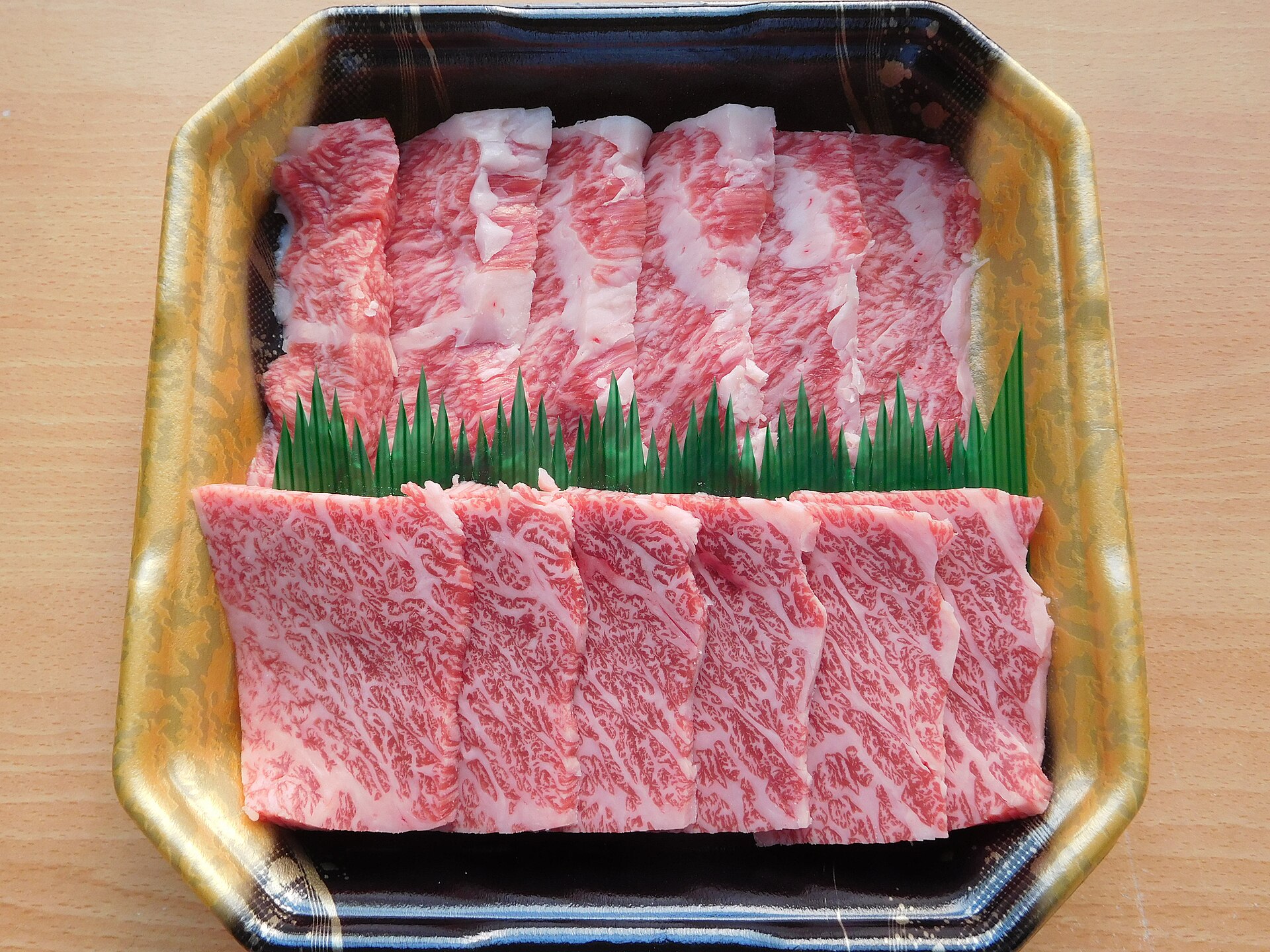
Miyazaki Wagyu Beef
3.1 km · straight line
 松岡明芳 / CC BY-SA 4.0
Culture · Miyazaki★★★
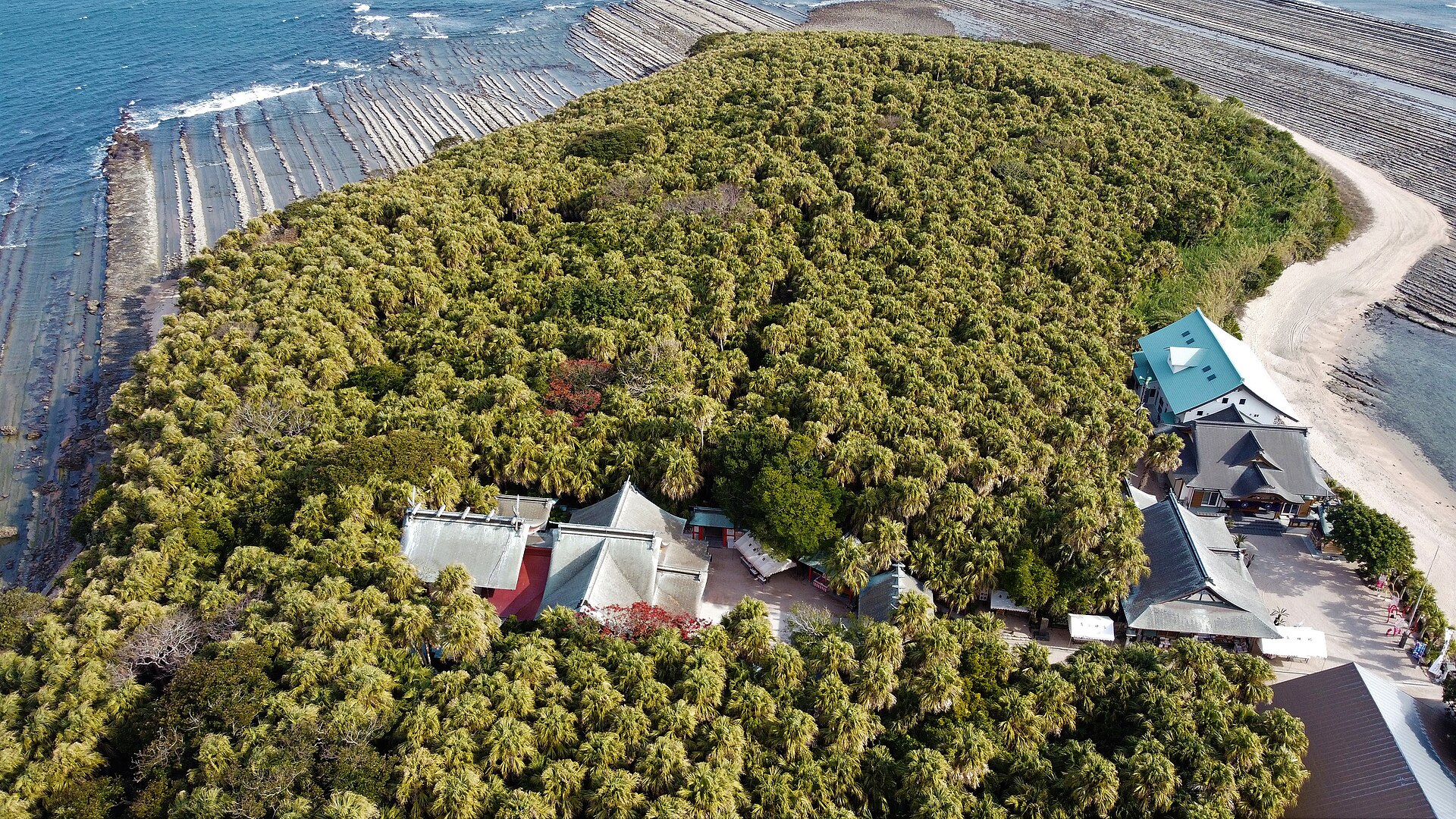
Aoshima Shrine
15.7 km · straight line
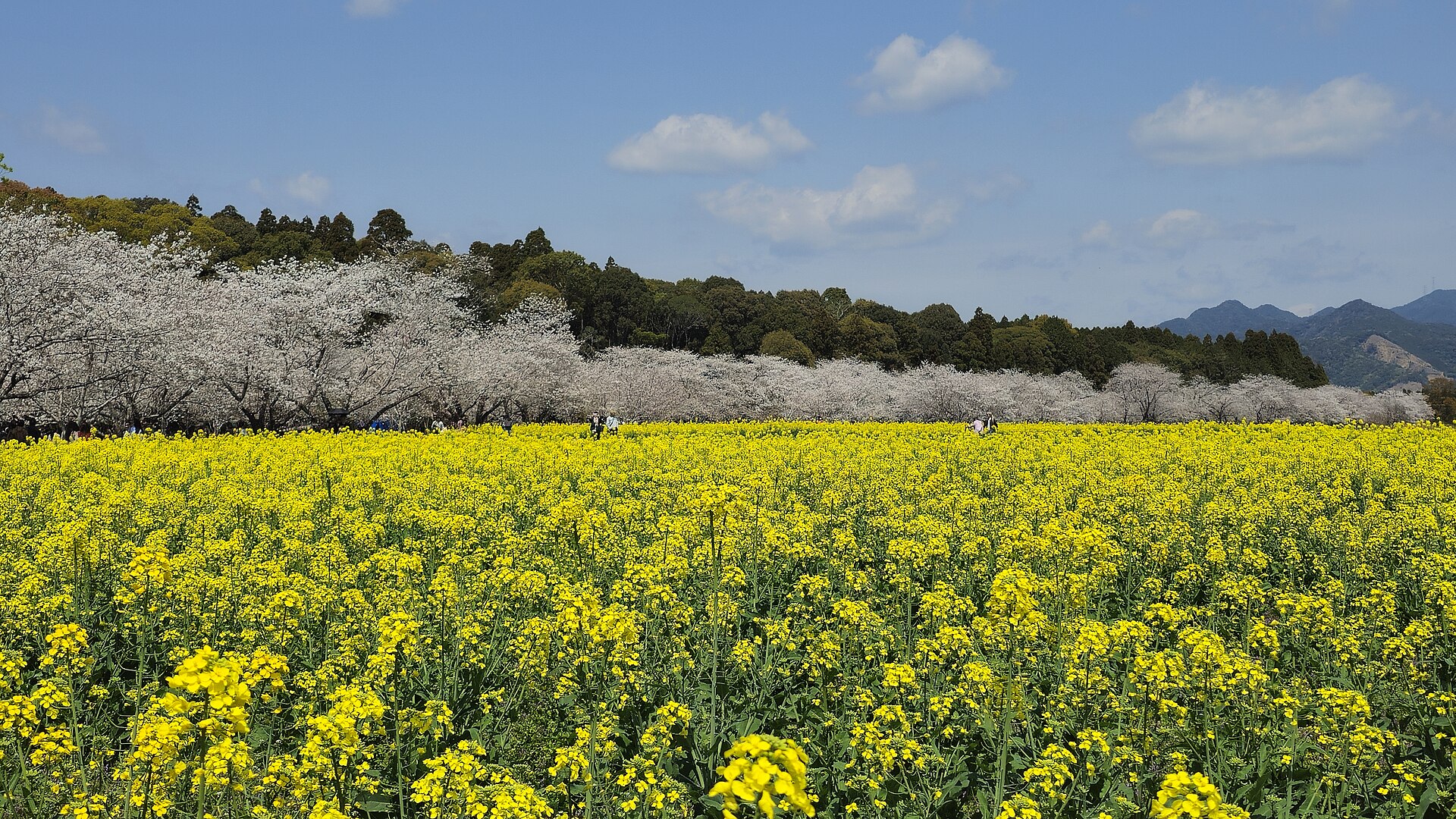 Sanjo / CC BY-SA 4.0
History · Miyazaki★★
Saitobaru Burial Mounds
20.3 km · straight line
Distances are straight lines on the map, not travel times.