Fukuoka · Hakata StationNo.1000★★★Open in map →
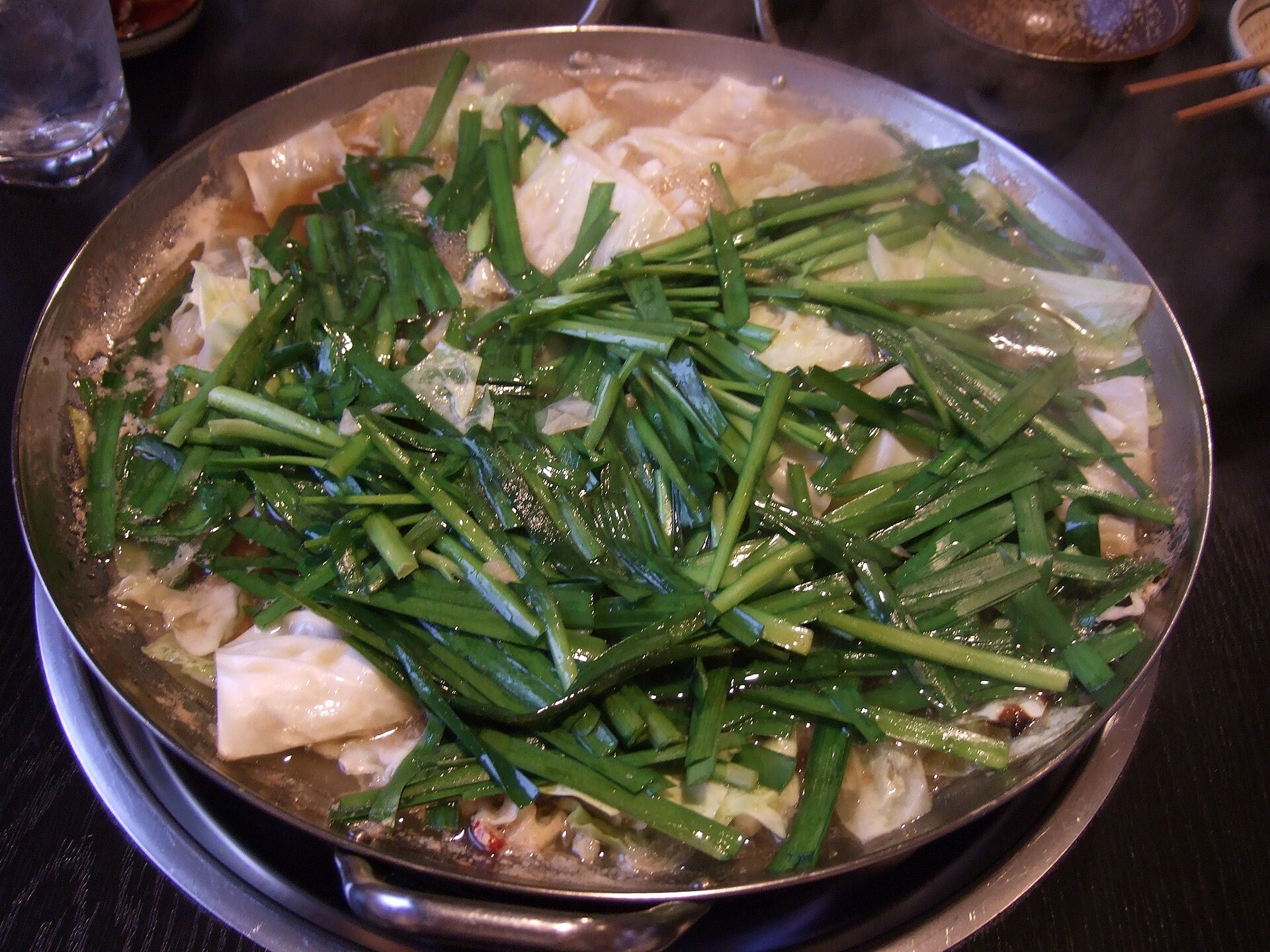
Motsunabe
— Hakata's hot pot of beef offal and garlic chives
Fukuoka's hot pot of offal, garlic chives and cabbage, served in a shallow metal pan and finished with champon noodles. It belongs to the whole city rather than to one address, and Hakata Station is where most visitors meet it first.
- FromFukuoka Airport Station
- ~5 minSubway, two stops from the airport
- Get off atHakata Station (Fukuoka City Subway Kuko Line)
- On foot
- Motsunabe
Where it is
28 more notes in Fukuoka · open the map →What to look for — in walking order
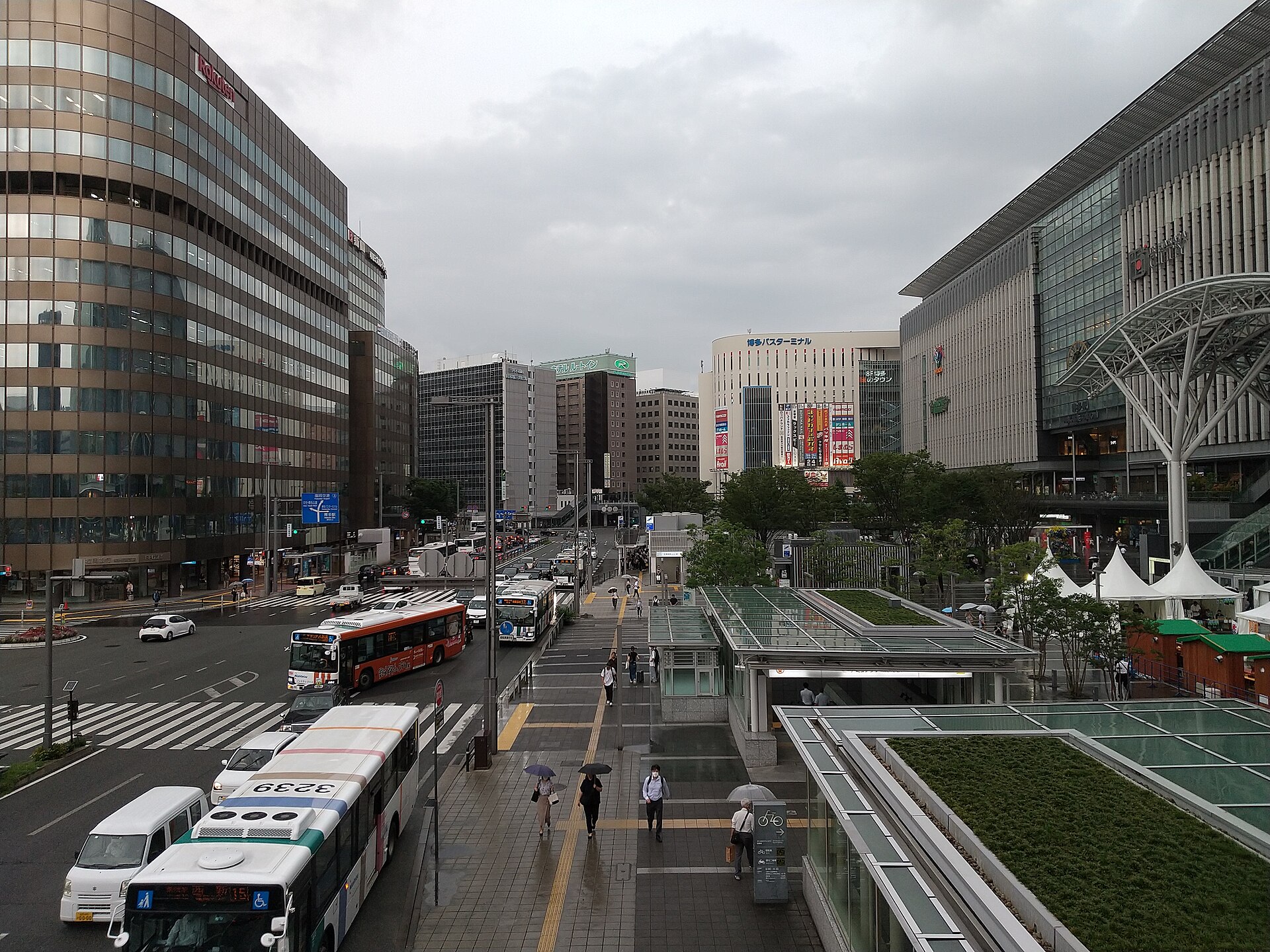
- Hakata Exit Station Squarethe western plaza, where the city buses and the taxi ranks pull in
- Ming station arcadethe shopping street inside the station, stocked with Hakata and Kyushu food
- Ming Yokochothe eating and drinking corner of the arcade, kept on hours of its own
- Hakata Bus Terminalthe terminal building facing the square, with routes out across the prefecture
- Hakata Ekimae-dorithe avenue running northwest toward Nakasu and Tenjin, where the evening pots are
How to actually get there
- Fukuoka Airport Station → Hakata Station (Fukuoka City Subway Kuko Line, two stops, about five minutes).
- Leave through the Hakata exit onto the station square.
- Ming, the arcade inside the station, for boxed motsunabe sets alongside the rest of the Hakata food shelf.
- For the pot itself, walk west from the square in the evening, toward Nakasu and Tenjin.
- Subway from Fukuoka Airport Station
- Fukuoka Airport has its own subway station on the Kuko Line, joined to the domestic terminal by escalator. Hakata is two stops away, and both the prefecture's tourism association and the station arcade put the ride at about five minutes. Trains run frequently through the day, so there is no timetable to plan around.
- Leaving from Hakata Station
- The same Kuko Line runs back to the airport, and Hakata is also the Shinkansen and JR hub for Kyushu. Subway services thin out late at night, so read the platform board if you have settled in somewhere for a long dinner.
About the place
Motsunabe is built on beef or pork offal, cut small and simmered under a heap of garlic chives and cabbage. Fukuoka City's own tourism office traces the dish to the years after the Second World War, when offal and chives were cooked in an aluminium pan with soy sauce, and links it to people working the coalfields. The prefecture's tourism association names the two standard broths, soy and miso, with garlic worked through both. The pan matters as much as the broth: not the deep earthenware most Japanese hot pots use, but shallow stainless steel. What is left in it at the end takes champon noodles or rice.
How to enjoy it
Motsunabe is an evening dish, though Fukuoka City's tourism office is clear that people here eat it in the summer heat as readily as in the cold months. The restaurants sit west of the station, toward Nakasu and Tenjin: one subway stop, or a walk through the Hakata streets. If you are on your way out instead, the arcade inside the station sells boxed sets to carry home, and it publishes its hours on its own site.
Background & history
The dish is young as Japanese cooking goes. Fukuoka City places its beginnings in the post-war coalfields, with offal and chives in an aluminium pan and soy sauce for seasoning. It stayed a local habit until a Hakata-style restaurant opened in Tokyo, and in 1992 the word motsunabe took a prize at Japan's annual new-words award; the award's own entry records a plain, blunt dish turning into a national craze. The garlic and the noodle finish settled into the form served today around that time.
Before you go
- Cash
- The subway takes IC cards, including the local Hayakaken. Shops inside the station and restaurants outside it each set their own payment methods, so carry some cash for the evening.
- Good to know
- Nothing here is seasonal. But the arcade inside the station and the restaurants outside keep different hours, and some places open only in the evening, so check the hours published by whichever one you are heading for.
- Another way
- Coming from Tenjin, the same Kuko Line runs east to Hakata. Coming off a ferry at Hakata Port, city buses run to the station forecourt.
- After you get off
- Hakata Station has two sides. Come out on the Hakata side, the western one, for the square and the arcade; the Chikushi side faces the Shinkansen tracks.
Nearby notes
 水車 / CC BY-SA 4.0
Craft · Fukuoka★★
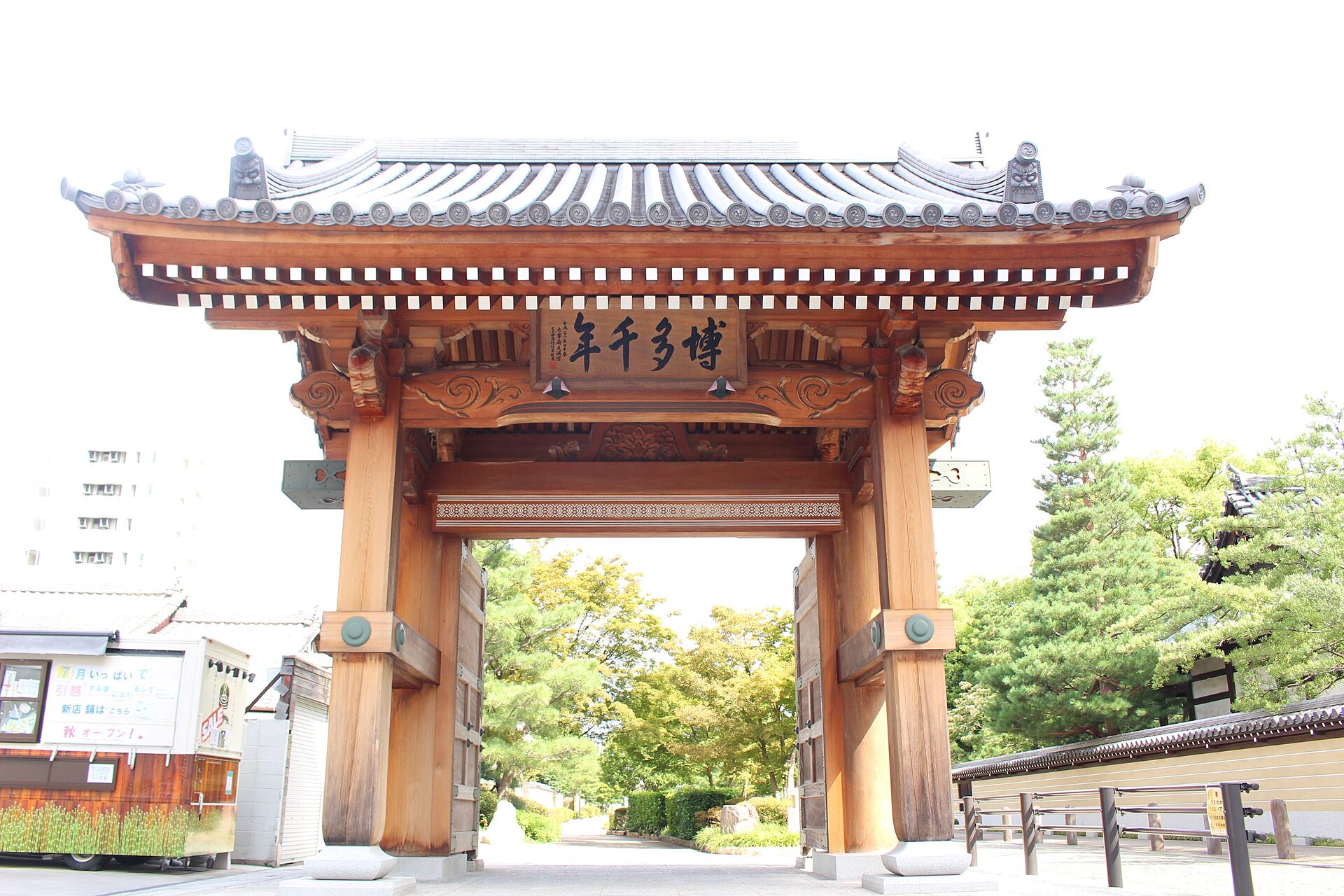
Hakata-ori Textile
0.4 km · straight line
 氏子 / CC BY-SA 4.0
Craft · Fukuoka★★
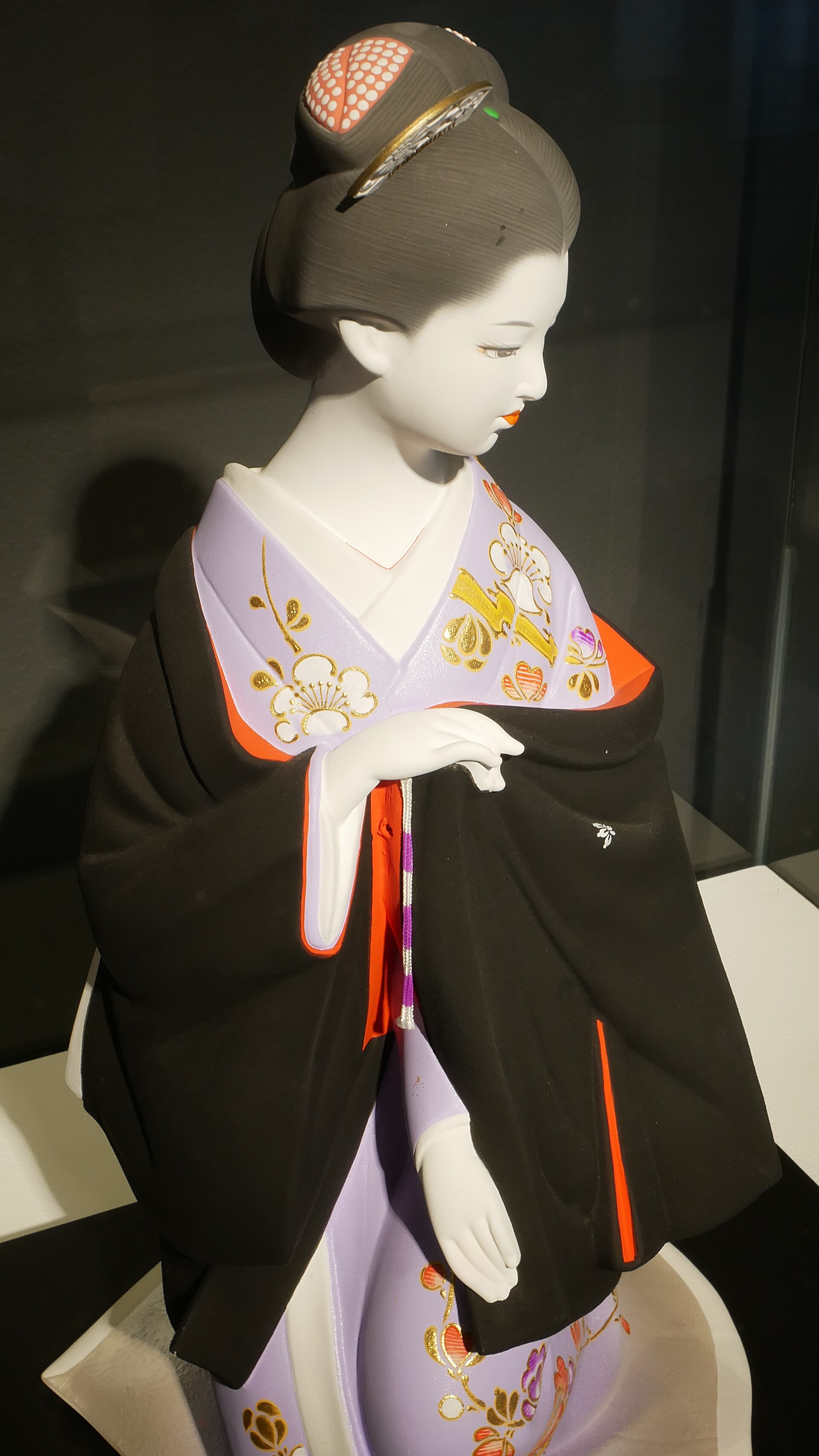
Hakata Dolls
0.4 km · straight line
 Nick-D / CC BY-SA 4.0
History · Fukuoka★★
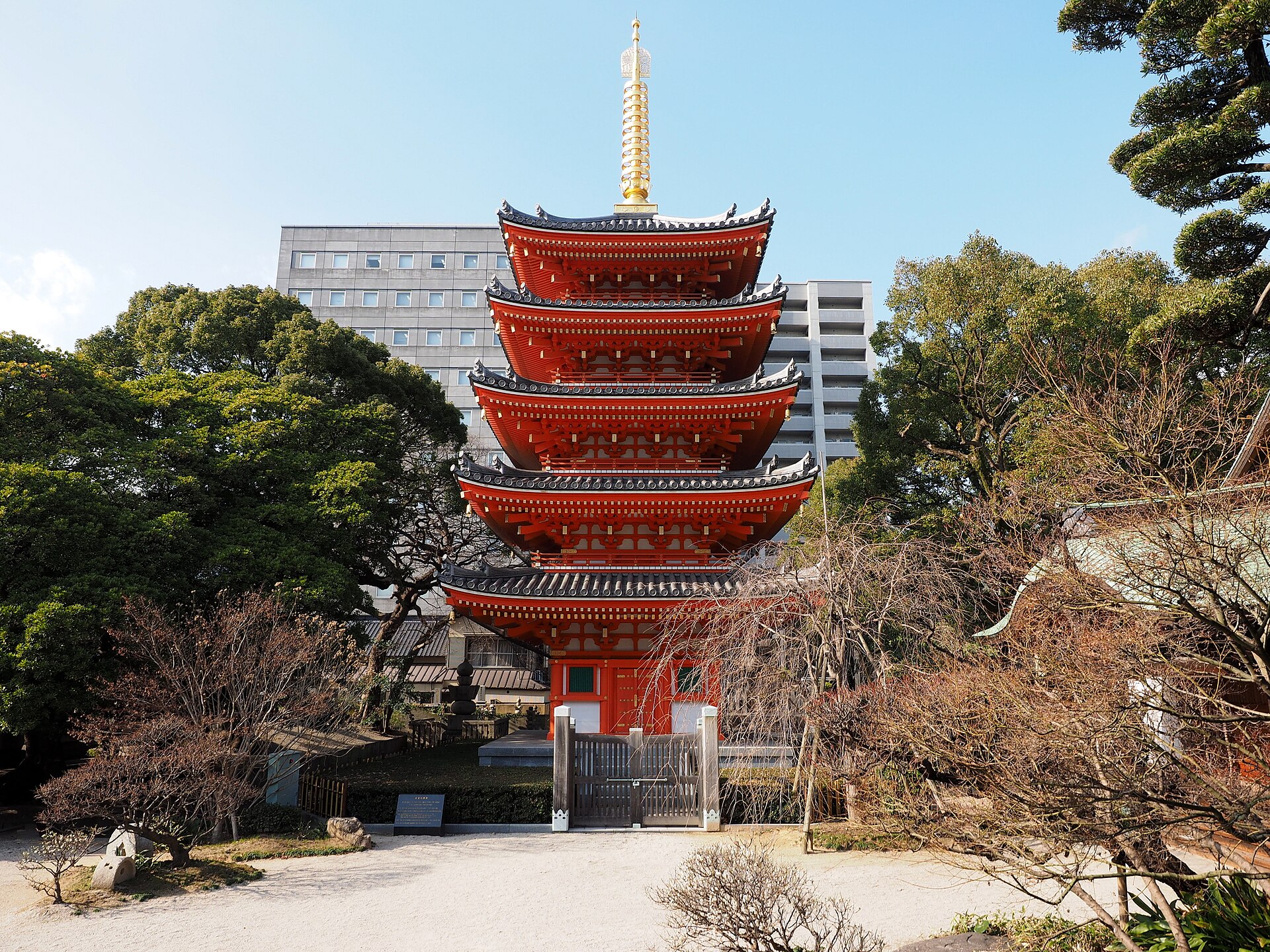
Tochoji Temple
0.8 km · straight line
 mdid / CC BY 2.0
Culture · Fukuoka★★★
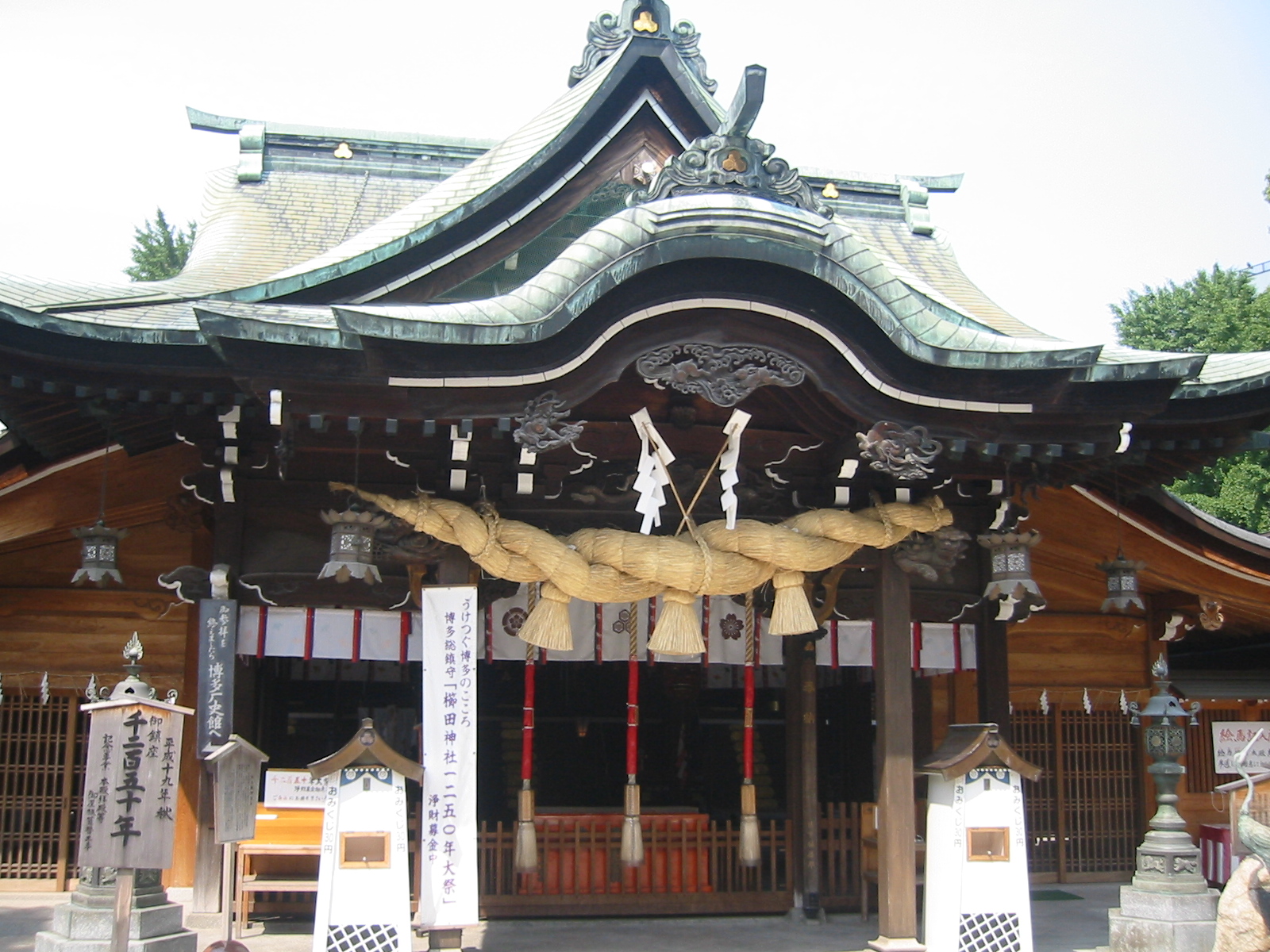
Kushida Shrine
0.9 km · straight line
Distances are straight lines on the map, not travel times.