South Hokkaido · MukawaNo.1140★★Open in map →
Mukawa Shishamo
— The michi-no-eki at the centre of shishamo country
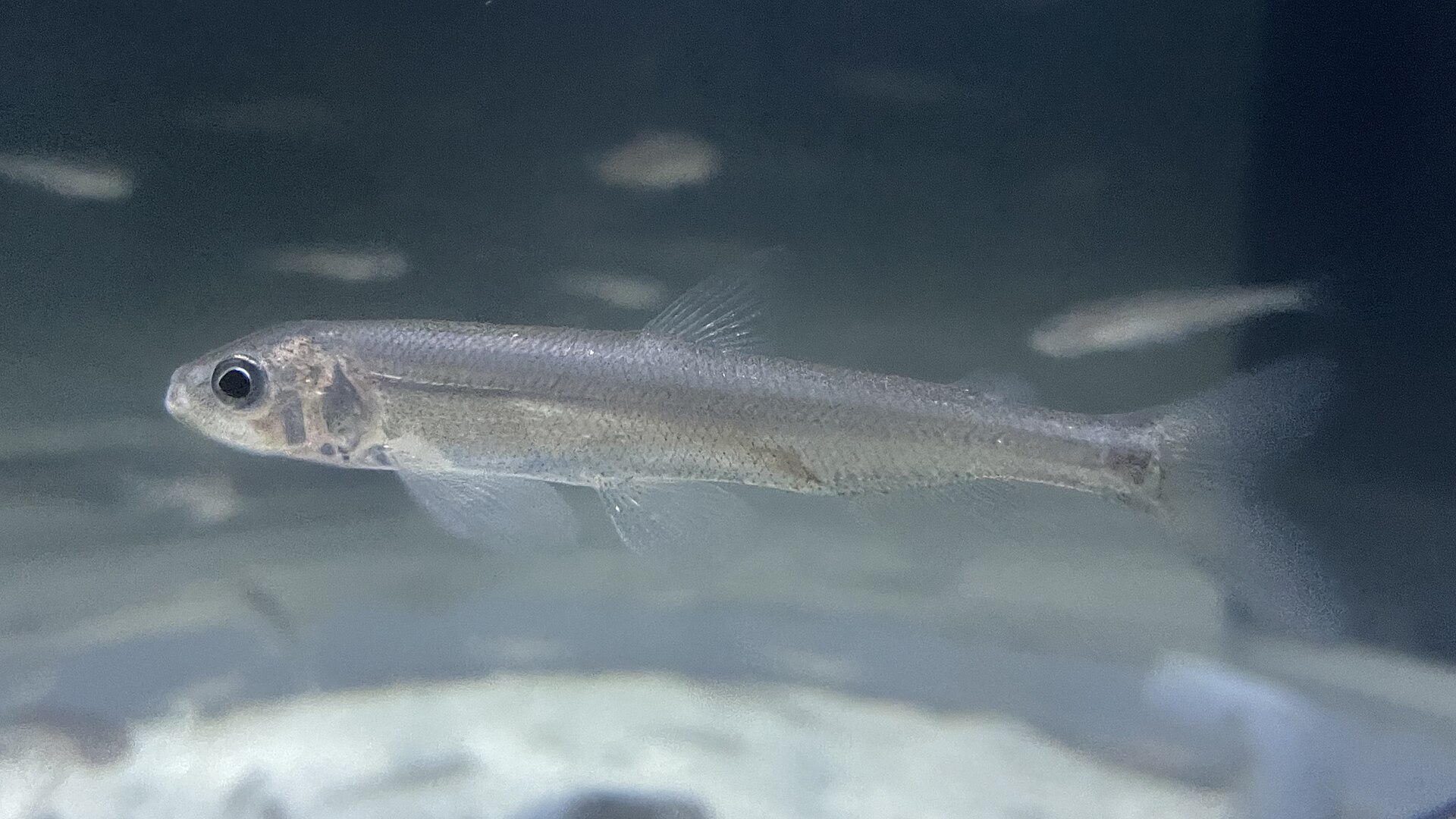
Most of what Japan sells as shishamo is a stand-in. The real fish spawns along one short stretch of Hokkaido's Pacific coast, and Mukawa is its home town, with a roadside station between the railway and the river acting as its public counter.
- FromTomakomai Station
- ~30 minJR Hidaka Line, 8 trains a day
- Get off atMukawa Station (JR Hidaka Main Line)
- On foot
- Mukawa Shishamo
The sweet spot
Mukawa is not an unknown town. The brand is registered and the fish is famous nationally. What a visitor is unlikely to know is that the name has outrun the catch. Normal fishing has not been carried out since the last season of the 2022 fiscal year, and the town's own notice, issued in July 2026, describes a survey operation that will land a limited quantity and put part of it into circulation. So the honest reason to come is not a guaranteed plate of shishamo. It is a town that stopped fishing its own emblem in order to still have one.
Where it is
102 more notes in Hokkaido · open the map →What to look for — in walking order
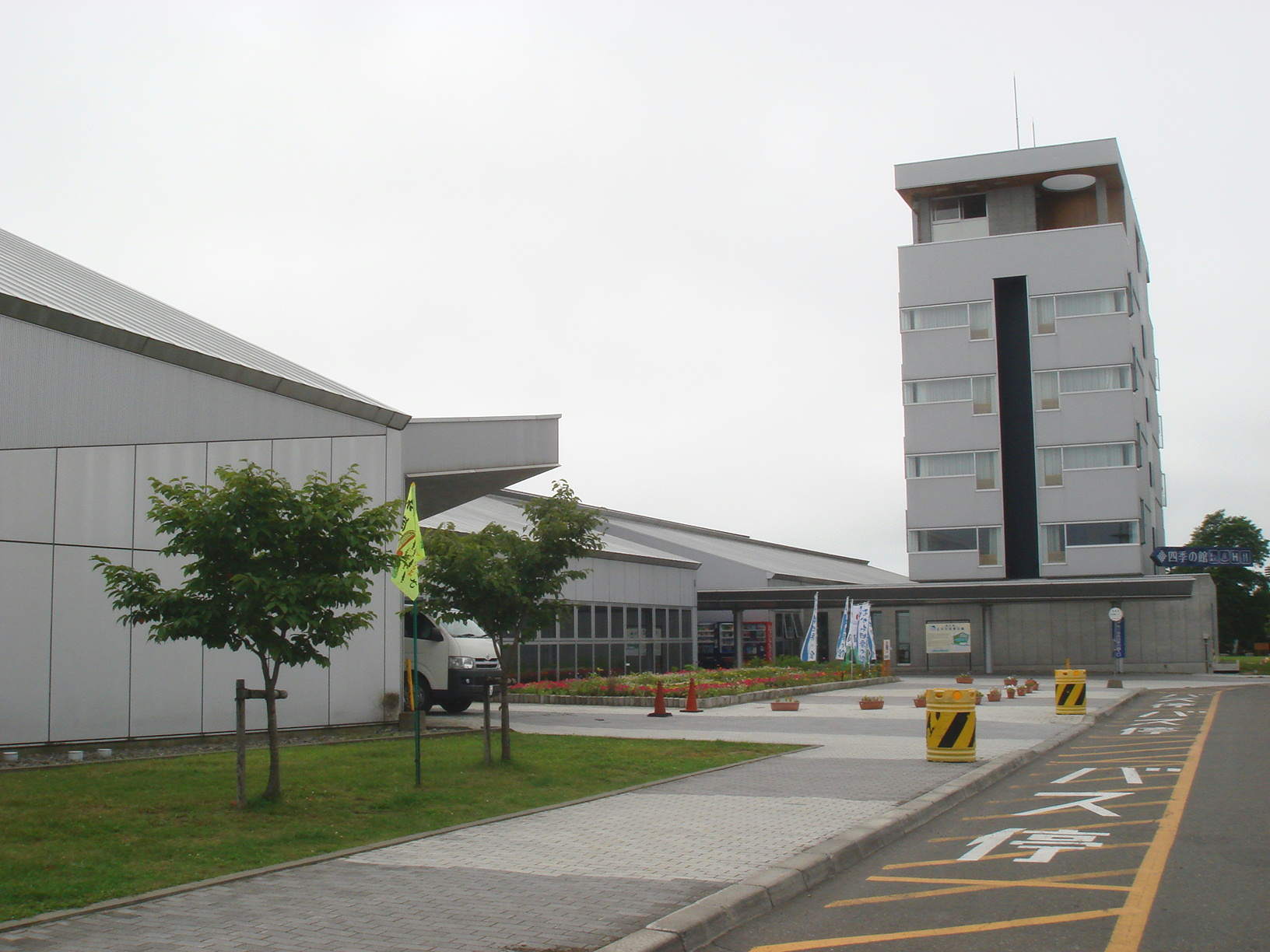
- The Shiki-no-Kaze towerthe tall block that marks the roadside station from the road, holding the hotel
- The produce hallthe sales floor for the town's own goods, shishamo products among them
- Tanpopo dining roomthe in-house restaurant cooking what the coast off Mukawa lands
- Shiki coffee shopthe café in the same building, useful as a break between halls
- Mukawa Onsen Shiki-no-Yuthe hot spring attached to the roadside station, open for day visits
How to actually get there
- Tomakomai Station → Mukawa Station (JR Hidaka Main Line, the terminus).
- Mukawa Station → Michi-no-Eki Mukawa Shiki-no-Yakata, south on foot.
- Start in the produce hall, then the dining room; what shishamo there is depends on the year, so read the shelf first.
- Finish with the hot spring and time the walk back to the train you want.
- JR Hidaka Main Line from Tomakomai
- Take the JR Hidaka Main Line from Tomakomai Station to Mukawa, about half an hour. The line ends here; the section beyond Mukawa has been abolished, so this is the terminus rather than a stop on the way. Services are limited and scattered across the day from early morning to late evening. From the station the roadside station is about eight minutes on foot to the south, on flat streets.
- Back to Tomakomai
- Return trains leave from the same platform at Mukawa, and the gaps between them are wide enough that a missed one costs the afternoon. There is also a bus stop in front of the roadside station itself, which gives a second way out. Either way, settle your return before you start on the halls rather than after.
About the place
Mukawa stands where its river reaches Hokkaido's Pacific coast, and the fish the town is named for returns to spawn on that coast alone, in the waters between Uchiura Bay and Akkeshi Bay. It is endemic to Japan. Most of what the country eats under the name shishamo is a different fish altogether, a northern relative sold as a stand-in, and the difference is why this one carries a registered name of its own. When a season runs, split fish are hung in rows on drying frames, the sudare-boshi that turns the town into a picture of late autumn. The roadside station sits between the railway and the river, holding the produce hall, the dining room and the hot spring under one roof.
How to enjoy it
Fishing belongs to October and November, and the drying frames are a sight of the same weeks, but with normal operations suspended what actually reaches the shelves varies from year to year. The roadside station itself opens from eight in the morning and runs through the evening, the hot spring from ten, and the restaurant in a midday and an evening block. A day trip falls into shape easily: arrive on a midday train, eat, take the bath, and go back in the evening.
Background & history
The fish is older here than the town's name for it. The word comes from Ainu, susu for willow and ham for leaf, and Japanese still writes it with characters that read willow-leaf fish. The cooperative has run hatching and release work since the middle of the last century, and when catches fell away it suspended fishing of its own accord and waited for the stock to come back. In 2006 the name Mukawa Shishamo was registered as a regional collective trademark, and the fish is the town's designated emblem.
Before you go
- Cash
- Entering the roadside station costs nothing. The hot spring, the restaurant and the shops each charge separately and post their prices on site. What shishamo products are stocked, and at what price, shifts with the season's catch, so both are things to read on the shelf rather than plan around.
- Good to know
- The roadside station is open through the year, with occasional maintenance closures. The fishing and the distribution behind it depend entirely on the state of the stock, which changes the situation from one year to the next, so the town's and the cooperative's notices are the things to read before setting a date. Winter on this coast is windy, and the walk up from the station has nothing to break it.
- Another way
- By car it is the Hidaka Expressway to the Mukawa interchange and down onto the national road; the roadside station has 200 spaces for cars. Many people stop here on the way toward the Hidaka coast rather than as a destination, and it sits conveniently on the run out from Tomakomai and New Chitose Airport.
- After you get off
- Leave Mukawa Station with the tracks behind you and walk south through streets of houses and shops. The tall tower of the complex comes into view on the right, and the side facing the national road is the front entrance.
Nearby notes
 Calistemon / CC BY-SA 4.0
Craft · Hokkaido★★
Nibutani Ainu Culture Museum
20.2 km · straight line
 Prosperosity / CC BY-SA 3.0
Nature · Hokkaido★★
Lake Utonai
23.5 km · straight line
Distances are straight lines on the map, not travel times.