Akita · OdateNo.1072★★Open in map →
Odate Magewappa
— Bentwood ware of Akita cedar sewn with cherry bark
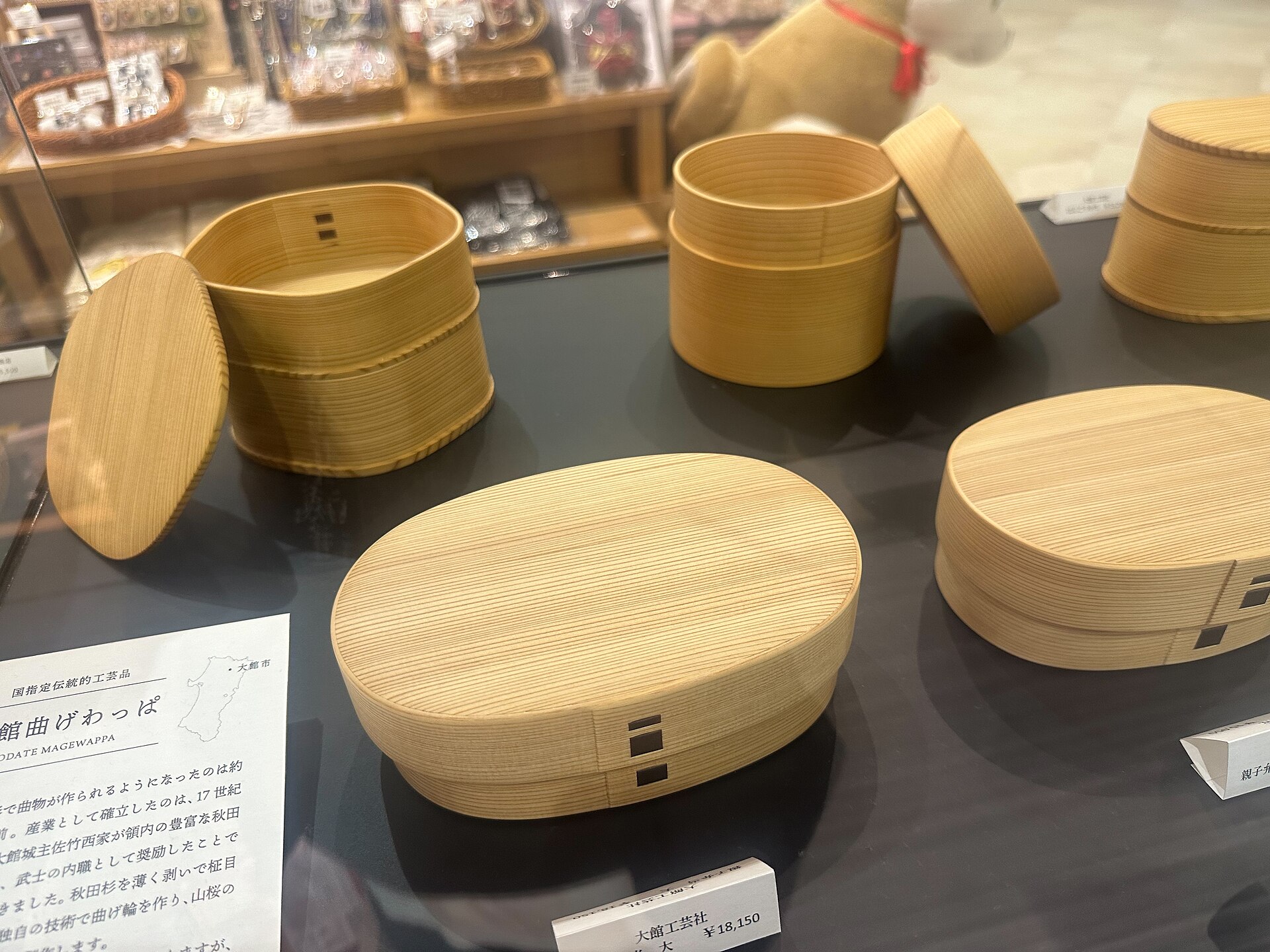
Thin Akita cedar bent into a ring and sewn shut with mountain cherry bark: Odate's bentwood ware. The city museum, on a wooded rise northeast of the station, keeps a cedar-lined room of it — trays, bowls and boxes, not lunch boxes alone.
- FromOdate Station (JR Ou Line and Hanawa Line)
- ~15 minShuhoku Bus, ~15 min from the station
- Odate Magewappa
The sweet spot
Magewappa itself is no secret. It sells in craft shops across Tohoku and online, and the lunch box has a following well beyond the prefecture. What gets lost is why it is Odate. A lord held the forest, his lower retainers held no winter income, and the work invented to join those two facts never moved away from where the cedar grew. The quiet part is the hill it is kept on, not the craft.
Where it is
34 more notes in Akita · open the map →What to look for — in walking order
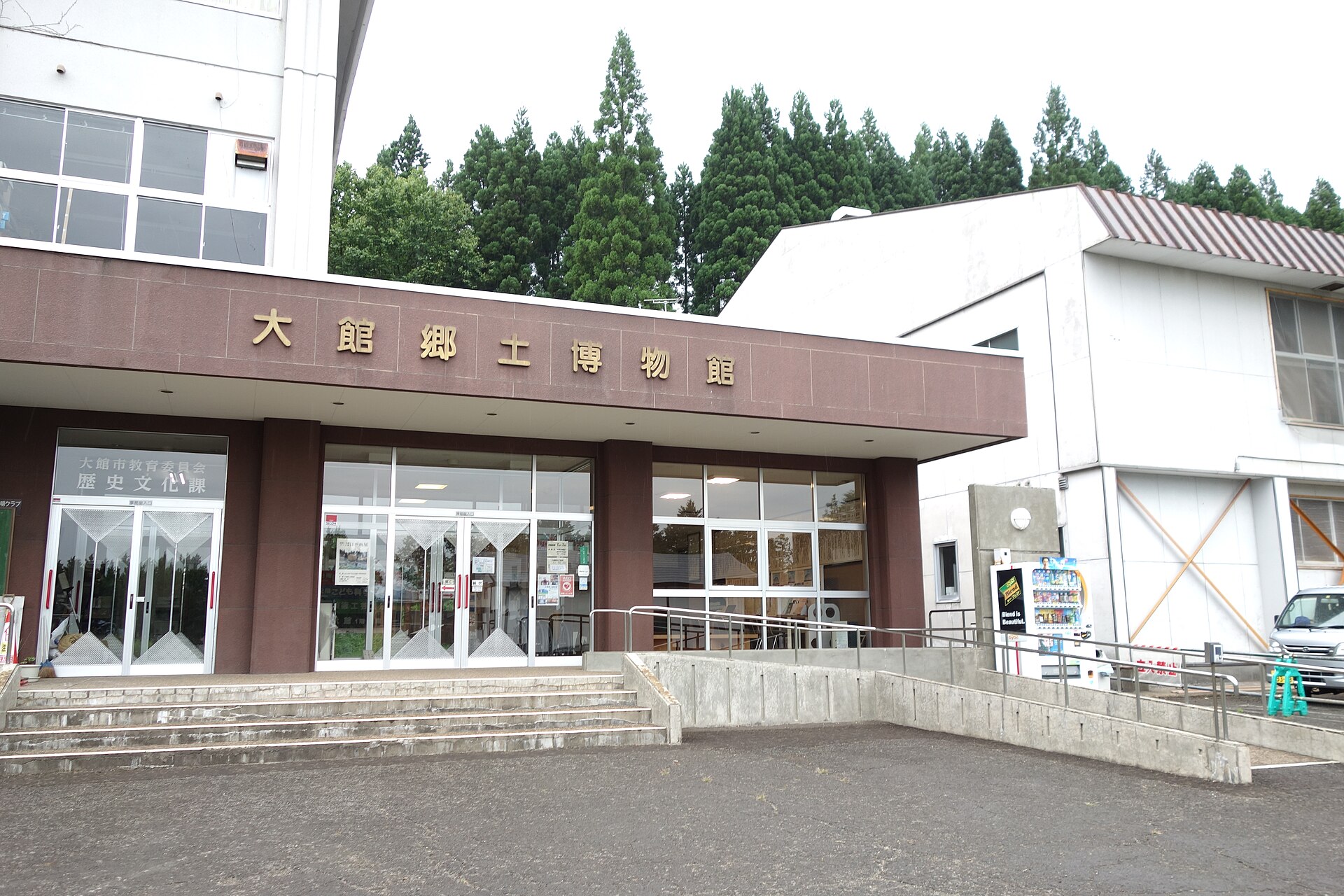
- The exhibition hallground floor on Odate's forestry and mining, the two trades the town stood on
- The second floorprehistory to the modern town, folk life, and the Hanaoka story
- The magewappa roomsa display space lined in Akita cedar, with donated trays, bowls and lunch boxes
- The fine arts and crafts roomthe museum's separate room for craft and art displays
- Akita Sankei Memorial Halla second building on the same grounds keeping three protected breeds of chicken
How to actually get there
- Akita Station → Odate Station (JR Ou Line; limited express trains run the route).
- Odate Station → Shishigamori (Shuhoku Bus, Shishigamori loop, about 15 minutes).
- Walk up the rise to the museum entrance.
- Take the exhibition hall first, then the magewappa rooms, then the chicken hall outside.
- Bus from Odate Station
- Odate Station → the Shishigamori loop service run by Shuhoku Bus, about fifteen minutes to the Shishigamori stop, then on foot up the rise. Odate sits on the JR Ou Line and is the terminus of the Hanawa Line, and limited express trains between Akita and Aomori call here. A rural loop route does not run often, so check the day's departures with the operator before setting out.
- Back to Odate Station
- The same loop service returns to the station forecourt. Buses here finish well before the last trains, so the bus timetable rather than the railway decides how long the visit can run. If the return does not line up, the distance back into town is short enough to close by taxi.
About the place
The wood comes first. Natural Akita cedar is split thin along the straight grain and boiled until the board will move, then wrapped around a form and held while it dries. Where the two ends overlap they are stitched rather than nailed, with a strip of mountain cherry bark drawn through punched holes, and the base is dropped in afterwards. The same method makes rice tubs, water jugs, trays, sushi bowls, sweet boxes and cups. The lunch box is simply the shape that travels well. In a display room finished throughout in Akita cedar, the whole family stands together.
How to enjoy it
The museum opens at nine and closes its desk half an hour before the doors, so an early bus leaves room for both floors and the cedar room without hurrying. Making magewappa by hand has moved out of the city's own workshop and is now handled by workshops belonging to the cooperative, which has to be arranged with them directly.
Background & history
Bent cedar vessels are said to have begun with woodcutters, who made containers from split cedar out in the forest. Under the domain the Satake Nishi house, which held Odate Castle, looked at the cedar standing in its own territory and set lower-ranking retainers to the work as winter income; the poverty it answered was real. That origin is why a woodcraft took root in a castle town rather than in a village of specialists. In 1980 it was designated a national traditional craft under the Odate name.
Before you go
- Cash
- Admission to the museum is charged, at separate rates for adults, high school and university students, and primary and junior high pupils, with local schoolchildren and preschool children admitted free. The chicken hall on the grounds is free to enter. Rates change, so read the city's museum page for the day you are going, and treat a municipal counter as a cash counter.
- Good to know
- Closed on Mondays, with the following weekday taken instead when a Monday falls on a public holiday, and closed over the new year. The Akita Sankei hall shuts for the winter from December to March. This is deep snow country and the museum stands on a wooded rise outside the built-up area, so in winter what is uncertain is the road and the bus rather than the building.
- Another way
- From Aomori or Hirosaki the Ou Line runs south into Odate, which makes the town a stop between Hirosaki and Akita rather than a destination on its own. The Hanawa Line comes in from the Hachimantai side and ends at the same platform, so the museum also fits a route out of Morioka.
- After you get off
- You get off at Shishigamori, a stop at the edge of the built-up area, and walk a few minutes up the rise. The exhibition hall is the low building with its name cut into the stone facade; the Akita Sankei hall stands separately on the same grounds.
Nearby notes
 掬茶 / CC BY-SA 4.0
Culture · Akita★★★
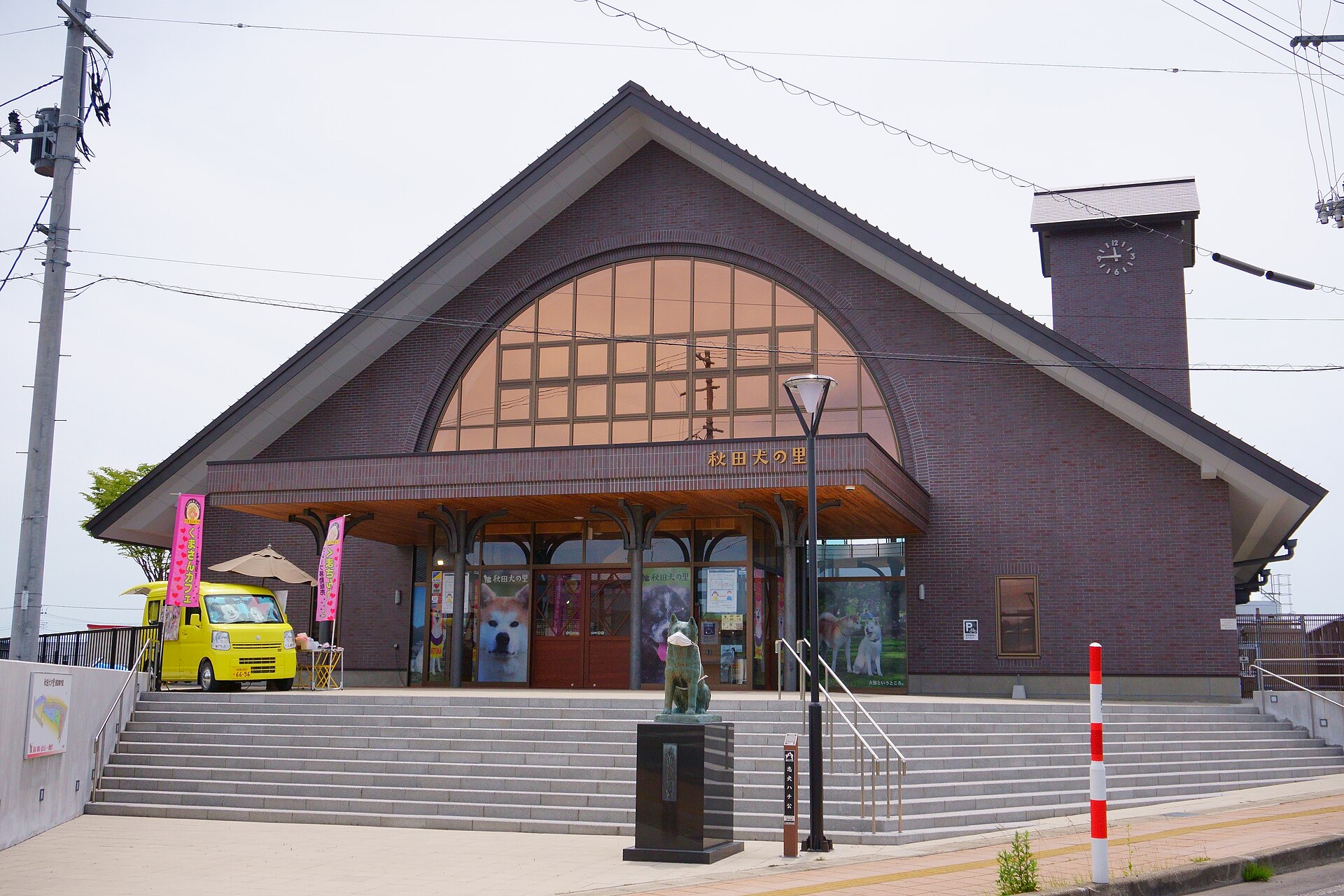
Akita Inu no Sato
2.7 km · straight line
 掬茶 / CC BY-SA 4.0
Culture · Akita★★
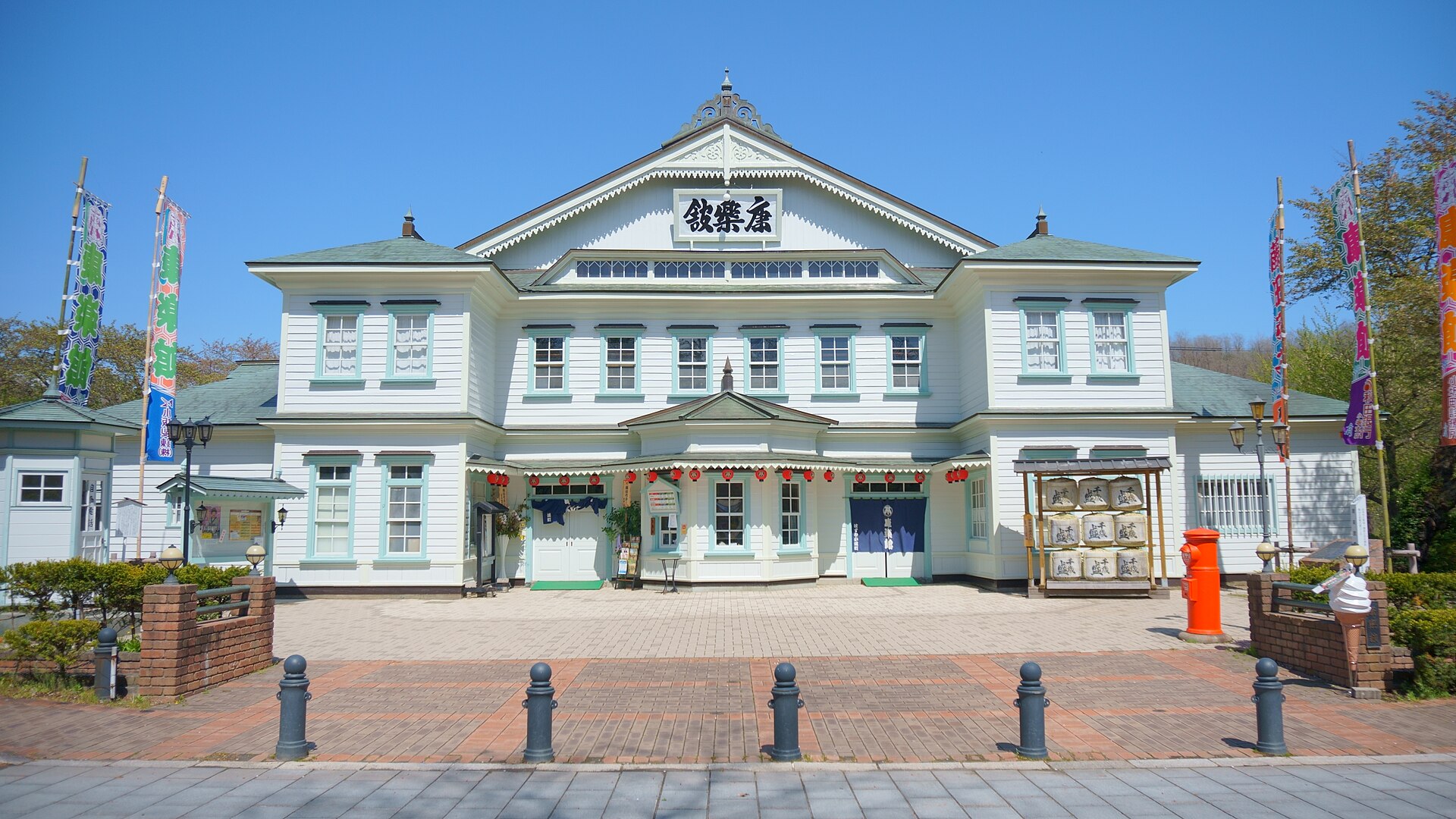
Korakukan
14.1 km · straight line
 掬茶 / CC BY-SA 4.0
History · Akita★★
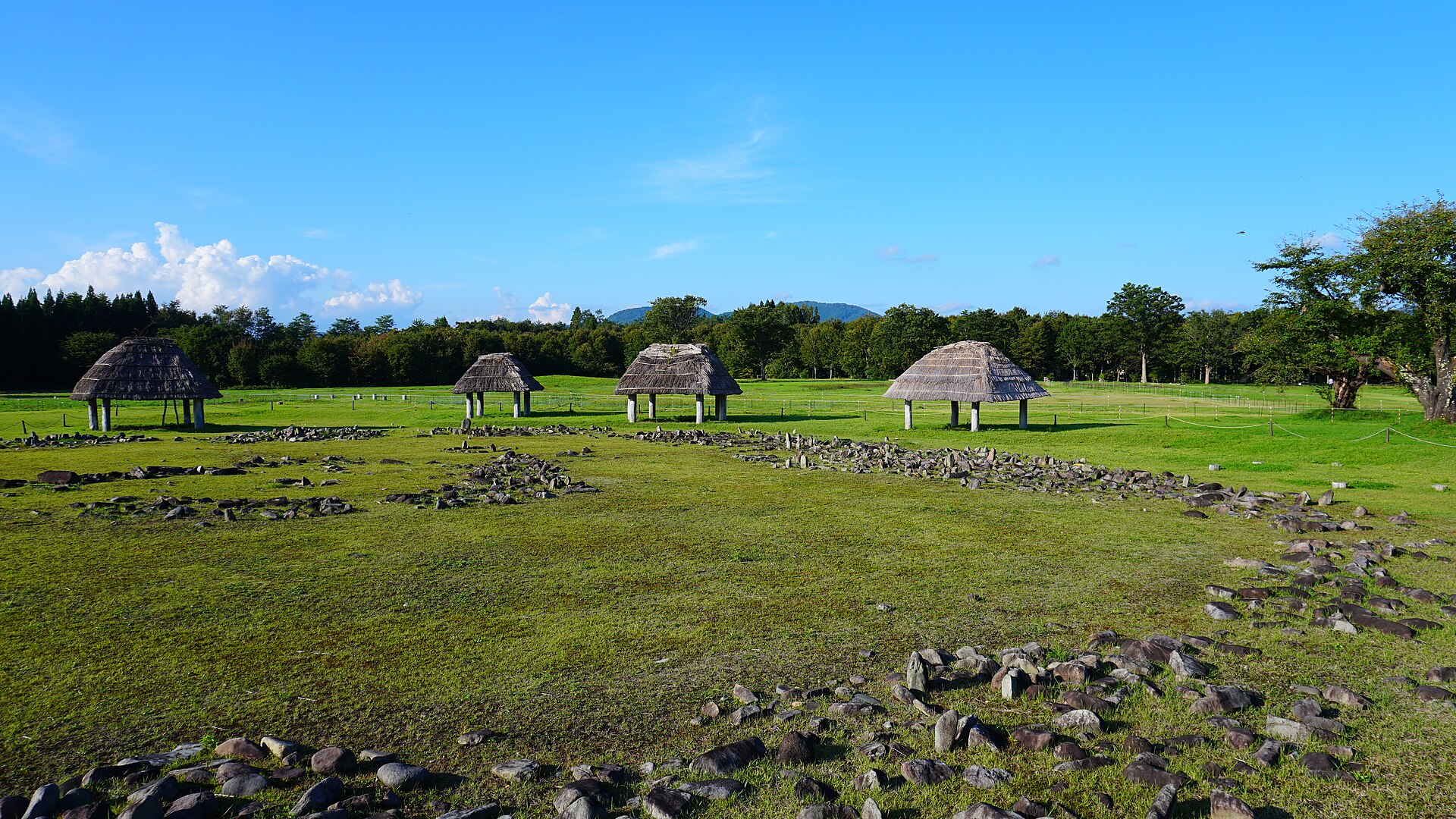
Oyu Stone Circles
19.1 km · straight line
 Marho / CC BY-SA 4.0
Culture · Akita★★
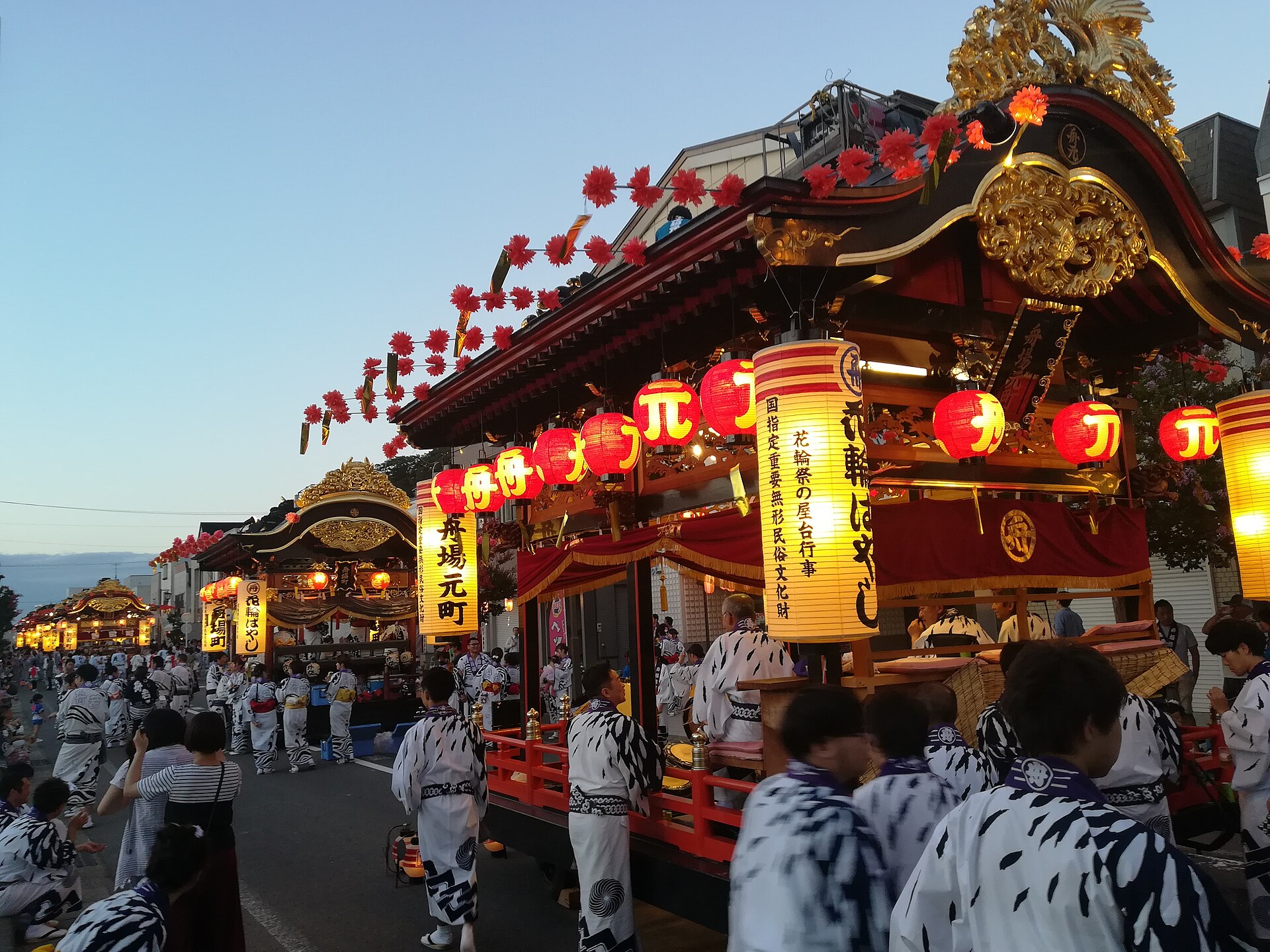
Hanawa Bayashi
21.7 km · straight line
Distances are straight lines on the map, not travel times.