Kagawa · Seto Inland SeaNo.639★★Open in map →
Ogijima and Megijima
— Two islands off Takamatsu, one of them Onigashima
Two islands north of Takamatsu, served by one ferry. Megijima keeps its houses behind wind walls and holds the cave that made it Onigashima. Ogijima stacks its lanes up a slope and ends at an unpainted granite lighthouse.
- FromTakamatsu Port
- ~40 minFerry, about six sailings a day
- Get off atOgijima Port (Meon ferry)
- From there
- Ogijima and Megijima
The sweet spot
Neither island is undiscovered. Both are Setouchi Triennale sites and the boat fills on festival weekends. What shapes the day instead is the timetable: with only a handful of sailings, you pick two or three things on each island and walk between them, rather than trying to take in everything.
Where it is
25 more notes in Kagawa · open the map →What to look for — in walking order
- Takamatsu Portthe Sunport jetty where the Meon ferry leaves for both islands
- Megijima's ote wallsdry stone walls lining the village lanes, raised against the winter wind off the sea
- Onigashima caveseveral hundred metres of passages under the ridge behind the village, tied to the Momotaro tale
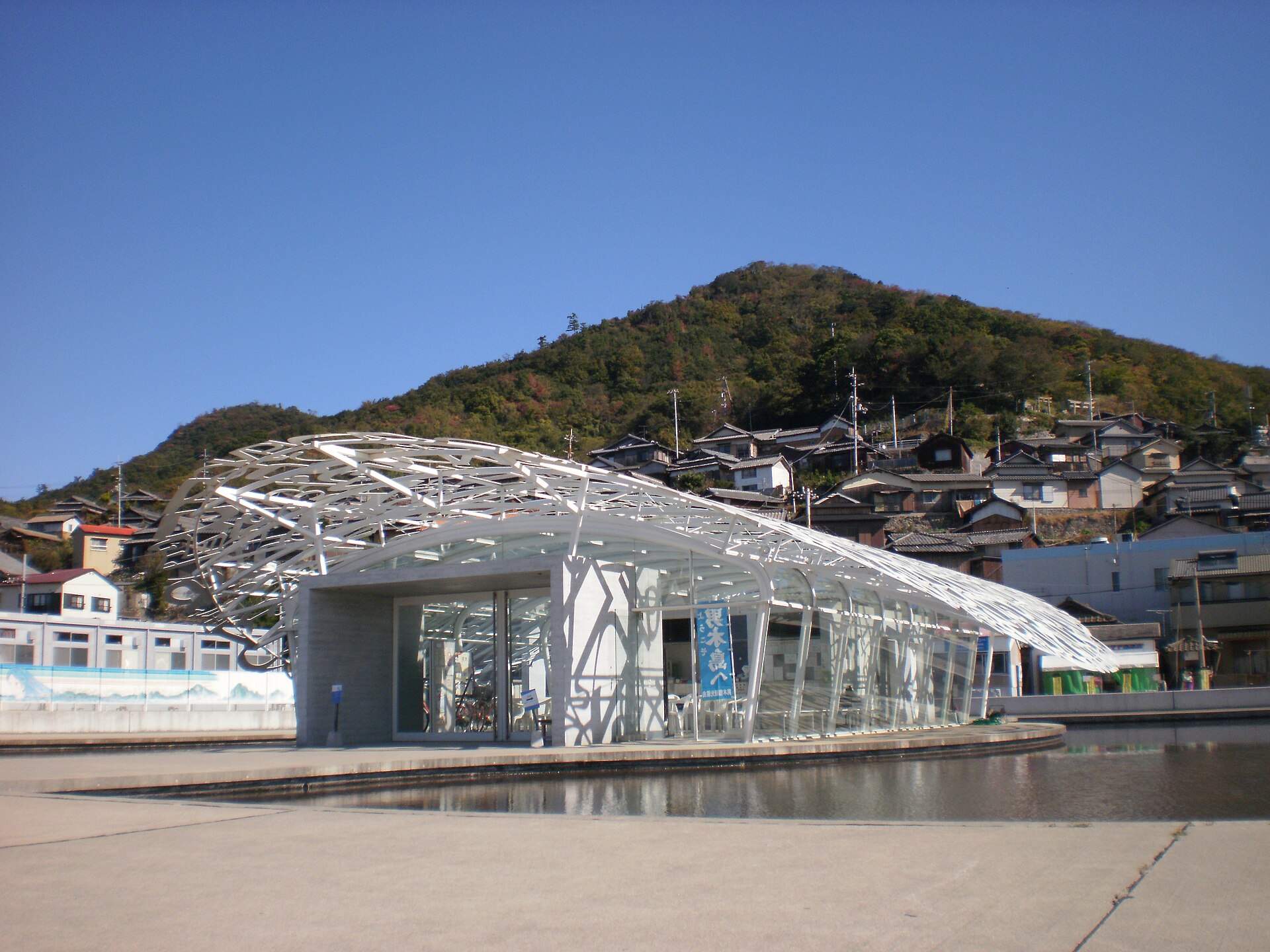
- Ogijima Soulthe white-roofed shelter at the Ogijima pier, doubling as ticket window and rest hall
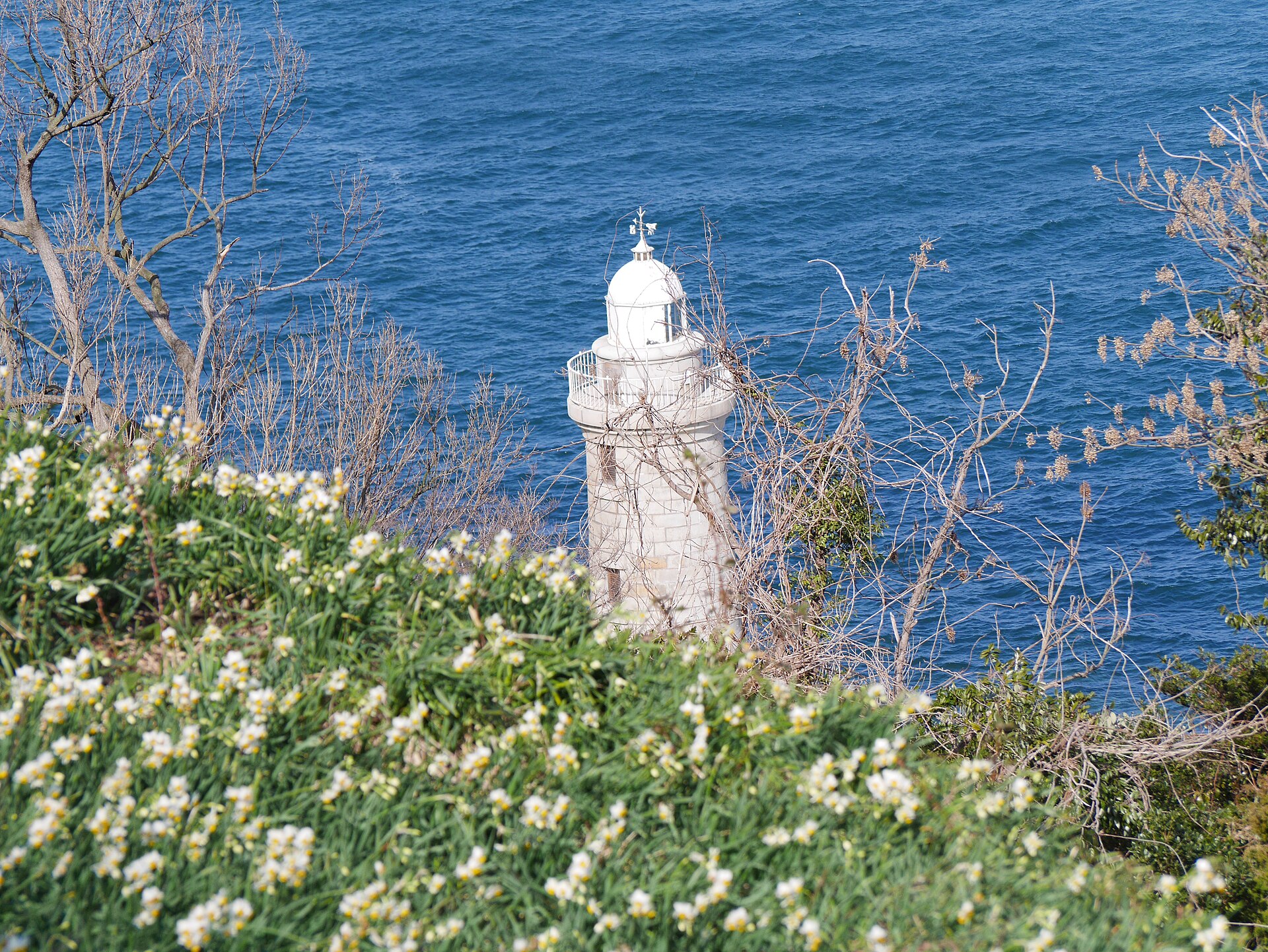
- Ogijima Lighthousethe unpainted granite tower at the northern tip, with a small museum beside it
How to actually get there
- Takamatsu Port → Megijima Port (Meon ferry, about 20 min).
- Walk the village lanes between the ote walls, then climb the road to the cave above the settlement.
- Megijima Port → Ogijima Port (same line, about 20 min further).
- Ogijima Port → the lighthouse at the northern tip (about 30 min on foot along the coast).
- Meon ferry from Takamatsu Port
- Takamatsu Port →(Meon ferry, about 20 min)→ Megijima Port →(about 20 min further)→ Ogijima Port, roughly forty minutes end to end. The operator runs about six sailings a day each way, with extra boats added in the summer peak. Confirmed at the time of writing, the adult one-way fare is 370 yen to Megijima and 510 yen to Ogijima.
- Return from Ogijima Port
- The same boat works back down the line, calling at Megijima on its way to Takamatsu. With only a handful of round trips in the day, the last departure from Ogijima falls in the late afternoon. Photograph the timetable at the pier when you land, and plan the day backwards from it.
About the place
Megijima and Ogijima lie north of Takamatsu in the Seto Inland Sea, and one ferry serves both. Megijima is the closer call, about nine kilometres around, and its houses stand behind ote: dry stone walls raised against the winter wind off the water, some of them higher than the roofs they shelter. Behind the village a cave of several hundred metres runs under the ridge, and the island has carried the name Onigashima, the ogres' island of the Momotaro tale, since that cave was opened to visitors. Ogijima, twenty minutes further on, is the steeper of the two: lanes and stone terraces rise straight from the pier.
How to enjoy it
The timetable, not the distance, sets the shape of the day: one island in the morning and one after lunch, Megijima first since it is the nearer call. Allow about an hour on Ogijima for the walk out to the lighthouse and back before the late-afternoon boat. Weekdays outside the Triennale are the quietest sailings, and the same timetable then feels generous rather than tight.
Background & history
The lighthouse at the north end of Ogijima was first lit in 1895. It was built of granite and left unpainted, so the stone still reads as stone. Megijima's link to Momotaro is younger than it looks: the cave under the ridge was opened as an attraction in the twentieth century by a local historian, Sentaro Hashimoto, and the ogres' island story was fixed to the place from there. Ogijima's own landmark is newer still — Jaume Plensa's white-roofed shelter at the pier, cut through with the letters of eight alphabets, made for the Setouchi Triennale and kept afterwards as a hall.
Before you go
- Cash
- Fares are paid at the pier, and the Ogijima ticket window is inside the shelter at the head of the jetty. Both islands are small and residential, so carry cash and water rather than counting on finding a shop when you want one.
- Good to know
- Both islands face the open Inland Sea, and rough weather stops the boat before it stops anything on land — check the sailing status before you set out. The walk to the Ogijima lighthouse follows a coast path with little shade. The cave on Megijima is run separately from the ferry and keeps its own days and hours, which are worth confirming in advance.
- Another way
- On Megijima the road from the port climbs to the cave, and from the cave it is about ten minutes more up to the ridge lookout, where the view opens over the island sea in every direction. Ogijima has no bus, so its lighthouse is reached on foot.
- After you get off
- From Ogijima Port the village rises straight behind the pier. Follow the shoreline road north-east for about thirty minutes to reach the lighthouse at the far end of the island.
Nearby notes
 663highland / CC BY 2.5
Culture · Kagawa★★★
Benesse House Museum
6.5 km · straight line
 Kentaro Ohno / CC BY 2.0
Culture · Kagawa★★★
Teshima Art Museum
6.9 km · straight line
 KimonBerlin / CC BY-SA 2.0
Nature · Kagawa★★
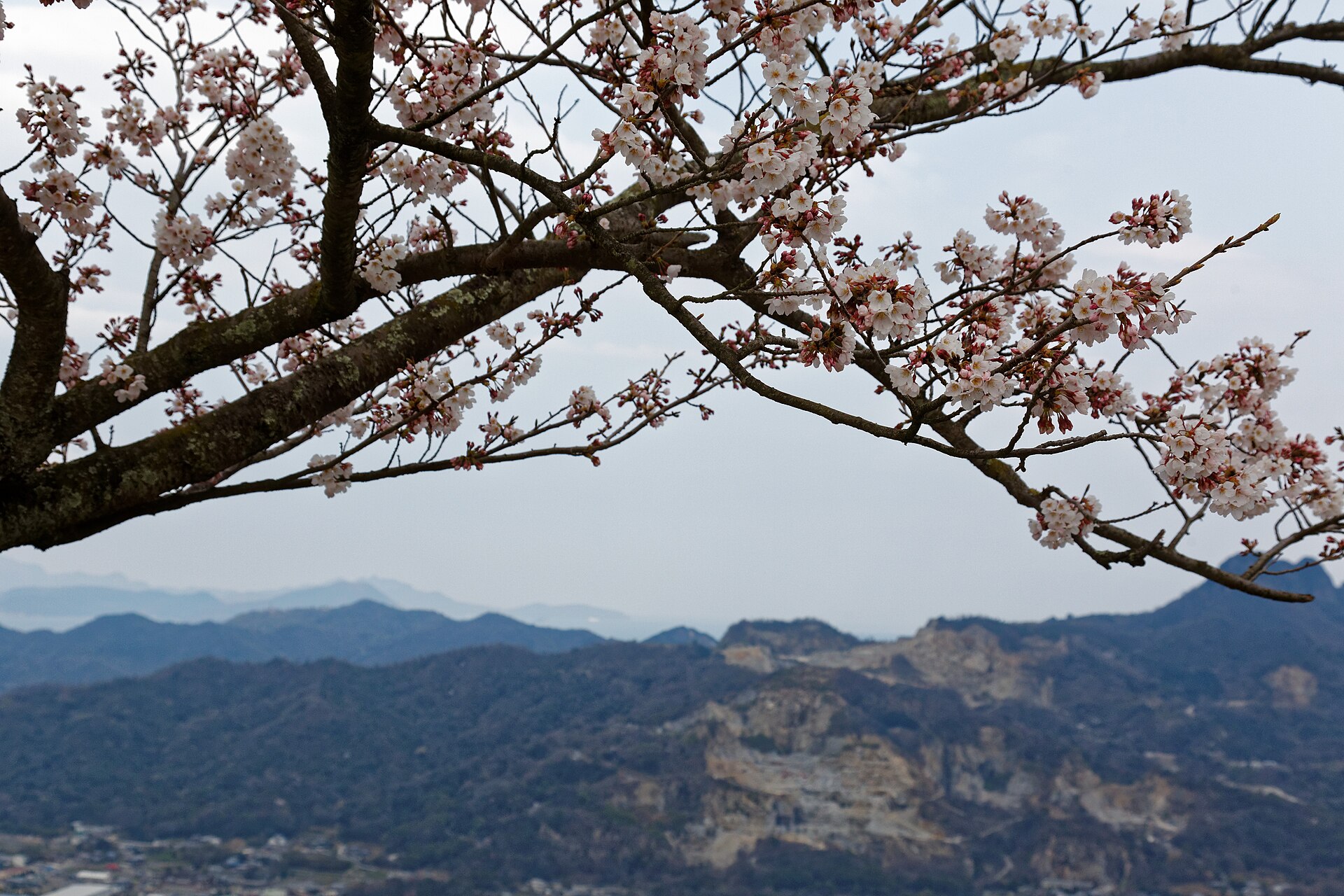
Yashima
9.2 km · straight line
 663highland / CC BY 2.5
History · Kagawa★★
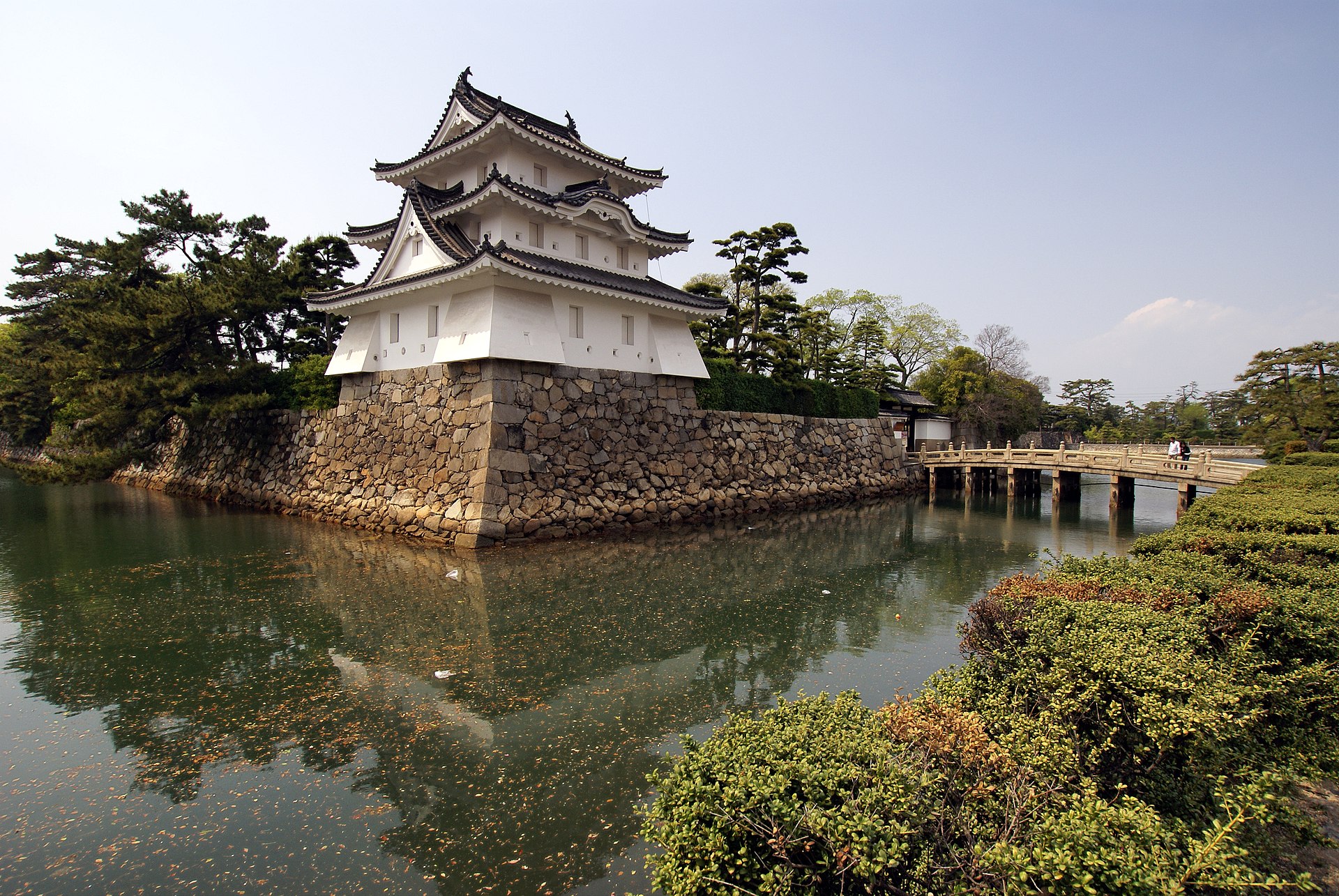
Takamatsu Castle
9.3 km · straight line
Distances are straight lines on the map, not travel times.