North Okinawa · KunigamiNo.830★Open in map →
Oku Village
— Northern Yanbaru settlement of tea and a co-op store
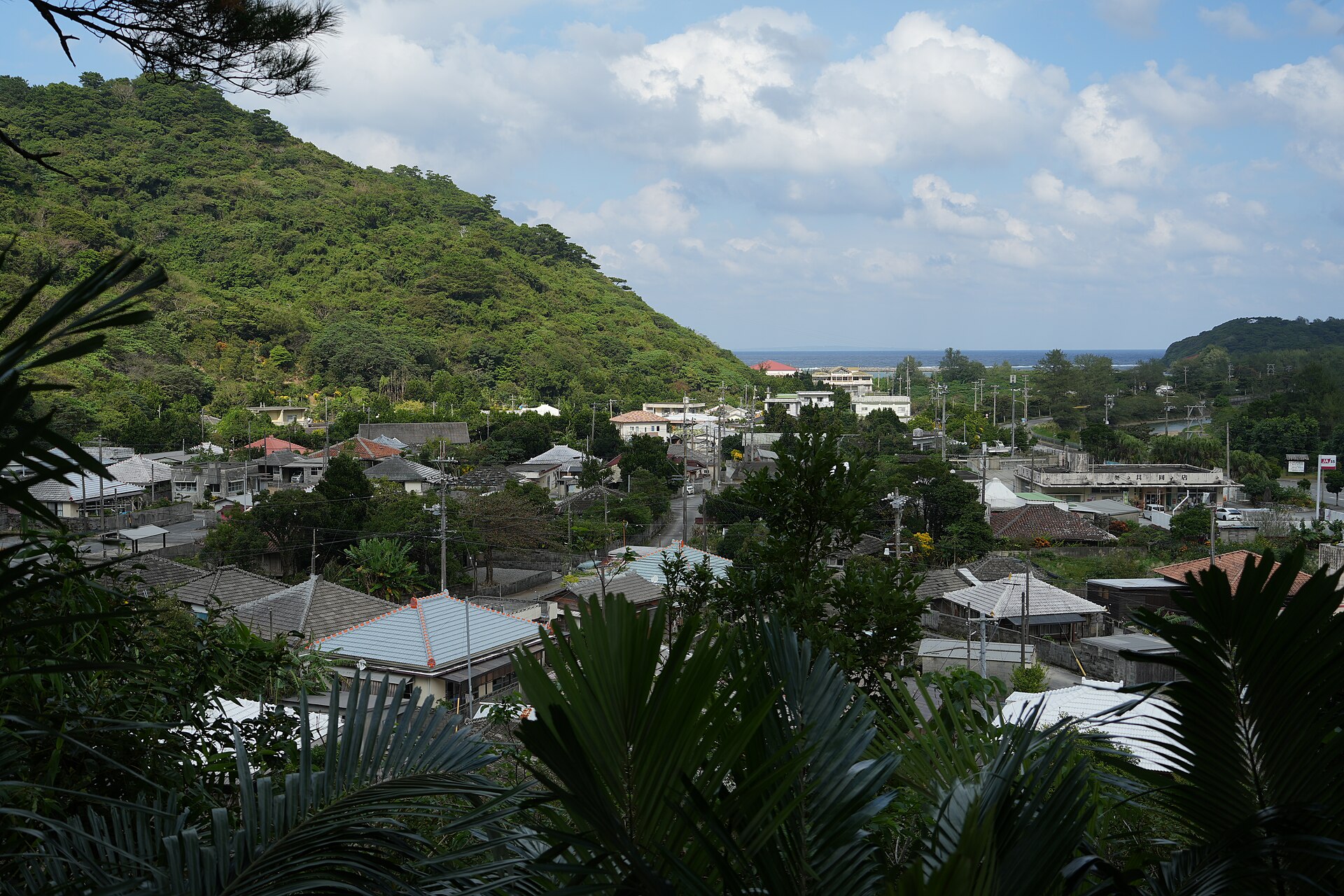
A village at the north-eastern corner of Okinawa's main island, where residents opened the prefecture's first community-owned store. Tea grows on the slopes behind the houses, and the east-coast road begins at the junction here.
- FromNaha
- Half a day from NahaBus to Hentona, then car
- Get off atHentona Bus Terminal (transport hub for northern Kunigami)
- From there
- Oku Village
The sweet spot
Oku is not hidden. It is simply a long way from anywhere: the drive north takes most of a morning and the bus network gives out well short of it. Almost everyone who arrives has come on purpose, which is what keeps it quiet.
Where it is
42 more notes in Okinawa · open the map →What to look for — in walking order
- Start of Prefectural Road 70junction with the coast highway where the east-coast route begins
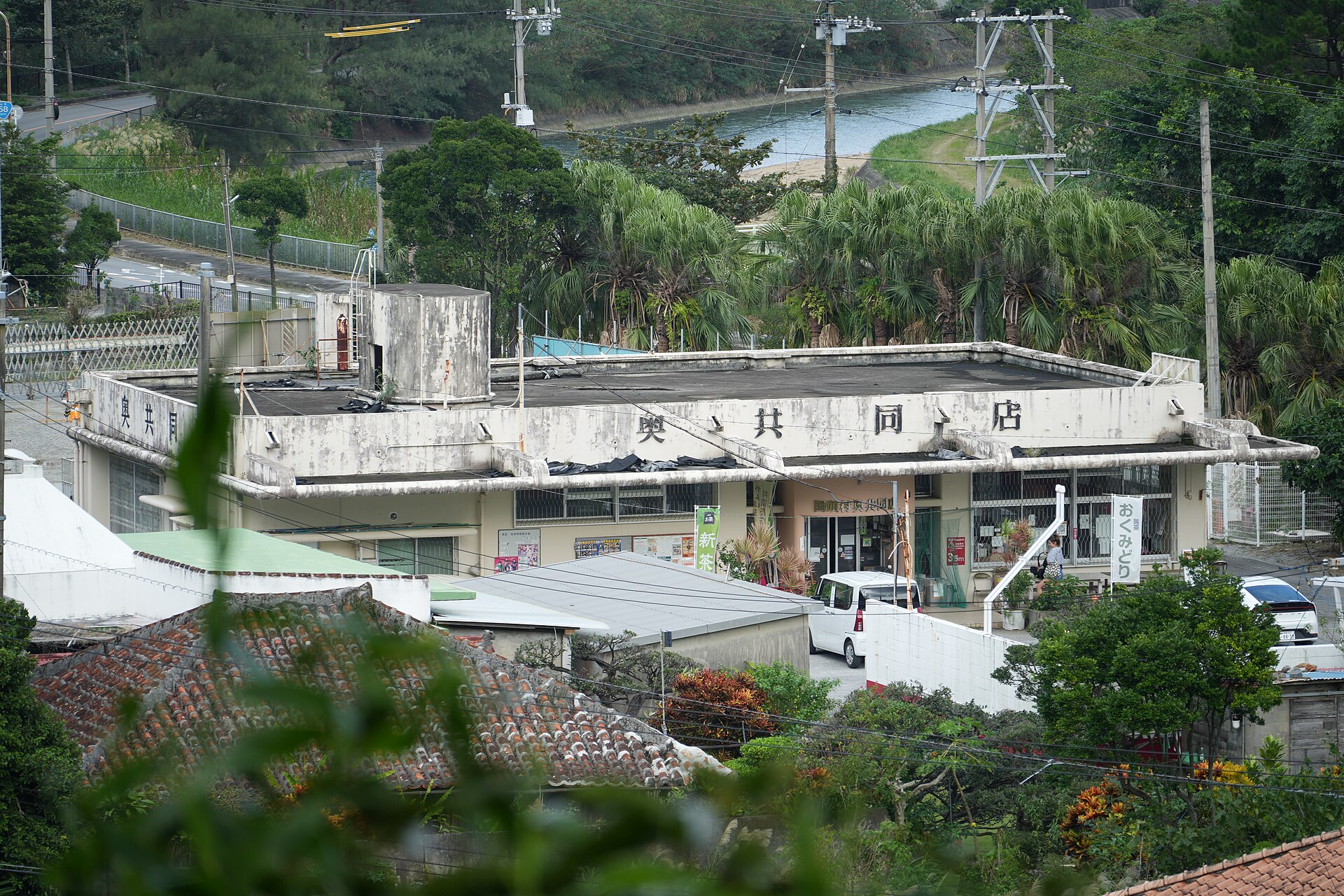
- Oku Community Storethe first resident-owned shop in Okinawa, still the village counter
- Tea slopes behind the villagehill ground of acidic red soil planted with the local Oku-midori tea
- Oku Yanbaru no Satocottage lodgings on the edge of the settlement, at the forest boundary
How to actually get there
- From Naha, take a northbound bus to Nago, then change for the service up the west coast to Hentona in Kunigami.
- From Hentona, continue by rental car or taxi: the coast road runs north past Cape Hedo and then round to Oku.
- Park near the store, walk the lanes and the slope behind them, and look at the junction where the east-coast road begins.
- Plan the return before you set out — this is the far end of the island's road network.
- Bus north to Hentona, then a car
- From Naha, travel north to Nago and change there for a service up the west coast to Hentona Bus Terminal, the transport hub for Kunigami. Hentona is as far as ordinary bus travel is worth relying on. From there the road continues north past Cape Hedo and round the top of the island to Oku, and that stretch is best covered by rental car or taxi.
- Back down the west coast
- Return the way you came, as far as Hentona and then Nago. This is the far end of the island's road network, so decide the return leg before you set out rather than after. Drivers have the easier time of it; anyone relying on buses should check the boards at Hentona on the way up, not on the way down.
About the place
Oku sits at the north-eastern corner of Okinawa's main island, inside Kunigami, the village that covers the forested north the island calls Yanbaru. Route 58 runs through the settlement along the coast, and Prefectural Road 70 starts here, at the junction, before running south down the wilder east side. Behind the houses the ground climbs into hills of acidic red soil, and tea is grown on those slopes. At the centre of it all stands a shop that belongs to the residents rather than to a company. Nothing here has been arranged for visitors, and that is the reason to come.
How to enjoy it
The store opens early and shuts around dusk, and it closes on Mondays, so build the visit around that. Picking runs from spring into late summer and the first flush here comes earlier than almost anywhere in Japan, so tea is the thing worth carrying home. An hour on foot covers the lanes and the slope behind them; the drive up and back is what makes it a day.
Background & history
Okinawa's community stores began in Oku. Residents put up the money and opened one in 1906, stocking food and daily goods for a settlement too far from any town to shop easily, and the idea spread through the north of the island and out to the smaller islands. These shops are not companies. Profits return to the settlement, as a dividend to households or as funding for village events, and some have carried credit for customers without cash on them. Many have since closed as roads improved and villages aged, but the one in Oku is still trading.
Before you go
- Cash
- Bring cash. The store is a village counter rather than a supermarket, and it stocks daily goods and local tea rather than travel supplies. There is nowhere here to change money.
- Good to know
- The tea slopes are working farmland and the lanes between the houses are people's front doors, so keep to the through routes and ask before photographing anyone. The coast road round the north of the island is exposed and can close in a typhoon.
- Another way
- By car the whole way: follow the coast highway north from Nago, past Cape Hedo at the tip, then round to the east side and down to Oku. It is the same road either way, and the northern section is the reason to drive it.
- After you get off
- Hentona Bus Terminal is on the west coast, well short of Oku, and there is no walking route between the two. Treat Hentona as the point where public transport ends and cover the rest by car or taxi. Once in Oku, everything is within a few minutes on foot.
Nearby notes
 Kugel~commonswiki / CC BY-SA 4.0
Nature · Okinawa★★
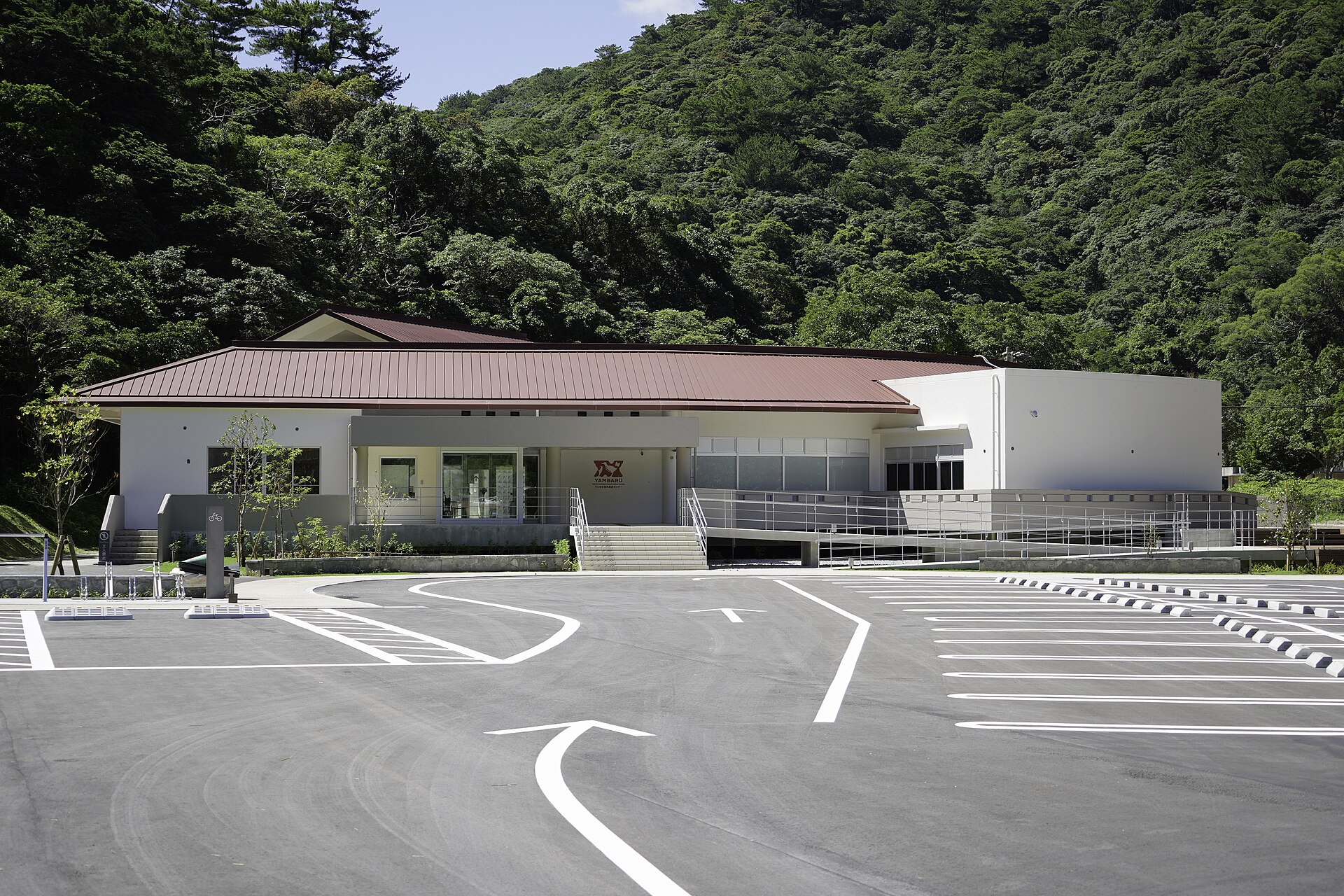
Yambaru National Park
16.3 km · straight line
 Kugel~commonswiki / CC BY-SA 4.0
Craft · Okinawa★★
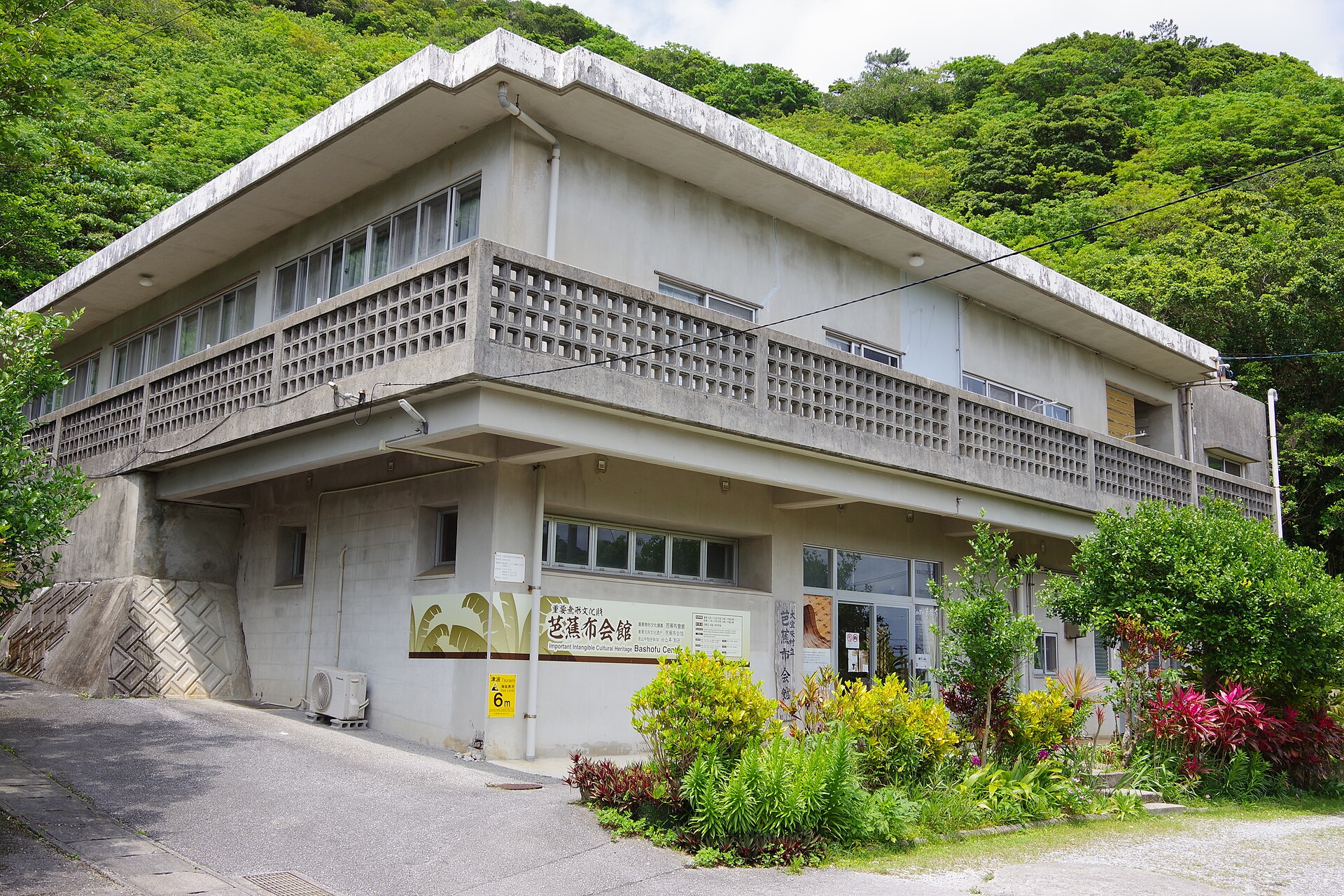
Kijoka Bashofu Hall
20.5 km · straight line
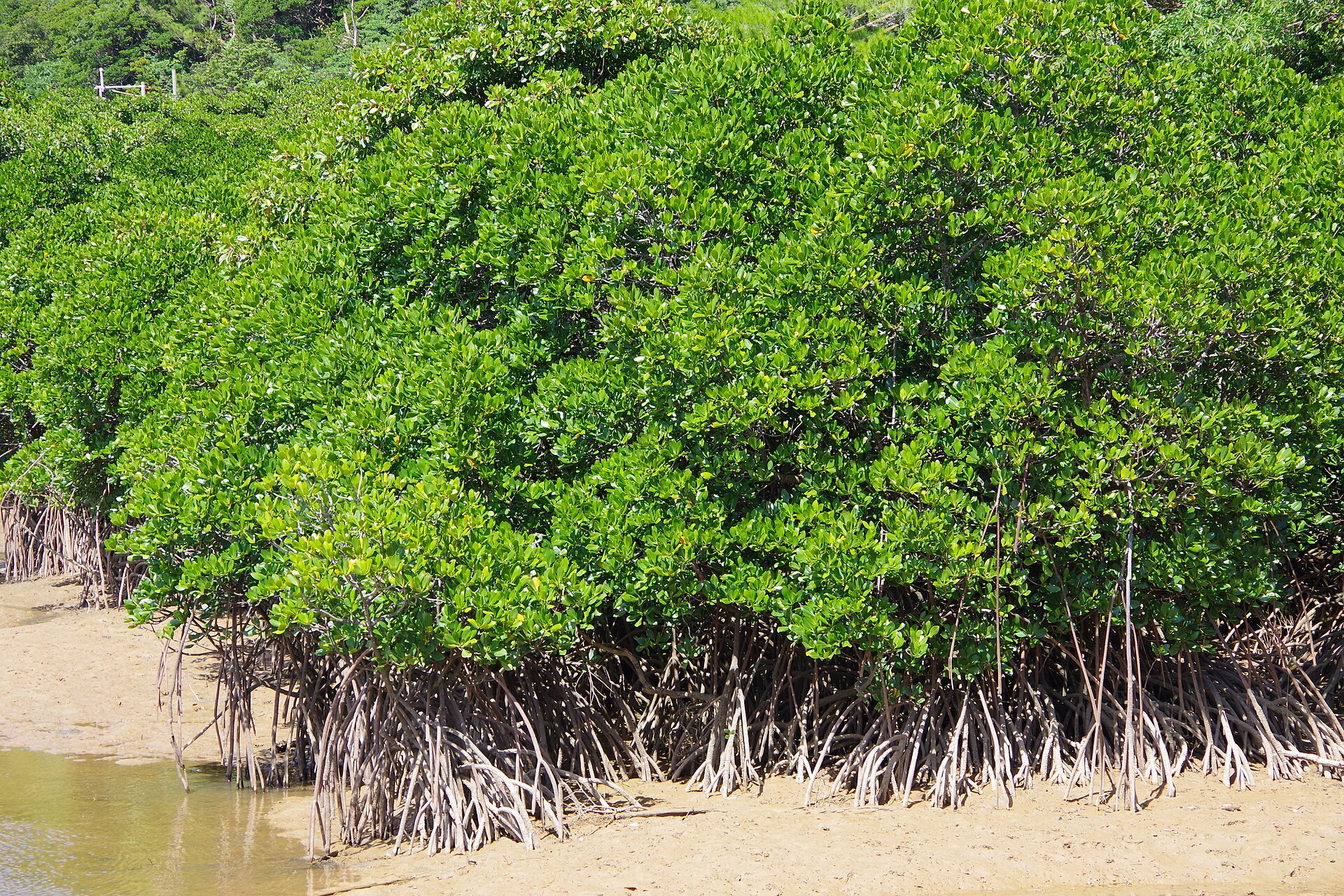 Kugel~commonswiki / CC BY-SA 4.0
Nature · Okinawa★★
Gesashi Bay Mangrove Forest
29.6 km · straight line
Distances are straight lines on the map, not travel times.