Shimane · OkuizumoNo.928★★Open in map →
Okuizumo Tatara Ironmaking Country
— Home of the tamahagane steel used for Japanese swords
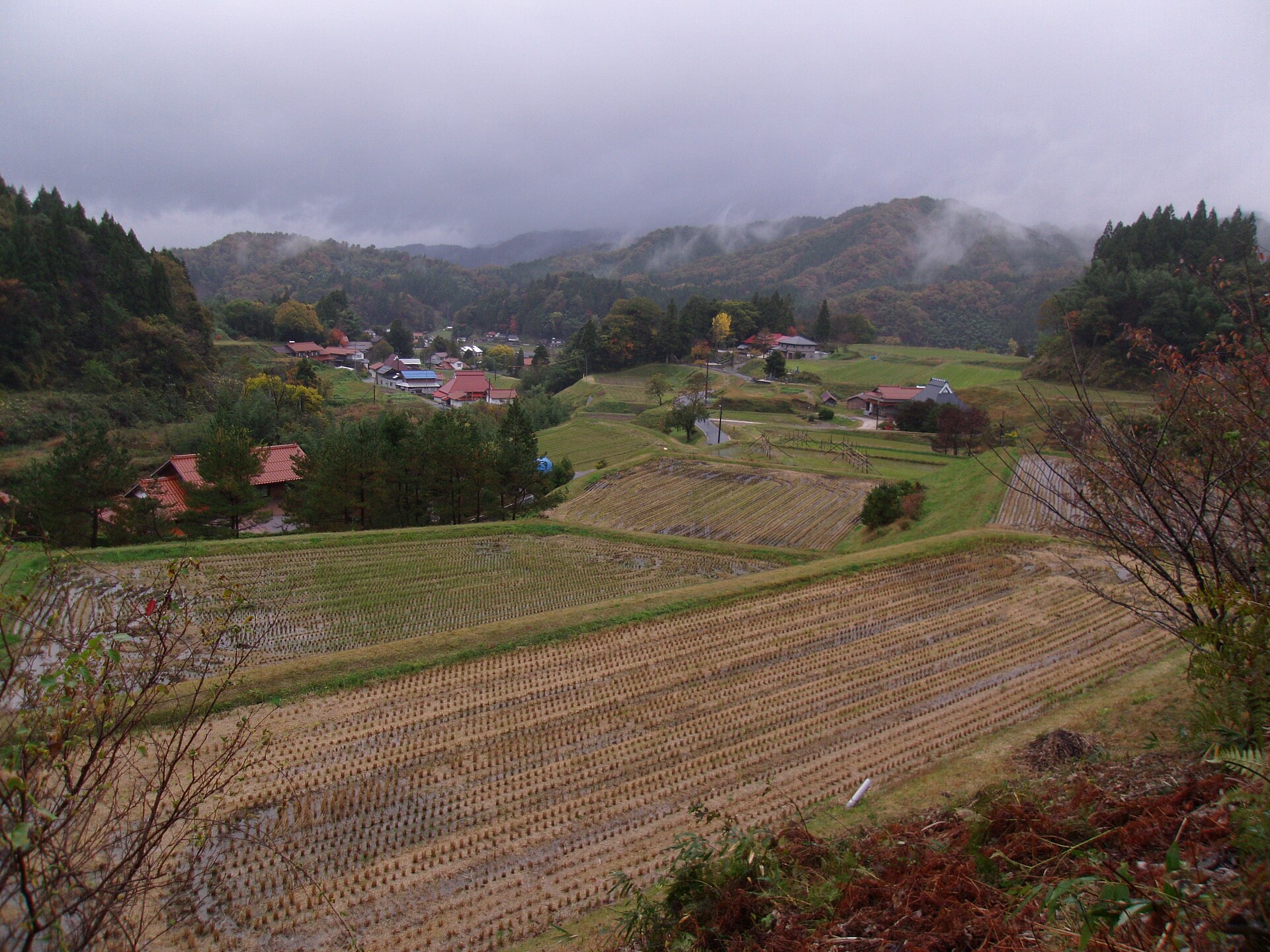
A mountain valley at the source of the Hii River, where iron sand, charcoal and water made steel for more than a thousand years. The town museum opens the process up, and the rice terraces below are the old mining scars, farmed.
- FromMatsue Station
- ~2 hr 30 minJR Kisuki Line, few departures
- Get off atIzumo-Yokota Station (JR Kisuki Line)
- On foot
- Okuizumo Tatara Ironmaking Country
The sweet spot
This is not a hidden place. The landscape carries a national designation and the town runs a guide centre for it. It is simply a long way inland: most visitors to Shimane stop at Izumo Taisha on the coast and never turn south. The Kisuki Line that reaches Okuizumo has only a handful of trains a day, so the valley stays quiet by arithmetic rather than by secrecy.
Where it is
14 more notes in Shimane · open the map →What to look for
- Izumo-Yokota Stationa wooden station building in the manner of a shrine, hung with a thick braided rice-straw rope
- Okuizumo Tatara and Sword Museuma full-size cutaway of a tatara furnace and its underground structure, plus three working models of the bellows
- Fukuyori terrace lookouta roadside viewpoint over rice terraces levelled out of old iron-sand workings
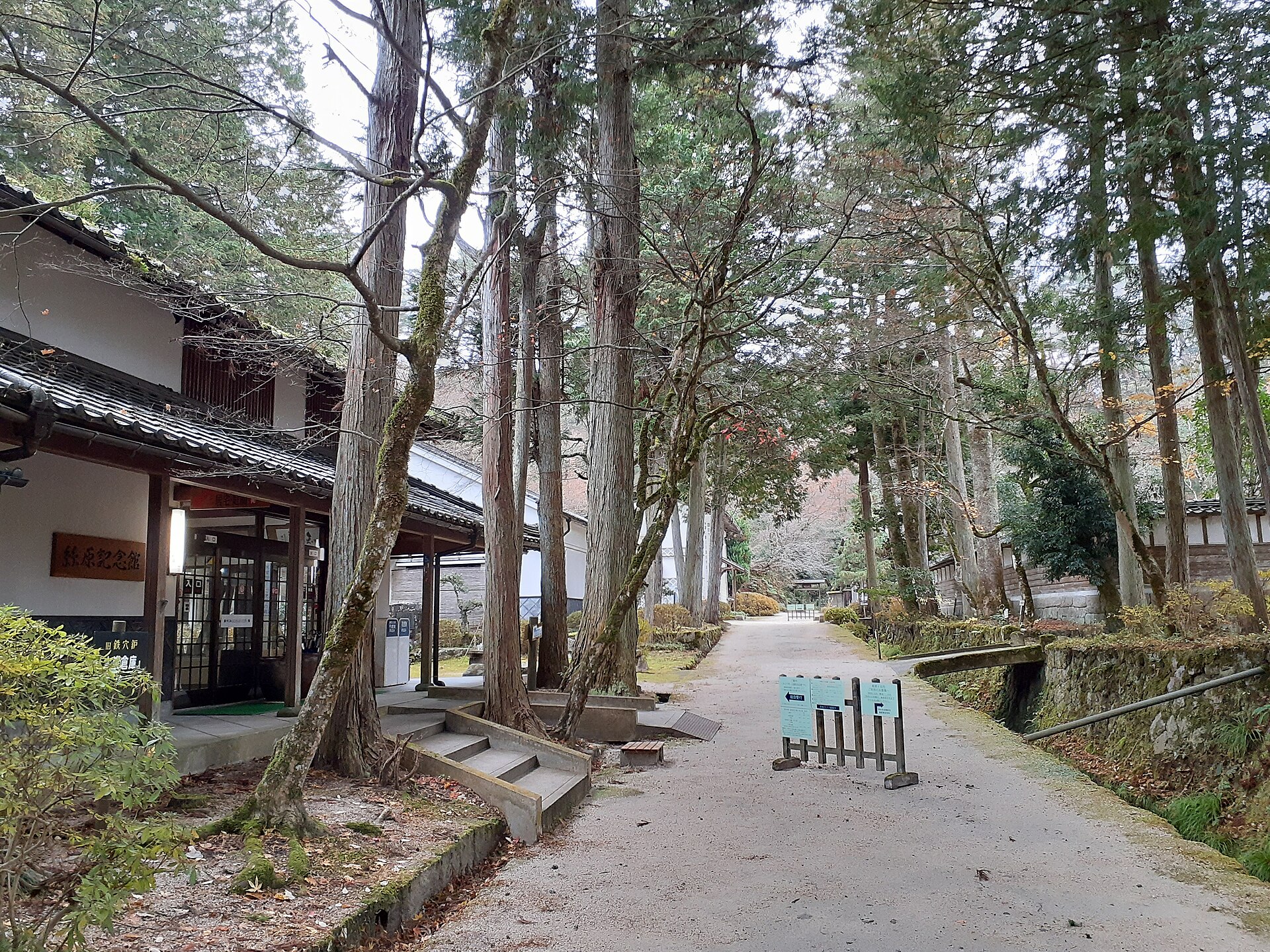
- Itohara Memorial Museumthe house, garden and records of one of the domain-licensed iron-master families
- Kabeya Shuseikanthe Sakurai family's collection, another of the valley's iron-master households
How to actually get there
- Matsue Station → Shinji Station (JR San'in Line, about 25 min).
- Shinji Station → Izumo-Yokota Station (JR Kisuki Line, roughly 1 hr 45 min). Departures are few, so fix the train before you leave.
- Izumo-Yokota Station → Okuizumo Tatara and Sword Museum (walk south, about 15 min).
- For the terraced fields and the two iron-master houses, take a taxi from the station or drive. They are scattered across the valley.
- JR San'in Line to Shinji, then the Kisuki Line
- Matsue Station →(JR San'in Line, about 25 min)→ Shinji Station, change to the JR Kisuki Line →(roughly 1 hr 45 min)→ Izumo-Yokota Station. The Kisuki Line is a single-track mountain branch and departures are sparse. Check the board at Matsue and pick your train before you start the day.
- Return from Izumo-Yokota Station
- Take the Kisuki Line back to Shinji and change there for the San'in Line to Matsue or Izumo-shi. Services thin out through the afternoon. Note your return departure when you arrive, not after the museum, because a missed train can mean hours of waiting.
About the place
Okuizumo lies at the headwaters of the Hii River, in mountains that hold unusually rich iron sand. For more than a thousand years, smelters here layered that sand with charcoal in clay furnaces and drew out steel. Getting the sand meant cutting whole hillsides away and washing the spoil down water channels, a method called kanna-nagashi. What was left behind did not stay waste ground. The workings were levelled, flooded and planted, and they now grow Nita rice, the valley's other export. Iron and rice are the same landscape here, read in two directions.
How to enjoy it
Build the day around one train rather than the other way round. An arrival before midday leaves time for the museum and a walk back through the town before the return service. Sword forging is demonstrated in a separate building on set days each month, and both the timing and the ticket differ on those days, so confirm the schedule with the museum first. With a car, the lookout and the two iron-master houses turn the trip into a full day in the valley.
Background & history
Under the Matsue domain, only a few approved families held the right to operate furnaces, and these iron masters ran the valley's economy through the Edo period. Cheap imported Western iron ended that in the Meiji era and tatara smelting died out. It came back in 1977, when a furnace was rebuilt in Okuizumo to keep making tamahagane, the steel Japanese swordsmiths cannot work without. In 2014 the surrounding landscape of mining scars and terraces was designated a national Important Cultural Landscape.
Before you go
- Cash
- The museum charges admission at the door, and a separate, higher rate applies on the days when sword forging is demonstrated. Rates change, so confirm the current figures on the town's official guide before you travel. Carry cash for the day.
- Good to know
- The Kisuki Line runs through heavy-snow country. The section south of Izumo-Yokota is suspended for weeks most winters, with replacement road transport laid on. The Shinji to Izumo-Yokota stretch you need for this trip usually keeps running, but check JR West's service notices between December and March. The museum also closes one weekday a week and over the New Year period.
- Another way
- From Izumo-shi Station, take the San'in Line to Shinji and join the same Kisuki Line service. Driving is the other option and the more flexible one: the terrace lookout and the two iron-master houses sit kilometres apart across the valley, and no train reaches them.
- After you get off
- From Izumo-Yokota Station, walk south along the main road for about fifteen minutes to reach the museum. Give the station building a minute before you set off. It is built in the manner of a shrine, with a thick braided rice-straw rope hung beneath the station sign.
Nearby notes
 Suicasmo / CC BY-SA 4.0
Culture · Shimane★★★
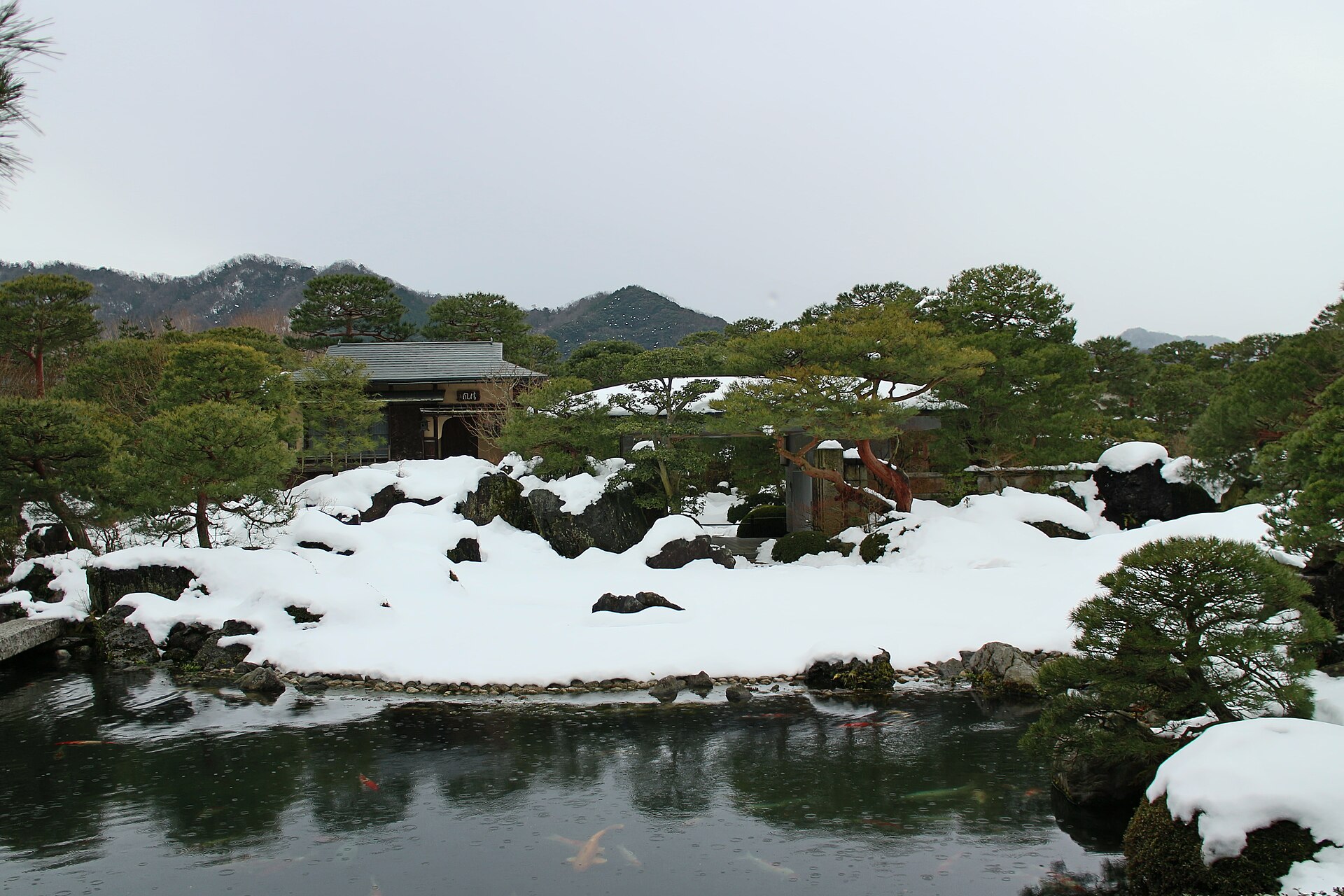
Adachi Museum of Art
24.8 km · straight line
 Matsue / CC BY-SA 4.0
Onsen · Shimane★★★
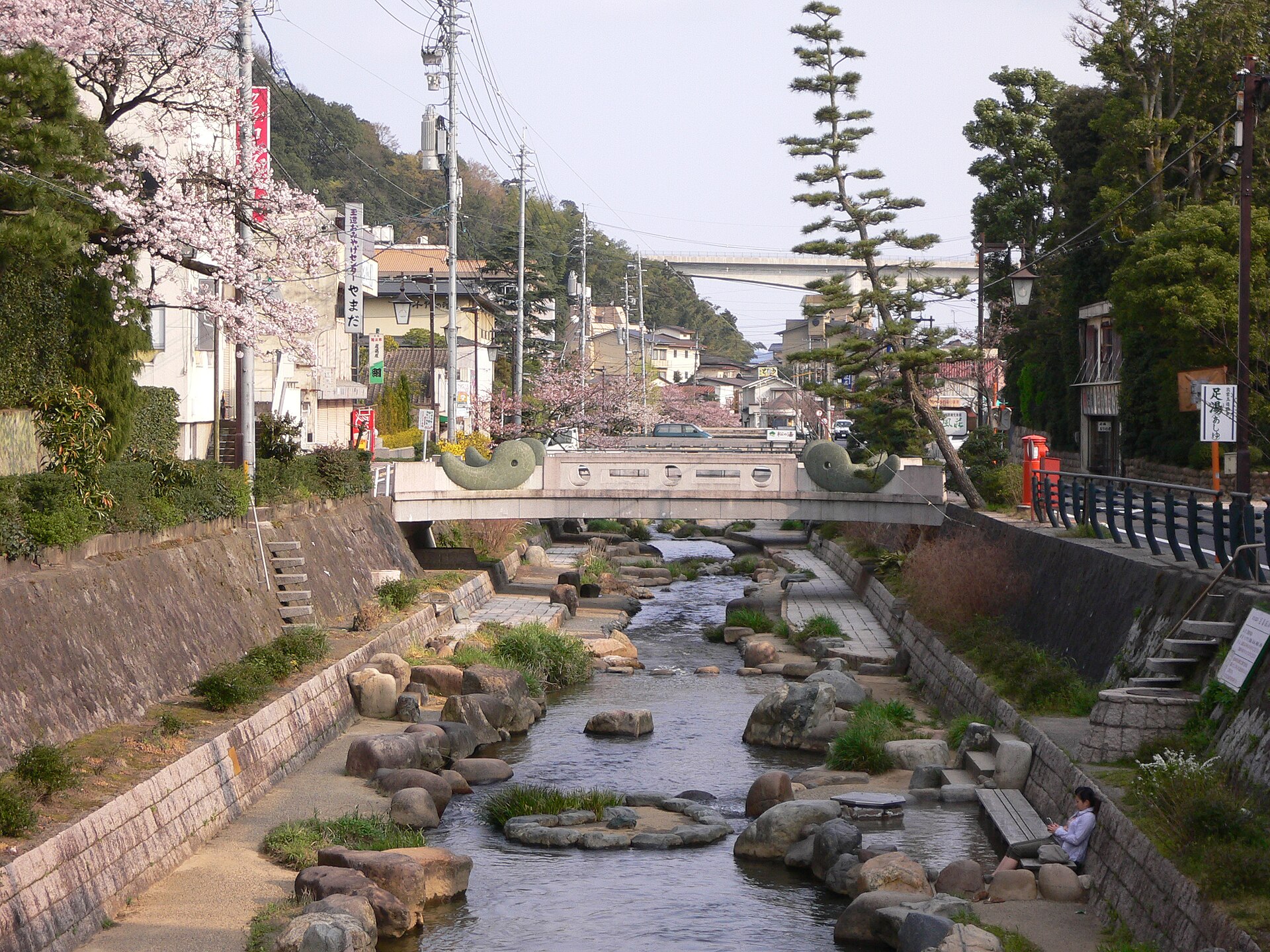
Tamatsukuri Onsen
27.6 km · straight line
Distances are straight lines on the map, not travel times.