Osaka · Tenjinbashisuji 6-chomeNo.387★★Open in map →
Osaka Museum of Housing and Living
Osaka's museum of housing, built around a full-scale indoor reconstruction of an 1830s merchant street with a fifteen-minute dawn-to-night lighting cycle.
- FromOsaka / Umeda Stn
- ~15 minMetro (direct)
- Get off atTenjinbashisuji Rokuchome Station (Osaka Metro Tanimachi & Sakaisuji Lines, Hankyu)
- From there
- Osaka Museum of Housing and Living
The sweet spot
Osaka lost nearly all of its pre-war wooden townscape, so unlike Kyoto or Kanazawa there is no old quarter here to walk through. This is the only place in the city where you can walk one at full scale — and it sits directly at the head of Tenjinbashisuji, the living arcade that descends from the same street, so the reconstruction and its successor are one lift ride apart.
Where it is
40 more notes in Osaka · open the map →What to look for — in walking order
- The 1830s street, ninth floora full-size merchant quarter with shopfronts, a bathhouse and interiors you can enter — built at the scale of the people who lived in it
- The lighting cyclethe painted sky overhead runs a full day in about fifteen minutes, from dawn through lantern-lit evening to a starred night, with sound
- Kimono walkrental kimono for walking the reconstructed street; numbers are limited and it is worth arriving early if you want one
- Modern Osaka, eighth floorscale models and reconstructed rooms of Meiji, Taisho and Showa housing — the tenements and flats where most Osakans actually lived
How to actually get there
- Osaka/Umeda → Tenjinbashisuji Rokuchome (Osaka Metro Tanimachi or Sakaisuji Line, or Hankyu).
- Exit 3 connects directly to the building; lift to the 8th floor reception.
- 9th floor for the full-scale Edo street and its day-to-night lighting cycle, then 8th floor for the Meiji-to-Showa models.
- Osaka / Umeda → Tenjinbashisuji Rokuchome
- Osaka Metro Tanimachi Line or Sakaisuji Line to Tenjinbashisuji Rokuchome; from Umeda, take the Tanimachi Line from Higashi-Umeda (2 stops, about 5 minutes) or the Hankyu Senri Line, which also stops here. Leave by Exit 3 — the building is directly connected, no street crossing. Take the lift to the 8th floor reception. Total about 15 minutes from Osaka Station including the walk to Higashi-Umeda.
- Back down the arcade, or straight to the metro
- The station is directly beneath the building. Alternatively walk out into Tenjinbashisuji arcade and head south — it runs roughly 2.6 km and exits at Minami-Morimachi Station, a covered walk of about 30-40 minutes with food the whole way.
About the place
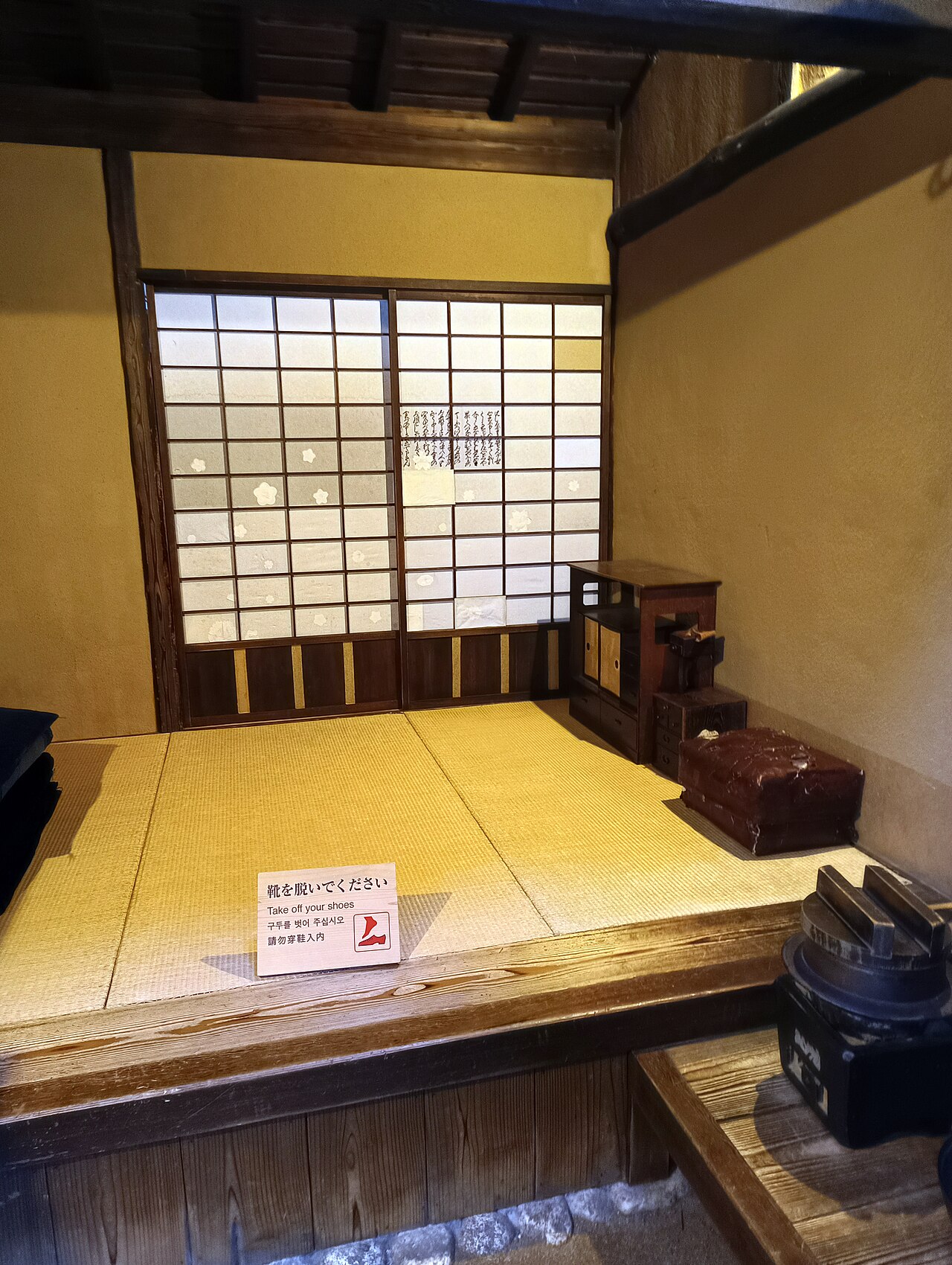
Take the lift to the ninth floor of an ordinary office building beside Tenjinbashisuji 6-chome station and the doors open onto a street. Not a diorama, not a scale model — a full-size reconstruction of a merchant quarter of Osaka as it stood in the 1830s, with tiled roofs, shopfronts, a bathhouse, a pharmacy, a bookshop, and interiors you can step into and sit down in. Overhead, the ceiling is a painted sky worked by a lighting cycle that runs an entire day in about fifteen minutes: dawn light, midday glare, an evening of lanterns, then night with stars, complete with sound. Visitors rent kimono and walk the street, which sounds like a gimmick and is not — the street was built at the scale of people wearing them. One floor down, on the eighth, the same city is shown the other way round: scale models and reconstructed rooms tracing how Osaka housing actually changed through the Meiji, Taisho and Showa periods, including the tenement blocks and the modern flats that most people actually lived in.
How to enjoy it
Go on a weekday morning if you want the street quiet, and give the lighting cycle a full run before you start looking at detail — most people wander in mid-cycle and never realise it is a loop. Set aside about ninety minutes for both floors. Then step out into Tenjinbashisuji itself: the arcade running south from the station is the living continuation of what you just walked through, roughly 2.6 km of covered shopping street with old sweet shops, standing bars and kushikatsu counters, and the contrast between the two is the actual experience. Check the renovation dates before travelling — the museum has a temporary closure scheduled for autumn 2026.
Background & history
Osaka was Japan's mercantile capital in the Edo period — the 'kitchen of the nation', where the rice trade set prices for the whole country — and almost none of its wooden townscape survived the twentieth century. The 1945 firebombing removed most of what the Meiji and Taisho rebuilding had not. That absence is the museum's reason to exist: opened in 2001 as the city's first museum dedicated solely to housing, it reconstructs from surviving documents and drawings the everyday urban fabric that no longer stands anywhere in the city. It sits at the north end of Tenjinbashisuji, the shopping arcade often described as the longest in Japan, which gives it an unusually direct relationship to the living version of the same street.
Before you go
- Cash
- Admission is 600 yen for adults and 300 yen for high school and university students; junior high school age and under enter free, as do Osaka city residents aged 65 and over with proof. Kimono rental for walking the reconstructed street is a separate charge and is limited in number. Cards are accepted at reception.
- Good to know
- Open 10:00-17:00 with last entry at 16:30, closed Tuesdays and over the New Year period. Note: the museum is scheduled to close temporarily for facility renovation from 1 September to 31 December 2026 — confirm on the official site before planning a visit in that window.
- Another way
- Hankyu Senri Line trains from Osaka-Umeda also stop at Tenjinbashisuji Rokuchome. From Osaka Station you can also take the JR Osaka Loop Line to Tenma and walk about 10 minutes north up the arcade.
- After you get off
- Exit 3 of Tenjinbashisuji Rokuchome station connects directly into the building; take the lift to the 8th floor for reception, then up to the 9th for the reconstructed street.
Nearby notes
 Bytemarks / CC BY 2.0
Local life · Osaka★★★
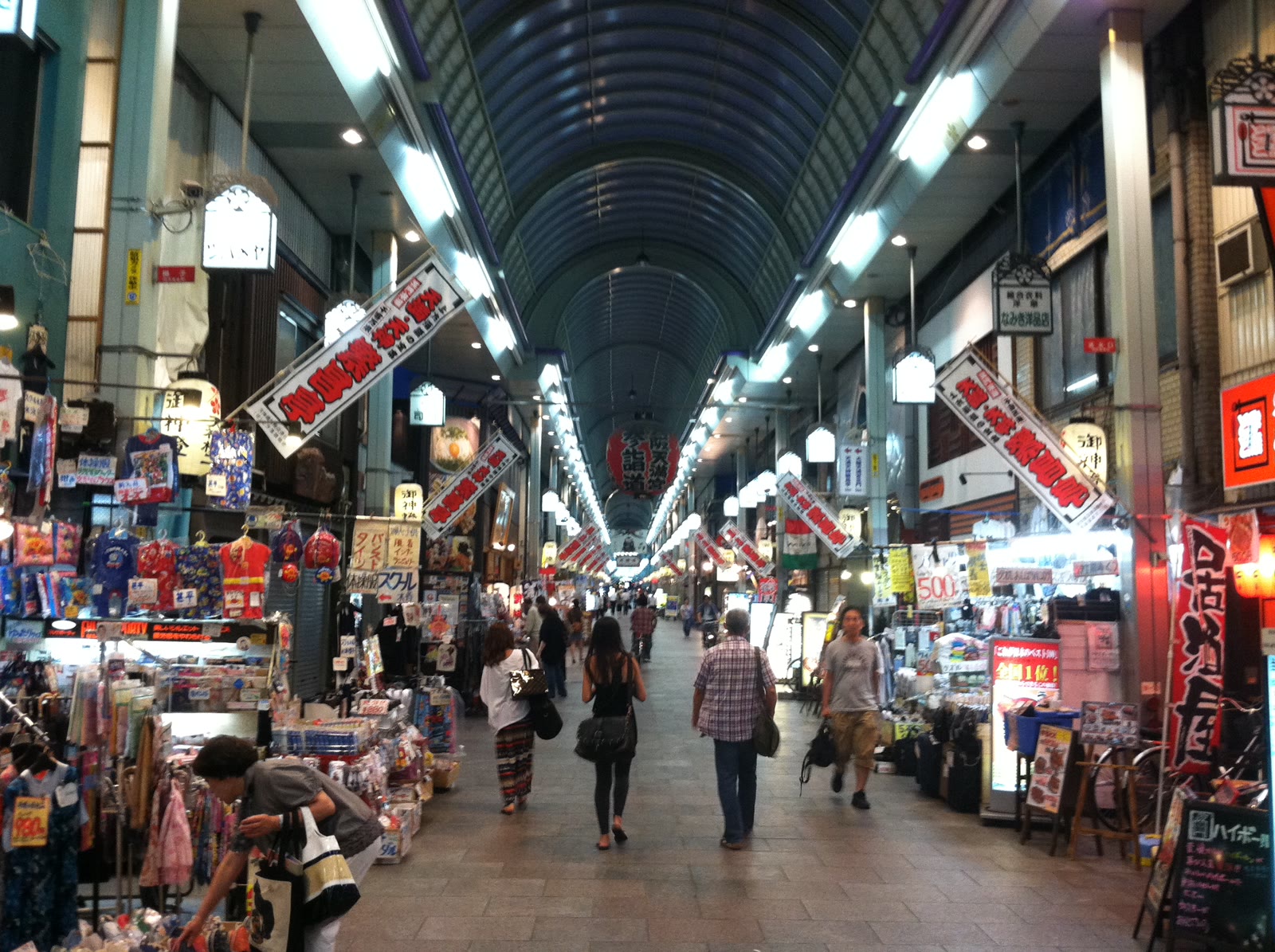
Tenjinbashisuji Shopping Street
1.3 km · straight line
 Fotointheworld / CC BY 4.0
Food · Osaka★★★
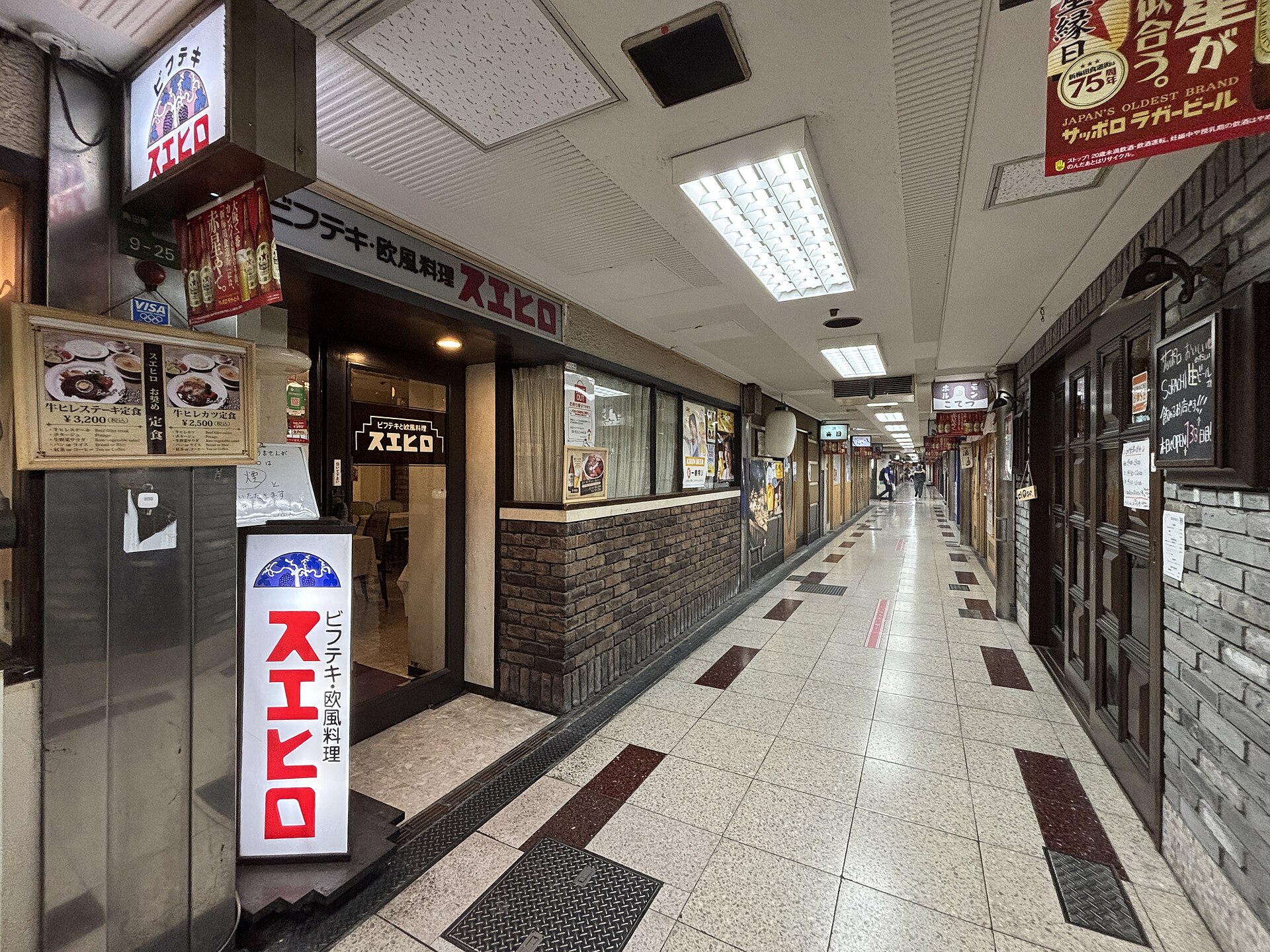
Osaka Kushikatsu
1.4 km · straight line
 663highland / CC BY 2.5
Culture · Osaka★★
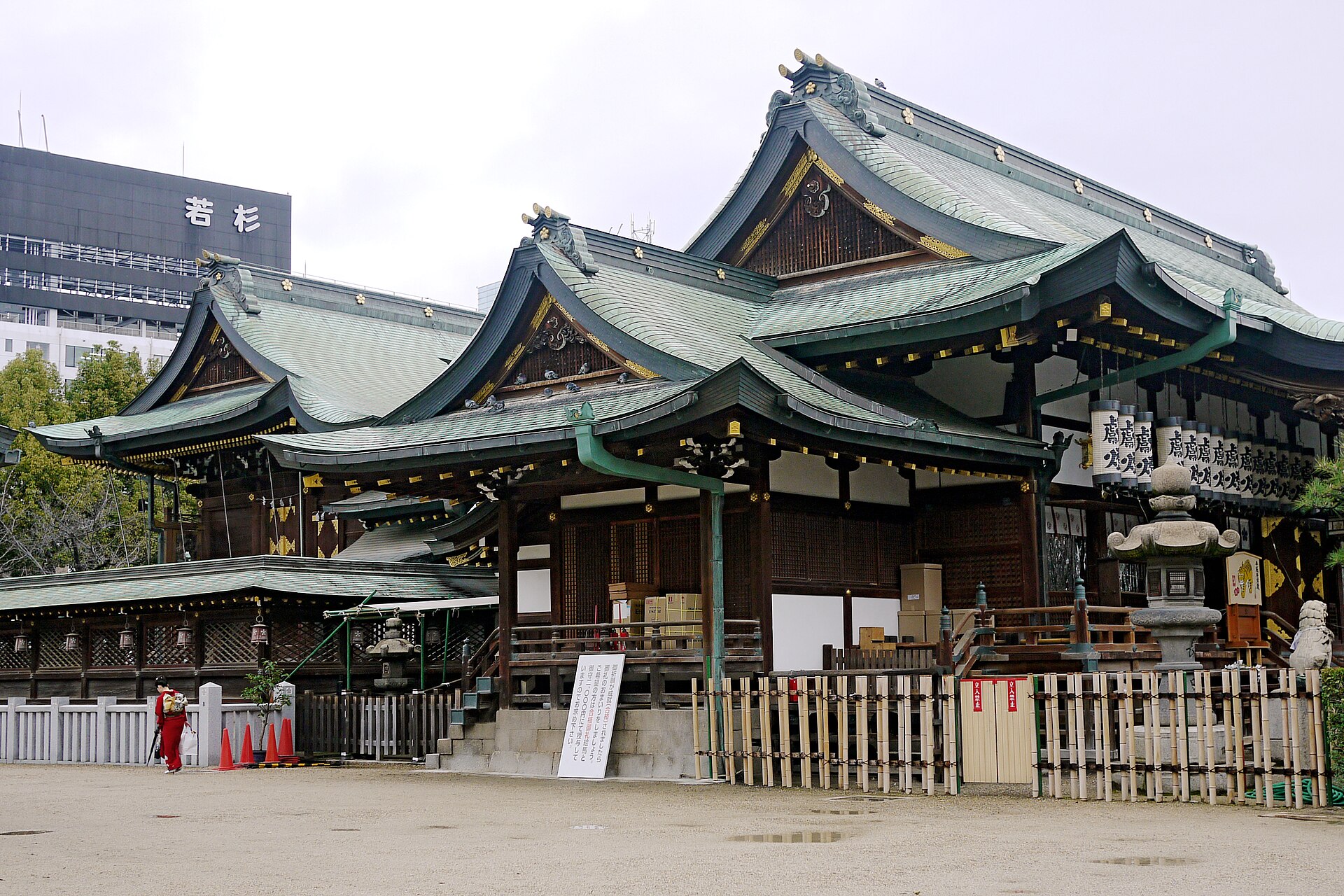
Osaka Tenmangu Shrine
1.6 km · straight line
 illustration (AI-illustrated)
Local life · Osaka★★★
Umeda Sky Building
2.0 km · straight line
Distances are straight lines on the map, not travel times.