North Naha · OmoromachiNo.1032★★★Open in map →
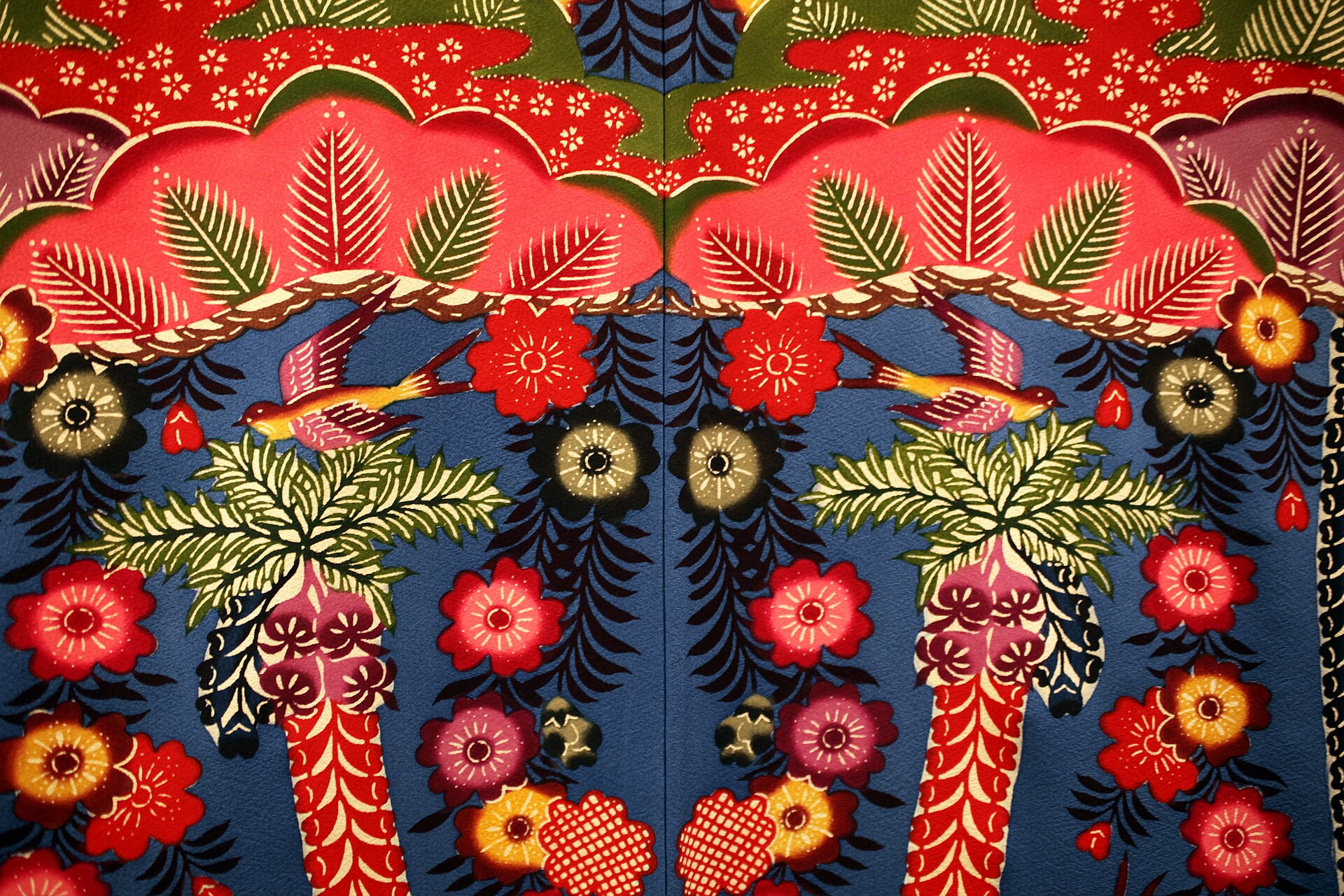
Ryukyu Bingata Stencil Dyeing
— Okinawa's court dyeing, kept at the prefectural museum
The Ryukyu court's stencil dyeing, and the public building in Naha that keeps the kingdom's textiles and craft. The prefectural museum stands in Omoromachi, a district laid out on returned military land, a short walk north-west of the monorail.
- FromNaha Airport Station
- ~30 minYui Rail monorail, then a walk
- Get off atOmoromachi Station (Yui Rail)
- On foot
- Ryukyu Bingata Stencil Dyeing
Where it is
41 more notes in Okinawa · open the map →What to look for — in walking order
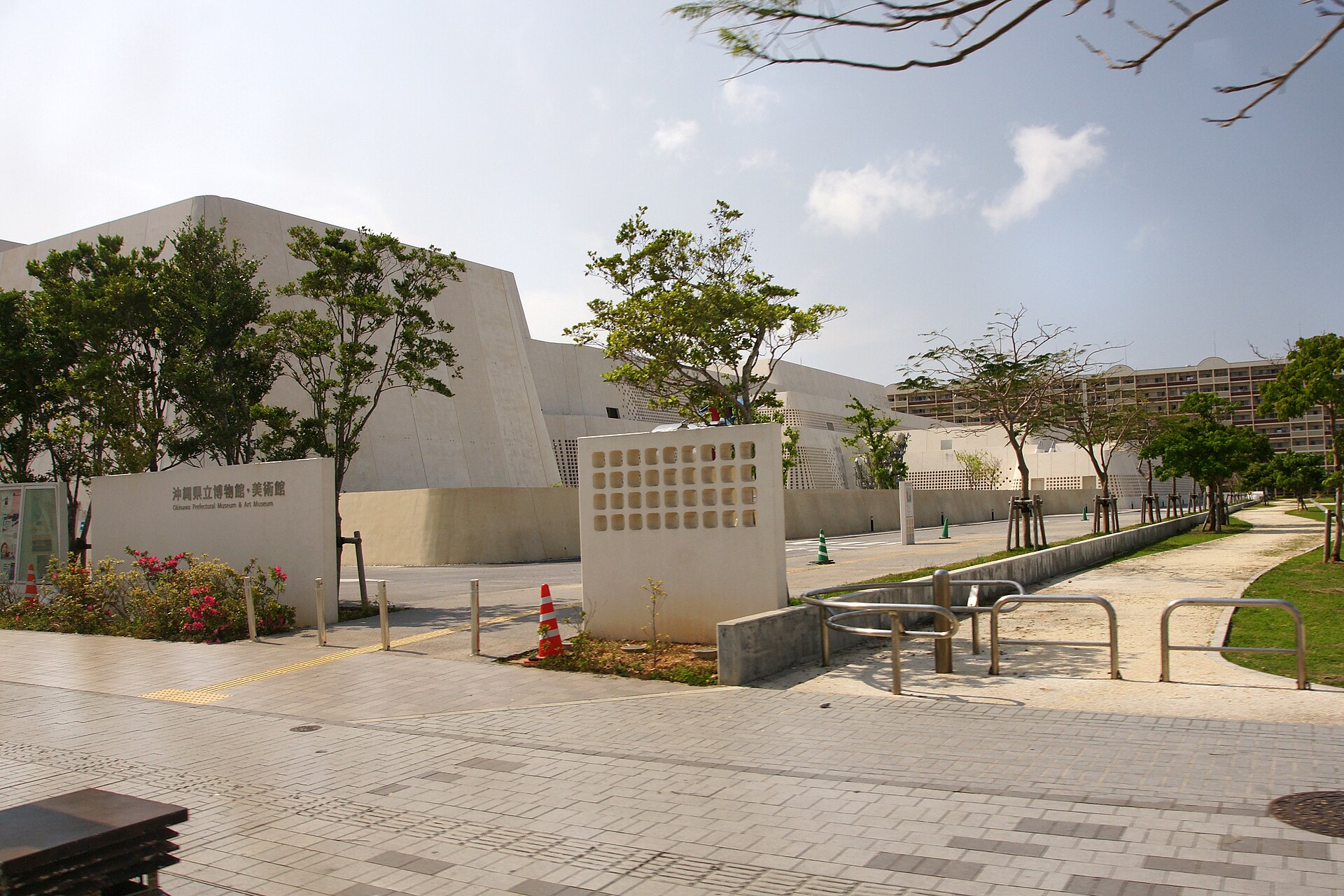
- General exhibition roomthe kingdom's story from shell-mound villages to the post-war years
- Art and craft department roomtextiles, lacquer and ceramics of the islands, shown in rotation
- History department roomdocuments and objects of the kingdom and of modern Okinawa
- Outdoor exhibitsa rebuilt Okinawan house, a raised granary and the relocated Wakuta kiln
- Art museum wingmodern and contemporary work from the islands, under the same roof
How to actually get there
- Naha Airport Station → Omoromachi Station (Yui Rail, no change).
- Omoromachi Station → the museum plaza (walk north-west through the new-town blocks).
- General exhibition room → the departmental rooms, ending at art and craft.
- Outdoor exhibits behind the building, then the art museum wing.
- Yui Rail monorail from the airport
- Naha Airport Station →(Yui Rail, about 19 minutes)→ Omoromachi Station. There is no change, and trains run often enough through the day that no timetable planning is needed. Leave the station on the transport-plaza side and walk north-west through the new-town blocks; the museum and the art museum share one pale-walled building set back behind a plaza.
- Return from Omoromachi Station
- Come back to Omoromachi Station and ride south for central Naha and the airport, or north four stops for Shuri; neither direction needs a change. If you stay for the late closing, check the last departure on the platform before you settle in.
About the place
Bingata is the stencil dyeing of Okinawa, and the only dyeing tradition the islands raised on their own. Pigment and plant dye are used together and worked into the cloth, which is why the colour sits so hard against the ground. Two families run through the craft: bingata proper, printed from a cut paper stencil, and aigata, dyed in indigo and ink alone. A third method, tsutsugaki, draws the resist straight onto the cloth without a stencil. The makers' cooperative is up in Shuri, but the public front door is the prefectural museum in Omoromachi, where a general gallery on the kingdom is ringed by five departmental rooms.
How to enjoy it
Allow a couple of hours for the permanent galleries and leave room for whatever is up in the art museum next door. Mondays are closing days, and the building stays open into the evening on Friday and Saturday, which makes it an easy second half to a morning in Shuri. Displays in the departmental rooms are changed for conservation, so check the current exhibition before you set out if you have come for the cloth.
Background & history
Under the Ryukyu Kingdom the dyed cloth belonged to the royal and noble houses, and the dye houses worked under the court's protection. When the kingdom was dissolved that patronage went with it, and the workshops closed one after another. The Battle of Okinawa destroyed most of what remained, stencils and pattern books included. Dyers rebuilt from fragments, cutting fresh stencils out of whatever paper they could find. The trade organised itself into a cooperative during the post-war recovery, and in 1984 the craft was designated a national traditional craft under the name Ryukyu Bingata.
Before you go
- Cash
- The permanent galleries are charged, and special shows in the art museum are ticketed separately. The desk stops selling thirty minutes before closing. Yui Rail fares are posted at the ticket machines, and the monorail takes OKICA and the national IC cards.
- Good to know
- Mondays are closing days. Year-end dates and any shifts around public holidays are published on the museum's own calendar, so read it before planning a Monday. The departmental rooms are rotated for conservation, so a particular textile may not be out. Typhoons in summer and early autumn can close the building and stop the monorail.
- Another way
- From central Naha, board the Yui Rail at Kencho-mae or Makishi and ride north to Omoromachi; the trip is shorter than from the airport. A city bus, route 99, also runs to Omoromachi from the domestic terminal, but it takes longer than the monorail.
- After you get off
- At Omoromachi Station take the exit toward the transport plaza and walk north-west along the main road, about ten minutes. An open plaza opens on the left, and the entrance stands at the back of it.
Nearby notes
 663highland / CC BY 2.5
Local life · Okinawa★★★
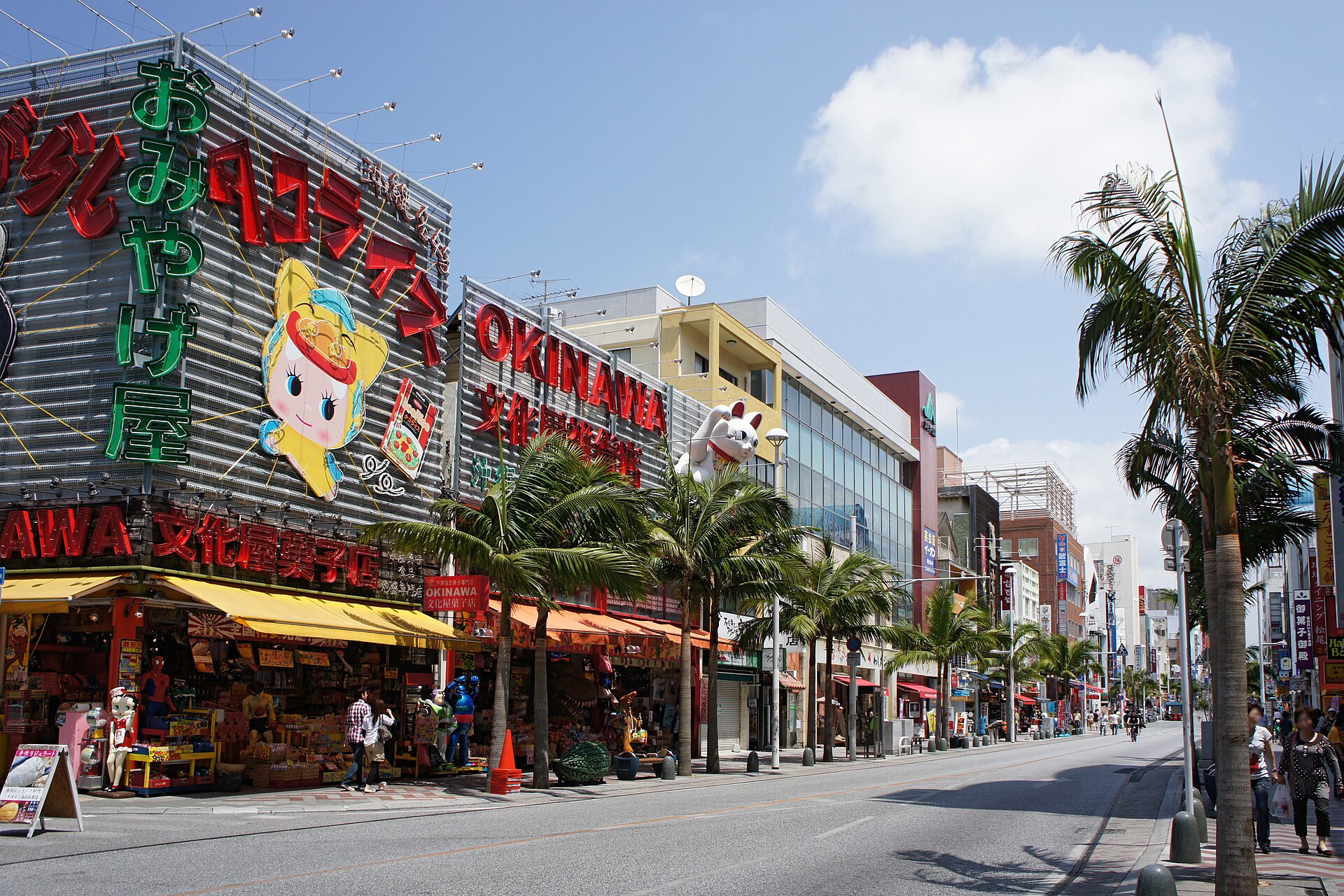
Kokusai-dori
1.3 km · straight line
 pelican / CC BY-SA 2.0
Food · Okinawa★★★
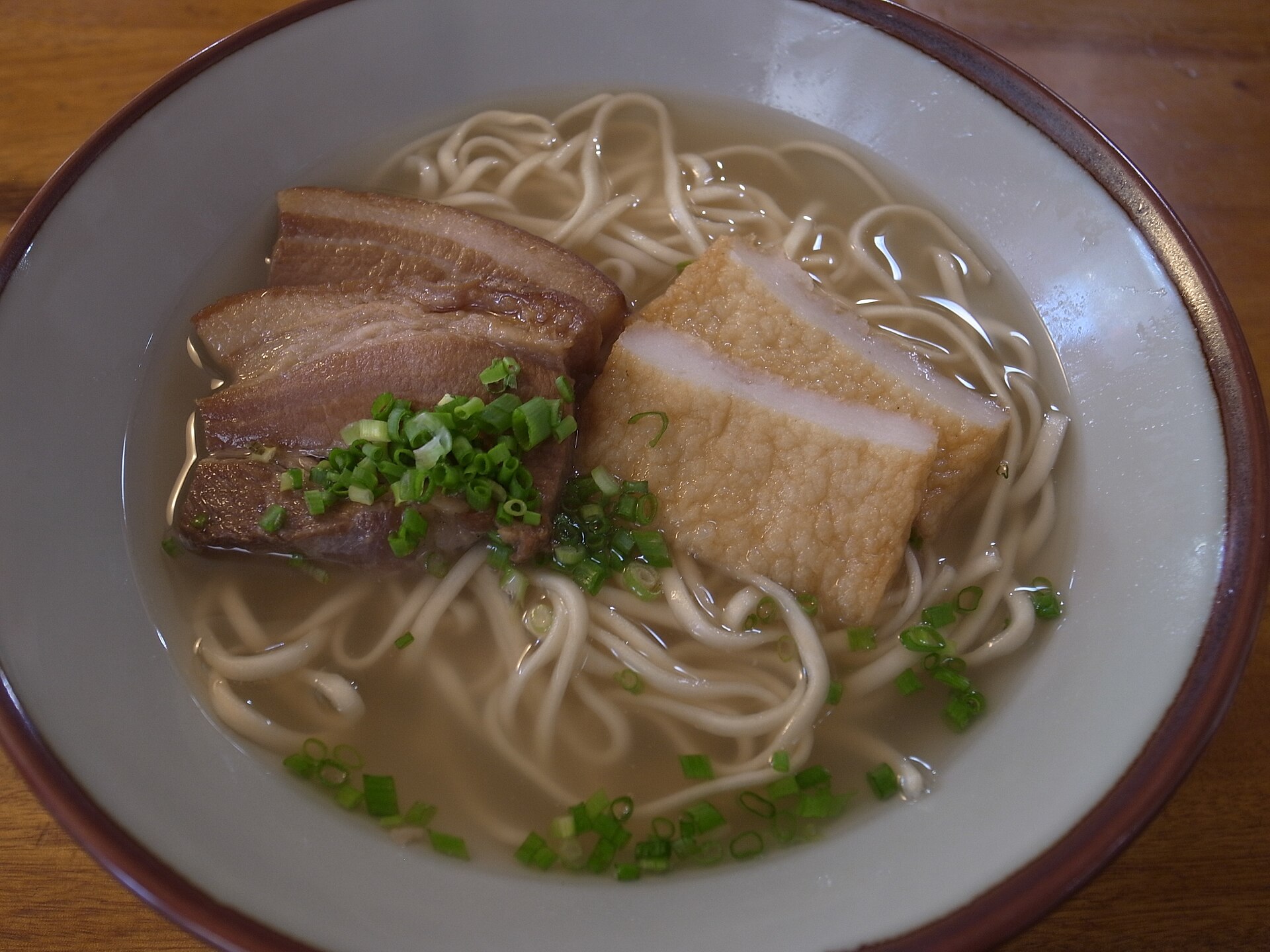
Okinawa Soba
1.5 km · straight line
 663highland / CC BY 2.5
Craft · Okinawa★★
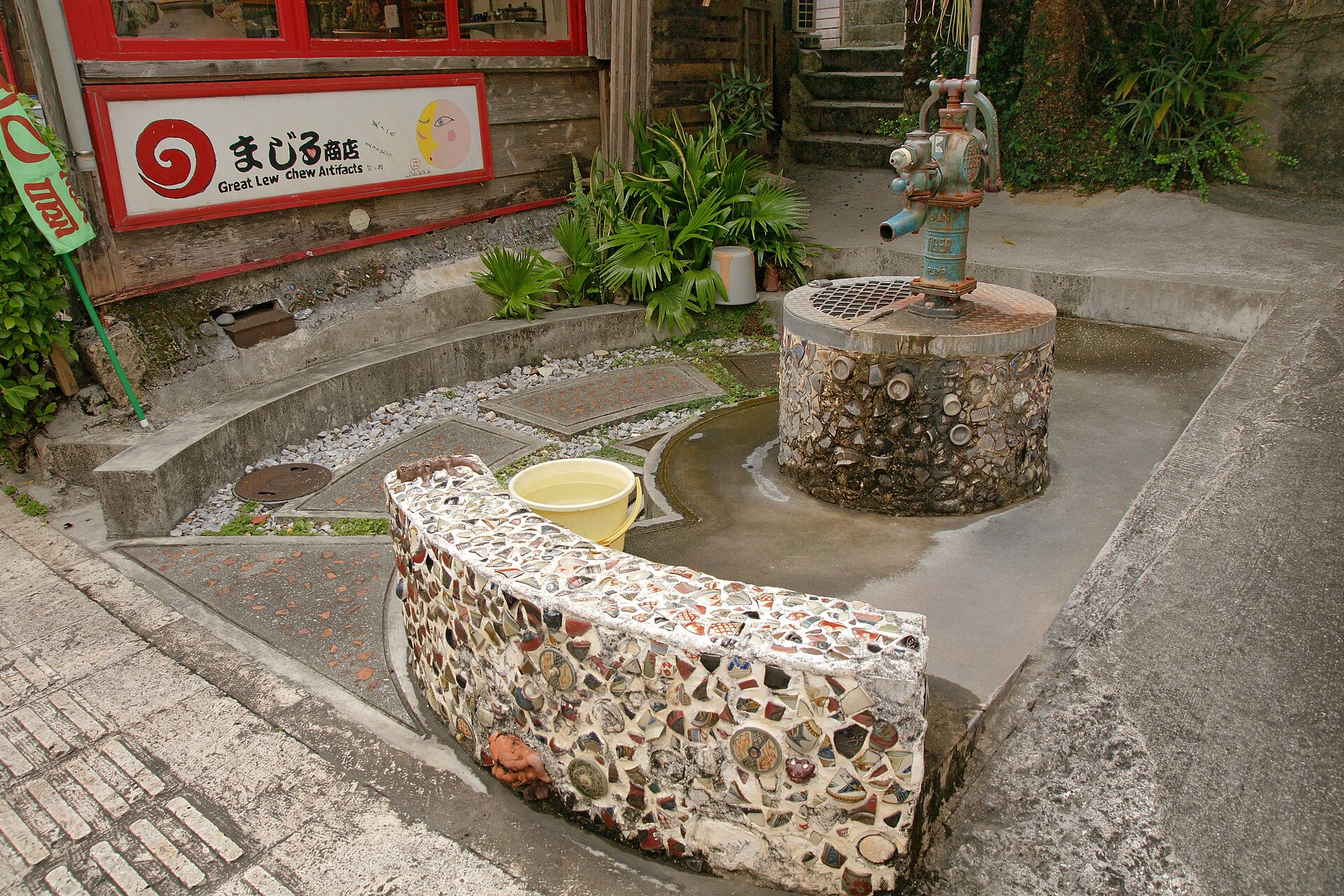
Tsuboya Yachimun Street
1.5 km · straight line
 663highland / CC BY 2.5
History · Okinawa★★
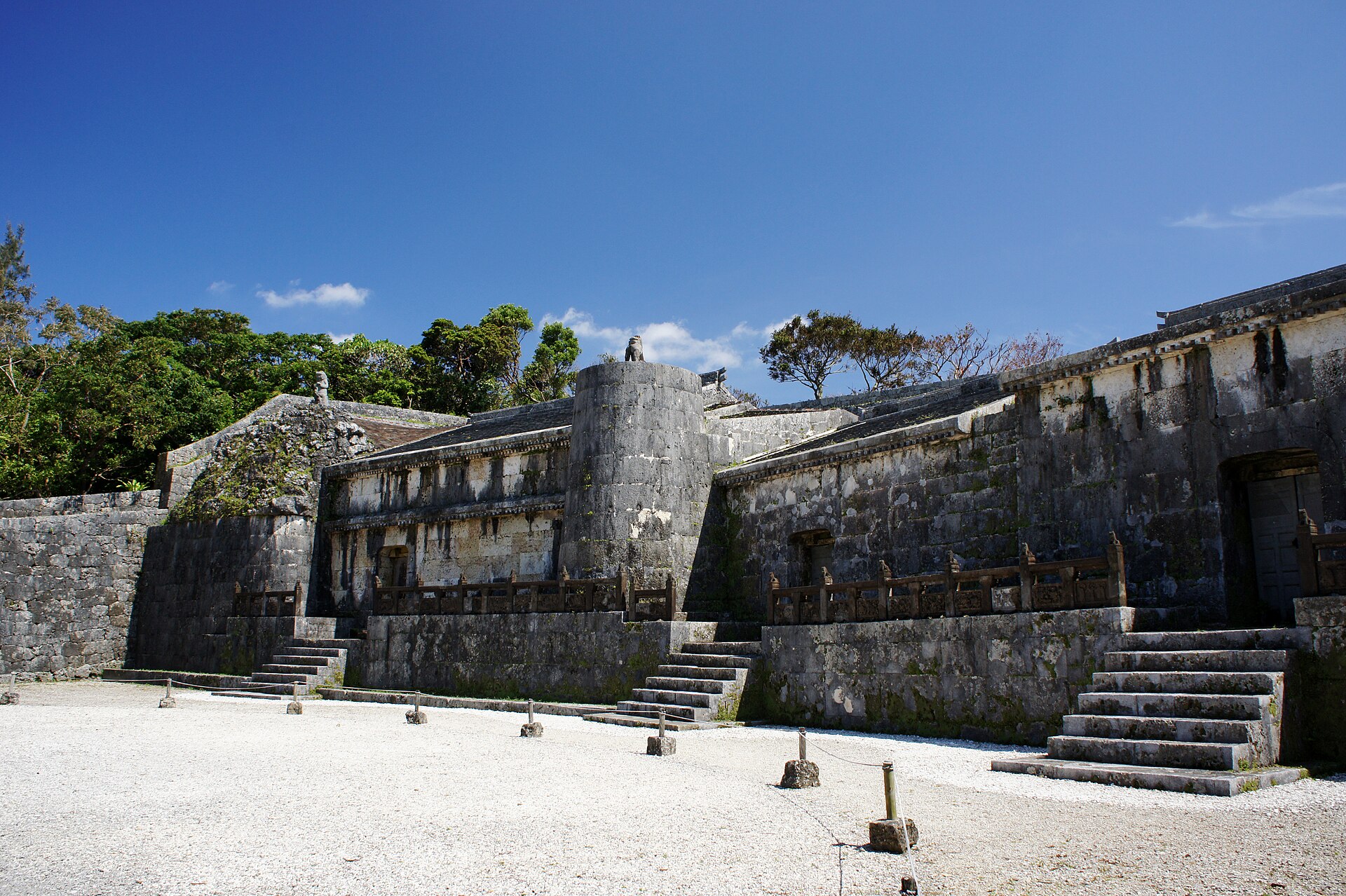
Tamaudun Royal Mausoleum
2.3 km · straight line
Distances are straight lines on the map, not travel times.