South Hiroshima · TakeharaNo.615★★Open in map →
Takehara Historic District
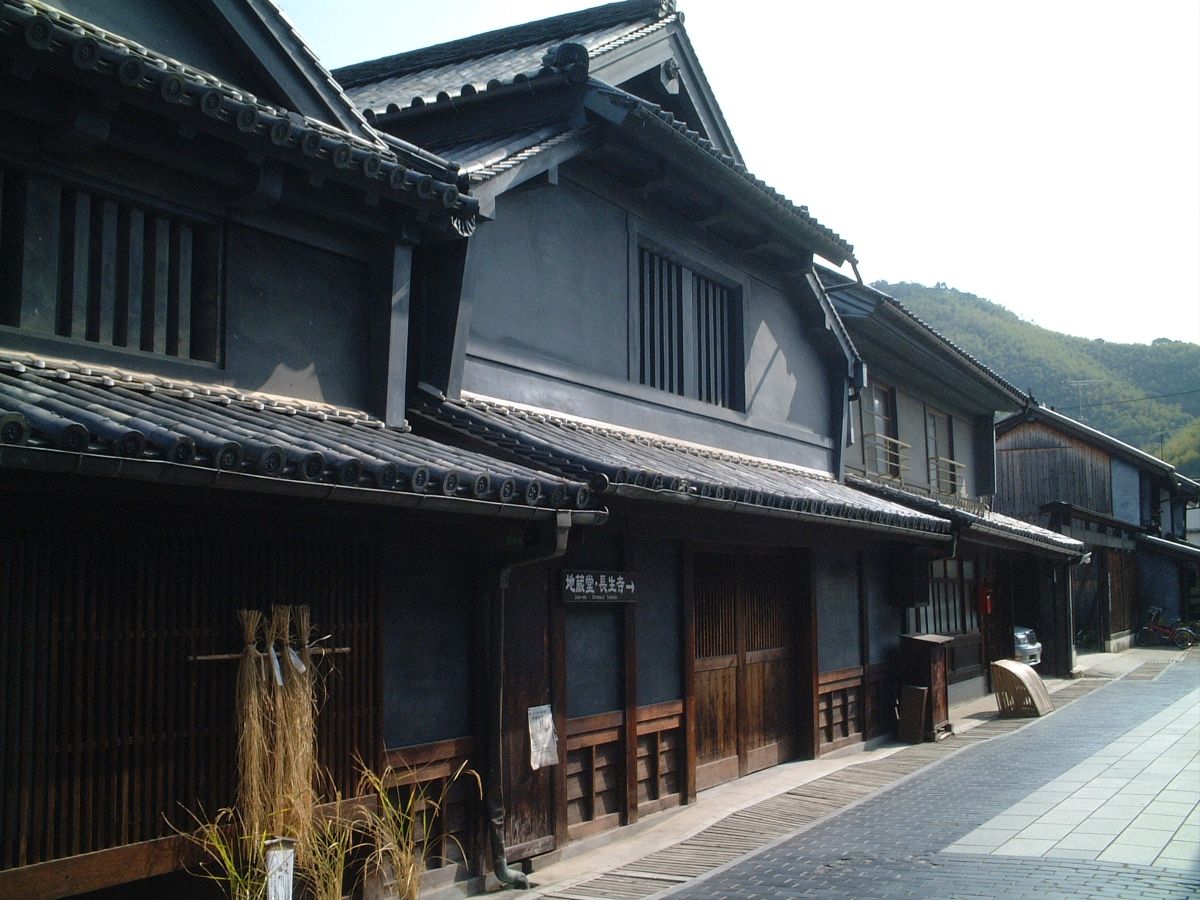
A quarter of Edo-period merchant houses in a small Inland Sea town that grew rich on salt. The preserved street is compact enough to walk end to end, and a hillside temple stage hands you the whole roofscape in one look.
- FromHiroshima Station
- ~1 hr 45 minJR Kure Line, then a walk
- Get off atTakehara Station (JR Kure Line)
- On foot
- Takehara Historic District
The sweet spot
Takehara is not undiscovered — the Nikka Whisky connection and an anime set here both bring visitors. What keeps it quiet is geography. No Shinkansen stops here, and the Kure Line runs at wide intervals, so the town fills briefly around a few train arrivals and empties again between them.
Where it is
25 more notes in Hiroshima · open the map →What to look for — in walking order
- Michi-no-Eki Takeharathe roadside station at the entrance to the quarter, with the tourist information desk
- Former Matsusaka Residencethe house of a salt-field owner, with a sweeping roof and latticework across the front
- Taketsuru Sake Brewerythe street frontage of the brewing family that produced Nikka Whisky's founder
- Former Kasai Residencea merchant house opened to visitors, used for the town's hina-doll displays
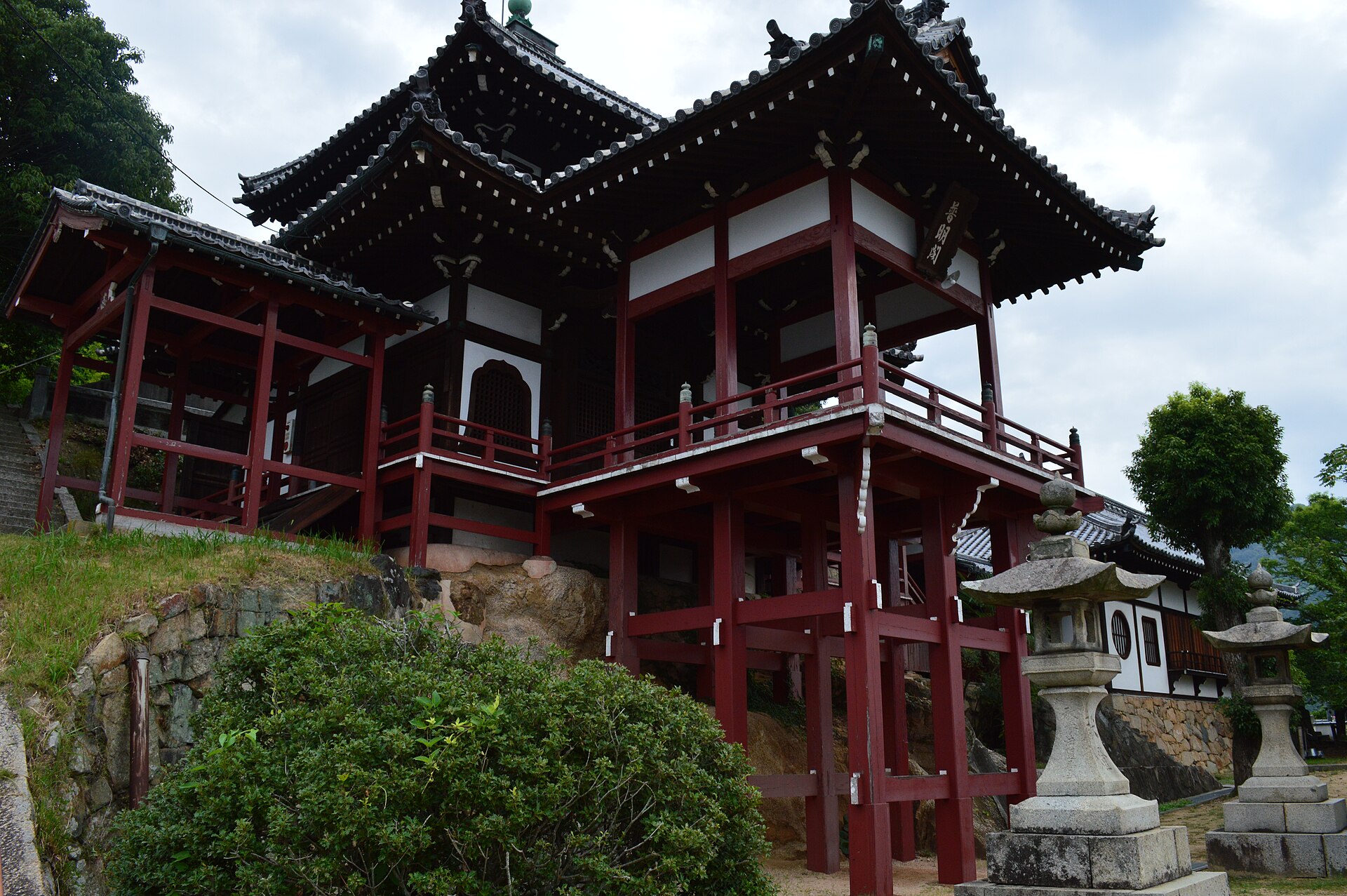
- Saihoji and Fumeikakua stage-built hall on posts above the street, modelled on Kyoto's Kiyomizu-dera
How to actually get there
- Hiroshima Station → Takehara Station (JR Kure Line, about 1 hr 30 min to 2 hr).
- Takehara Station → the preserved quarter (walk northeast, about 15 minutes).
- Walk the main street from Michi-no-Eki Takehara to the far end, then climb the steps to Fumeikaku.
- Return along the same street and back to Takehara Station for the departure you noted.
- JR Kure Line from Hiroshima Station
- Hiroshima Station to Takehara Station on the JR Kure Line takes about an hour and a half to two hours depending on the service. The Kaguyahime-go highway bus from Hiroshima Station covers the same trip in about an hour and ten minutes and also sets down at Takehara Station. Fares differ between the two, so check on the day.
- Return from Takehara Station
- Departures back toward Hiroshima or Mihara are spaced out rather than frequent, so note the time you intend to leave before you walk into the quarter. The highway bus is the fallback when the train times do not fit. If you are continuing east, the Kure Line runs north to Mihara and its Shinkansen platforms.
About the place
The preserved quarter lies in Takehara's Honmachi district, a few streets back from the Inland Sea shore. It covers about five hectares: one main street with side lanes, walkable end to end without a map. The buildings are the town's original merchant stock, with plastered walls, latticed fronts and deep plots running back from narrow frontages. Above the street, a temple hall built on posts stands out over the tiled roofs and gives the district its one wide view. Takehara is called the little Kyoto of Aki, a nickname that goes back to its beginnings as an estate of Kyoto's Shimogamo Shrine.
How to enjoy it
Reaching Takehara from Hiroshima takes roughly an hour and a half to two hours by the Kure Line, or about an hour and ten minutes by the Kaguyahime-go highway bus. Allow an hour or two on the street itself, then add the climb to Fumeikaku — the steps are short and the view over the roofs is the picture the town is known for. Check the return departure before you walk in, because a missed train here costs a long wait.
Background & history
Takehara formed as a market settlement beside its harbour in the late medieval period. Salt fields were introduced during the Edo period, and the town's fortune followed them, with shipping and sake brewing growing alongside. The quarter was designated a national Important Preservation District for Groups of Traditional Buildings in 1982, in the category of salt-producing towns. Among the buildings still on the street is the brewery family home of Masataka Taketsuru, the founder of Nikka Whisky.
Before you go
- Cash
- Walking the street costs nothing. The historic houses that are open to visitors charge their own admissions, and opening days vary by building, so confirm both at the tourist desk in Michi-no-Eki Takehara when you arrive. Bring cash — small house museums do not all take cards.
- Good to know
- Individual houses keep their own closing days and can shut for maintenance while the street stays open. The steps up to Fumeikaku are steep and unlit, so leave that climb for daylight. The quarter is a lived-in neighbourhood, not an open-air museum, and the lanes should be treated accordingly.
- Another way
- From the Shinkansen at Mihara Station, the Kure Line runs south to Takehara. That is the shorter approach if you are arriving from Osaka, Kyoto or Fukuoka rather than from Hiroshima.
- After you get off
- From Takehara Station the quarter lies to the northeast, about 15 minutes on flat streets. Michi-no-Eki Takehara marks the entrance, and the preserved street begins immediately behind it.
Nearby notes
 Steffen Flor / CC BY-SA 2.0
History · Hiroshima★★★
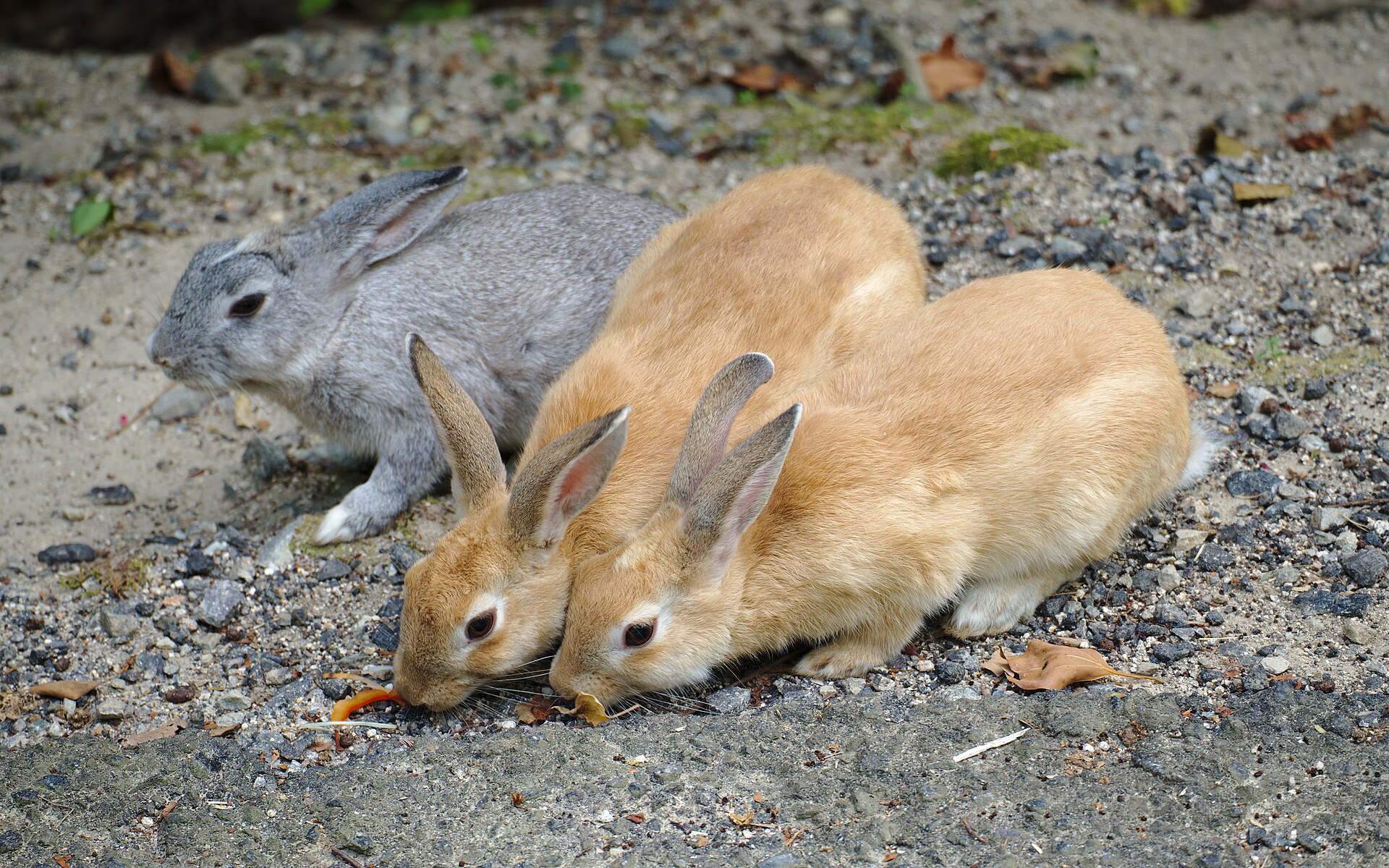
Okunoshima
8.6 km · straight line
 Saigen Jiro / CC0
History · Ehime★★
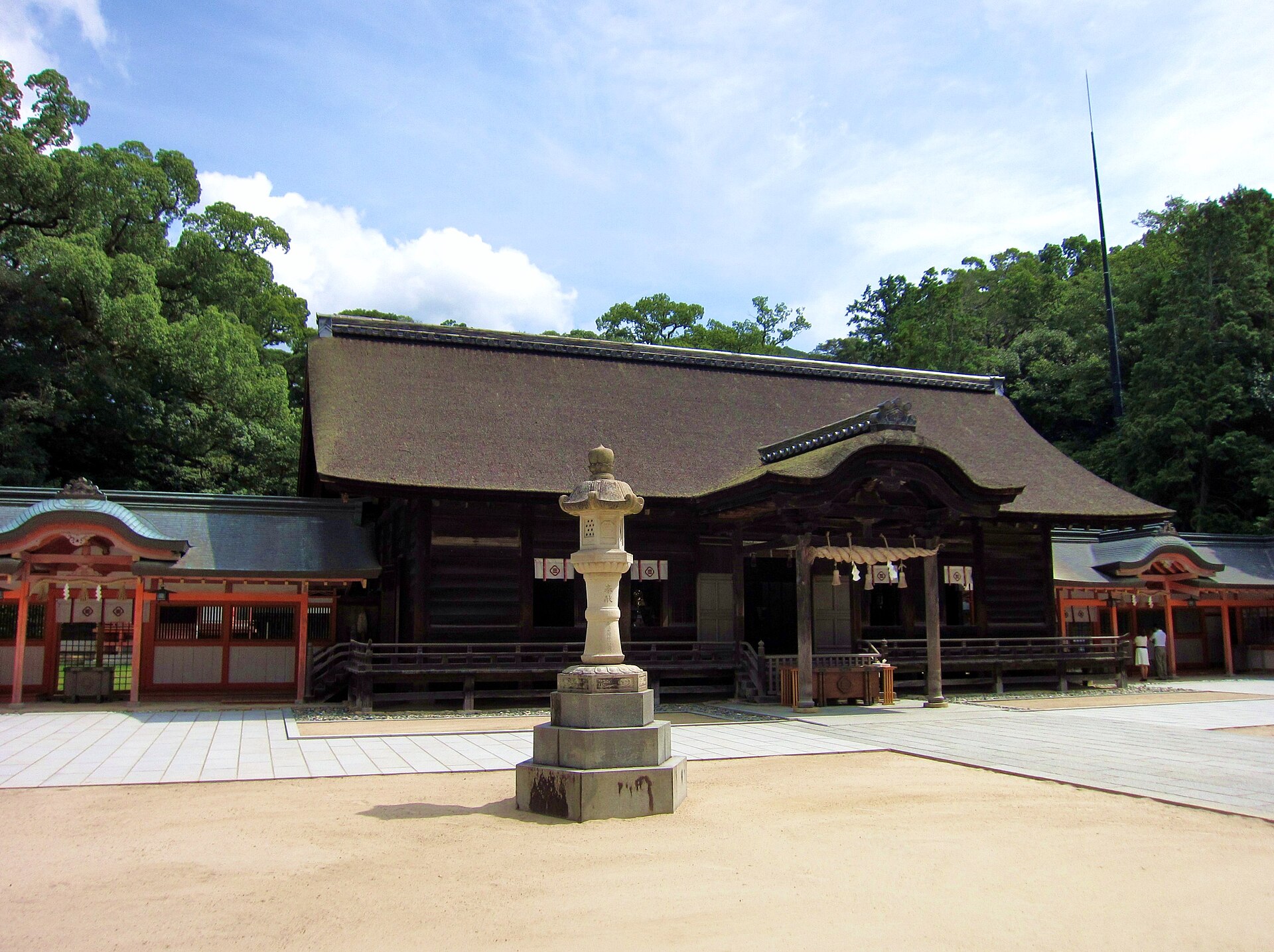
Oyamazumi Shrine
14.0 km · straight line
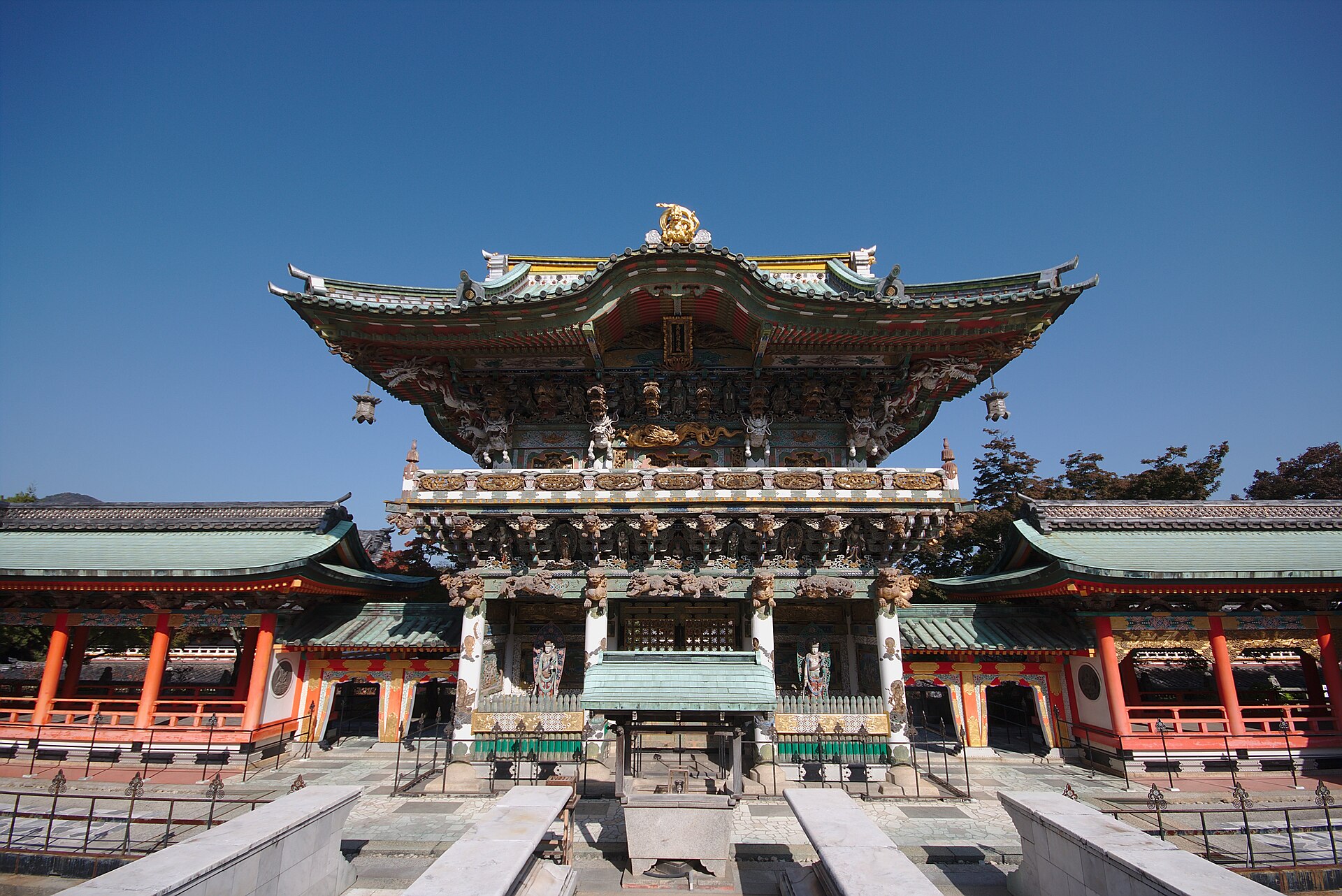 Fabimaru / CC BY-SA 4.0
Culture · Hiroshima★★
Kosanji Temple and Miraishin no Oka
17.2 km · straight line
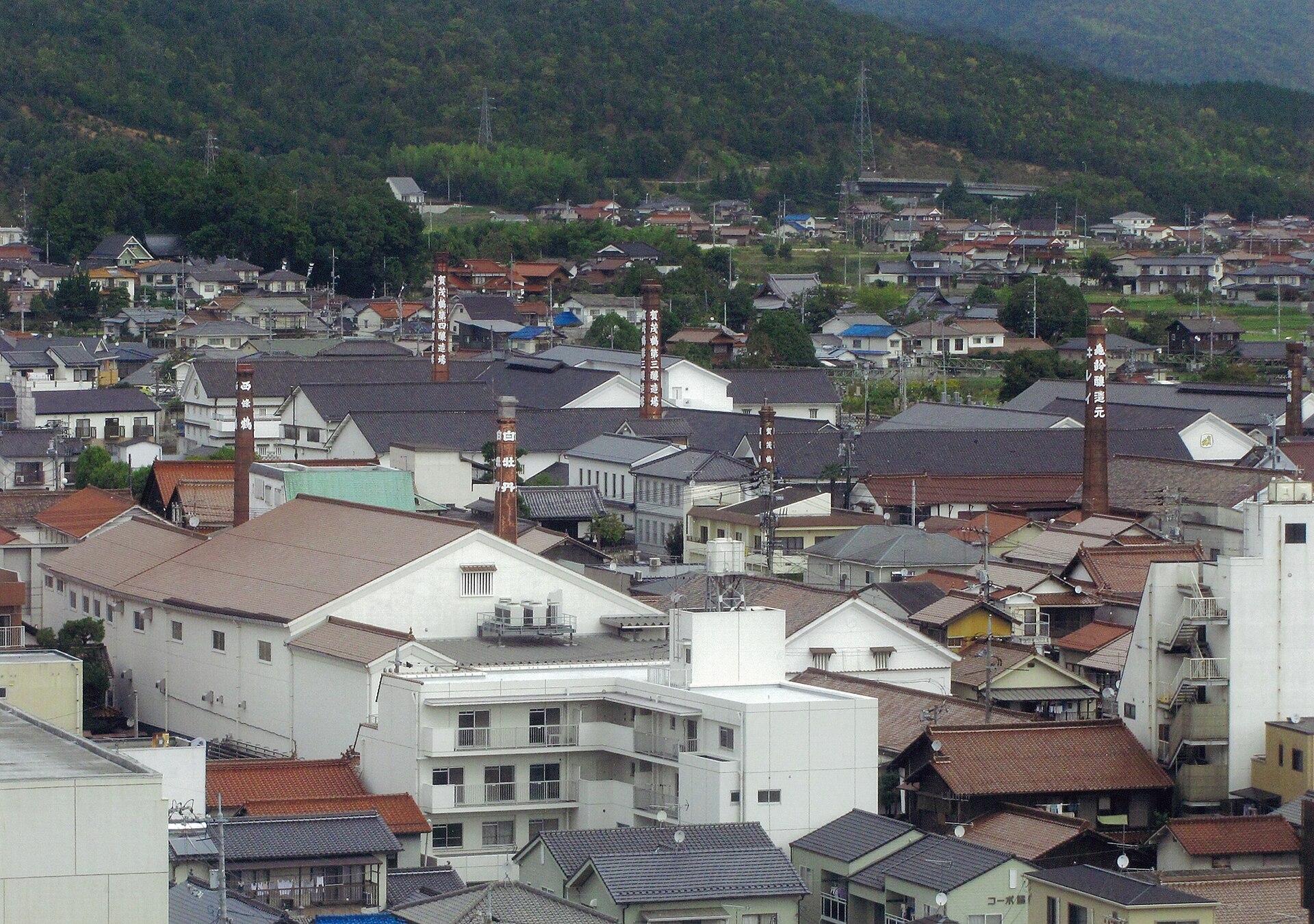 東広島市 / CC BY-SA 4.0
Food · Hiroshima★★
Saijo Sakagura-dori
17.6 km · straight line
Distances are straight lines on the map, not travel times.