Nagano · Kiso ValleyNo.786★★★Open in map →
Tsumago-juku
— Japan's first preserved post town
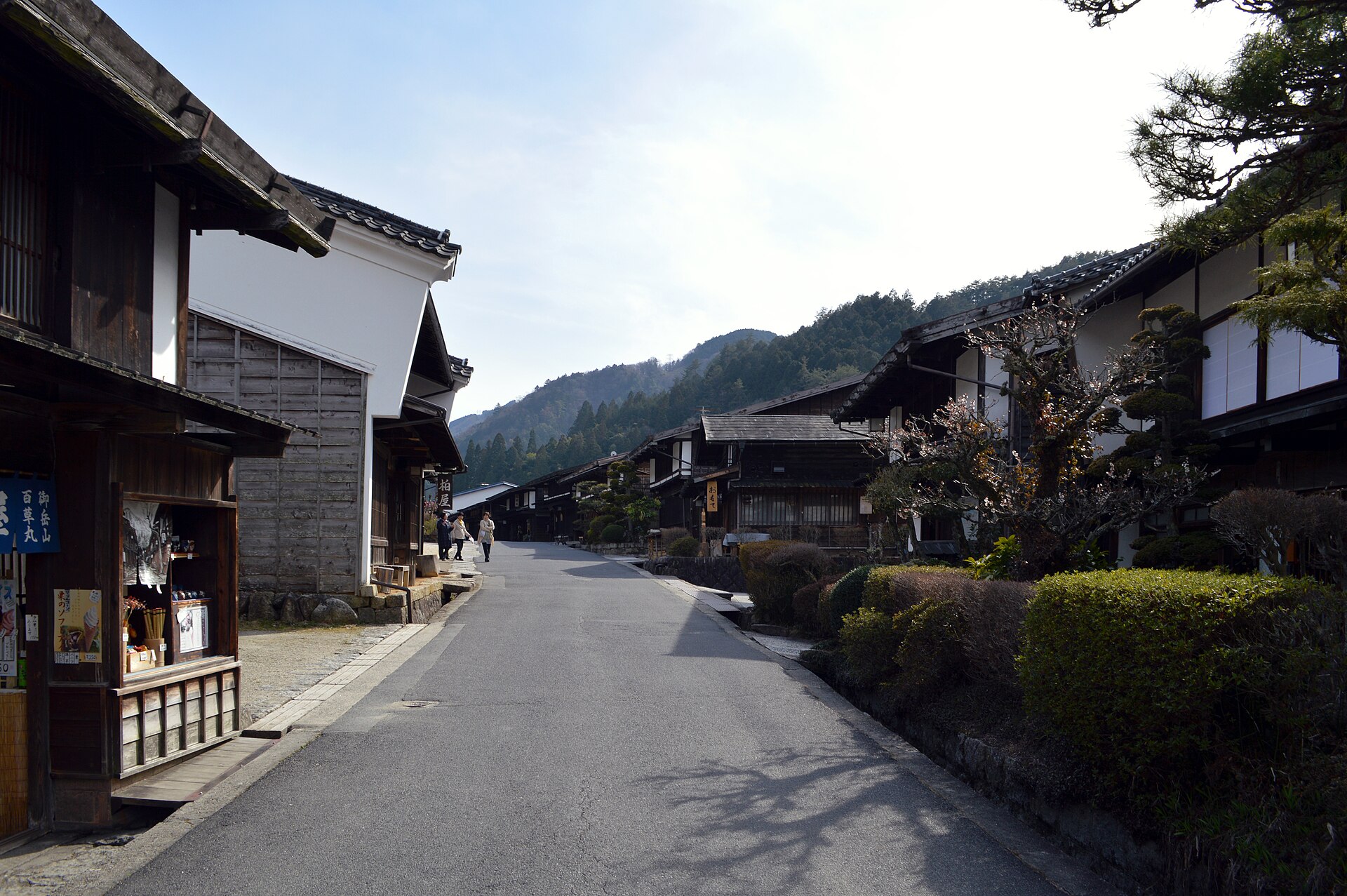
A post town on the old Nakasendo, in a fold of the Kiso valley, whose residents agreed not to sell, rent or demolish what they had inherited. It became the first protected townscape in Japan, and people still live behind the lattice fronts.
- FromNagiso Station (JR Chuo Line)
- ~40 minJR Chuo Line, then bus or a 40-min walk
- Tsumago-juku
Where it is
27 more notes in Nagano · open the map →What to look for — in walking order
- Waki-honjin Okuyathe secondary official inn for travelling lords, now an Important Cultural Property
- Nagiso Town Museumdisplays on the Kiso road and on how the town was taken apart and put back
- Tsumago-juku Honjinthe reconstructed main inn, where daimyo lodged before the climb to the pass
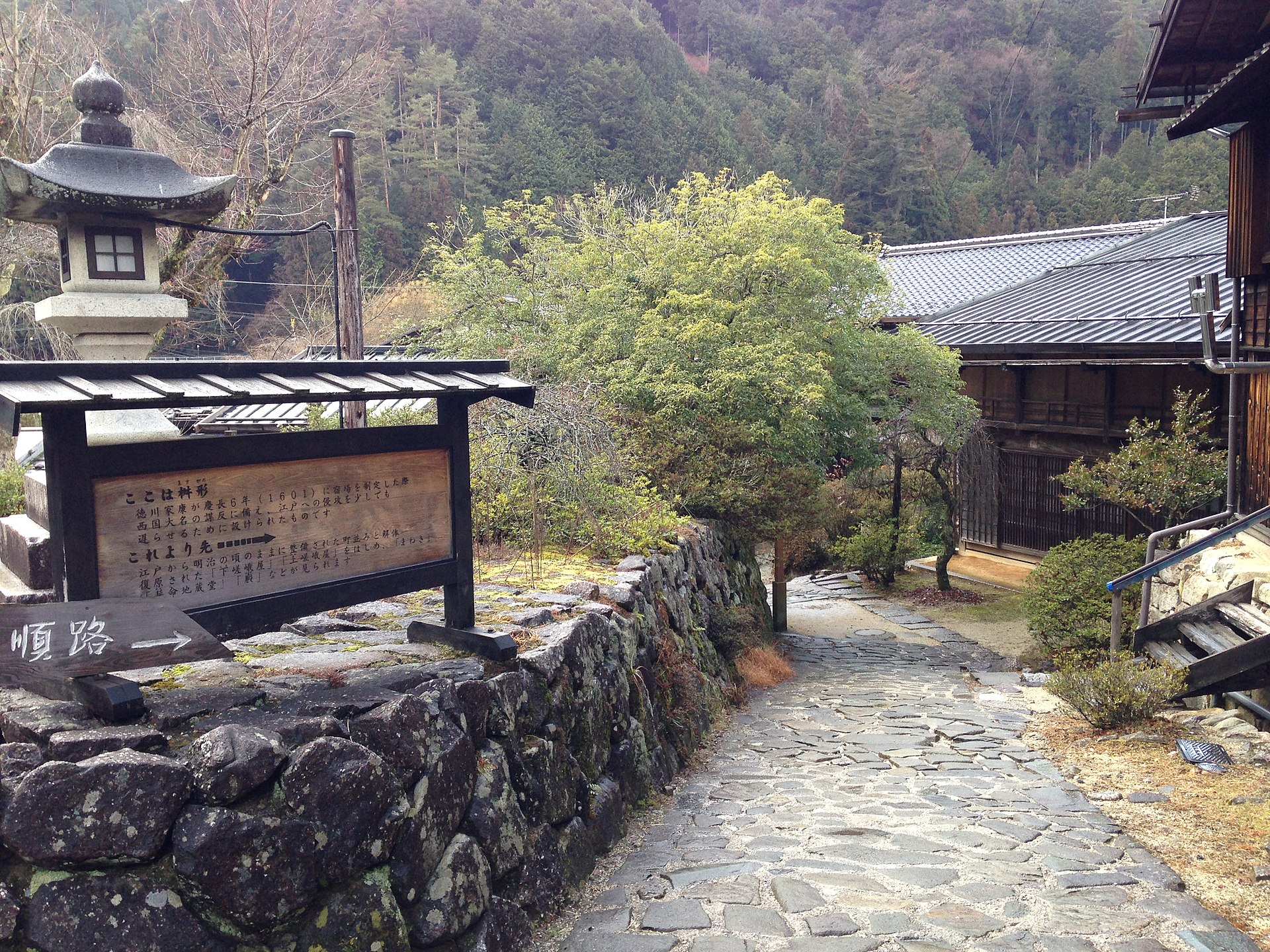
- The masugatathe deliberate dogleg in the street, stone-paved, towards the lower end of the town
How to actually get there
- JR Chuo Line to Nagiso Station — limited express Shinano from Nagoya, or a local along the Kiso valley.
- Take the town bus to the Tsumago stop, or walk the old road for about forty minutes.
- Walk the street from the lower end, past the honjin and the wakihonjin, up to the masugata.
- Return by bus or on foot — or carry on over the pass to Magome.
- JR Chuo Line to Nagiso Station
- Nagiso is a station on the Chuo Line in the Kiso valley, served by local trains and by some Shinano limited expresses running between Nagoya and Nagano. From the station the town-run local bus goes to the Tsumago stop below the street. On foot it is about forty minutes along the old road, which is signposted as the Shinanoji nature trail. Taxis also run from the station.
- Back to Nagiso Station
- The same local bus returns from Tsumago to the station, and the old road walks back in about the same time as the way out. Services are few and finish early, so read the timetable at the stop when you arrive rather than at the end of the day. Cars can be left in the town car parks below the street.
About the place
Tsumago is the forty-second post town on the Nakasendo, set in a narrow fold of the Kiso valley where the inland highway ran between Edo and Kyoto. The street is dark timber on both sides, deep eaves and lattice fronts, and at one point it kinks hard left then hard right — a masugata, the dogleg post towns used to break a straight approach. What is missing is as deliberate as what is there: no utility poles, no overhead wires. People live in these houses and run their businesses out of them, and that condition is what the whole preservation project was built around.
How to enjoy it
The crossing to Magome is why many people come: about nine kilometres and roughly three hours over the pass, with a free rest house partway. Bags can be handed in on one side in the morning and collected on the other in the afternoon, which is what makes the walk practical without a car. If you are only doing Tsumago, the museums keep daytime hours while the street itself has no opening time at all, because it is where people live.
Background & history
By the 1960s the Nakasendo had long been bypassed and Tsumago was emptying out. Restoration began in 1968 as a prefectural centenary project, houses taken apart and rebuilt over three years. The residents then adopted a charter of three principles covering their buildings, land and forest: do not sell, do not rent, do not destroy. A preservation ordinance followed in 1973, and in 1976 Tsumago became the first place in Japan designated an Important Preservation District for Groups of Traditional Buildings. Utility poles were put underground by agreement with the power companies.
Before you go
- Cash
- Walking the street costs nothing. The wakihonjin, the honjin and the history museum each charge their own admission. The town car parks take a flat daily fee with no time limit, paid on the spot.
- Good to know
- The town sits in a mountain valley and snow is normal through the winter. The street is a working residential road with people living on it, so vehicle access is restricted rather than the town being closed off, and the houses are homes rather than exhibits. The walk over the pass to Magome should not be started late in the day.
- Another way
- From Nagoya the Shinano limited express runs up the Chuo Line to Nagiso. From the Magome side, the Nakasendo footpath comes over the pass and into Tsumago from the south, which is how most through-walkers arrive. By road, Route 19 follows the valley up from Nakatsugawa in about thirty minutes.
- After you get off
- Nagiso Station sits down by the river, and Tsumago is up the side valley to the south. The town bus sets down at the Tsumago stop, a short walk from the lower end of the street. On foot from the station the old road takes about forty minutes and is marked the whole way.
Nearby notes
 SElefant / CC BY-SA 3.0
History · Gifu★★★
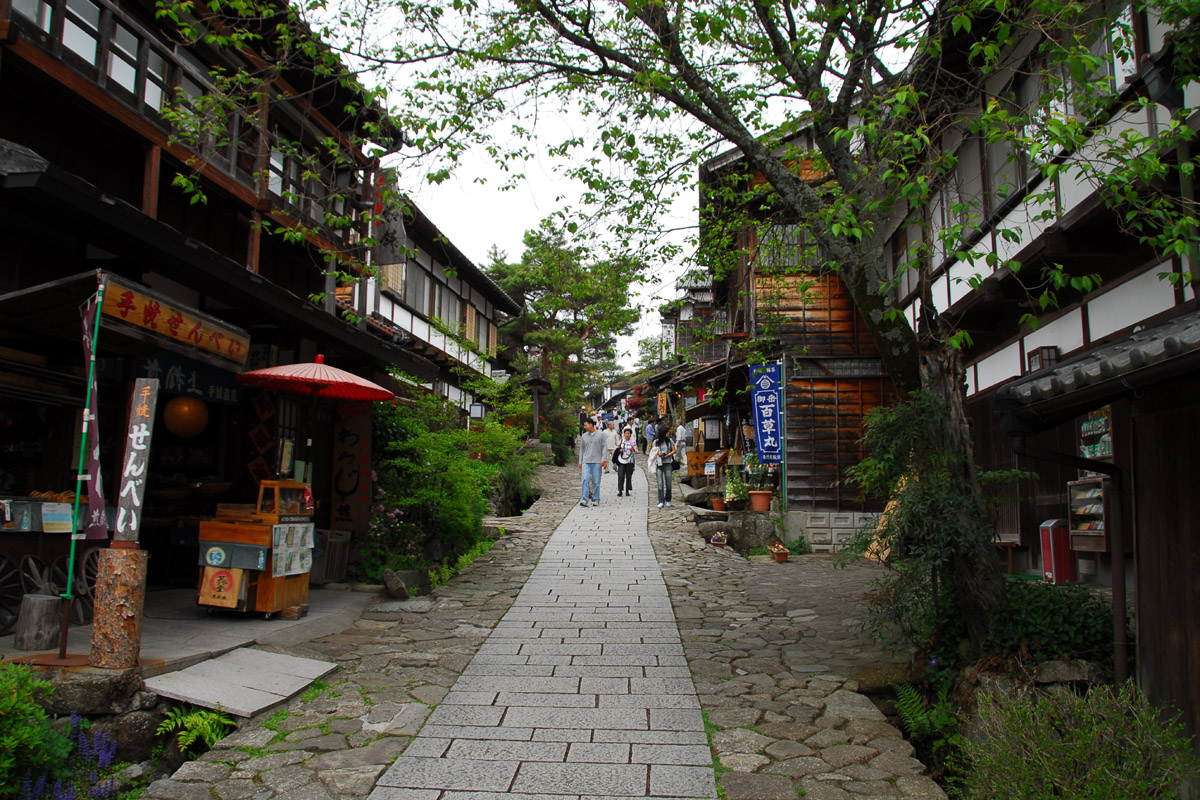
Magome-juku
6.1 km · straight line
 Asturio Cantabrio / CC BY-SA 4.0
Local life · Gifu★★
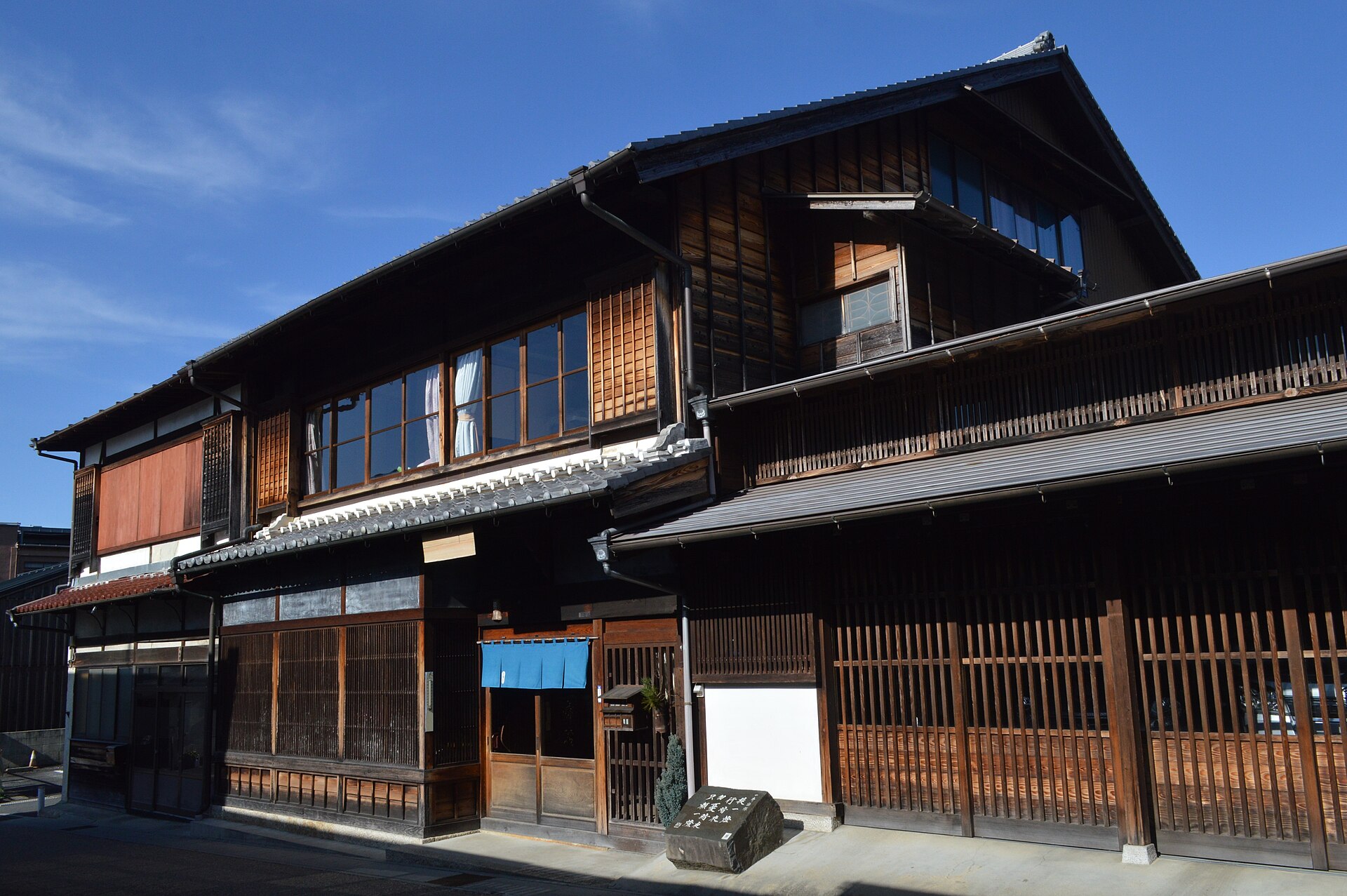
Iwamura Castle Town
27.4 km · straight line
 sota from Tokyo, Japan / CC BY-SA 2.0
Nature · Nagano★★
Senjojiki Cirque
29.8 km · straight line
Distances are straight lines on the map, not travel times.