East Kochi · UmajiNo.921★★Open in map →
Umaji Village
— Kochi's yuzu village in the cedar mountains
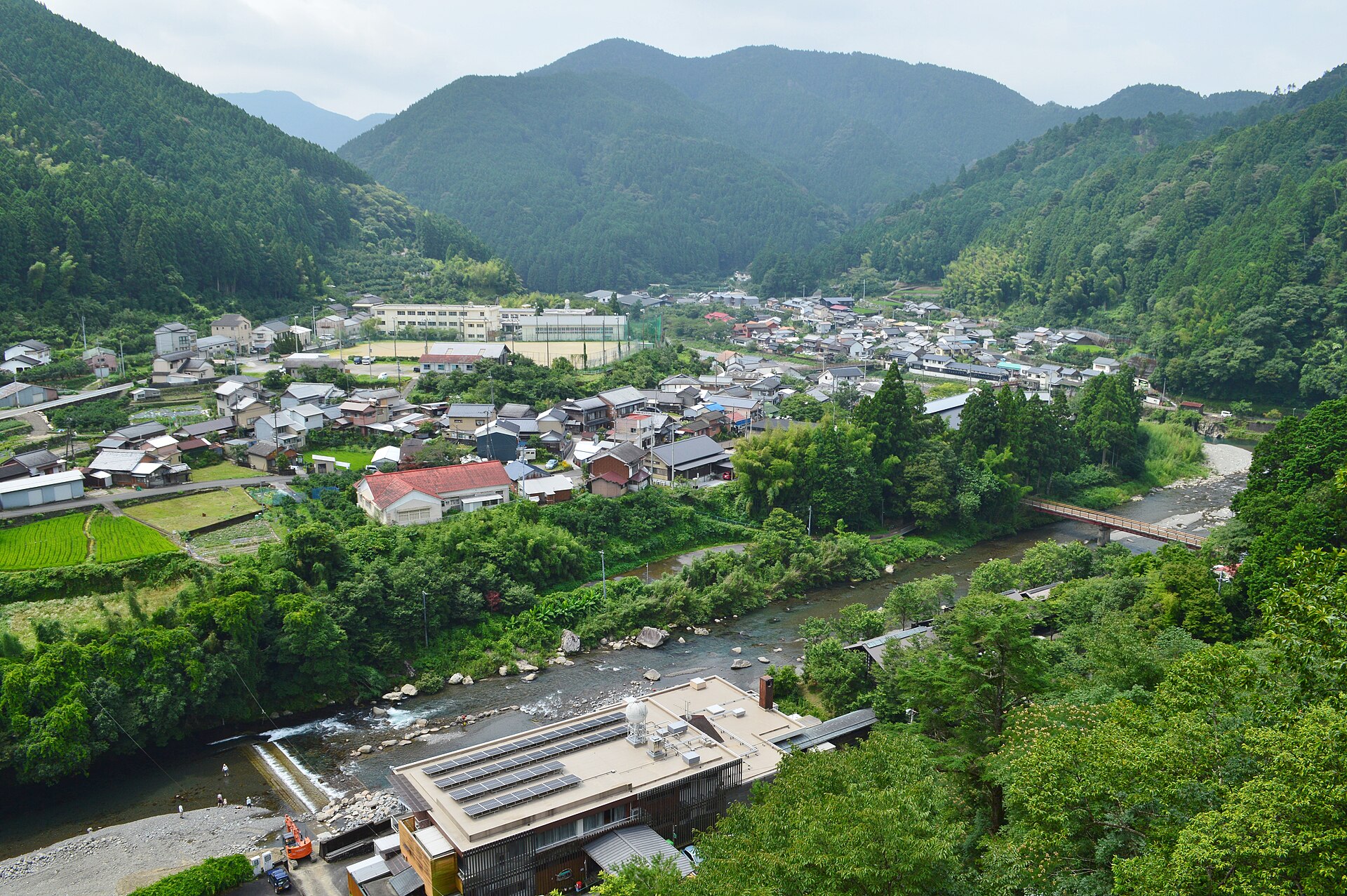
A cedar valley in eastern Kochi where a farm co-operative, not a drinks company, built the yuzu business the village is known by. The plant, the shop, the bath house and the old railway all stand within one riverside walk.
- FromYasuda Station
- ~1 hValley bus, a few runs a day
- Get off atUmaji (Kochi Tobu Kotsu, Aki–Yanase line)
- From there
- Umaji Village
The sweet spot
Umaji is not hidden. Its bottles are sold nationwide and the co-operative is a standard case study in rural economics. What almost nobody does is come and look at the place itself, because the bus in runs only a few times a day and the valley is a working one rather than a sightseeing circuit.
Where it is
18 more notes in Kochi · open the map →What to look for — in walking order
- Umaji Onsenthe village bath house at the upstream end, with a replica logging locomotive on a loop track outside
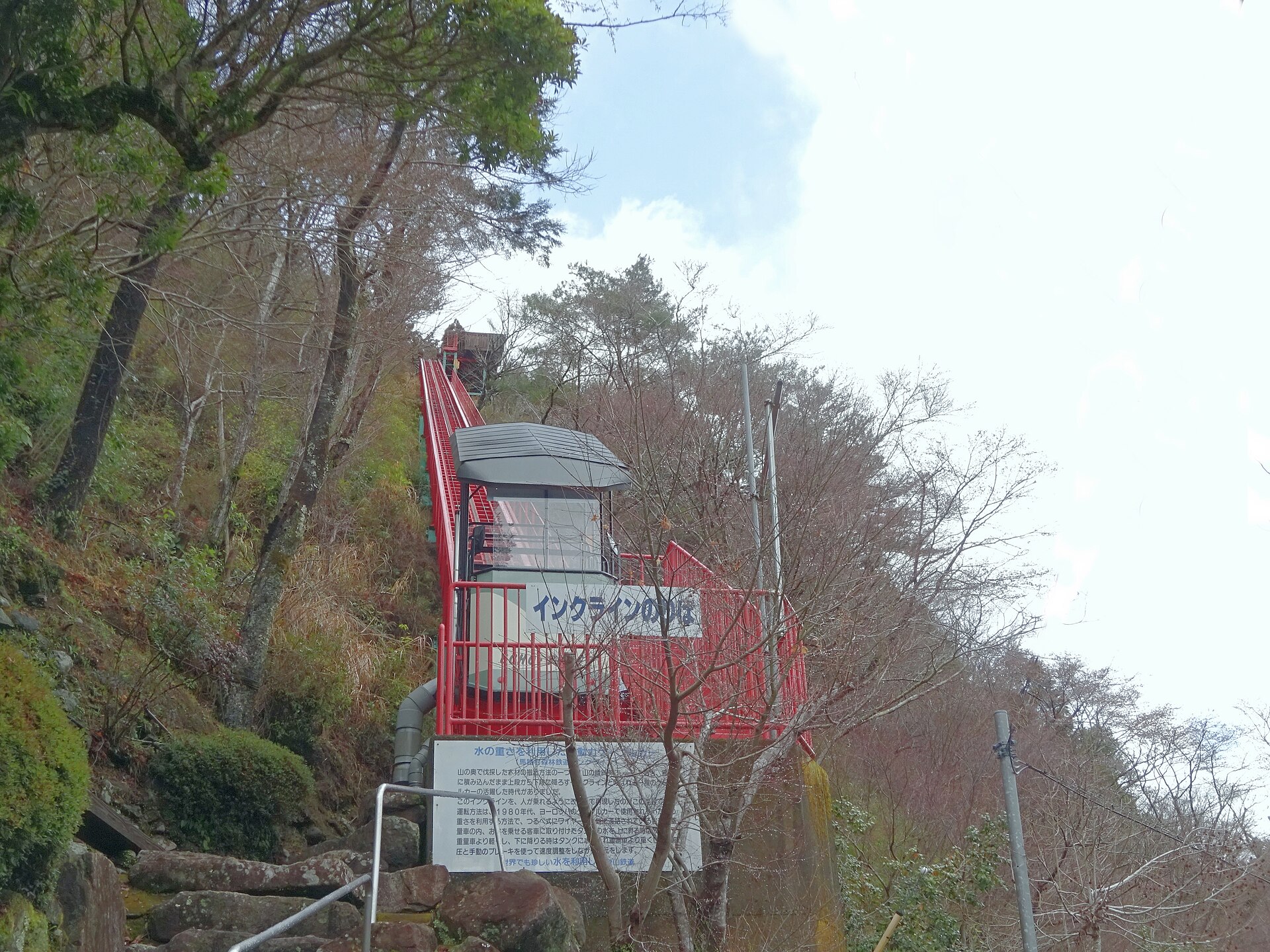
- The inclinered rails climbing the slope above the bath house, left from the era of hauling timber
- Yuzu no Mori worksthe co-operative's bottling plant, with a viewing route over the line and a shop at the end of it
- Makaichotte-yathe village centre by the bridge, selling yuzu goods and Yanase cedar woodwork, with railway material upstairs
How to actually get there
- Kochi Station → Yasuda Station (Tosa Kuroshio Railway Asa Line, along the coast).
- Yasuda Station → Umaji (Kochi Tobu Kotsu bus for Umaji or Yanase, about an hour up Route 12).
- Walk upstream first to the bath house and the forest-railway loop, then turn back.
- Walk downstream to the yuzu works and finish at the visitor centre by the bridge.
- Kochi to Yasuda, then the valley bus
- From Kochi Station take the Asa Line east along the coast to Yasuda, then the Kochi Tobu Kotsu bus bound for Umaji or Yanase up Prefectural Route 12. The village office puts the same drive at about 20 kilometres from Yasuda, and the bus takes roughly an hour. Departures are sparse in both directions.
- Back down the valley
- The same line returns to Yasuda for the Asa Line and on to Kochi. Because there are only a handful of buses a day, fix your return before you start walking; missing the last one means an overnight in the village rather than a taxi.
About the place
Umaji lies deep behind Yasuda, on the upper reaches of the Yasuda River. Forest covers 96 percent of the village, which leaves almost no farmland and explains why timber, not rice, paid the bills here for most of its history. When the timber trade thinned, the local agricultural co-operative decided to bottle the yuzu growing in the villagers' gardens rather than sell the fruit raw. That decision is why a village this small has a name on shelves across the country. The valley today reads as a single street: the plant, the shop, the bath house and the railway relics follow the river in a line.
How to enjoy it
The plant runs to office hours, so the sensible order is to arrive mid-morning, walk upstream to the bath house first and work back down to the works and the shop. Three hours in the village covers all four stops at an unhurried pace, and leaves room for a soak. Check the return bus before you start walking rather than after.
Background & history
The Yanase cedar of these mountains was protected timber under the Tosa domain, and the prefecture later took the tree as its emblem. A forest railway once carried the logs down the valley; the line itself is gone, but its cut-stone tunnels survive under national cultural property protection. When milled timber stopped paying in the postwar decades, the co-operative turned to the fruit in the villagers' gardens. Its honey-and-yuzu drink, Gokkun Umaji-mura, went on sale in 1988 and became the name the village travels under.
Before you go
- Cash
- The co-operative's plant lists its tour as free, and the visitor centre is a shop rather than a paid attraction. The bath house charges. Bring cash: this is a valley with no bank branch and few card readers.
- Good to know
- The plant works to office hours and closes over the New Year period, so a mid-morning or early-afternoon arrival is the safe window. The road up follows a river gorge and is occasionally cut by typhoon damage, in which case buses turn back short of the village.
- Another way
- The same Kochi Tobu Kotsu line starts from Aki, further west along the coast, which suits anyone already on the Asa Line. By car it is roughly an hour from the Geisei-nishi interchange on the Kochi Eastern Expressway.
- After you get off
- The bus sets you down in the middle of the village, on the road beside the river. The co-operative's plant is a few minutes downstream on the same road; the bath house and the railway relics are a similar distance upstream.
Nearby notes
 Isoyan / CC BY-SA 3.0
History · Kochi★★
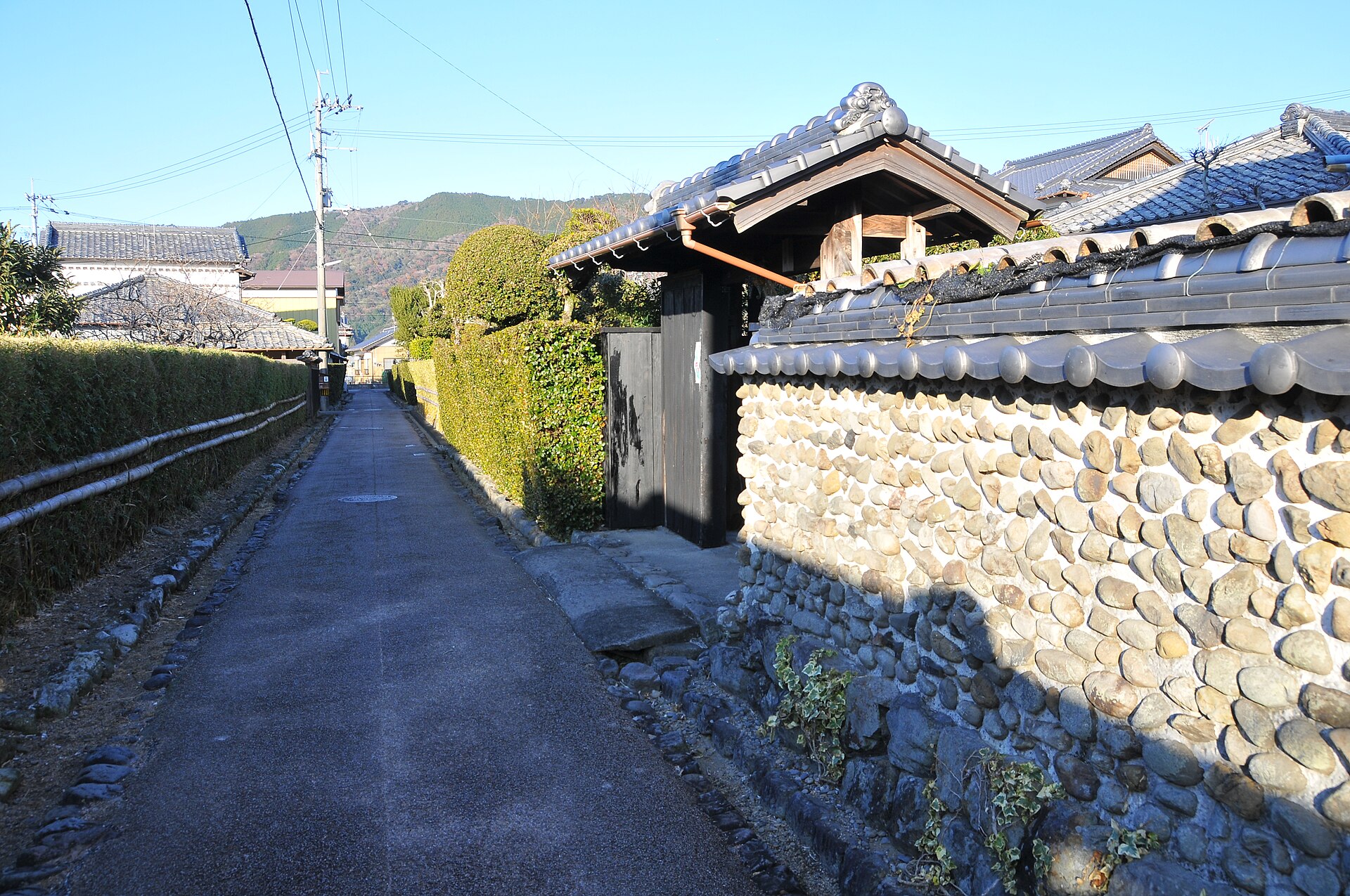
Aki Doi Kachu Samurai District
13.0 km · straight line
 Reggaeman / CC BY-SA 3.0
History · Kochi★★
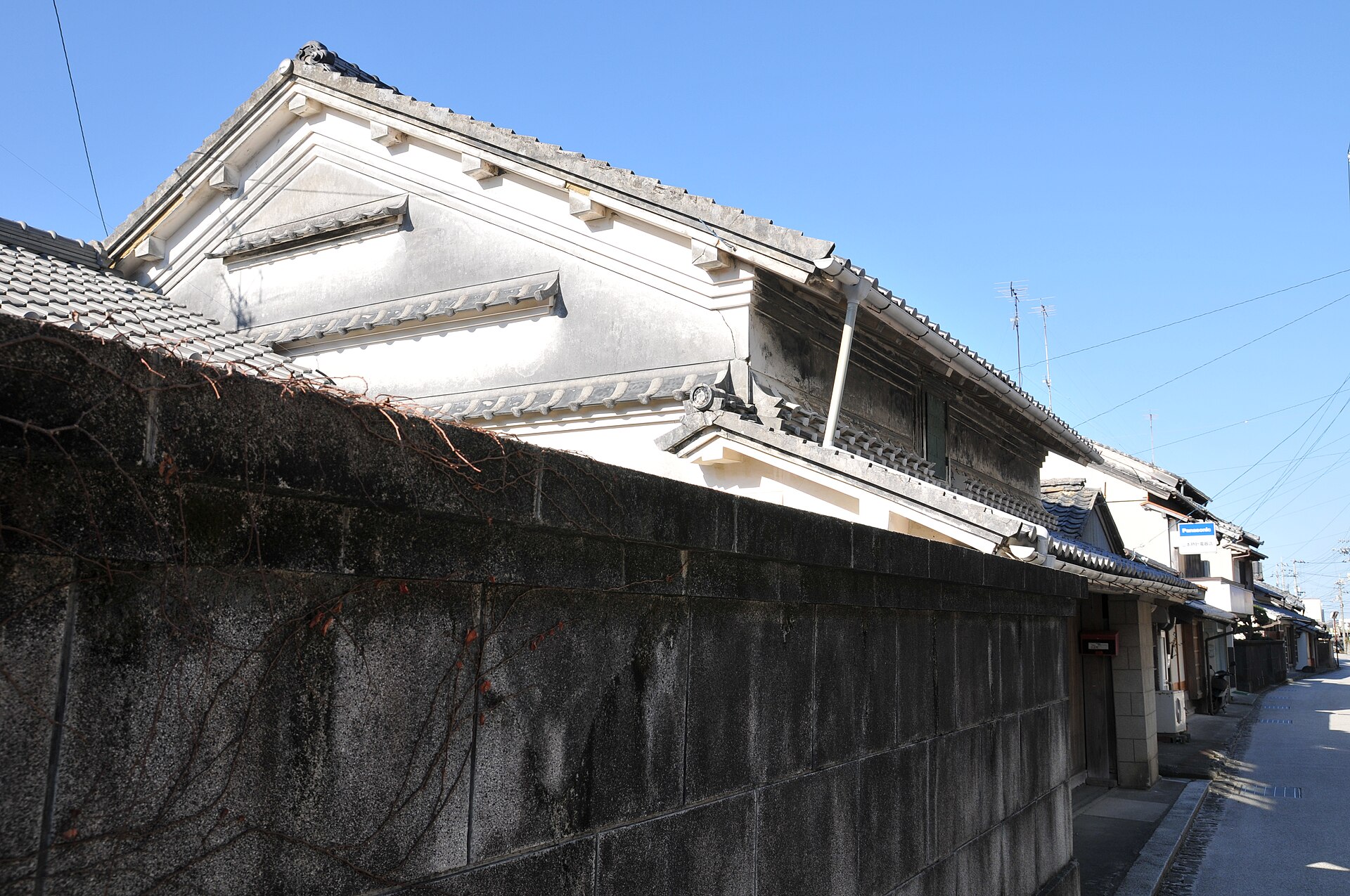
Kiragawa Townscape
24.8 km · straight line
 京浜にけ / CC BY-SA 3.0
Nature · Kochi★★★
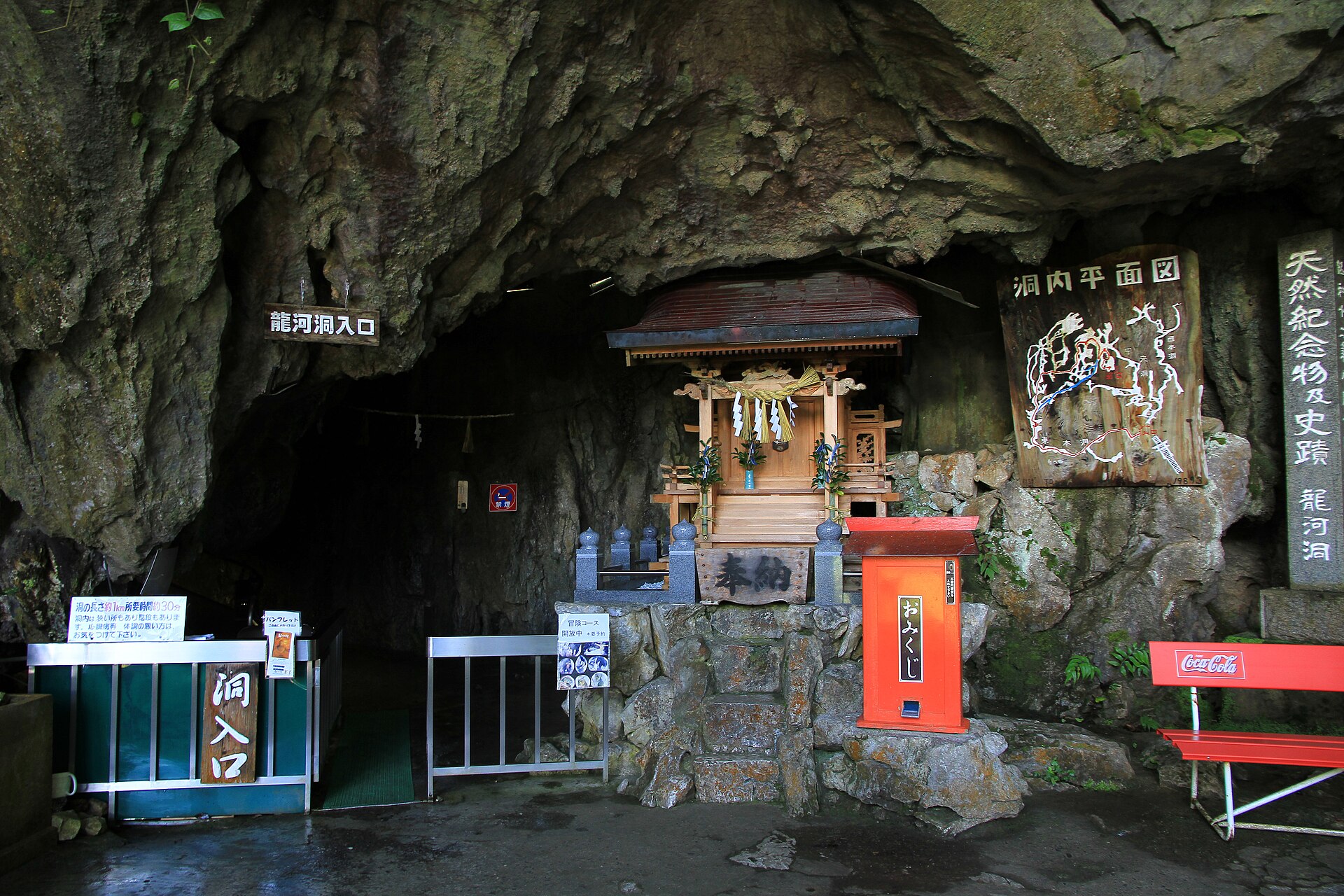
Ryugado Cave
28.6 km · straight line
Distances are straight lines on the map, not travel times.