Southwest Fukui · TakahamaNo.1319★★Open in map →
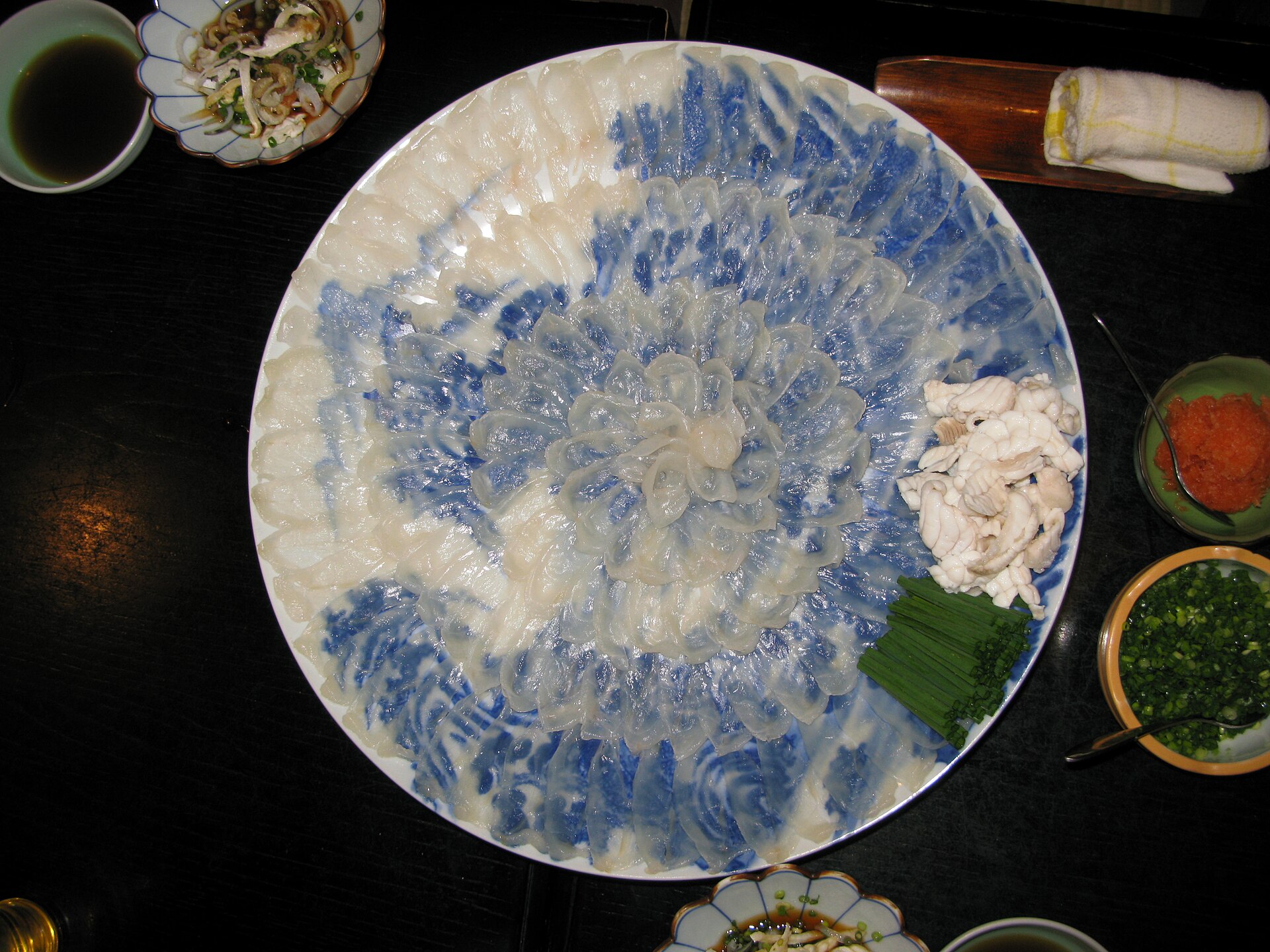
Wakasa Fugu
— Tiger puffer farmed in the sea off Fukui
Tiger puffer raised in sea pens along Fukui's Wakasa Bay coast, described by the prefecture as Japan's northernmost sea farms for the fish. In Takahama, where it began, the town's seafood market complex stands right on the fishing port.
- FromHigashi-Maizuru Station
- ~20 minJR Obama Line, sparse service
- Get off atWakasa-Takahama Station (JR Obama Line)
- On foot
- Wakasa Fugu
The sweet spot
This is a prefectural brand that the coast's inns promote openly, so it is not a secret. The fish is eaten at an inn or a restaurant rather than seen where it is raised. The market complex on Takahama's port is simply the public place to begin, in the town where the trade started.
Where it is
28 more notes in Fukui · open the map →What to look for — in walking order
- UMIKARA marketthe complex's market floor, with tanks of live fish from the port next to local seafood and processed goods
- Umikara Shokudo dining hallthe complex's dining hall, listed by Takahama's tourism association among the places in town that serve fugu
- Takahama fishing portthe working harbour right beside the complex, where the market's fish come in
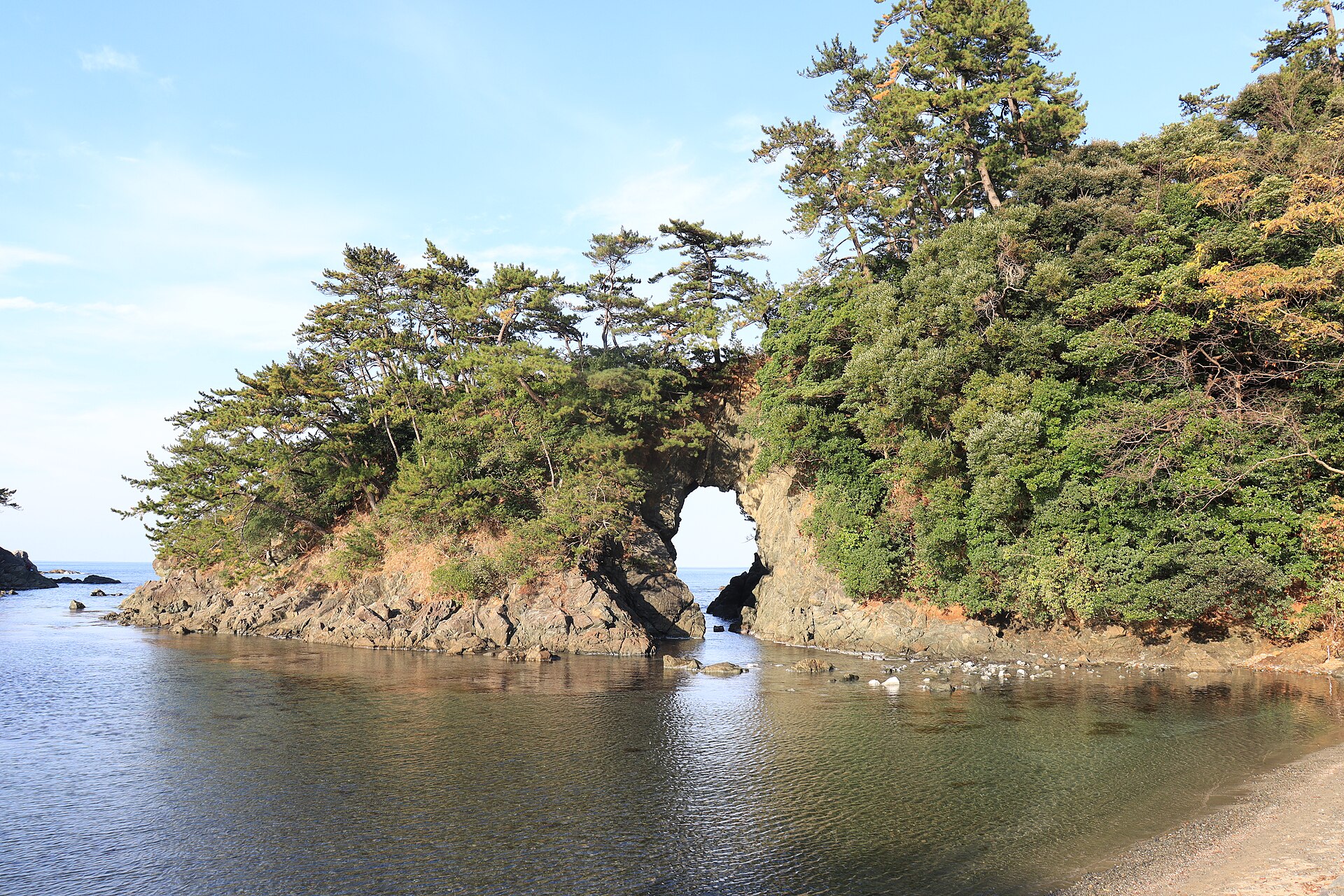
- Shiroyama Park and Meikyodoa park on the site of Takahama Castle, with paths along the shore to a sea-cave arch called Meikyodo
How to actually get there
- Higashi-Maizuru Station → Wakasa-Takahama Station (JR Obama Line, about 20 min).
- Wakasa-Takahama Station → UMIKARA on the fishing port (walk north, about 10 min).
- Look over the live tanks in the market, then eat in the dining hall or pick up local seafood to take home.
- Walk east along the harbour to Shiroyama Park and the Meikyodo sea arch, then return to the station.
- JR Obama Line from Higashi-Maizuru
- Higashi-Maizuru Station →(JR Obama Line, local toward Obama and Tsuruga)→ Wakasa-Takahama Station, about 20 minutes on the timetable checked for this guide. From the station, the market complex is a walk north toward the harbour.
- Return from Wakasa-Takahama Station
- Obama Line trains are infrequent, with gaps of two hours or more in the middle of the day, and the last departures in each direction leave in the evening. Check the timetable at the station when you arrive and plan your meal around the train back.
About the place
Wakasa fugu is tiger puffer raised in net pens in the sea along the Reinan coast of Fukui, from Tsuruga west to Takahama. Fukui describes this as the northernmost place in Japan where the fish is farmed at sea. Both the prefecture and its tourism site point to water that stays colder here than in other farming areas. The pens are offshore, and there is nothing to visit at them. On land, the clearest doorway is Takahama, where the trade began. The town's seafood market complex, UMIKARA, stands on the fishing port, with tanks of live fish, a dining hall and a shop of local seafood. The prefecture also certifies inns that serve the fish as Wakasa fugu inns.
How to enjoy it
Come in the daytime: the dining hall serves mainly at lunch, and you can look over the live tanks before choosing what to eat. Fugu was traditionally a winter trade, but farmed fish lets some kitchens serve it year-round, and for a full fugu dinner it is best to book an inn certified as a Wakasa fugu inn and ask when you reserve. Afterwards, walk east along the harbour to Shiroyama Park and its sea arch.
Background & history
Around 1954, fishermen in Takahama began keeping wild tiger puffer from their set nets inside netted-off areas of the sea. The plan was to buy the fish cheaply in spring and feed them until winter, when prices peaked. That holding trade grew into farming along the Reinan coast. The name Wakasa fugu is said to have first been used by traders at Kuromon Market in Osaka. In 2021 Takahama opened UMIKARA on its fishing port as a base for selling the town's catch.
Before you go
- Cash
- According to JR West, Wakasa-Takahama Station does not take IC cards at the gate, so buy a paper ticket or carry cash for the fare. Prices at the market and in the dining hall are not given here; check on site.
- Good to know
- Takahama's tourism association lists the complex as closed over the New Year period, and the dining hall opens for dinner only on some days. Obama Line services can be suspended in bad weather, so check JR West's service information before you set out.
- Another way
- From Tsuruga, ride the Obama Line west the whole way to Wakasa-Takahama, about an hour and a half on the timetable checked for this guide. Kyoto Kotsu buses also run between Wakasa-Takahama Station and Higashi-Maizuru Station.
- After you get off
- From Wakasa-Takahama Station, walk north toward the harbour, about 10 minutes. UMIKARA stands on the fishing port, and Shiroyama Park is a short walk further east along the shore.
Nearby notes
 ja:User:Nnn / CC BY-SA 3.0
History · Kyoto★
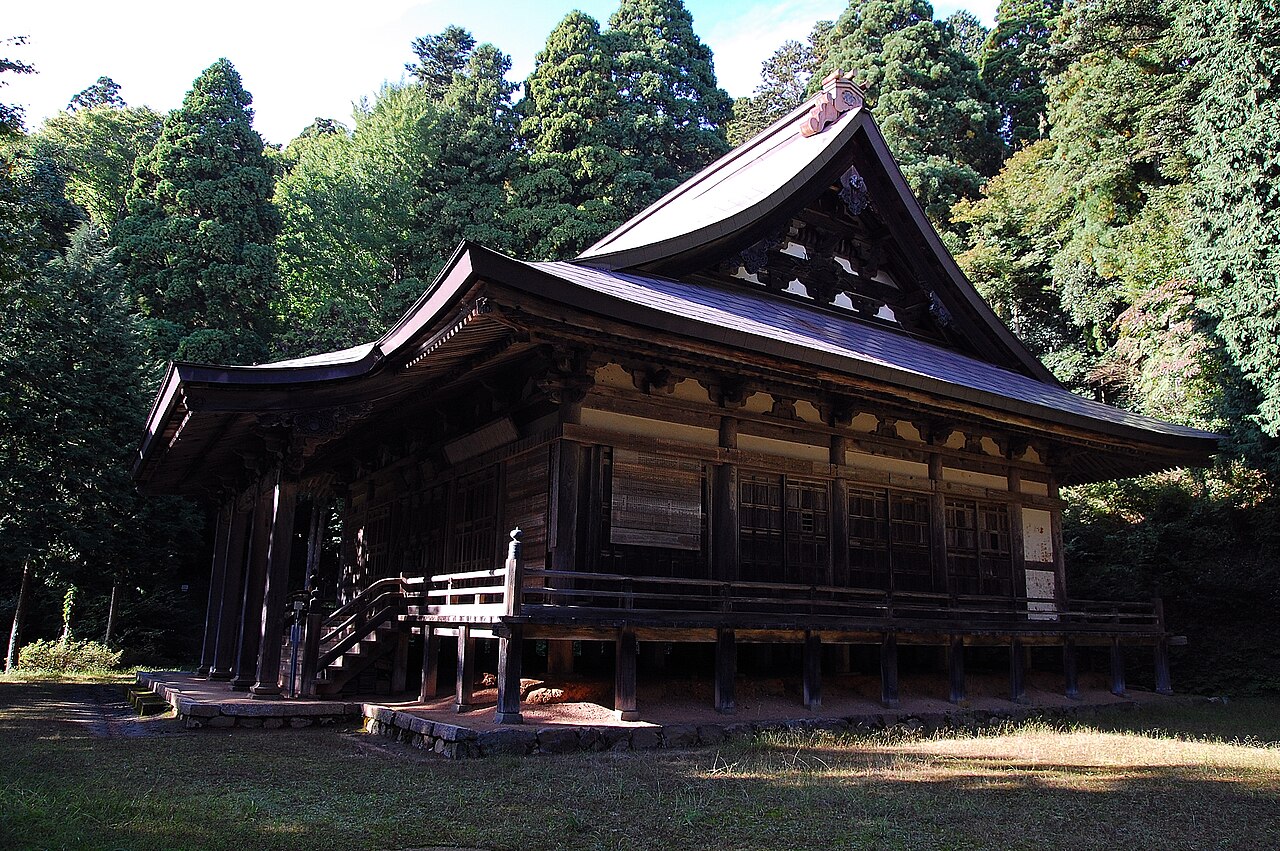
Komyo-ji's Niomon
14.9 km · straight line
 Asturio Cantabrio / CC BY-SA 4.0
History · Fukui★★
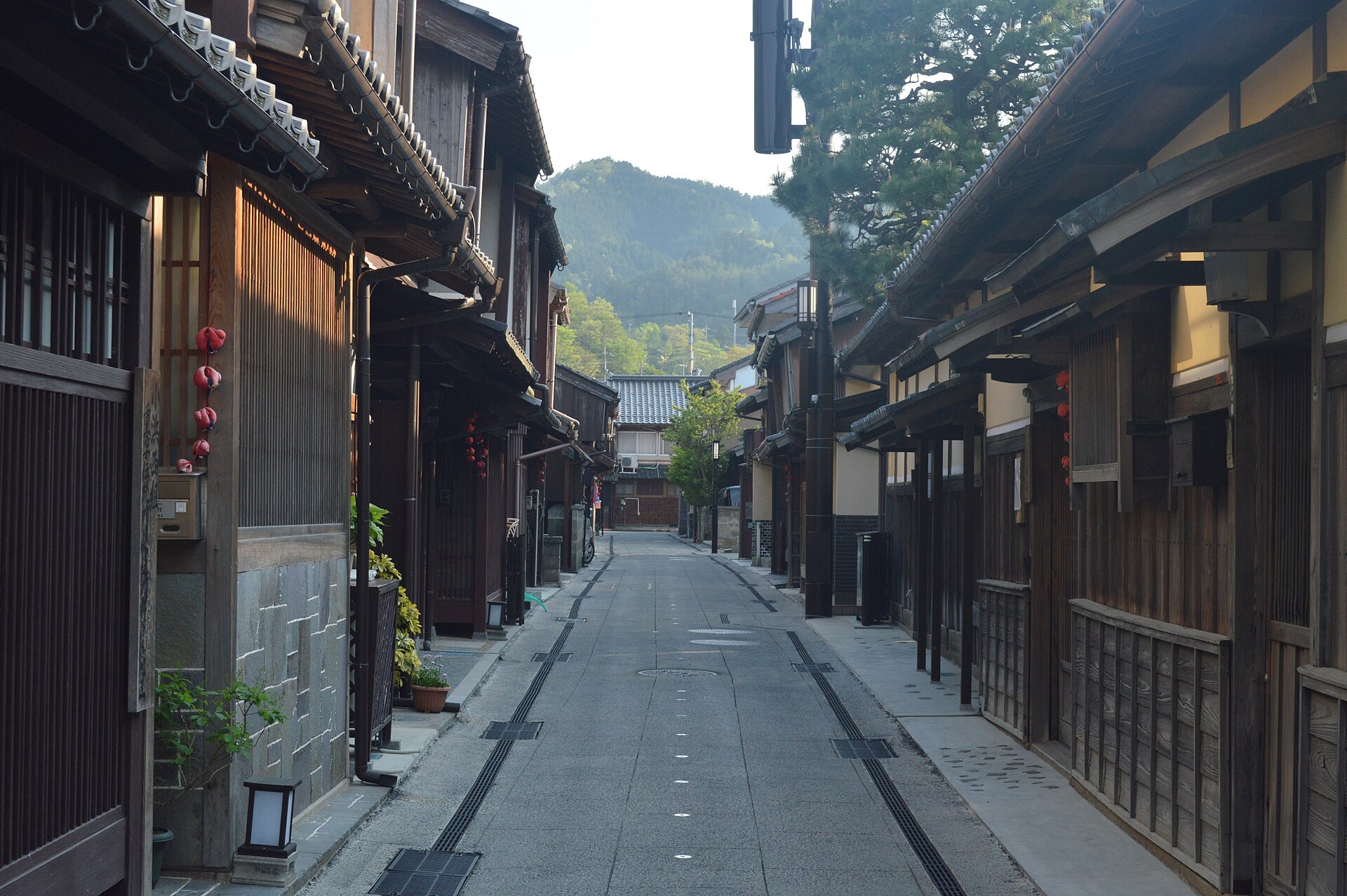
Obama Nishigumi
16.9 km · straight line
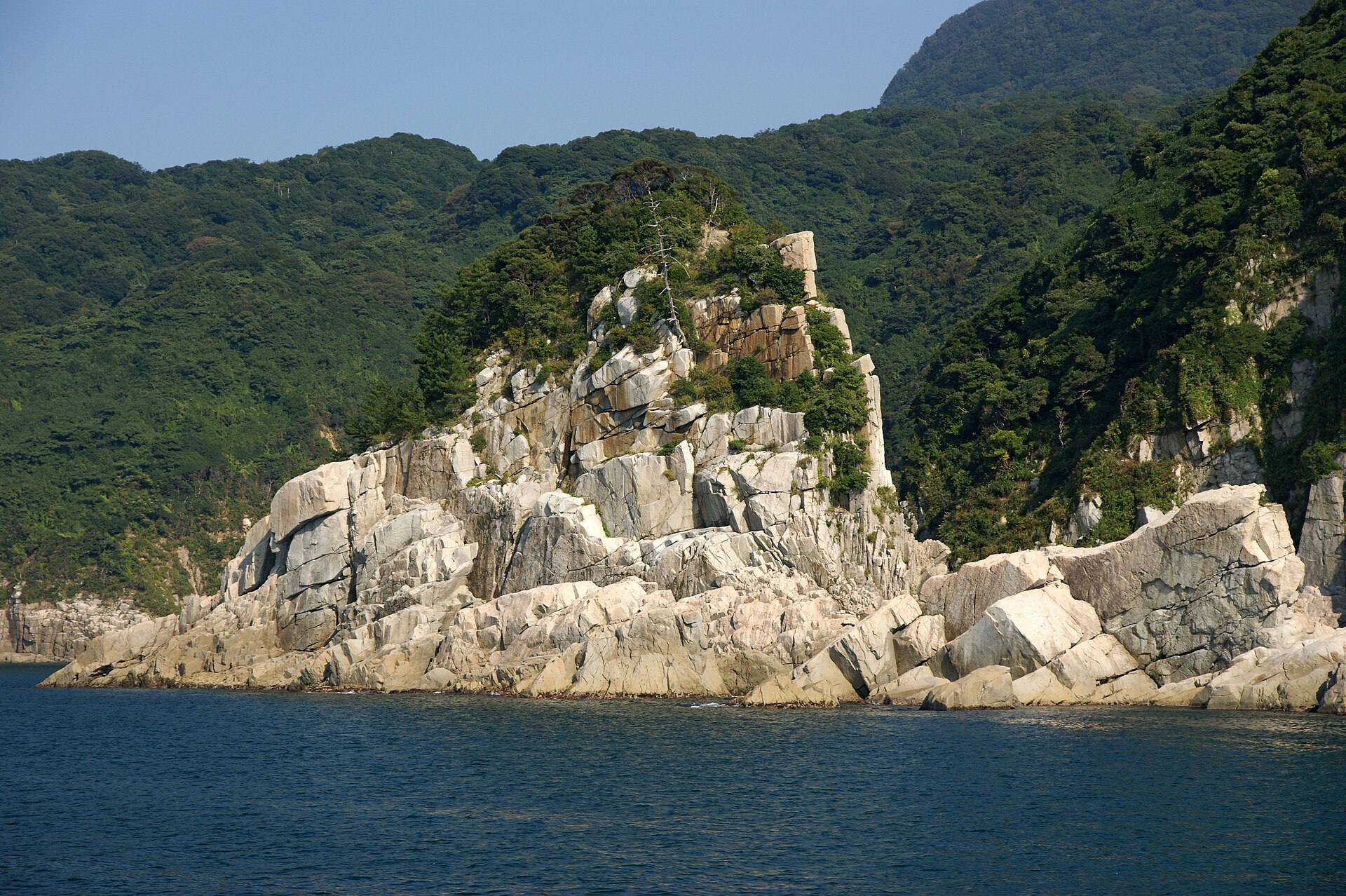 663highland / CC BY 2.5
Nature · Fukui★★
Sotomo
17.1 km · straight line
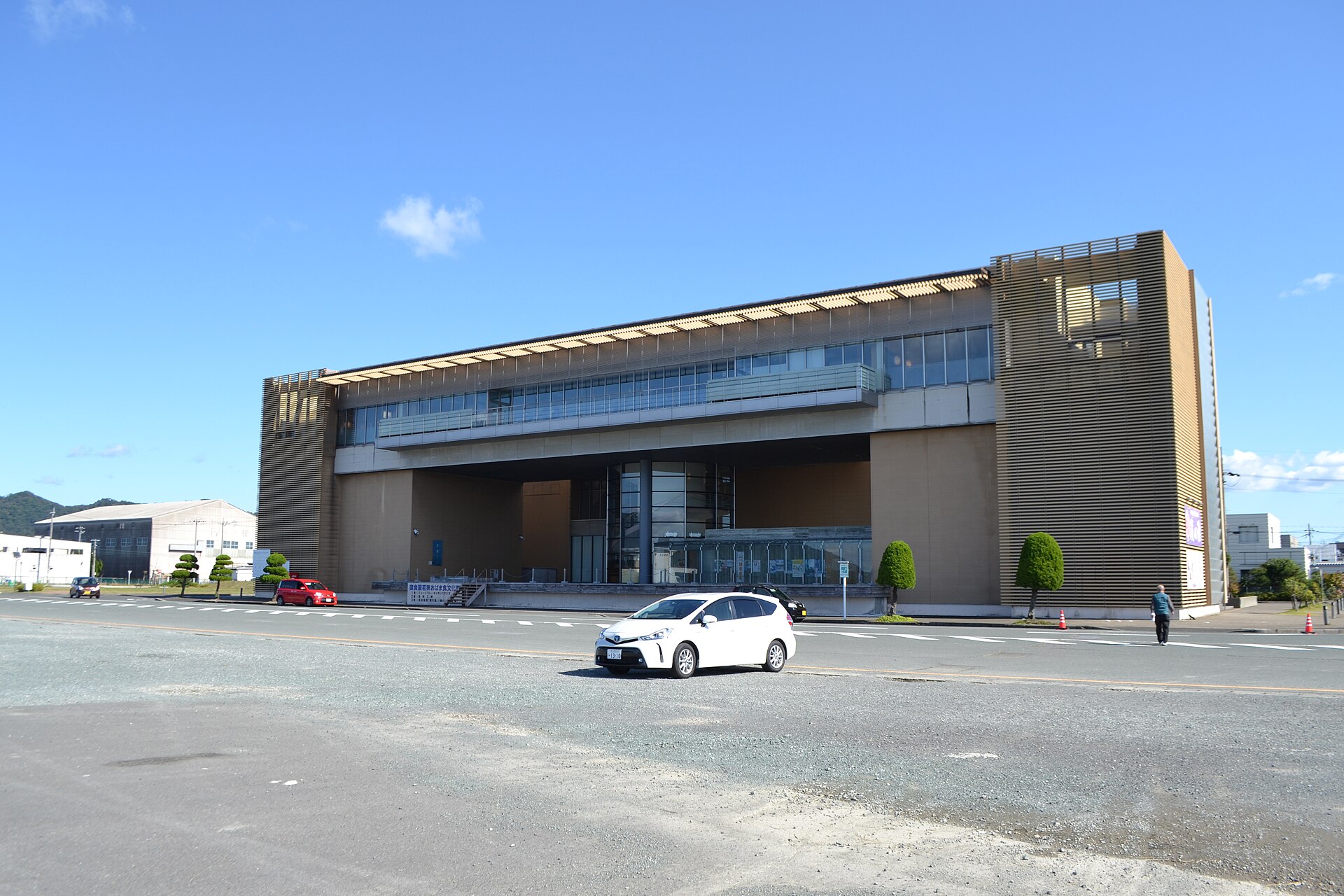 先従隗始 / CC0
Craft · Fukui★★
Wakasa Agate Craft
17.3 km · straight line
Distances are straight lines on the map, not travel times.