East Tottori · WakasaNo.619★Open in map →
Wakasa-juku
— Merchant post-town of white storehouses in the Tottori hills
A merchant post-town at the end of a single-track railway in eastern Tottori. After a fire in the Meiji era the town rebuilt in white-plastered storehouses and roofed sidewalks, and both still run along two parallel streets today.
- FromTottori Station
- Half a dayWakasa Railway local train
- Get off atWakasa Station (Wakasa Railway)
- On foot
- Wakasa-juku
The sweet spot
Wakasa is not undiscovered — the district is nationally designated and the station stands at its edge. It is simply small and sits at the far end of a branch line, so most people here have chosen the place rather than passed through it. The town is walkable end to end in an afternoon, which is part of why it reads as a town rather than an exhibit.
Where it is
10 more notes in Tottori · open the map →What to look for — in walking order
- Wakasa Stationthe branch line's wooden terminus, with a turntable, a water tower and a preserved steam locomotive in the yard
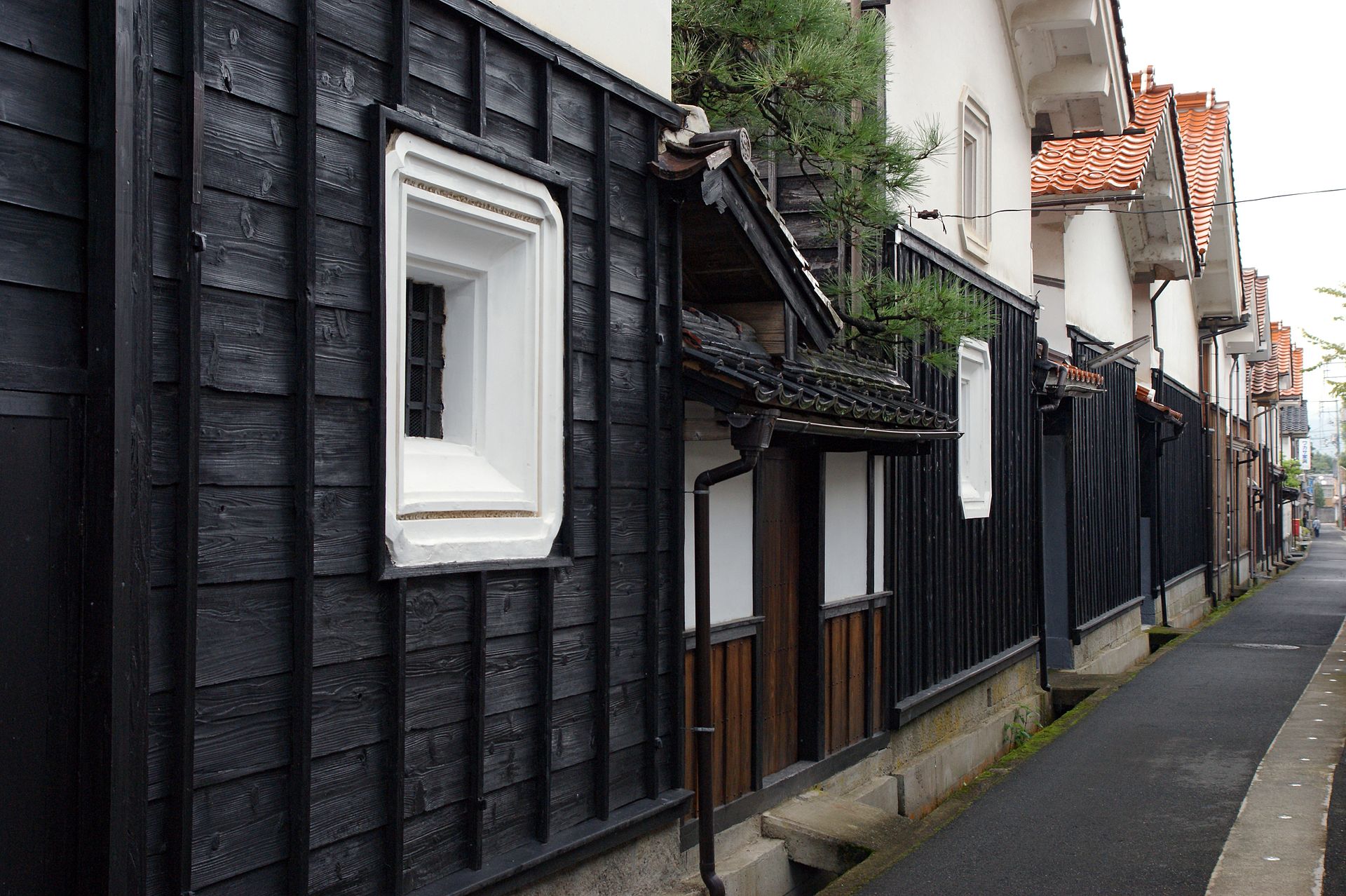
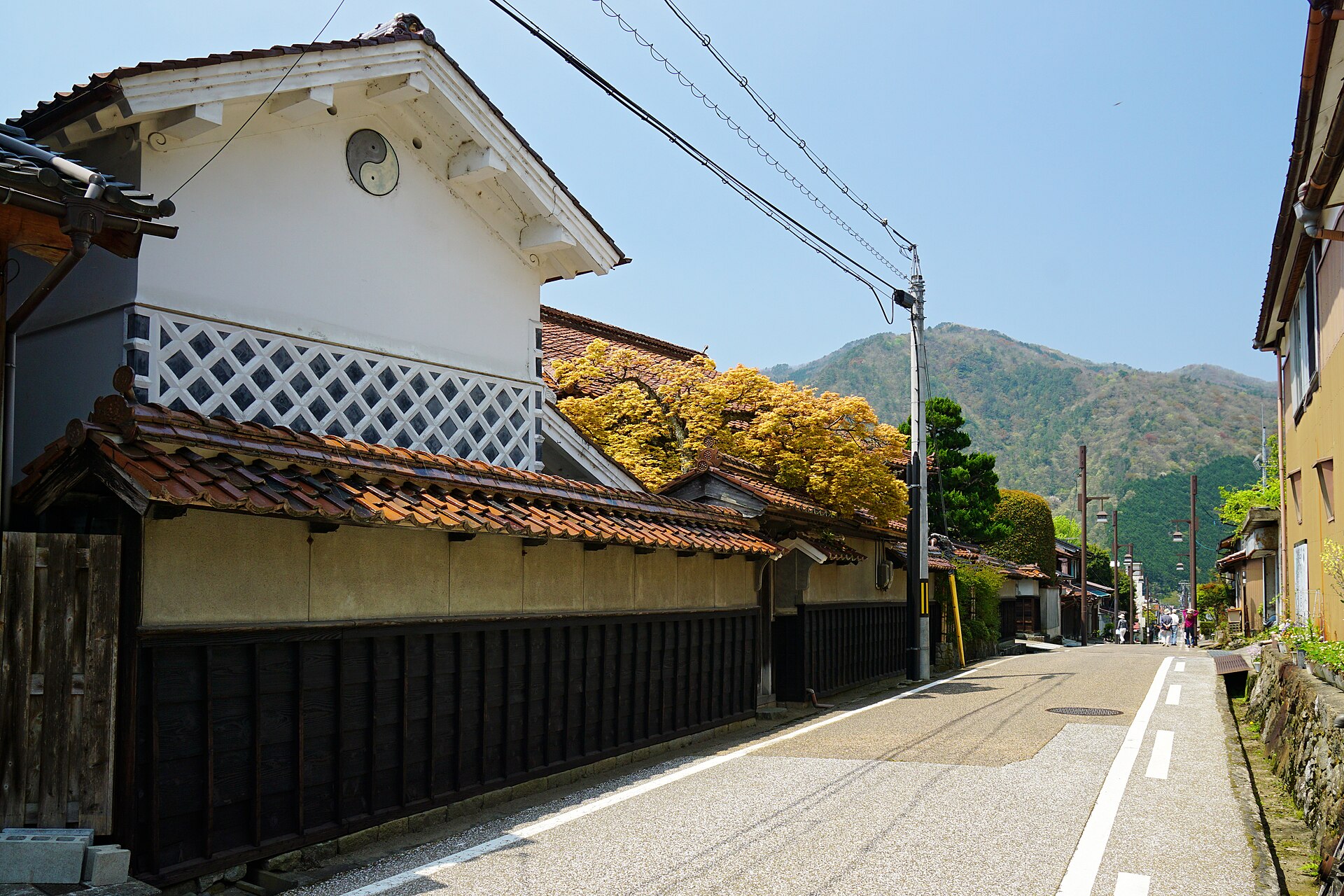
- Kura-dorithe street of white-plastered merchant storehouses put up after the fire, just south of the station
- Tera-dorithe temple street facing them, its halls rebuilt set back from the road as a firebreak
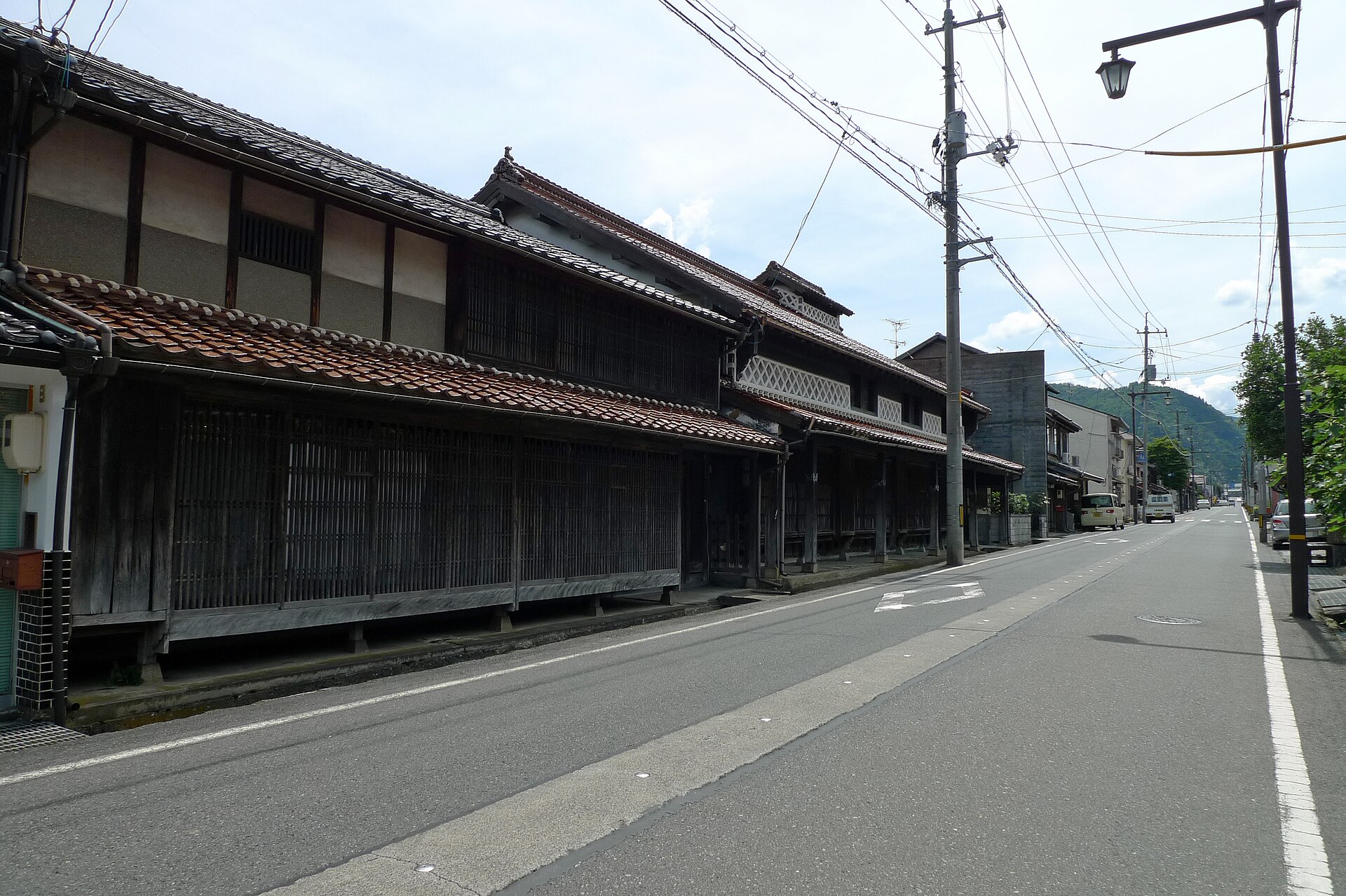
- Kariya-dorithe main street's roofed walkway on posts, once continuous for some 800 metres
How to actually get there
- Tottori Station → Koge Station (JR Inbi Line); some Wakasa Railway trains run through from Tottori without a change.
- Koge Station → Wakasa Station (Wakasa Railway, terminus).
- Wakasa Station → Kura-dori, the storehouse street (walk a few minutes south).
- Follow the roofed walkway of Kariya-dori northwest through the town, then loop back to the station.
- Wakasa Railway from Tottori
- Trains for the branch leave Tottori Station down the JR Inbi Line to Koge, then run on the Wakasa Railway to its terminus. About half the services go through from Tottori without a change; the rest connect at Koge. The branch is single track and departures are spread across the day, so read the timetable before you commit to a slot.
- Return from Wakasa Station
- The same line runs back through Koge to Tottori. Departures are limited rather than frequent, so note the return times posted in the station hall when you arrive and plan the walk around them.
About the place
Wakasa sits in a mountain basin in eastern Tottori, at the terminus of a single-track branch line. It grew first as the castle town below Wakasa Oniga-jo, then as a staging post on the road between Tottori and Himeji, with a pilgrimage route toward Ise branching away from it. A fire in the Meiji era took most of the settlement. What went up afterwards was deliberately hard to burn: a run of plastered storehouses along one street, and along another a continuous roofed walkway carried on posts, with open channels of running water beside it. The preservation district drawn around the two streets covers 9.5 hectares.
How to enjoy it
Start at the station, drop south to the storehouse street first, then come back through the town and follow the roofed walkway northwest; the two streets fill an unhurried afternoon between trains. Departures on the branch are spaced out, so pick your return before you start walking. The channels beside the walkway run all year, and in winter they double as the town's snow drain.
Background & history
The town began below Wakasa Oniga-jo, a mountain fortress whose ruins sit above the valley. In the Meiji era a fire burned through the settlement, and the community answered with rules of its own: dwellings were barred from one street and only earthen-walled storehouses allowed to go up there. The Agency for Cultural Affairs later selected the surviving townscape as an Important Preservation District for Groups of Traditional Buildings in 2021, classifying it as a merchant town — the most recent of the three such districts in Tottori prefecture.
Before you go
- Cash
- The streets themselves are free to walk. The branch is operated by Wakasa Railway rather than JR, so that section is ticketed separately from a JR journey. Carry cash for the fare and for the small shops in town.
- Good to know
- This is snow country: the channels beside the walkway are built to carry meltwater, and winter brings real depth to the valley. The storehouses are private buildings seen from the street, so the walk is an exterior one. Lanterns are set out along the storehouse street around the Obon season.
- Another way
- By car, Wakasa is reached on the road running east from Tottori city up the valley, and there is a town car park beside the station. The historic road the town stands on continues over the mountains into Hyogo, toward Himeji.
- After you get off
- Wakasa Station stands at the edge of the district. Leave the building, turn toward the town, and the storehouse street is a few minutes south; the roofed walkway runs the other way, northwest along the main street.
Nearby notes
 As6022014 / CC BY 3.0
Local life · Tottori★
Itaibara Village
14.7 km · straight line
 663highland / CC BY 2.5
History · Tottori★
Chizu-juku
17.3 km · straight line
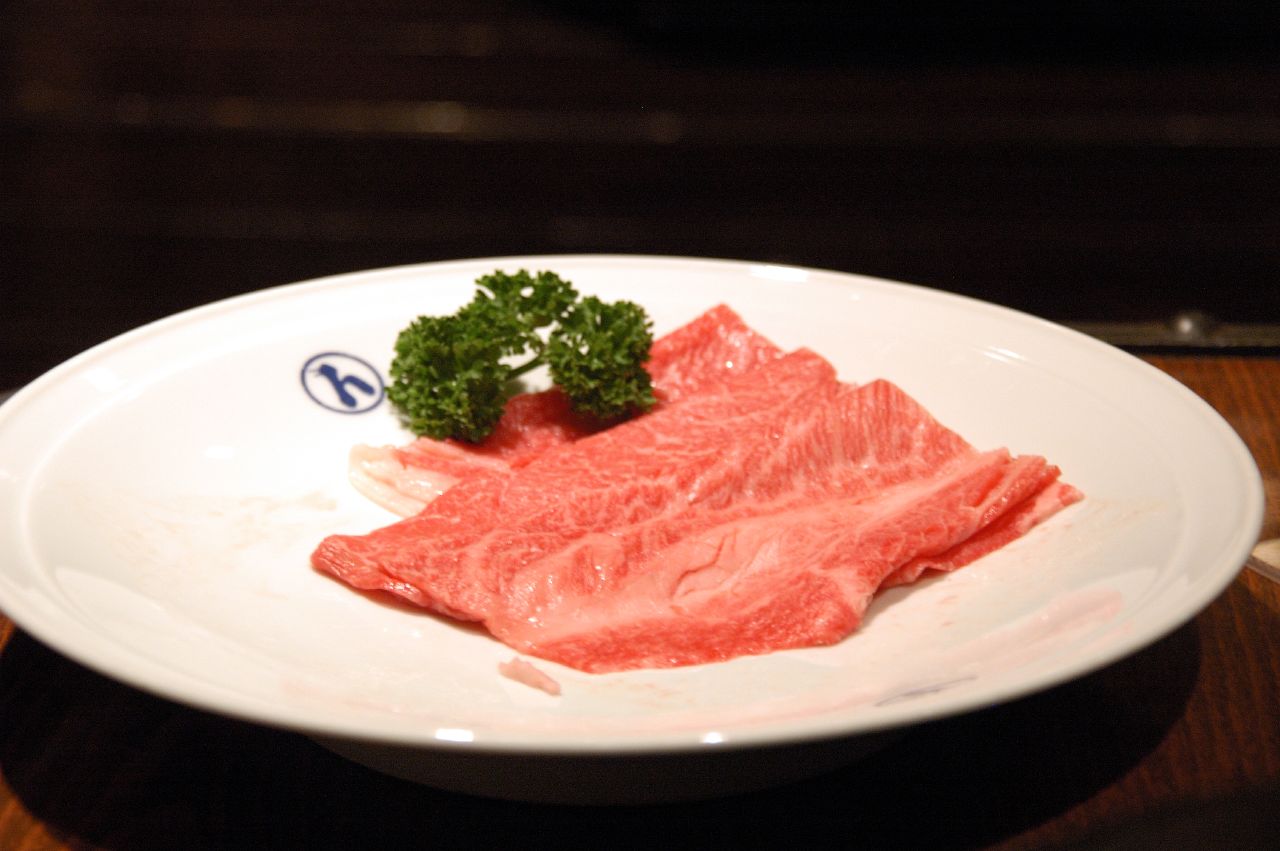 Matsubokkuri / CC BY-SA 2.0
Food · Hyogo★★★
Kobe Beef
20.7 km · straight line
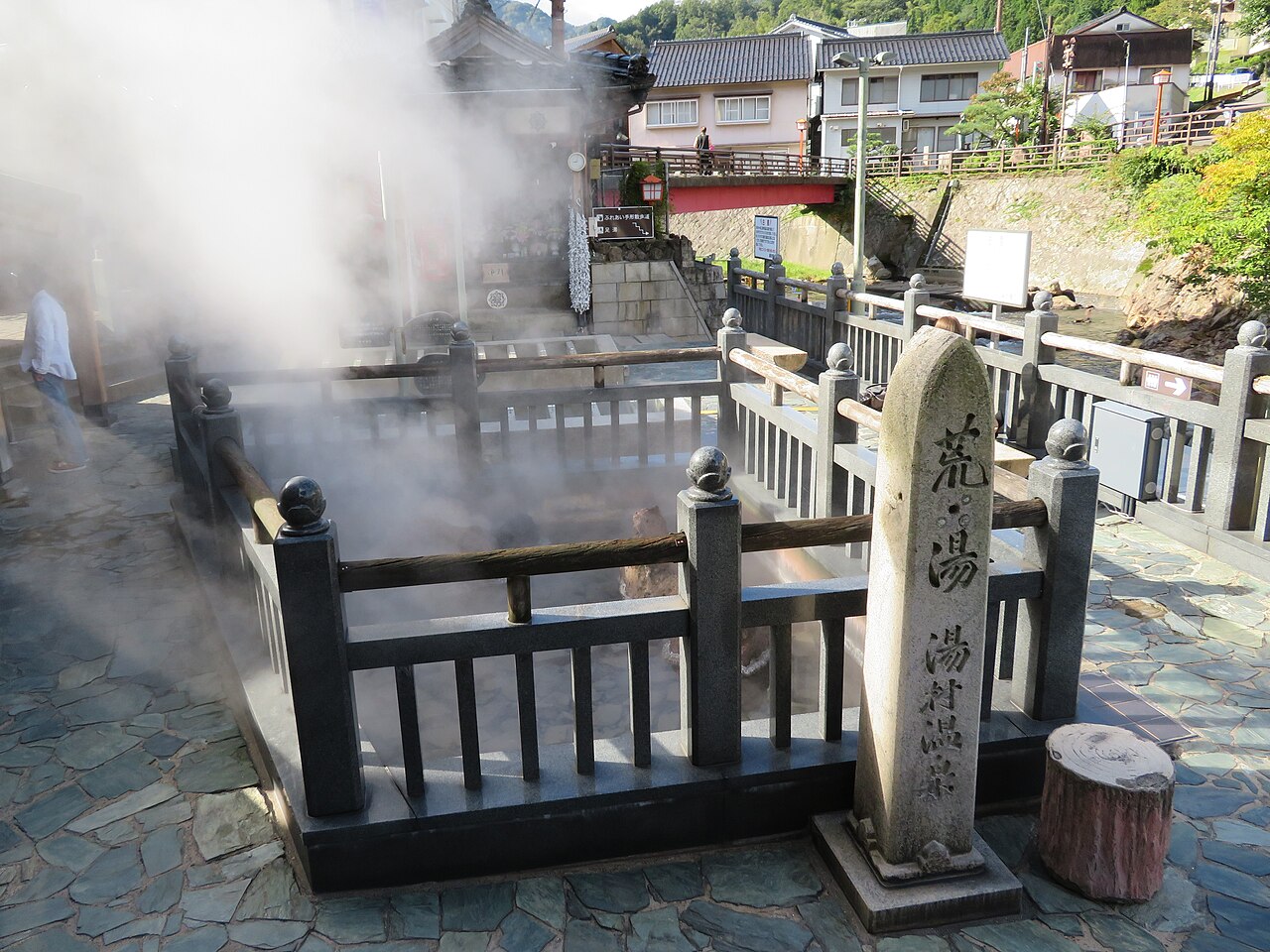 KishujiRapid / CC BY-SA 4.0
Onsen · Hyogo★★
Yumura Onsen
24.9 km · straight line
Distances are straight lines on the map, not travel times.