West Hiroshima · YukiNo.960★★Open in map →
Yuki Onsen
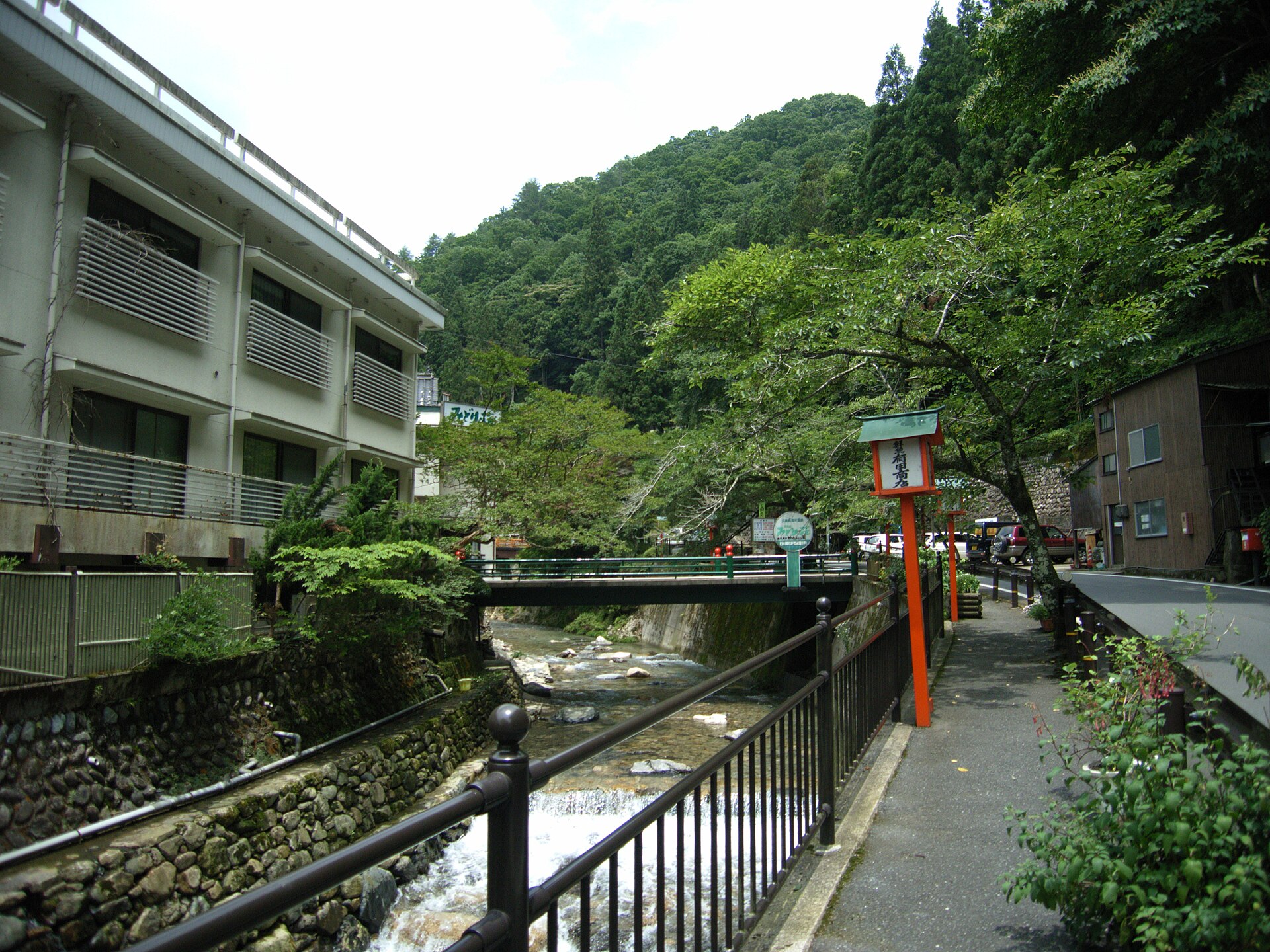
A hot spring in a wooded valley on the western edge of Hiroshima city, set beside the Minochi river. There is no railway here and only a handful of places to stay, and the water is designated a national health-resort spring.
- FromItsukaichi Station
- ~70 minHiroden bus, ~70 min
- Get off atYuki-Lodge-mae (Hiroden Bus, Yuki line)
- From there
- Yuki Onsen
The sweet spot
Yuki is not undiscovered. People in Hiroshima have used it as a retreat for generations, and the city runs the lodge. It stays quiet because there is no station. The valley is reached by a single bus line or by car, the village holds only a handful of places to stay, and most visitors come for a bath and go home the same day.
Where it is
25 more notes in Hiroshima · open the map →What to look for — in walking order
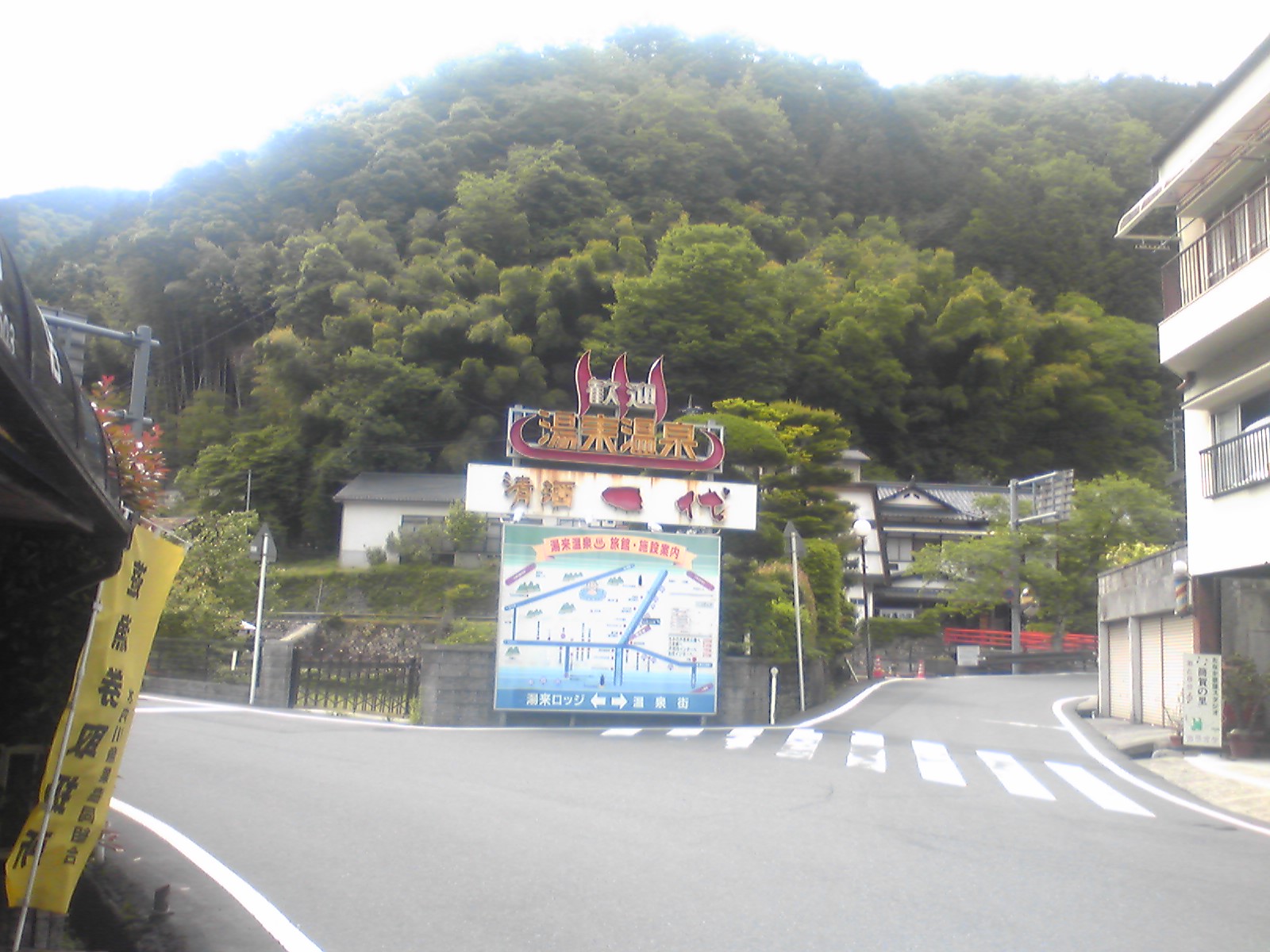
- The entrance to the hot-spring villagethe junction off the valley road, with a painted board mapping the inns and baths
- Yuki Exchange and Activity Centrea visitor desk, a foot bath and a market of local produce, next to the lodge
- Yuki Lodgethe city-run inn, open for day bathing, with an open-air bath facing the river
- The Minochi riverbankthe clear stream the village is built along, known for its ayu sweetfish
How to actually get there
- Hiroshima Station to Itsukaichi Station (JR Sanyo Main Line, a short ride west).
- Itsukaichi Station south exit to Yuki-Lodge-mae (Hiroden bus, Yuki line, about 70 minutes up the valley).
- Read the return timetable at the stop, then walk to the lodge for a day bath.
- With a car, carry on upstream to the Yunoyama spring and its eighteenth-century bathhouse.
- Hiroden bus from Itsukaichi Station
- From the south exit of JR Itsukaichi Station on the Sanyo Main Line, take the Hiroden bus on the Yuki line, bound for Yuki-Lodge-mae. The ride up the valley takes about 70 minutes. Itsukaichi is a short local-train ride west of Hiroshima Station. This bus is the only public way in, so build the day around its timetable rather than the other way round.
- Down the valley on the same line
- The same Hiroden route runs back down to Itsukaichi Station, where JR trains continue to Hiroshima. Read the return timetable at the stop when you arrive rather than assuming a late departure exists. If you miss the last bus, the fallback is a taxi down the whole valley, which is long and costly.
About the place
Yuki Onsen lies in the hills of Saeki ward, at the far western edge of Hiroshima city, along the Minochi river. People in Hiroshima call the area the city's oku-zashiki, the inner parlour, the quiet room at the back of the house. The water is an alkaline, weakly radioactive simple spring, so it feels soft on the skin and carries none of the sulphur smell that marks the better-known springs of western Japan. The village is a bend of road above the river with a municipal lodge, a visitor centre and the baths. Upstream in the same valley sits a second spring, Yunoyama, and the two are treated as one hot-spring district.
How to enjoy it
Day bathing at the lodge makes the valley a half-day trip out of the city, so check the return departure when you arrive rather than when you leave. With a car, carry on upstream to Yunoyama, where a pounding waterfall bath drops spring water at around 23.5°C and the way to use it is to alternate with the warm indoor tub until the cold stops registering. The old domain bathhouse stands a short walk from the modern one, and reading the inscriptions left on its walls takes longer than the bath.
Background & history
The origin story is the one told across Japan: a white heron seen bathing a wound in the stream, and villagers following it to the source. Firmer ground begins in 1750, when the Hiroshima domain built a shrine and a bathhouse at Yunoyama upstream on the orders of the lord Asano Yoshinaga; after he had bathed there, the domain opened it to ordinary people. That bathhouse survives, its walls covered in the handwriting of past bathers, and was designated an Important Tangible Folk Cultural Property in 1974. Yuki itself was named a National Health Resort hot spring in 1955.
Before you go
- Cash
- The lodge and the bathhouse upstream are both run by the city and charge a fee for day bathing, posted at the desk. The amounts are not listed consistently online, so ask on arrival rather than planning around a figure you found elsewhere. Carry cash: this is a small valley and the number of places that take cards is limited.
- Good to know
- Facilities here have closed at short notice for equipment failure before, and the number of places to stay in the village is small, so confirm what is open before you commit to the trip. The bus is the only public way in and out, which makes a closure discovered on arrival hard to work around.
- Another way
- By car, the valley is reached from the Sanyo Expressway at Itsukaichi IC or from the Chugoku Expressway at Togouchi IC. A car also opens up the upper valley, where the Yunoyama spring, its Edo-period bathhouse and the waterfalls on the side streams are spread out and not linked by any bus.
- After you get off
- The bus ends at Yuki-Lodge-mae, which is the village itself: the lodge and the activity centre stand within sight of the stop. The entrance junction with its painted map board is a couple of minutes back along the road, and the riverbank runs below both.
Nearby notes
 Nobuyuki Kondo / CC BY 2.0
Nature · Hiroshima★★★
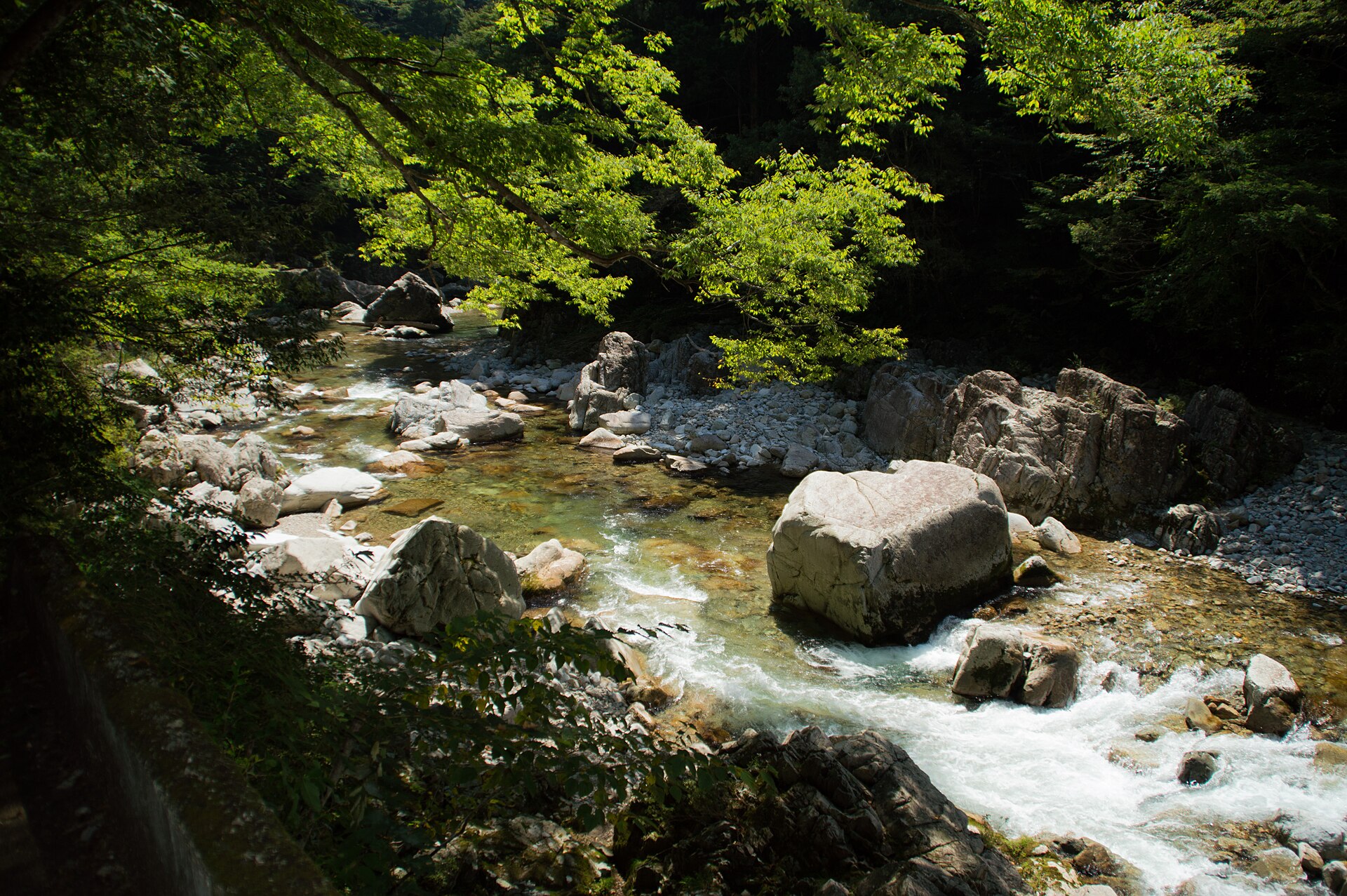
Sandankyo Gorge
14.3 km · straight line
 Ocdp / CC0
Food · Hiroshima★★★
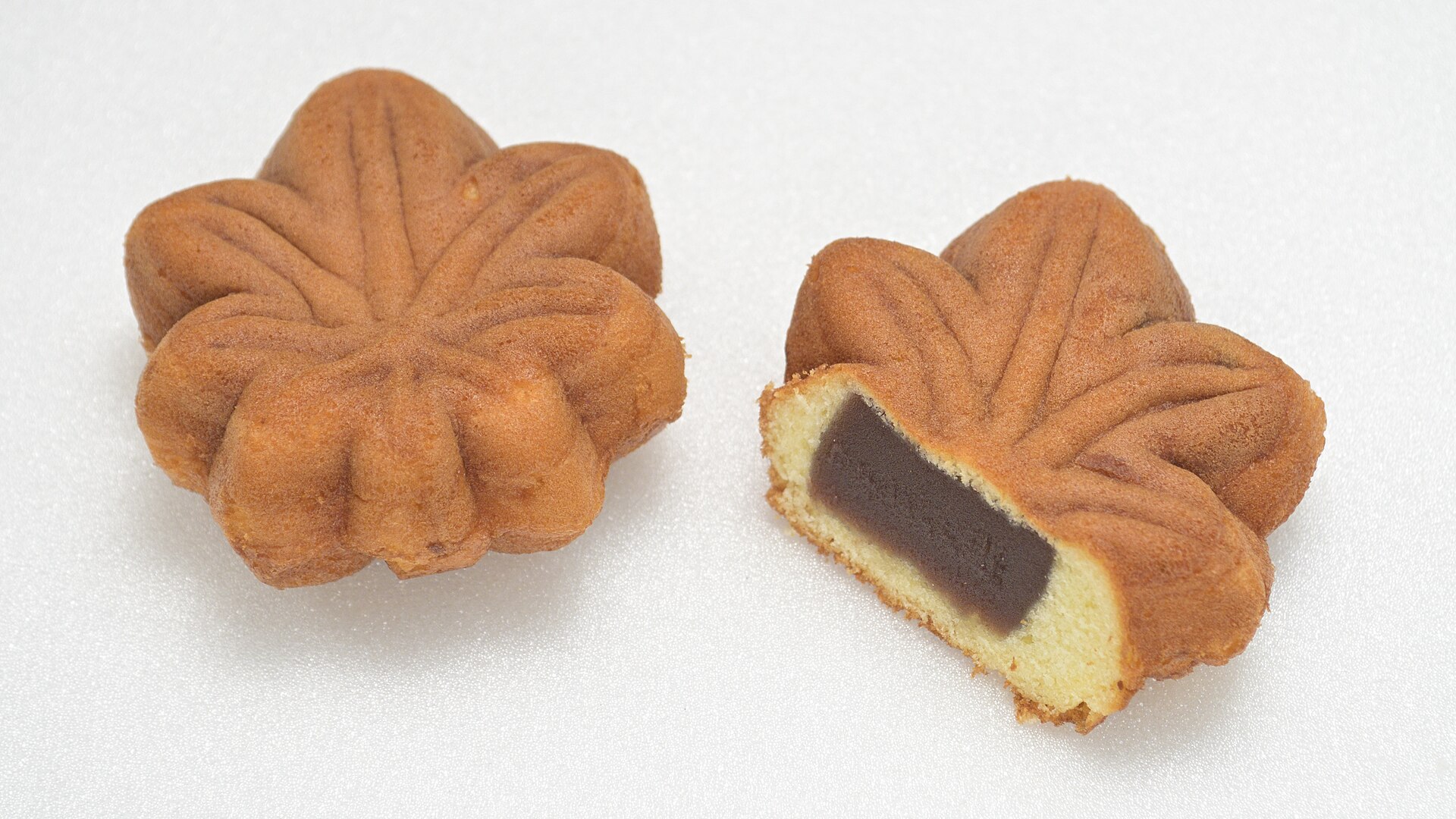
Momiji Manju
19.0 km · straight line
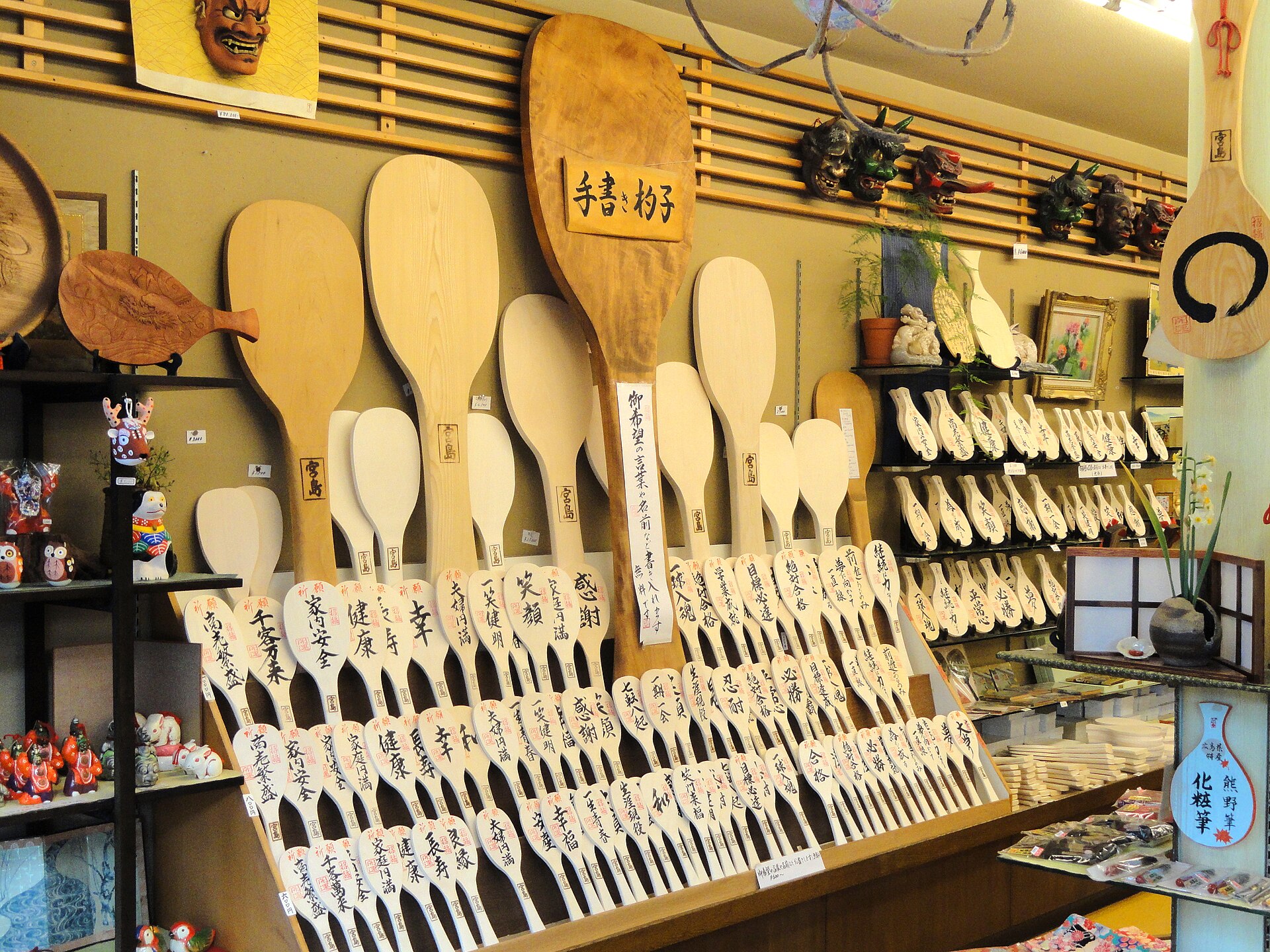 Daderot / CC0
Craft · Hiroshima★★
Miyajima Woodcraft
20.5 km · straight line
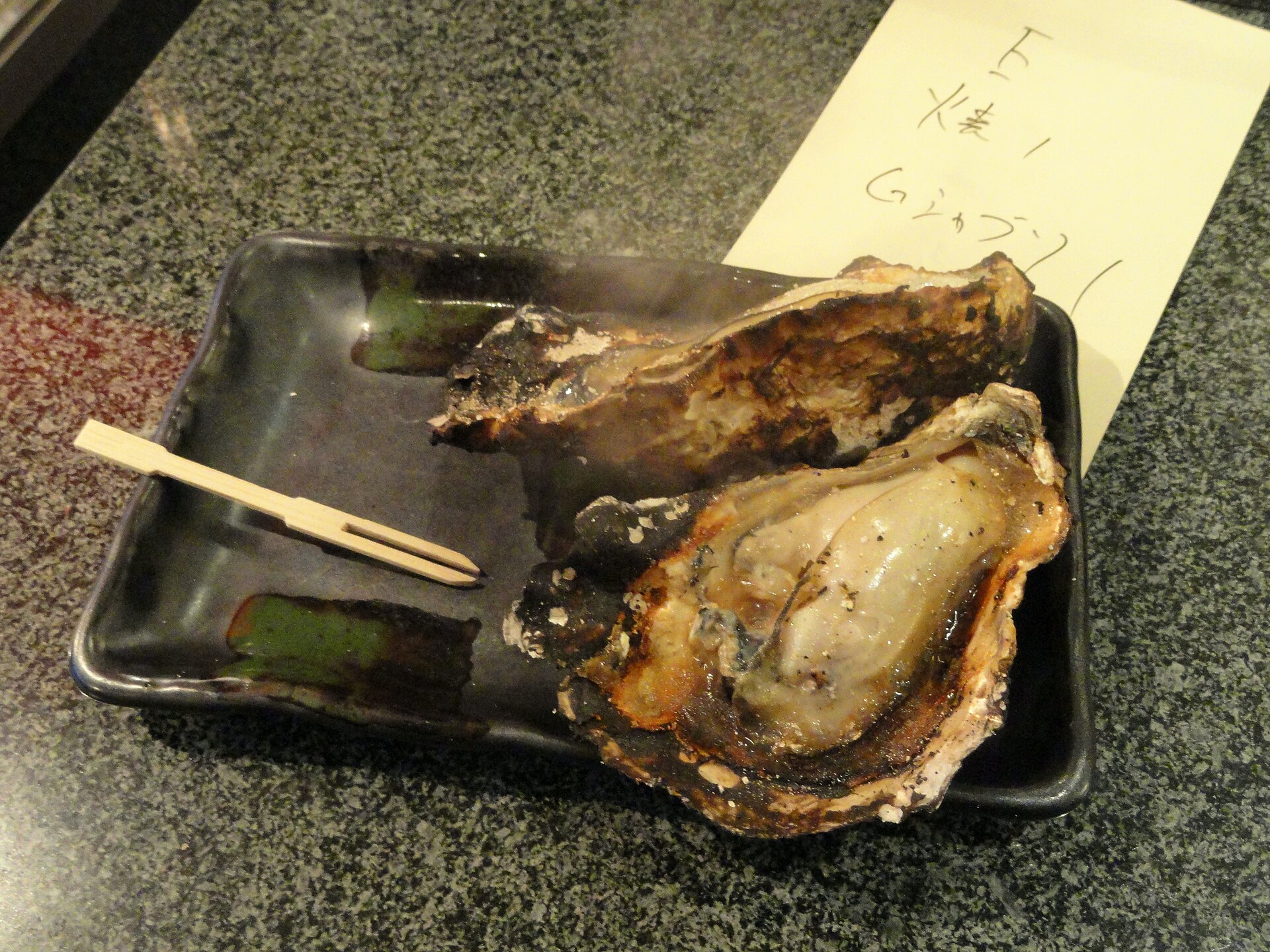 Daderot / Public domain
Food · Hiroshima★★★
Hiroshima Oysters
20.8 km · straight line
Distances are straight lines on the map, not travel times.