Column September 18, 2026
The World's Largest Tomb Was Built by People Who Never Saw It
In a quiet suburb of Sakai, just south of Osaka, sits the largest tomb on earth. It is 486 metres long, wrapped in three moats, and covers more ground than any other tomb in the world — the pyramids of Egypt included.
Stand in front of it, though, and all you see is a long wall of trees across still water. The famous keyhole outline — the one in every photograph — exists only from the sky. From human height, the shape never resolves. Walk the entire 2.8-kilometre circuit around the outer moat and it stays a forest for the full hour.
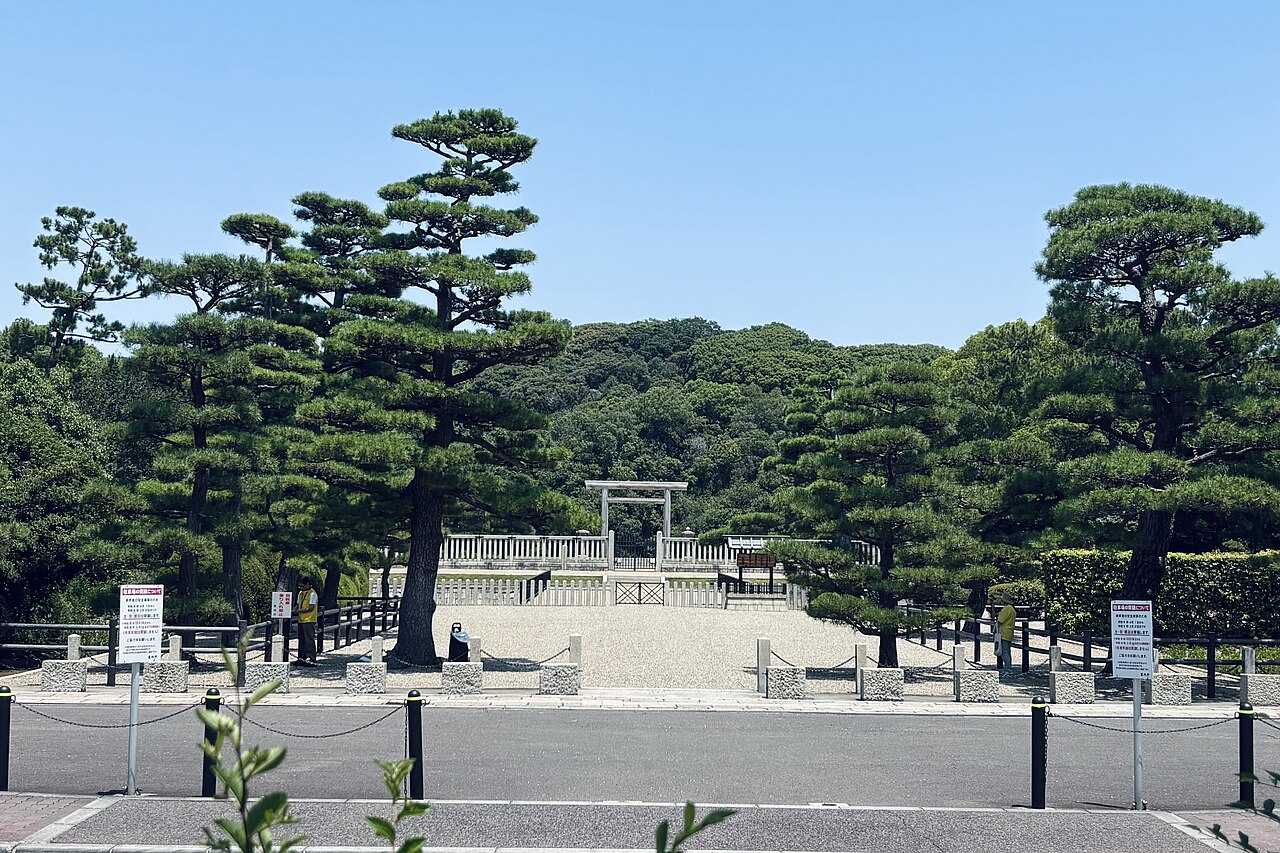
So how was it built?
It is the fifth century. No machines, no surveying instruments, no way to leave the ground. In 1985, the construction company Obayashi ran the numbers seriously: built with ancient methods, the project would take 15 years and 8 months and roughly 6.8 million worker-days, with 2,000 people hauling earth at the peak. One basket at a time.
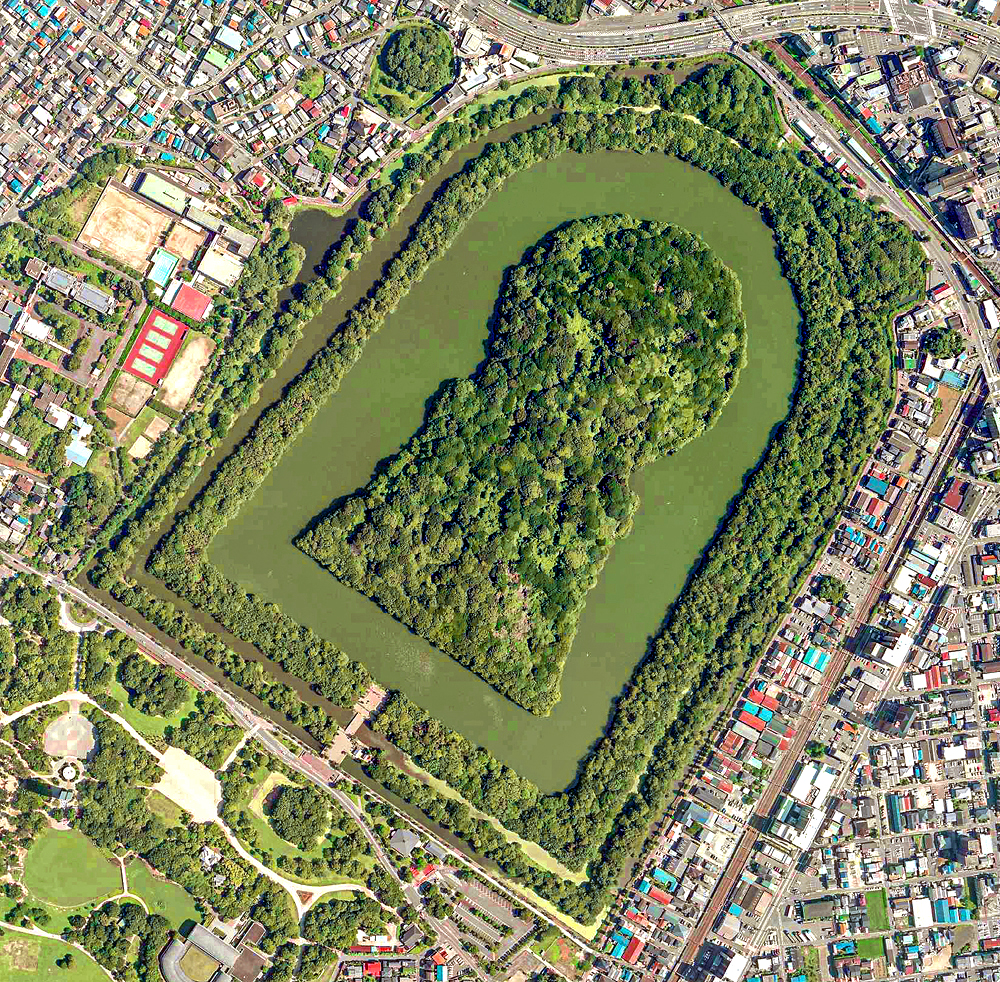
And here is the strange part. The keyhole is precisely, symmetrically designed — a shape that can only be confirmed from the air, built over fifteen years by people who could never once look down at it. The designers never saw the finished form. Neither did anyone who carried the soil.
One more thing: nobody is certain who lies inside. The Imperial Household Agency manages it as the mausoleum of Emperor Nintoku, so it cannot be excavated — and researchers keep noting that the dates do not quite match the records. The name you learned is, strictly speaking, the name it has been given.
If you go, order matters. First, get the plan into your head — the free observation lobby on the 21st floor of Sakai City Hall, or the museum. Then walk from Mozu Station and stand at the worship platform. The wall of trees suddenly becomes readable. You will never see the shape. That is the entire experience: standing before something built for a viewpoint no one on the ground would ever have.