Osaka · SakaiNo.325★★★Open in map →
Nintoku Mausoleum
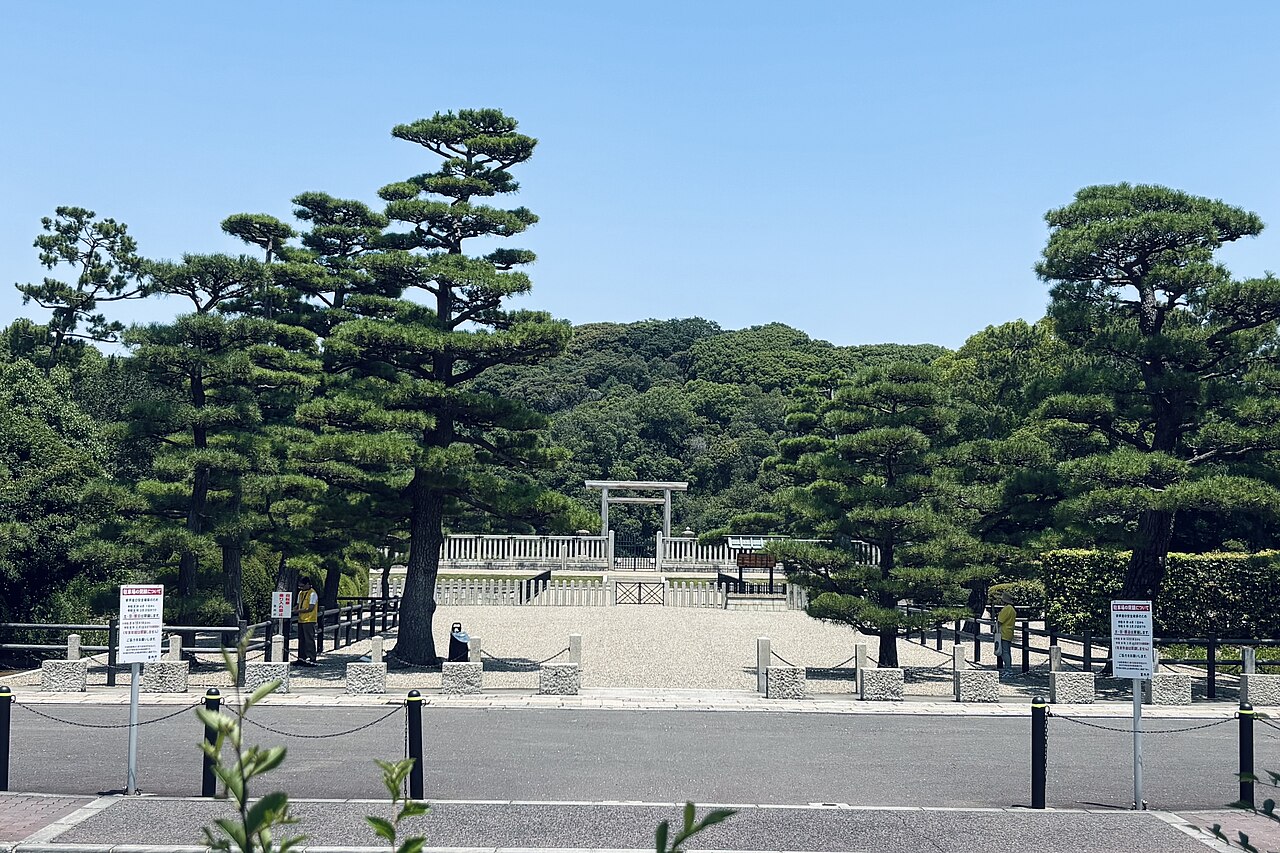
The largest tomb in Japan, at the centre of the Mozu-Furuichi Kofun Group inscribed by UNESCO in 2019. A keyhole-shaped burial mound 486 metres long inside three moats, closed to entry and visible from the ground only as a wooded embankment.
- FromTennoji Stn
- ~20 minJR Hanwa Line
- Get off atMozu Station (JR Hanwa Line)
- On foot
- Nintoku Mausoleum
Where it is
40 more notes in Osaka · open the map →What to look for — in walking order
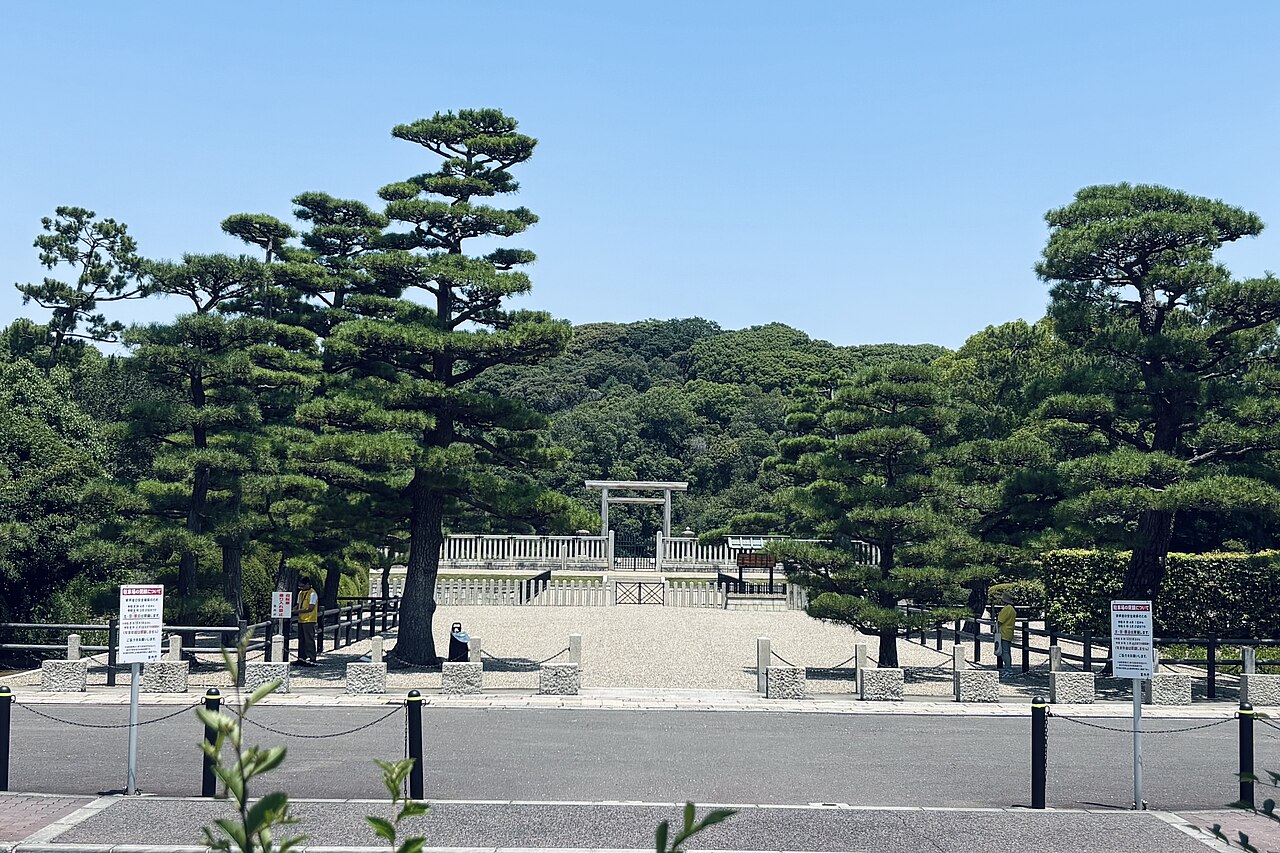
- The worship platform on the south frontthe only approved viewpoint at ground level: a small formal space facing the mound across the outer moat, with the tree wall filling the horizon
- The outer-moat perimeter circuitroughly 2.8 km, about an hour on foot, along which the tomb changes texture but never resolves into a recognisable shape
- Sakai City Hall, 21st-floor observation lobbyfree, open into the evening, and the highest public vantage point over the tomb — an honest lesson in just how large 486 metres is
- Sakai City Museum, Daisen Parkscale models, excavated haniwa figures and reconstructions that supply the aerial shape the site itself withholds
How to actually get there
- Tennoji Station → Mozu Station (JR Hanwa Line local, ~15–20 min).
- Mozu Station → worship platform on the south front (walk ~8 min).
- Worship platform → outer-moat perimeter circuit (~2.8 km, ~1 hr) → Sakai City Museum in Daisen Park, or Sakai City Hall 21st-floor lobby for the overview.
- Tennoji Stn →(JR Hanwa Line)→ Mozu Stn →(walk)→ the worship platform
- Tennoji Station (central Osaka) →(JR Hanwa Line local toward Wakayama/Hineno, ~15–20 min)→ Mozu Station. Then walk about 8 minutes northwest to the worship platform on the south front of the tomb. Trains run several times an hour through the day, so no timetable check is needed. From Osaka Station, take the Osaka Loop Line to Tennoji first (~20 min).
- Return from Mozu Station, or continue from Mikunigaoka
- Take the JR Hanwa Line back to Tennoji from Mozu Station. Alternatively, walk about 15 minutes to Mikunigaoka Station on the Nankai Koya Line, which runs to Namba in central Osaka — useful if you are heading to the Minami district rather than back to Tennoji.
About the place
Come out of Mozu Station and walk a few minutes and the ground simply stops being a suburb. Across a wide sheet of still water there is a wall of trees, running left and right further than you can see the ends of it. That is the mound of the Nintoku Mausoleum — 486 metres long, about 35 metres high, ringed by three moats, and covering more ground than any other tomb on earth. From where you stand, at the worship platform on the south front, it reads as an embankment and nothing more. The keyhole shape that appears in every photograph of it is an aerial view; from human height it is structurally invisible, and that gap between what you know and what you can see is the actual experience of the place. You cannot go in. The Imperial Household Agency administers it as an active imperial mausoleum, so the mound, the moats and the islands between them are closed, permanently. What there is instead is the outside: a walking circuit of roughly 2.8 kilometres around the outer moat, about an hour, on which the tomb never once resolves into a shape. Sakai City Hall keeps a free observation lobby on its 21st floor a short ride away, and even from there — and this is the honest part — it still looks like a forest.
How to enjoy it
Do the museum or the city hall lobby before the walk, not after — the tomb only makes sense once you have seen its plan, and then the wall of trees becomes readable. Allow about two hours in total: an hour for the perimeter circuit and an hour for the museum. Shade is limited on the moat path, so avoid the middle of a summer day. Itasuke Kofun and the Richu Mausoleum, the third-largest tomb in Japan, are both within walking distance if you want to see a keyhole mound from a lower angle where the shape is easier to read.
Background & history
The Mozu-Furuichi Kofun Group was inscribed on the UNESCO World Heritage List in 2019 and comprises 49 tombs across two clusters — Mozu in Sakai and Furuichi in Habikino and Fujiidera — built between the late fourth and the late fifth century, when this coastal plain was the seat of political power in the Japanese archipelago. The largest of them, attributed to Emperor Nintoku, has a mound 486 metres long and roughly 35 metres high, enclosed by three concentric moats; measured by the ground it covers, it is commonly listed alongside the Great Pyramid of Khufu and the mausoleum of the first Qin emperor as one of the world's three great tombs. The site is administered by the Imperial Household Agency as an imperial mausoleum, which is why its interior has never been opened to general archaeological excavation or to visitors.
Before you go
- Cash
- There is no admission and no ticket: the worship platform and the perimeter path are open public ground. Sakai City Hall's 21st-floor observation lobby is also free. The Sakai City Museum in Daisen Park charges a modest entry fee, payable in cash or by card.
- Good to know
- The worship platform and the perimeter path have no gate and no closing time, but the path is unlit in places and best walked in daylight. Sakai City Hall's observation lobby stays open into the evening and gives a night view over the city; the Sakai City Museum closes on Mondays.
- Another way
- Nankai Koya Line to Mikunigaoka Station from Namba takes about 15 minutes and puts you about a 15-minute walk from the tomb — the better route if you are starting from the Namba/Shinsaibashi area.
- After you get off
- From Mozu Station, walk northwest for about 8 minutes; the outer moat appears first, and the worship platform is signposted on the south side of the mound.
Nearby notes
 KENPEI / CC BY-SA 3.0
Craft · Osaka★★
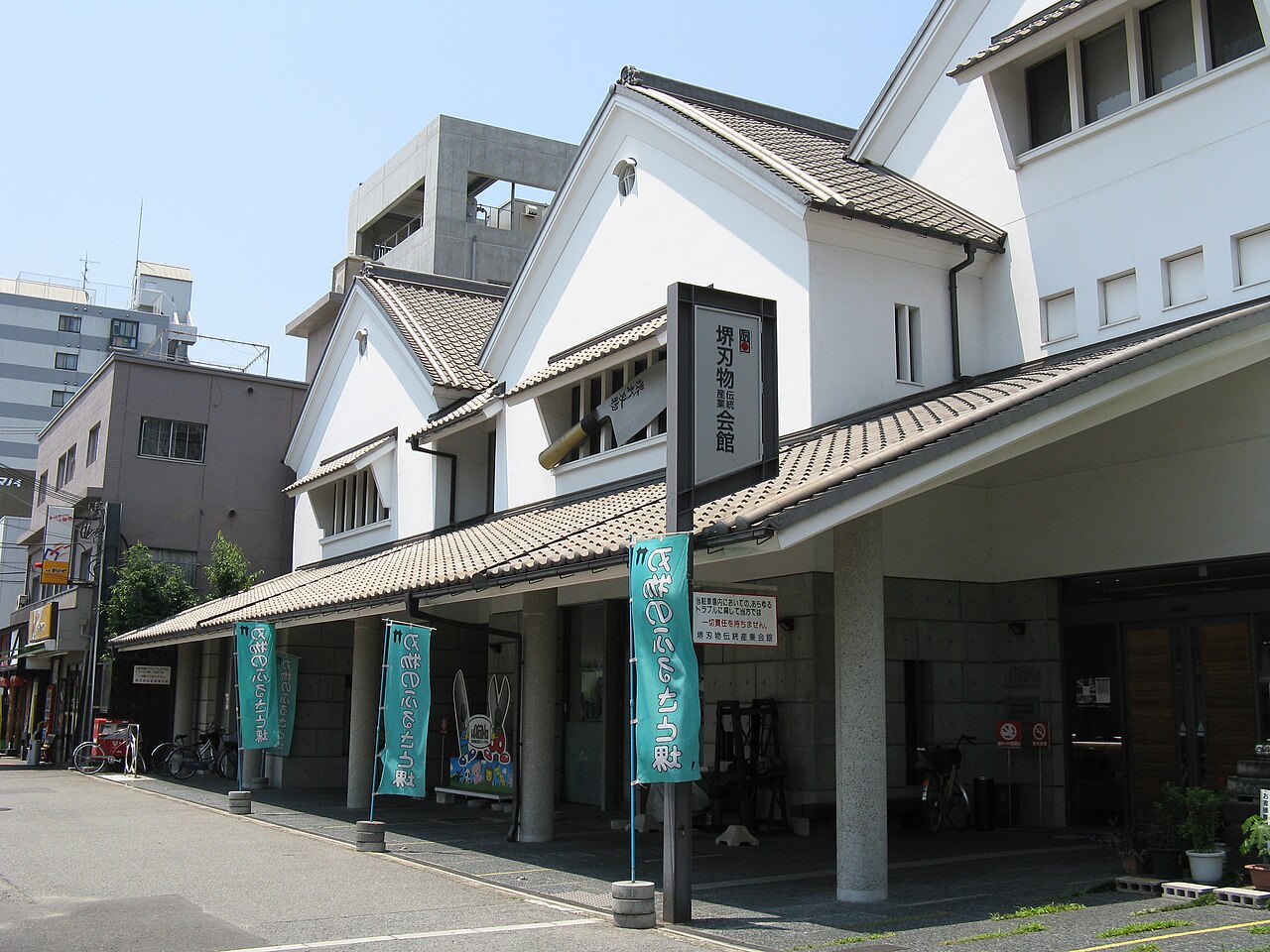
Sakai's forged blades
2.2 km · straight line
 Kyoww / CC BY-SA 3.0
History · Osaka★
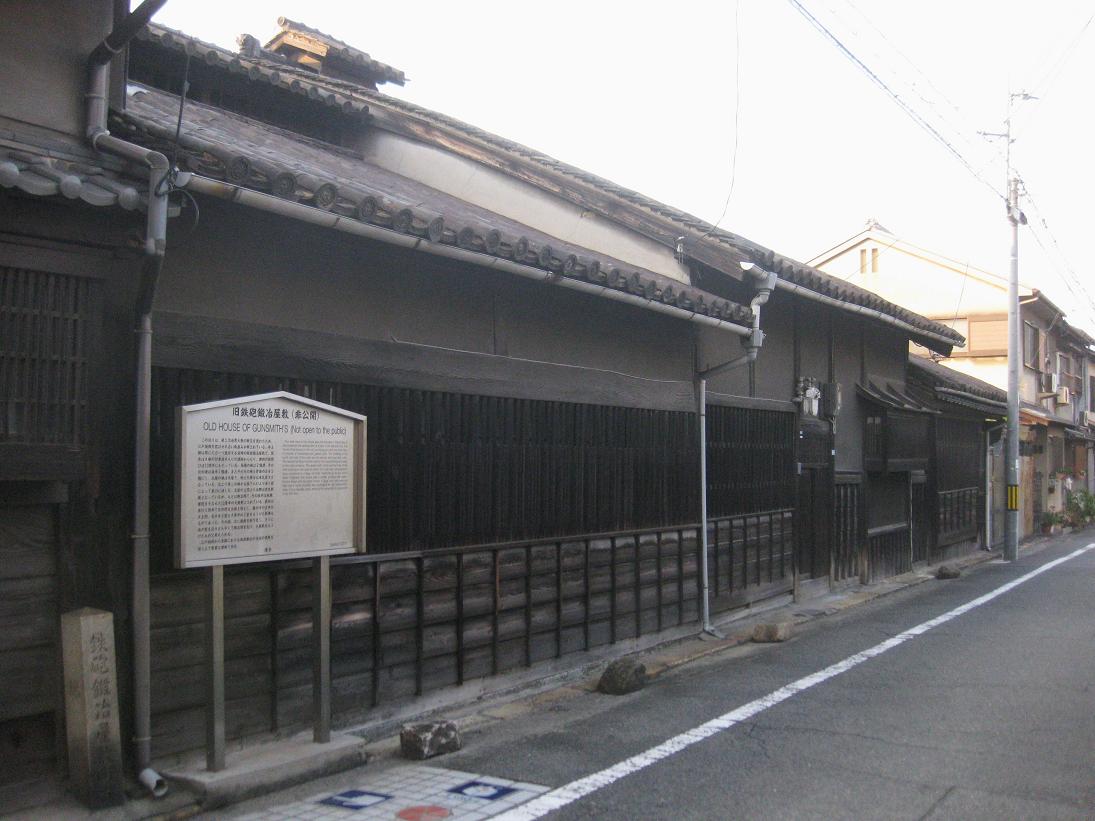
Inoue Sekiemon Residence
3.0 km · straight line
 そらみみ / CC BY-SA 4.0
History · Osaka★★
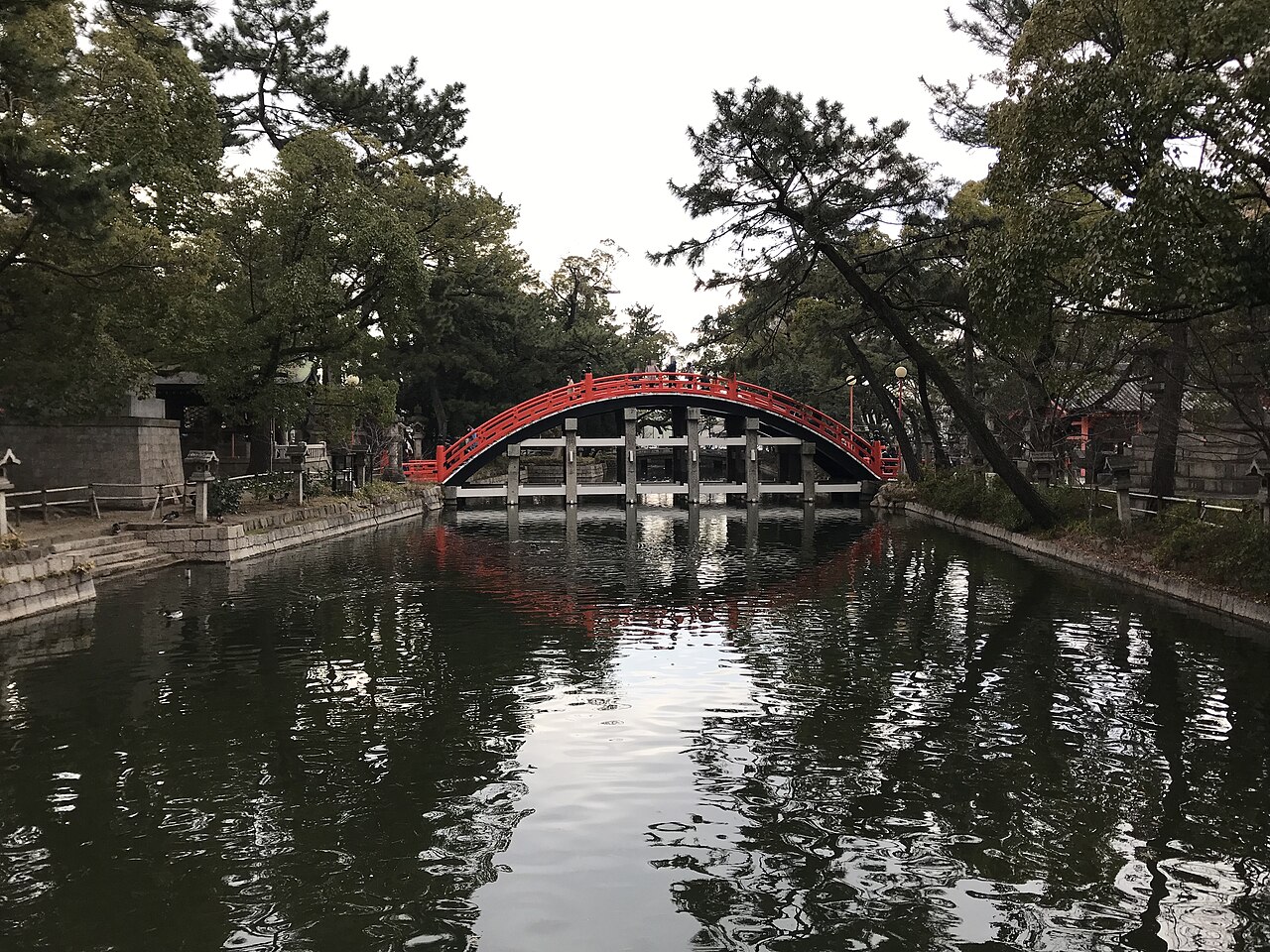
Sumiyoshi Taisha's Drum Bridge
5.4 km · straight line
 illustration (AI-illustrated)
Entertainment · Osaka★★★
teamLab Botanical Garden Osaka
6.2 km · straight line
Distances are straight lines on the map, not travel times.