Kansai · SakaiNo.311★★Open in map →
Sakai's forged blades
— the knife town's free museum and shop
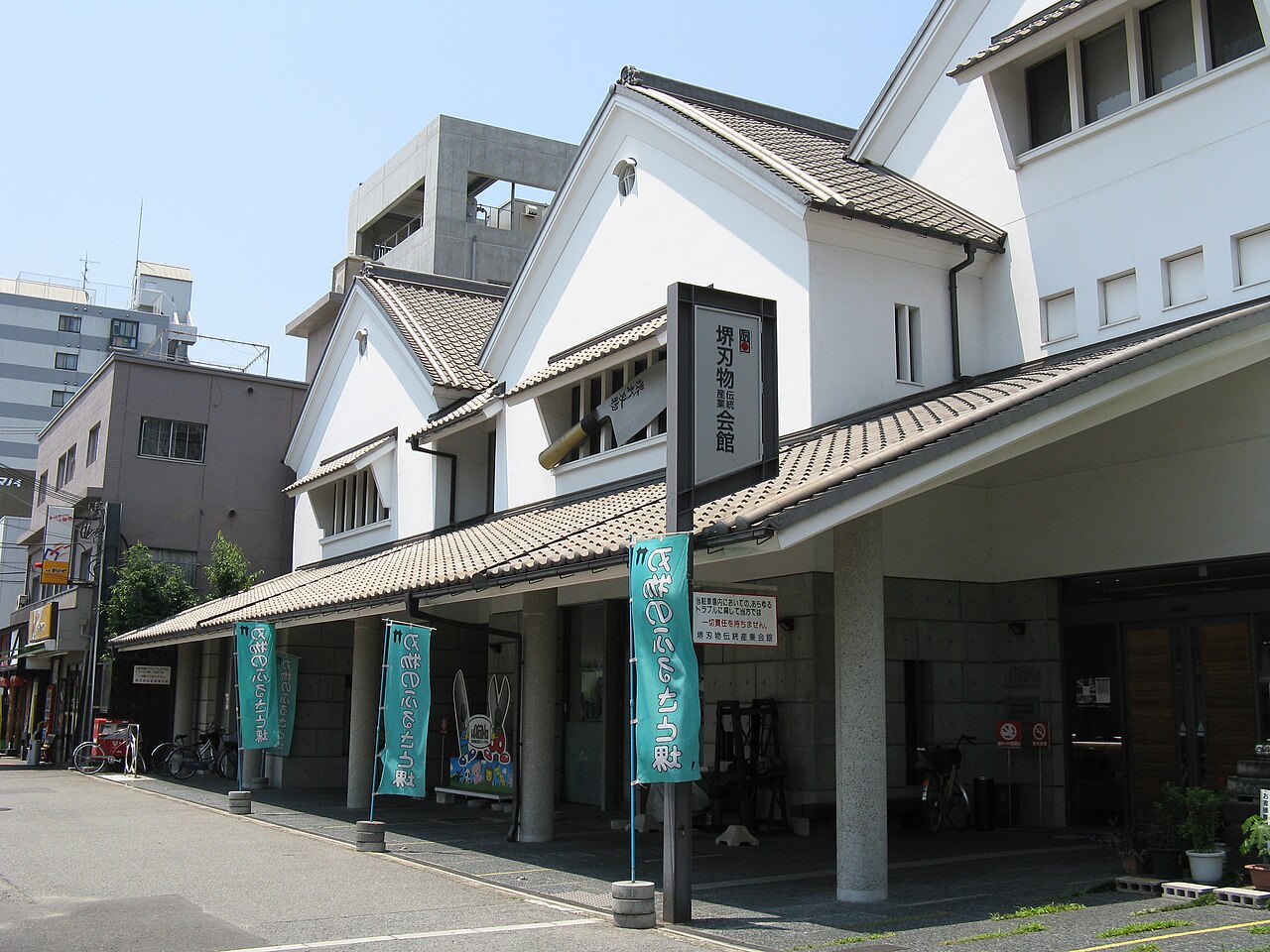
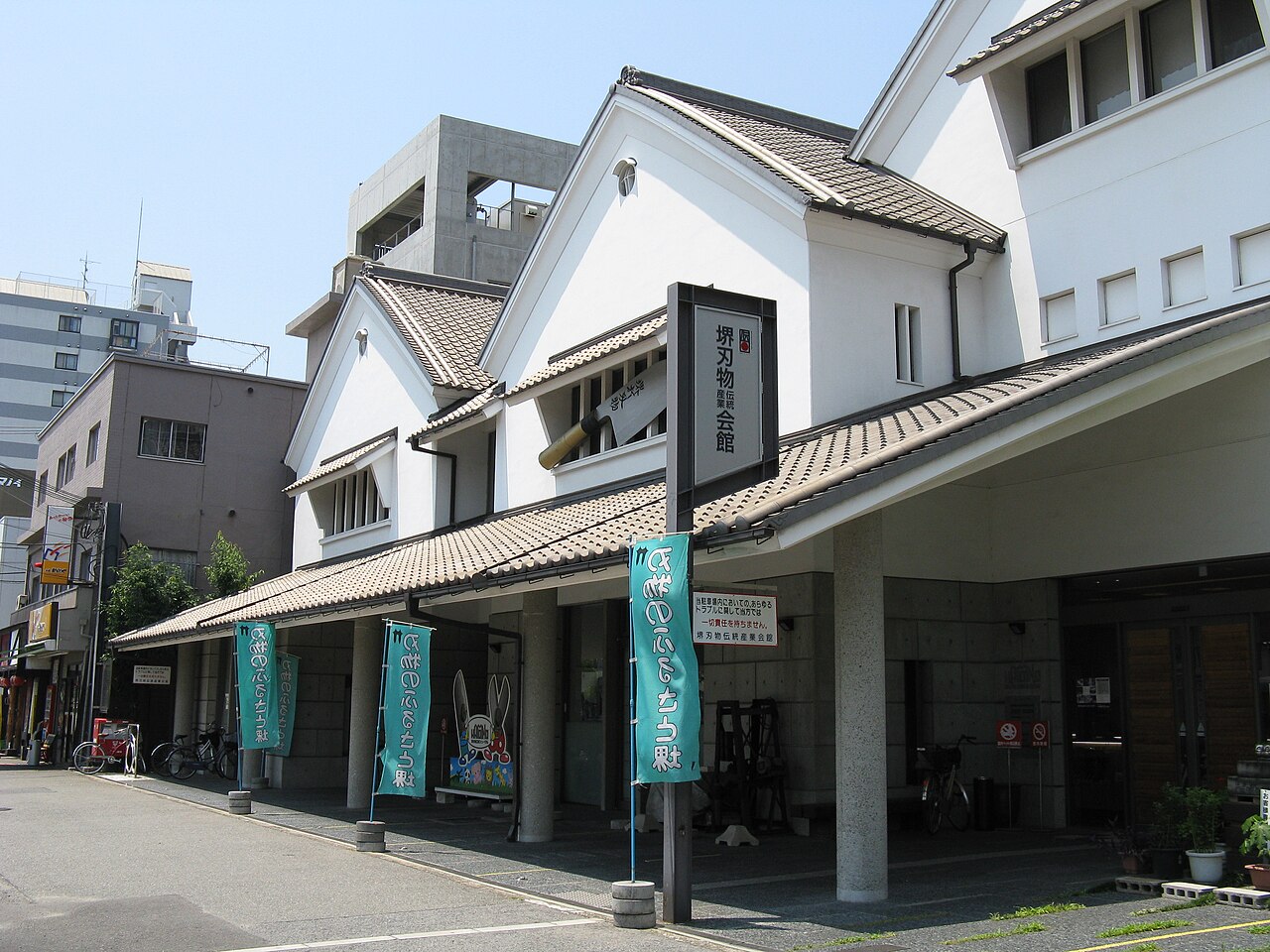
The Sakai cutlery trade's own free museum and shop, where the forged kitchen knives used across Japan's professional kitchens are displayed, explained and sold.
- FromNamba (Osaka)
- ~30 mintrain (frequent) + walk
- Get off atSakai Station (Nankai)
- From there
- Sakai's forged blades
The sweet spot
Almost everyone who comes to Sakai goes to the Mozu keyhole tombs and never crosses into the old town. The building looks like an industry office from the street, entry is free so nobody advertises it, and the labelling is mainly Japanese — so it stays a trade facility that happens to be open to the public.
Where it is
40 more notes in Osaka · open the map →What to look for — in walking order
- The CUT knife museumsecond floor: forging, sharpening and handle-fitting shown with real tools, models and illustrations — free to enter
- The HIBANA chandeliera light fitting assembled from blade blanks at every stage of production, from raw steel to finished edge
- The Takumi shopground floor: finished Sakai knives beside chusen-dyed cloth, incense, kelp, rugs, carp streamers and Sakai sweets
- The three-hand craftone smith forges, another sharpens, a third fits the handle — no single maker finishes a knife alone
How to actually get there
- Namba (Nankai) → Sakai Stn (Nankai Main Line, ~10-15 min)
- Sakai Stn → the old town (on foot, east, ~15 min)
- Sakai Densho-kan: ground-floor shop, then the CUT knife museum upstairs (free, 10:00-17:00)
- Nankai Main Line to Sakai, then a walk into the old town
- Namba (Nankai) →(Nankai Main Line, express or local toward Wakayama, ~10-15 min)→ Sakai Stn. From there it is about 15 minutes on foot east into the old town. Total about 30 min. Trains run several times an hour all day. Alternatively the Hankai tram stops at Myokokuji-mae, about 3 minutes' walk northeast of the museum, but the tram is much slower from central Osaka.
- Same route in reverse
- Walk back west to Sakai Station and take the Nankai Main Line north to Namba. Trains run frequently into the evening, so the return needs no planning — but the museum itself closes at 17:00, so plan the visit, not the trip home.
About the place
Sakai, immediately south of Osaka, has forged blades for centuries, and its knives — Sakai uchihamono, 'Sakai forged blades' — are the standard tool of Japanese professional kitchens. The craft is divided rather than done by one maker: one smith forges and shapes the blade, a second sharpens it, a third fits the handle, so a single knife passes through the hands of separate specialists. The industry's own federation runs Sakai Densho-kan in the old town, free to enter. Its second floor holds the knife museum CUT, where the stages, tools and materials of the process are laid out with real objects, models and illustrations, under a light fitting called HIBANA built from blade blanks at every stage from raw steel to finished edge. The ground floor sells the finished knives alongside Sakai's other traditional trades — hand-dyed chusen cloth, incense, kelp, rugs, carp streamers and local sweets.
How to enjoy it
Do the upstairs museum before the shop: once you have seen the three stages laid out, the price differences downstairs stop looking arbitrary. Staff can explain which steel and which blade shape suits what you actually cook, and some visits coincide with a sharpening demonstration. If you buy, ask about engraving and about airline rules for carrying a blade home — it must go in checked baggage.
Background & history
Sakai has worked iron since the 5th century, when tools were forged here to build the giant keyhole tombs on the plain nearby. In the 16th century, after tobacco arrived from Portugal, Sakai smiths began making the knives used to shred tobacco leaf; the shogunate granted them a quality seal and exclusive selling rights, and the town's name for blades spread across the country. Sakai City records that Sakai-forged knives account for the great majority of the Japanese-style knives used by professional cooks. Sakai uchihamono was designated a national traditional craft by the Minister of Economy, Trade and Industry in 1982. The split of the work between forging, sharpening and handle-fitting remains the defining feature of the craft.
Before you go
- Cash
- Entry to the museum is free. Workshops, knife sharpening and engraving cost extra, and the ground-floor shop takes cards — but smaller workshops elsewhere in the old town are often cash-only.
- Good to know
- Open 10:00 to 17:00. Closed on the third Tuesday of each month and over the New Year period. Come by about 16:00 if you want time on both floors.
- Another way
- If it is shut, the knife shops clustered near Sakai Station and the surviving workshops in the old town show the same trade at street level.
- After you get off
- From Sakai Station (Nankai) walk about 15 minutes east into the old town grid; from the Hankai tram, the museum is about 3 minutes southwest of Myokokuji-mae.
Nearby notes
 Kyoww / CC BY-SA 3.0
History · Osaka★
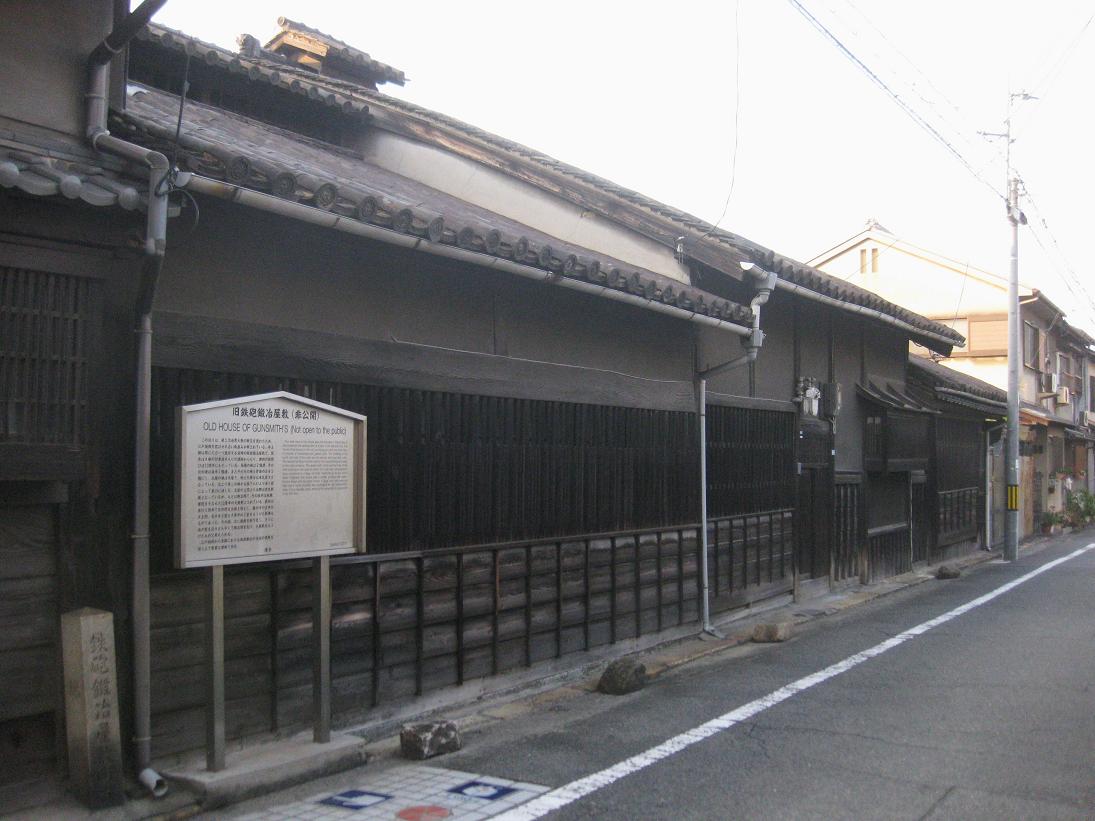
Inoue Sekiemon Residence
1.0 km · straight line
 Sakai Yayoi / CC0
History · Osaka★★★
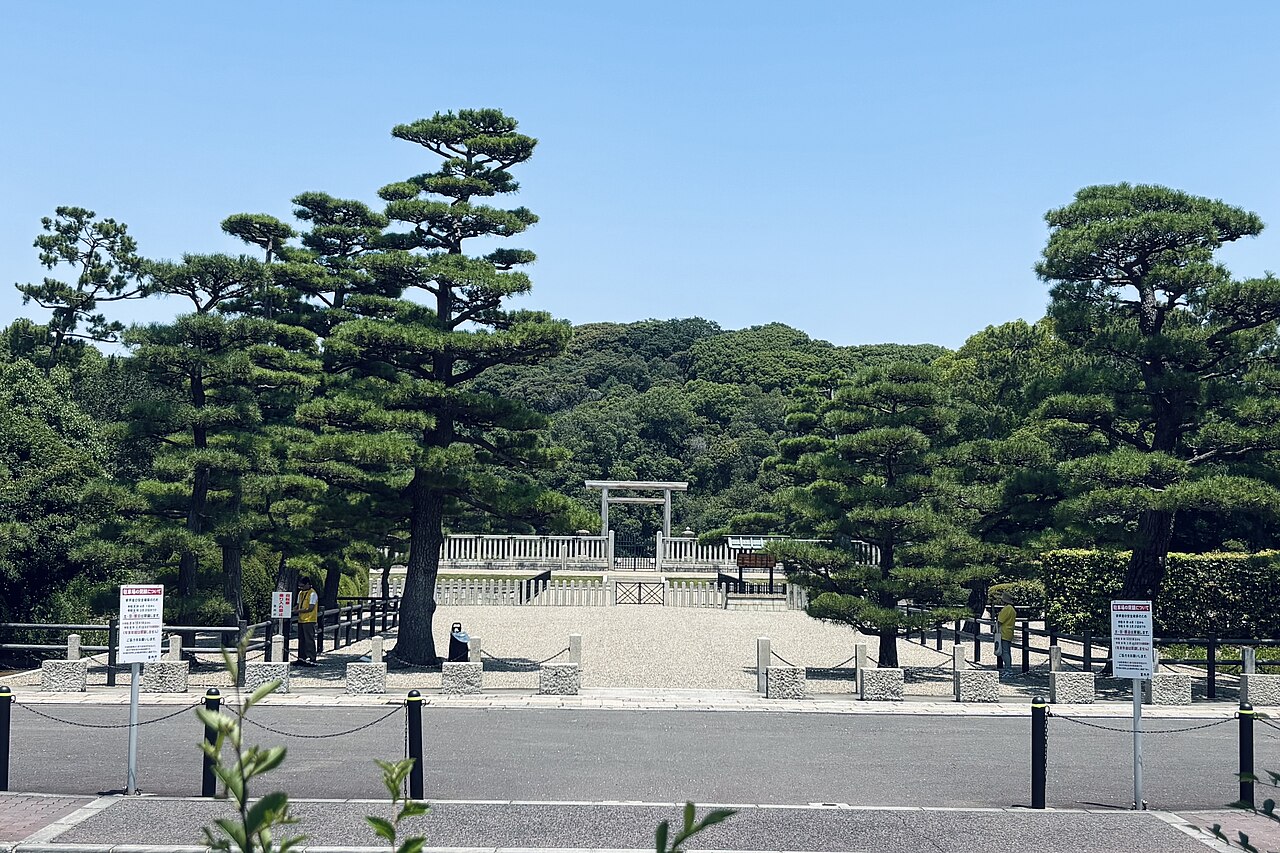
Nintoku Mausoleum
2.2 km · straight line
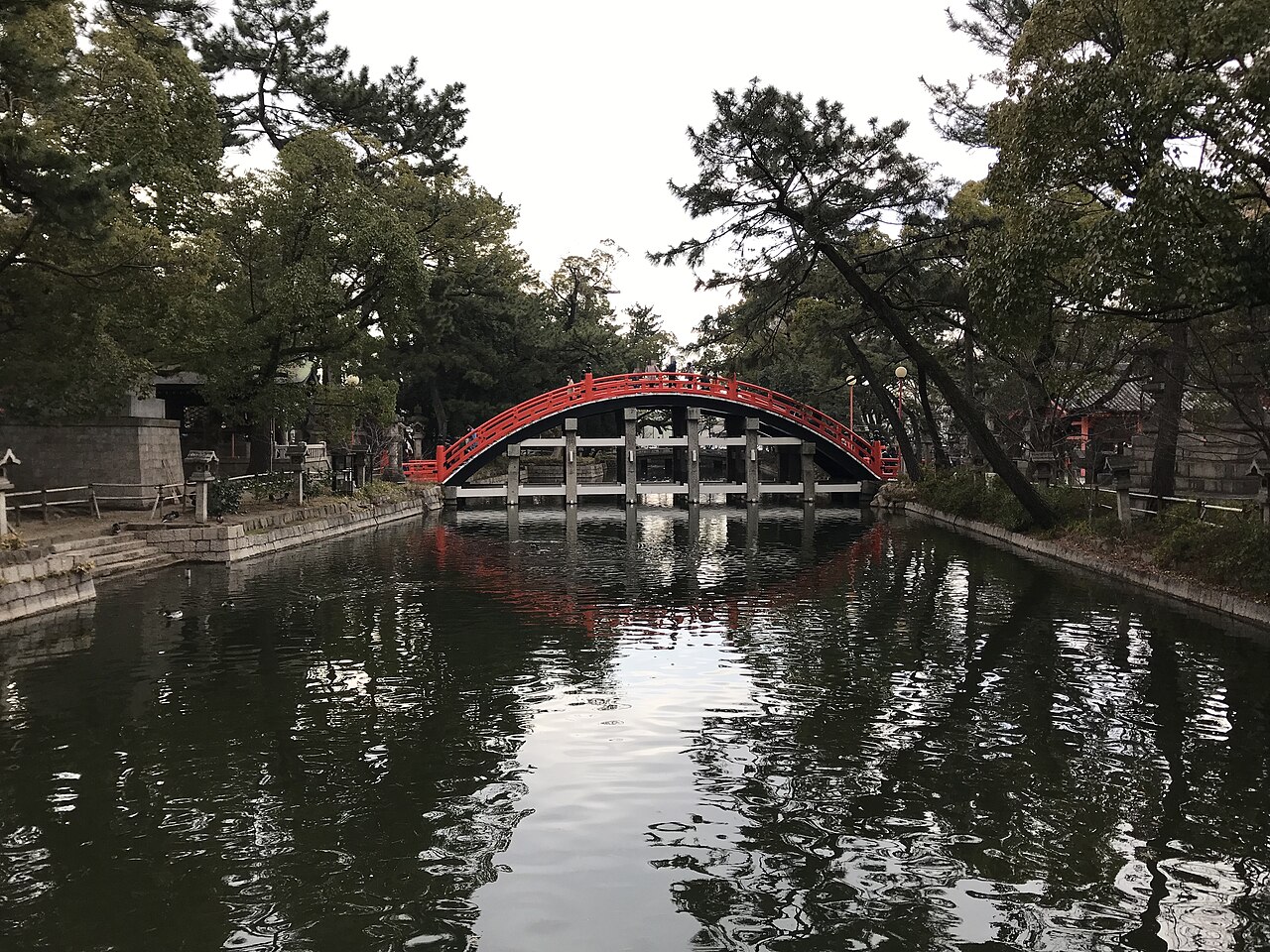 そらみみ / CC BY-SA 4.0
History · Osaka★★
Sumiyoshi Taisha's Drum Bridge
3.6 km · straight line
 illustration (AI-illustrated)
Entertainment · Osaka★★★
teamLab Botanical Garden Osaka
5.3 km · straight line
Distances are straight lines on the map, not travel times.