West Hiroshima · MiyajimaNo.1180★★Open in map →
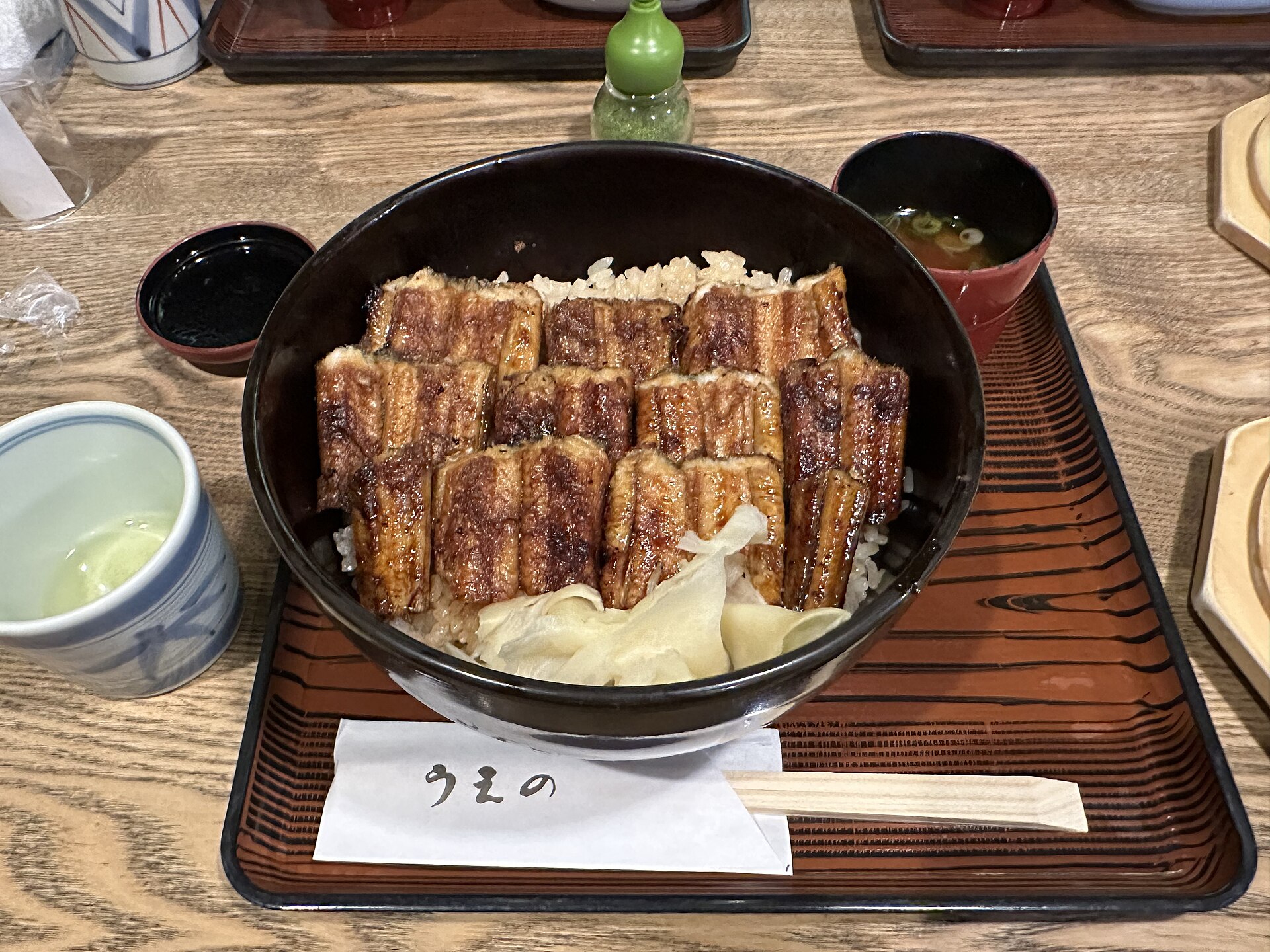
Anagomeshi on Miyajima Omotesando
— Grilled conger eel over rice, Hiroshima's island dish
The shopping lane between Miyajima's pier and the approach to Itsukushima Shrine, lined with the shops that sell the island's two signature foods. Anagomeshi — grilled conger eel over sauce-cooked rice — is served up and down it, and no two shops make it the same way.
- FromHiroshima Station
- ~45 minJR train + ferry
- Get off atMiyajima Pier (JR and Matsudai ferries)
- On foot
- Anagomeshi on Miyajima Omotesando
The sweet spot
This is the busiest lane on Miyajima, not a hidden one. It is not quiet by nature — it is quiet by timing, before the day-trip ferries fill and after they empty. Treat the crowd as a scheduling question rather than a reason to skip the street.
Where it is
25 more notes in Hiroshima · open the map →What to look for — in walking order
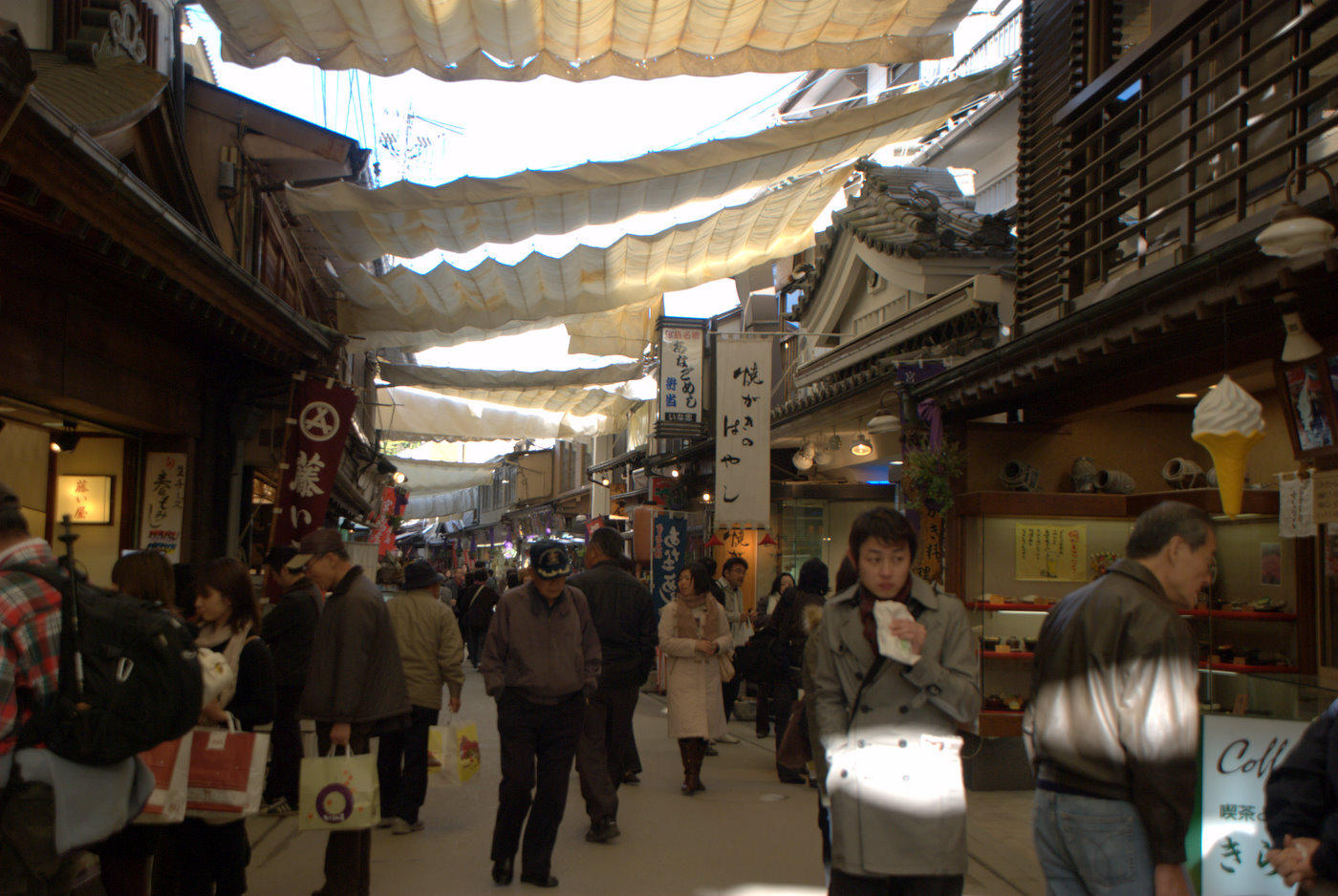
- The pier-side entrancethe turn where the waterfront road bends inland and the shop fronts begin
- The Omotesando lanethe main run of conger eel, oyster and momiji-manju counters, also known as Kiyomori-dori
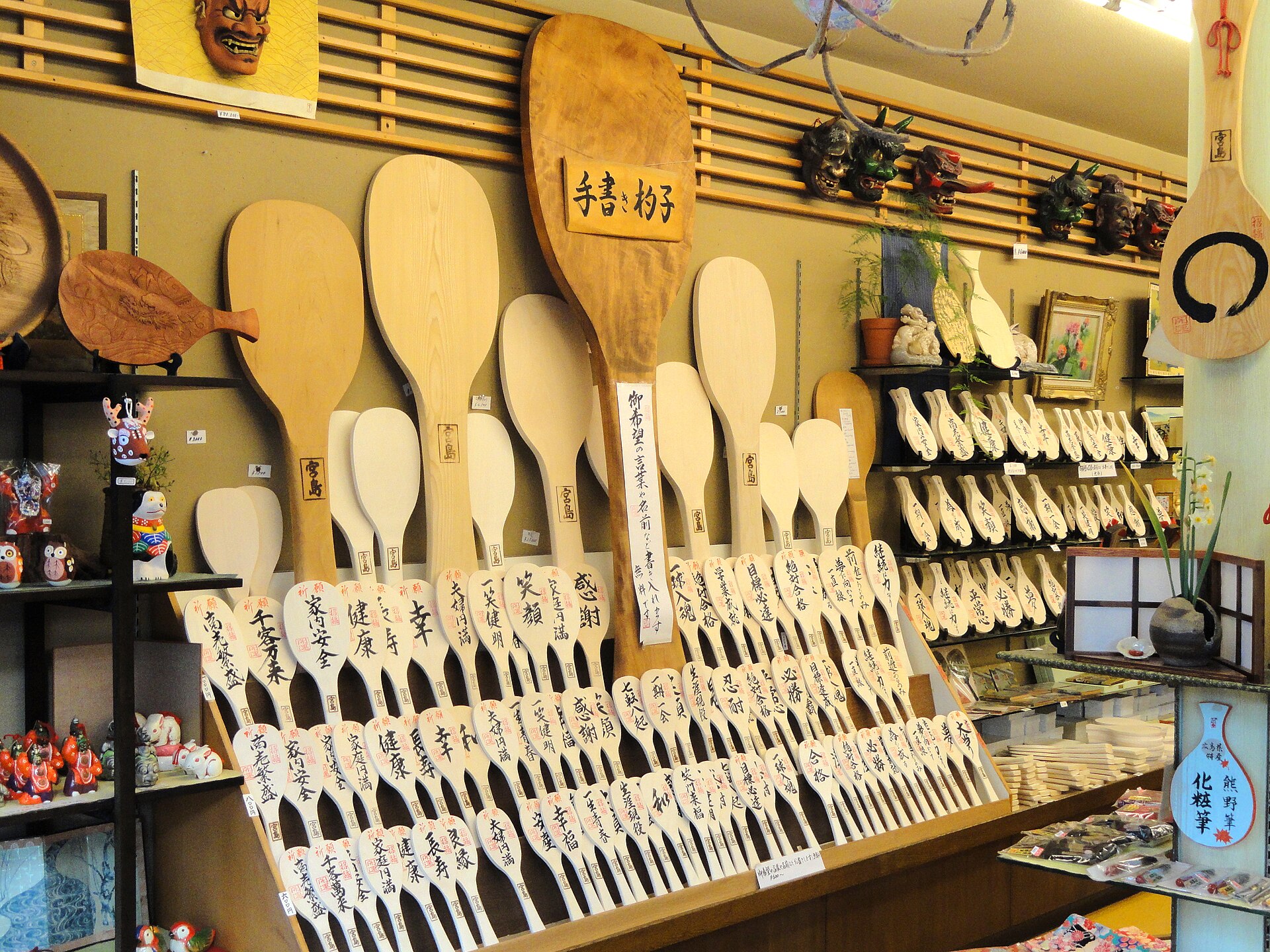
- The craft shop frontswooden rice scoops and Miyajima carving, the island's two long-standing woodcrafts
- Machiya-dorithe parallel lane one block inland, the Edo-period main street, now machiya houses and cafes
- The shrine end of the lanewhere the shopping street meets the approach to Itsukushima Shrine
How to actually get there
- Hiroshima Station → Miyajimaguchi Station (JR Sanyo Line toward Iwakuni, about 28 minutes).
- Miyajimaguchi Station → passenger terminal through the underpass, then the ferry to Miyajima Pier (about 10 minutes).
- Miyajima Pier → the pier-side entrance of Omotesando (walk about 5 minutes along the water).
- Walk the lane once end to end, then come back to the counter you picked.
- JR Sanyo Line from Hiroshima, then the ferry
- Hiroshima Station → (JR Sanyo Line toward Iwakuni, about 28 minutes, around 420 yen) → Miyajimaguchi Station. An underpass leads from the station to the passenger terminal. Two companies run the same crossing to the island and either ticket will do. Trains and boats are both frequent through the day, so no timetable planning is needed.
- Return from Miyajima Pier
- Take either company's ferry back to Miyajimaguchi, then the JR Sanyo Line to Hiroshima. Departures thin out in the evening on both legs, so if you plan to stay on the island for dinner, read the last-crossing board at the pier first.
About the place
Omotesando is the shopping street that runs from Miyajima's pier toward the approach to Itsukushima Shrine. It covers about 350 metres, and both sides are lined with souvenir shops, craft dealers and places to eat. The Miyajima Tourist Association names conger eel and oysters as the island's two signature foods, and both are sold the length of the lane. The eel comes from the strait between the island and the mainland shore, where a fast current is said to give it its texture. Because each shop decides its own grilling, its own sauce and its own rice, the same named dish arrives differently at each counter.
How to enjoy it
Ferries run frequently through the day, and the lane fills and empties with them, so arriving before the midday wave or after it eases gives you a calmer counter. Hiroshima's prefectural tourism site puts the walk from the pier at about 5 minutes, which makes the street an easy first stop and an easy last one. Since the grilling and the rice differ shop by shop, it is worth walking the full length once before choosing.
Background & history
Conger eel was eaten around Miyajima long before the dish had a name: Geihan Tsushi, a late-Edo gazetteer of the Hiroshima domain, already singles out the eel of these waters as fine eating. The bowl itself was created in 1901, when Ueno Tanekichi began selling it as a boxed lunch at the railway station on the mainland shore facing the island. The JTB Foundation's national register of tourism resources still records that station lunchbox as the origin. From the platform it crossed the water, and the island's approach became its home ground.
Before you go
- Cash
- Walking the street costs nothing. The ferry operators list the crossing at 200 yen one way and accept cash and the ten nationwide transport IC cards. Separately, Hatsukaichi City levies a Miyajima visitor tax of 100 yen, collected together with the outbound ticket. Smaller counters on the lane are easier to deal with in cash.
- Good to know
- Opening and closing times are set shop by shop and are not uniform, so check before planning a late meal on the island. The stretch between the pier and the first shop fronts runs along the water and is open to wind and rain.
- Another way
- From central Hiroshima you can also ride the Hiroden streetcar out to Miyajimaguchi. It is slower than the JR line but starts in the middle of the city, and the ferries you board at the end are the same ones.
- After you get off
- Leave Miyajima Pier and head south with the water on your right. After a few minutes the road bends away from the shore, and the shopping street begins at that turn and carries on toward the shrine.
Nearby notes
 Daderot / Public domain
Food · Hiroshima★★★
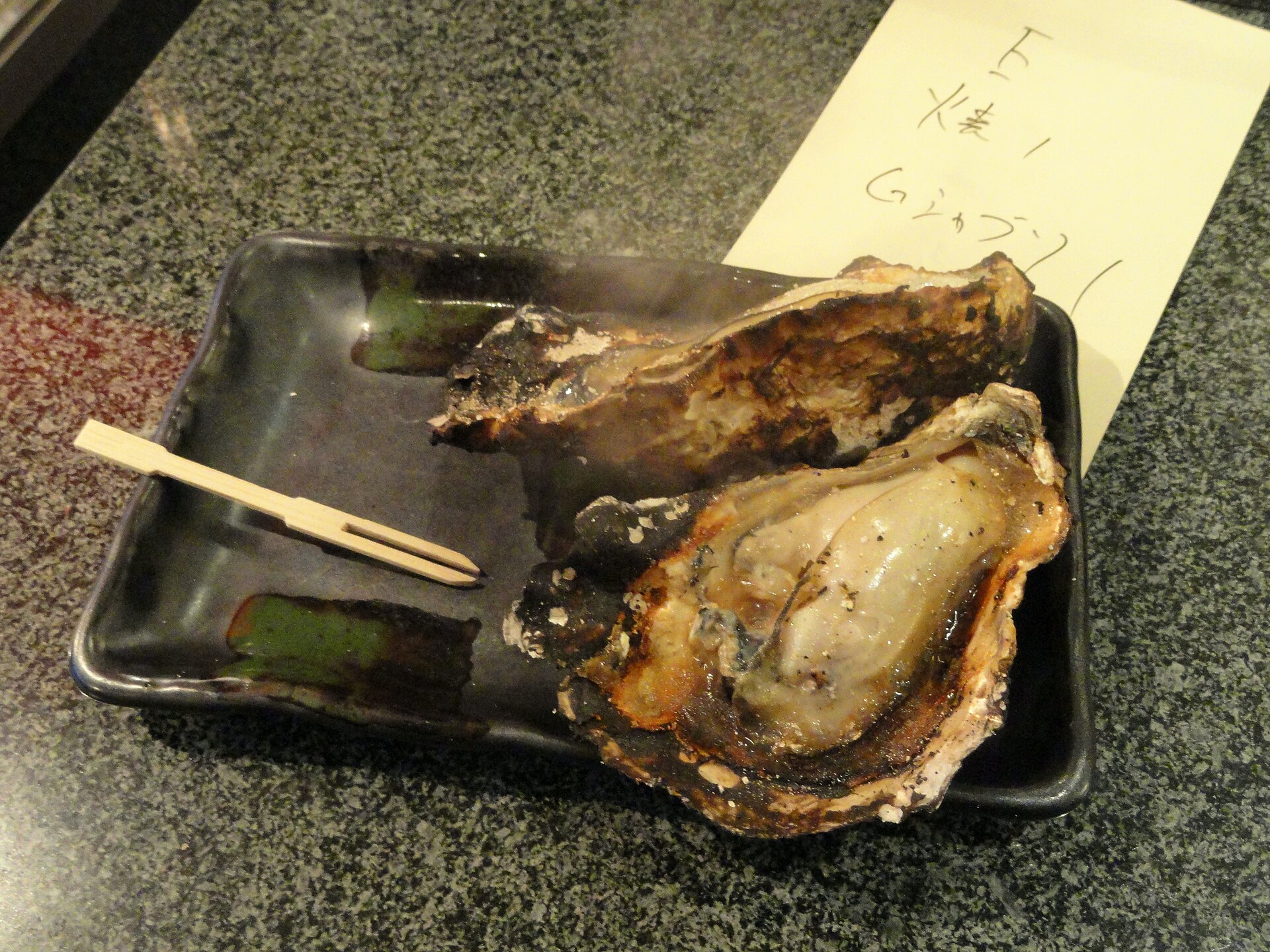
Hiroshima Oysters
0.1 km · straight line
 Butch / CC BY-SA 4.0
History · Hiroshima★★★
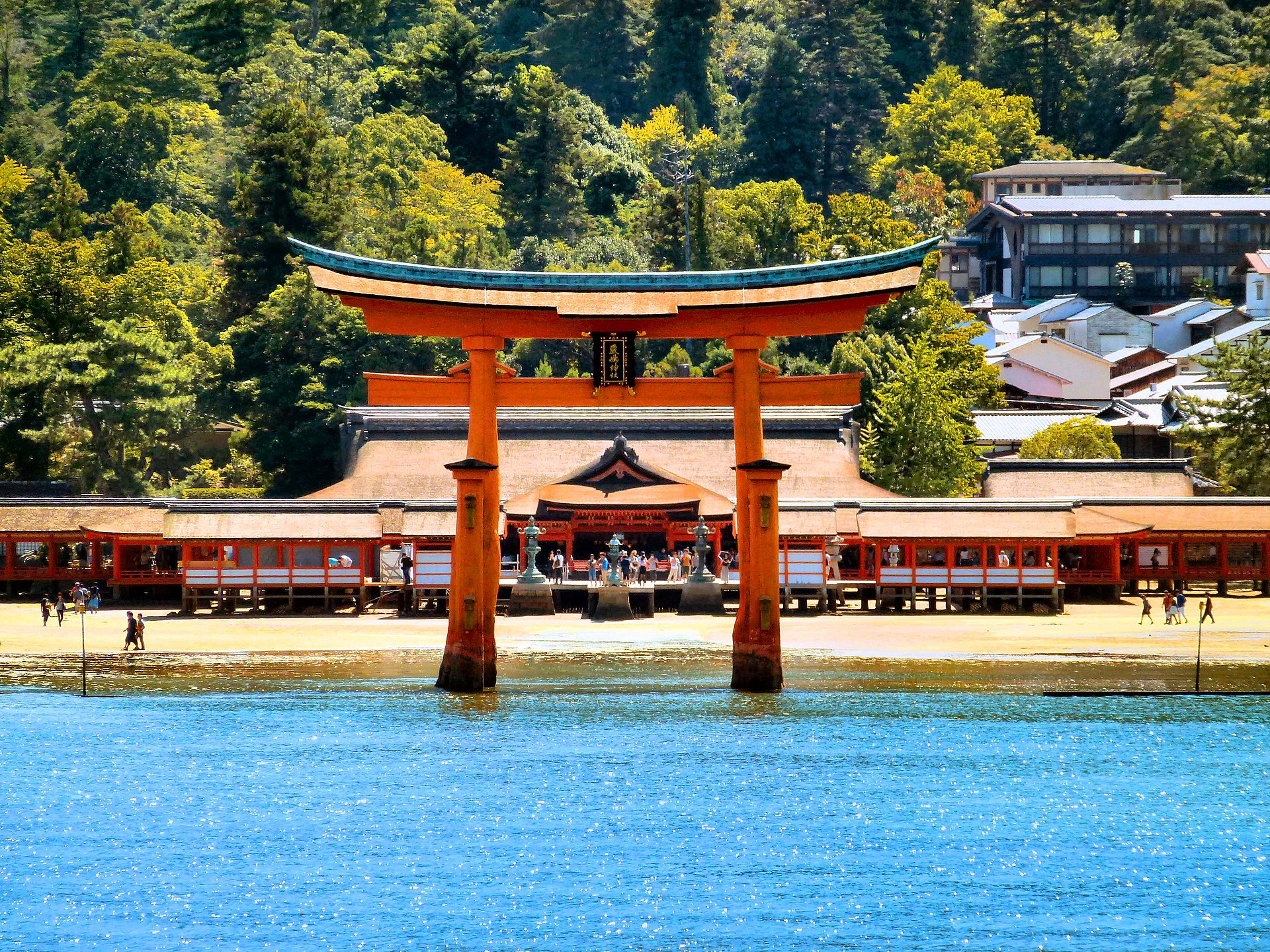
Itsukushima Shrine
0.3 km · straight line
 Daderot / CC0
Craft · Hiroshima★★
Miyajima Woodcraft
0.4 km · straight line
 Ocdp / CC0
Food · Hiroshima★★★
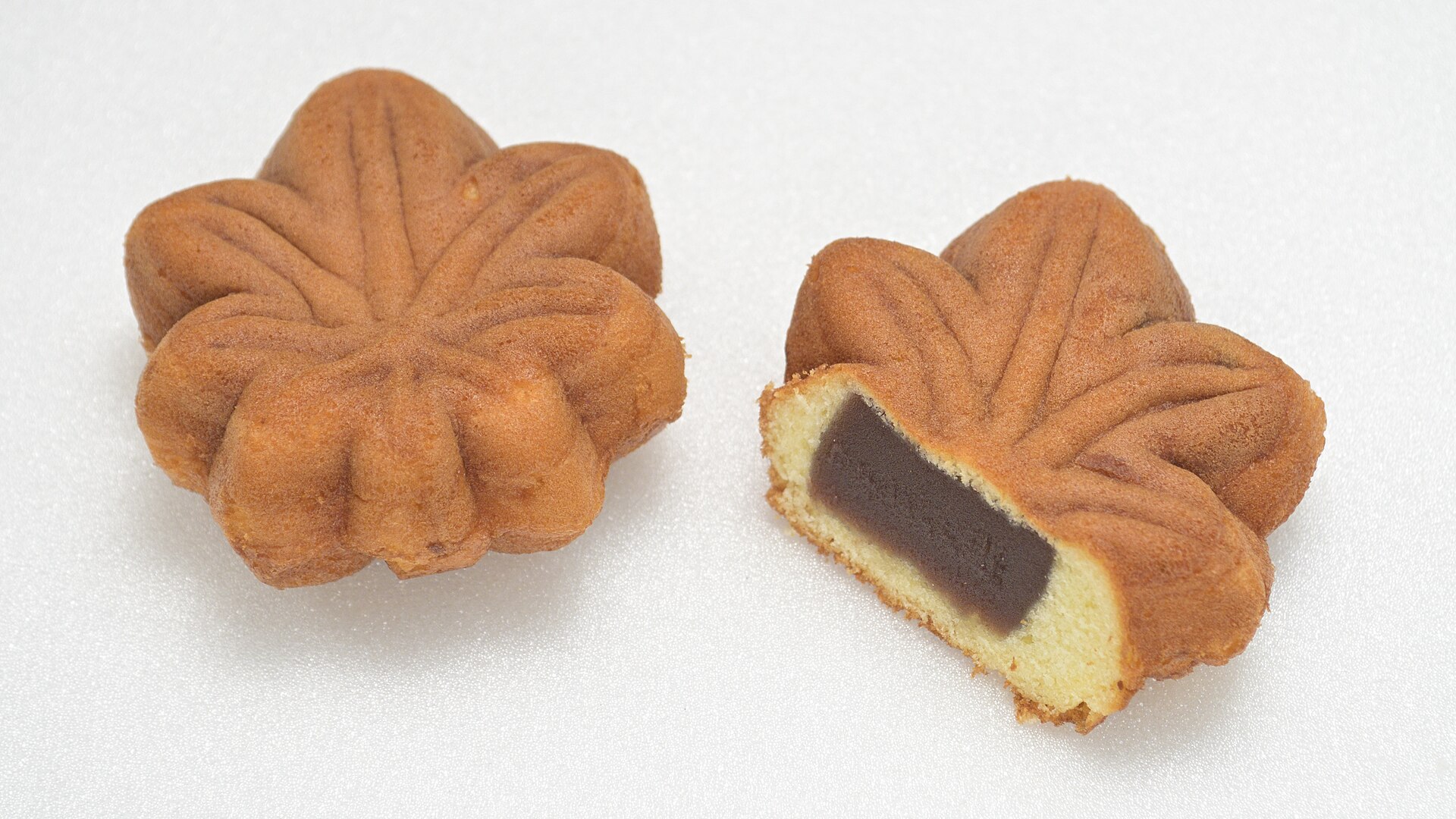
Momiji Manju
2.1 km · straight line
Distances are straight lines on the map, not travel times.