Aomori · SannaiNo.1061★★Open in map →
Aomori Museum of Art
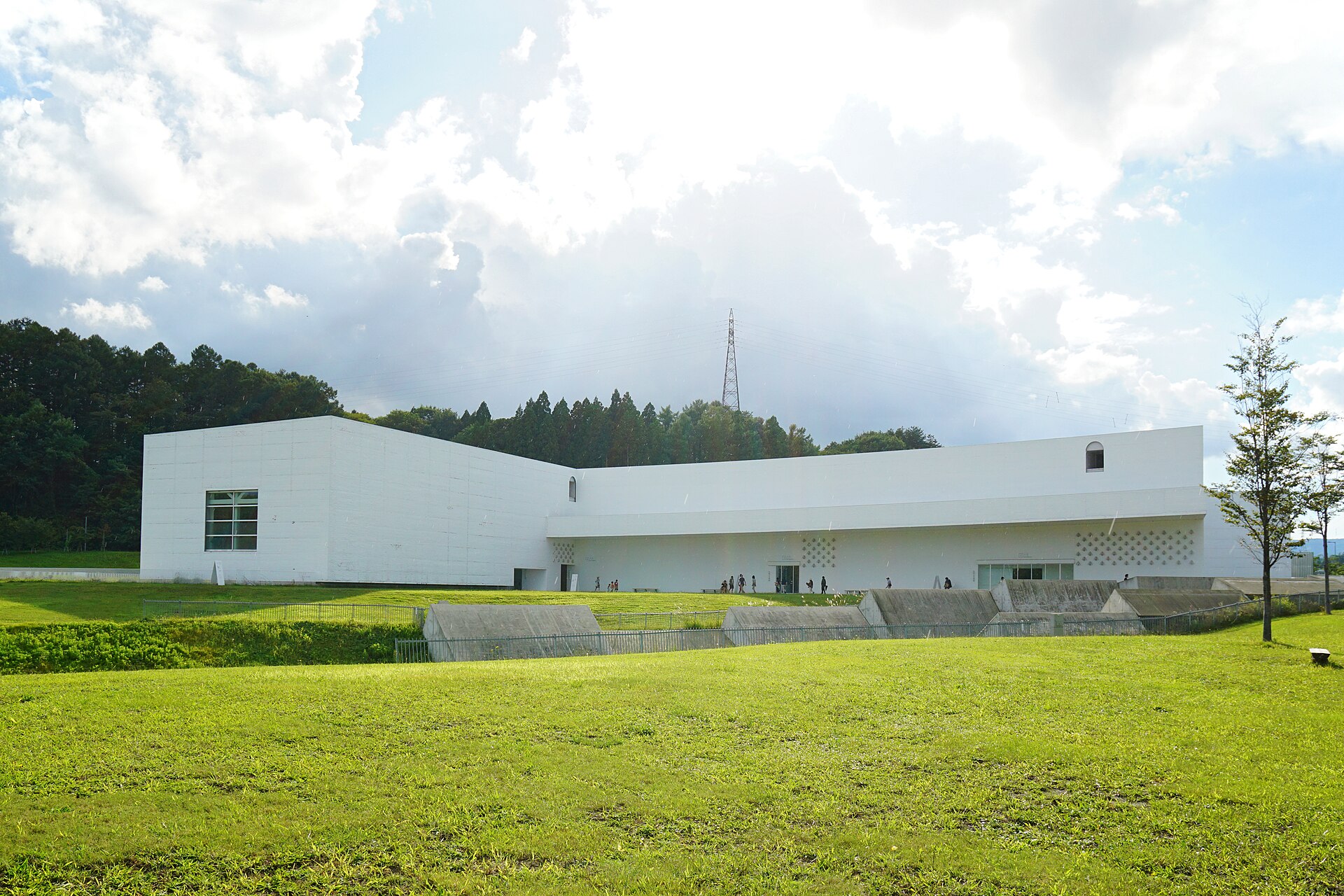
A white building sinks into the ground beside Japan's best-known Jomon settlement. Its architect cut the soil into trenches the way an excavation does, then set white brick volumes over them.
- FromAomori Station
- ~20 minAomori City Bus, ~20 min
- Get off atKenritsu-Bijutsukan-mae (Aomori City Bus)
- On foot
- Aomori Museum of Art
The sweet spot
This is not a hidden find. It is the prefecture's flagship museum and tour coaches do stop here. What keeps it from feeling pressed is the plan itself: galleries are spread over several levels and split between earth-walled rooms and white cubes, so people thin out the moment they leave the entrance floor. The outdoor works stand on separate lawns, which pulls the crowd apart a second time.
Where it is
34 more notes in Aomori · open the map →What to look for — in walking order
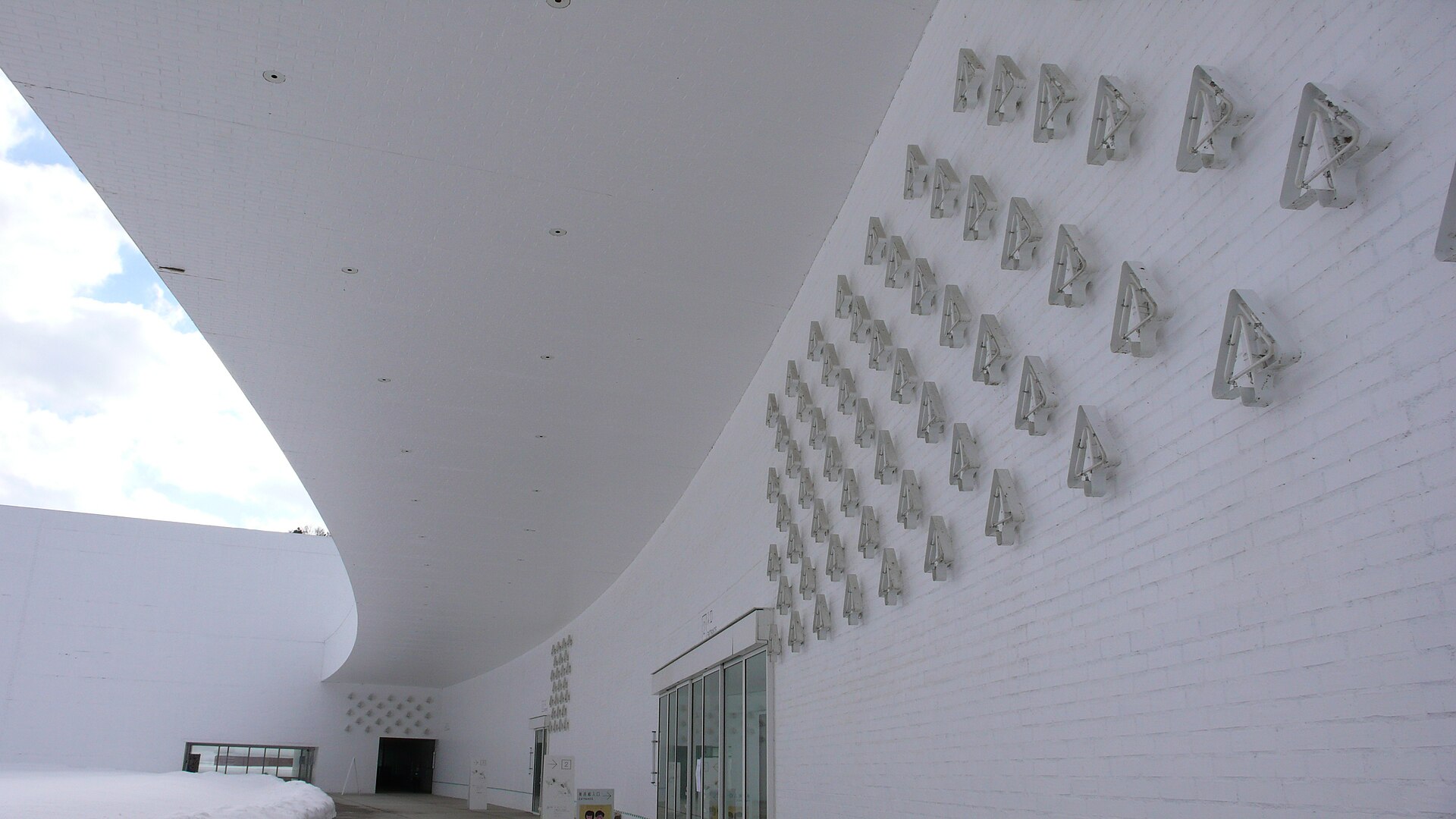
- Entrance canopyWhite brick walls and a deep overhang at the main door
- Aleko HallFour-storey void built for Chagall's ballet backdrops
- Earth-walled galleriesRooms where the soil floor and walls are left exposed
- Aomori-kenNara Yoshitomo's outdoor dog, about 8.5 m tall, on the west side
- HakkakudoOctagonal brick pavilion on the south grounds holding Miss Forest
How to actually get there
- At Aomori Station, walk to city bus stop 6 and board a bus bound for Sannai-Maruyama Iseki.
- Ride about 20 minutes and get off at Kenritsu-Bijutsukan-mae.
- Enter under the white canopy, then work down through the earth-walled galleries to Aleko Hall.
- Leave by the west side for Aomori-ken, then cross the south lawn to the octagonal pavilion.
- Aomori Station → Kenritsu-Bijutsukan-mae
- Aomori City Bus from stop 6, bound for Sannai-Maruyama Iseki. About 20 minutes, and the entrance is a few steps from where you get off.
- Back to Aomori Station
- The same route in reverse. Buses here run less often than the city-centre lines, so note the return times on the stop board when you arrive rather than after closing.
About the place
The building holds two kinds of room in one plan. Some galleries keep bare soil for floor and walls, so you stand inside something that still looks like a dig. Others are plain white cubes with nothing to pull at the eye. Walking the museum means crossing between the two, again and again. The collection follows the same logic: artists born in Aomori hang beside European names, and neither is treated as the guest. That pairing is why the building rewards an hour even when the current show is outside your interests.
How to enjoy it
Treat the museum and the Jomon site as one block of time rather than two half-visits. Their stops sit on the same city bus route and the walk between them is short, so arriving mid-morning leaves enough of the day for the reconstructed houses afterwards. Closing days are set around exhibition changeovers rather than a fixed weekday, so read the calendar on the official site before you go.
Background & history
The museum opened in 2006 on ground beside the Sannai-Maruyama Jomon settlement. Aoki Jun designed it, borrowing the dig's own vocabulary: geometric cuts into the soil, then a white shell placed over them. The prefecture had been gathering work by artists tied to Aomori long before the building existed — Munakata Shiko, Terayama Shuji, Narita Toru, Nara Yoshitomo. The new galleries gave that collection its first permanent home.
Before you go
- Cash
- The permanent collection and special exhibitions are ticketed separately and rates are revised from time to time — check the official site for current amounts. Keep coins for the bus fare.
- Good to know
- Closing days are not a fixed weekday; they are set around exhibition changeovers, so confirm the calendar on the official site. Aomori is a heavy-snow city, and the outdoor works and lawns depend on winter conditions.
- Another way
- From Shin-Aomori Station's east exit, the Nebutan-go route bus reaches the same stop in about 10 minutes. Aomori Airport is roughly 20 minutes away by car.
- After you get off
- Kenritsu-Bijutsukan-mae sits on the ring road immediately north of the building, and the entrance is a few steps from the shelter.
Nearby notes
 663highland / CC BY 2.5
History · Aomori★★★
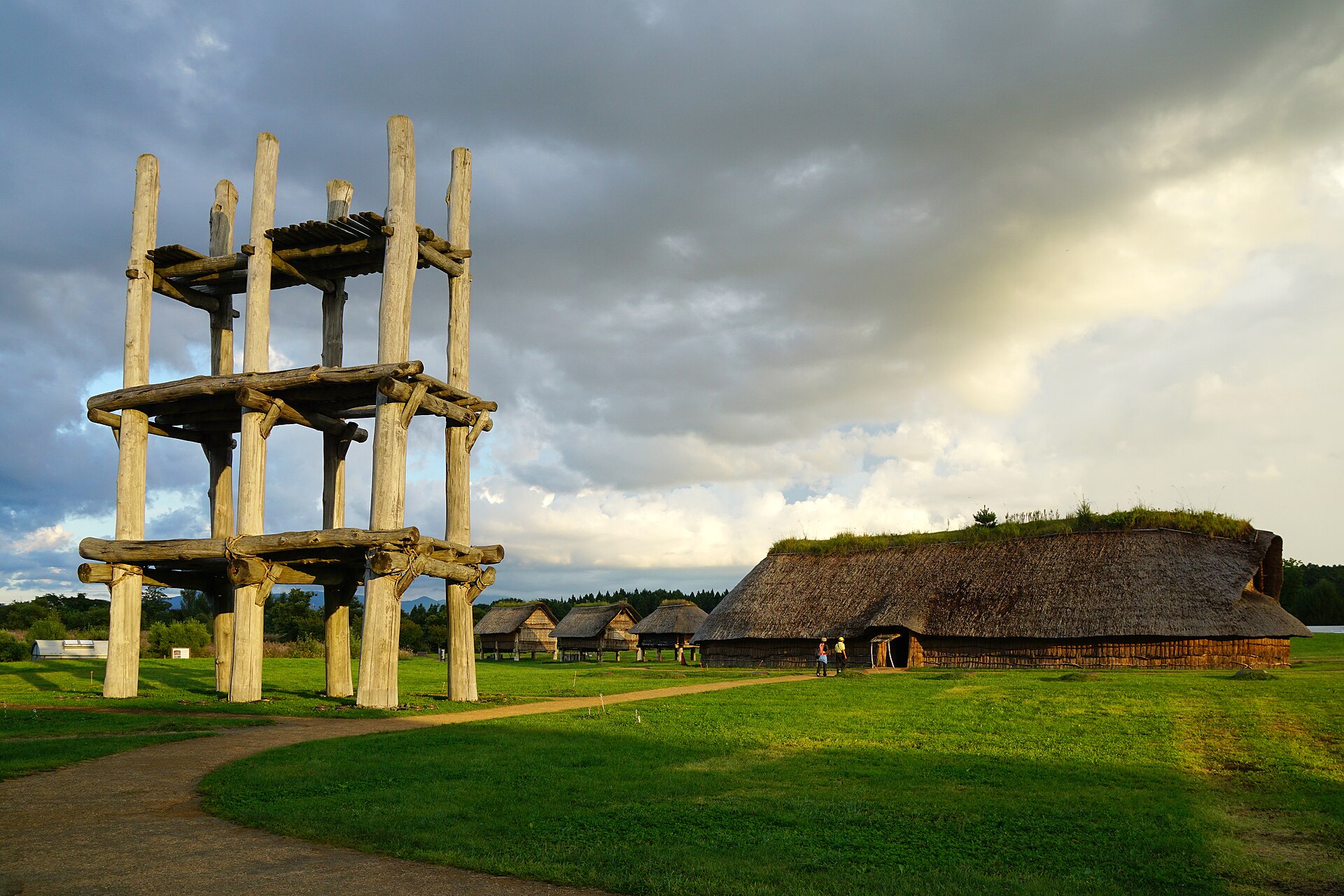
Sannai-Maruyama Site
0.4 km · straight line
 あおもりくま (Aomorikuma) / CC BY-SA 4.0
Food · Aomori★★
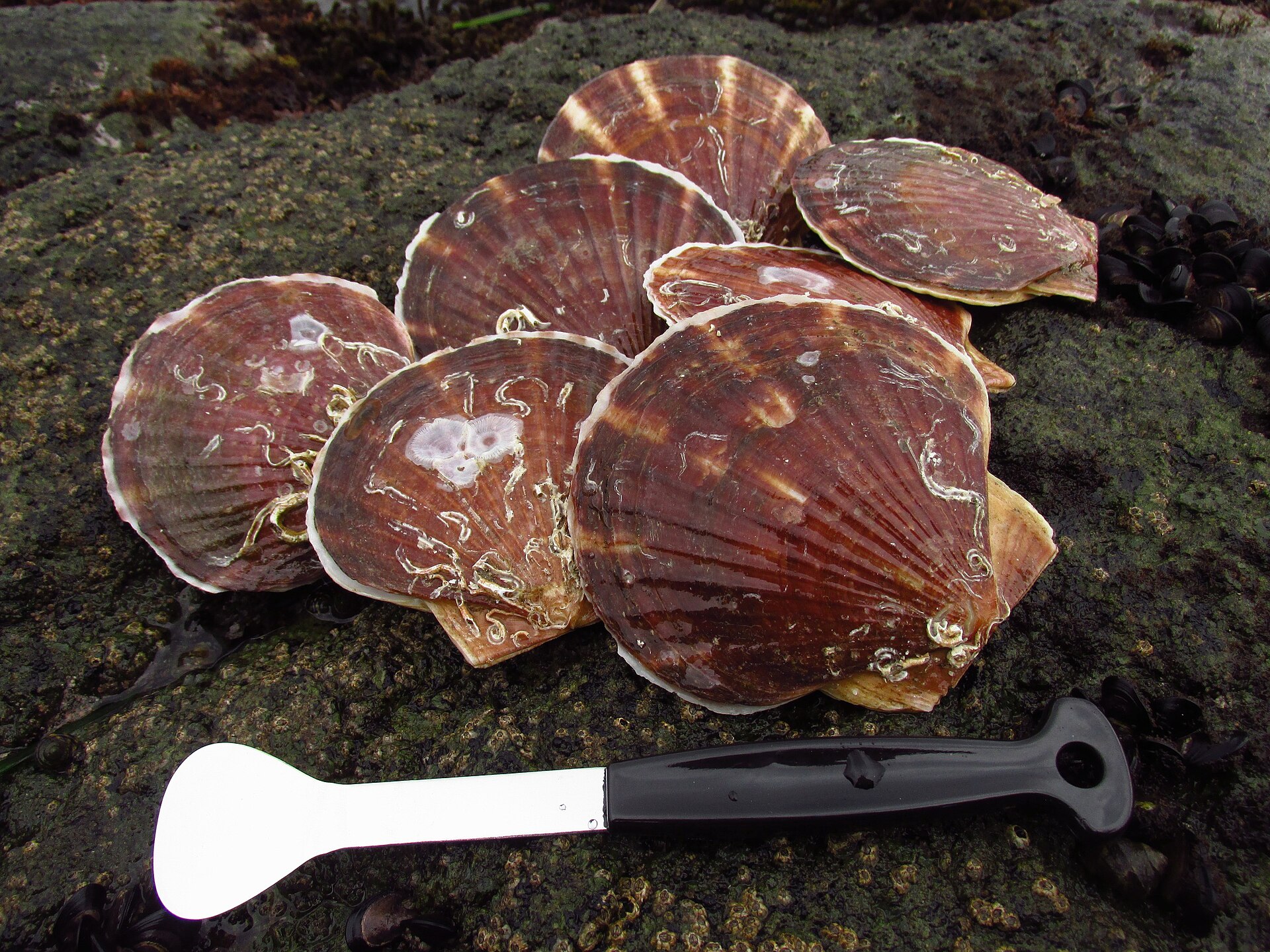
Mutsu Bay Scallops
3.6 km · straight line
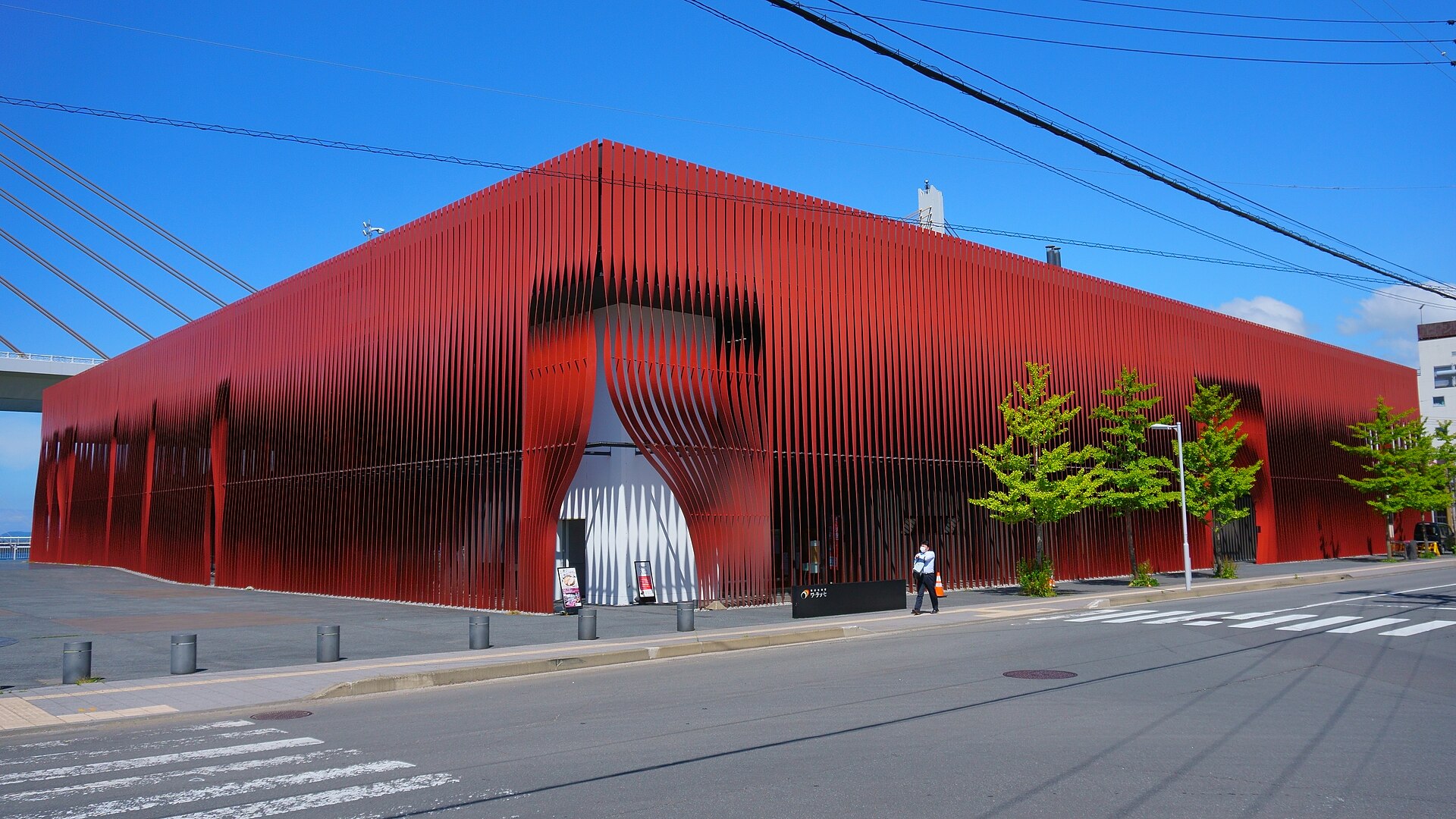 掬茶 / CC BY-SA 4.0
Culture · Aomori★★★
Nebuta Museum Wa Rasse
3.9 km · straight line
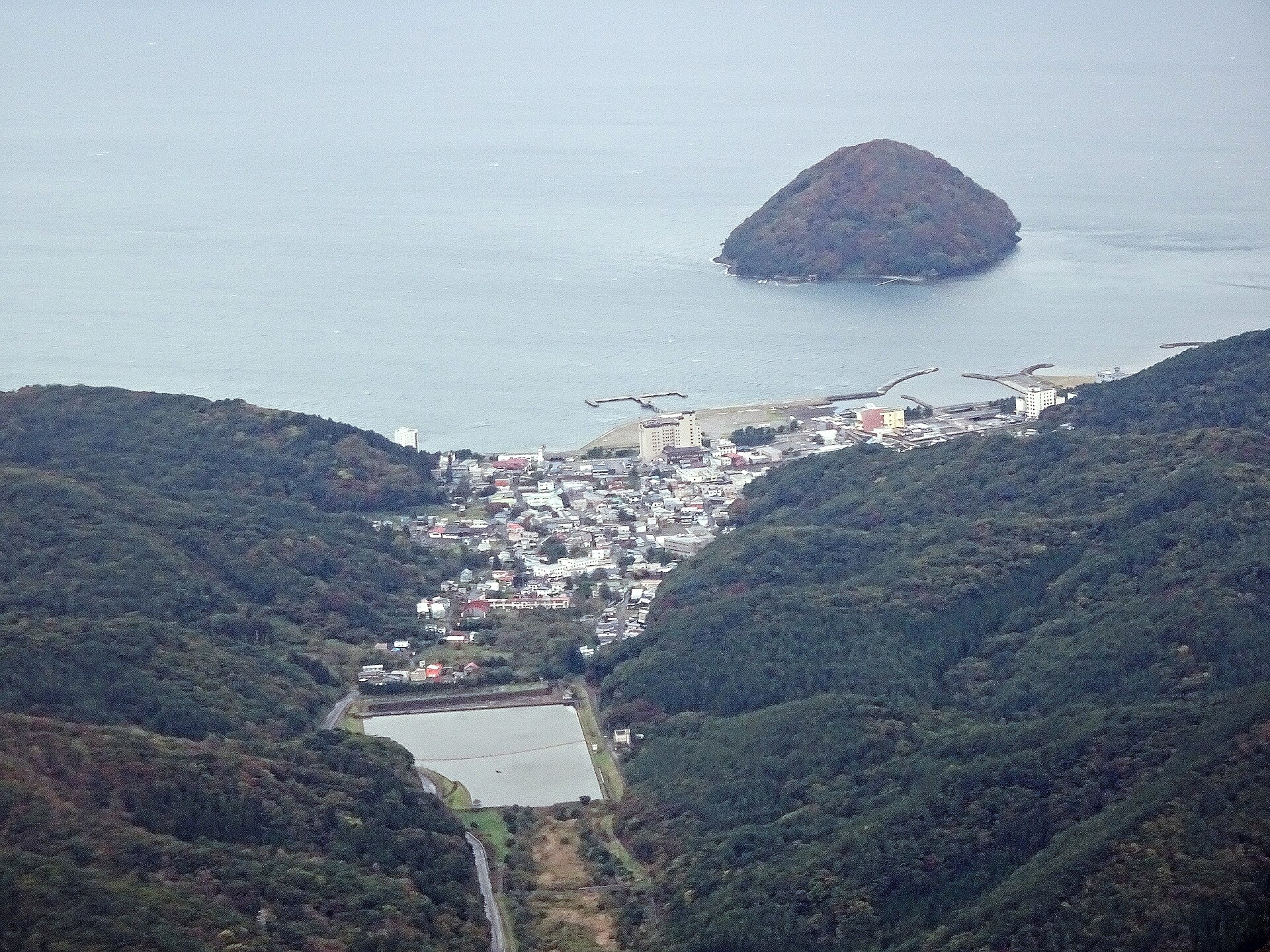 ブルーノ・プラス / CC BY 4.0
Onsen · Aomori★★
Asamushi Onsen
16.4 km · straight line
Distances are straight lines on the map, not travel times.