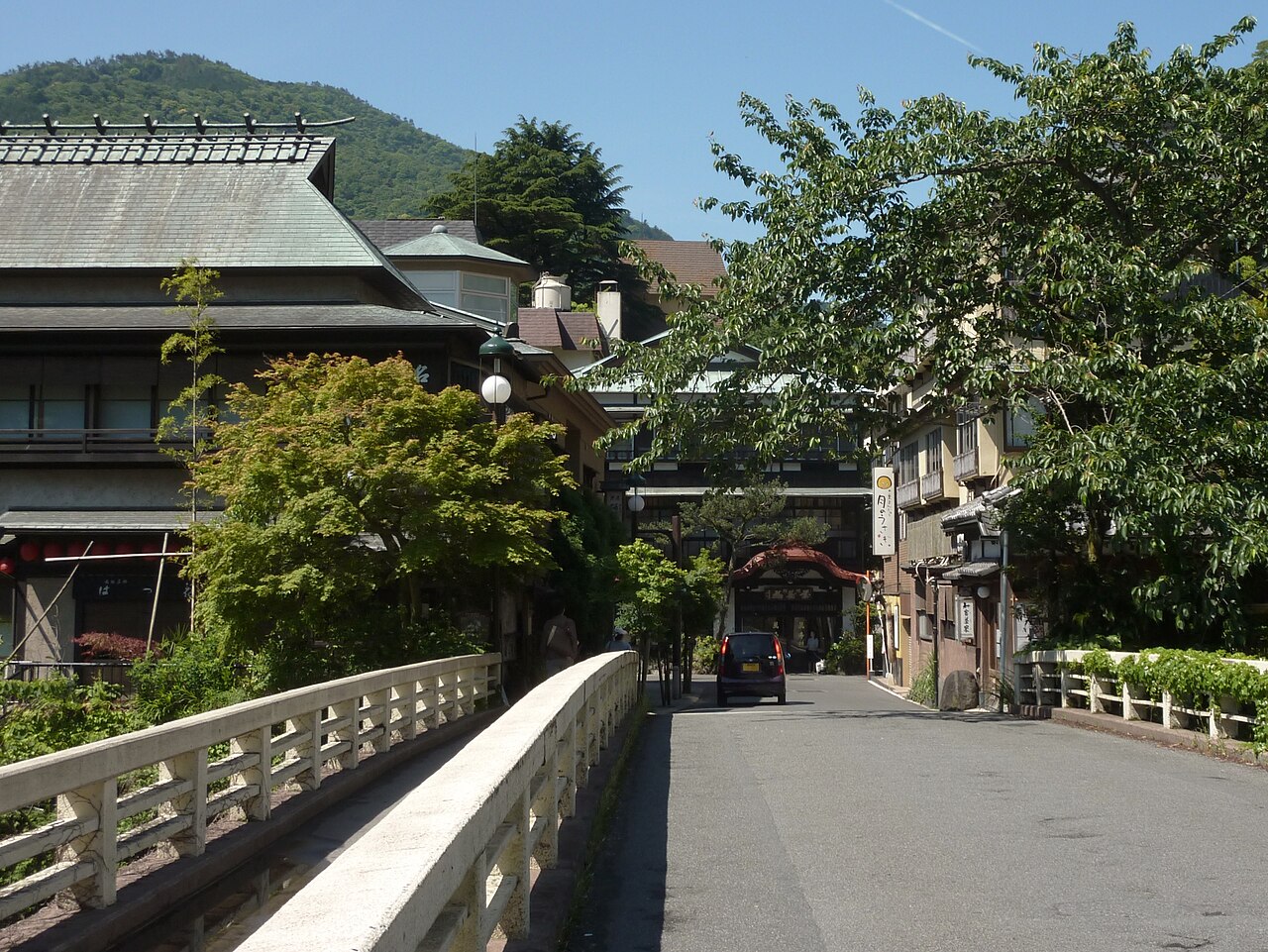
Kanagawa · HakoneNo.275★Open in map →
Hakone-Yumoto
— the gateway hot-spring town
The oldest hot-spring area in Hakone, at the confluence of the Hayakawa and Sukumogawa rivers, with inns, day-use baths, foot baths and a shopping street immediately outside the station — 73 minutes direct from Shinjuku.
- FromShinjuku Stn
- ~73 minOdakyu Romancecar, direct
- Get off atHakone-Yumoto Station
- On foot
- Hakone-Yumoto
Where it is
43 more notes in Kanagawa · open the map →What to look for
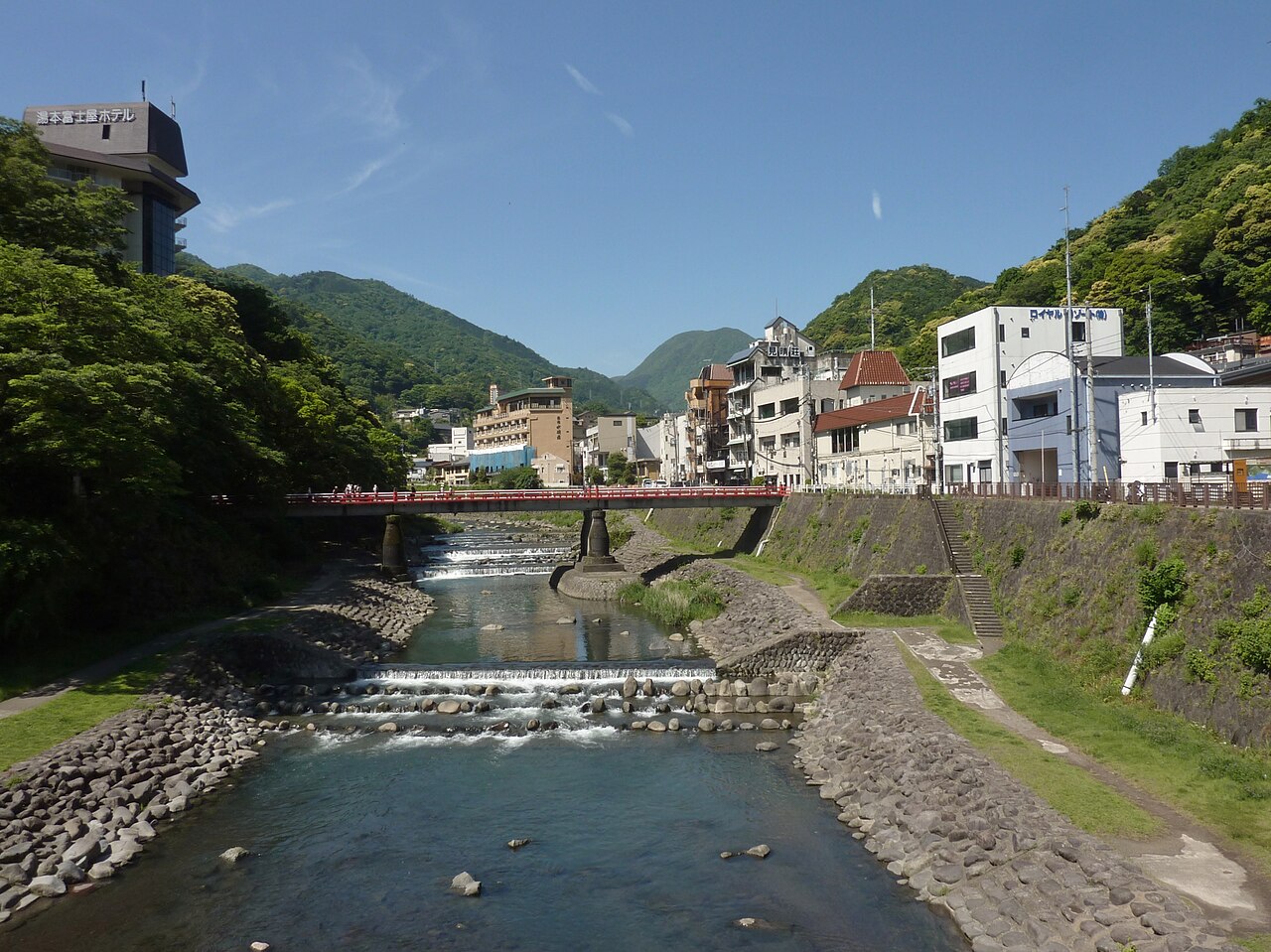
- The river confluencethe Hayakawa and Sukumogawa meet at the town, and the inns are built along both banks
- Day-use bathhousesaround thirty-five inns and bathing facilities in the area, many open to visitors without an overnight stay
- The station shopping streetsweet shops, snack stalls and free or low-cost foot baths, starting at the station exit
- Yosegi-zaiku marquetryHakone's traditional inlaid woodwork, sold and demonstrated in shops along the street
How to actually get there
- Shinjuku Station → Hakone-Yumoto Station (Odakyu Romancecar, direct, ~73 min).
- Hakone-Yumoto Station → the town (on foot, from the station exit).
- Odakyu Romancecar, no changes
- Shinjuku Station →(Odakyu Romancecar limited express, direct, ~73 min)→ Hakone-Yumoto Station. The town begins at the station exit. Romancecar seats are reserved, so book ahead on busy weekends; ordinary Odakyu trains also reach Hakone-Yumoto with a change at Odawara and cost less.
- Romancecar back to Shinjuku
- Return from Hakone-Yumoto by Romancecar to Shinjuku in about 73 minutes, or take the Hakone Tozan Line 15 minutes down to Odawara and join the JR Tokaido Line to Tokyo. Evening Romancecar services fill up; reserve the return before you start bathing.
About the place
Hakone-Yumoto lies where the Hayakawa and the Sukumogawa meet, in a steep-sided valley at the foot of the Hakone volcanic massif. Local tradition dates the spring to 738, which makes it the oldest of Hakone's seventeen hot-spring areas, and it became widely known in the Edo period as travellers on the Tokaido highway stopped to bathe. The area draws on 74 sources ranging from 23 to 77 degrees and yielding some 4,679 litres a minute, chiefly simple, alkaline simple and sodium-chloride waters — the alkaline springs are the reason the water feels soft on the skin. Around the station, roughly thirty-five inns and day-use bathhouses sit alongside a shopping street of sweet shops, foot baths and yosegi-zaiku marquetry workshops.
How to enjoy it
Treat it as the destination rather than the transfer: arrive on the Romancecar, take a day-use bath, and eat on the street by the river. If you are going deeper into Hakone the same day, do Yumoto on the way back instead — a bath before the train home works better than one before a day of buses. Reserve the return Romancecar seat in advance, because evening services out of Hakone fill up.
Background & history
Tradition places the opening of the spring at Hakone-Yumoto in 738, the tenth year of the Tenpyo era, making it the earliest of the seventeen hot-spring areas that now make up Hakone. Its reputation spread in the Edo period, when additional sources were developed and travellers on the Tokaido highway broke their journey here. The same position — the point where the mountain road begins — is why it later became the terminus of the railway from Tokyo and the gateway through which almost all Hakone traffic still passes.
Before you go
- Cash
- IC cards (Suica / PASMO) work on the trains, but the Romancecar limited express requires a separate reserved seat ticket. Day-use bathhouses and small shops on the main street are more reliable with cash than with cards.
- Good to know
- Day-use bathhouses each set their own hours and closed days, and many stop admitting guests well before they close — check the specific bath before committing your afternoon to it. Tattoos are refused at some establishments; ask at the desk first.
- Another way
- From Odawara Station it is about 15 minutes to Hakone-Yumoto on the Hakone Tozan Line or by bus, which is useful if you are coming on the Shinkansen rather than from Shinjuku.
- After you get off
- The town starts at the station itself. The main shopping street runs from the exit along the river, with inns and bathhouses spread up both banks within about a 15-minute walk.
Nearby notes
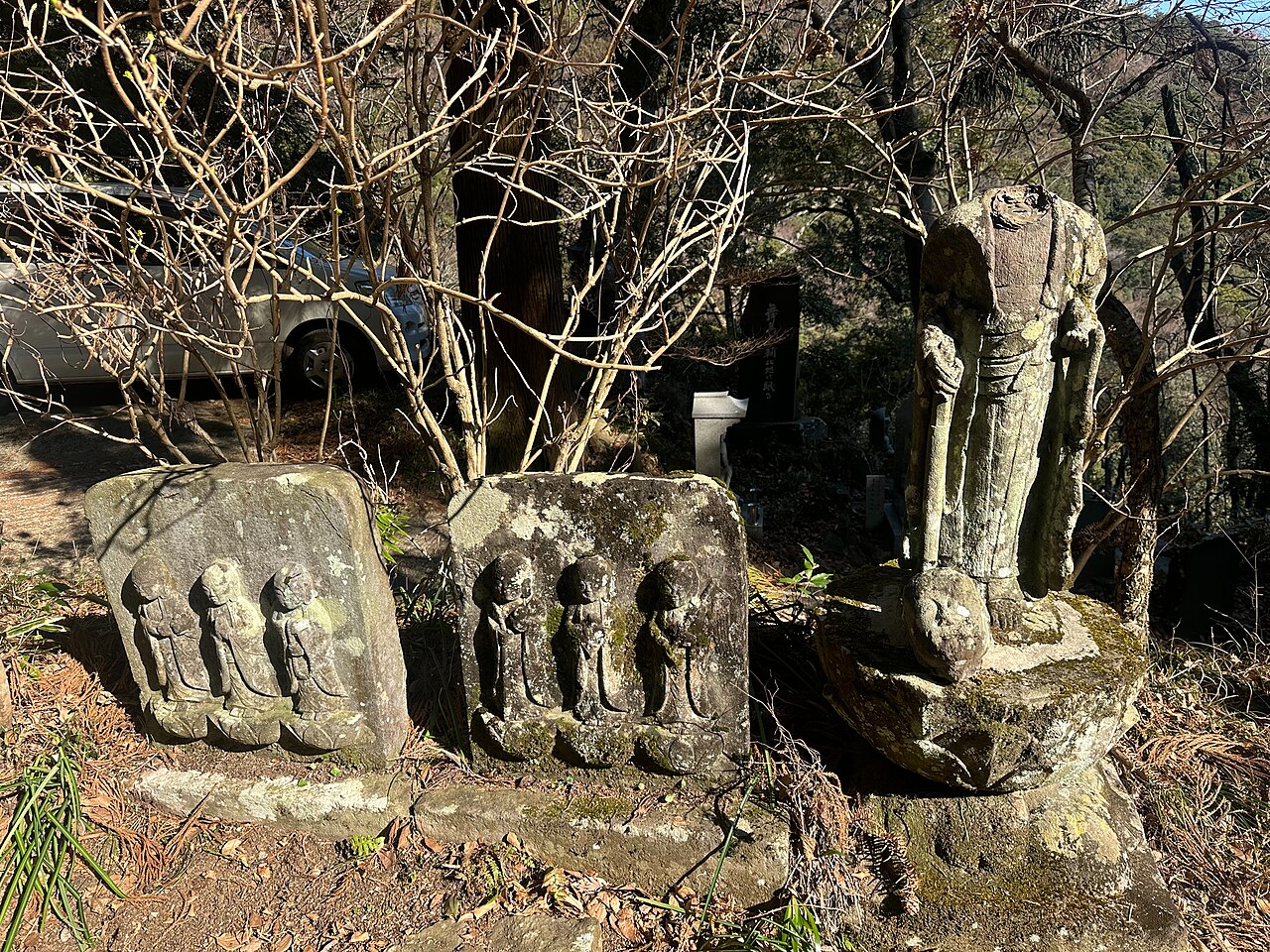 Nesnad / CC BY 4.0
History · Kanagawa★
Amidaji
1.0 km · straight line
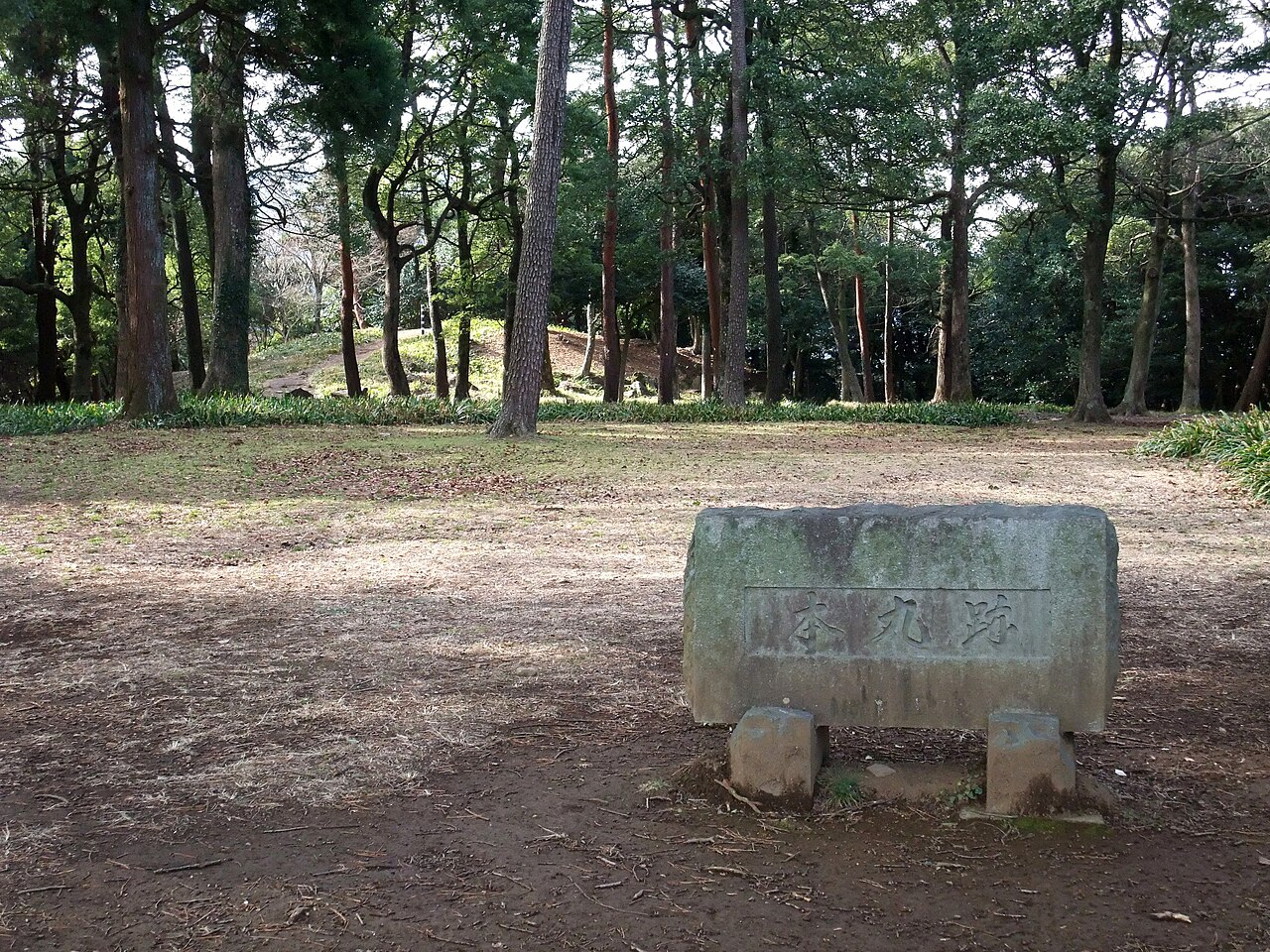 Tak1701d / Public domain
History · Kanagawa★
Ishigakiyama Ichiya Castle
2.1 km · straight line
 663highland / CC BY 2.5
History · Kanagawa★★★
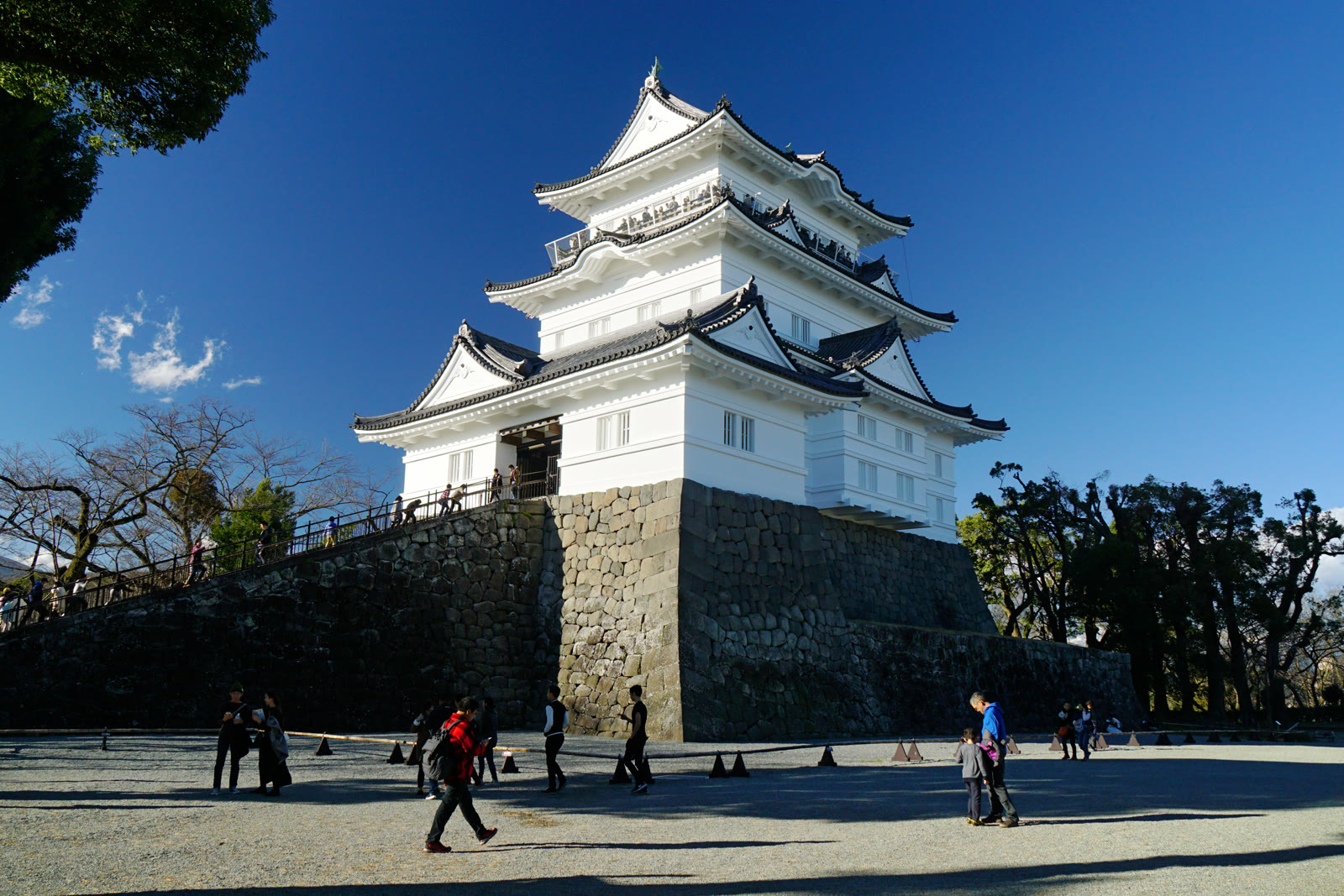
Odawara Castle
4.9 km · straight line
 663highland / CC BY-SA 4.0
Nature · Kanagawa★★★
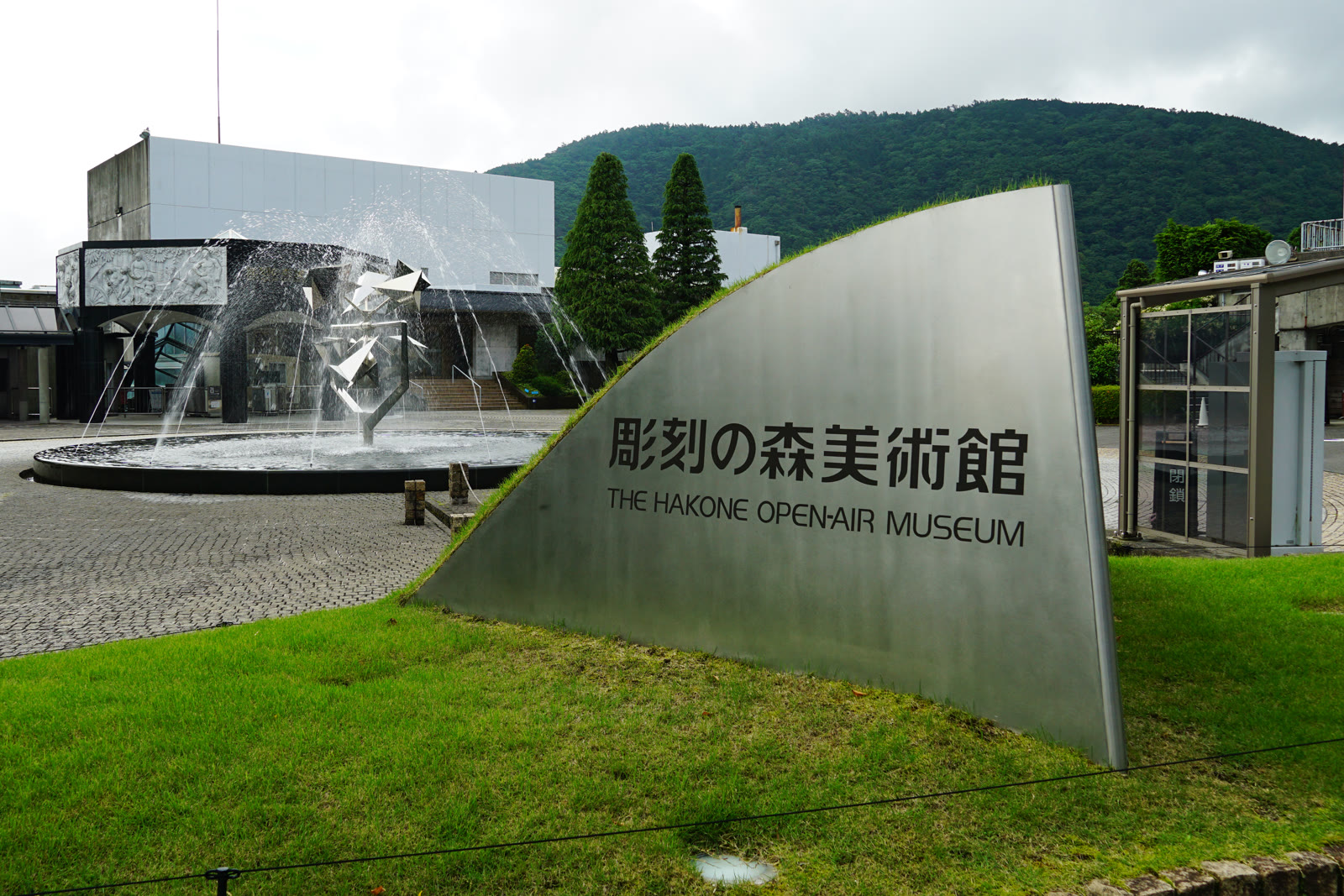
Hakone Open-Air Museum
5.1 km · straight line
On a curated routeThe Hakone Round →
Distances are straight lines on the map, not travel times.