Mogami · OkuraNo.560★★Open in map →
Hijiori Onsen
— A snowbound cure-bath village inside a caldera
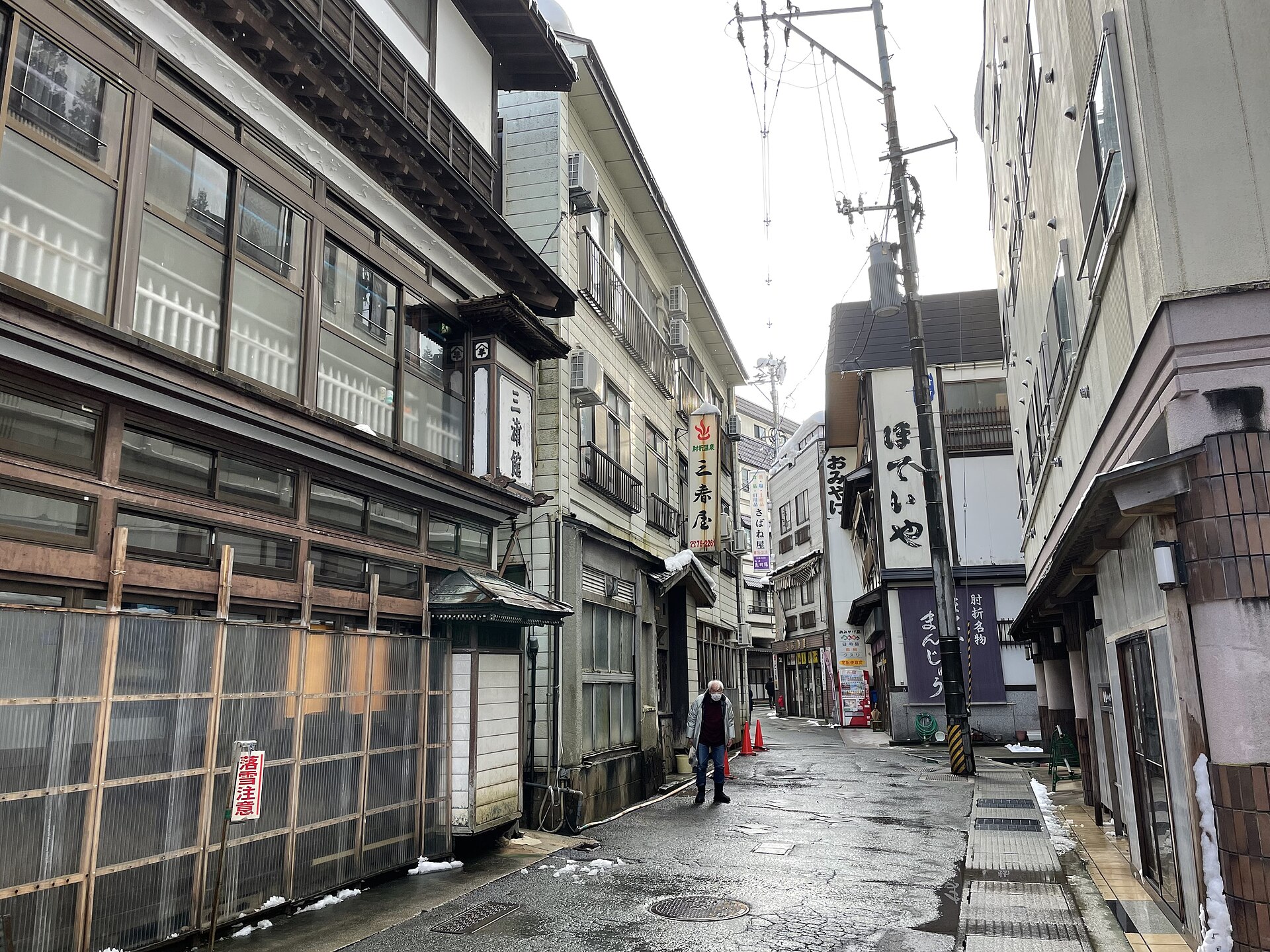
A hot-spring village packed into a narrow valley in the Okura hills, inside the rim of a volcanic caldera. Wooden inns line one street, many of them with kitchens for guests, and a morning market sets up outside their doors.
- FromShinjo Station
- ~1 hrVillage bus, a few runs a day
- Get off atHijiori Onsen Machiaijo (Okura village bus terminus)
- On foot
- Hijiori Onsen
The sweet spot
Hijiori is well known inside Japan — its snow depths reach the national weather news — but it has almost no English presence and sits on no tourist circuit. The single bus line does most of the filtering. Arrive by public transport and the day is shaped around a handful of departures, which is also why people stay the night here instead of passing through.
Where it is
9 more notes in Yamagata · open the map →What to look for — in walking order
- The morning-market streetthe stretch in front of the inns where growers set out vegetables and preserves from spring through autumn
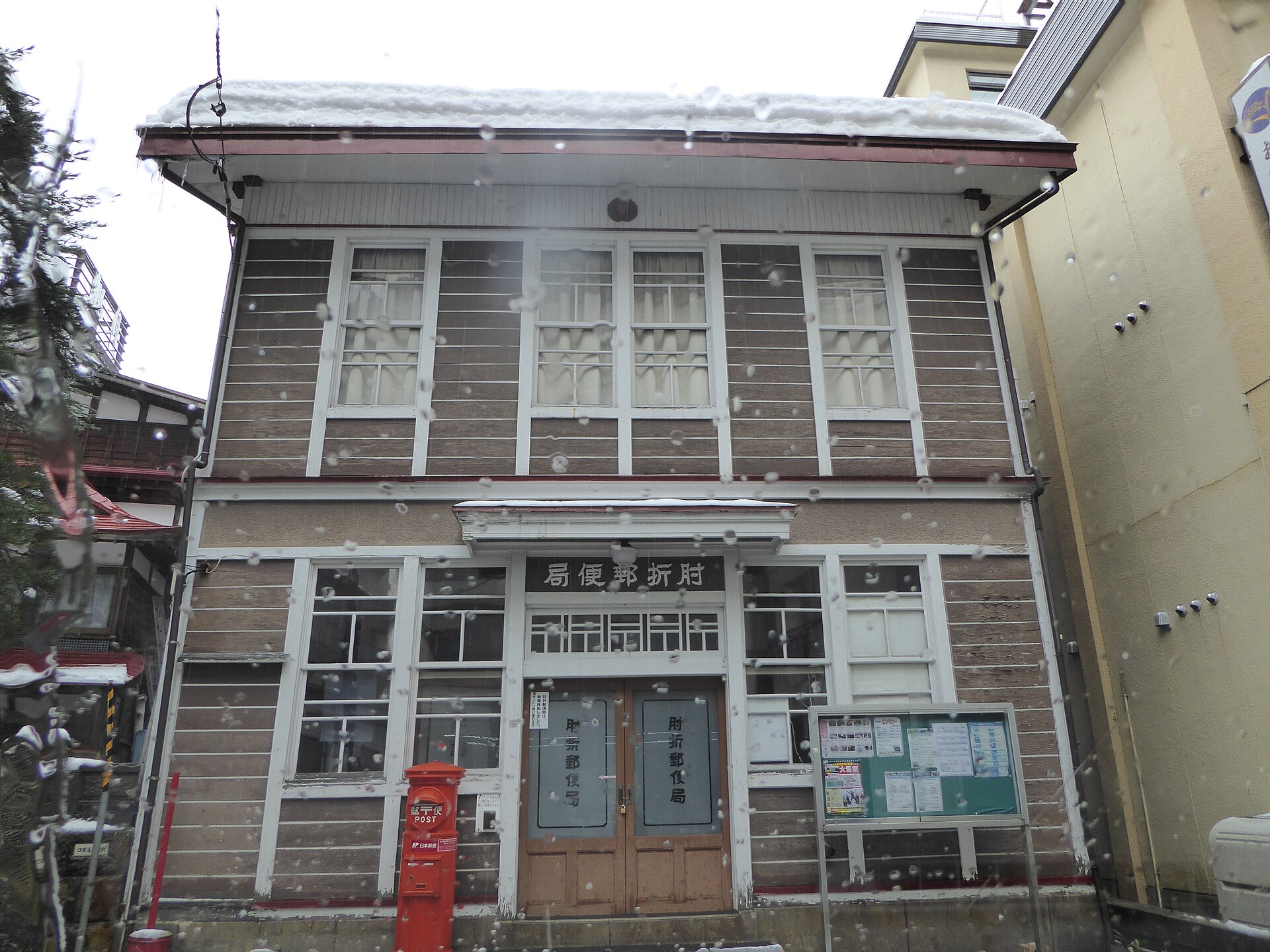
- The former post officea wooden building in the middle of the street, now an event space rather than a counter
- Gensen Parka stone dome upstream with a glass window onto the source, and a hip bath beside it
- Jizokuraa cave shrine above the village tied to the founding legend, where twists of paper are pushed into holes in the rock
How to actually get there
- Tokyo or Yamagata → Shinjo Station (Yamagata Shinkansen, northern terminus).
- Shinjo Station → Hijiori Onsen Machiaijo (Okura village bus, Hijiori Yukemuri Line, about an hour, last stop).
- Walk the single street up the valley from the waiting room, past the old post office to the source park.
- Stay the night, then be outside before breakfast for the morning market in season.
- Okura village bus from Shinjo Station
- Shinjo is the northern terminus of the Yamagata Shinkansen. From the station take the Okura village bus on the Hijiori Yukemuri Line to the last stop, Hijiori Onsen Machiaijo, which takes about an hour. There are only about six runs on a weekday and fewer at weekends, so choose your train to meet one.
- Return on the Yukemuri Line
- The same village bus runs back to Shinjo from the waiting room at the end of the street. Weekday and weekend timetables are different and the number of returns is small, so read the board at the waiting room on arrival and plan the last day around it rather than the other way round.
About the place
Hijiori sits in a hollow at the foot of Mount Gassan, on the Dozan River, inside the rim of a volcanic caldera. The water is a sodium chloride and bicarbonate spring, and the village is made to be soaked in rather than looked at. Many of the inns keep self-catering wings, a survival of the toji custom in which farmers came down after the harvest and stayed for weeks at a time. The wooden buildings stand shoulder to shoulder along a single street with barely a gap between them. The state recognises the valley, together with the neighbouring Kogane and Ishidaki springs, as a designated health-resort hot spring.
How to enjoy it
The morning market is the reason to stay the night rather than come for the day: it runs from spring through autumn, sets up before breakfast and is packed away well before mid-morning. Guests buy vegetables there and cook them in the inns' own kitchens, which is the oldest habit in the village. If you cannot stay, Hijiori Ideyu-kan and Caldera Onsen-kan both take day bathers.
Background & history
The springs are dated to 807. A monk named Genno is said to have met an old priest here who told him of a bath that had healed his broken elbow, and the name Hijiori, meaning broken elbow, is traced to that meeting. The place grew as a cure-bath rather than a resort, and it kept the shape of one. The wooden post office built in 1937 still stands in the middle of the street; it no longer handles mail and is used for events instead, which is the village in miniature — nothing torn down, everything given a second job.
Before you go
- Cash
- Walking the street costs nothing. Day bathing without staying is possible at Hijiori Ideyu-kan and at Caldera Onsen-kan, each charging its own entry. This is a village of small family inns, so carry cash.
- Good to know
- Hijiori Ideyu-kan closes on Tuesdays and Wednesdays. The morning market does not run in winter. This is one of the snowiest inhabited places in Japan and the road in is a mountain road, so from December to March allow for buses running late and for the upper paths being impassable.
- Another way
- By car it is about forty minutes from Shinjo over the hills. In winter the route needs proper snow tyres and the village car parks fill with cleared snow, so the bus is often the easier option.
- After you get off
- The Hijiori Onsen Machiaijo stop is the end of the line, and the onsen street begins at its door. Everything runs in one line up the valley alongside the Dozan River, so there is no navigating to do.
Nearby notes
 ブルーノ・プラス / CC BY 4.0
Nature · Yamagata★★★
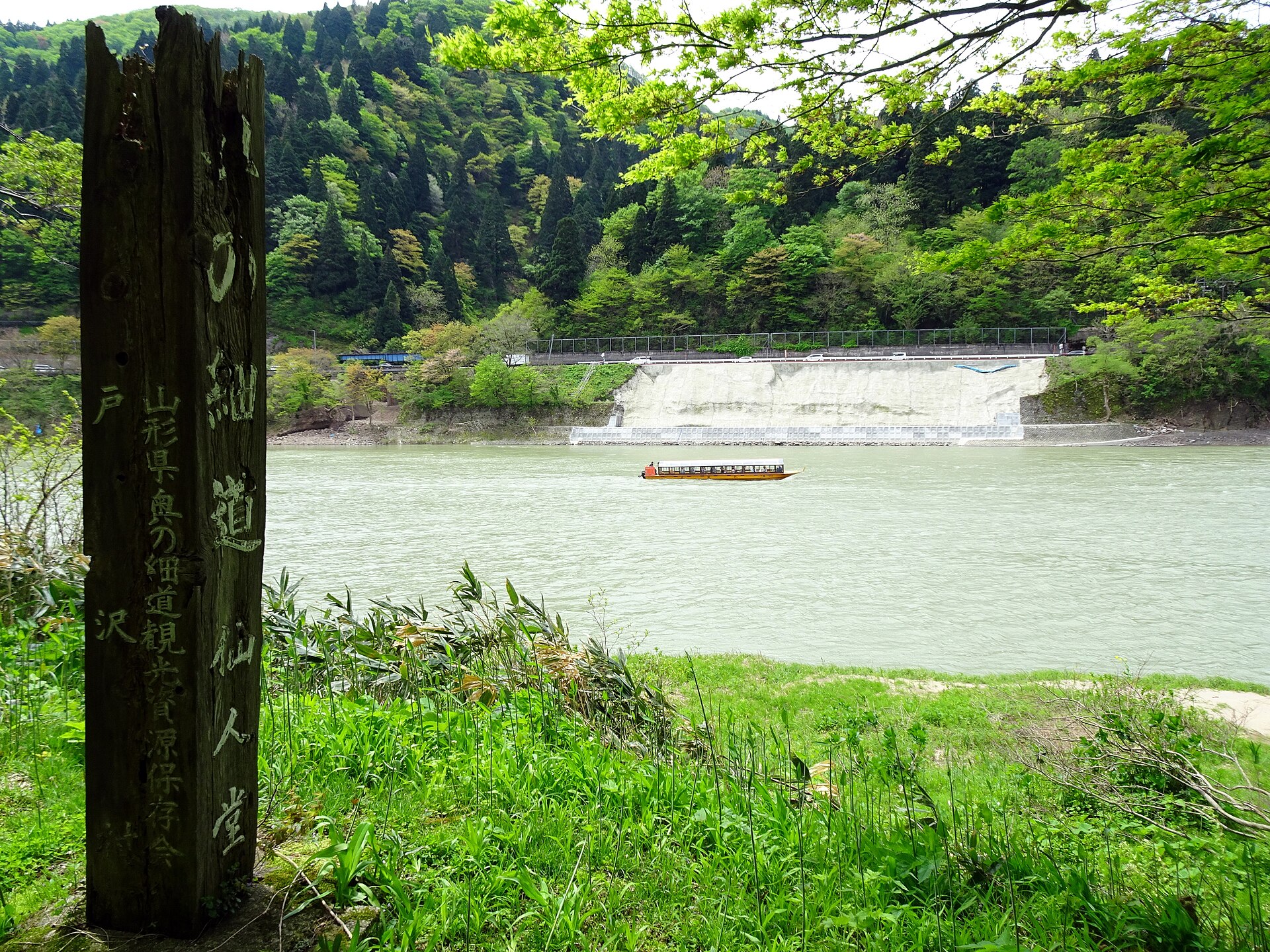
Mogami Gorge Boat Ride
14.4 km · straight line
 Raita Futo from Tokyo, Japan / CC BY 2.0
History · Yamagata★★★
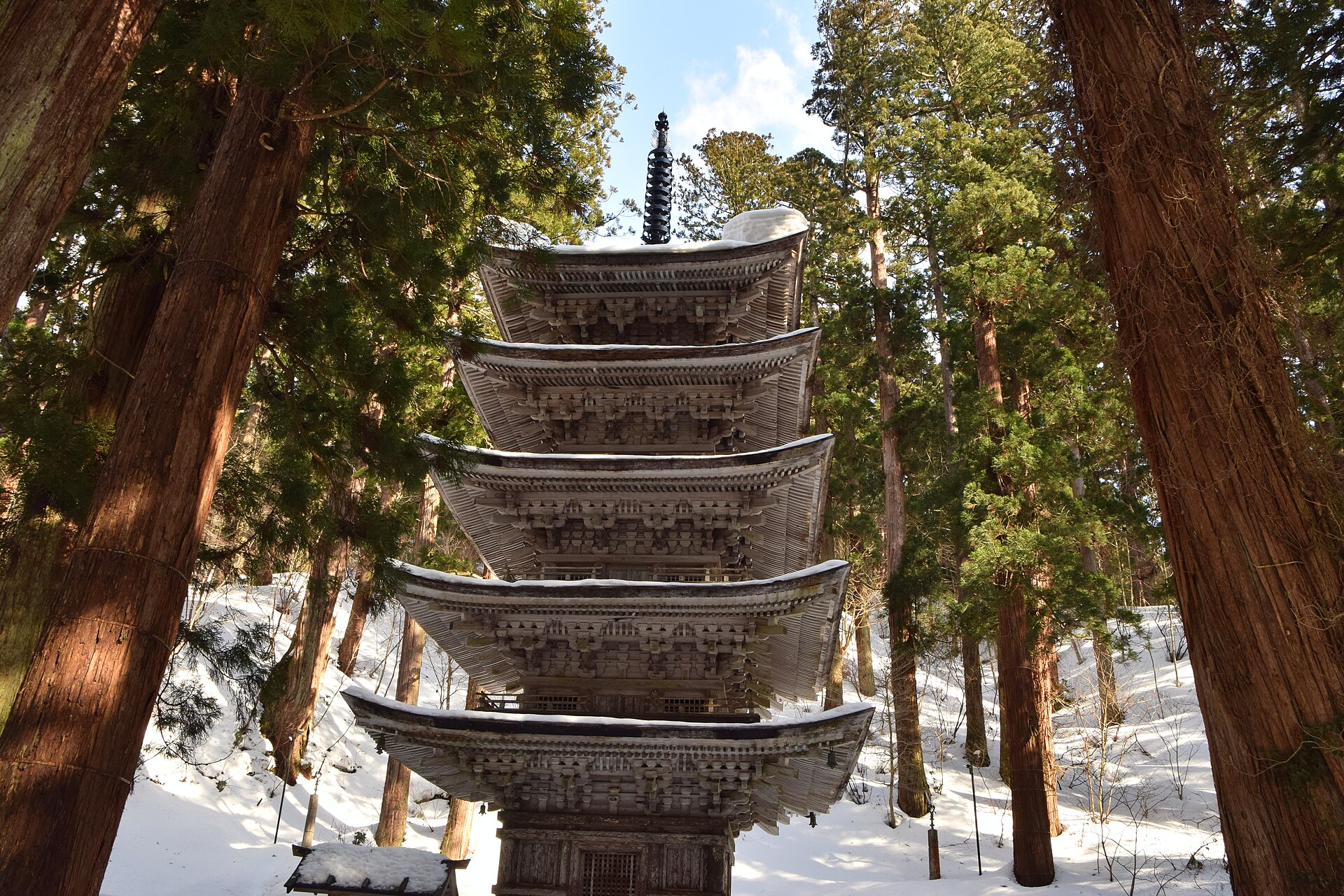
Haguro-san Five-Story Pagoda
20.3 km · straight line
 Qwert1234 / CC BY-SA 4.0
Food · Yamagata★★★
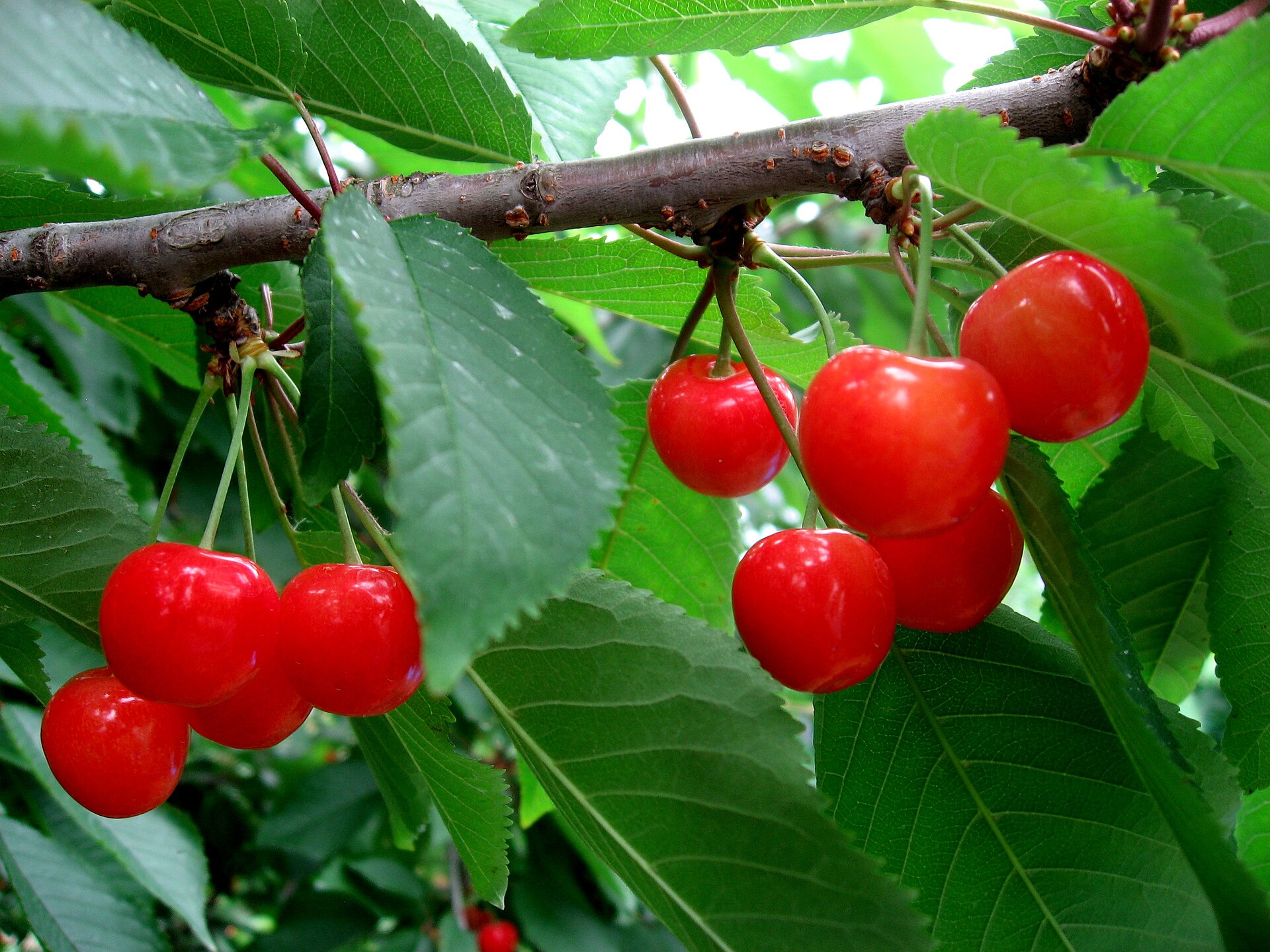
Yamagata Cherries
25.1 km · straight line
Distances are straight lines on the map, not travel times.