South Okinawa · ItomanNo.663★★★Open in map →
Himeyuri Peace Museum
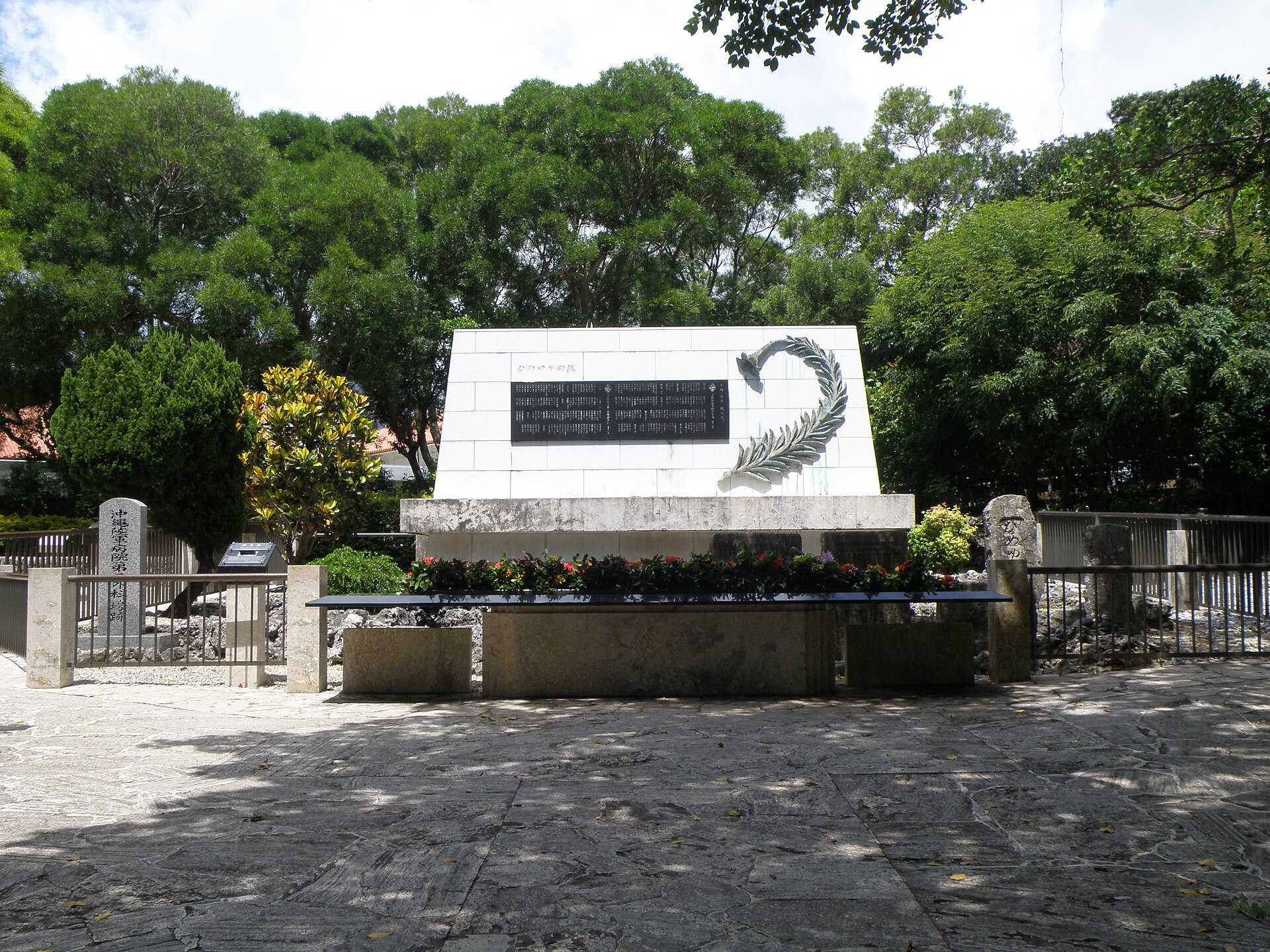
A cenotaph on the southern coast road of Okinawa, and beside it a museum founded by the women who survived. The exhibits are their own: photographs, belongings and filmed testimony from the schoolgirls mobilised as nurses during the battle.
- FromNaha Bus Terminal
- ~60–90 minBus, one change, ~60–90 min
- Get off atHimeyuri-no-To-mae (buses 82 / 107)
- On foot
- Himeyuri Peace Museum
Where it is
41 more notes in Okinawa · open the map →What to look for — in walking order
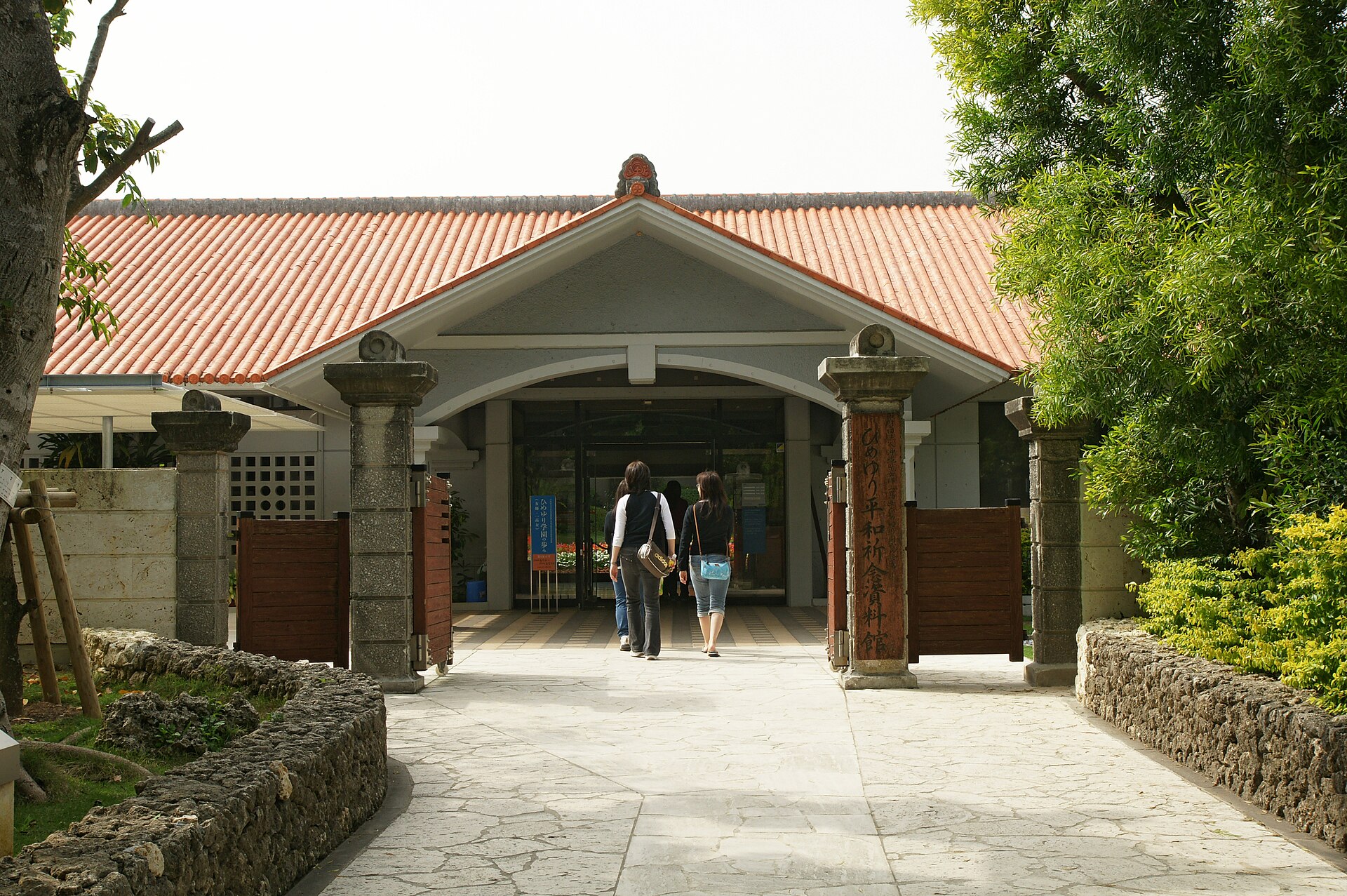
- The cenotaph and the cavethe memorial, with the mouth of the Third Surgical Cave directly below it
- Rooms 1 and 2the girls' school before the war, then the field hospital they were sent into
- The testimony roomsurvivors filmed at the sites themselves, describing what happened at each
- The memorial hall227 portraits of the dead students and teachers, with a full-size model of the cave
- The postwar roomshow the survivors lived afterwards, and the changing special exhibition
How to actually get there
- Naha Bus Terminal → Itoman Bus Terminal (route 89).
- Itoman Bus Terminal → Himeyuri-no-To-mae (route 82 or 107).
- Walk to the cenotaph and the cave mouth, then enter the museum beside it.
- Read the rooms in their numbered order, ending at the hall of portraits.
- Bus from Naha, changing at Itoman
- Naha Bus Terminal →(route 89)→ Itoman Bus Terminal →(route 82 or 107)→ Himeyuri-no-To-mae. About 60 to 90 minutes in total including the change. The same route can be joined at Akamine Station on the Yui Rail monorail.
- Return toward Naha
- Take route 82 or 107 back to Itoman Bus Terminal, then route 89 on to Naha. Services thin out towards the evening, so check the posted times at the stop before you go in rather than after.
About the place
The Himeyuri cenotaph stands beside Route 331 in Itoman, at the southern end of Okinawa, above the mouth of the Third Surgical Cave. Pupils and teachers from two girls' schools had been ordered into the army's field hospitals as nursing staff, and when the fighting reached the south they were abruptly released from duty in the middle of it. The greatest loss of the group happened here. The museum next to the cenotaph was founded by the survivors and their alumnae association — not by a government or a foundation — and its rooms move from school life, to the field hospital, to filmed testimony, to a hall of portraits.
How to enjoy it
The museum opens at nine and takes its last admission at five, so an early start from Naha still leaves the afternoon for the rest of the southern coast. Read the rooms in the order they are numbered; they are built as an argument and lose their shape if you wander. Give the testimony room more time than it appears to need.
Background & history
The cenotaph was raised in 1946, the year after the fighting ended, at the mouth of the cave where the students had sheltered. For decades afterwards the survivors spoke publicly about what they had seen, in Okinawa and beyond it. In 1989 their alumnae association opened the museum beside the cenotaph so that the account would outlast the people able to give it. The testimony filmed for those rooms now carries what the survivors used to say aloud, and the exhibits have been rebuilt since to keep it legible to visitors born long after.
Before you go
- Cash
- The cenotaph and its grounds are free to visit. Museum admission was 450 yen for adults when checked, with lower rates for high school and for primary and junior high school pupils. The museum has no car park of its own; the neighbouring shops provide parking for their customers.
- Good to know
- The site is open to the weather and there is little shade; the coast road beside it carries fast traffic. Typhoons in summer and early autumn can close roads and suspend bus services across the south of the island.
- Another way
- By car from Naha or Naha Airport the drive takes roughly half an hour, using the expressway south and then the coast road.
- After you get off
- The stop is on Route 331 directly outside the site. The cenotaph is a short walk from the bus stop, and the museum entrance stands beside it.
Nearby notes
 yawning hunter / CC BY 2.0
Craft · Okinawa★★★
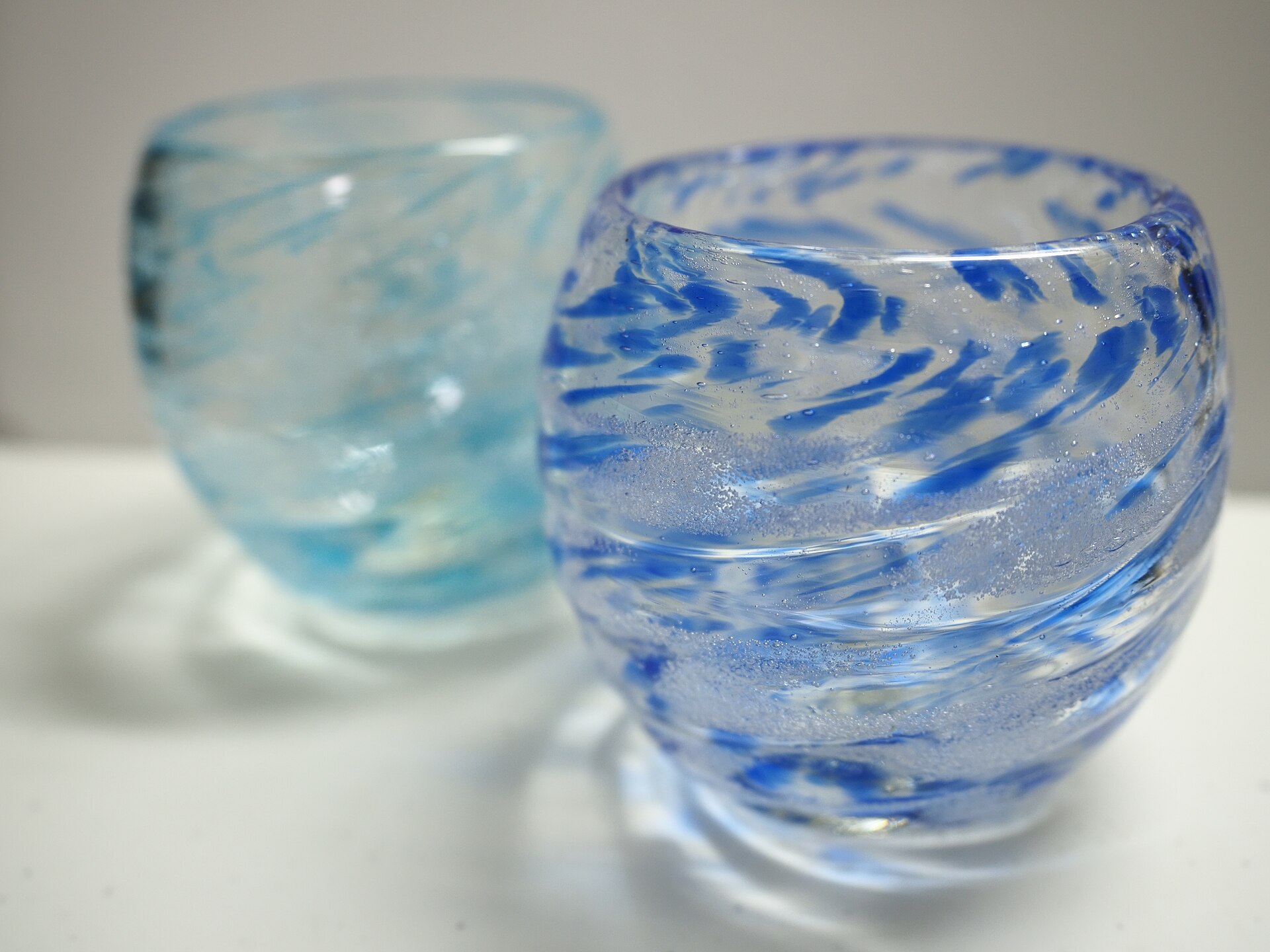
Ryukyu Glass Village
1.3 km · straight line
 MaedaAkihiko / CC0
Food · Okinawa★★★
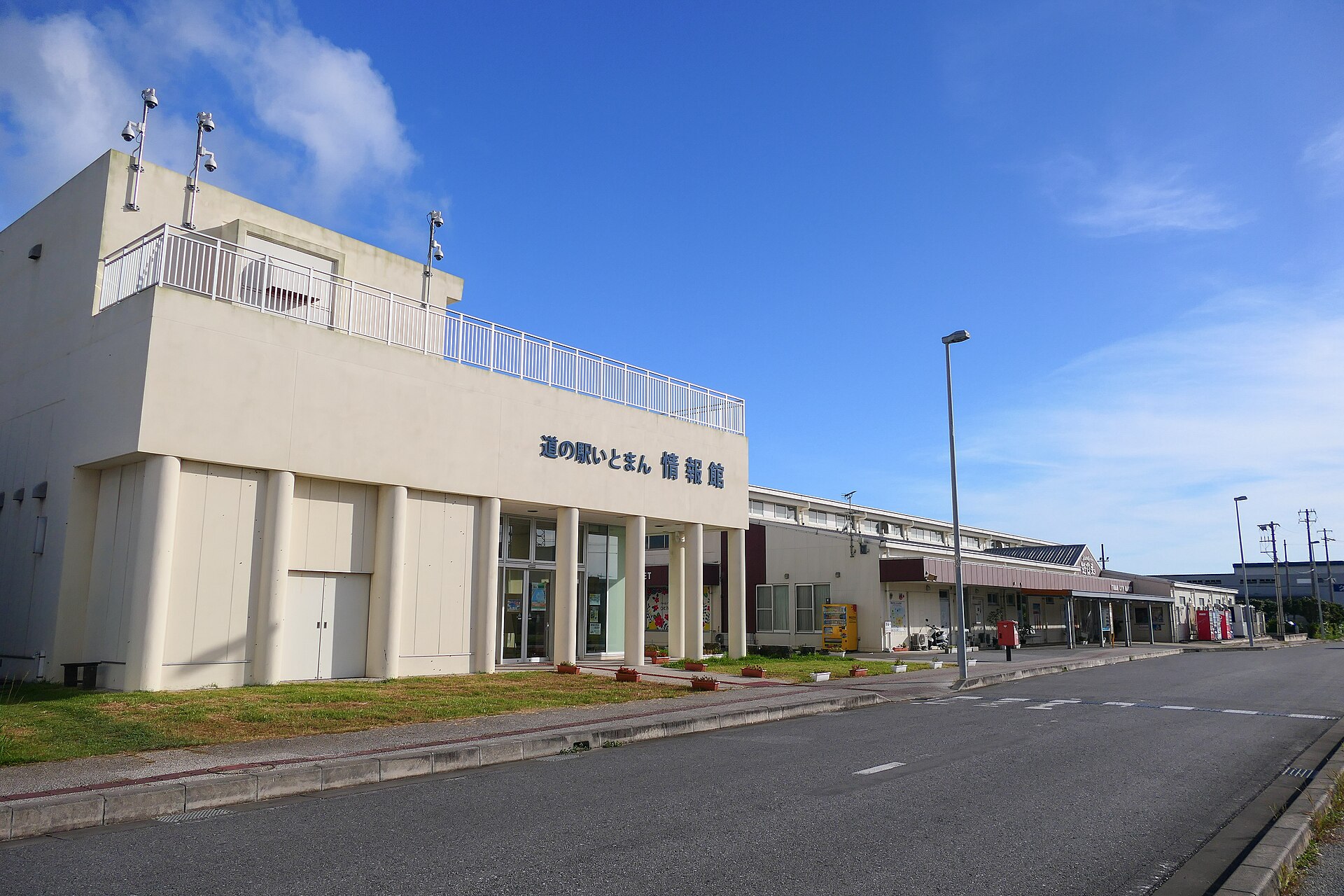
Okinawa Kokuto
5.5 km · straight line
 Suicasmo / CC BY-SA 4.0
Nature · Okinawa★★★
Okinawa World
7.6 km · straight line
 阿橋 HQ / CC BY-SA 2.0
Food · Okinawa★★★
Goya
7.6 km · straight line
Distances are straight lines on the map, not travel times.