South Okinawa · NanjoNo.681★★★Open in map →
Okinawa World
— Gyokusendo limestone cave and a Ryukyu culture park
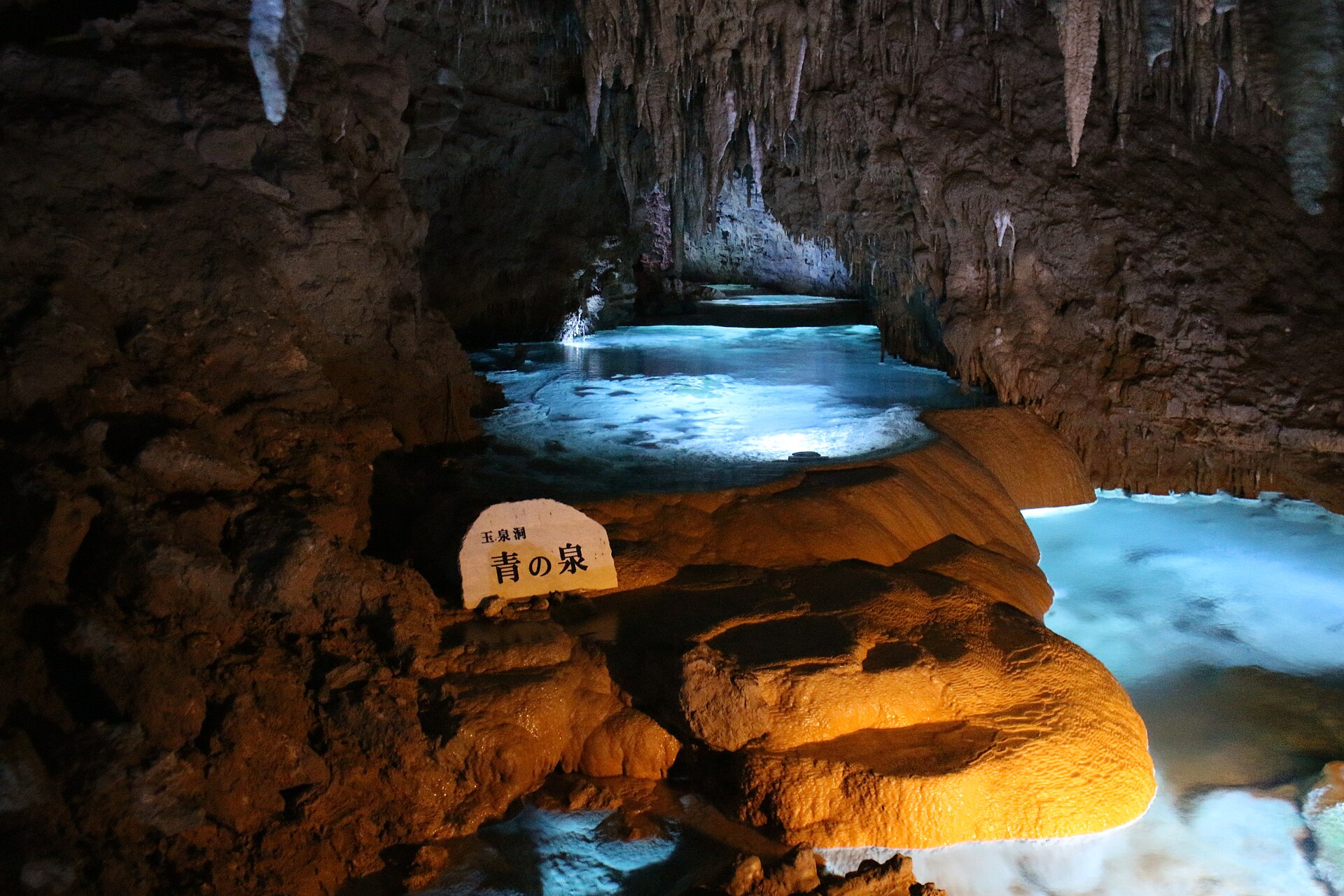
Under the tour-bus car park at Tamagusuku lies a limestone cave system that rain has been cutting for hundreds of thousands of years. The park entrance funnels every visitor into it before anything else.
- FromNaha Airport
- ~30 min by carRyukyu Bus 83, Gyokusendo Line
- Get off atGyokusendo-mae (Ryukyu Bus, Gyokusendo Line)
- On foot
- Okinawa World
Where it is
41 more notes in Okinawa · open the map →What to look for — in walking order
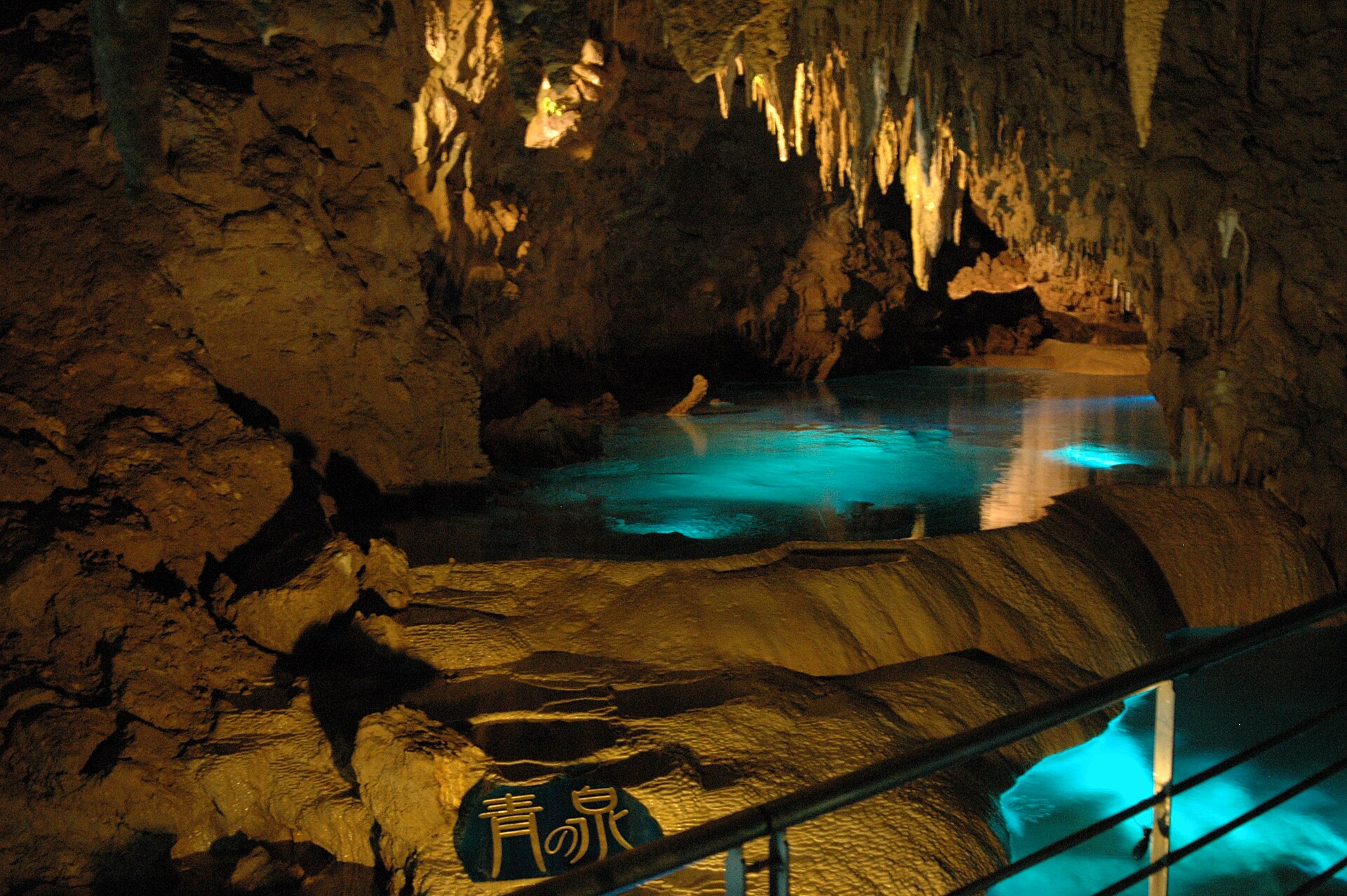
- Gyokusendo Cavethe lit and railed section of the system, 890 metres of it walkable
- Aonoizumi (the Blue Spring)a still limestone pool on the cave route, lit in colour for display
- The tropical fruit orchardplanted ground at the cave exit, growing pineapple, mango and other island fruit
- Ryukyu Kingdom castle townrelocated red-tiled houses holding glass, textile and papermaking workshops
- Habu Parka museum of the island's pit viper and other venomous species
How to actually get there
- Naha Airport or Naha Bus Terminal → Gyokusendo-mae (Ryukyu Bus route 83, Gyokusendo Line).
- Walk two minutes from the stop to the ticket windows.
- Go down into the cave first; the route climbs out into the orchard on the far side.
- Work back through the castle town and Habu Park, then return from the same stop.
- Ryukyu Bus route 83, the Gyokusendo Line
- Route 83 runs from Naha Airport, and from Naha Bus Terminal beside Asahibashi monorail station, out through the southern suburbs to the Gyokusendo-mae stop. It is a standard local service, so pay on board. By car the same trip is about 30 minutes from the airport, which is why most package tours arrive on a coach rather than a service bus.
- Return from Gyokusendo-mae
- The same stop takes you back towards Naha Bus Terminal. Services thin out in the evening and the park closes well before dark, so plan the return around the closing time rather than around sunset. If you are continuing south to the Peace Memorial area, ask at the stop which service to take rather than assuming a connection.
About the place
Southern Okinawa is built on Ryukyu limestone, laid down as coral and lifted out of the sea, and rain has been dissolving channels through it ever since. At Gyokusendo those channels add up to a system measuring some 5,000 metres, hung with stalactites, ribbed columns and shallow rimstone pools. Only part of it is lit and railed for walking; the rest stays closed. The park was built afterwards, on the ground directly above, so the sequence is fixed: you go down into the cave first and come up into the orchards and workshops on the other side. Bats and cave-adapted invertebrates live in the unlit sections.
How to enjoy it
Entry is through the cave, so the coolest and darkest part of the visit comes first and everything above ground follows. Give the underground route unhurried time; the walkway is wet and the handrails are there for a reason. Above ground the Super Eisa drum performance runs several times a day on a posted schedule, so check the board on the way out of the cave rather than after it.
Background & history
The cave is old in a way the park is not. Rainwater working through the Ryukyu limestone is thought to have taken roughly 300,000 years to open the passages and grow the formations now on the walking route. Surveying and lighting came much later, and the cave was opened to visitors decades before the attractions above it existed. The Ryukyuan castle town, the snake museum and the performance ground were added afterwards, around the mouth of something that was already there.
Before you go
- Cash
- Admission at the time of writing is 2,000 yen for adults and 1,000 yen for children aged four to fourteen, and advance tickets can be bought online. Craft workshops and the snake museum are charged separately, so keep some cash aside.
- Good to know
- Opening hours are 9:00 to 17:30 with last admission at 16:00, and the park does not take a regular closing day. The cave route is underground, which makes this one of the few plans on the island that rain does not spoil, but the floor stays wet and slippery all year.
- Another way
- Route 54, the Maekawa Line, also runs from Naha Bus Terminal to the same stop, and several other southern services pass it. By car the site is signposted from the expressway on the Haebaru side, and the car park is large enough that it is rarely a problem.
- After you get off
- From the Gyokusendo-mae stop the entrance is a two-minute walk along the prefectural road; the ticket windows are at the top of the approach, and the queue leads straight to the cave stairs rather than into the park.
Nearby notes
 Kugel~commonswiki / CC BY-SA 4.0
Food · Okinawa★★
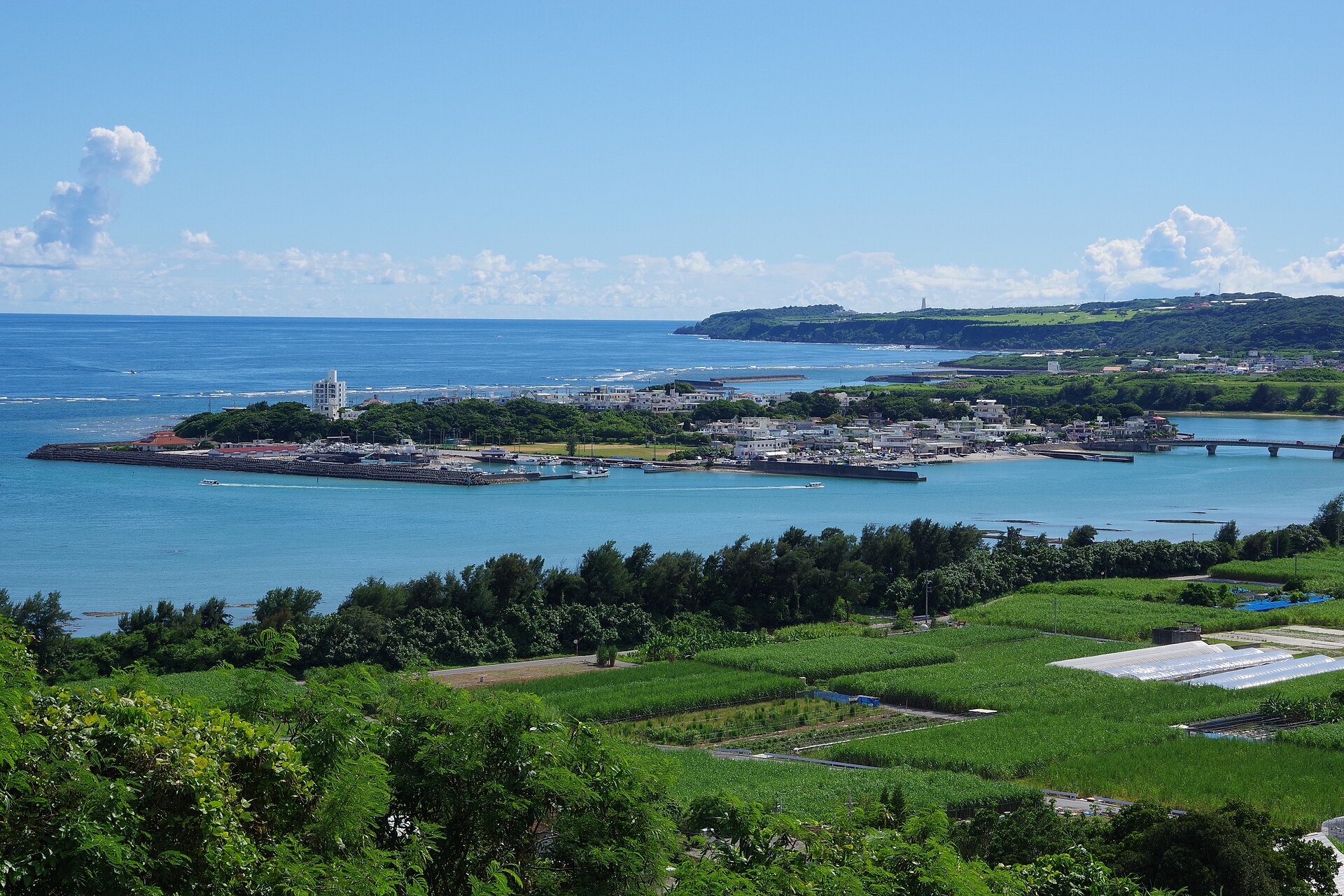
Ou Island
2.7 km · straight line
 Lequios-star / CC BY-SA 4.0
History · Okinawa★★★
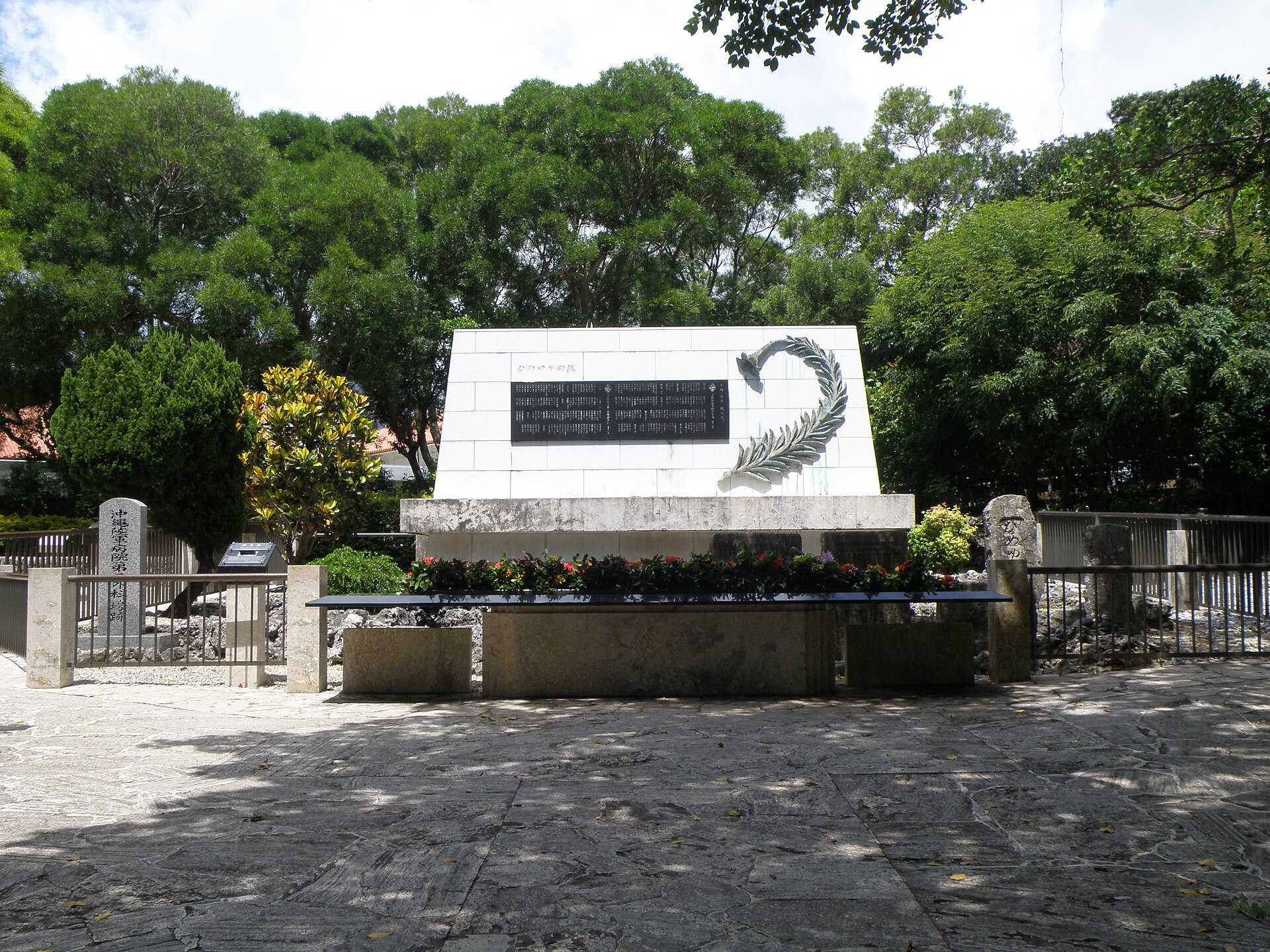
Himeyuri Peace Museum
7.6 km · straight line
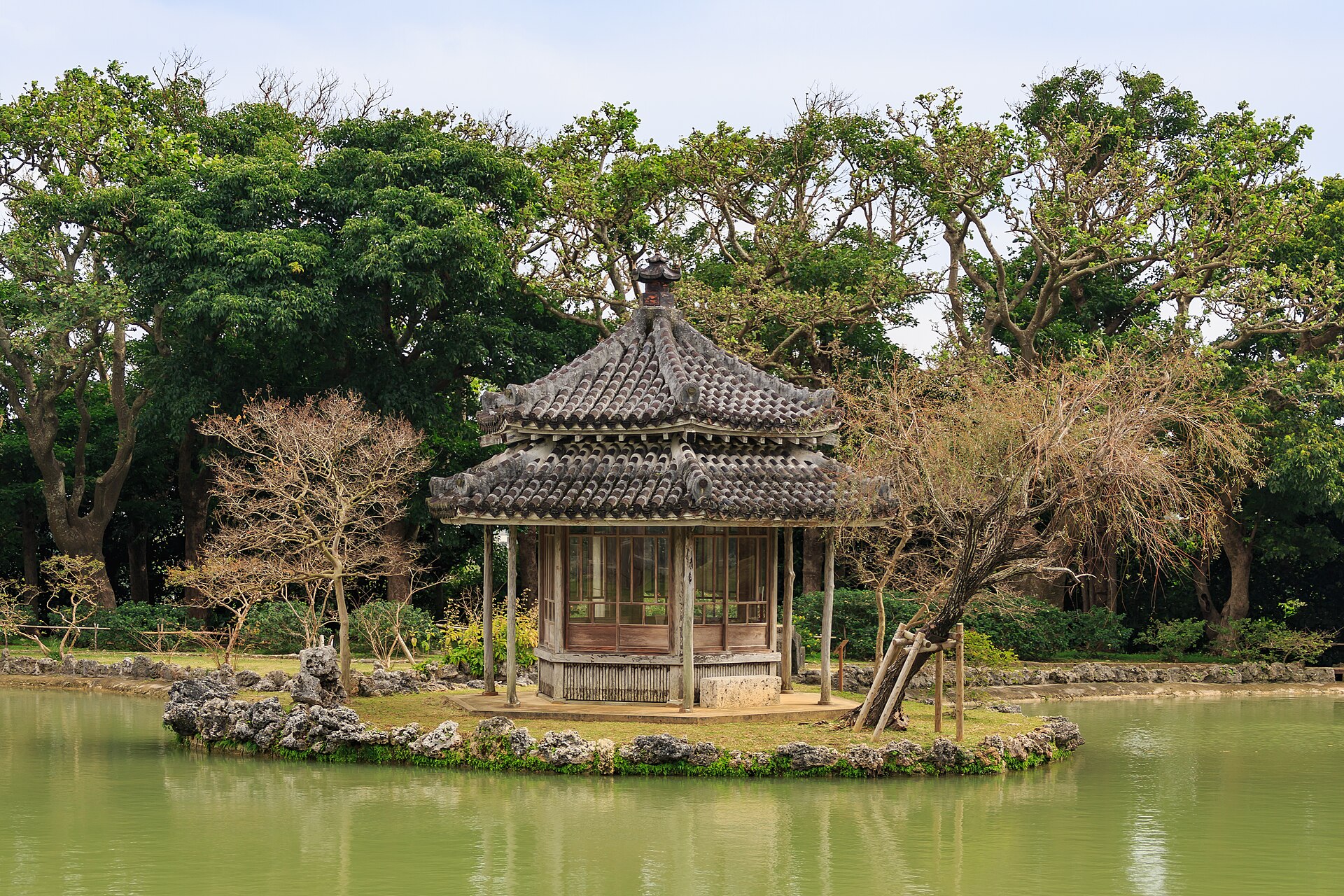 CEphoto, Uwe Aranas / CC BY-SA 3.0
Culture · Okinawa★★
Shikinaen Royal Garden
7.8 km · straight line
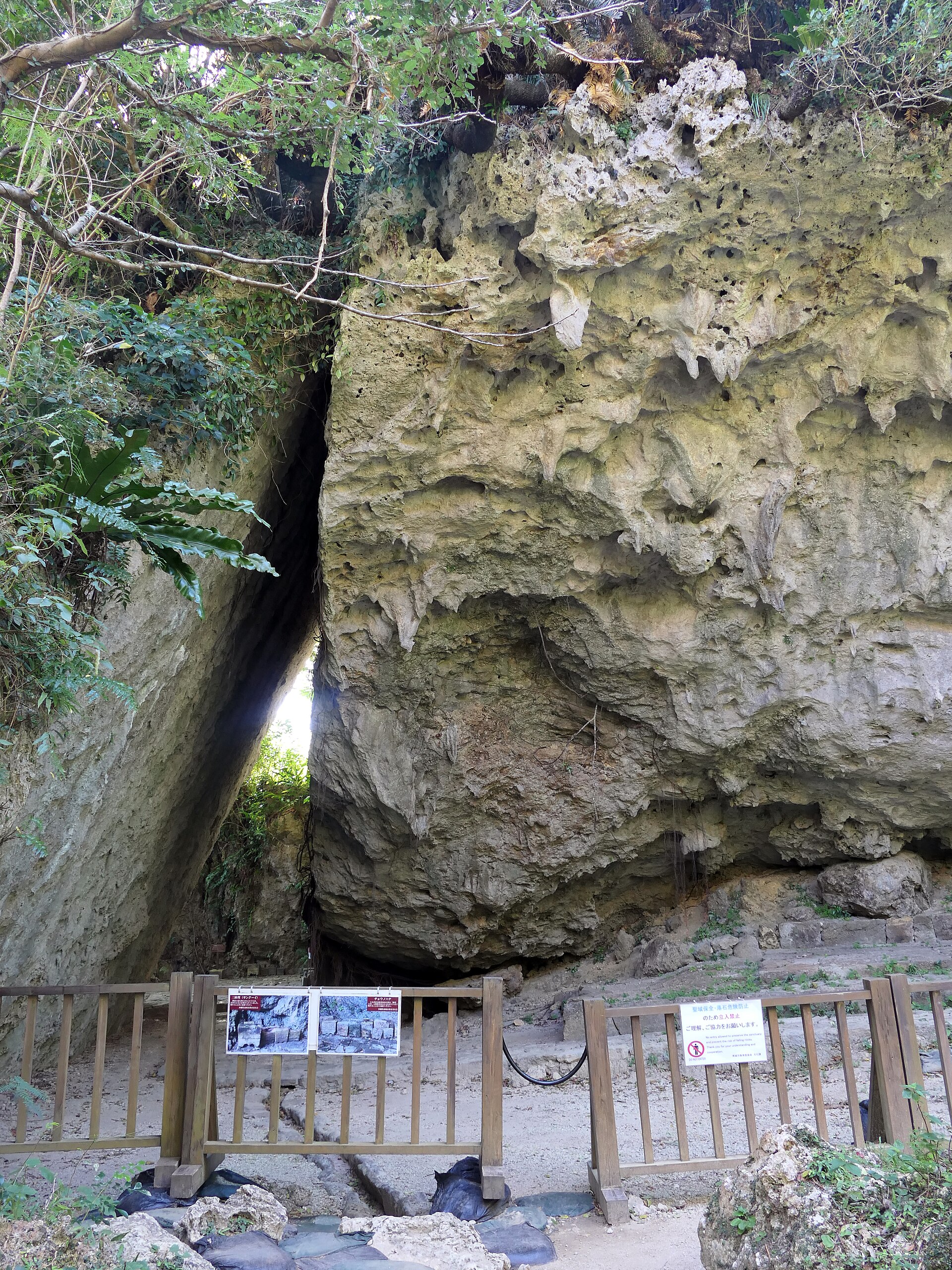 Hyppolyte de Saint-Rambert / CC BY 4.0
Culture · Okinawa★★★
Sefa-utaki
8.6 km · straight line
Distances are straight lines on the map, not travel times.