Amami · NazeNo.977★★★Open in map →
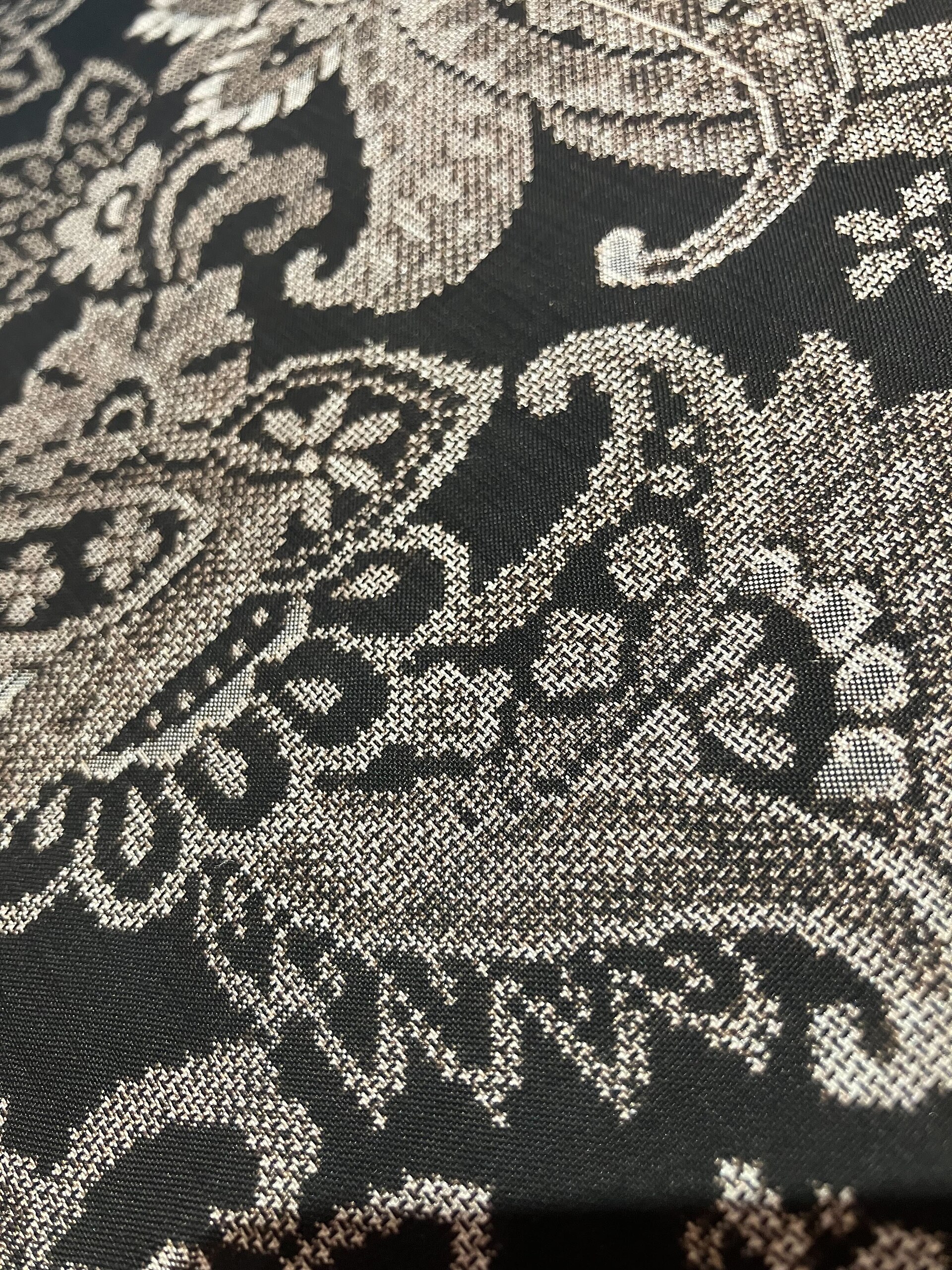
Oshima Tsumugi Silk
— Kagoshima's mud-dyed island silk
Silk woven on Amami and dyed in the island's iron-rich mud until it is almost black. The cloth is made in small workrooms that are not open doors, so the public way in is the municipal museum in Naze, standing above the harbour.
- FromAmami Airport
- ~50 minAirport bus or car, about 50 min
- Get off atNagahama bus stop (Shimabus)
- On foot
- Oshima Tsumugi Silk
Where it is
1 more note in Kagoshima · open the map →What to look for — in walking order
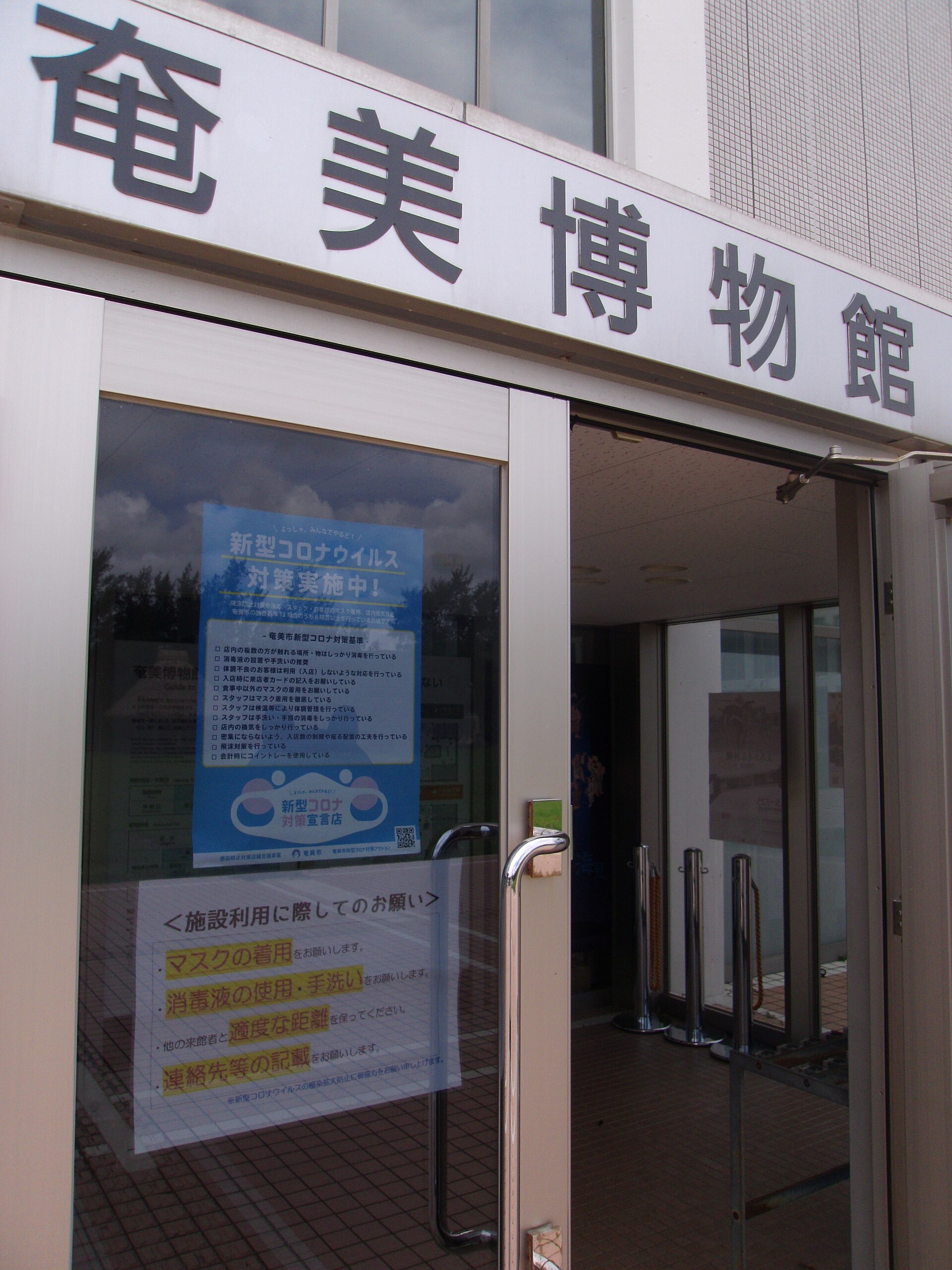
- First floor — Amami of the Black Currentthe sea and the reefs, and the living the warm current brought to the island
- Second floor — Amami of bordersthe island's history between Ryukyu and Satsuma, told with the objects it left
- The loom you may toucha hands-on weaving frame on the second floor, beside a sugar press
- The Nanto Zatsuwa drawingslate-Edo sketches of island life, shown next to the tools they record
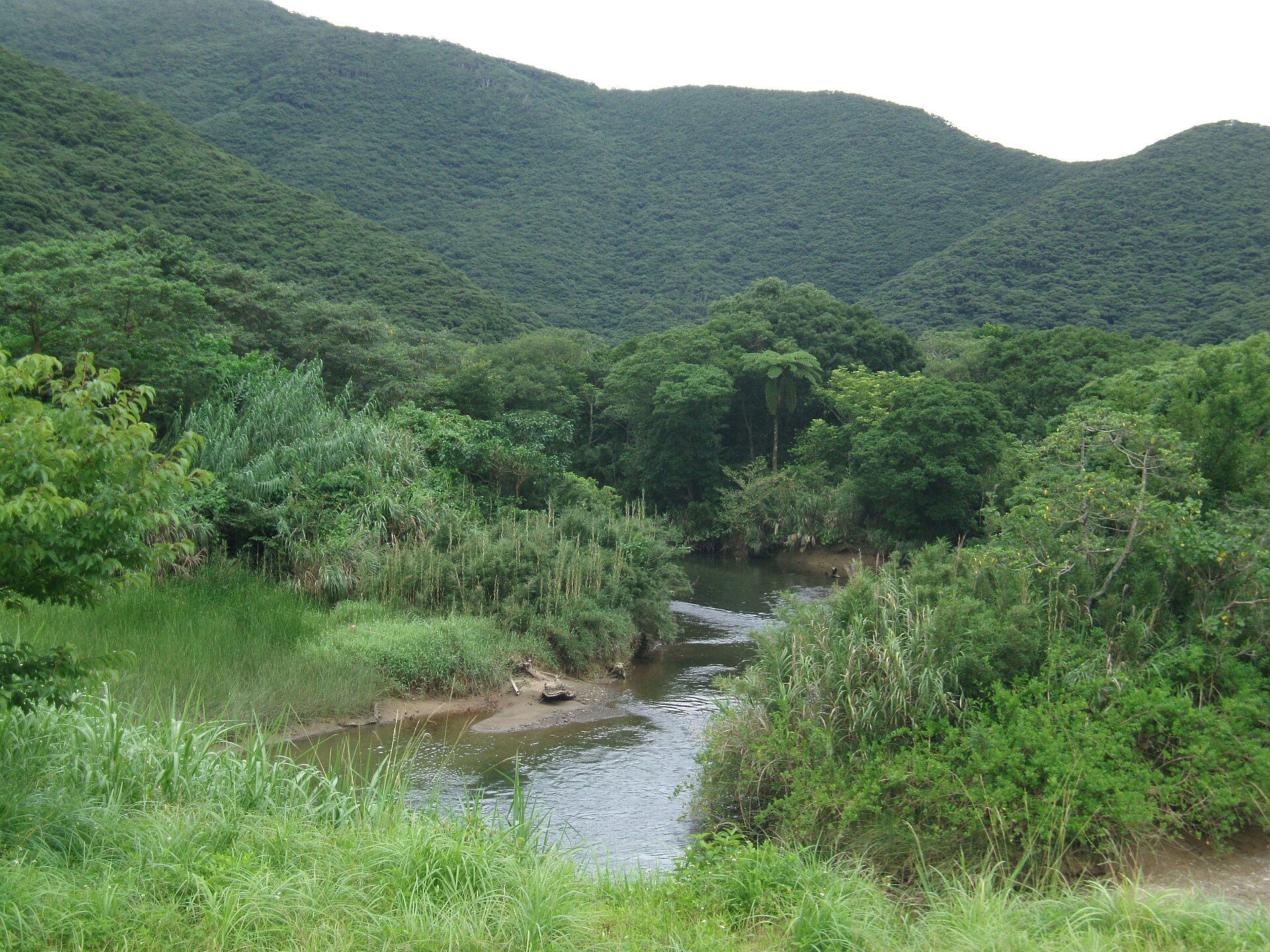
- Third floor — Amami of the rainforestthe subtropical forest and the animals that live on these islands and nowhere else
How to actually get there
- Amami Airport → Naze by Shimabus or car (about 50 minutes).
- Nagahama bus stop → Amami Museum (a few minutes on foot, uphill).
- First floor → second floor, where the loom is → third floor.
- Amami Cultural Centre, in the same grounds, on the way out.
- From Amami Airport down to Naze
- The museum is in Naze, the island's main town, about fifty minutes from Amami Airport by car. Shimabus runs the same road. Get off at the Nagahama stop on the main street and walk up the side road for a few minutes to the grounds.
- Getting back north
- The same buses run north again, but a rural island service thins out through the day and the last one leaves earlier than city travellers expect. Fix your return time before you go in, and keep a taxi number in reserve.
About the place
Oshima tsumugi is a hand-woven silk in which the pattern is dyed into the threads before weaving, not printed on afterwards. Its colour comes from two steps. Chips of the sharinbai tree — techigi in the island dialect — are boiled down into a tannin bath, and the dyed thread is then worked into paddies of iron-rich mud, where the two react into the deep brown-black the cloth is known for. Bolts made on the island carry the cooperative's globe mark. The workrooms are ordinary buildings scattered through Naze and the villages, so the place a visitor can actually meet the craft is the city's museum.
How to enjoy it
The museum opens at 9:00 and takes its last visitors at 16:30, and it is shut on the third Monday of the month, so a weekday morning is the safe plan. Work upward — the sea below, the island's history in the middle, the forest at the top. The loom on the second floor is the one exhibit you are meant to put your hands on.
Background & history
Silk was woven on Amami long before it was sold. Around 1720 the Satsuma domain forbade islanders to wear tsumugi, and the cloth went out as tribute instead. It reached the open market in the early Meiji years, and the mud dyeing that now defines it settled into the process at about the same time. The producers' association was founded in 1901, and the state designated Honba Oshima tsumugi a traditional craft in 1975.
Before you go
- Cash
- Admission is charged at the desk and bus fares are settled on the bus, so keep notes and coins with you rather than assuming a card will be taken.
- Good to know
- The museum closes on the third Monday of each month and from 28 December to 1 January. Late summer is typhoon season in the Amami islands, and flights and buses are the first things to stop, so check locally before you fix a date.
- Another way
- Arriving by sea instead: the museum is about fifteen minutes on foot uphill from Naze's new harbour, which makes it a reasonable first stop after a night crossing.
- After you get off
- From the Nagahama stop, walk along the main road and turn up toward the hill. The museum and the Amami Cultural Centre stand together in the same grounds, a few minutes on foot above the road.
Nearby notes
Distances are straight lines on the map, not travel times.