Ehime · ImabariNo.1068★★Open in map →
Imabari Castle
— A sea castle whose moat runs on the tide
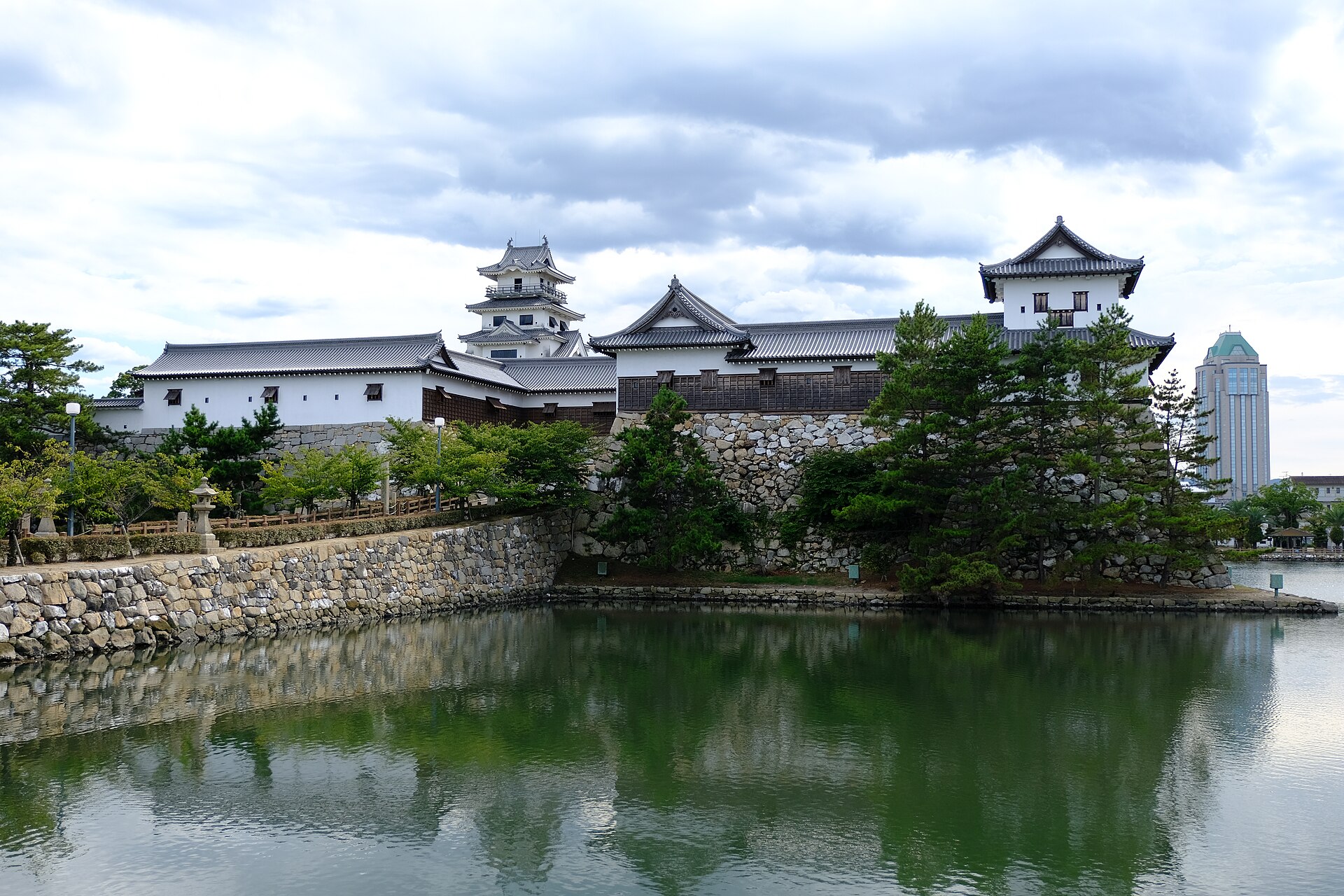
Imabari's castle stands at the water's edge, and its moat is filled by the sea rather than by a river. The tide moves through a channel in the north corner, and saltwater fish come in on it.
- FromImabari Station
- ~15 minSetouchi Bus, under 10 min
- Get off atImabari-jo-mae bus stop (Setouchi Bus)
- On foot
- Imabari Castle
The sweet spot
This is not a hidden castle. It stands in the middle of Imabari, coaches pull up beside it, and the keep is a twentieth-century reconstruction in concrete rather than an Edo original. The reason to stop is the water. Most castle moats are ponds that never move; this one is an inlet of the Seto Inland Sea. Once you know that, the fish, the tidemark on the lower stones and the harbour beyond all read as a single piece of design.
Where it is
29 more notes in Ehime · open the map →What to look for — in walking order
- The inner moatseawater held between the stone walls, with a tidemark on the lower courses
- The channel at the north cornera square opening in the stonework where the tide and the fish pass through
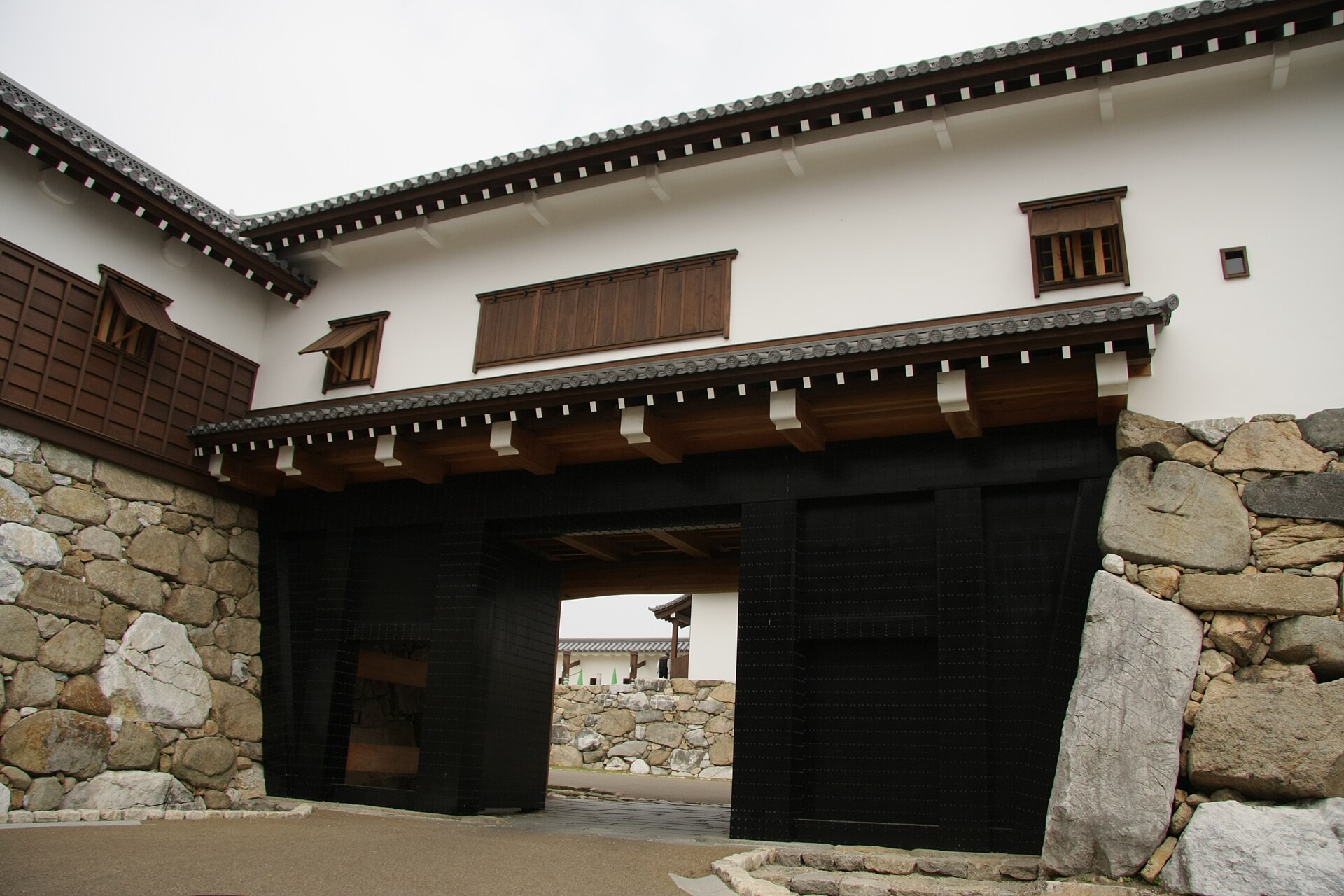
- Kurogane-monthe iron-plated main gate, rebuilt in timber, and the way into the grounds
- The statue of Todo Takatorathe builder on horseback in everyday clothes rather than in armour
- The keepfive roofs and six floors, with a 360-degree deck over the Seto Inland Sea
How to actually get there
- Imabari Station → Imabari-jo-mae (Setouchi Bus, under ten minutes).
- Imabari-jo-mae → the moat bank (a few minutes on foot), then follow the water round to the channel at the north corner.
- Cross the bridge and go in through Kurogane-mon; the statue of Takatora stands just beyond it.
- Past Fukiage Shrine on the main bailey to the keep, and up to the top deck last.
- Setouchi Bus from Imabari Station
- From JR Imabari Station take the Setouchi Bus toward the Imabari depot and ride under ten minutes to Imabari-jo-mae. The moat bank is a few minutes on foot from the stop. This is an ordinary local route rather than a tourist shuttle, so the wait matters more than the ride. Check the departure board before you leave the station.
- Return from Imabari-jo-mae
- Pick up the same route back to Imabari Station from the stop on the other side of the road. Imabari sits on the JR Yosan Line, with services toward Matsuyama and toward Okayama, so it works well as a link in a longer run. Evening departures thin out, so settle your return before you climb the keep.
About the place
Todo Takatora put this castle on flat ground at the water's edge instead of on a hill. Three moats once ringed the town. Only the innermost still holds water; the middle one was filled in and the outer one survives as a river through the streets. What makes the surviving moat unusual is where its water comes from. A channel in the stonework at the north corner is still open to the harbour, so the level shifts with the tide. Black bream and flatfish move in with it. The castle also kept a landing inside its walls, and the working port of Imabari grew out of it.
How to enjoy it
The moat path and the grounds are open air, so walking the water costs nothing. The keep is the ticketed part: doors at nine, with last admission at half past four. Save it for the end, because the deck at the top shows the whole plan at once — moat, channel and harbour together.
Background & history
Todo Takatora was the most prolific castle engineer of his age, and in 1602 he began drawing this one flat along the shore, where ships counted for more than height. The Edo-period keep was taken down when he was transferred away. What stands now dates from 1980, a concrete reconstruction raised on the site of a corner turret. The most careful work here is newer still: Kurogane-mon, the iron-plated main gate, was rebuilt in timber in 2007.
Before you go
- Cash
- The grounds are a public park and free to walk. The charge covers the keep and the turret exhibits, and both the rate and the hours are set by the city and do change, so confirm them on the official castle site before you go. There is a paid car park on the site.
- Good to know
- The keep shuts for three days at the end of December and otherwise runs all year. The moat path has no shade, and the stone edges stay slippery after rain. There is no lift in the keep, so the upper floors mean stairs.
- Another way
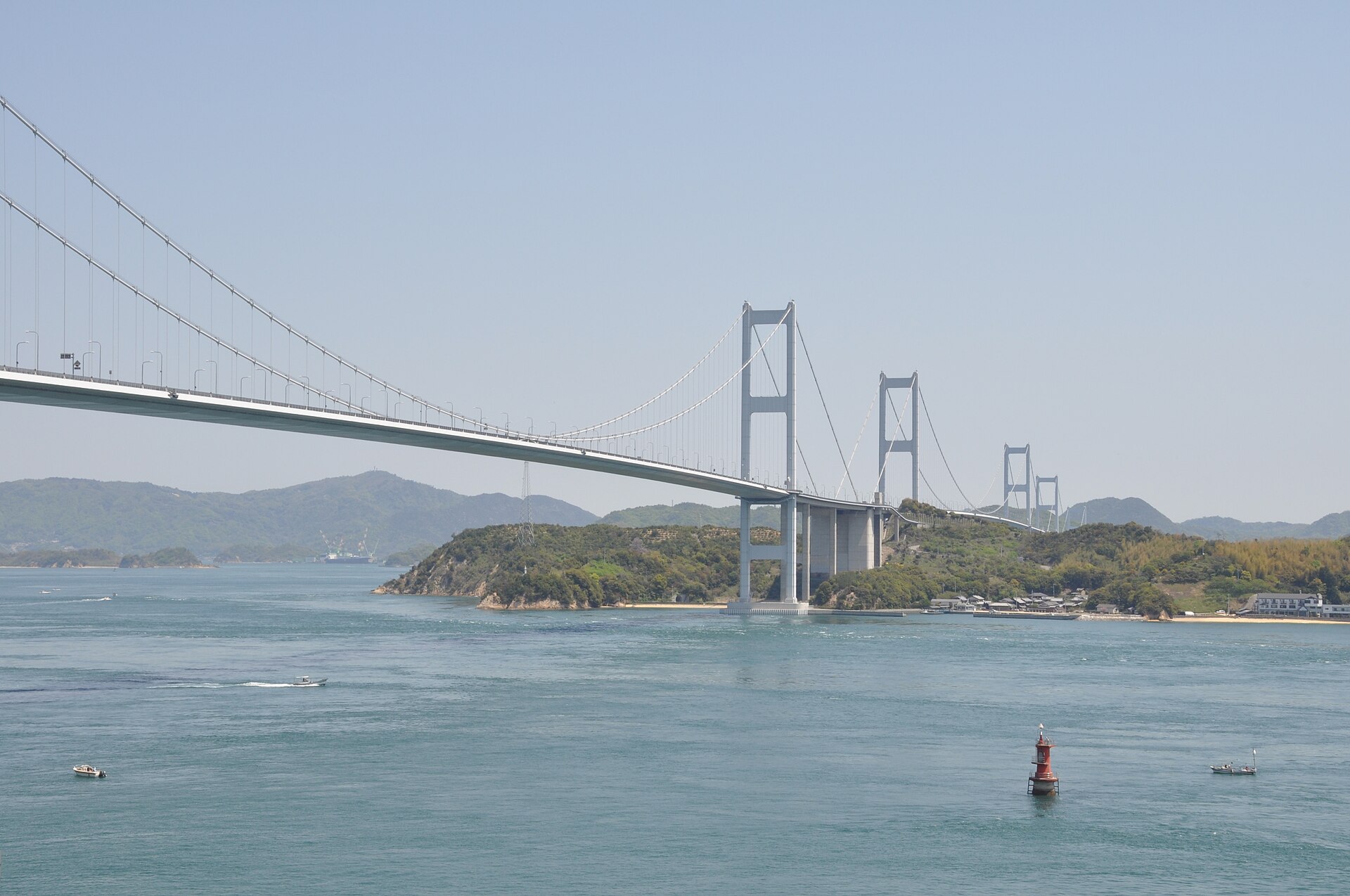
- Imabari Port is close enough to walk from, and that approach is the honest one: the modern port grew out of the landing the castle kept inside its own walls. Arriving by car off the Shimanami Kaido is just as easy, and the castle sits naturally at the start or the end of the cycling route between Honshu and Shikoku.
- After you get off
- Get off at Imabari-jo-mae and the stone walls are already in sight. It is a few minutes on foot to the water's edge; follow the moat round until you reach the bridge, and the iron gate stands at the far end of it.
Nearby notes
 ja:User:Sanjo / CC BY-SA 3.0
Craft · Ehime★★
Imabari Towels
0.9 km · straight line
 mukarin / CC BY-SA 2.0
Nature · Ehime★★★
Shimanami Kaido
5.9 km · straight line
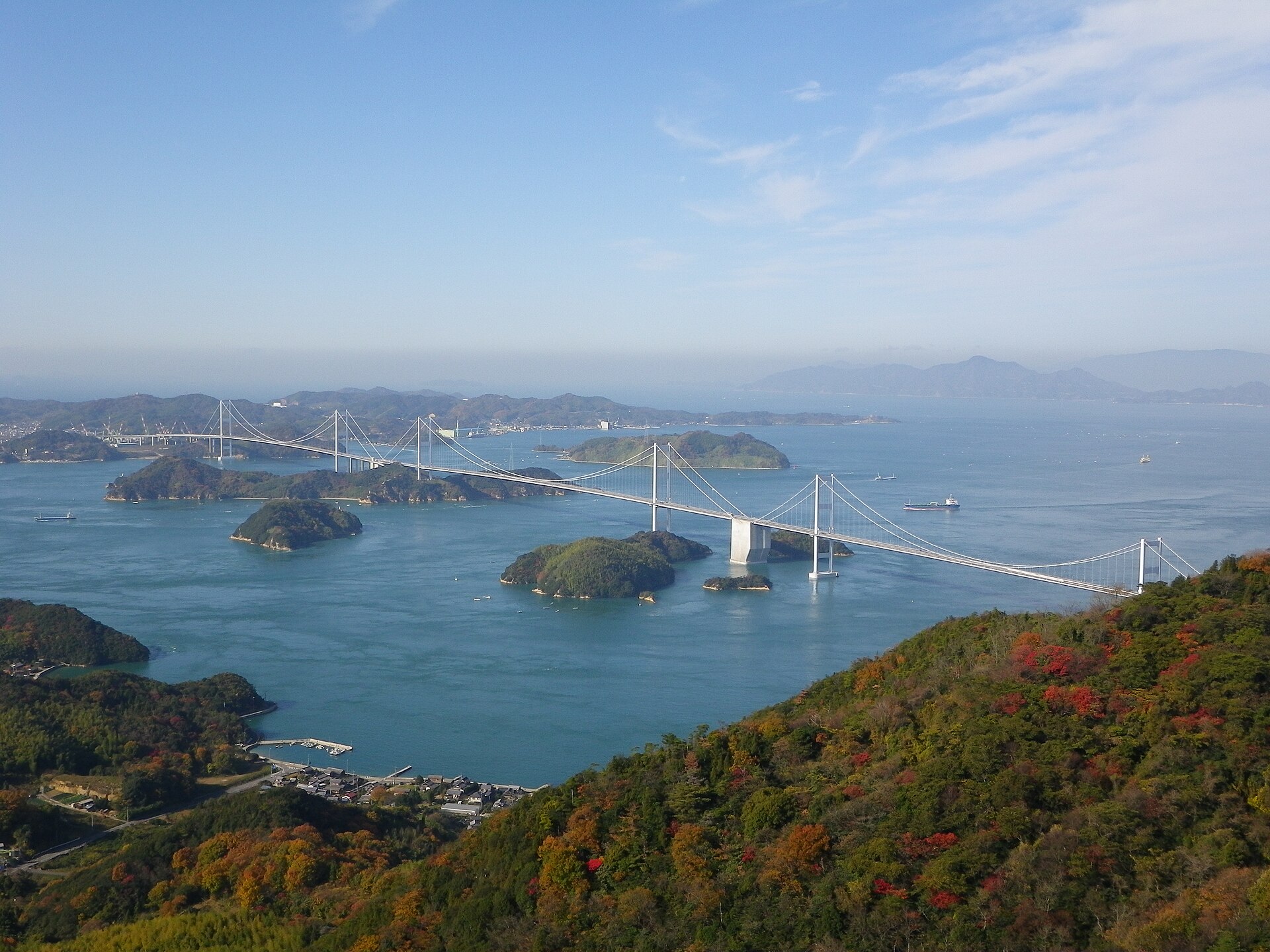 As6022014 / CC BY-SA 3.0
Nature · Ehime★★
Kirosan Observatory Park
6.8 km · straight line
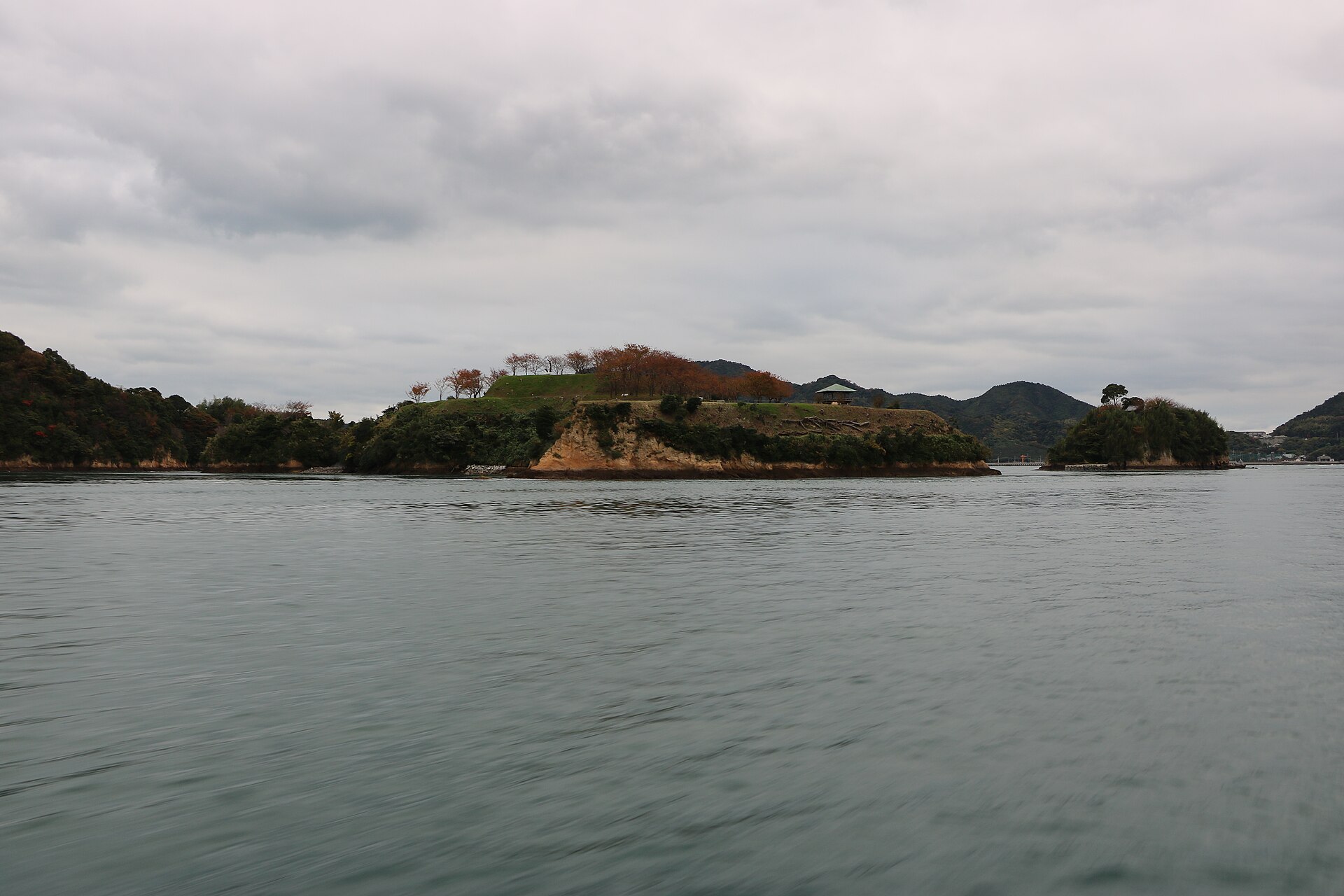 さかおり / CC BY-SA 4.0
History · Ehime★★
Noshima Castle Ruins
14.9 km · straight line
Distances are straight lines on the map, not travel times.