Chiba · ChoshiNo.357★★Open in map →
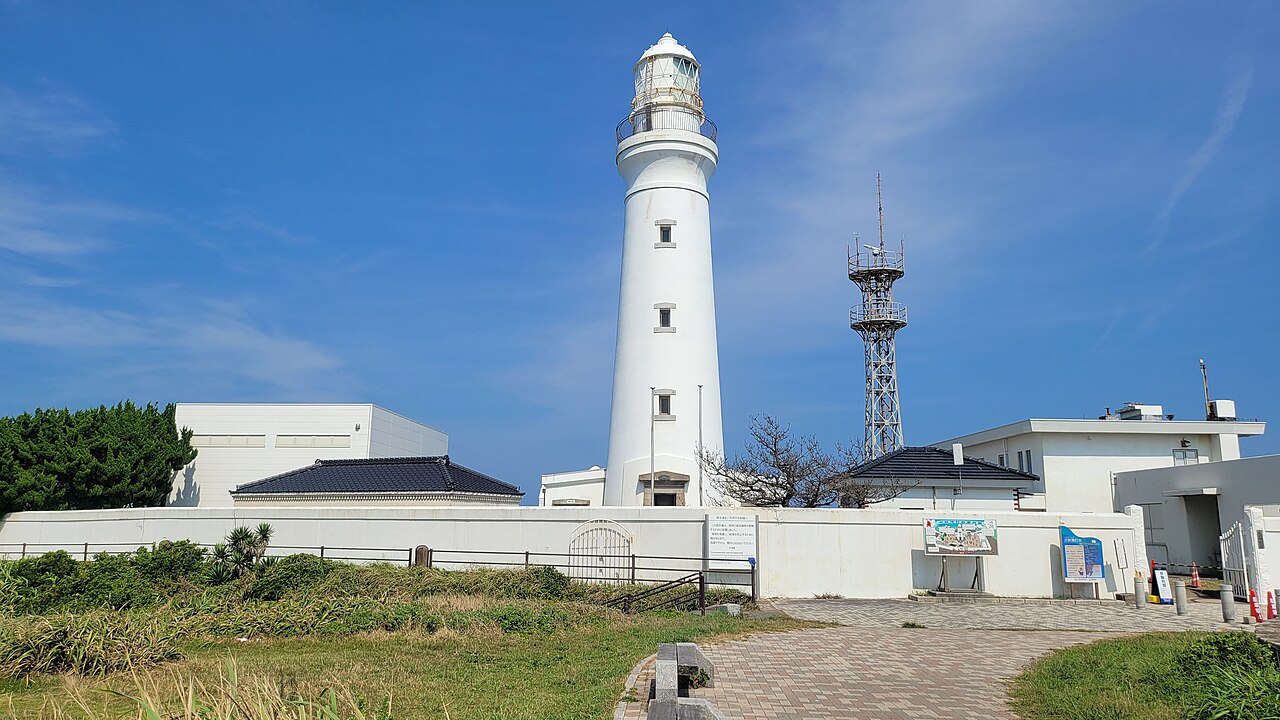
Inubosaki Lighthouse
A brick lighthouse completed in 1874 on the easternmost headland of the Kanto region, at Choshi in Chiba. Designed by the British engineer Richard Henry Brunton, it is open to climb — ninety-nine spiral steps to the gallery — and has an adjacent exhibition. Selected among the world's hundred notable lighthouses.
- FromTokyo Stn
- ~2.5 hrJR + local railway
- Get off atInubo Station (Choshi Electric Railway)
- On foot
- Inubosaki Lighthouse
The sweet spot
Meiji-era brick engineering, an accessible tower, and a genuinely eastern horizon rarely coincide. Most historic lighthouses in Japan are closed to the public or reduced to a viewpoint from the fence; this one you go up, and the ninety-nine steps and the sea wind at the top are the experience. The surrounding trip is unusually good too — the Choshi Electric Railway that takes you there is a tiny, financially precarious rural line that survives partly by selling rice crackers, and it is a piece of the visit rather than a means to it.
Where it is
50 more notes in Chiba · open the map →What to look for — in walking order
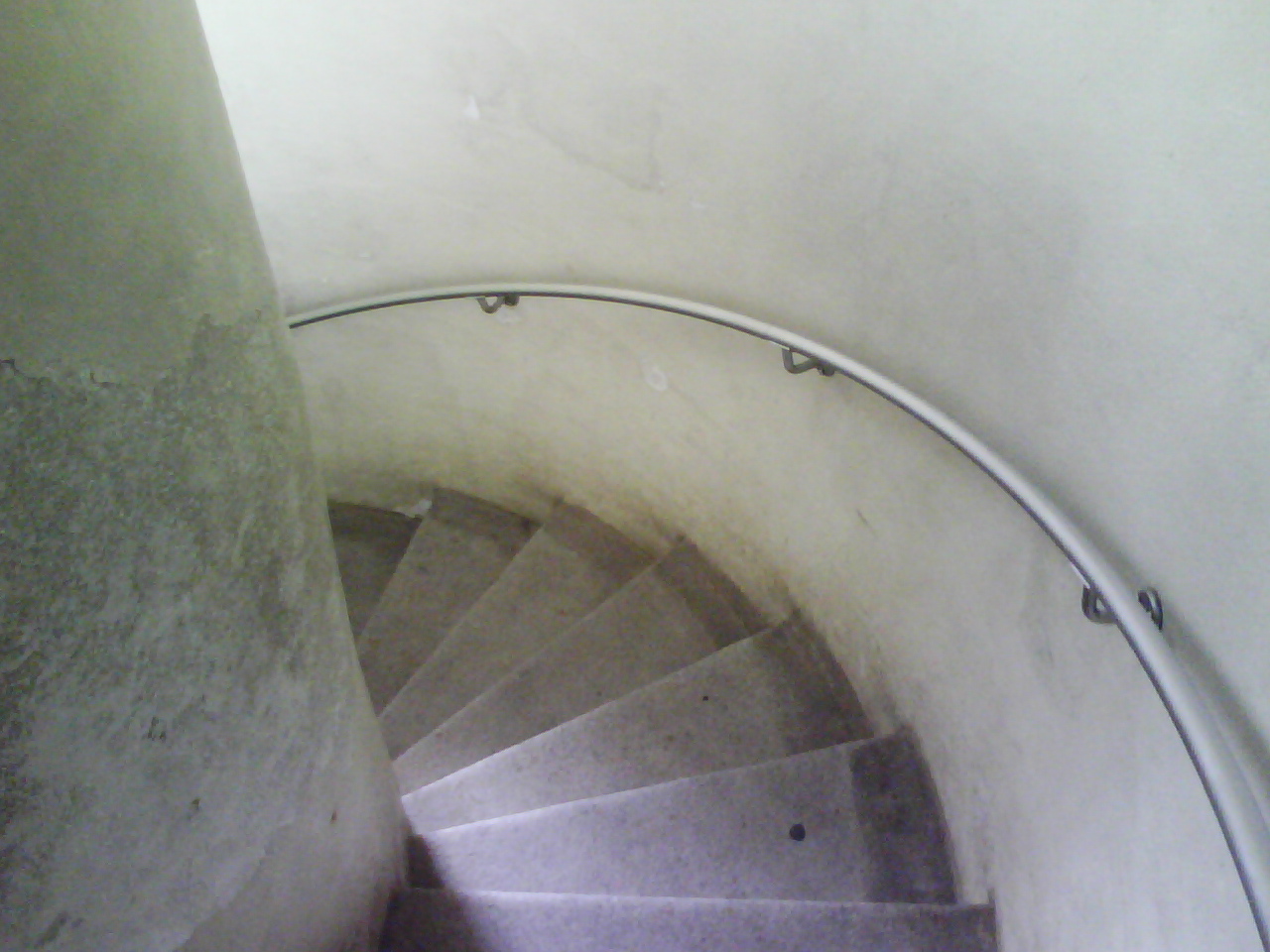
- The climb and the galleryNinety-nine steps spiral up the inside of the tower to an outdoor gallery. The horizon from the top is unbroken Pacific, with the coastline curving south below. It is exposed and windy; hold onto anything loose, and expect the climb to be closed outright when the wind is strong.
- The Fresnel lens in the exhibition hallThe building beside the tower holds the original lens apparatus and material on the Meiji lighthouse service. Seeing the lens at ground level, at its actual size, is the piece that makes the engineering of the tower legible.
- The cape and Kimigahama beachPaths lead from the lighthouse around the headland, with white cliffs and the long sweep of Kimigahama beach to the south. Walking the cape gives the tower back its scale — from a distance it reads as a landmark rather than a building.
- The Choshi Electric RailwayThe short rural line that brings you here is worth attention in its own right: two-car trains, small wooden-feeling stations, and a company that famously stays solvent partly by selling its own wet rice crackers. Buy a pack at Inubo Station — that is not a joke, it is the business model.
How to actually get there
- Tokyo Station → Choshi Station (JR Sobu Line limited express Shiosai, ~2 hr).
- Choshi Station → Inubo Station (Choshi Electric Railway, ~20 min, roughly 1-2 per hour).
- Inubo Station → Inubosaki Lighthouse (walk, ~10 min, gentle uphill).
- JR to Choshi, then the Choshi Electric Railway
- Tokyo Station →(JR Sobu Line limited express Shiosai, ~2 hr)→ Choshi Station → change to the Choshi Electric Railway →(~20 min)→ Inubo Station → walk ~10 min uphill to the lighthouse. Total ~2.5 hr. The Choshi Electric Railway runs roughly once or twice an hour — check the timetable at Choshi Station on arrival.
- Return from Inubo Station
- Take the Choshi Electric Railway back to Choshi Station and the JR Sobu Line toward Tokyo. Both are infrequent by Tokyo standards and the last limited express leaves in the evening, so plan the return before you set out — especially if you have come for sunrise and intend to stay the day.
About the place
Inubosaki is the headland at the eastern tip of the Choshi peninsula, where the Kanto plain runs out into the Pacific. The lighthouse standing on it was completed in 1874, in the early years of the Meiji period, and was designed by Richard Henry Brunton — a Scottish engineer hired by the new government to light the Japanese coast, and remembered as the father of Japan's lighthouses. It was built of bricks made in Japan, and its white tower is one of the few from that first generation still standing and still working. Unlike most, it is open: a spiral staircase of ninety-nine steps leads to the outdoor gallery, from which the horizon runs uninterrupted across the Pacific and the coastline curves away below. A small museum beside the tower holds the original Fresnel lens apparatus and material on the lighthouse service. Because of the headland's position and the shape of the coast, the sun rises here earlier on 1 January than anywhere else on the Japanese mainland outside a few mountains and islands — which is why several tens of thousands of people come out to this cape on New Year's morning.
How to enjoy it
Sunrise is the point here, and not only on 1 January — the headland faces east with nothing in front of it, so any clear morning delivers. The catch is transport: the first trains do not reach the cape before dawn, so an actual sunrise visit means staying overnight in Choshi or driving. On New Year's morning tens of thousands come and the whole logistics of the area change; if you want that, plan it properly, and if you do not, avoid the date entirely. On ordinary days the tower is quiet. Wind is the real variable — this is one of the windiest points on the Kanto coast, and climbing is suspended when it is strong, so check conditions before committing to the two-and-a-half-hour trip. Allow time for the Choshi Electric Railway on both legs; its timetable, not the lighthouse, sets the shape of the day.
Background & history
The lighthouse was completed in 1874, part of the programme of coastal lighting undertaken by the Meiji government after the opening of the ports, when safe navigation had become a treaty obligation. Richard Henry Brunton, a Scottish engineer engaged by the government, designed this and many other towers along the Japanese coast in the same period. The tower was built from bricks produced domestically rather than imported, which made it a demonstration of Japanese industrial capability as much as a navigational aid. It has been selected among the world's hundred notable lighthouses and Japan's fifty, and carries designation as an Important Cultural Property.
Before you go
- Cash
- There is a charge to climb the tower and enter the adjacent exhibition. Cash is the safer assumption here and on the Choshi Electric Railway, whose small stations and on-board sales are not consistently cashless.
- Good to know
- The tower is open daily in normal conditions but closes to climbers in strong wind, which is common on this headland — the grounds and the exhibition usually stay open. Closing time is earlier in winter. New Year's morning operates on a special schedule with very heavy crowds.
- Another way
- Buses run from Choshi Station toward Inubosaki if the railway timetable does not suit. If you are driving, there is parking near the cape, but it fills completely before dawn on 1 January.
- After you get off
- From Inubo Station, follow the signposted road toward the cape — about 10 minutes on a gentle uphill, past souvenir shops selling the local wet rice crackers. The white tower is visible for most of the walk.
Nearby notes
 MaedaAkihiko / CC BY-SA 4.0
Local life · Chiba★
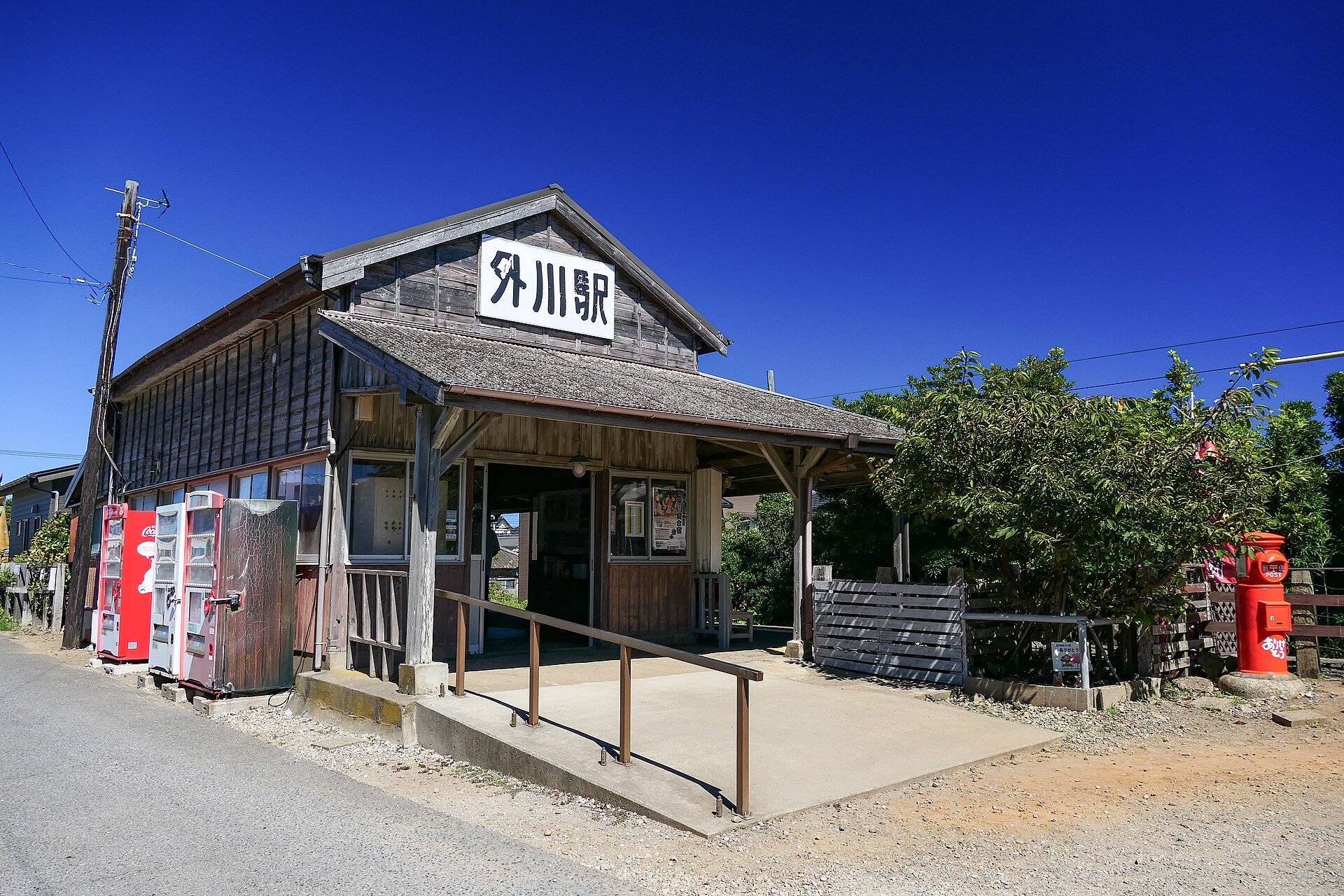
Tokawa Old Fishing Town
1.5 km · straight line
 Σ64 / CC BY 3.0
Nature · Chiba★★
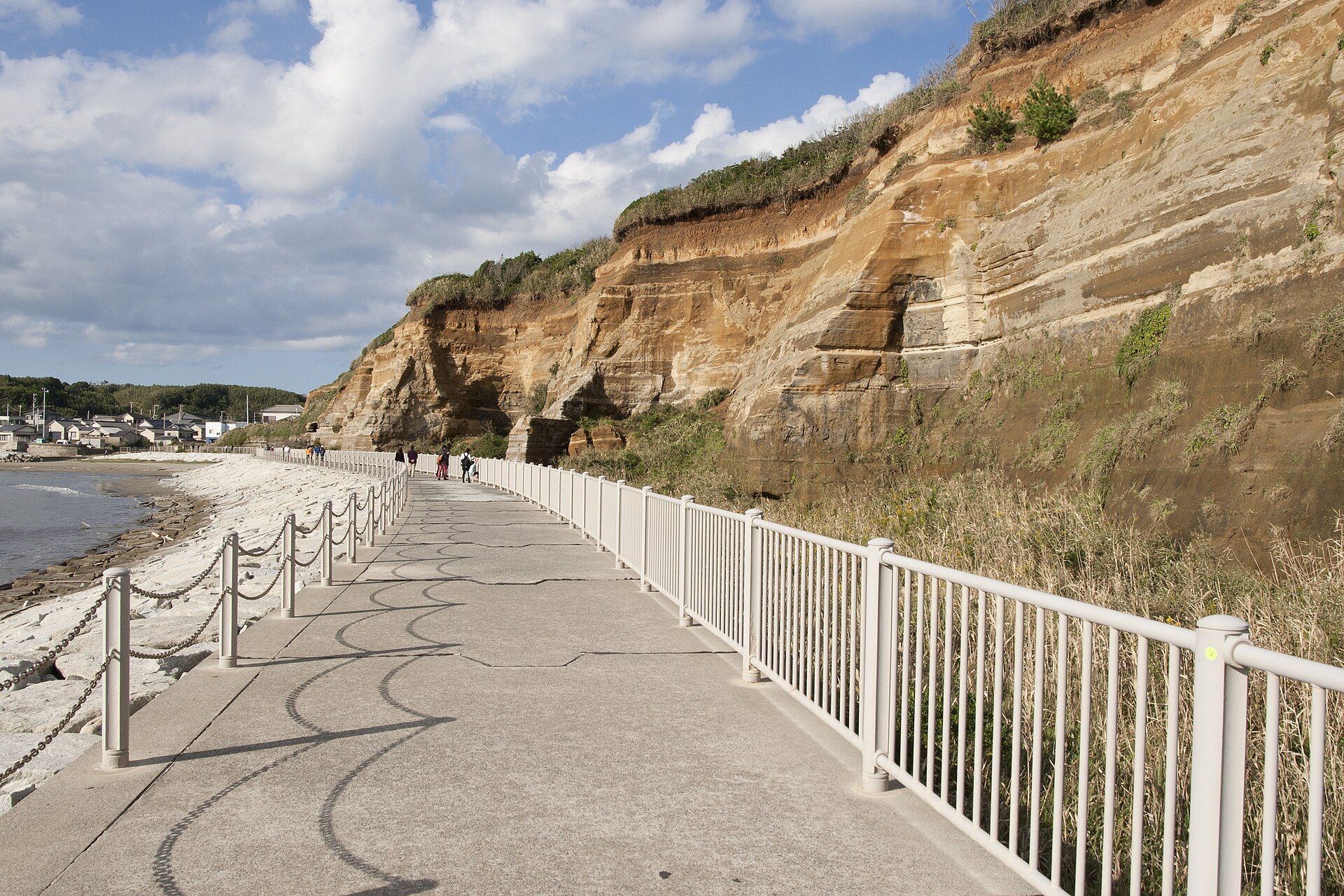
Byobugaura Cliffs
2.6 km · straight line
 Higa4 / CC0
Food · Chiba★★
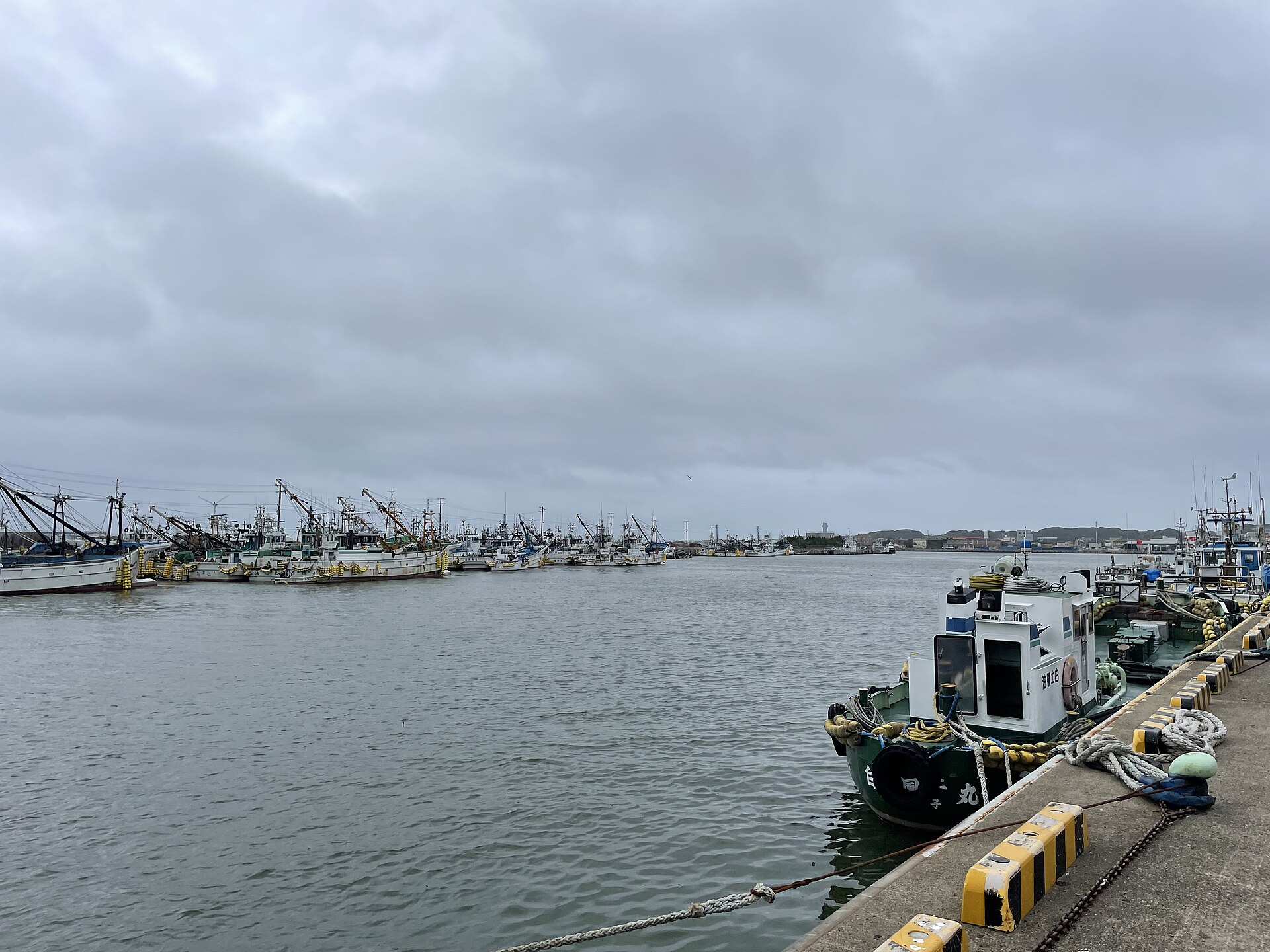
Choshi Tsuri-Kinme
3.7 km · straight line
 Owl Cat / CC0
Food · Chiba★★
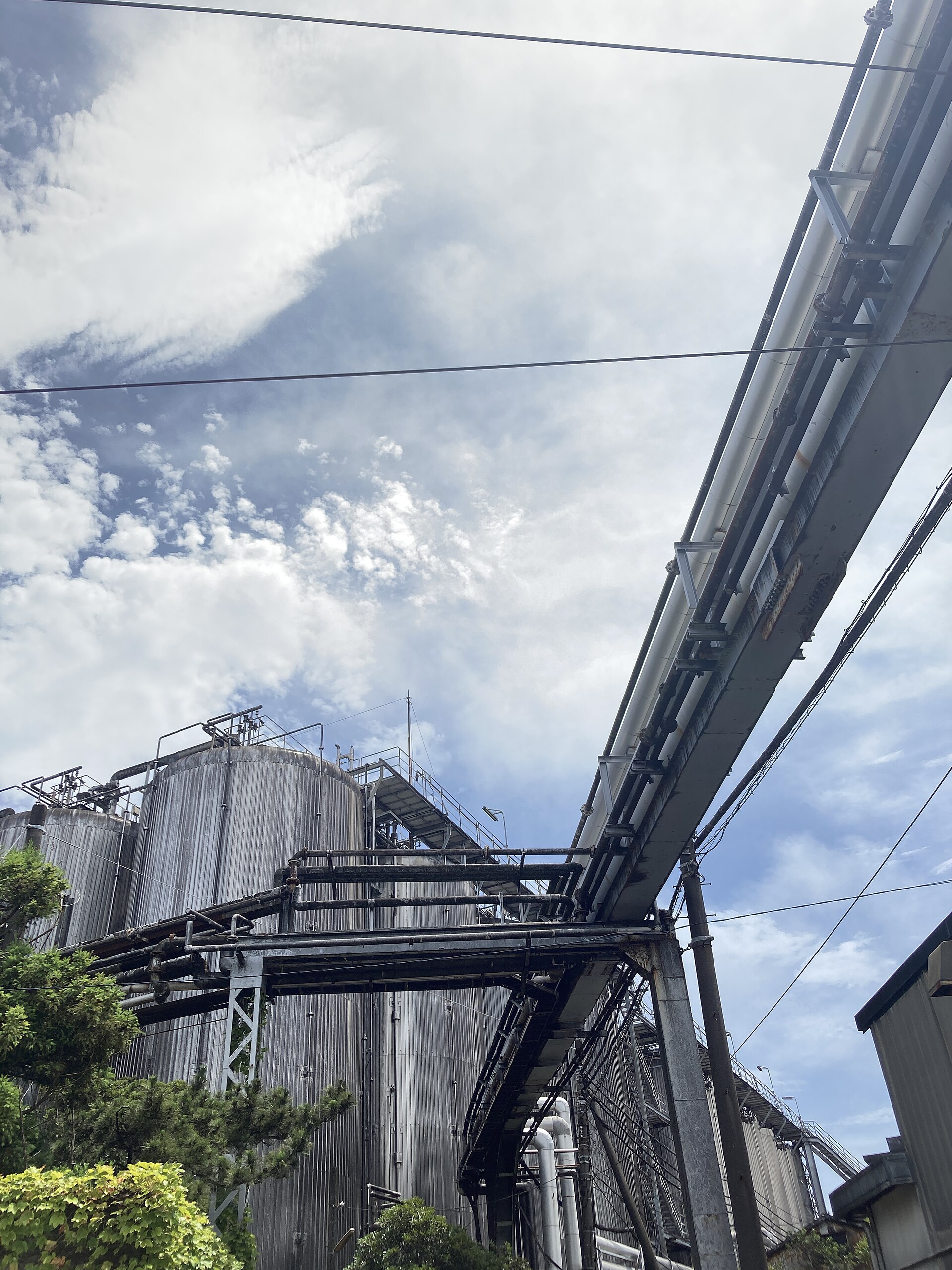
Choshi Soy Sauce
4.1 km · straight line
Distances are straight lines on the map, not travel times.