East Hiroshima · JogeNo.596★Open in map →
Joge Shirakabe Townscape
— A shogunate-run merchant town on the silver road
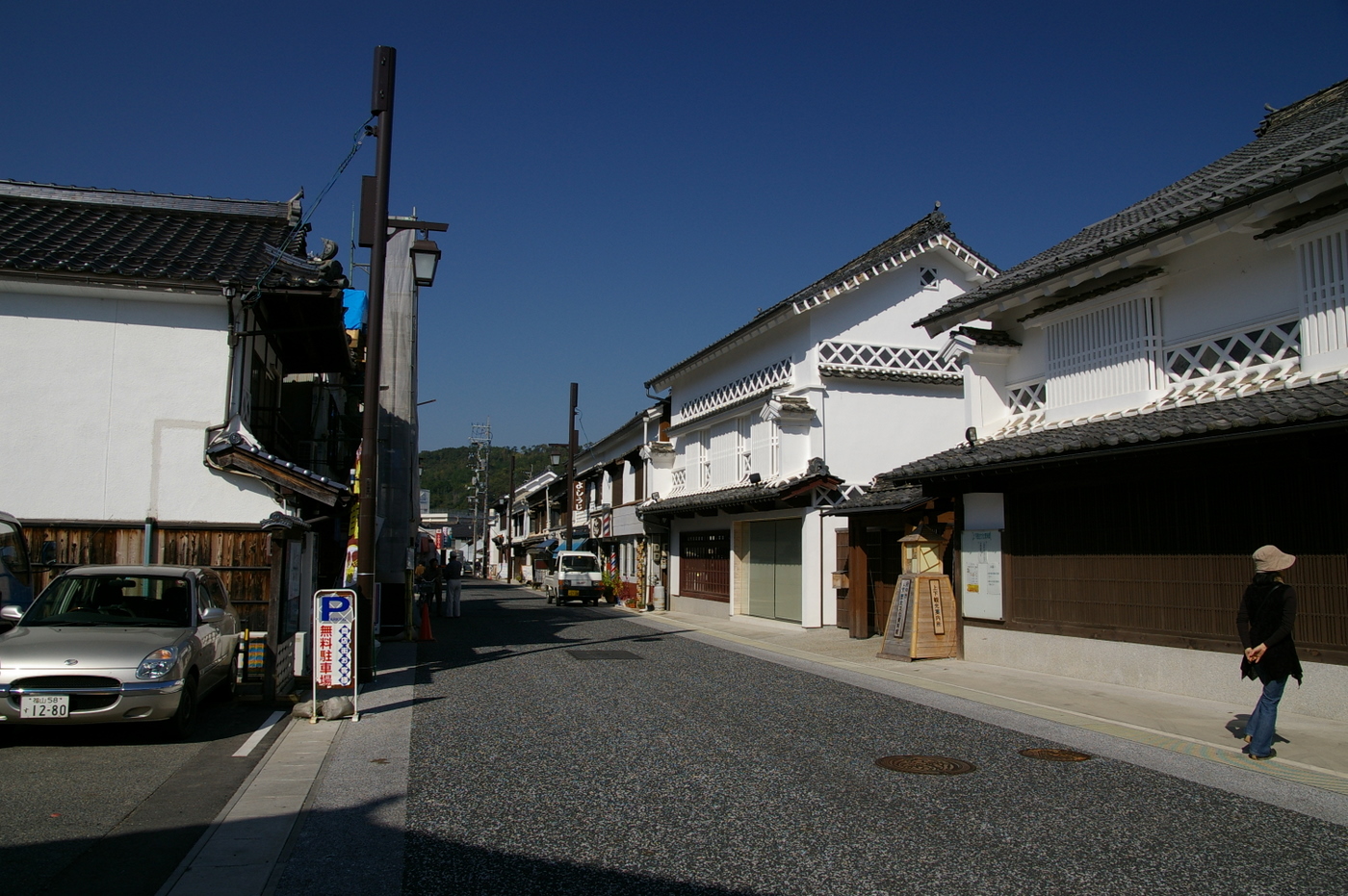
A street of white plaster and namako-walled storehouses in the hills of eastern Hiroshima. Joge was governed directly by the Tokugawa shogunate, and the money trade that came with that status built the merchant houses that still line the old highway.
- FromFukuyama Station
- ~1 hr 30 minJR train, change at Fuchu
- Get off atJoge Station (JR Fukuen Line)
- On foot
- Joge Shirakabe Townscape
The sweet spot
This is a small inland town on the northern half of the Fukuen Line, where only a handful of trains run each day. Almost everyone arrives by car, so the street rarely fills. The city and the local tourism body document it carefully in Japanese; it barely appears in English at all.
Where it is
25 more notes in Hiroshima · open the map →What to look for
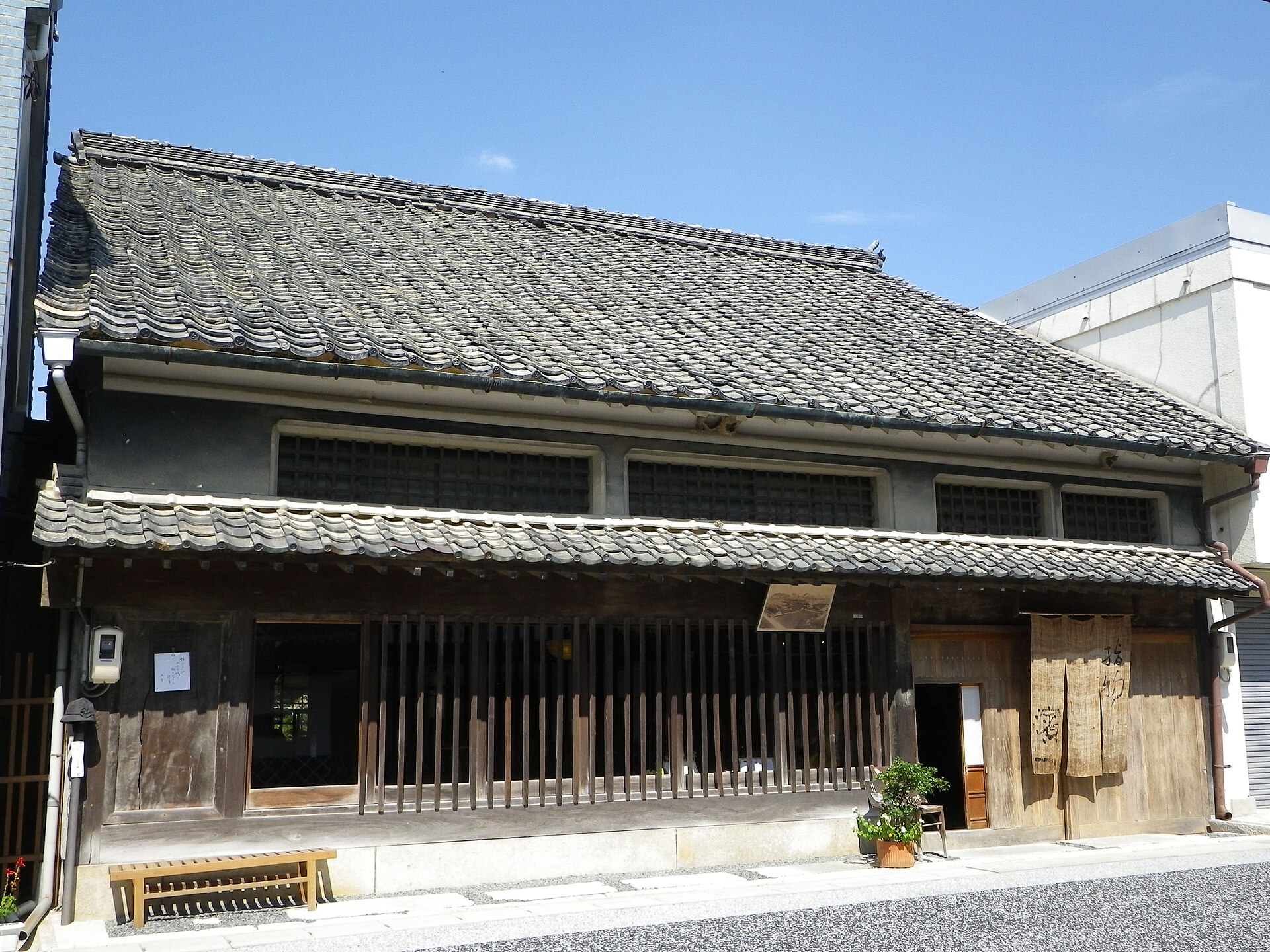
- Kyu-Tanabe Housean Edo-period merchant house on the old highway, white-plastered and grilled at the front
- Joge Christian Churcha chapel on the street, counted among Hiroshima Prefecture's hundred selected cultural sites
- Joge History and Culture Museumthe rebuilt birthplace of the writer Okada Michiyo, now the town's exhibition hall
- Okinazaa wooden playhouse off the street, opened to visitors by the town
- The former police stationthe old station building, with its fire lookout tower still standing on the roof
How to actually get there
- Fukuyama Station → Fuchu Station (JR Fukuen Line, one or two trains an hour).
- Fuchu Station → Joge Station (change to the northern, non-electrified half; about five or six round trips a day).
- Joge Station → the white-walled street (walk east about 5 min).
- Call at the tourism office on the street for the current opening days, then walk the street end to end.
- JR Fukuen Line, change at Fuchu
- Fukuyama Station →(JR Fukuen Line)→ Fuchu Station, change to the non-electrified northern half →Joge Station. The local tourism body gives about 1 hr 30 min for the whole run. The Fukuyama–Fuchu half has one or two trains an hour; north of Fuchu there are only about five or six round trips a day, so choose your train before you set out.
- Returning from Joge Station
- The same line back to Fuchu, then on to Fukuyama. Between Fuchu and Kisa there are gaps of more than eight hours with no train at all, so read the departure board when you arrive and fix your return then.
About the place
Joge sits in the uplands of Fuchu, on the road that carried silver from the Iwami mines down to the Inland Sea. Because the town was held directly by the shogunate rather than by a domain, money changers gathered here and lending became its business. That business stayed in the buildings: white plaster, namako tilework, wooden grilles across the shopfronts. The old highway is still the main street, and the merchant houses and storehouses stand along it without a break. The town museum occupies a rebuilt merchant birthplace, and the former police station still carries its fire lookout tower.
How to enjoy it
Give the street about an hour on foot; it is short enough to walk end to end and back without hurrying. The buildings keep their own opening days, so call at the tourism office first and set your route by what is open. Come in early spring or in May and the shopfronts are dressed for the town's doll festival and its Boys' Day festival.
Background & history
Under the Tokugawa, Joge was tenryo — land held directly by the shogunate rather than by a daimyo — and a magistrate's office was placed here. That made it the administrative centre for the country around it. It also sat on the route by which silver from the Iwami mines travelled to the coast. Money changing grew out of both facts, and the currency issued in the town circulated into the Hiroshima and Fukuyama domains. The white-walled shopfronts are what that trade left behind.
Before you go
- Cash
- Walking the street costs nothing. The museum and the playhouse are opened by the town, and their arrangements change, so ask at the tourism office on the street for the day's situation. Carry cash; this is a small country town.
- Good to know
- The street is outdoors and can be walked at any hour. The buildings along it each keep their own days off, and the valley is cold in winter, so a daytime visit is the safe plan.
- Another way
- From the Hiroshima side, a highway coach run by Hiroshima Kotsu leaves the Hiroshima Bus Center and stops at Joge Station in about two hours. The same service reaches Joge from Hiroshima Airport in about one hour to one hour forty.
- After you get off
- From Joge Station, walk east for about five minutes and you come out on the old highway lined with white-walled houses.
Nearby notes
 Saigen Jiro / CC0
Nature · Hiroshima★★
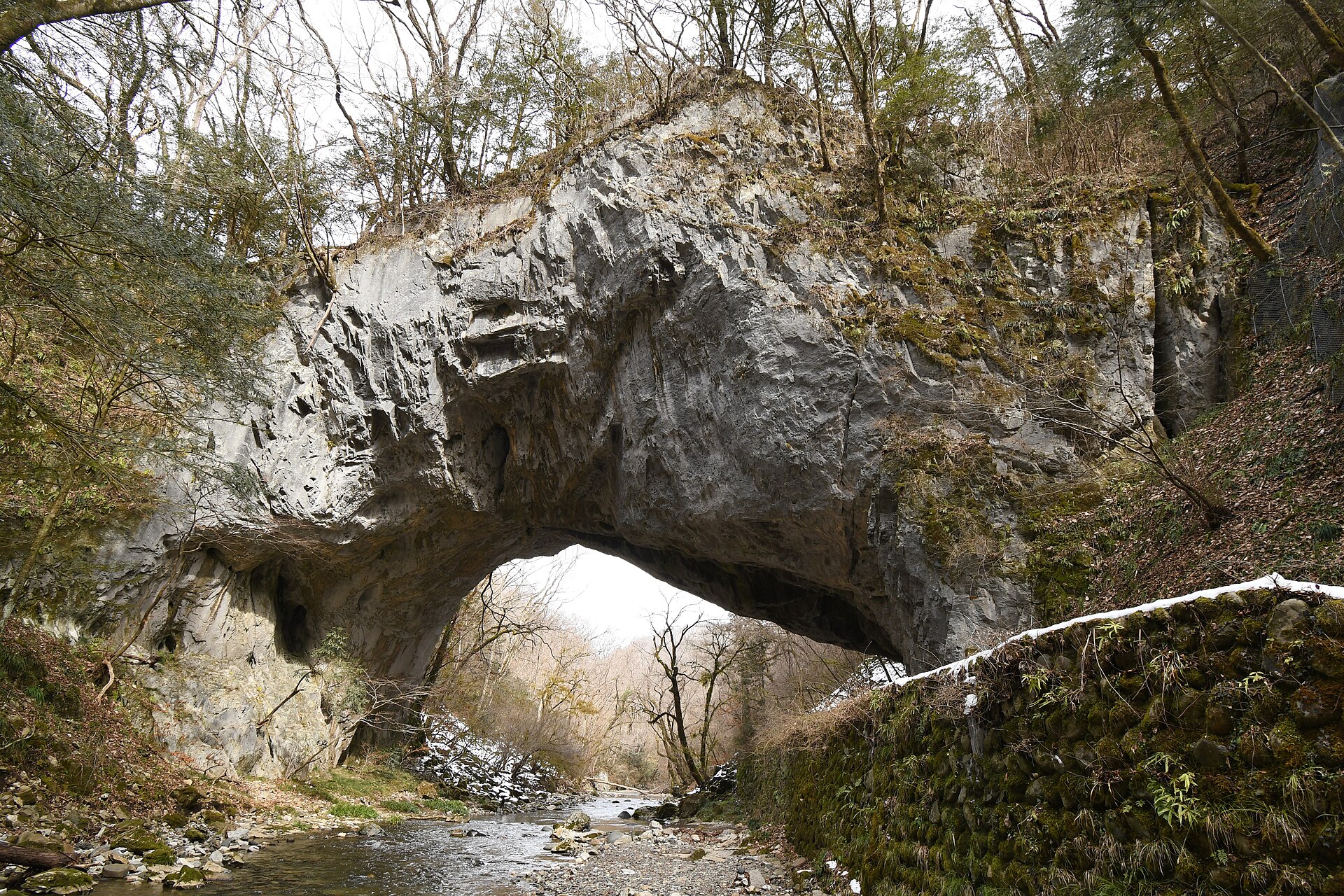
Taishakukyo Gorge
20.1 km · straight line
 Ozizo / Public domain
Nature · Hiroshima★★
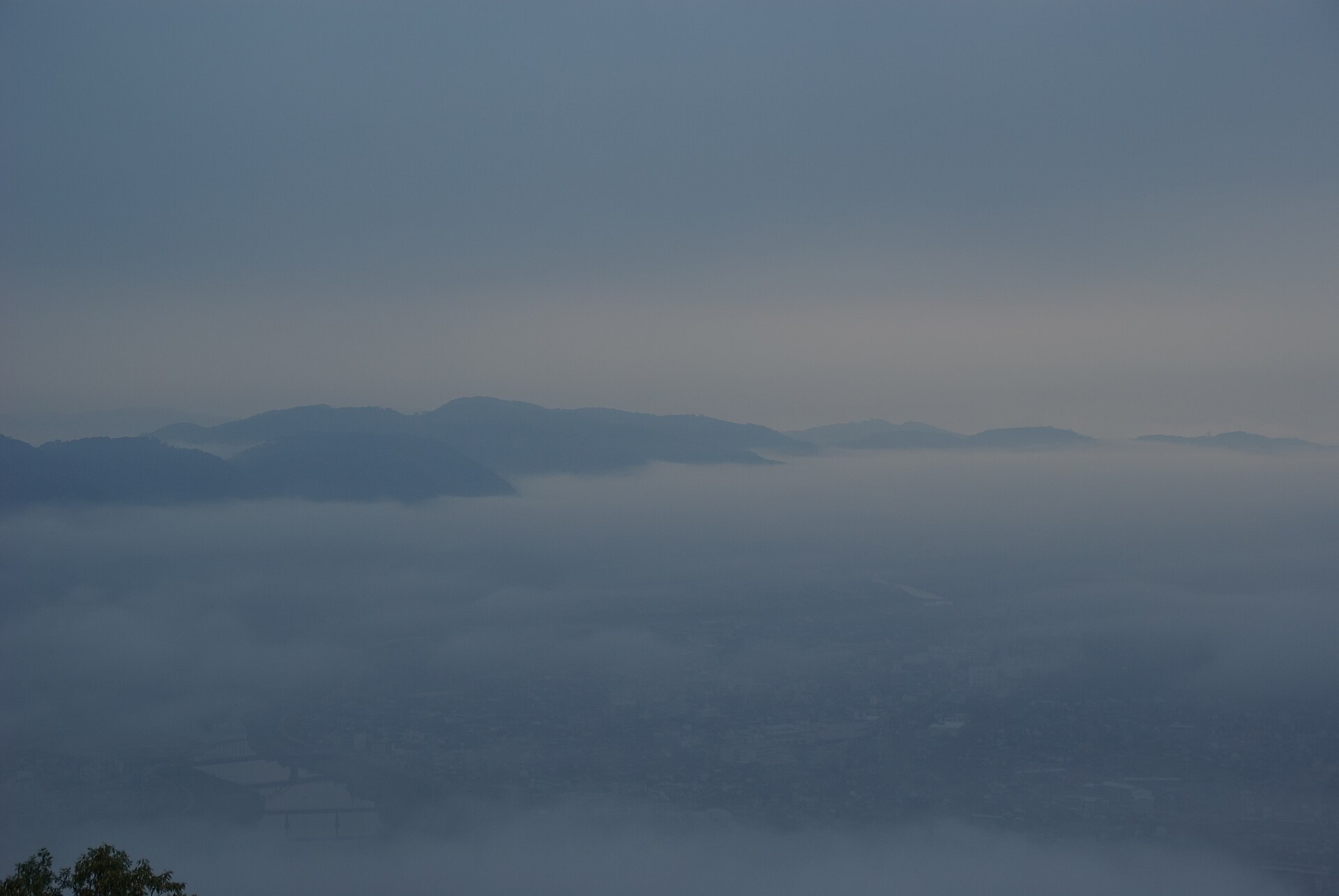
Takataniyama Observatory
29.3 km · straight line
Distances are straight lines on the map, not travel times.