Aomori · Hachinohe coastNo.1069★★Open in map →
Kabushima
— A seabird colony nesting right beside a shrine
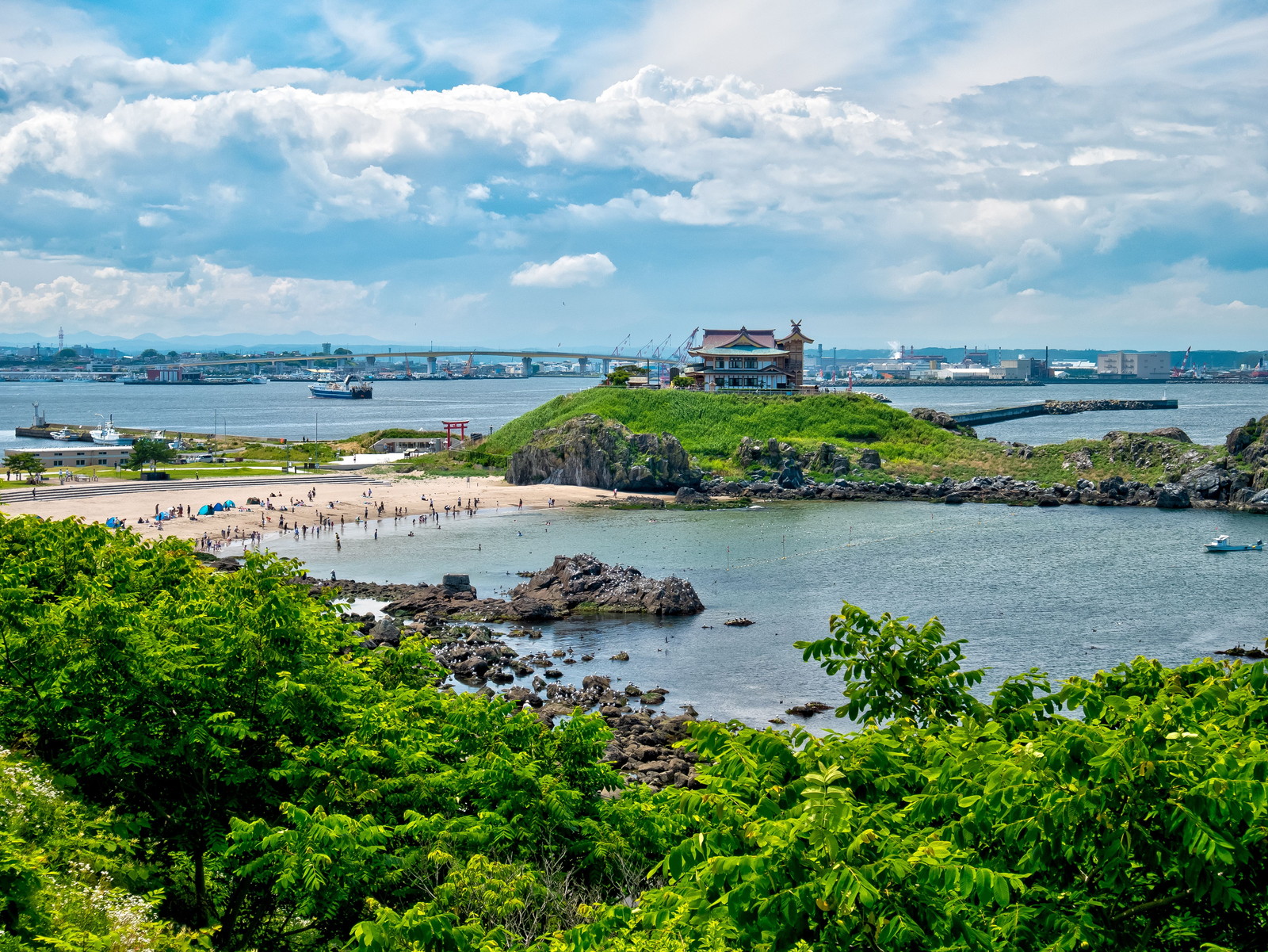
A low grass mound at the north end of the Tanesashi coast carries a shrine on top and, for half the year, a colony of black-tailed gulls on every slope. It is the breeding ground you walk into rather than watch from across water.
- FromHachinohe Station
- ~35 minJR Hachinohe Line, then on foot
- Get off atSame Station (JR Hachinohe Line)
- On foot
- Kabushima
The sweet spot
This is not a hidden place. It leads the city's own tourist material and the gull is Hachinohe's emblem, so nobody is keeping it quiet. What catches people out is the calendar. The colony is here from the end of winter to the middle of August, and outside that window the mound is quiet grass and a shrine — worth the walk, but not the thing most people came for. The second surprise is how close close means. It is near enough that the shrine hands out umbrellas at the gate.
Where it is
34 more notes in Aomori · open the map →What to look for — in walking order
- Kabushima Rest Areaexhibits on the mound's seasons and history, with a skylight and side windows set to look onto the nests
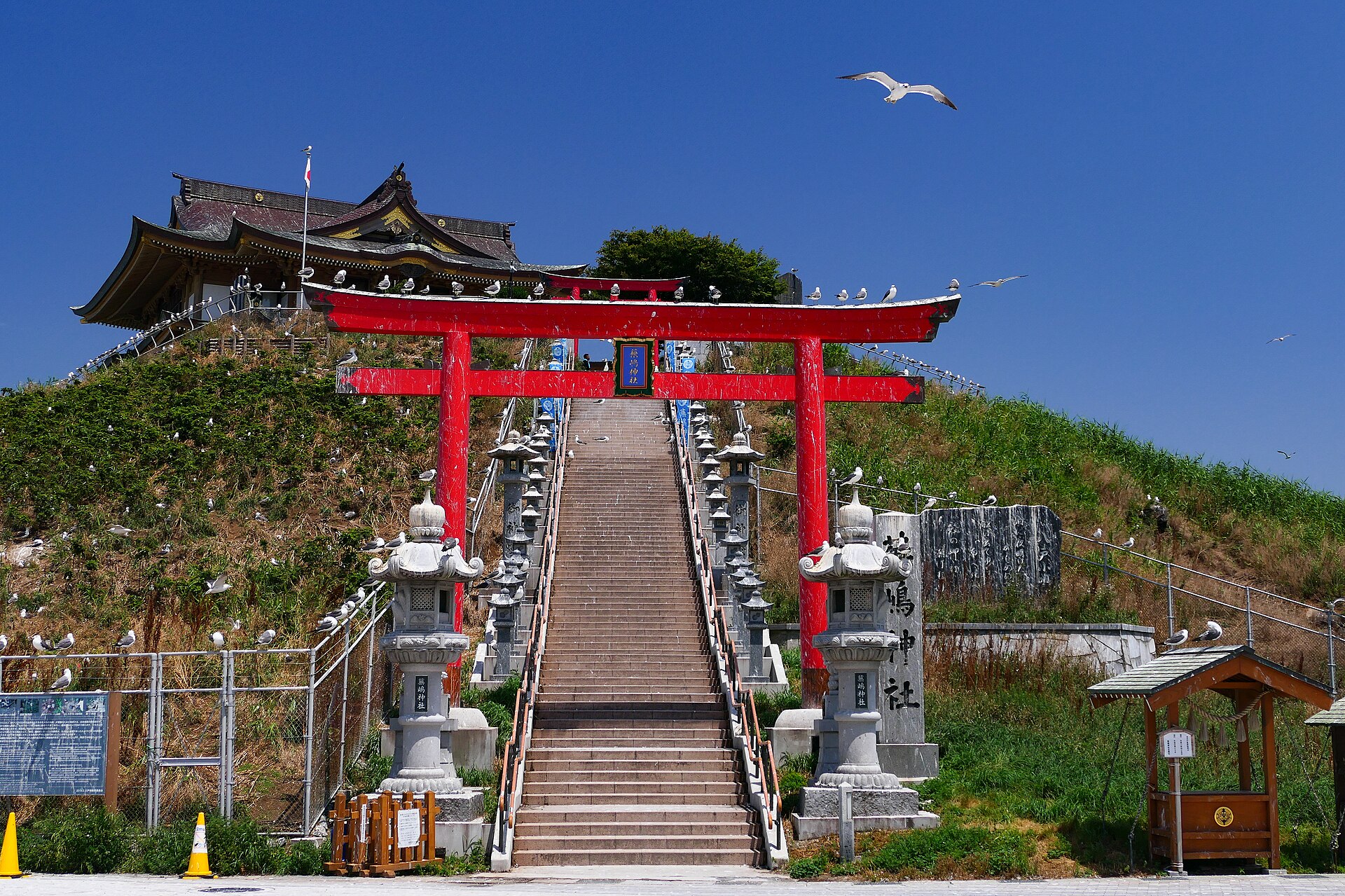
- The red torii and the stone stepsumbrellas lent free before you pass under, against what falls from above
- The shrine on the crownthe rebuilt hall, its gabled fronts worked to read as a gull opening its wings
- The seaward slopenests on open grass either side of the path, with the reef and the Pacific beyond
- The seafront park and beachlawn and sand at the foot of the mound, the northern end of the Tanesashi coast
How to actually get there
- Tokyo → Hachinohe Station (Tohoku Shinkansen Hayabusa, no change).
- Hachinohe Station → Same Station (JR Hachinohe Line).
- Walk from Same toward the shore to the rest area at the foot of the mound, then take the steps under the torii.
- Come down the seaward side to the park and the beach, and pick up the coast path or the bus from there.
- JR Hachinohe Line from Hachinohe Station
- Hachinohe Station →(JR Hachinohe Line, about 20 minutes)→ Same Station, then roughly fifteen minutes on foot along the shore road to the foot of the mound. The stretch between Hachinohe and Same is signed as a city line and runs more often than the through services to Kuji, so this is the easy half of the route to use.
- Back to Hachinohe Station
- The same line runs back from Same. The shinkansen platforms are at Hachinohe Station rather than at Hon-Hachinohe in the city centre, so allow for that leg if you are leaving the prefecture. Evening services thin out — settle your return departure off the board at Same before you walk out to the island.
About the place
Kabushima is small — about 1.8 hectares of grass and rock, low enough that the shrine on its crown is the tallest thing on it. An estimated thirty thousand black-tailed gulls come ashore to breed, and they nest on the open slope either side of the stone stairway rather than on a cliff face. Prefecture and city both describe it as the one place in the country where that nesting can be seen at close range. The birds are loud and they are everywhere: on the torii beam, on the handrails, on the roof. Hachinohe has made the gull its city bird.
How to enjoy it
The gulls come ashore from the end of February into March, lay through April, and are gone by the middle of August; a visit outside that stretch is a visit to a shrine rather than to a colony. Mid-May lays rape flowers over the slope at the same time, yellow under the red gate with the birds still on it. The rest area at the foot opens at nine and closes in the late afternoon, earlier in winter — read the day's hours off the city page before you build a plan around it.
Background & history
The shrine is said to date from 1296, when a warrior family settled at Same enshrined Ichikishima-hime here as Benzaiten, the deity merchants and fishermen came to petition. The colony was made a national natural monument on 8 March 1922. Kabushima stayed a true island until 1942, when the old navy filled the channel and joined it to the shore. In November 2015 the hall burned to the ground; donations arrived from across the country, and the rebuilt shrine, framed largely in Aomori timber, was finished in 2020.
Before you go
- Cash
- There is no gate on the mound. The shrine grounds and the seafront park are open ground, and the car park beside them is free. Umbrellas are lent at the foot of the steps at no charge while the birds are nesting. The rest area is a city facility with its hours posted on site and on the city page; confirm those there rather than planning around a figure, and carry some cash, as the small counters around the site are not all set up for cards.
- Good to know
- This is exposed Pacific coast and the wind comes straight off the water; sea fog can sit on the mound for hours in early summer. During the breeding season the droppings are constant and unavoidable — take the umbrella, and do not wear a coat you mind about. The way to the crown is a stone stairway open to the weather for the whole climb.
- Another way
- Same Station is also the terminus of the Umineko-go sightseeing bus, which runs south along the shore to Tanesashi-Kaigan Station — daily from spring through autumn, weekends and holidays in winter, at a flat low fare. By car the mound is about 25 minutes from the Hachinohe interchange on the Hachinohe Expressway, with the car park at its foot.
- After you get off
- Come out of Same Station and turn toward the water. The road is flat and the mound is in sight for most of the way, so there is no route-finding to do — the red torii is the marker.
Nearby notes
 くろふね / CC BY 4.0
Food · Aomori★★
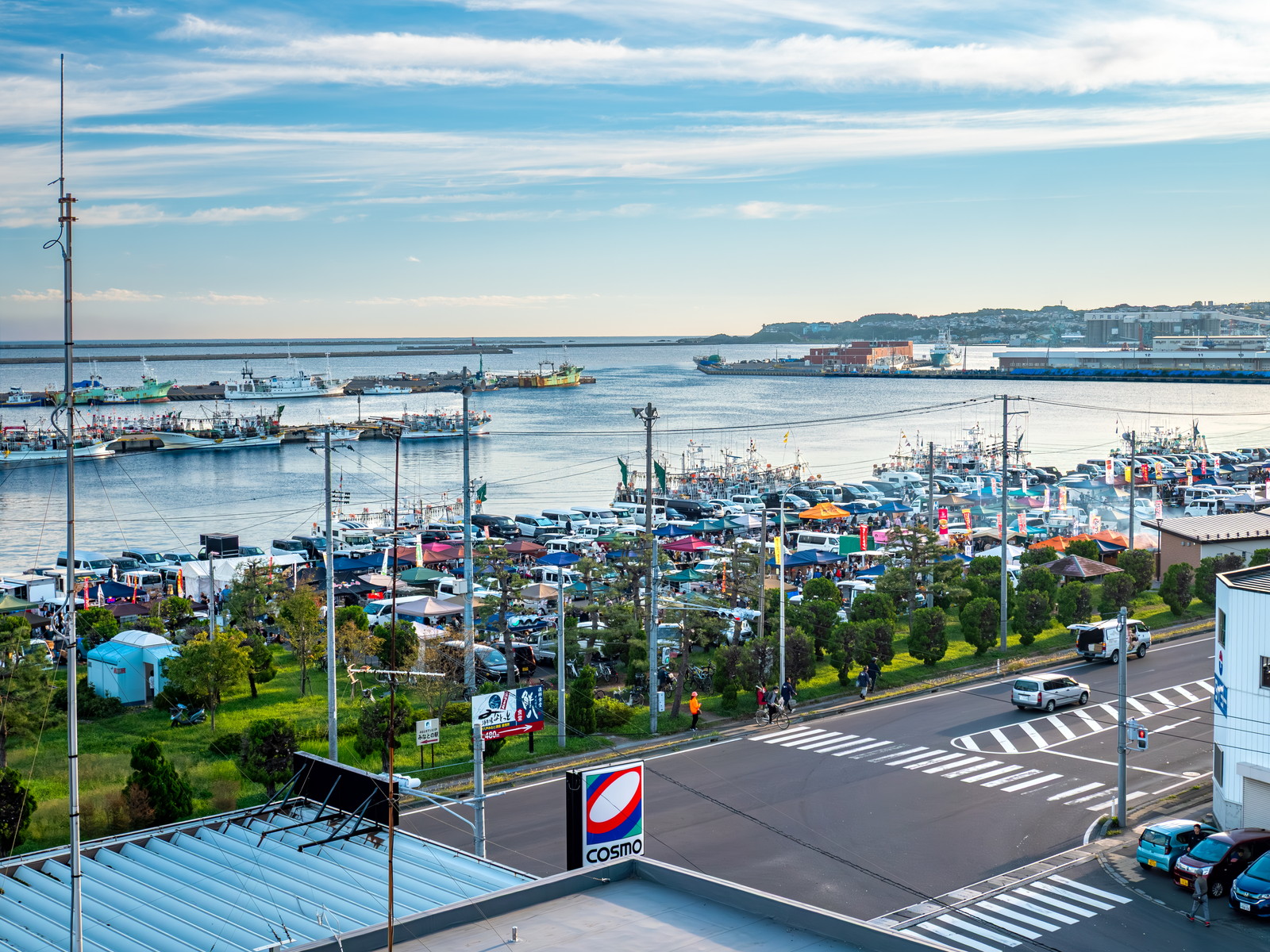
Tatehana Wharf Morning Market
2.7 km · straight line
 くろふね / CC BY 4.0
Nature · Aomori★★
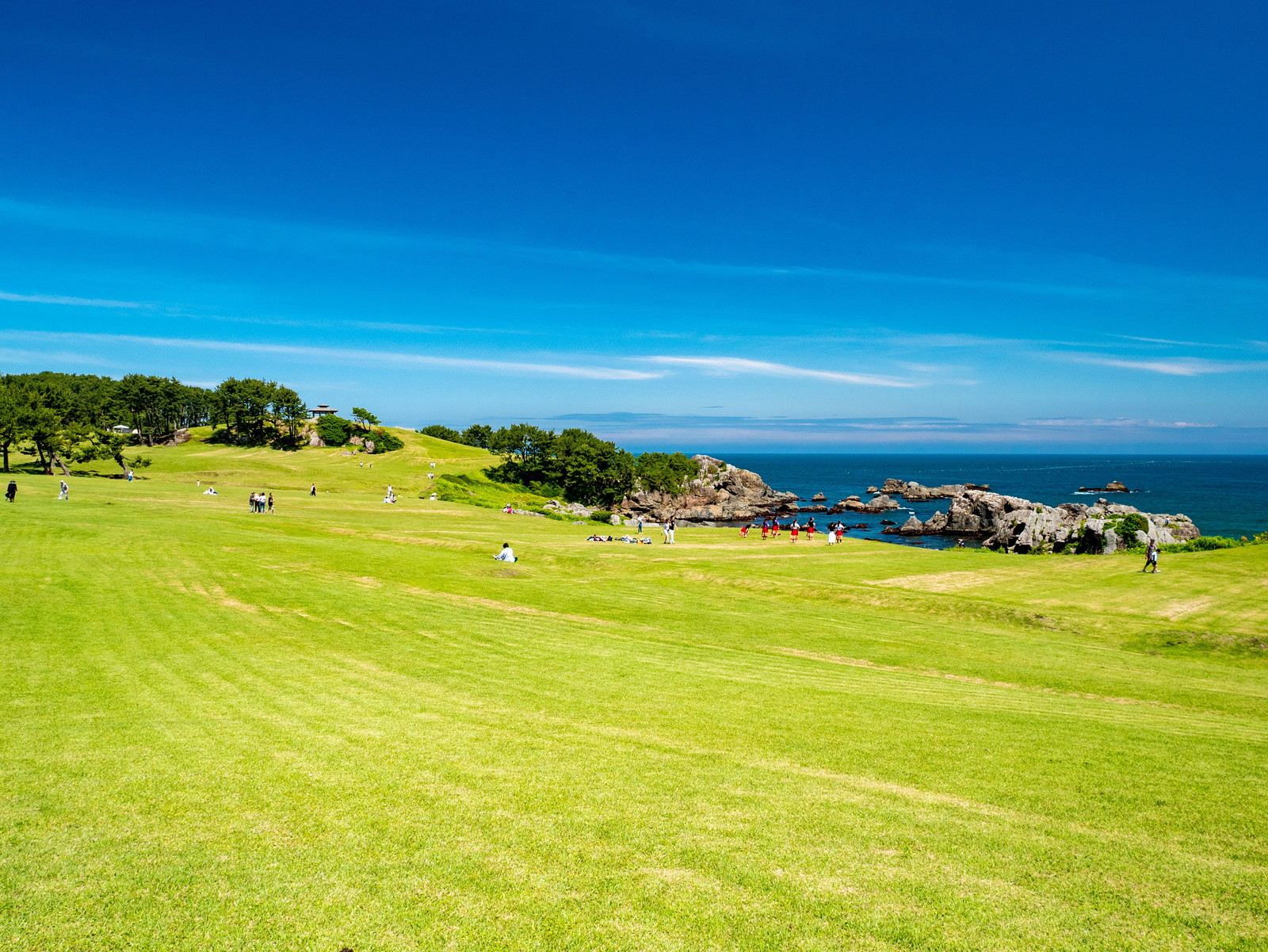
Tanesashi Coast
5.4 km · straight line
 8-Forest / CC BY-SA 4.0
Culture · Aomori★★
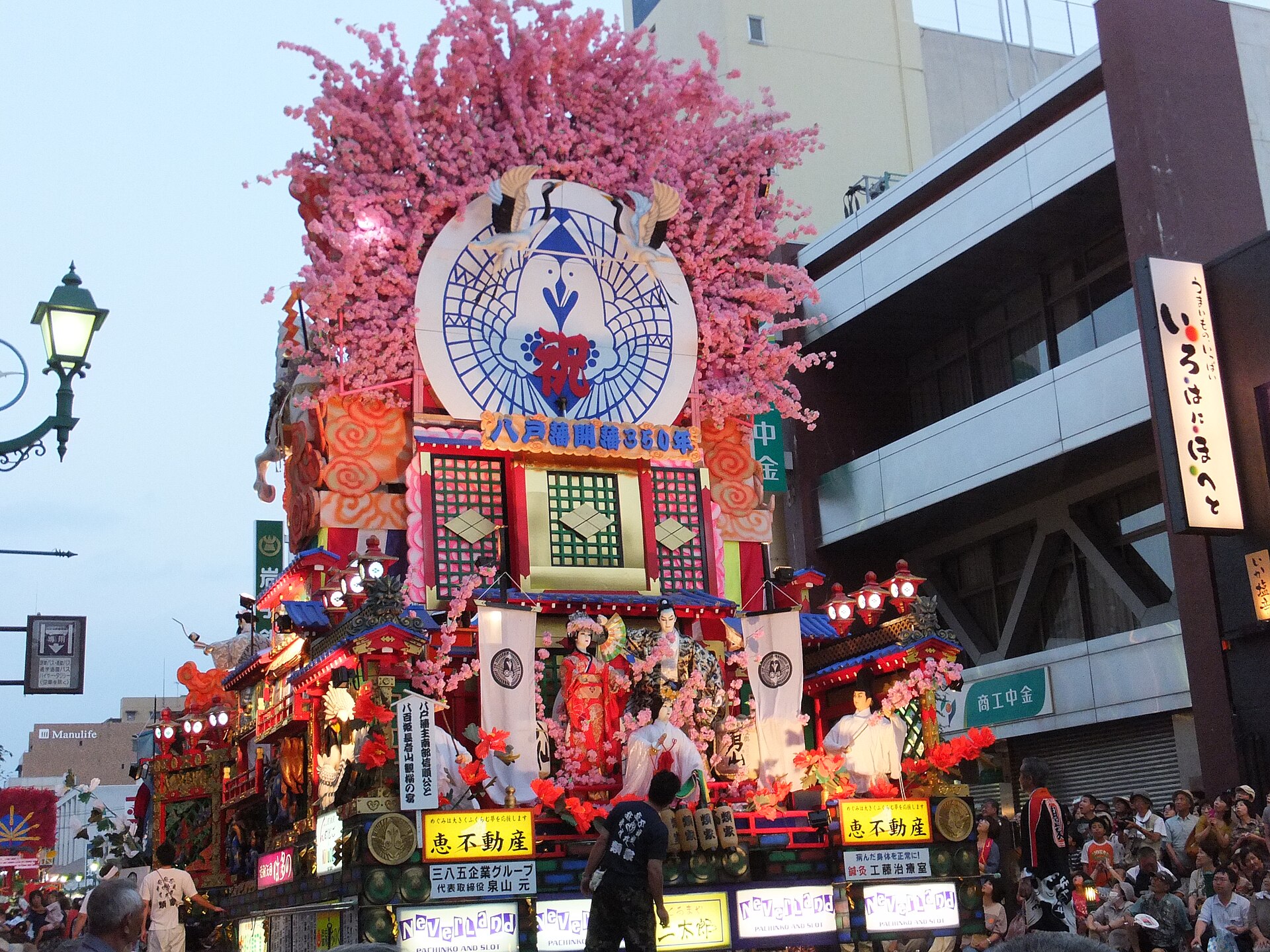
Hachinohe Sansha Taisai
6.5 km · straight line
 Ow00wo / CC BY-SA 3.0
Culture · Aomori★★
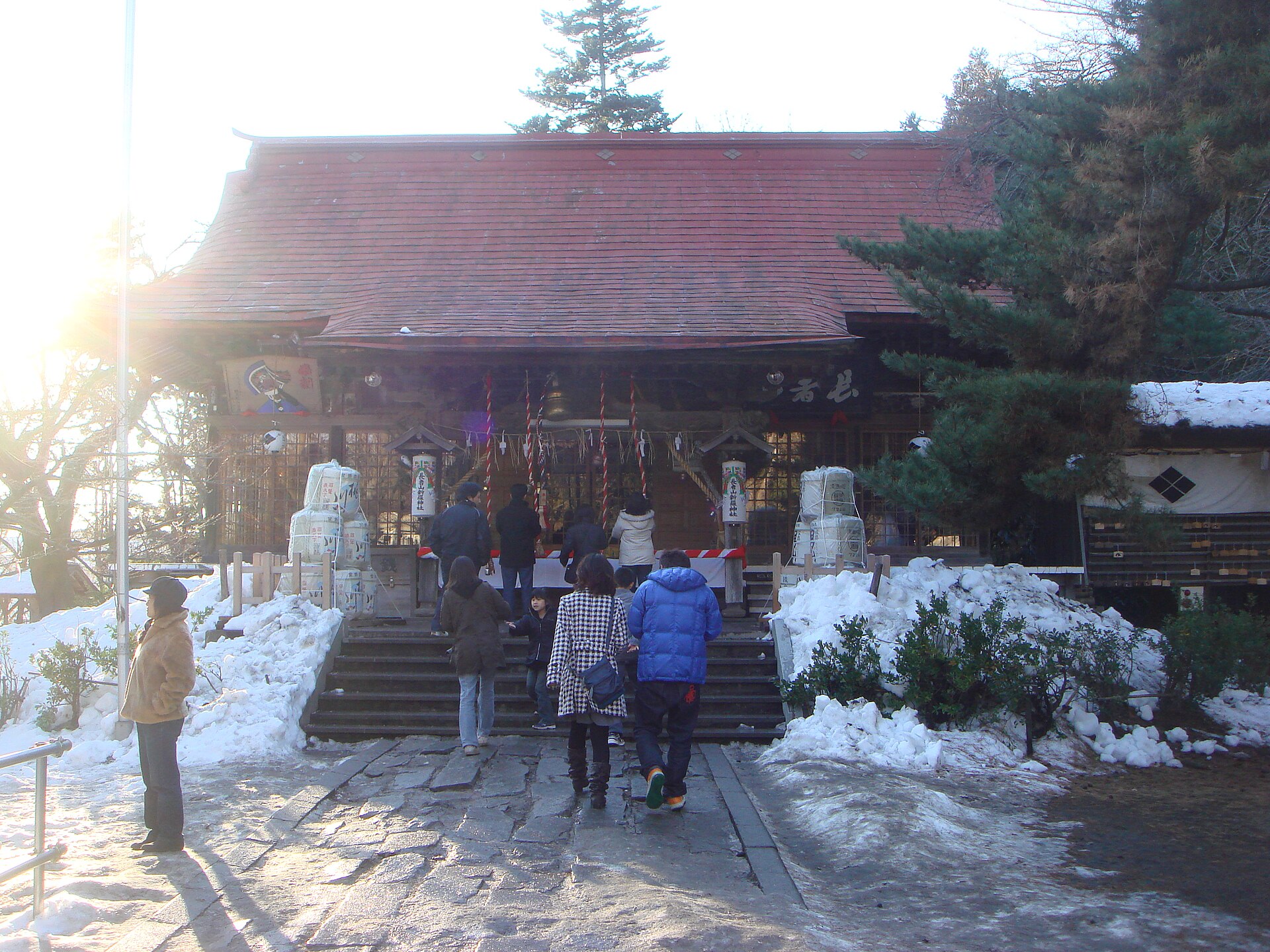
Hachinohe Enburi
6.9 km · straight line
Distances are straight lines on the map, not travel times.