N Okhotsk · EsashiNo.985★★★Open in map →
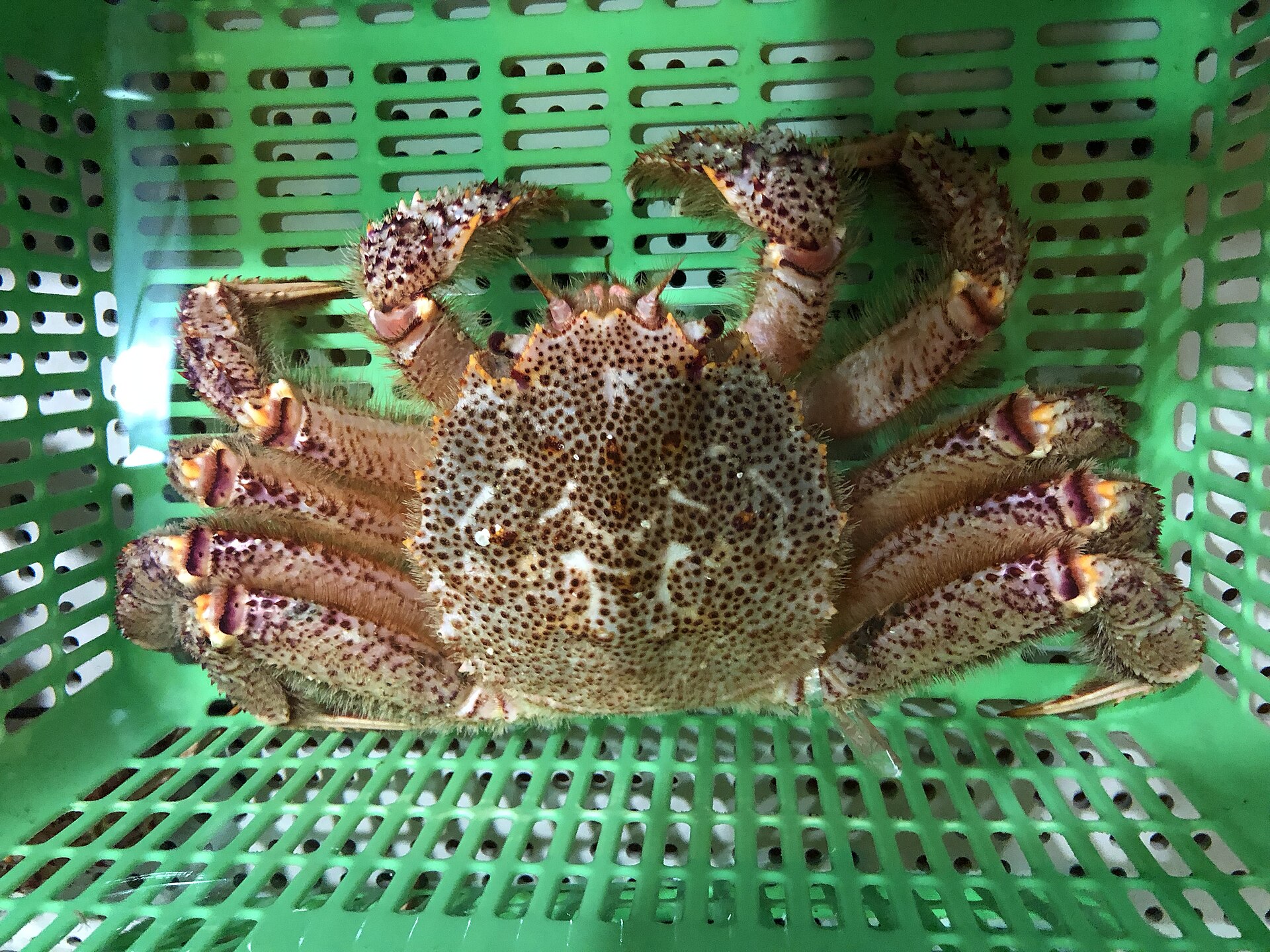
Kegani Horsehair Crab
— Japan's top landing port on the Okhotsk coast
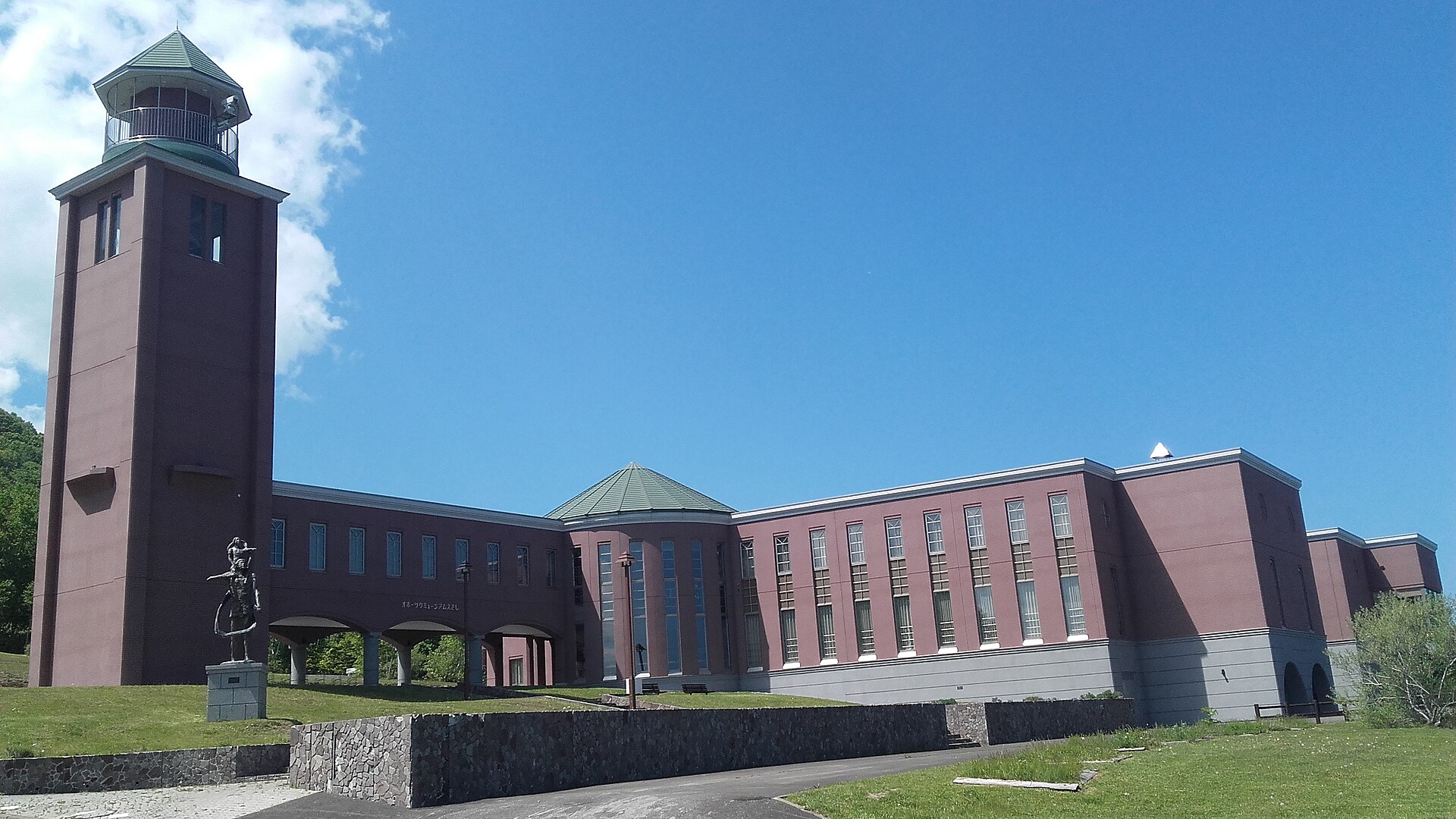
More horsehair crab is landed at Esashi than at any other port in Japan, caught in baited pots set on the Okhotsk seabed. The town's free museum on the slope above the centre is where that sea is explained, a short walk from the coach terminal.
- FromAsahikawa Station
- ~3.5 hrSoya Bus intercity coach
- Get off atEsashi Terminal (Soya Bus)
- On foot
- Kegani Horsehair Crab
Where it is
102 more notes in Hokkaido · open the map →What to look for — in walking order
- The orca skeletona mounted skeleton over 7 metres long, among the largest in the country, set where visitors come in
- The Okhotsk pit dwellinga reconstructed sunken house of the sea-hunting people who lived along this shore
- The Menashidomari findsgrave goods from the site north of town, designated Important Cultural Properties
- The drift ice displaythe winter ice that reaches this coast and feeds the water the crab grows in
- The Desmostylus skeletona full mount of the extinct sea mammal, cast from the first Utanobori specimen
How to actually get there
- Asahikawa Station → Esashi Terminal (Soya Bus Esashi-go coach, booking required).
- Esashi Terminal → head inland, away from the harbour, along the main road.
- Follow the road up the slope to the museum at the western edge of town.
- Inside, start at the orca skeleton and work through to the local history rooms.
- Soya Bus Esashi-go coach from Asahikawa
- Asahikawa Station → Esashi Terminal on the Esashi-go intercity coach, routed inland through Otoineppu and Utanobori. Booking is required and every seat is unreserved; the Asahikawa stop is bay 8 in front of the station. The operator currently lists one departure a day in each direction, the other run being suspended, so there is no later service to fall back on.
- Return from Esashi Terminal
- The coach back to Asahikawa leaves Esashi in the morning rather than the evening, which is the opposite of what a day trip assumes. Plan on a night in town, or on carrying along the coast by local bus instead. Soya Bus takes bookings by telephone through its Esashi office, so arrange the return seat when you arrange the outbound one.
About the place
Esashi faces the Okhotsk Sea at the northern edge of Hokkaido, on a coast that drift ice reaches every winter. Its crab boats work with baited pots instead of trawls, sinking them on the seabed and lifting them a day later, so the catch comes up alive and unbruised. Females and undersized males go straight back into the water, and only hard-shelled large males are shipped. That restraint is the reason the port has stayed at the top of the national landings instead of fishing itself out. Plankton carried in by the ice feeds the water, and the crabs grow dense in it. The museum on the rise above the town is not a crab museum; it is the record of the whole sea that produces one.
How to enjoy it
The museum opens at nine and the town is small, so one night in Esashi covers the museum, the harbour front and the coast road without hurrying any of it. The crab is at its best in spring, once the drift ice has gone. In early July the town's crab festival takes the Ustaibe Senjoiwa headland, with an eve on the first Saturday and the main day on the first Sunday; outside those weeks the roadside station at Okashima is the dependable place to buy the catch.
Background & history
This coast belonged to the Okhotsk culture, a maritime hunting people whose reach ran from Sakhalin through Hokkaido to the Kurils in the centuries matching Japan's Kofun and Heian eras. Their burial site at Menashidomari, north of the town, gave up pottery and iron swords, and the finds are designated Important Cultural Properties and held here. The later chapters are shorter. Gold was found inland in the middle Meiji years and the town went through a rush for it, and a railway was laid along the coast and then taken up again, which is why the way in is a bus.
Before you go
- Cash
- The town's official site lists museum admission as free, so nothing is needed at the door there. Everything else in Esashi is a small-town counter and the coach is a phone-booked service rather than an app one, so treat cash as the default and confirm how the fare is paid when you make the reservation.
- Good to know
- The museum closes on Mondays and on the last Tuesday of the month, taking the following weekday instead when a public holiday falls on a closing day, and it shuts over the new year. Winter on this coast is severe and drift ice comes ashore. The pot fishery itself is a spring one, so a midwinter visit is the museum and the harbour rather than the catch.
- Another way
- By car it is the Okhotsk coast road, which runs south toward Monbetsu and north toward Cape Soya; the town's roadside station stands on it at Okashima, south of the centre, and sells the local crab and scallops. Soya Bus also runs an Esashi–Sapporo coach on the same booking system, and Asahikawa, Wakkanai and Monbetsu airports are all used as gateways with a bus or car transfer.
- After you get off
- From Esashi Terminal, walk inland away from the harbour for roughly ten minutes. The museum stands on the slope at the western edge of the town centre, and its brick tower shows above the roofs long before you reach the gate.