Fukui · TsurugaNo.1089★★Open in map →
Kehi Jingu Shrine
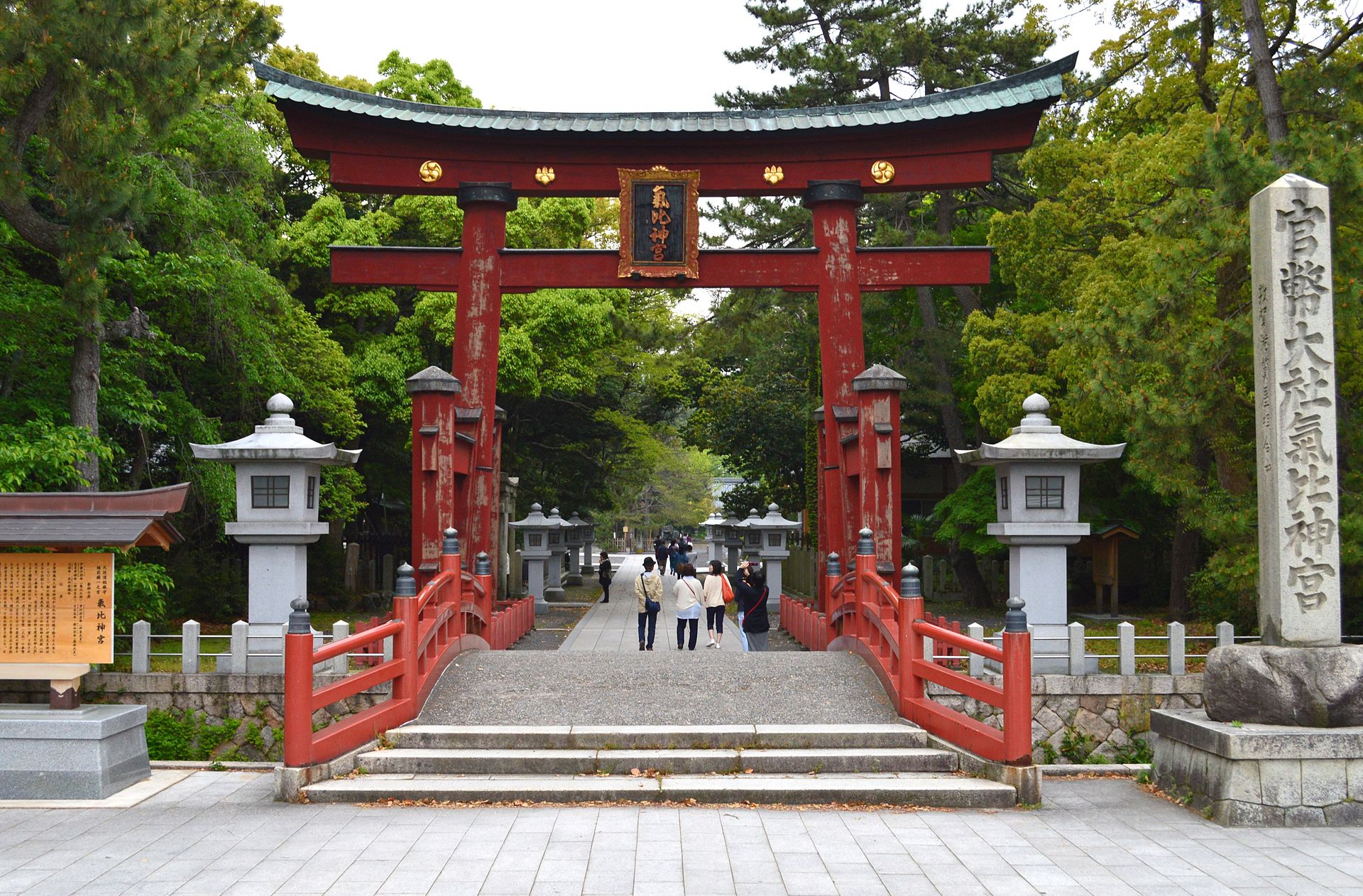
Tsuruga's chief shrine stands at the head of the city's main avenue, a straight walk north from the Shinkansen terminus. Its vermilion wooden gate is counted among Japan's three great wooden torii, and the grounds open well before the town does.
- FromTsuruga Station (Hokuriku Shinkansen)
- ~15 minWalk from Tsuruga Station
- Kehi Jingu Shrine
The sweet spot
This is the best-known shrine in Tsuruga, not a hidden one. What changes is the hour. The gates open around daybreak, before the buses run and before the shops on the avenue open their shutters, so the same grounds read very differently depending on when you walk in.
Where it is
28 more notes in Fukui · open the map →What to look for — in walking order
- The great toriia lacquered double-post gate of juniper about 10.9 metres tall, an Important Cultural Property
- The inner toriia plainer gate further up the approach, where the street finally gives way to the precinct
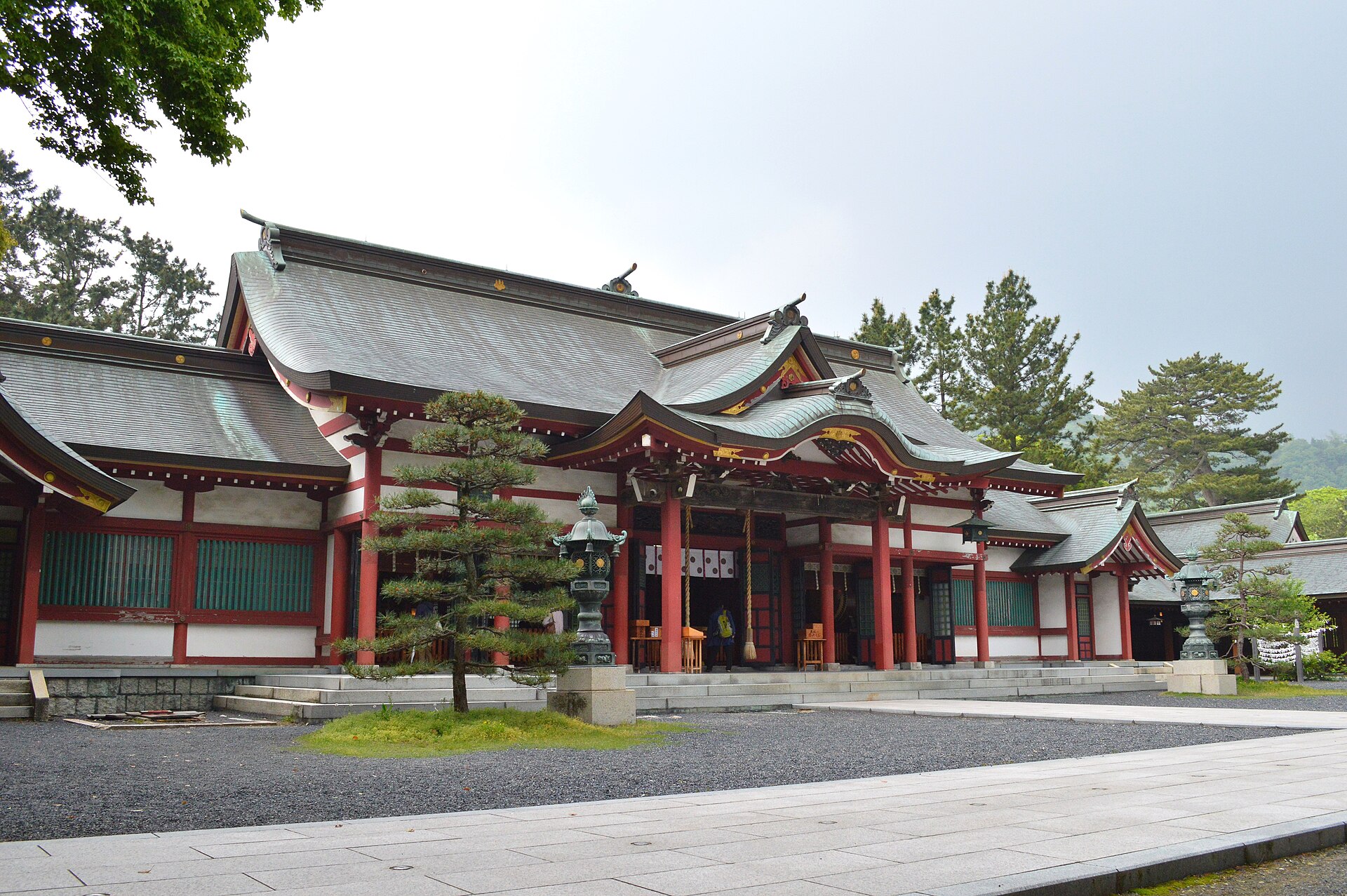
- Outer worship hallthe open hall where visitors pay their respects, roofs layered behind it
- Main sanctuarythe postwar rebuild, visible over the fence behind the worship hall
- Chomei-sui springa spring within the grounds, drawn at midnight each New Year and tied to long life
How to actually get there
- Tsuruga Station → Kehi Jingu (walk north along the main avenue).
- Pass under the great torii, then follow the approach to the inner torii and the outer worship hall.
- Circle round to the main sanctuary and the spring, then walk back down the avenue into town.
- On foot from Tsuruga Station
- Tsuruga is the current terminus of the Hokuriku Shinkansen, and the shrine stands about a kilometre north of the station. Leave by the west side, follow the main avenue straight north, and the great torii closes the view at the far end. The walk is flat pavement the whole way and takes about fifteen minutes.
- Back to Tsuruga Station
- Retrace the avenue south. From Tsuruga the Shinkansen runs east toward Kanazawa and Tokyo and limited express trains run south toward Kyoto and Osaka, but both thin out through the evening. Check the last departure before you settle in for dinner rather than after.
About the place
Kehi Jingu is the first-ranked shrine of the old province of Echizen and has long been called the guardian of the whole Hokuriku road. Seven deities are enshrined here, headed by Izasawake-no-mikoto, a god associated with food and clothing, safe voyages and safe travel. The precinct sits inside the city grid rather than up a mountain, so the approach starts among shopfronts and changes character abruptly under the red gate. The wood of that gate is juniper said to have come from Sado, across the water. Tsuruga has faced the Sea of Japan as a port through all of that history, and the shrine is where the record of it is gathered.
How to enjoy it
The gates open at five in the morning from April to September and at six from October to March, and close at five in the afternoon. Arriving at opening time gives you the approach almost to yourself, and the walk back down the avenue lands just as the town starts moving. Amulets and seal-stamps are handled from later in the morning, so a dawn visit means a second pass if you want one.
Background & history
The shrine halls are recorded as having been built in 702. The great torii on the approach was raised in 1645 and is a nationally designated Important Cultural Property; few wooden gates of that scale survive from the early Edo period. The buildings behind it did not survive: an air raid on Tsuruga in 1945 burned the halls, and the main sanctuary was rebuilt in 1950. Matsuo Basho called at the shrine on the journey that became Oku no Hosomichi, and a statue and a verse stone in the grounds mark it.
Before you go
- Cash
- No admission is posted for the grounds. Amulets and seal-stamps are handled in cash, and the shops along the avenue are a mix of cash and card. Tsuruga Station accepts IC cards.
- Good to know
- The gates close in the late afternoon, earlier than city sightseeing usually ends, and they open an hour earlier in summer than in winter. The approach is paved and level, but winters on this coast are wet and snowy, so bring footwear for it.
- Another way
- From Kyoto or Osaka, limited express trains run north to Tsuruga, where the Hokuriku Shinkansen begins. Whichever way you arrive, the walk from the station is the same.
- After you get off
- From Tsuruga Station, head north up the avenue in front of you. A community bus also runs from the station forecourt to the Kehi Jingu stop, which sets you down beside the great torii.
Nearby notes
 Asturio Cantabrio / CC BY-SA 4.0
History · Fukui★★
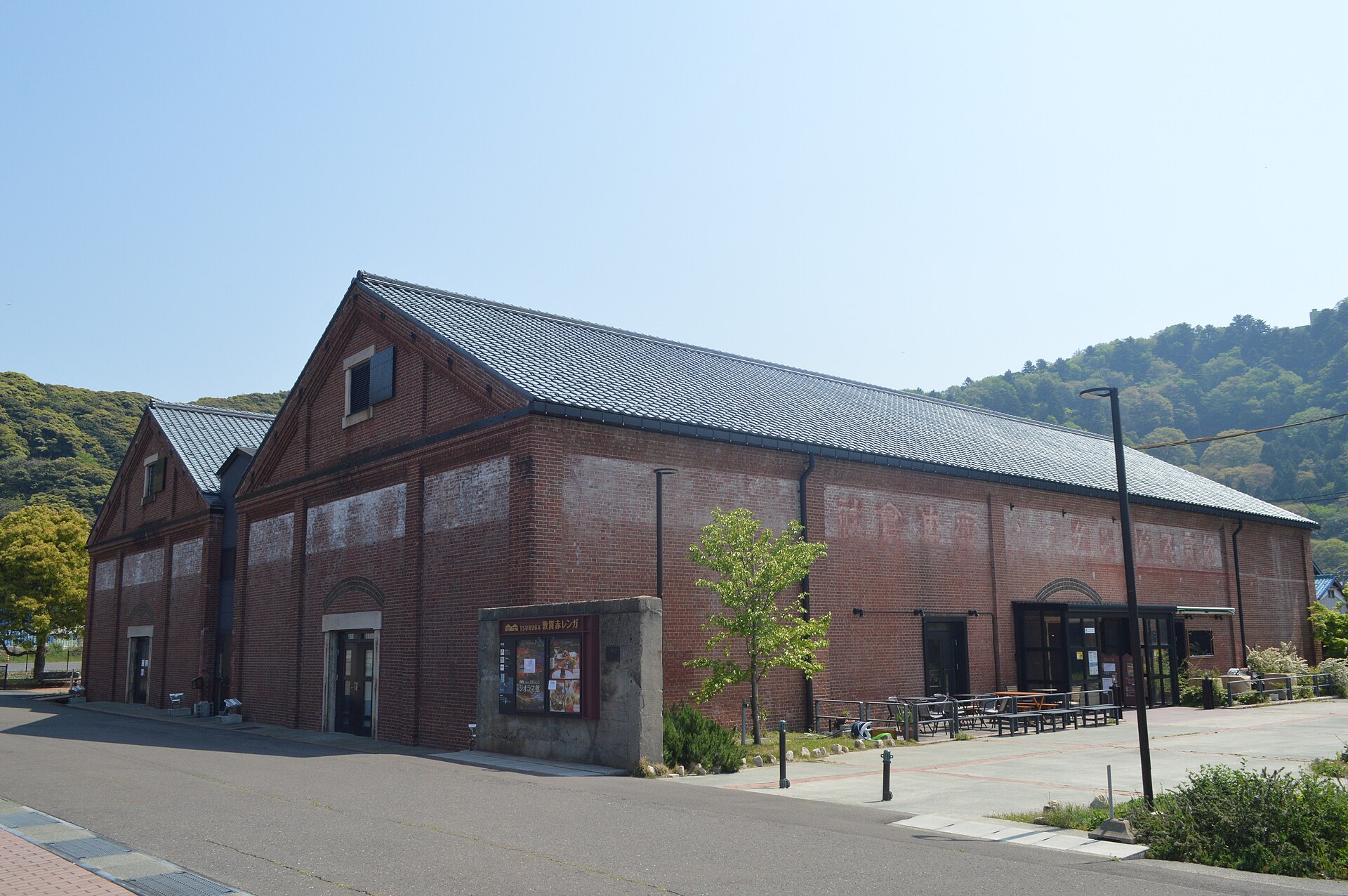
Tsuruga Red Brick Warehouse
0.8 km · straight line
 663highland / CC BY 2.5
Nature · Fukui★★
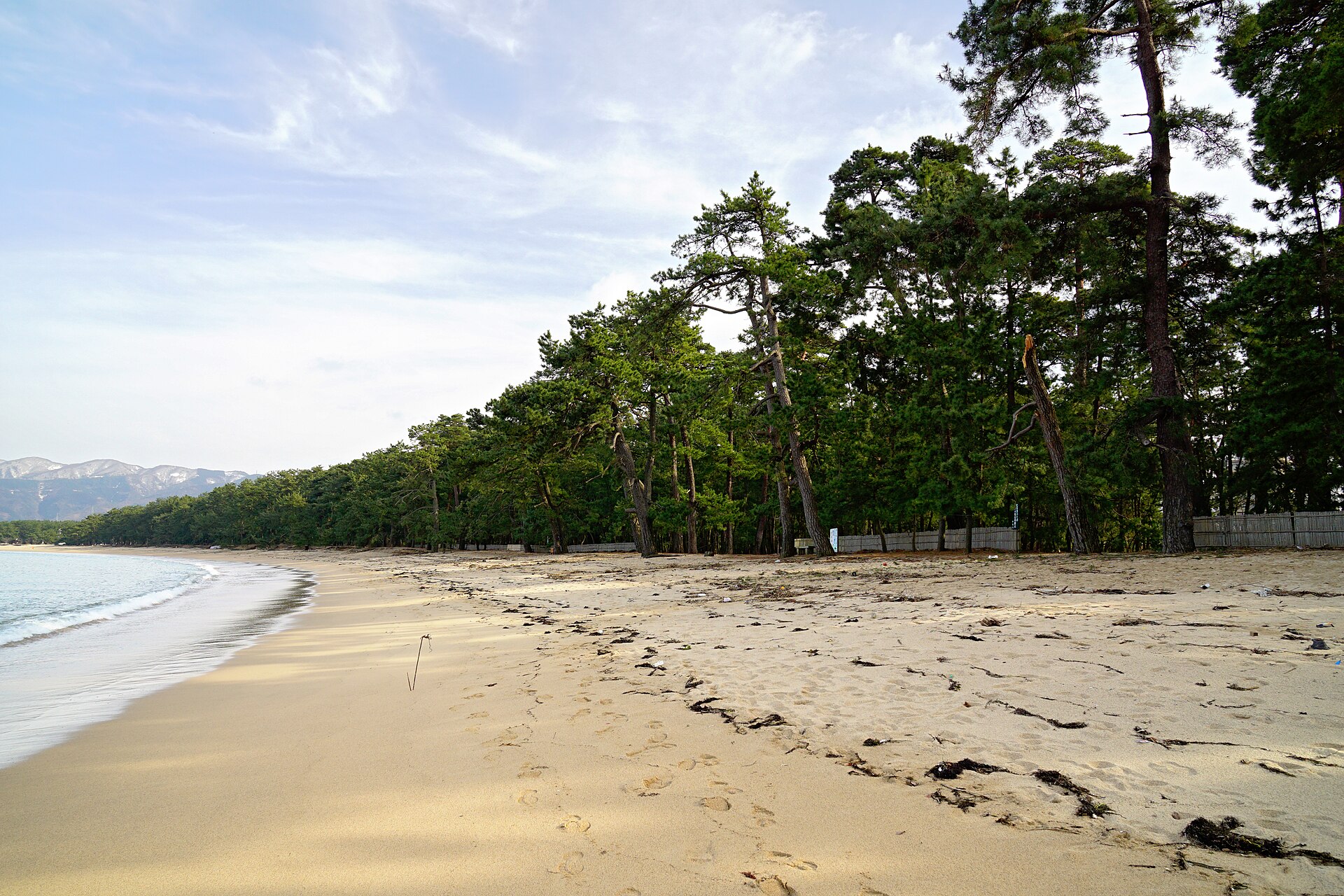
Kehi no Matsubara
2.3 km · straight line
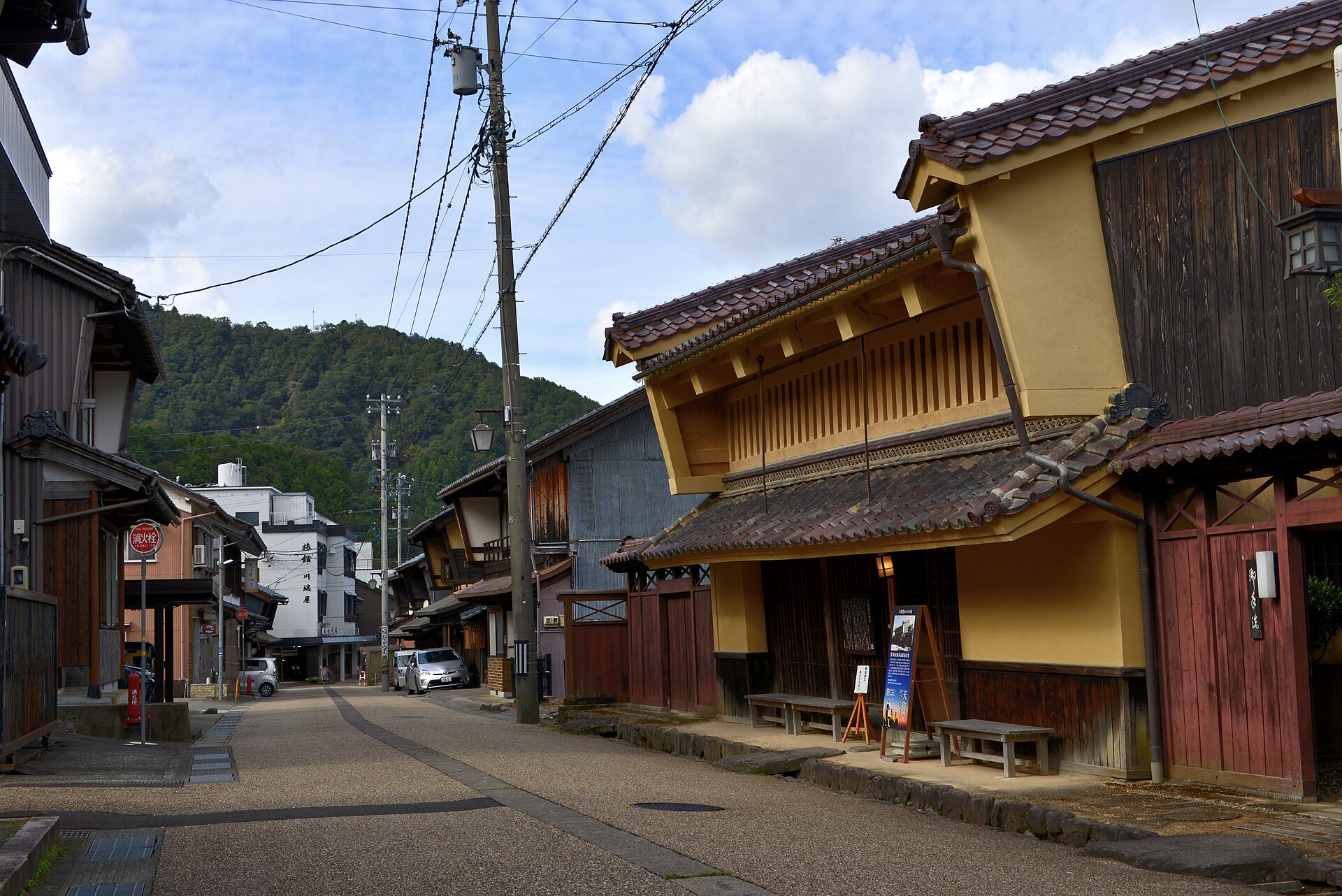 皓月旗 / CC BY-SA 4.0
History · Fukui★★
Imajo-juku
17.3 km · straight line
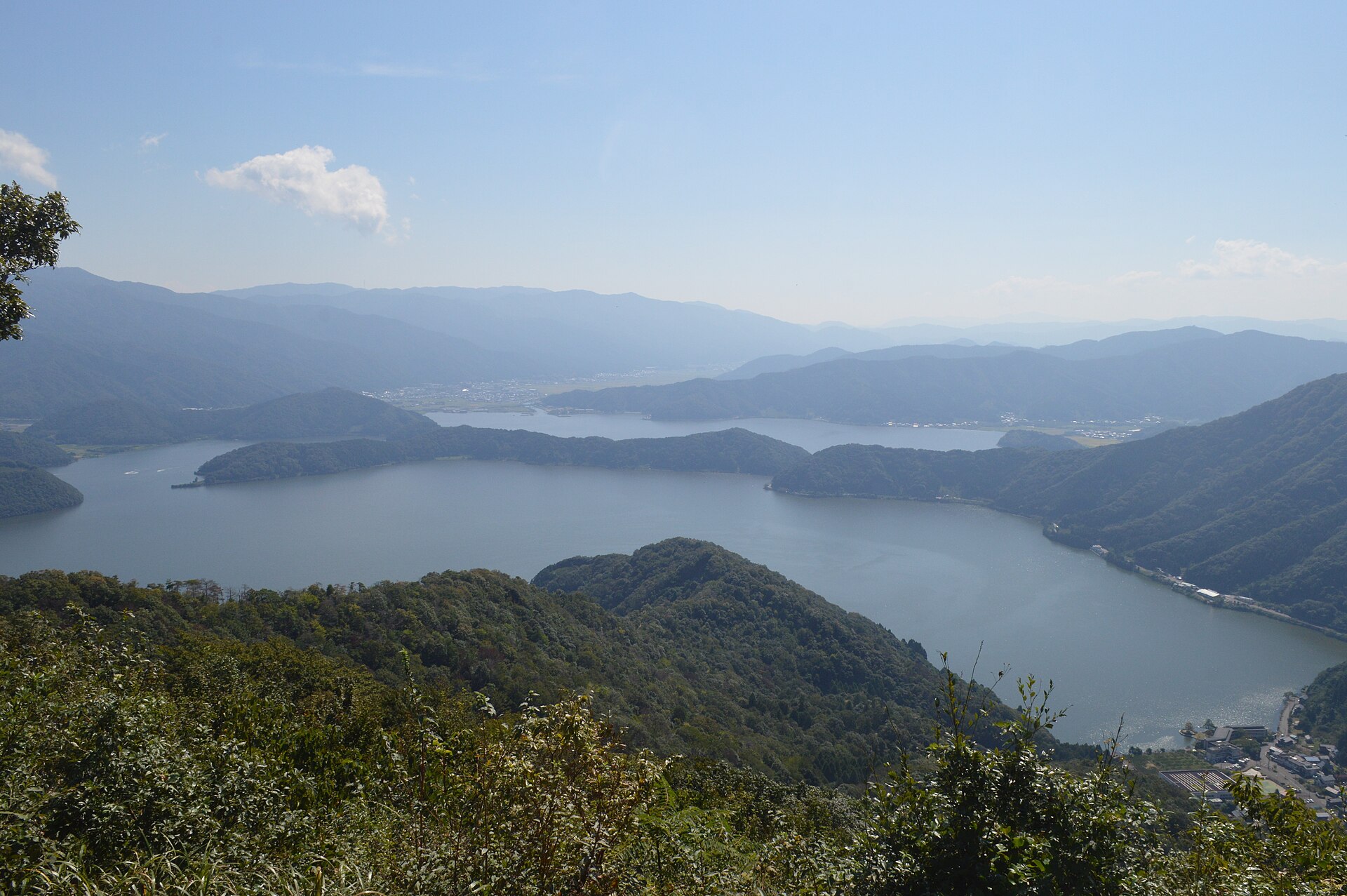 Asturio Cantabrio / CC BY-SA 4.0
Nature · Fukui★★
Mikata Five Lakes
19.5 km · straight line
Distances are straight lines on the map, not travel times.