East Gunma · KiryuNo.876★★Open in map →
Kiryu Shinmachi
— The preserved core of a silk-weaving town
The old core of Gunma's silk-weaving town, where merchant houses and plastered storehouses line the street and saw-tooth-roofed weaving sheds fill the lanes behind. The plot pattern dates from the town's founding, and the quarter is a national preservation district.
- FromKiryu Station (JR Ryomo Line)
- ~20 minJR Ryomo Line, then on foot
- Kiryu Shinmachi
The sweet spot
Kiryu is not a secret. It is a nationally selected preservation district and part of a Japan Heritage story about Gunma silk. It is quiet because it is a working town rather than a sightseeing street. There is no coach park and no row of souvenir shops, and most of the buildings are still doing the job they were built for.
Where it is
20 more notes in Gunma · open the map →What to look for — in walking order
- Honcho 2-chomethe southern block of the district, tiled merchant houses and white plastered storehouses along the old main street
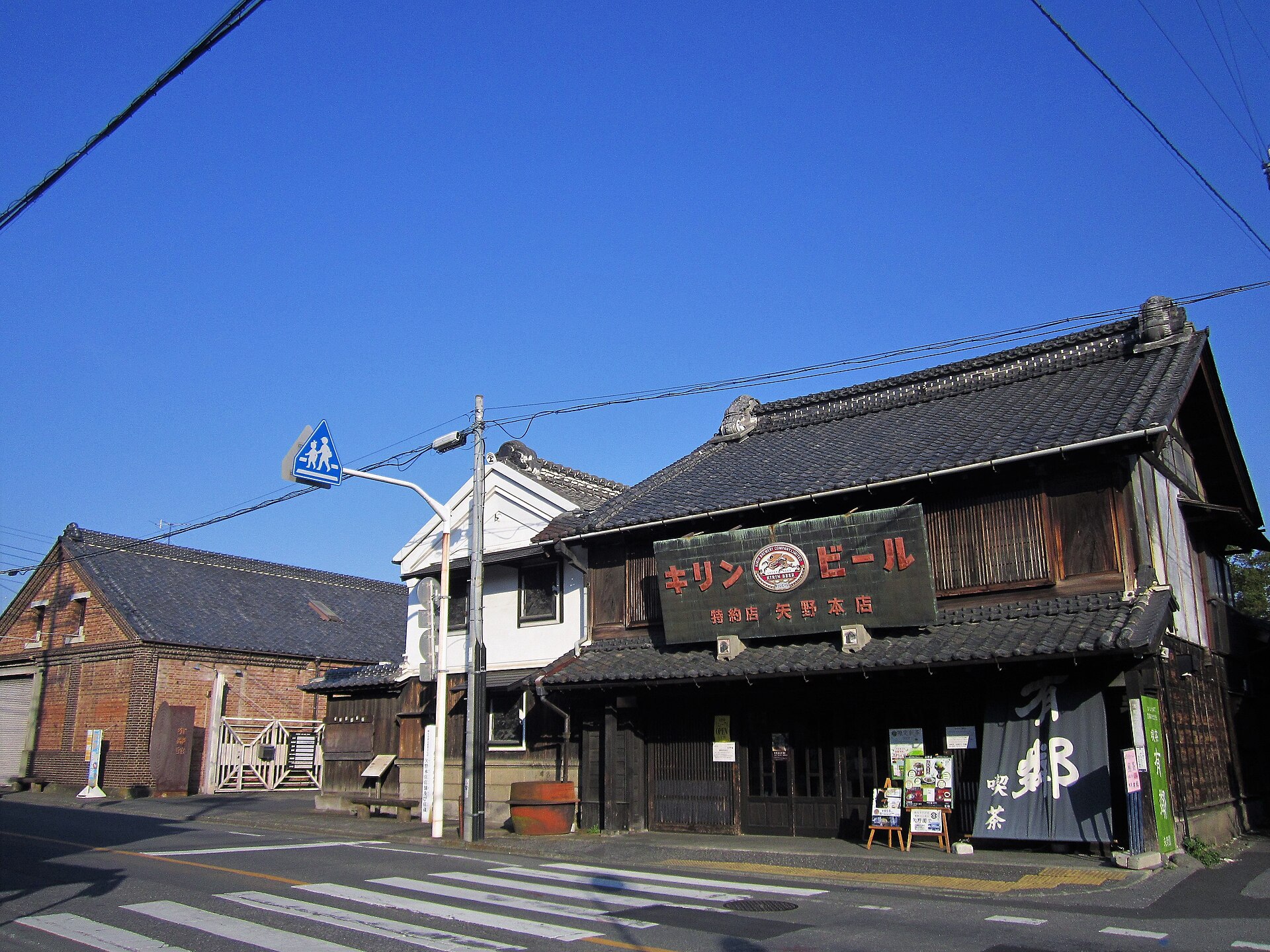
- Yano Hontena timber merchant frontage under a painted signboard, with brick and earthen warehouses ranged behind it
- The Denken Machinaka Koryukanthe district's visitor room on Honcho 1-chome, the usual landmark for finding your bearings
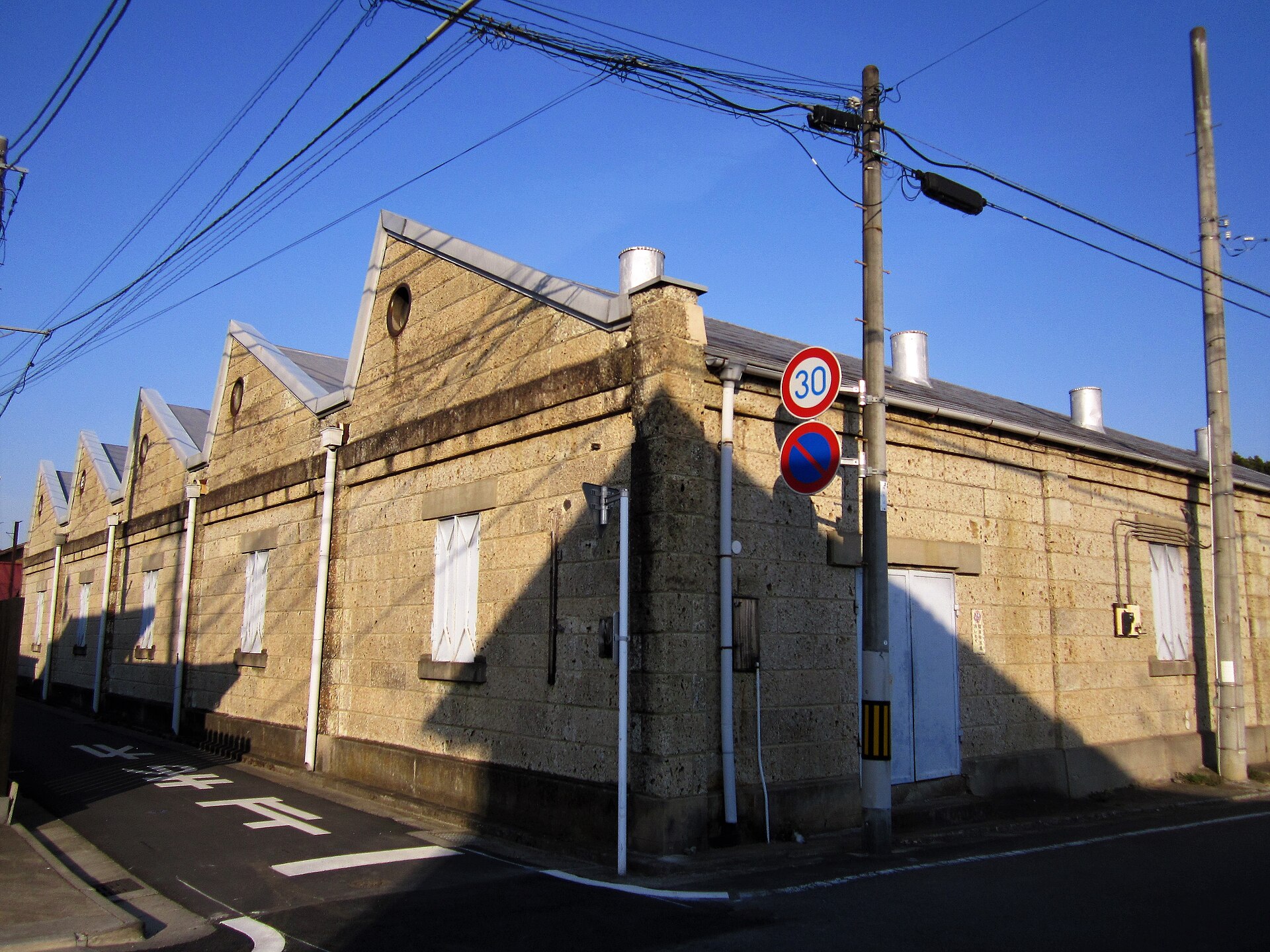
- The saw-tooth weaving shedsfactory sheds on the back lanes of Honcho 1-chome, roofed in ranks of north-facing glass
- Kiryu Tenmanguthe shrine closing the north end of the main street, the point the town was set out from
How to actually get there
- JR Ryomo Line to Kiryu Station.
- North on foot up the old main street to Honcho 2-chome, where the preservation district begins.
- Honcho 2-chome to Honcho 1-chome, turning into the back lanes for the saw-tooth sheds.
- North end of Honcho to Kiryu Tenmangu, the point the town was set out from.
- Kiryu Station to Honcho
- Kiryu Station is served by the JR Ryomo Line and by the Watarase Keikoku Railway. Leave on the north side and walk north up the old main street. The preservation district begins in Honcho 2-chome, roughly twenty minutes on, and runs north from there to the shrine.
- Back to the station
- The walk back from the north end of the district is the same twenty minutes, longer if you have come out at the shrine. Check the departure board when you arrive rather than on the way out; Ryomo Line trains are less frequent than the map makes them look.
About the place
Kiryu lies at the foot of the hills in eastern Gunma, and cloth is the reason the town has the shape it does. The old main street runs north to the Tenmangu shrine, and the ground either side was cut into long narrow plots: a shop's width at the street and a great deal of depth behind it. That pattern is still readable on the ground. The preservation district covers about thirteen and a half hectares of it, taking in all of Honcho 1- and 2-chome and part of Tenjincho 1-chome. Merchant houses and plastered storehouses face the street; the weaving sheds, roofed in saw-tooth glass, sit out of sight on the back lanes.
How to enjoy it
The district is about twenty minutes north of Kiryu Station on foot, or a shorter walk from Nishi-Kiryu on the Jomo line, and it takes an unhurried hour or two end to end. A weekday morning suits it: the back lanes are working lanes, and the shutters that go up are shutters on businesses rather than on a museum street. There is no visitor car park, so the coin lots off the main street are the answer if you drive.
Background & history
The town was laid out in 1591, when Ono Hachiemon set out a new grid north of the Tenmangu shrine; Shinmachi, new town, is that founding preserved in a name. Weaving was the trade from the start and stayed the trade, through the Edo period and on into the twentieth century, when the saw-tooth sheds went up behind the houses to hold the looms. In 2012 the quarter was selected as a national Important Preservation District for Groups of Traditional Buildings, classified as a weaving town, and it is also a component of the Japan Heritage story of Gunma's silk.
Before you go
- Cash
- Walking the district costs nothing. The shops, tea rooms and workshops along Honcho are small independents, so carry cash rather than assuming a card will be taken.
- Good to know
- This is a lived-in quarter. The storehouses and weaving sheds are private property and most are seen from the street only, and the back lanes are narrow and still used by vehicles. Nothing here is lit for viewing after dark, so treat it as a daylight walk.
- Another way
- Nishi-Kiryu Station, the terminus of the Jomo Electric Railway, is the closer approach from the west and puts you nearer the north end of the district and the shrine.
- After you get off
- Leave Kiryu Station on the north side and follow the old main street north. The district announces itself when the frontages change: tiled merchant houses and plastered storehouses in Honcho 2-chome, then Honcho 1-chome, then the shrine at the top.
Nearby notes
 John Hill / CC BY-SA 4.0
History · Tochigi★★
Ashikaga Gakko
13.4 km · straight line
 SLIMHANNYA / CC BY-SA 4.0
Nature · Tochigi★★★
Ashikaga Flower Park
19.5 km · straight line
 Qurren / CC BY-SA 3.0
Craft · Gunma★★
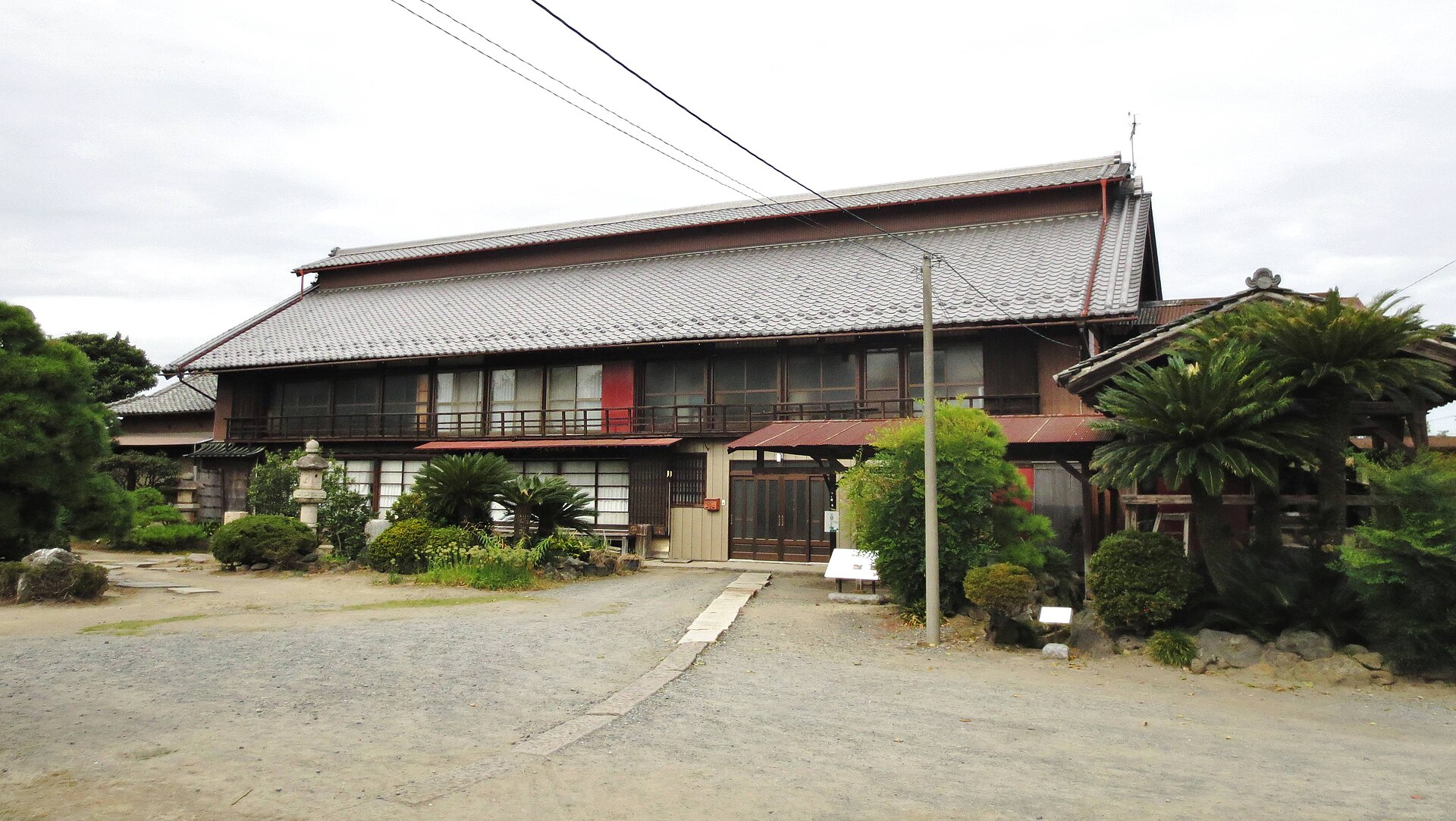
Tajima Yahei Sericulture Farm
21.7 km · straight line
 Ocdp / CC0
Food · Tochigi★★★
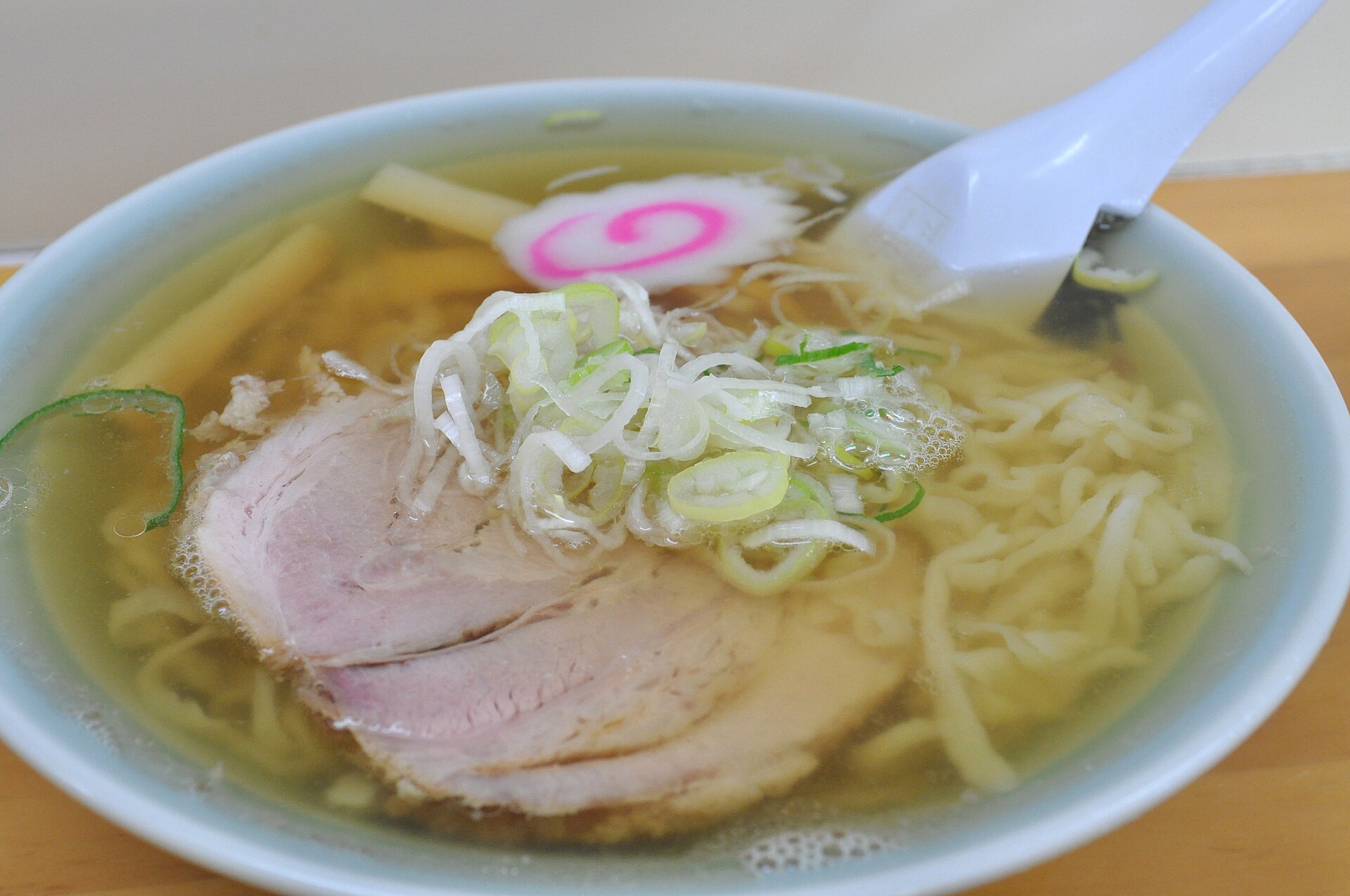
Sano Ramen
23.6 km · straight line
Distances are straight lines on the map, not travel times.