Tochigi · AshikagaNo.364★★Open in map →
Ashikaga Gakko
— Japan's oldest school
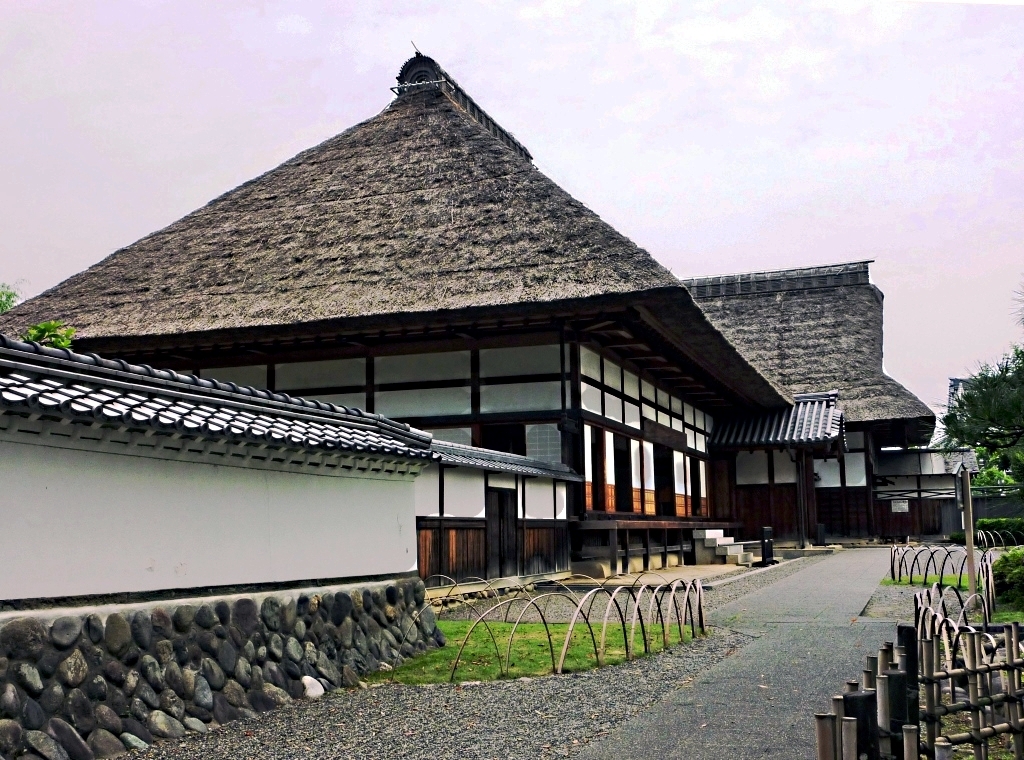
A national historic site in Ashikaga, Tochigi, regarded as Japan's oldest school. Reorganised in the mid-Muromachi period by the Kanto deputy Uesugi Norizane, it was introduced to Europe by Francis Xavier in 1549 as the largest and most famous university in eastern Japan.
- FromTokyo Stn
- ~100 mintrain only (~90 min)
- Get off atAshikaga Station (JR Ryomo Line)
- On foot
- Ashikaga Gakko
The sweet spot
There are older buildings in Japan and there are famous universities in Japan, but this is where the two meet: the place a European first described as a Japanese university, still standing, still readable as a school. It is also small enough to take in properly in an hour, which is not true of most historic sites, and it costs 480 yen.
Where it is
16 more notes in Tochigi · open the map →What to look for — in walking order
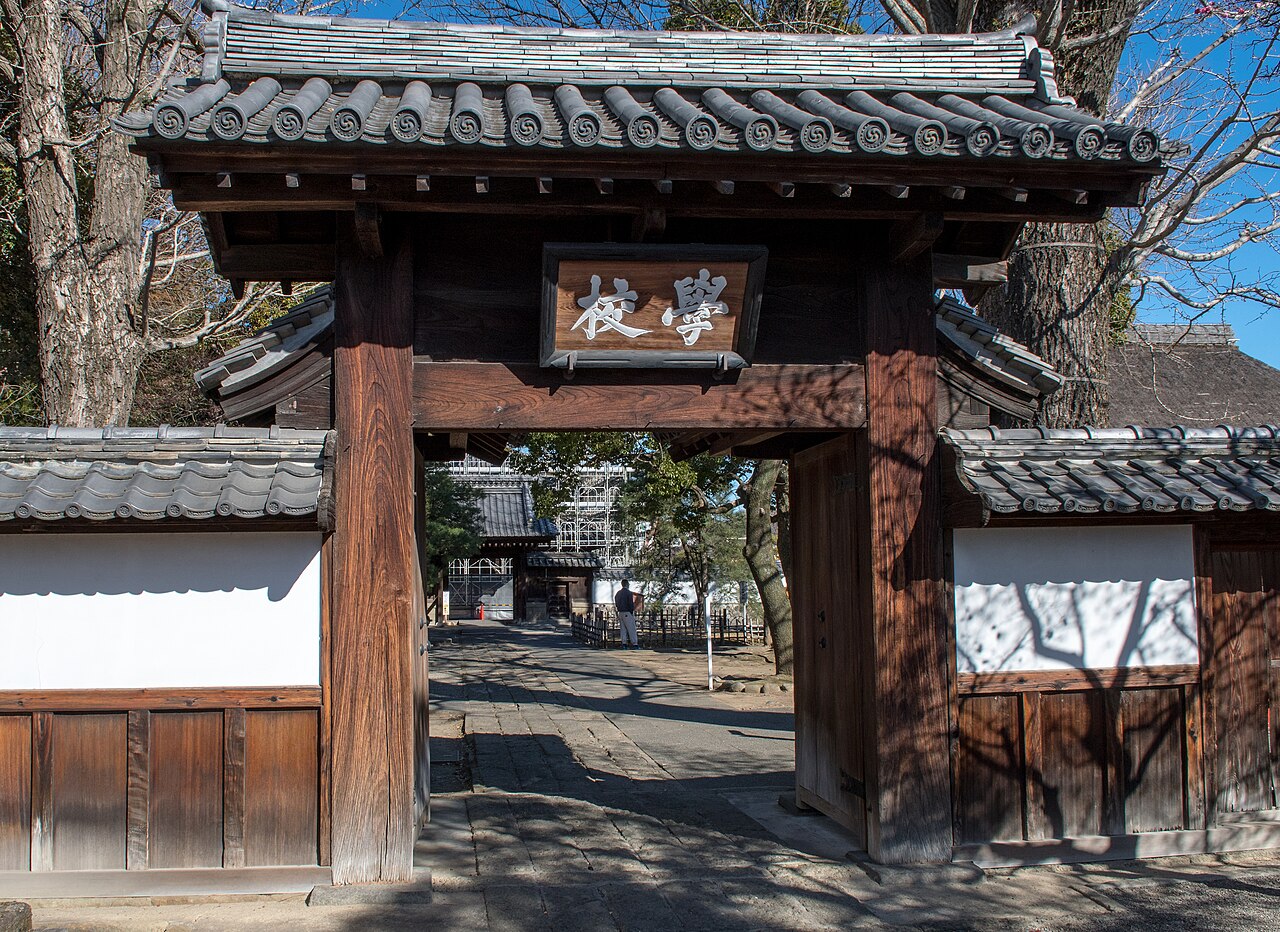
- The school gatethe entrance carrying the plaque with the characters for 'school', and the image most associated with the site
- The Confucian hallthe temple to Confucius inside the compound, which anchors what was taught here to the Chinese classical tradition
- The studying hall and its gardenthe reconstructed hall where students worked, with the pond garden beside it — the part that still reads as a school rather than a monument
- Reading the Analects aloudthe site offers visitors the chance to try sodoku, reading the Confucian Analects aloud, which was the actual method of study here
How to actually get there
- Tokyo Station → Oyama Station (JR Utsunomiya Line or Shonan-Shinjuku Line, ~55 min).
- Oyama Station → Ashikaga Station (JR Ryomo Line toward Takasaki, ~35 min; roughly every 30 minutes).
- Ashikaga Station → the school gate (walk ~10 min through the old town centre).
- Enter through the gate marked with the characters for 'school', then work inward to the Confucian hall and the studying hall.
- JR Utsunomiya Line + JR Ryomo Line
- Tokyo Station →(JR Utsunomiya Line or Shonan-Shinjuku Line, ~55 min)→ Oyama Station →(JR Ryomo Line toward Takasaki, ~35 min)→ Ashikaga Station → about a 10-minute walk. Total about 100 minutes. The Ryomo Line runs roughly every 30 minutes, so check the connection at Oyama before you leave the platform.
- The same route in reverse
- Ashikaga Station → Oyama (JR Ryomo Line, ~35 min) → Tokyo (JR Utsunomiya or Shonan-Shinjuku Line, ~55 min). Because the Ryomo Line is only half-hourly, look at the return times before you start walking around town — the difference between catching and missing one is thirty minutes on a small platform.
About the place
The founding date is genuinely unknown and has been argued over for centuries; what is documented is the revival. In the middle of the Muromachi period, Uesugi Norizane, the deputy governing the Kanto for the shogunate, reorganised the school, endowed it with books and put it on a footing that lasted. By the early sixteenth century enrolment reached around three thousand — monks and warriors coming from across the country to study the Chinese classics, the Book of Changes, divination and medicine, in an age when that knowledge was scarce and portable and worth travelling for. In 1549 Francis Xavier reported it to Europe as the largest and most famous university in eastern Japan, which is how a small town in Tochigi ended up in the earliest European accounts of the country. The original building was struck by lightning and burnt; what stands today is an Edo-period reconstruction on the original ground — a walled compound with a gate carrying the characters for 'school', a Confucian hall, the studying hall and its garden. It was designated a Japan Heritage site in April 2015.
How to enjoy it
Go on a weekday and take the last hour before closing — the compound is small, and it is far better nearly empty than shared with a school group. Do the Analects reading if it is offered; it turns a set of reconstructed buildings back into a working school in a way that reading the signage does not. Pair it with Ashikaga Flower Park, two stops down the Ryomo Line, if you are making the trip from Tokyo, and check the Ryomo Line return times before you wander into town.
Background & history
The founding is undocumented and disputed, but the school was reorganised in the mid-Muromachi period by Uesugi Norizane, the Kanto deputy, who endowed it with books and secured its future. Enrolment reached about three thousand by the early sixteenth century, drawing monks and warriors from across the country. In 1549 Francis Xavier described it to Europe as the largest and most famous university in eastern Japan. The original buildings burnt after a lightning strike; the present compound is an Edo-period reconstruction on the same ground, protected as a national historic site and designated a Japan Heritage site in April 2015.
Before you go
- Cash
- Admission is 480 yen for general visitors, 240 yen for high-school students and 120 yen for elementary and junior-high pupils; preschoolers and visitors with a disability certificate enter free, and group rates are slightly lower. Carry cash — this is a small municipal site and the surrounding town is not card-dense.
- Good to know
- Open 9:00-17:00 from April to September, with last entry at 16:30, and 9:00-16:30 from October to March, with last entry at 16:00. Closed on the third Monday of each month (the following day if that Monday is a public holiday) and from 29 to 31 December.
- Another way
- Tobu Ashikaga-shi Station, on the Tobu Isesaki Line from Asakusa, is about 15 minutes' walk from the school and is the better route if you are starting in Asakusa rather than Tokyo Station. Ashikaga Flower Park, two stops away on the Ryomo Line, pairs with this easily in a single day out.
- After you get off
- From JR Ashikaga Station the school is about 10 minutes on foot through the old town centre; from Tobu Ashikaga-shi Station it is about 15 minutes, crossing the river.
Nearby notes
 SLIMHANNYA / CC BY-SA 4.0
Nature · Tochigi★★★
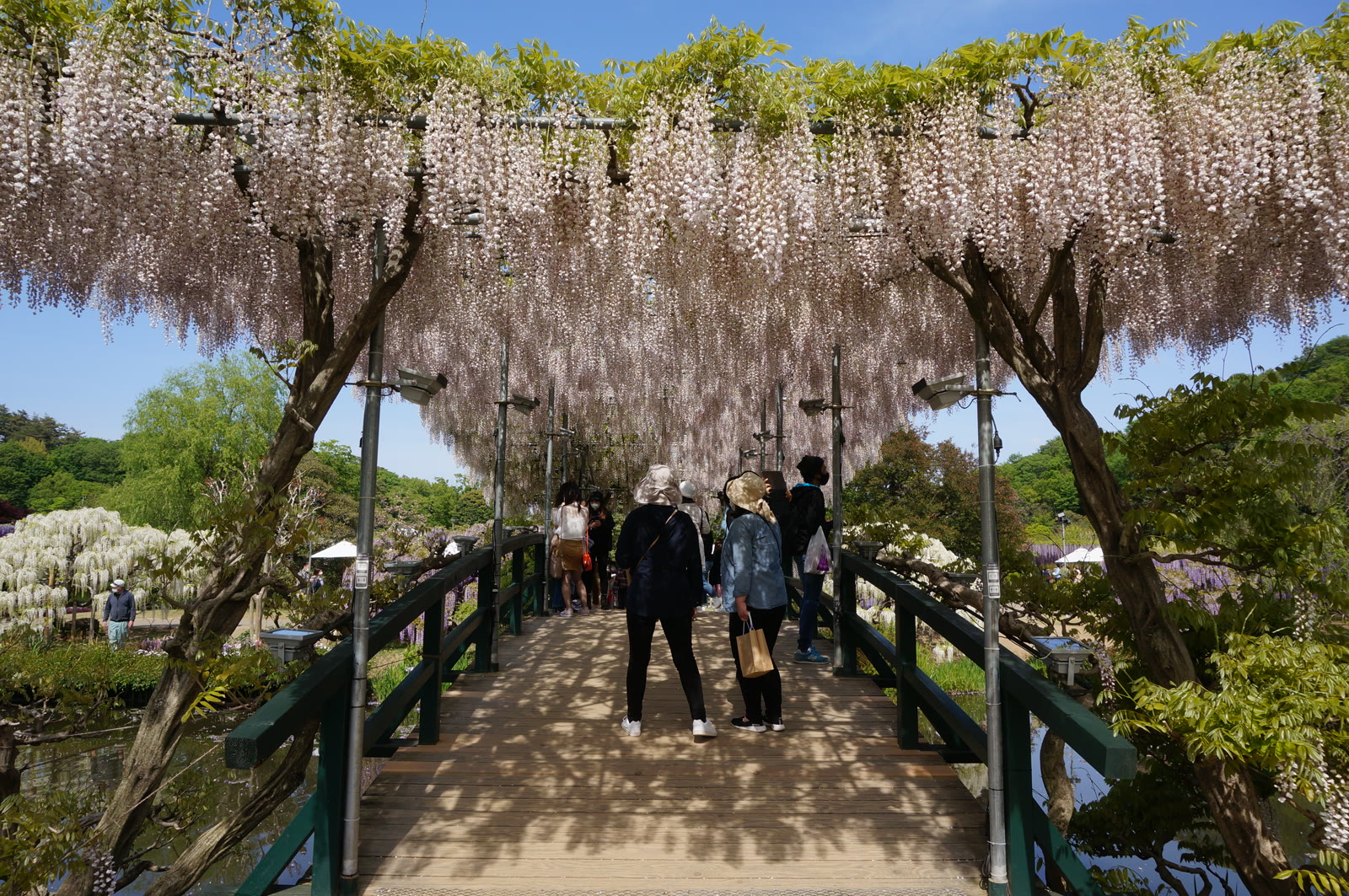
Ashikaga Flower Park
6.4 km · straight line
 Ocdp / CC0
Food · Tochigi★★★
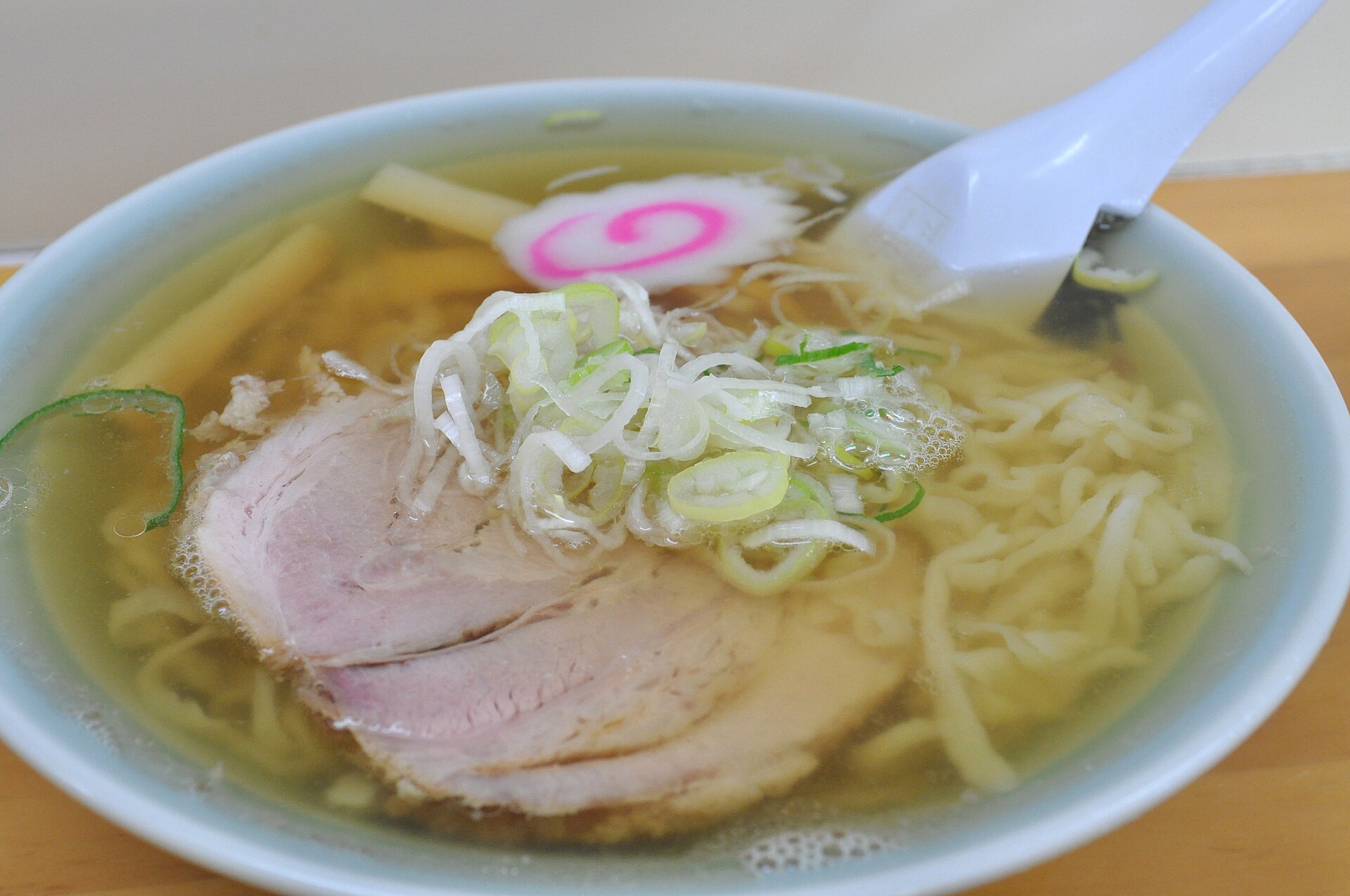
Sano Ramen
11.0 km · straight line
 Suikotei / CC BY-SA 4.0
Craft · Gunma★★
Kiryu Shinmachi
13.4 km · straight line
 Qurren / CC BY-SA 3.0
Craft · Gunma★★
Tajima Yahei Sericulture Farm
21.7 km · straight line
Distances are straight lines on the map, not travel times.