East Hokkaido · KitamiNo.1153★★Open in map →
Kitami Mint Memorial Museum
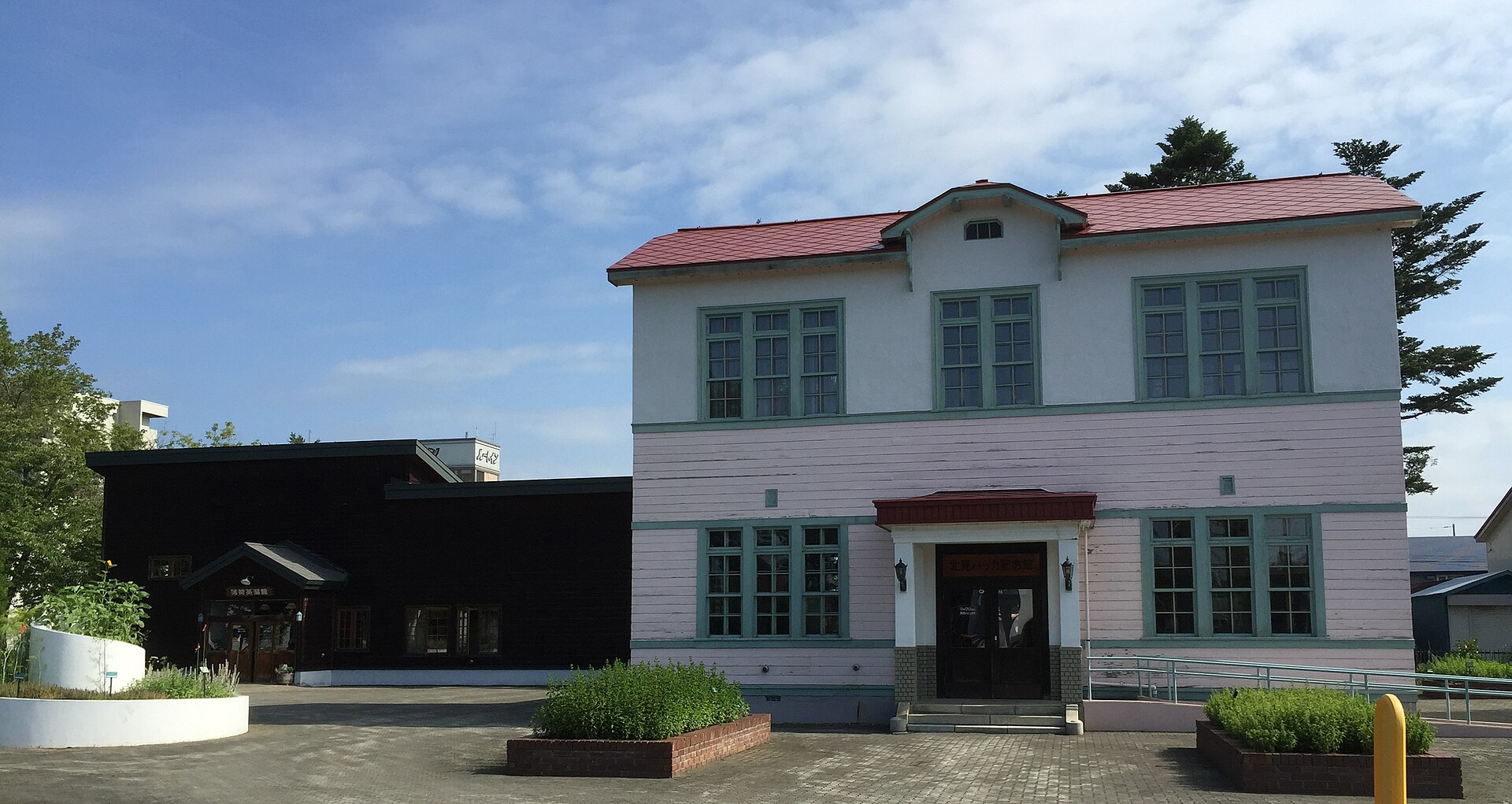
Kitami in eastern Hokkaido once supplied most of the world's mint. A surviving building from the factory that did it now holds the town's mint museum, and a distillation hall beside it runs a working still through the middle of the day.
- FromKitami Station (JR Sekihoku Line)
- ~10 minWalk from Kitami Station
- Kitami Mint Memorial Museum
The sweet spot
This is not an undiscovered spot. The city lists it among its sights, and it stands a short walk from the station in an ordinary town block. The calm comes from the subject rather than from obscurity: a single-industry museum, free to enter, with no timed entry and nothing to queue for. What actually needs planning is the closing pattern, not the crowd, since the city closes it on Mondays, on the day after a public holiday, and across the turn of the year.
Where it is
102 more notes in Hokkaido · open the map →What to look for — in walking order
- The ground-floor roomsmint and the people who worked it, and the stages by which the product was made
- The upper-floor roomsthe Hokuren Kitami mint plant itself, and the wider family of mint plants
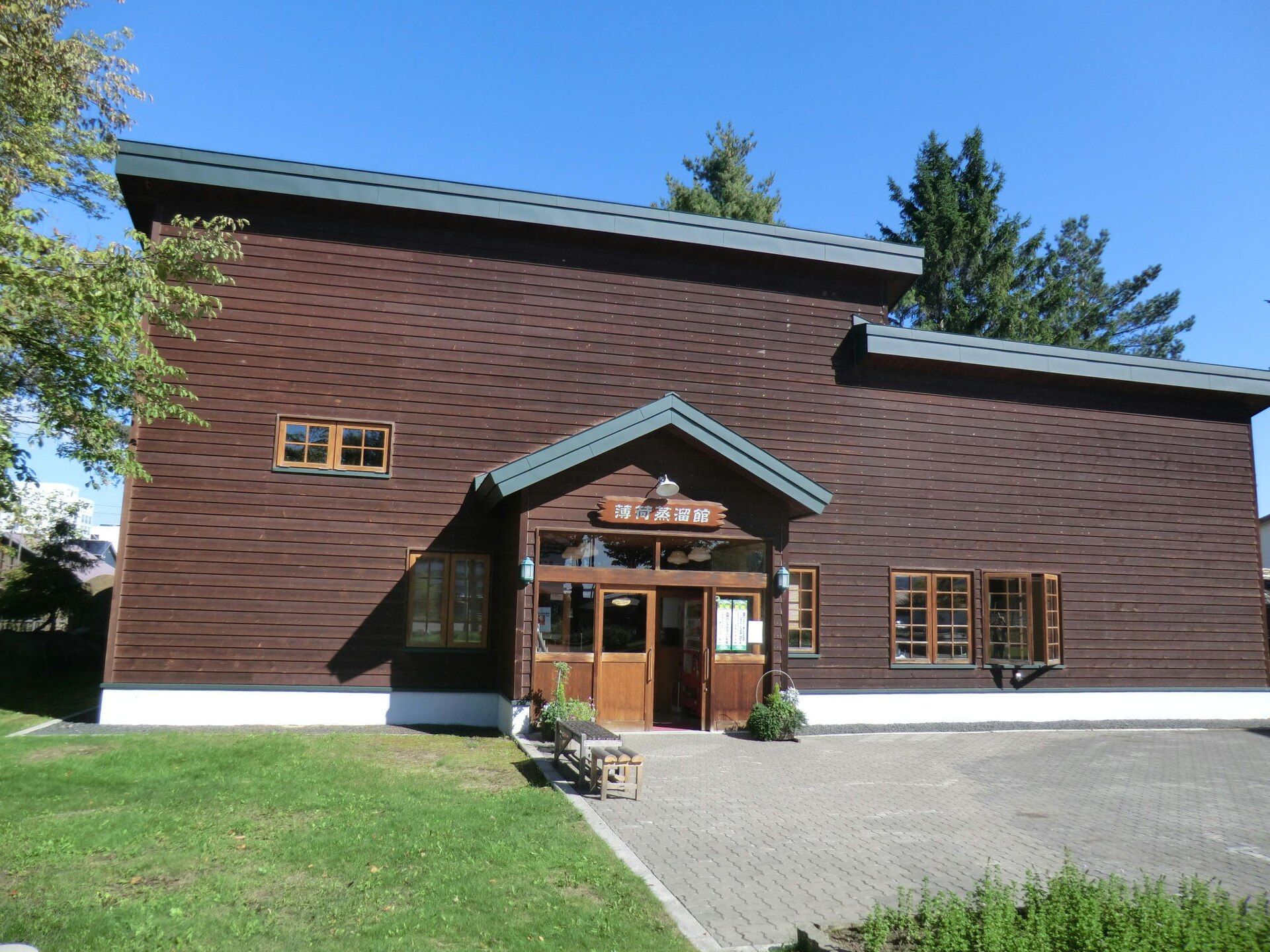
- The distillation halla separate building shaped like an old mint shed, lined with the stills the trade used
- The Tanaka mint stillthe distiller that carried the local industry for decades, kept inside the hall
- The herb gardenmint and herb planting laid out around both buildings
How to actually get there
- Take the JR Sekihoku Line to Kitami (Okhotsk limited express from Sapporo, or the Taisetsu rapid from Asahikawa).
- Kitami Station to the museum (walk about ten minutes south-west, or take the Wakaba or Shunkocho city bus to Nokyo).
- Work up from the ground-floor rooms to the upper floor, then go out to the distillation hall behind the building.
- Time the hall for the still, then come back out through the herb garden and walk to the station.
- Walk from Kitami Station
- Kitami is on the JR Sekihoku Line, reached by the Okhotsk limited express from Sapporo and the Taisetsu rapid from Asahikawa. From the station the museum is roughly ten minutes on the flat, south-west across the town centre. City buses cover the same ground: the city lists the Wakaba and Shunkocho routes as stopping right outside at Nokyo, and the Miwa-Koizumi and Koseicho routes a few minutes away at Honcho 1-chome.
- Return to Kitami Station
- Walk back the way you came. The Sekihoku Line runs west toward Asahikawa and east toward Abashiri, and services on it are not frequent, so check the departure time before you settle in among the exhibits. If you are flying out, the airport bus leaves from the terminal beside the station rather than from the platform side.
About the place
Kitami sits inland in eastern Hokkaido, and for decades its name meant mint. At the peak, the district's crop covered about 70 percent of the world mint market, and the Hokuren plant here did the processing. When the works shut down, the company handed the site over to the city with the fittings included, and one pre-war building survived the demolition. It reopened as the museum of the industry that had paid for the town. The ground floor traces mint and the people who worked it; the upper floor is given to the factory itself and to the wider mint family of plants. A herb garden wraps around the whole site.
How to enjoy it
Hours run longer in the summer half of the year and shorter through winter, and the still is worked on opening days from mid-morning to mid-afternoon, so the dependable window is the middle of the day. The scent is the exhibit, and it is strongest while the still is actually running rather than before or after. Mondays and the day after a public holiday are closing days, which catches out anyone slotting this in around a flight.
Background & history
Kitami's mint peaked around 1939, when the district's crop dominated world supply and the Hokuren plant here was the centre of it. The factory closed in 1983, and in 1986 the city opened the museum in the building it had been given, fittings and all. The building was designated a municipal cultural property in 1996 and listed among Japan's modern industrial heritage in 2007. The distillation hall came later, built in the shape of an old mint shed to show the farmer's end of the work rather than the factory's.
Before you go
- Cash
- The city lists admission as free, for the museum and the distillation hall alike. A shop counter sits inside the hall, and the tourism association also lists hands-on aroma cream and aroma spray sessions, so it is worth having some cash rather than relying on a card in a building of this age.
- Good to know
- The city closes the museum on Mondays, on the day after a public holiday, and from 30 December to 6 January. Opening hours are seasonal and shorter through the winter half of the year, so a cold-season trip needs the current times read off the city page first. The still is fired on opening days, from mid-morning to mid-afternoon.
- Another way
- From Memanbetsu Airport, the Hokkaido Kitami Bus airport line runs into the bus terminal beside Kitami Station; a taxi or a hire car covers the same distance in well under an hour. Coming from the Okhotsk coast, the Sekihoku Line runs west from Abashiri into Kitami.
- After you get off
- From Kitami Station, head south-west through the town centre. The museum is a low pre-war building set back from the street in a residential block, with the distillation hall and the herb planting behind it.