Chiba east · Kujukuri / KatakaiNo.933★Open in map →
Kujukuri Sardines
— Iwashi landed at the Katakai fishing port
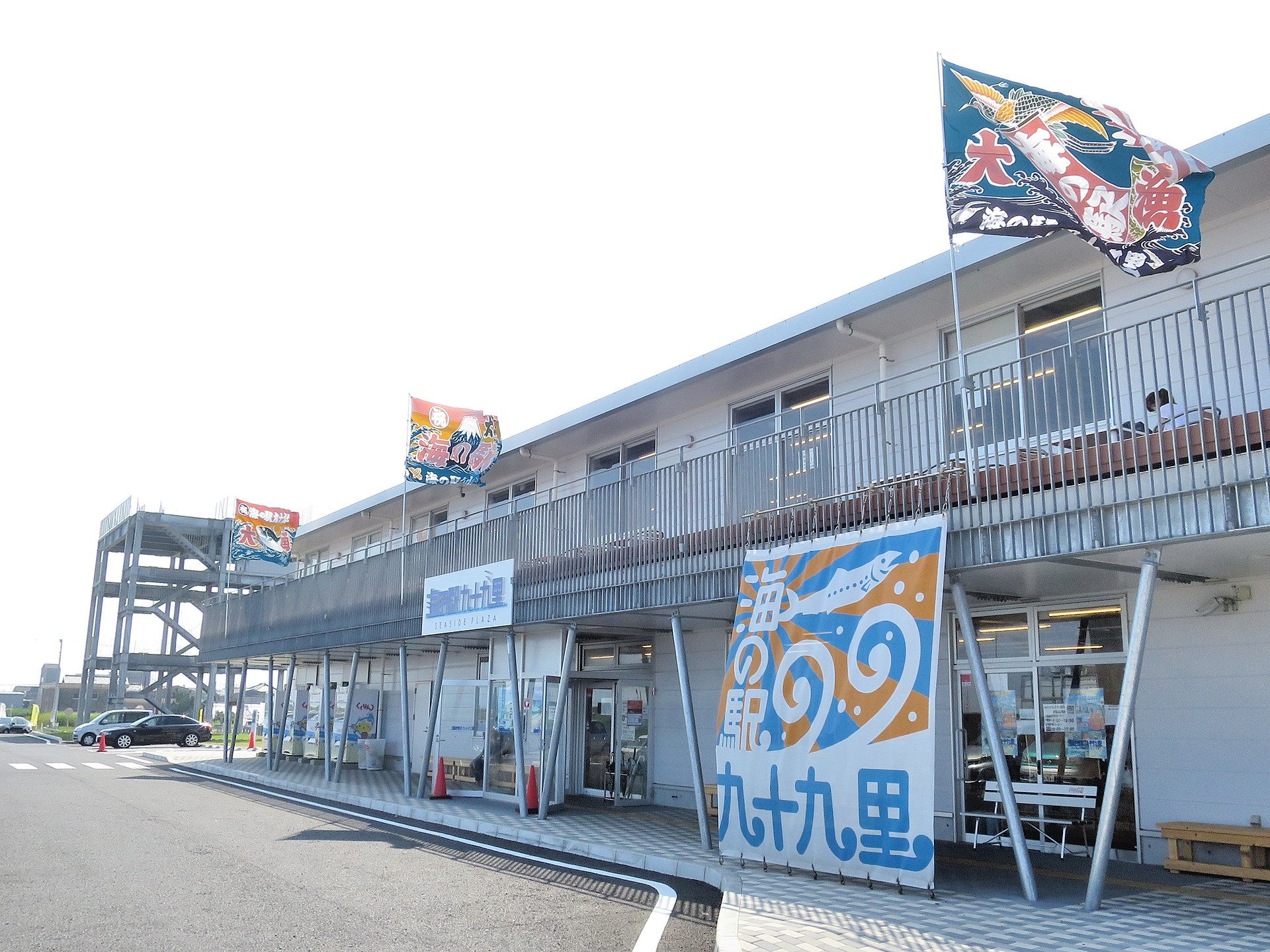
The sardine coast of eastern Chiba, gathered into one public harbour building beside the Katakai fishing port: a free museum on seine-net fishing, a fish counter and an upstairs food court, with the boats in view.
- FromTokyo Stn
- ~2 hrTrain + local bus
- Get off atUmi-no-Eki Kujukuri bus stop (Kujukuri Tetsudo bus)
- On foot
- Kujukuri Sardines
The sweet spot
This is a working fishing town, not a resort, and Tokyo knows the Kujukuri coast mainly for its surf beaches. Outside the summer season the harbour side is quiet. Nothing about it is hidden — it simply takes a train and a bus, and most visitors stop at the sand and go no further.
Where it is
50 more notes in Chiba · open the map →What to look for — in walking order
- The fish and produce counterthe ground-floor sales floor for the day's landings, local vegetables and preserved sardine products
- Iwashi Museuma free display room on seine-net fishing, wooden boat models, dried-sardine fertiliser and the maiwai robes worn to celebrate a big catch
- The upstairs food courtsardine and clam dishes, with terrace seating that looks out over the Kujukuri coast
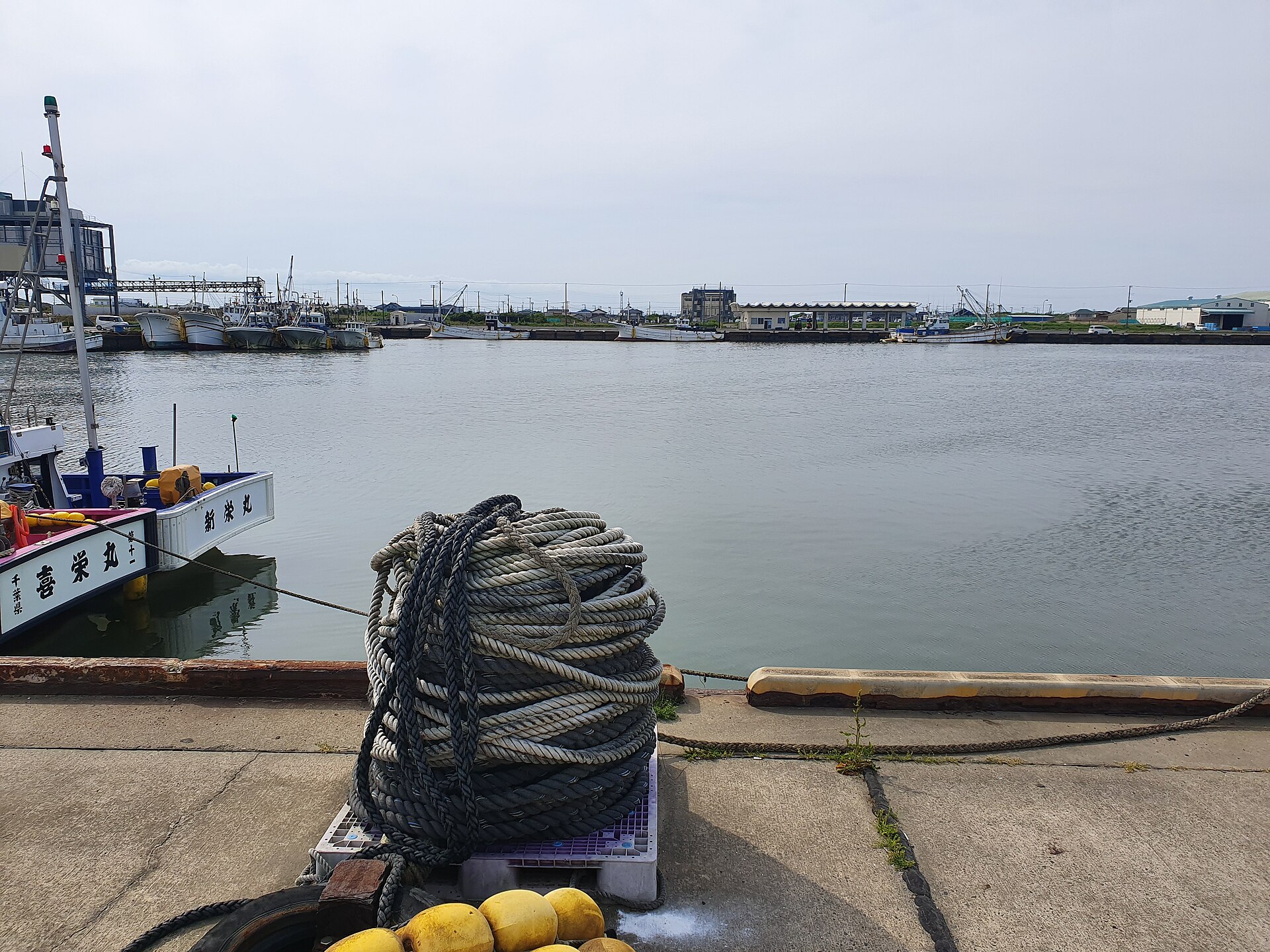
- Katakai Fishing Portthe working harbour directly in front of the building, where the boats come in
- The beach behind the portthe open Pacific sand that runs north and south from Katakai in one unbroken line
How to actually get there
- Tokyo Stn → Oami Stn (JR Sotobo Line, about 60-70 min).
- Oami Stn → Togane Stn (JR Togane Line, about 10 min).
- Togane Stn → Umi-no-Eki Kujukuri (Kujukuri Tetsudo bus, Katakai route toward Motosuka; departures are limited, so check the day's timetable).
- Umi-no-Eki Kujukuri stop → the building entrance, with the fishing port opposite (under a minute on foot).
- JR to Togane, then the Kujukuri Tetsudo bus
- Tokyo Stn →(JR Sotobo Line toward Katsuura and Awa-Kamogawa, about 60-70 min)→ Oami Stn →(JR Togane Line, about 10 min)→ Togane Stn →(Kujukuri Tetsudo bus, Katakai route toward Motosuka)→ Umi-no-Eki Kujukuri, which is the stop at the door. About two hours in total. The bus is the constraint rather than the trains, so check the operator's timetable for the day before you set out.
- Return via Togane Station
- Take the same bus route back to Togane Stn, then the JR Togane Line to Oami and the Sotobo Line to Tokyo. Departures thin out through the evening and the last bus leaves well before the last train, so read the timetable at the stop when you arrive rather than when you want to leave.
About the place
Kujukuri Beach runs in one long arc down the Pacific side of Chiba between two capes, and Katakai sits near the middle of it. Fishermen from Kii province, in what is now Wakayama, brought seine-net fishing to this sand, and the villages along the shore lived half by farming and half by the catch. What came ashore was mostly the small dark-backed anchovy the coast still calls seguro. Much of it never reached a table at all. The harbour building at Katakai is the one place where the fish, the history and the cooking are gathered into a single stop.
How to enjoy it
Read the museum before you eat. It takes only a few minutes, and it names the fish and the fishing methods that then turn up on the menu upstairs. At the time of checking the building opened at nine and closed at six, with an earlier close from November through February, so an early afternoon arrival leaves room for the counter, the food court and the harbour. Buses back to Togane are infrequent, so note your return departure as you get off.
Background & history
Seine-net fishing was brought to this coast by fishermen from Kii province, and by the Edo period the Kujukuri sardine fishery was working at scale. Most of the catch never reached a table: dried or pressed into cake, it went inland as fertiliser for farming regions far from the sea. What stayed local was preserved instead — salted, then pickled in vinegar with sesame, ginger and chilli, a winter dish the national food ministry lists among Chiba's traditional cooking. The fishery has since moved to powered net boats, and the great hauling nets survive mainly as a visitor activity.
Before you go
- Cash
- The Iwashi Museum is listed as free to enter. The sales floor and the food court both take payment inside the building, but the bus leg is run by a small local operator, so carry coins and notes rather than relying on a card for that part of the trip.
- Good to know
- Closing is earlier through the winter months, from November to the end of February. The building stands on an open beach with nothing to break the wind, and the food court keeps shorter hours than the building around it.
- Another way
- From Chiba Station, a Kujukuri Tetsudo express bus runs toward Togane and Katakai. Starting from central Chiba rather than Tokyo, that route skips both rail changes.
- After you get off
- The bus stop carries the name of the building and sits at its entrance, so there is effectively no walk. The fishing port is directly across the road in front of the doors.
Nearby notes
 Unaaari / CC BY-SA 3.0
Food · Chiba★
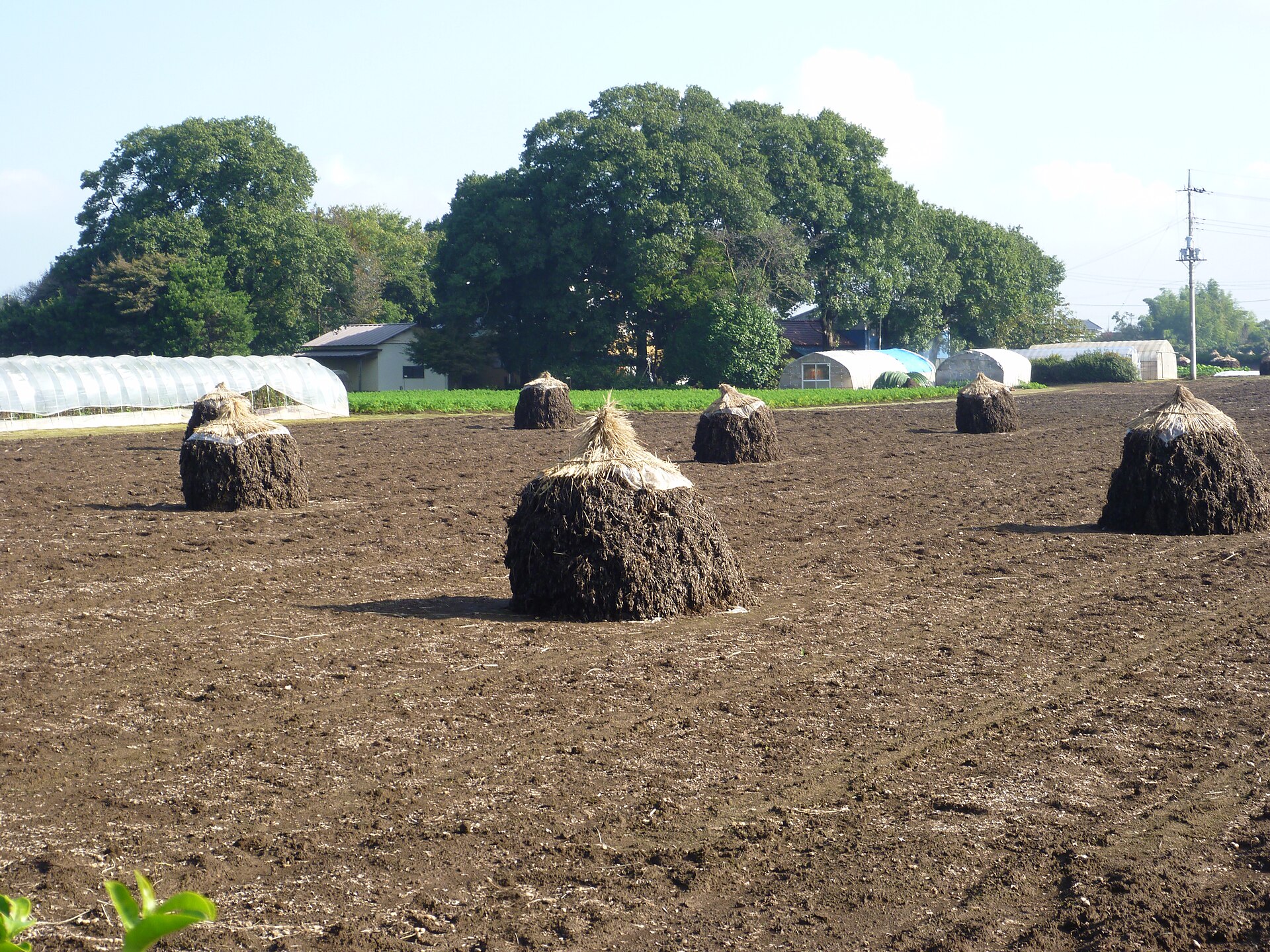
Yachimata Peanuts
18.8 km · straight line
 ChiefHira / CC BY-SA 3.0
History · Chiba★★
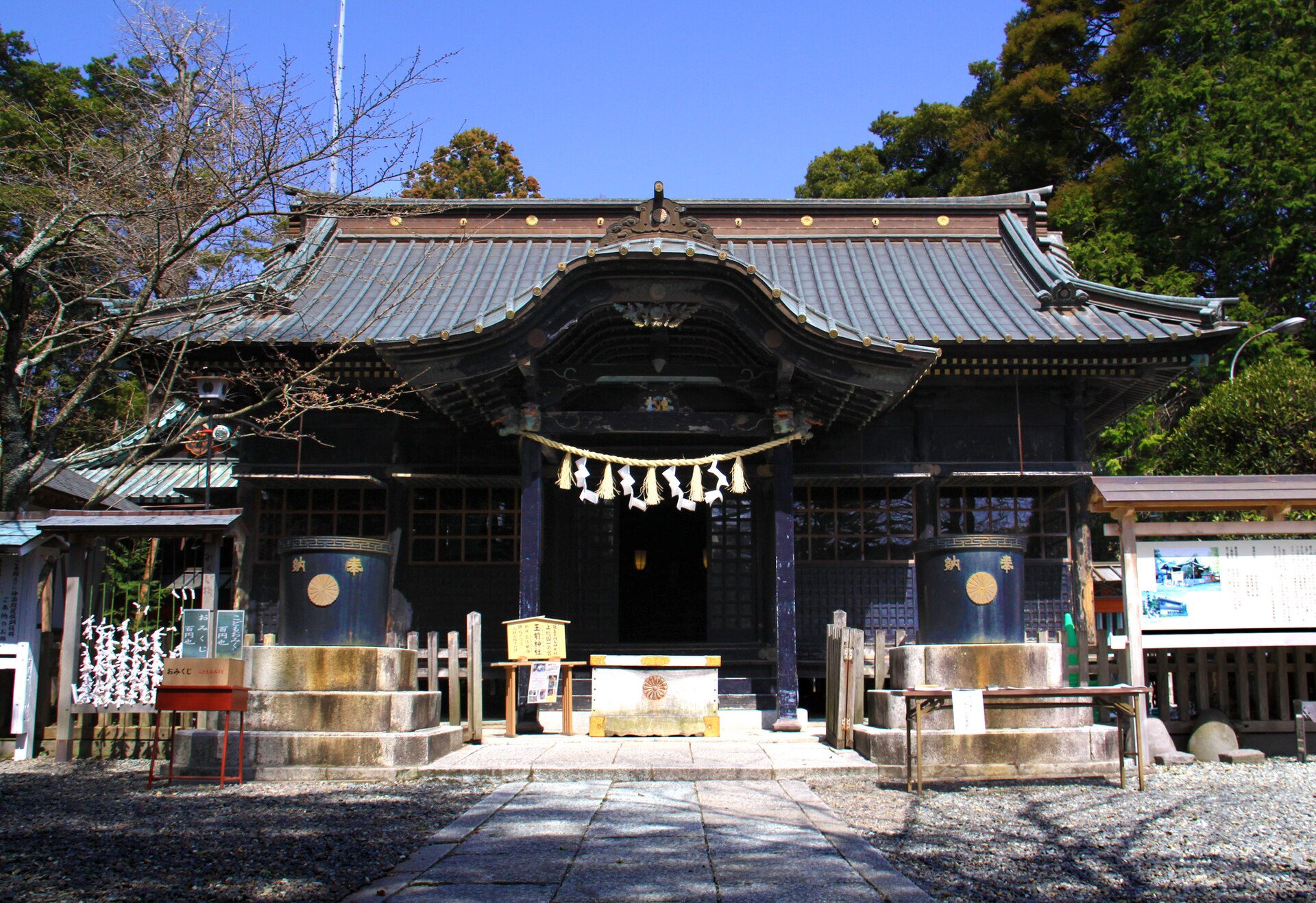
Tamasaki Shrine
20.0 km · straight line
 Pullwell / CC BY-SA 4.0
Culture · Chiba★★
Tsurigasaki Beach
23.2 km · straight line
 illustration (AI-illustrated)
History · Chiba★
Iinawa-ji
25.7 km · straight line
Distances are straight lines on the map, not travel times.