Aso · Caldera floorNo.1202★★Open in map →
Kumamoto Akaushi
— Japanese Brown beef raised on the Aso grasslands
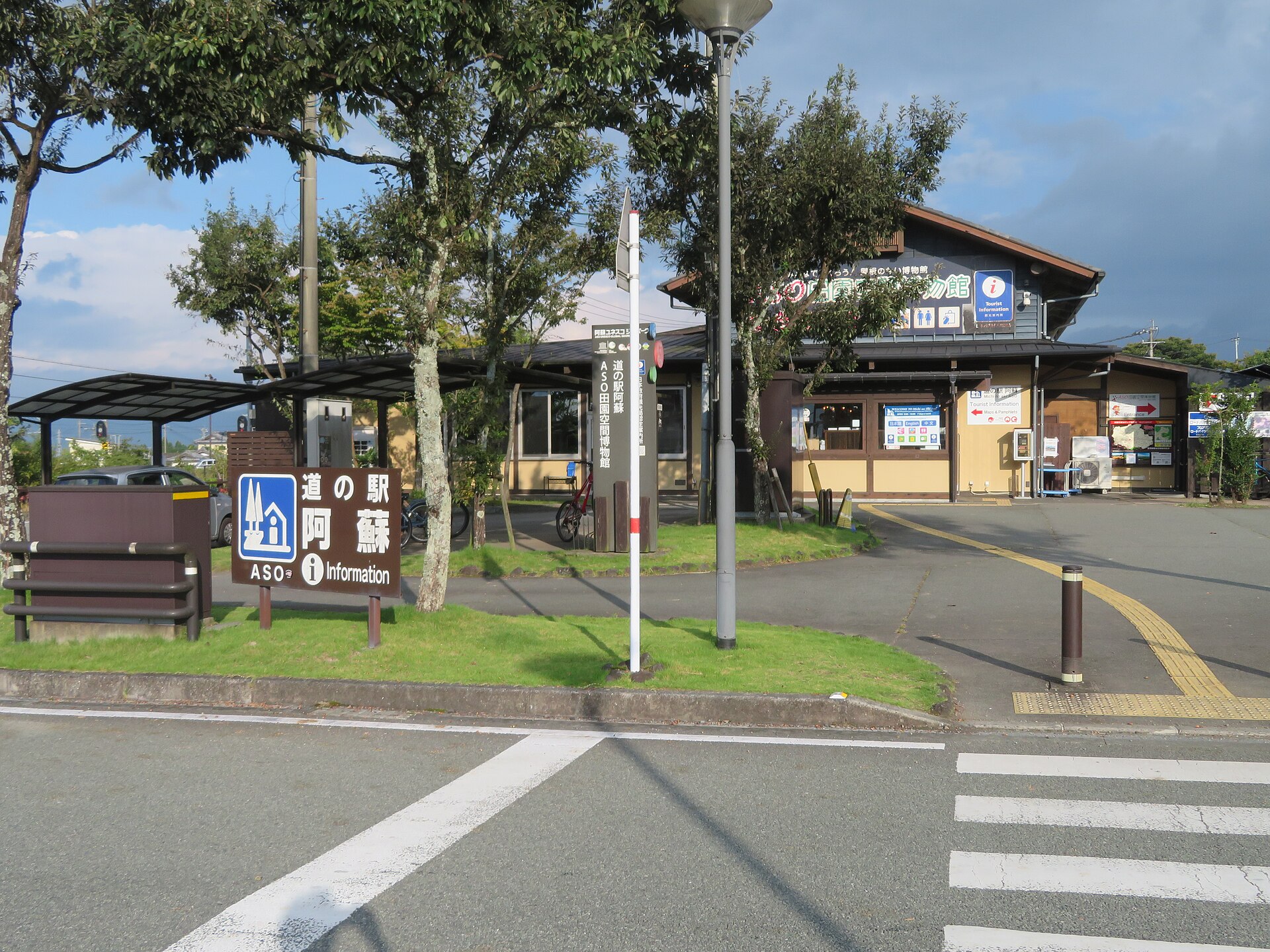
Akaushi are the red-haired cattle grazed on Aso's open grassland, and their meat is lean rather than marbled. The roadside station next to Aso Station sells it frozen, one minute from the platform.
- FromKumamoto Station
- ~1 hr 45 minJR Hohi Line, change at Higo-Ozu
- Get off atAso Station (JR Hohi Line)
- On foot
- Kumamoto Akaushi
The sweet spot
This is a brand with its own registered name and its own signposted rice bowls, so it is not a find. What is not obvious is that the animal and the landscape are one subject. Aso's grassland exists because something grazes it; the beef is what the grazing produces. Eating it on the caldera floor, within sight of the pasture, puts those two facts in the same frame, which a city restaurant cannot do.
Where it is
18 more notes in Kumamoto · open the map →What to look for — in walking order
- Aso Stationa staffed two-platform country station on the caldera floor, with a tourist desk inside the building
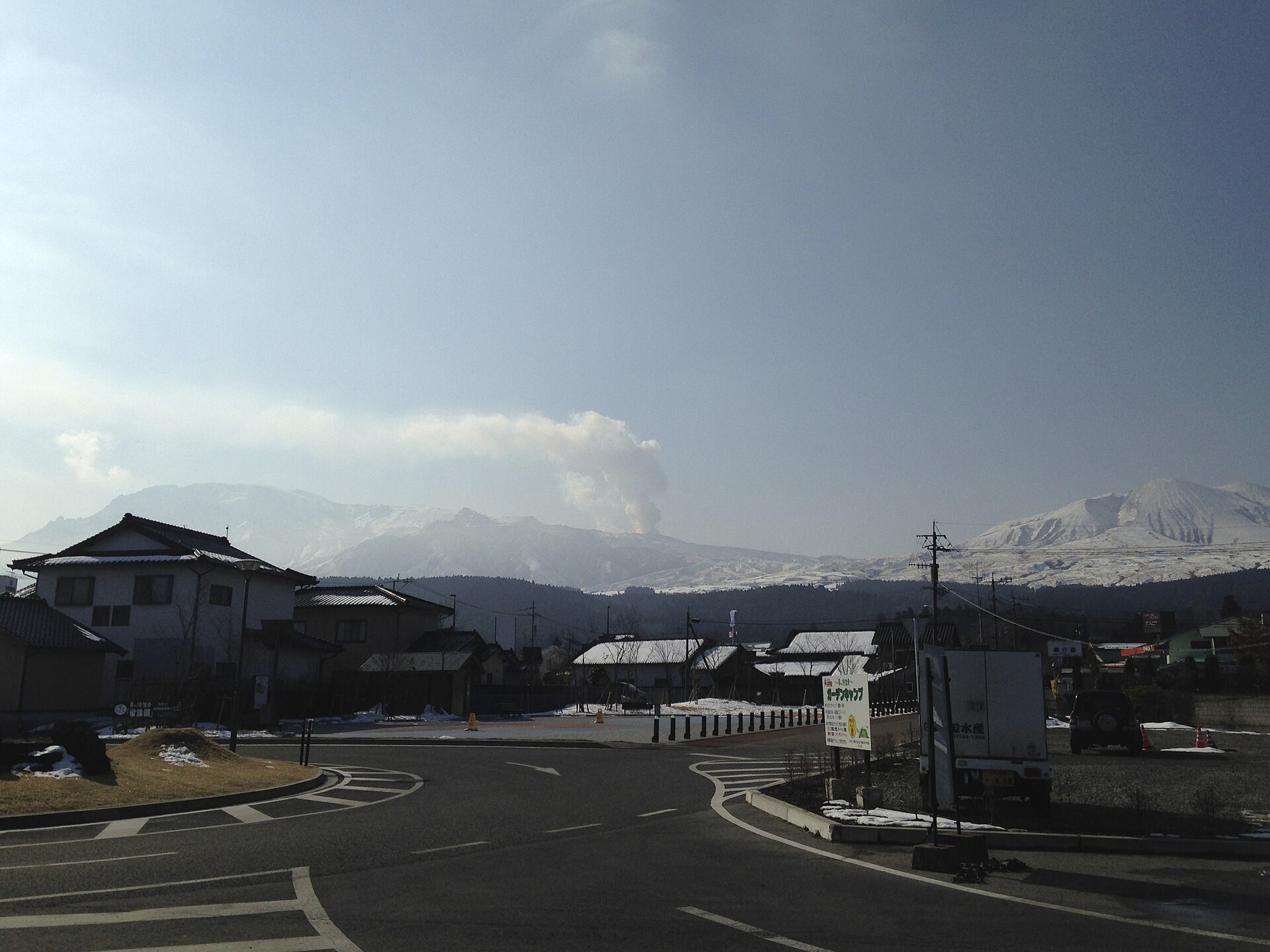
- The station forecourtan open square with the five central peaks of Aso standing up directly ahead of it
- Michi-no-Eki Asothe roadside station immediately next door, stocking vegetables, dairy and frozen akaushi from the farms around it
- The information counterthe desk inside the roadside station, staffed through opening hours and able to answer in English
- The bus stand outsidewhere the crater line leaves for the grassland plain, the volcano museum and the summit terminal
How to actually get there
- Kumamoto Station → Higo-Ozu (JR Hohi Line, about 35 minutes).
- Higo-Ozu → Aso (change trains here; about 50 minutes on into the caldera).
- Aso Station → Michi-no-Eki Aso (next door, a minute on foot).
- Ask at the information counter, then take the bus stand outside for the crater road.
- JR Hohi Line, change at Higo-Ozu
- Kumamoto Station →(JR Hohi Line, about 35 minutes)→ Higo-Ozu, change trains, →(about 50 minutes)→ Aso. Electric trains run several times an hour as far as Higo-Ozu; east of there, climbing into the caldera, it thins to roughly one service every one to two hours. The connection, not the distance, is what to plan around.
- Return from Aso Station
- The same line runs back down to Higo-Ozu and on to Kumamoto. Services inside the caldera thin out early in the evening, so the last useful train leaves sooner than a city timetable would lead you to expect. Read the board on the platform before you settle in next door.
About the place
Akaushi is the Kumamoto strain of the Japanese Brown, a breed the colour of dry straw. It is an outdoor animal — strong in the leg, tolerant of heat and cold, content on rough forage — and it spends the warm months loose on the grassland of the Aso caldera. That grassland is not wild. People have held it open for something like a thousand years by burning it in late winter and grazing it afterwards, and the cattle eating back the regrowth are part of the mechanism, not a picture on top of it. The meat that comes off it is lean, with the fat running through the red rather than over it.
How to enjoy it
Treat the roadside station as the first stop off the train rather than the last, because what you learn at its counter decides the rest of the day — which road up is open, which of the akaushi rice bowls in the town and on the caldera rim are serving. Buy the beef frozen only if you are travelling home the same day. Then walk the hundred metres back to the forecourt and look at the pasture on the slopes: that is where the label came from.
Background & history
Red cattle had been worked and grazed in Aso, Yabe and Kuma for generations before breeders began crossing them with Swiss Simmental stock in the Taisho years, aiming at size without losing the legs that a steep pasture demands. The result was fixed as a wagyu breed in 1944 and registered in two strains, Kumamoto and Kochi. The name was formalised a second time in 2018, when Kumamoto Akaushi entered Japan's geographical-indication register, the scheme that binds a food name to the place that makes it.
Before you go
- Cash
- The roadside station is free to enter and has its own car parks; you pay for what you buy. Buy the rail ticket through to Aso at Kumamoto Station — IC cards cover the electrified stretch as far as Higo-Ozu, and the section east of it is handled differently.
- Good to know
- Confirmed at the time of writing: 9:00 to 18:00, open year round, with some seasonal variation. Nothing here depends on the volcano: the crater road above closes on gas readings and often does, but the grassland, the station and the roadside station stay where they are. The caldera floor is colder than the coast through the winter.
- Another way
- By road it stands where Route 57 and Route 212 cross, with the Kumamoto interchange out along Route 57 to the west, so a rental car reaches it without a change. From Kumamoto Airport, the airport liner bus runs to Higo-Ozu Station and the Hohi Line continues from there.
- After you get off
- Aso Station and the roadside station share one forecourt. Leave the ticket gate, turn along the front of the square, and it is the long low building immediately beside it — a minute at most, on the flat.
Nearby notes
 Totti / CC BY-SA 4.0
History · Kumamoto★★
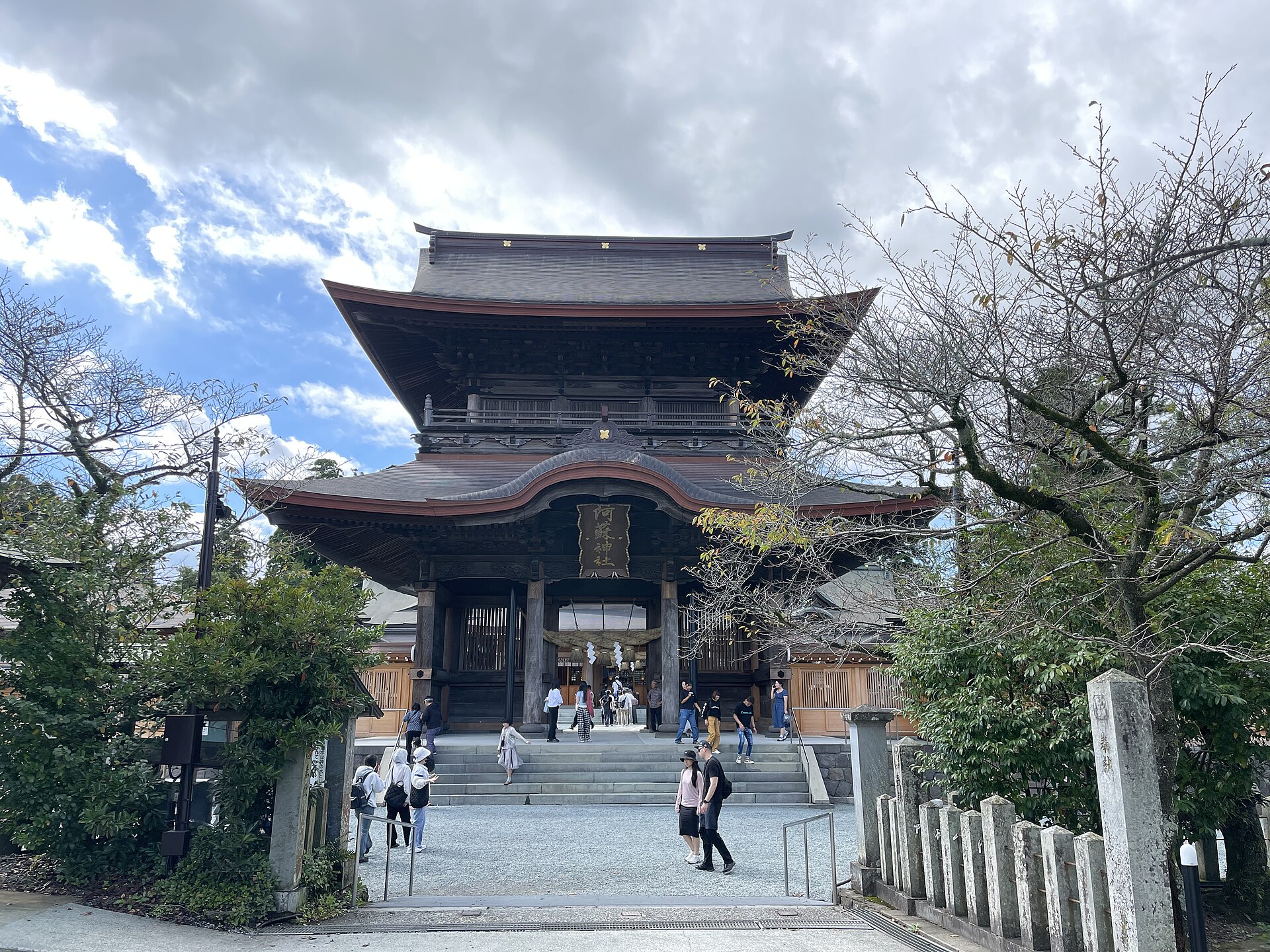
Aso Shrine Romon Gate
3.5 km · straight line
 Raita Futo / CC BY 2.0
Nature · Kumamoto★★★
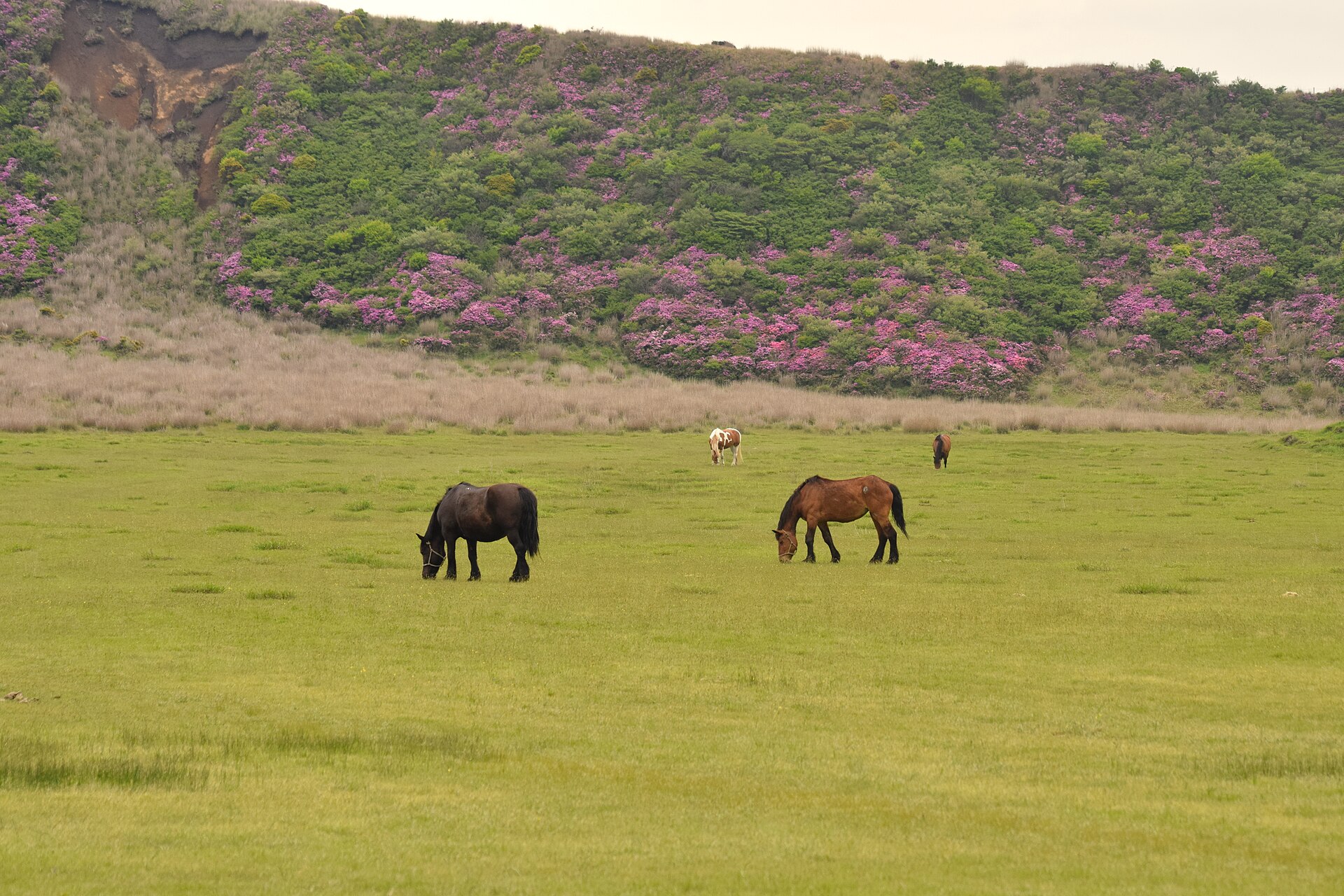
Kusasenri Plain
6.6 km · straight line
 Σ64 / CC BY 3.0
Nature · Kumamoto★★★
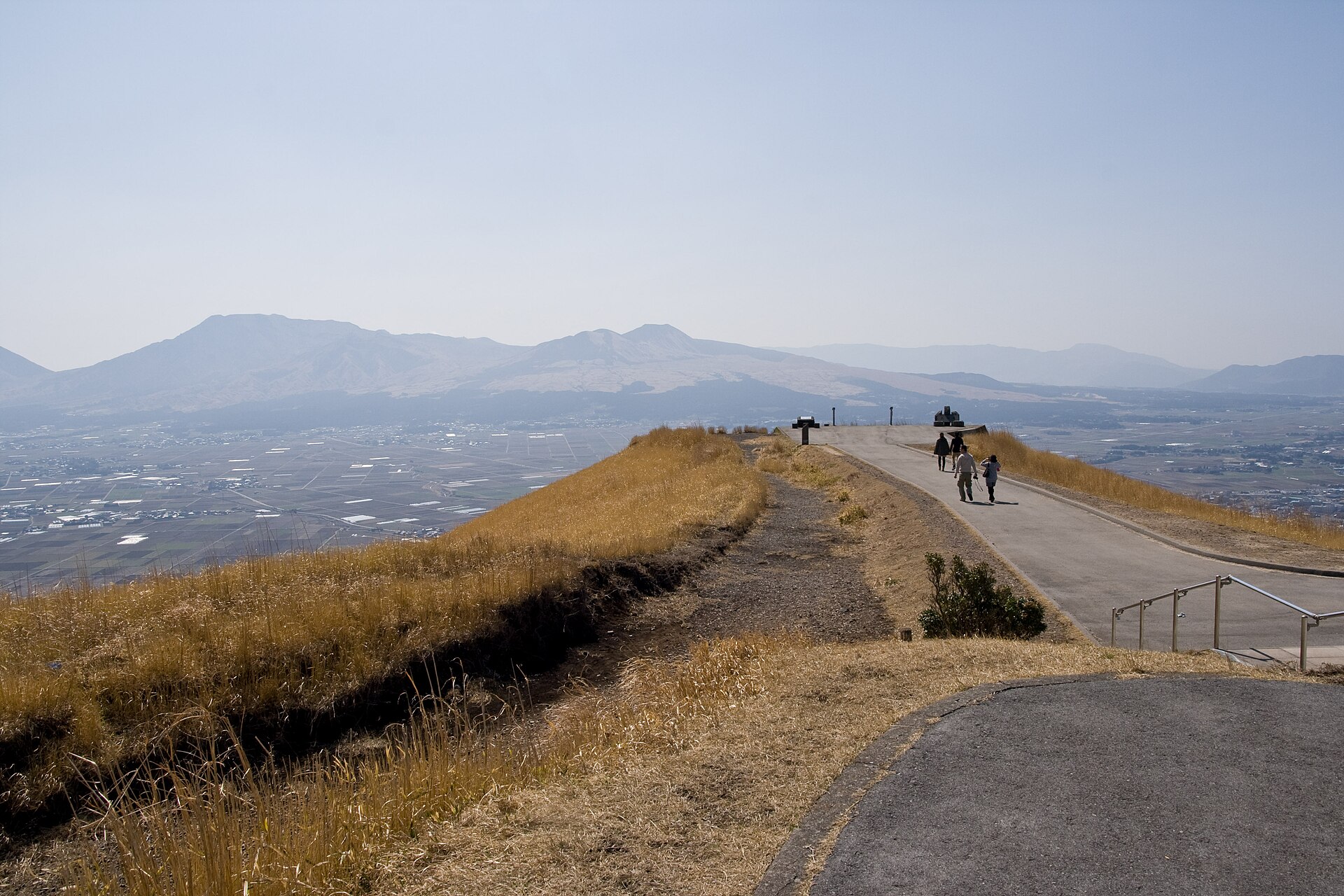
Daikanbo Lookout
6.8 km · straight line
 Ann Lee / CC BY-SA 2.0
History · Kumamoto★★
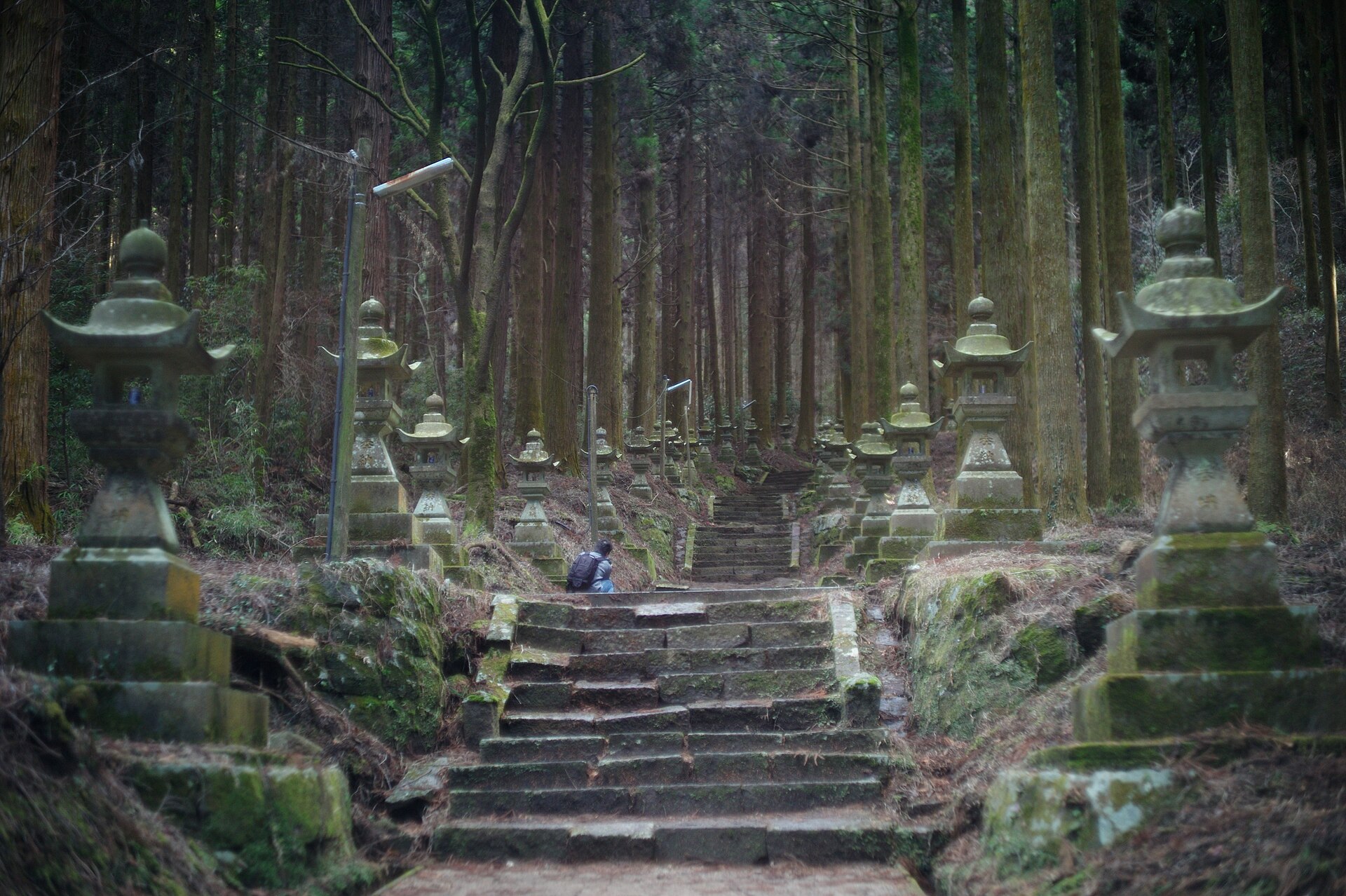
Kamishikimi Kumanoimasu Shrine
11.7 km · straight line
Distances are straight lines on the map, not travel times.