West Okayama · KurashikiNo.601★★★Open in map →
Kurashiki Bikan Historical Quarter
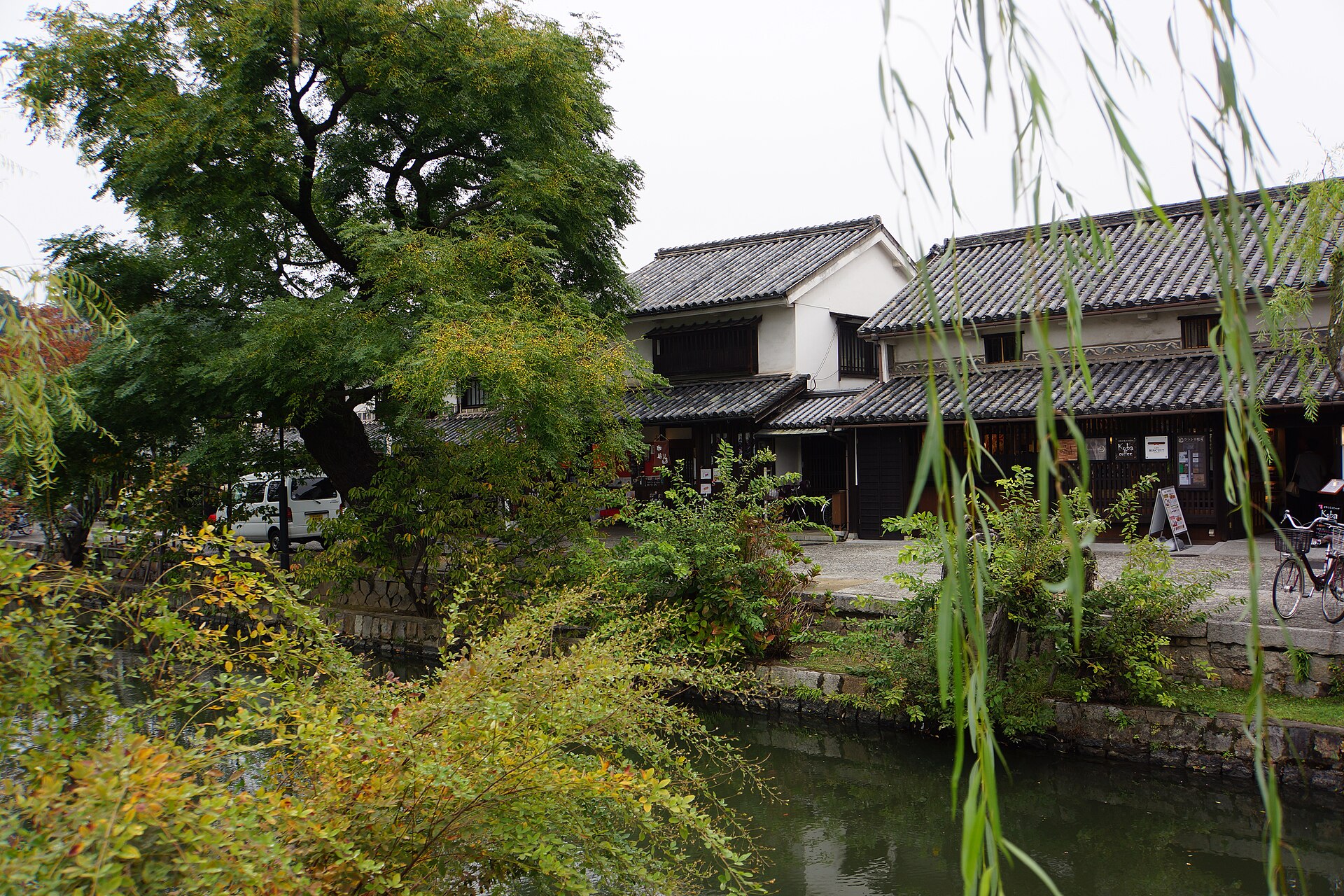
A canal quarter in Kurashiki, Okayama, where Edo-period merchant houses and storehouses keep their white plaster and black lattice-patterned walls. The streets and the water's edge are free to walk at any hour.
- FromKurashiki Station south exit (JR San'yo Line)
- ~15 minJR Kurashiki Station, then walk
- Kurashiki Bikan Historical Quarter
Where it is
14 more notes in Okayama · open the map →What to look for — in walking order
- The Kurashiki canalwillows over stone embankments, steps down to the water, and flat-bottomed boats working the channel
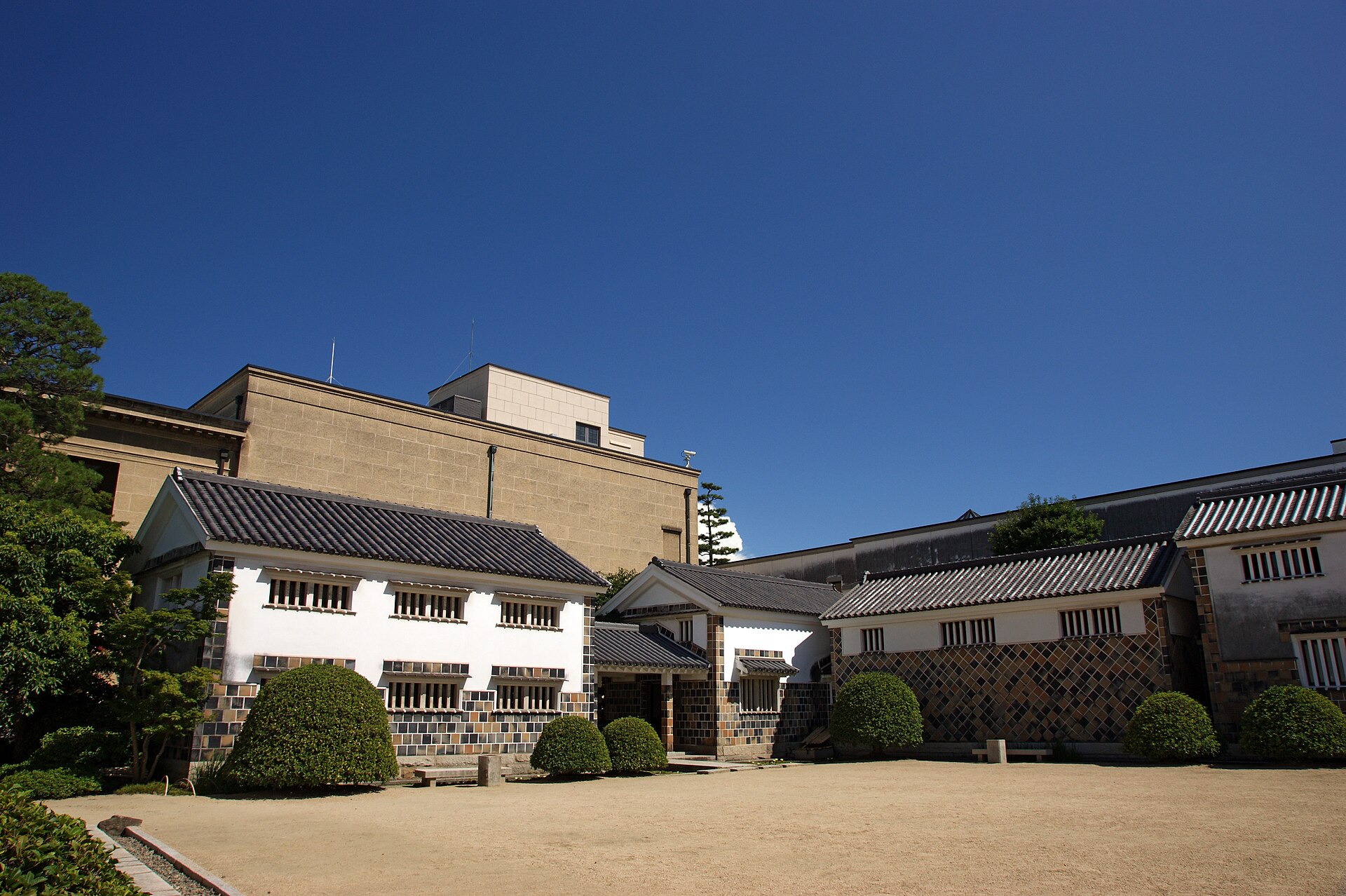
- Ohara Museum of Artthe north-bank galleries of Japan's first private museum of Western art, set behind their own storehouse walls
- Namako wallsblack tiles set into raised white plaster joints, the pattern that gives the quarter its face
- Honmachi and Higashimachi lanesthe back streets one block east of the canal, lower-eaved and much quieter than the waterfront
- Kurashiki Ivy Squarethe red-brick former spinning mill at the south-eastern edge, its walls under a full cover of ivy
How to actually get there
- Okayama Station → Kurashiki Station (JR San'yo Line, westbound).
- Leave by the south exit and walk south on Kurashiki Chuo-dori, about 15 minutes.
- Enter at the north end of the canal and follow the bank past the Ohara Museum of Art.
- Carry on south along the water, then turn east into the Honmachi lanes and finish at Ivy Square.
- Walk south from Kurashiki Station
- Kurashiki Station is the gateway. JR San'yo Line trains run west from Okayama Station, and the Hakubi Line limited express Yakumo stops here as well. Leave by the south exit and follow Kurashiki Chuo-dori, the wide street heading straight south; the quarter begins after about 15 minutes on foot. It is a single street with nothing to work out.
- Return to Kurashiki Station
- Walk back north along the same street to the station and pick up the San'yo Line. Trains run into the evening, but the shops and museums in the quarter shut well before that, so a late visit ends with the lit frontages rather than the interiors.
About the place
Kurashiki grew as a place where rice and cotton were gathered and sent onward by boat, and the canal those boats used still runs through the middle of town. The merchant houses and storehouses that the trade paid for stand along both banks, faced in white plaster with black tiles bedded in raised white joints. The state protects 15.0 hectares of this townscape as a merchant-town preservation district. Willows lean over the stone embankments, steps drop to the water, and flat-bottomed boats work the canal with passengers aboard. The interiors are now museums, craft shops and cafes, while the street frontages stay as they were because the designation requires it.
How to enjoy it
Arrive early and the canal is quiet, with the willows and the white walls carrying the whole scene. Shops and museums open later in the morning, so the sensible order is the outside first and the interiors after. Come back once it is dark and the same frontages are lit, which makes the quarter worth two separate walks in one day.
Background & history
Kurashiki prospered on canal traffic that collected rice and goods from the surrounding country, and the families who ran that trade built the storehouses still standing at the water. In 1930 the Ohara family, owners of the local spinning mill, opened the Ohara Museum of Art on the north bank — the first private museum of Western art in Japan — and gave the town a second reason to be visited. In 1979 the state selected the canal-side block as an Important Preservation District for Groups of Traditional Buildings, in the merchant-town category.
Before you go
- Cash
- Walking costs nothing at any hour — the lanes, the canal banks and the bridges are all public. Each museum charges its own admission. Tickets for the river-boat rides are sold on the day only, at the tourist information office beside the canal, so they cannot be booked in advance.
- Good to know
- The Ohara Museum of Art closes on Mondays, and the other buildings keep their own days off, so a Monday visit is a walking visit. The lanes are stone and turn slippery in rain. After dark the frontages are lit and the streets stay open.
- Another way
- Coming from the San'in side, the Hakubi Line limited express Yakumo runs through from the Matsue and Izumo-shi direction and stops at Kurashiki Station, so the quarter can be reached without changing at Okayama.
- After you get off
- From the south exit of Kurashiki Station, walk straight ahead down Kurashiki Chuo-dori. About 15 minutes on, the modern shopfronts give out and the white walls and the canal begin.
Nearby notes
 Suicasmo / CC BY-SA 4.0
Culture · Okayama★★
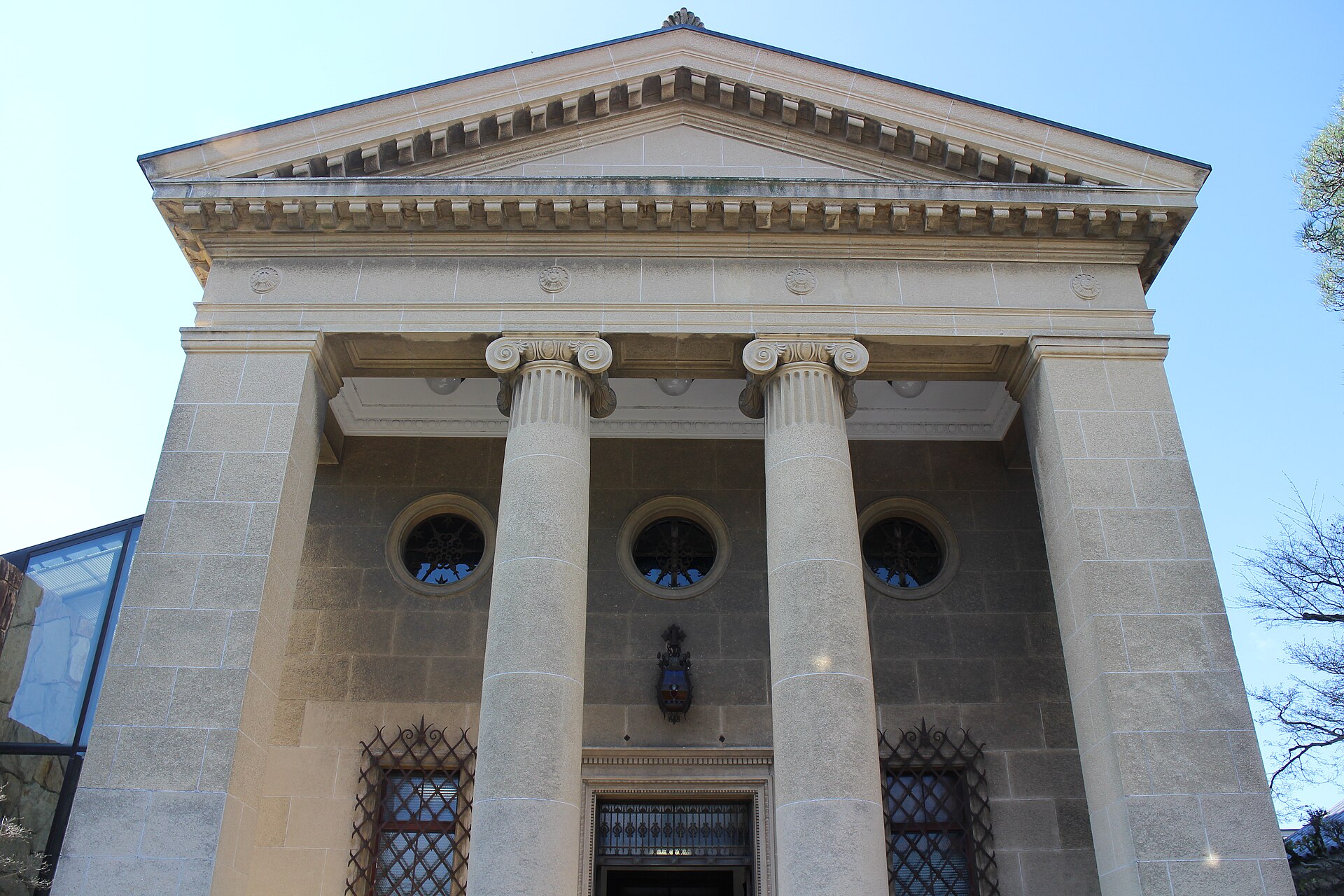
Ohara Museum of Art
0.1 km · straight line
 Akiramorimoto85 / CC BY-SA 4.0
Food · Okayama★★★
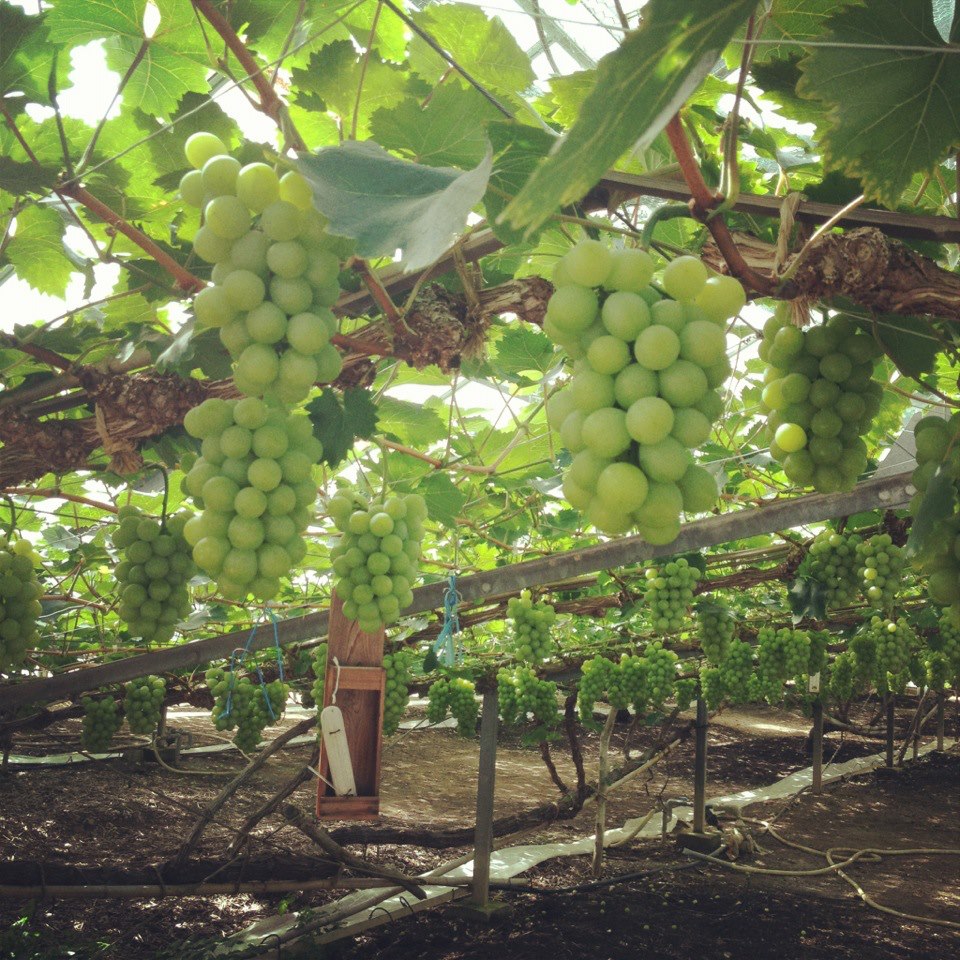
Okayama Muscat
5.9 km · straight line
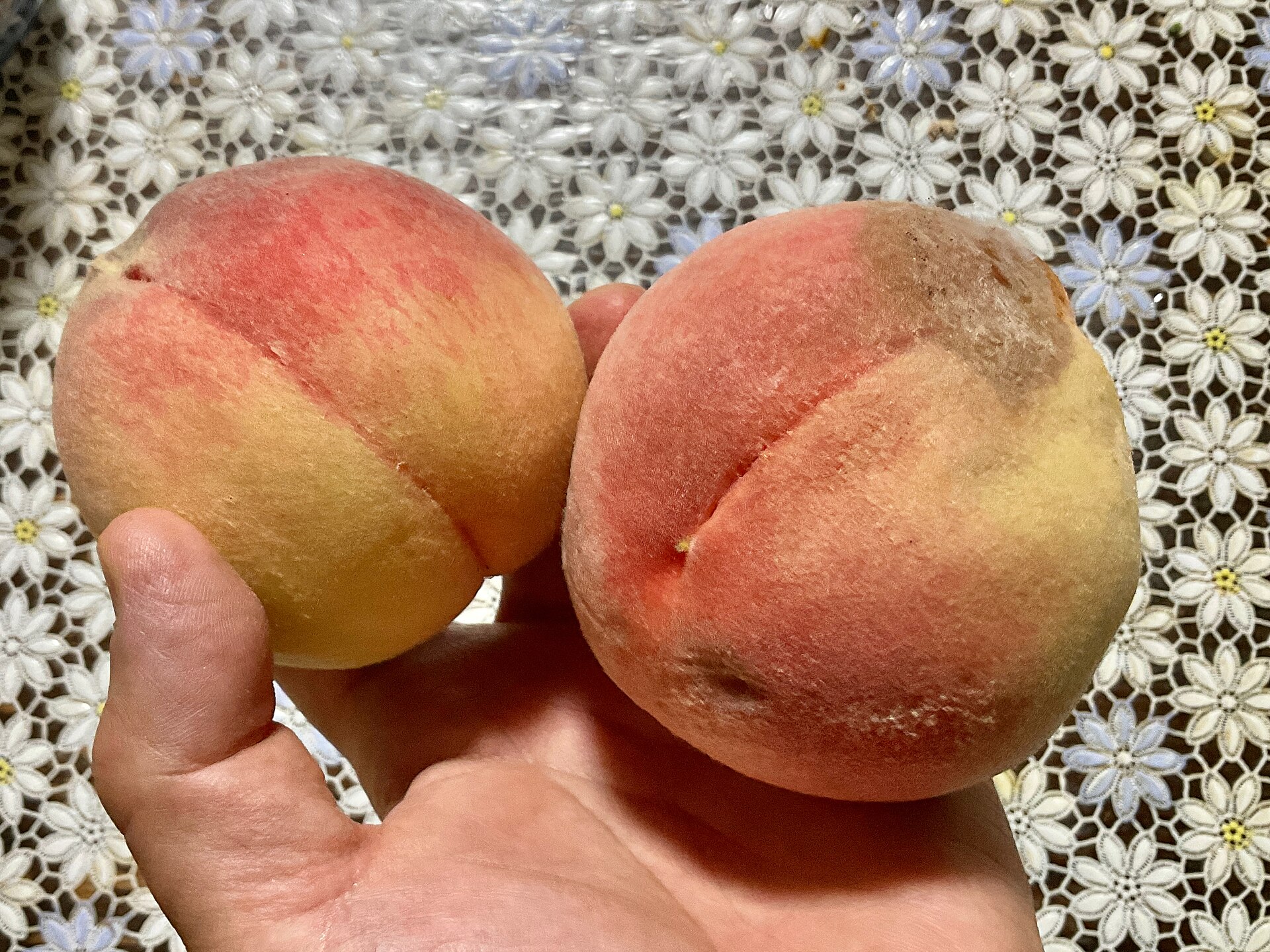 Kyu3a / CC BY-SA 4.0
Food · Okayama★★
Okayama White Peach
10.1 km · straight line
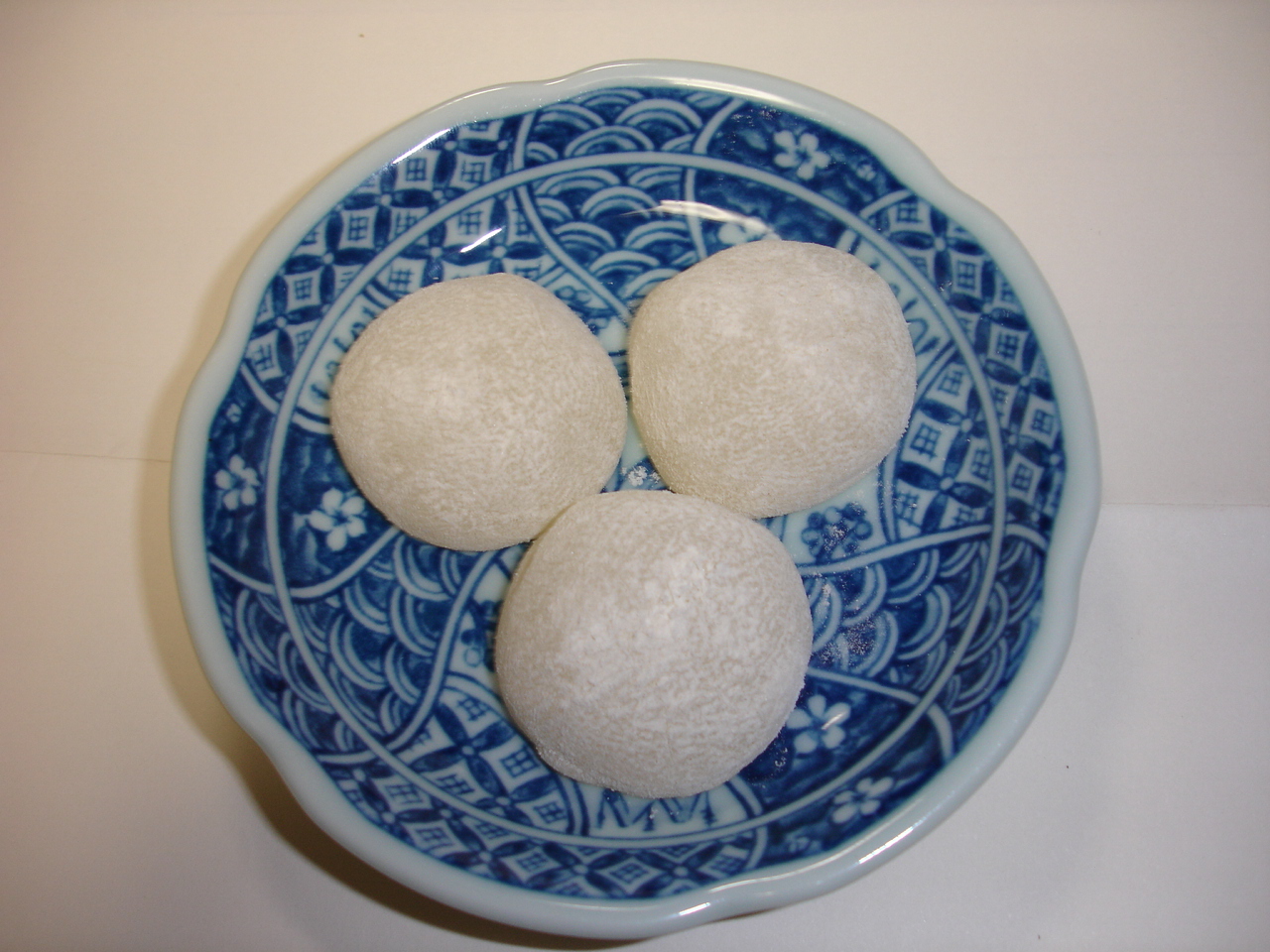 Setouchi / CC BY-SA 3.0
Food · Okayama★★★
Kibi Dango
16.3 km · straight line
Distances are straight lines on the map, not travel times.