Kyoto · Umekoji / Kyoto Station westNo.384★★Open in map →
Kyoto Aquarium
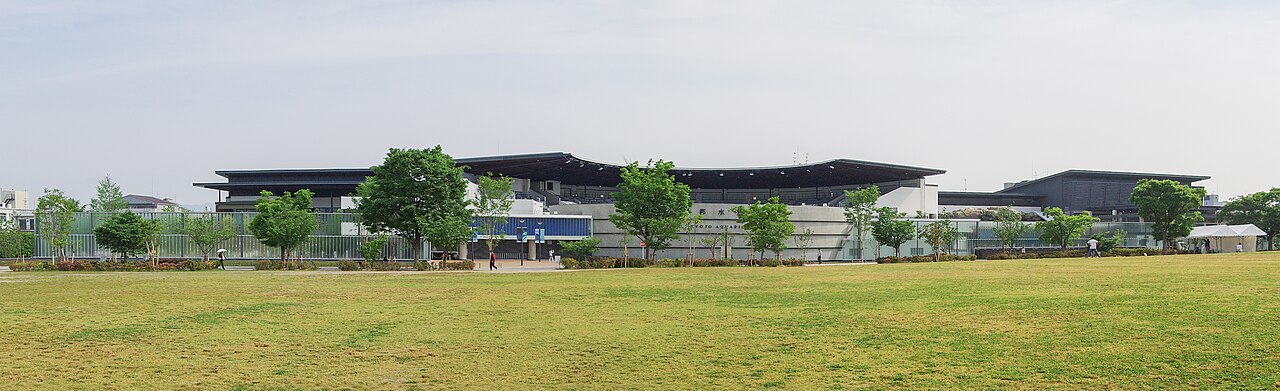
A landlocked aquarium in Umekoji Park running entirely on artificial seawater, with around 200 species across ten zones and Kyoto's own giant salamanders as the opening exhibit.
- FromKyoto Stn
- ~10 minJR, 1 stop
- Get off atUmekoji-Kyotonishi Station (JR Sagano / San'in Line)
- On foot
- Kyoto Aquarium
The sweet spot
Nobody plans an aquarium in a city of temples, which is precisely why it holds up: it is one stop from Kyoto Station, entirely indoors, and it is the only place you will meet the giant salamanders that actually live in the rivers of the hills you have spent the week photographing. The building also makes its own seawater, so the whole thing is an argument about what an aquarium is for.
Where it is
90 more notes in Kyoto · open the map →What to look for — in walking order
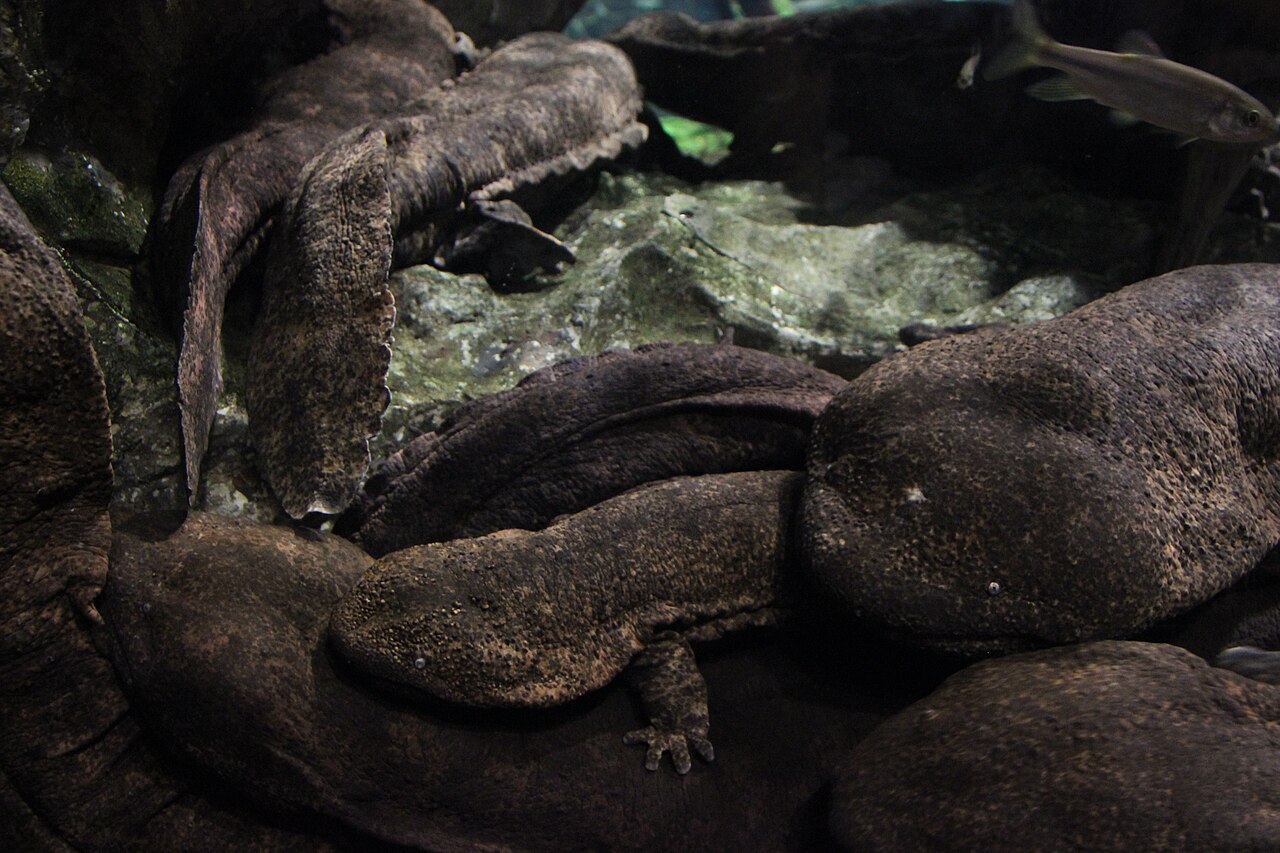
- Japanese giant salamandersthe opening exhibit, not an afterthought: a Special Natural Monument found in the rivers of Kyoto's own hills, shown in a large low-lit freshwater tank
- 'Kyo no Umi' big tankthe main tank, standing in for the Sea of Japan off northern Kyoto Prefecture; sardine shoals turn through it in the round
- Jellyfish gallerya dedicated zone of backlit cylinders holding dozens of species — the quietest room in the building
- Dolphin stadiuman open-air arena with Kyoto Tower and the eastern hills visible above the far seating; performances run on a posted timetable
How to actually get there
- Kyoto Stn → Umekoji-Kyotonishi Stn (JR Sagano Line, 1 stop, ~3 min).
- Walk southeast through Umekoji Park to the entrance (~7 min).
- Follow the route in order: giant salamanders, penguins, 'Kyo no Umi' big tank, jellyfish gallery, dolphin stadium.
- Kyoto Stn → Umekoji-Kyotonishi, one stop
- Kyoto Stn →(JR Sagano / San'in Line, 1 stop, ~3 min)→ Umekoji-Kyotonishi Stn → walk about 7 minutes southeast through Umekoji Park to the entrance. Total roughly 10-15 minutes including the walk inside Kyoto Station. Trains run several times an hour. You can also walk the entire way from Kyoto Station's central exit in about 20 minutes along Shiokoji street.
- One stop back, or walk east through the park
- Return to Umekoji-Kyotonishi Stn and take the JR line one stop back to Kyoto Station, or walk east through Umekoji Park and along Shiokoji street to Kyoto Station in about 20 minutes. City buses also stop at Umekoji-koen / Kyoto Railway Museum-mae.
About the place
Kyoto is a basin city, ringed by mountains and about an hour from the nearest coast — which makes an aquarium here a deliberate engineering decision rather than an obvious one. Every tank in the building runs on artificial seawater mixed on site, and the design leans into that fact rather than hiding it: the first thing you meet is not a coral reef but a room of Japanese giant salamanders, the two-foot amphibians that live in the Kamo and Yura river systems in Kyoto's own hills and are designated a Special Natural Monument. From there the route works outward — river, estuary, open sea — through around ten zones holding roughly two hundred species. The centrepiece, 'Kyo no Umi', is a large tank standing in for the Sea of Japan off northern Kyoto Prefecture, with sardine shoals turning in it. There are penguins with a walk-through pool, a jellyfish gallery, and a dolphin stadium with the Kyoto Tower and the hills visible past the seating.
How to enjoy it
This is the best rainy-day move in Kyoto, and the reason is next door: the Kyoto Railway Museum shares Umekoji Park with it, and the two together fill a full day without ever leaving a one-stop radius of Kyoto Station. Come on a weekday if you can — school groups arrive mid-morning. Check the dolphin timetable at the entrance and plan the rest of the route around it rather than trying to catch it at the end. The park outside is free, wide, and grassy, which makes it a sensible place to let children run before or after.
Background & history
The aquarium opened in 2012 inside Umekoji Park, on land that had been railway ground for a century — the park sits beside the old Umekoji locomotive depot, whose 1914 roundhouse is now the heart of the Kyoto Railway Museum next door. The park itself was created in 1995 to mark the 1,200th anniversary of the founding of Heiankyo. The aquarium's stated purpose is not spectacle but the freshwater life of Kyoto's own watershed, which is why the giant salamander — a locally threatened species with a hybridisation problem caused by introduced Chinese stock — occupies the first and largest freshwater display rather than a corner tank.
Before you go
- Cash
- Admission is 2,600 yen for adults, 2,000 yen for high school students, 1,400 yen for elementary and junior high, and 900 yen for children aged 3 and over. Cards and IC payment are accepted at the ticket counters. Umekoji Park outside is free.
- Good to know
- Usually 9:30-18:00, shortening to 9:30-17:00 from November to March, with seasonal variations and occasional closures for maintenance — check the official site for the day you plan to go. Dolphin performances run to a fixed timetable posted at the entrance.
- Another way
- City bus 205 or 208 from Kyoto Station to the Umekoji-koen / Kyoto Railway Museum-mae stop takes about 10 minutes and drops you at the park's east side. Walking the whole way from Kyoto Station is flat and takes about 20 minutes.
- After you get off
- From Umekoji-Kyotonishi Station, walk southeast into Umekoji Park; the aquarium entrance is about 7 minutes on foot, signposted.
Nearby notes
 Saigen Jiro / CC0
Culture · Kyoto★
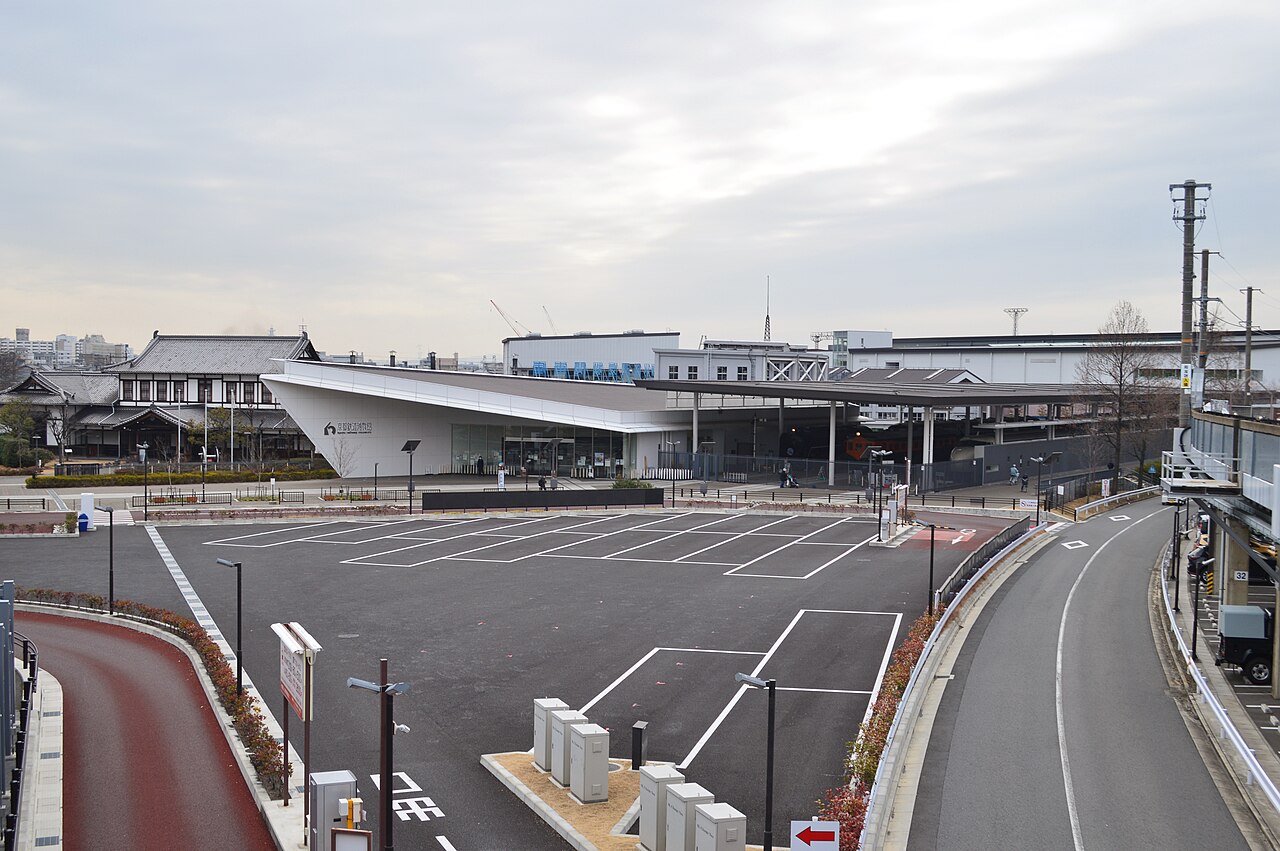
Kyoto Railway Museum
0.4 km · straight line
 Hideyuki KAMON from Takarazuka / 宝塚, Hyogo / 兵庫, Japan / 日本 / CC BY-SA 2.0
History · Kyoto★★★
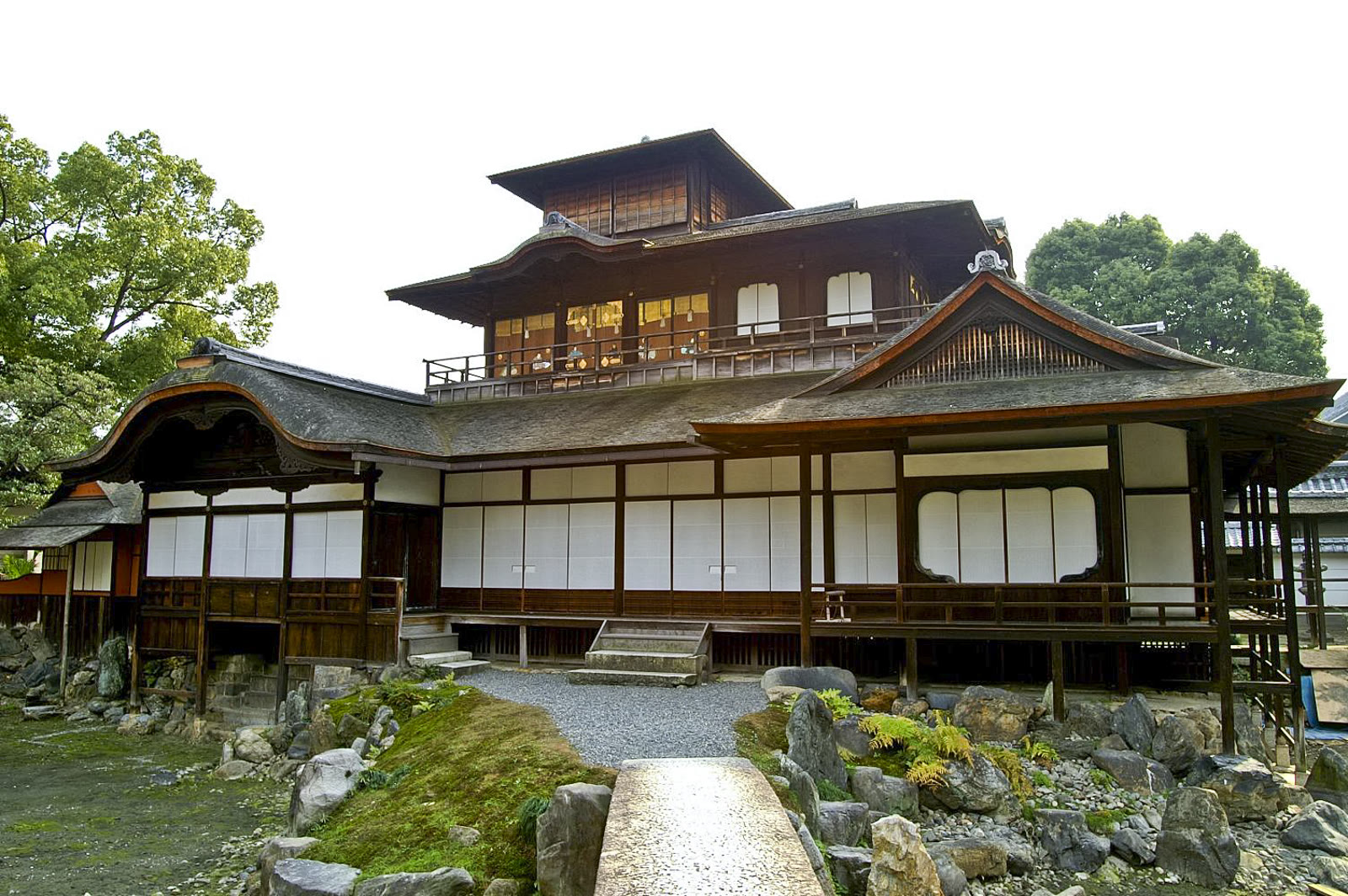
Nishi Hongan-ji Temple
0.6 km · straight line
 ignis / CC BY-SA 3.0
History · Kyoto★★★
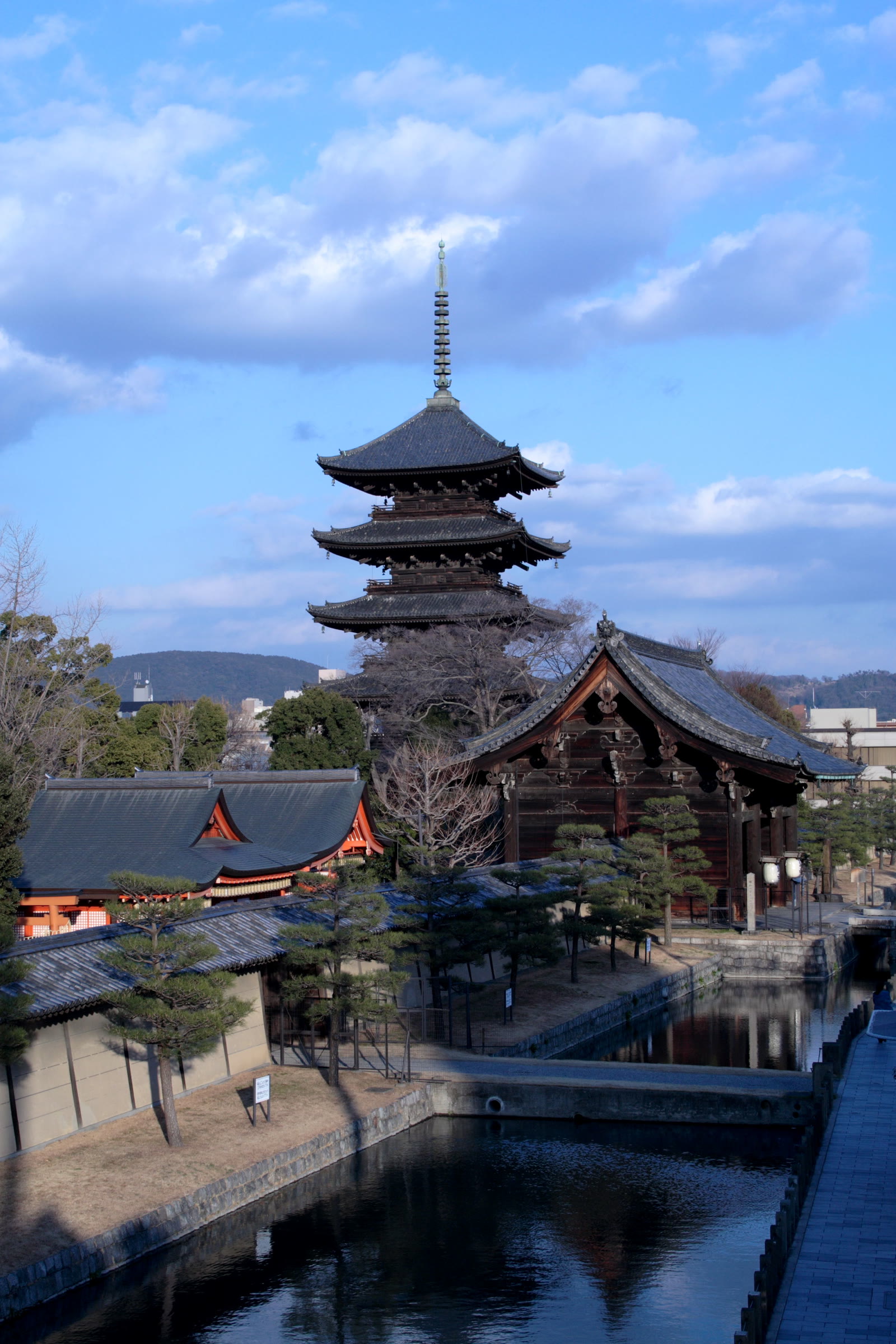
To-ji Temple
0.8 km · straight line
 663highland / CC BY-SA 4.0
Culture · Kyoto★★
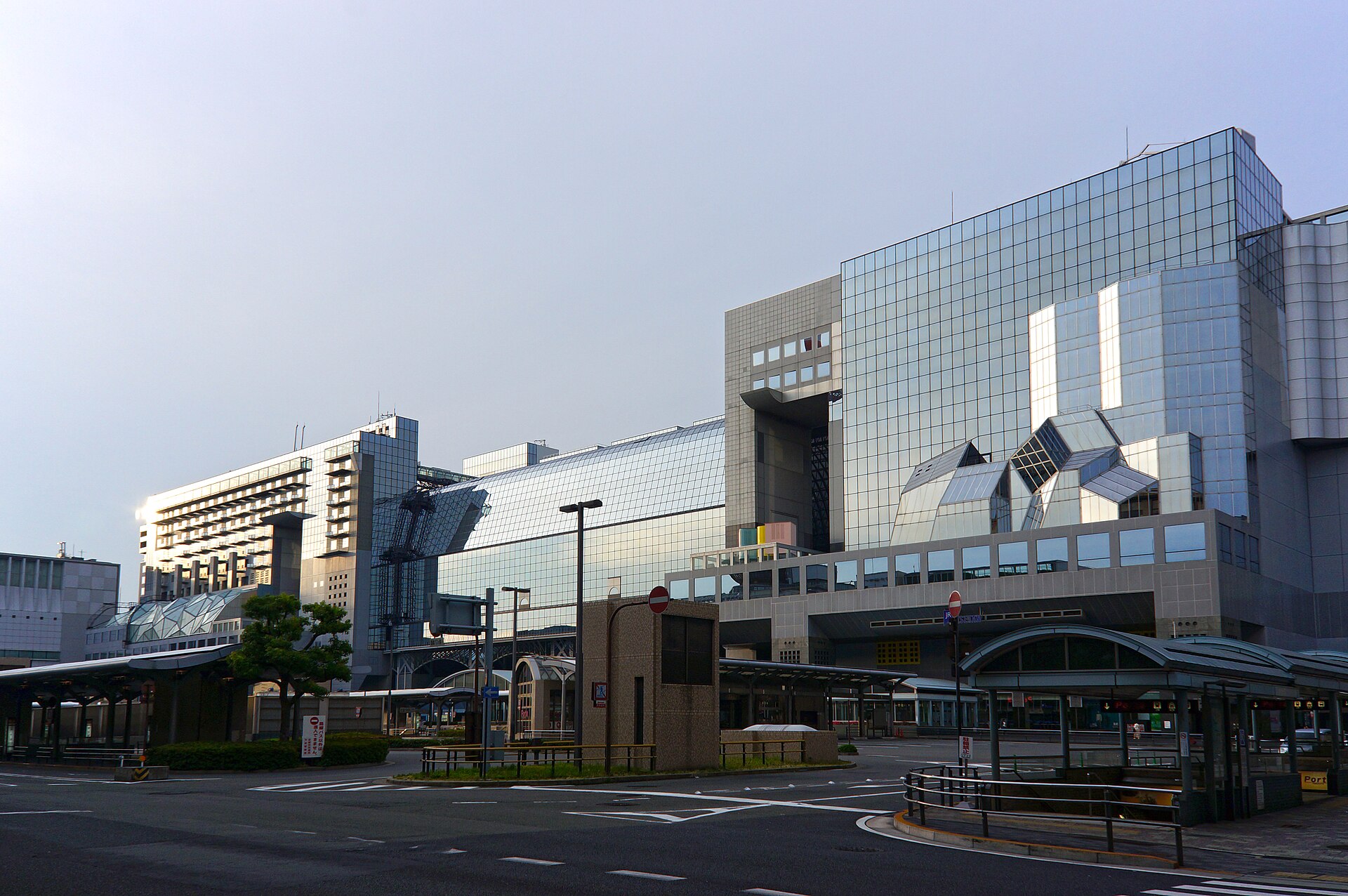
Kyoto Station Building
1.1 km · straight line
Distances are straight lines on the map, not travel times.