Central Gifu · MinoNo.993★★★Open in map →
Mino Washi
— Handmade paper from the Itadori valley
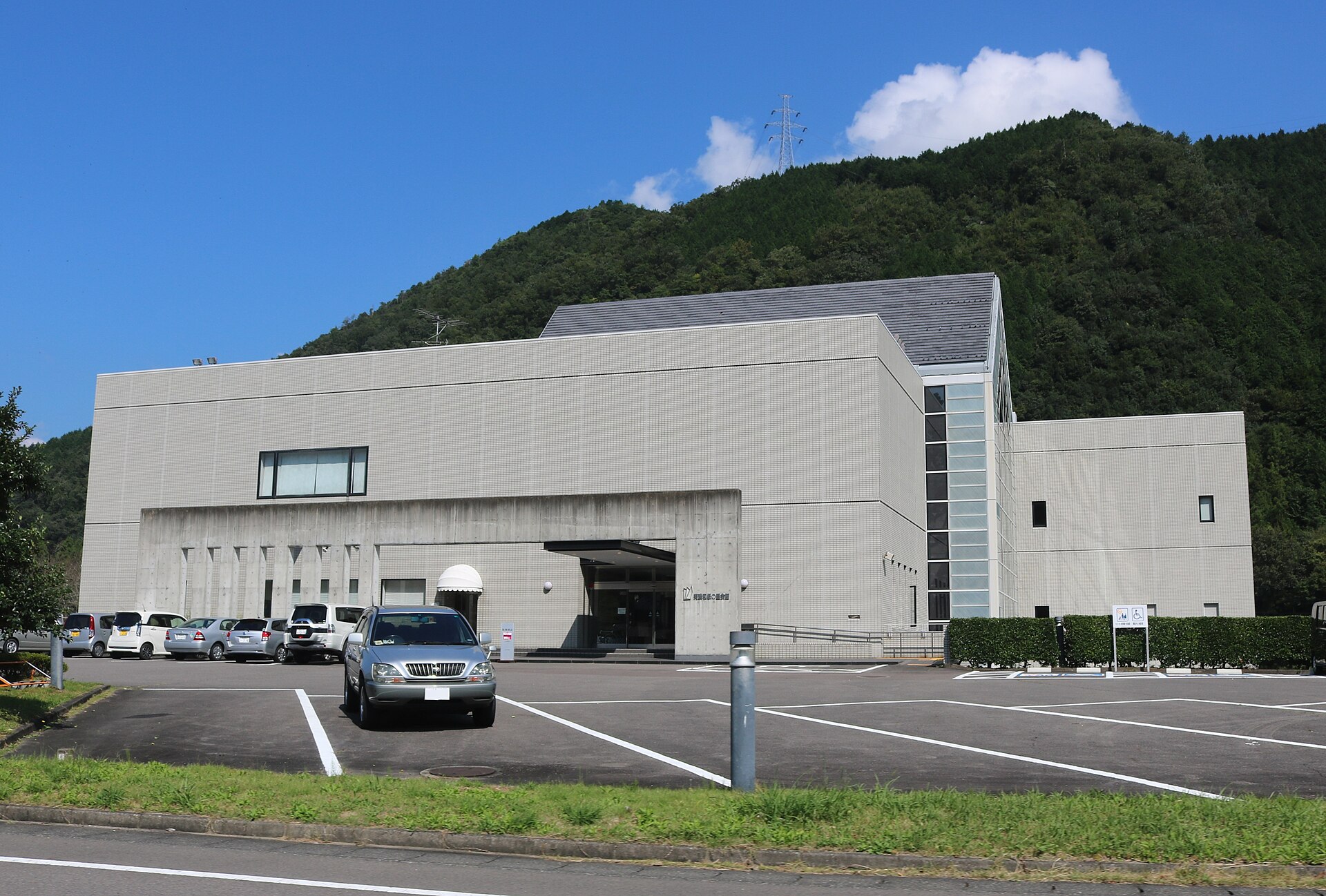
Handmade paper from a hamlet on the Itadori River, upstream of Mino's merchant town. The city's museum here shows the fibre, the tools and the process, and stands among the workshops that still make the strictest grade of the paper.
- FromMino-shi Station
- ~20 minShared taxi from Mino-shi
- Get off atMino Washi Museum (Nori-ai-kun shared taxi)
- From there
- Mino Washi
Where it is
18 more notes in Gifu · open the map →What to look for — in walking order
- Mino Washi Museum display roomsthe permanent floor, fibre and finished sheets alongside the tools that turn one into the other
- The papermaking floorthe working room where visitors pull a sheet themselves, screen and vat rather than a display case
- Washi no Sato park and the Itadori Riverthe open ground around the museum, running down to the water the craft depends on
- The road through Warabithe lane between museum and hamlet, houses and family workshops rather than shops, walked from the road only
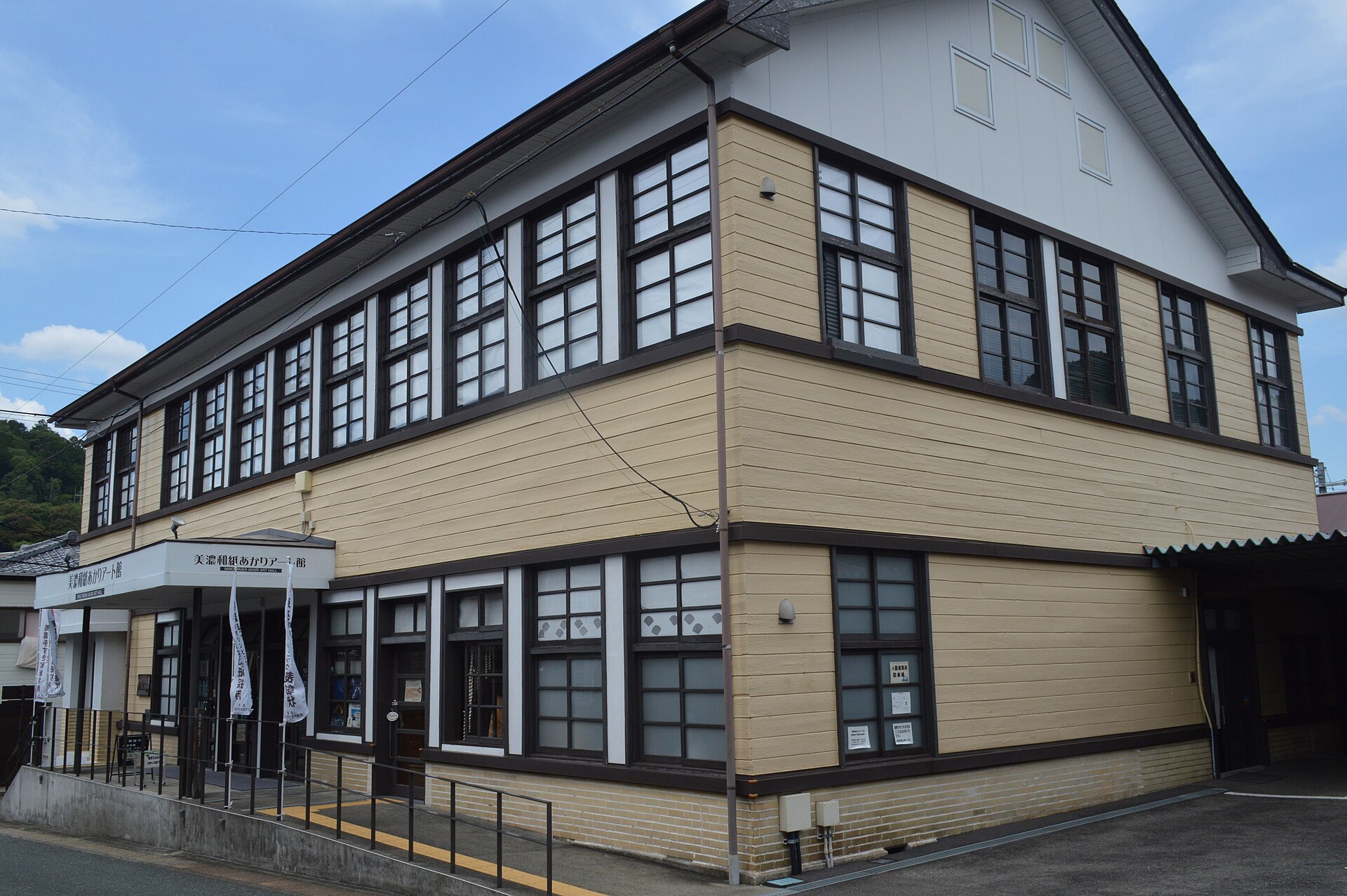
- Mino Washi Akari Art Hallback in the merchant town, a pre-war timber hall keeping the winning lanterns from the autumn light show
How to actually get there
- Mino-Ota Station (JR Takayama Main Line) → Nagaragawa Railway → Mino-shi Station.
- From Mino-shi, shared taxi or route bus up the Itadori valley to the park.
- Museum first: the display rooms, then the papermaking floor, then out to the river.
- Back into town for the Akari Art Hall, and the merchant streets around it.
- Nagaragawa Railway to Mino-shi, then up the valley
- Mino-shi is a station on the Nagaragawa Railway, which begins at Mino-Ota on the JR Takayama Main Line. The museum is well beyond walking distance from it. The city's own guidance is the Nori-ai-kun shared taxi, booked by telephone before you travel; the prefecture's tourism site also lists a Gifu Bus service toward Horado with a stop at the park. Confirm whichever you intend to use before you leave the station, because an ordinary taxi from the rank is the only option that needs no arrangement.
- Return to Mino-shi Station
- The valley is a dead end for railways, so the way back is the way you came, and it is the Nagaragawa Railway down to Mino-Ota that sets your last connection. Book the shared ride for the return at the same time as the outbound leg, or ask at the museum desk. If you have bought paper, carry it flat rather than rolled.
About the place
The raw material is kozo, paper mulberry, and the work is concentrated at Warabi, a settlement strung along the Itadori River west of the old town. The river is part of the method rather than scenery: cold, clean water is what lets the fibres lie down evenly across the screen. The public front of the trade is the Mino Washi Museum, run by the city inside a riverside park, with display rooms, a papermaking floor and a shop. Two different things sit under the one name here. One is the handmade paper of the district at large. The other is Honminoshi, the narrow version of it, defined by rule rather than by region.
How to enjoy it
Book the papermaking session rather than only walking the cases — the museum runs it as a working floor, and it carries the part of the subject that print cannot. October is the month to add the town to the day: the lantern show fills the merchant streets after dark, and the hall keeps the winning pieces for the rest of the year. If you are travelling on the shared ride, fix the return time before you go inside.
Background & history
A census roll written on paper from this province survives in the Shosoin repository at Nara, dated 702, which makes the district one of the oldest on record in the country. By the Edo period its sheets were the standard for the best shoji screens. The state named the handmade paper of Mino a traditional craft in 1985, but the tighter designation had come earlier: in 1969 the technique of Honminoshi — kozo alone, no chemical bleach, a bamboo screen, drying on boards — was made an Important Intangible Cultural Property. In 2014 it joined Sekishu-banshi and Hosokawa-shi on the UNESCO list of Japanese handmade papermaking.
Before you go
- Cash
- The park and the riverside cost nothing. The museum charges admission, the papermaking session is charged on top of that, and a combined ticket covers the city's other halls. Carry cash as well as a card, because the businesses out here are households.
- Good to know
- The museum keeps a weekly closing day and shuts over the New Year, and last admission falls well before the doors close, which matters if your ride gets you there late in the afternoon. The park and the river bank are outdoors and stay open either way.
- Another way
- By car it is a short run from the Mino interchange on the Tokai-Hokuriku Expressway, out along Route 156 and then Gifu Prefectural Road 81 up the left bank. Cars and coaches both park here, which is how most people arrive.
- After you get off
- The shared taxi and the route bus both set down at the park, in front of the building. The display rooms are straight through the main entrance, the papermaking floor is beyond them, and the open ground and the river are behind.
Nearby notes
 杉山宣嗣 / CC BY-SA 4.0
History · Gifu★★
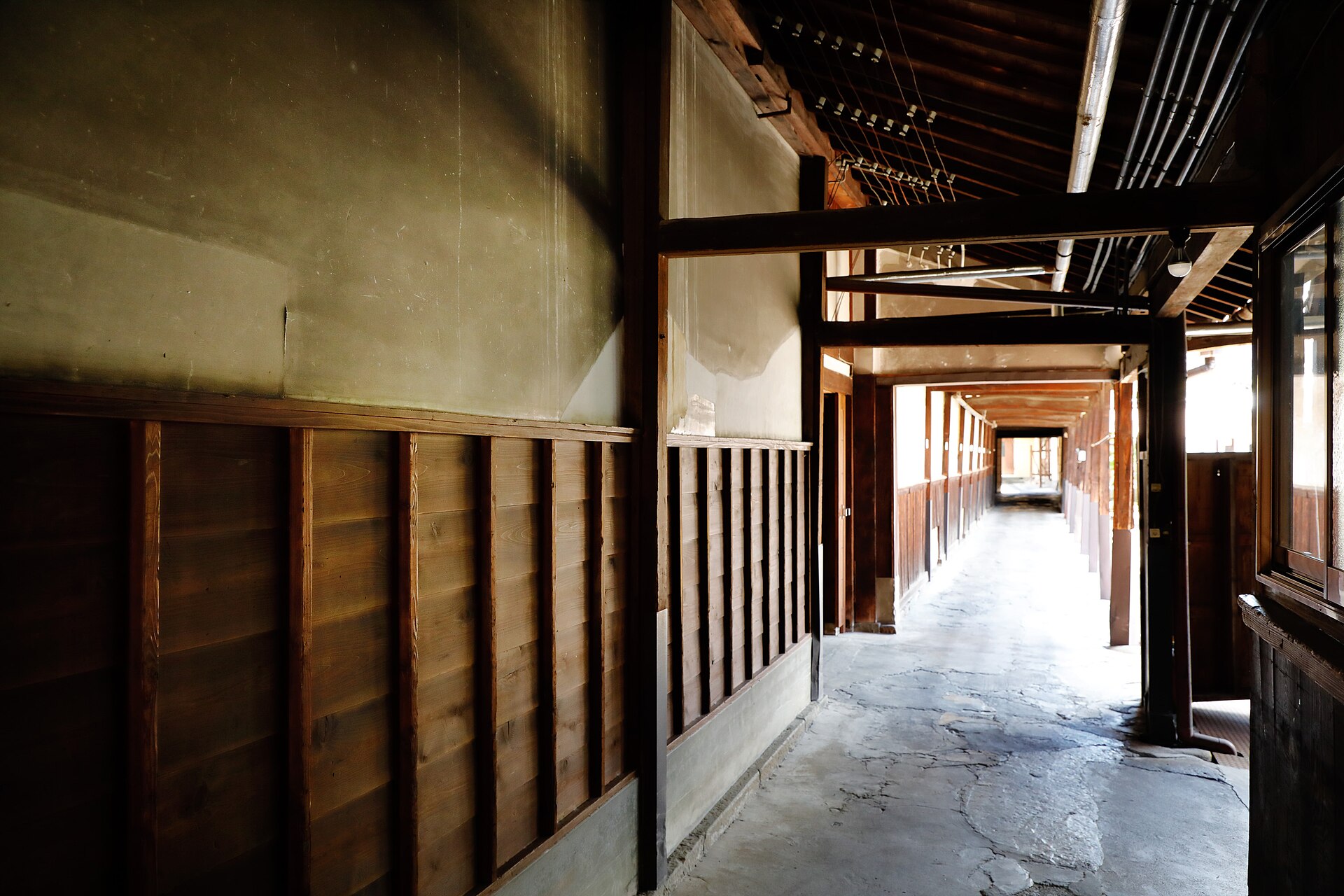
Mino Udatsu Townscape
5.3 km · straight line
 Hmori1960.earthbound / CC BY-SA 4.0
Nature · Gifu★★★
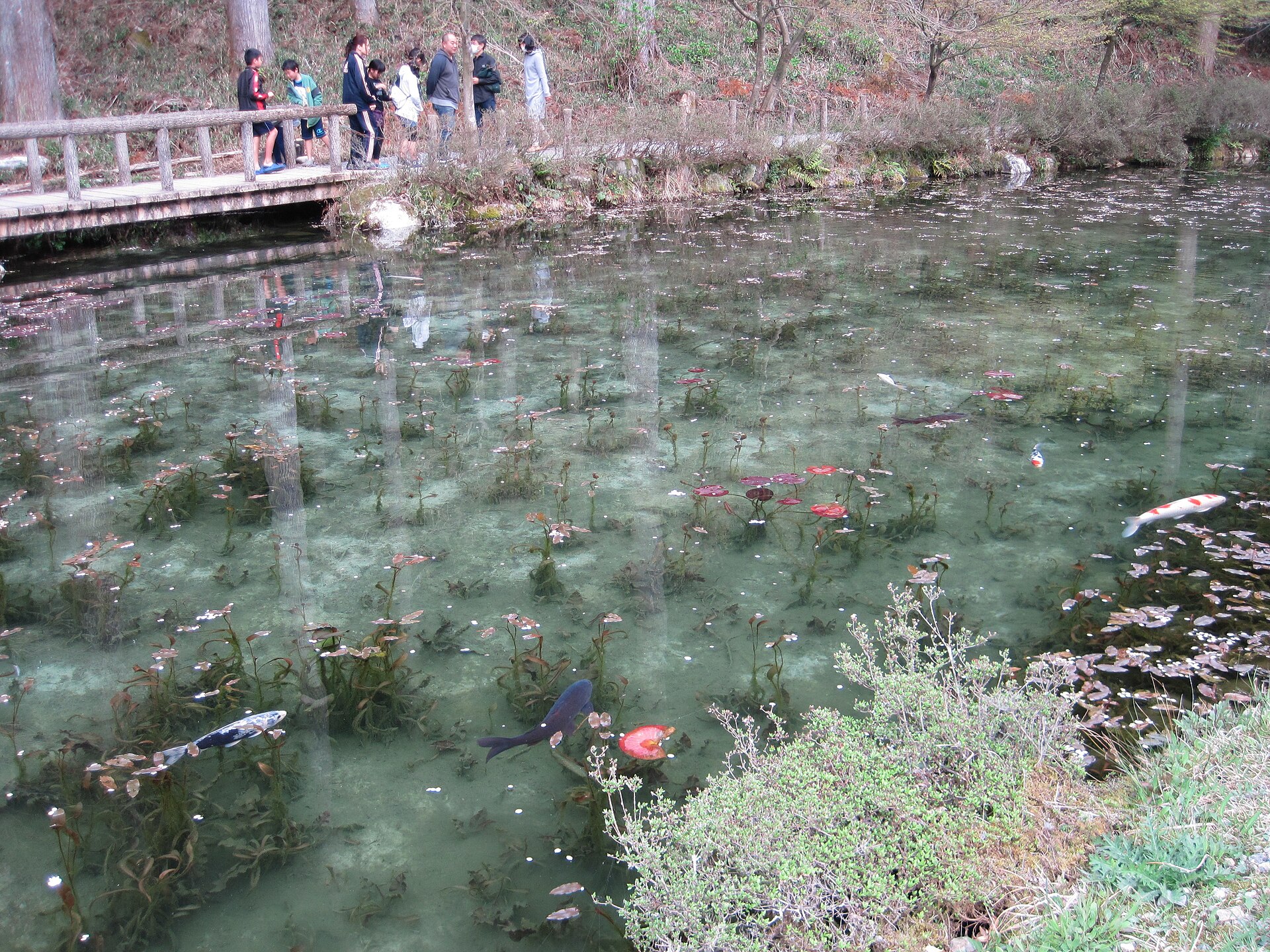
Monet's Pond
9.1 km · straight line
 Asturio Cantabrio / CC BY-SA 4.0
Craft · Gifu★★
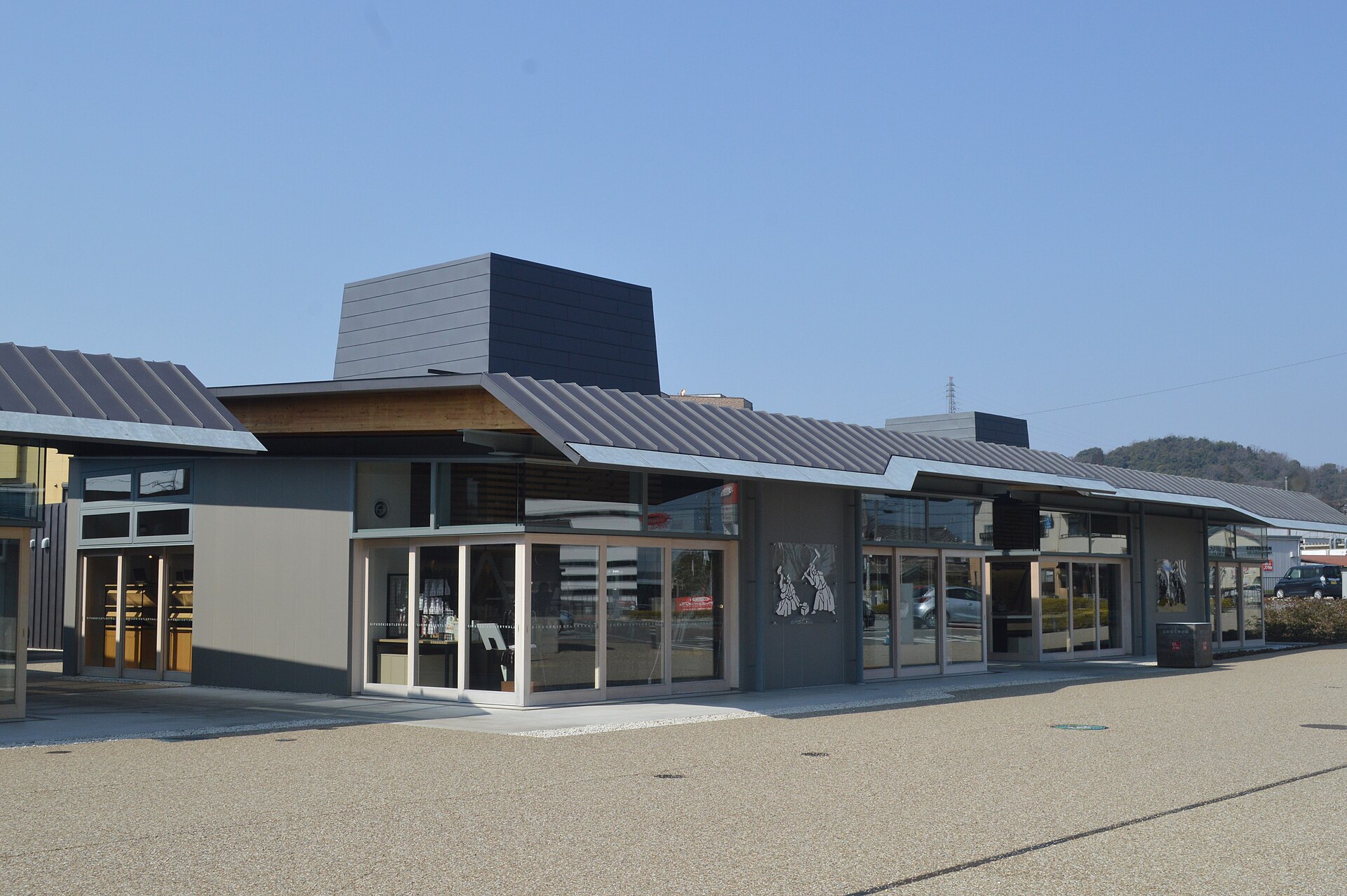
Seki Cutlery
11.8 km · straight line
 Ludger Heide / CC BY-SA 4.0
Culture · Gifu★★★
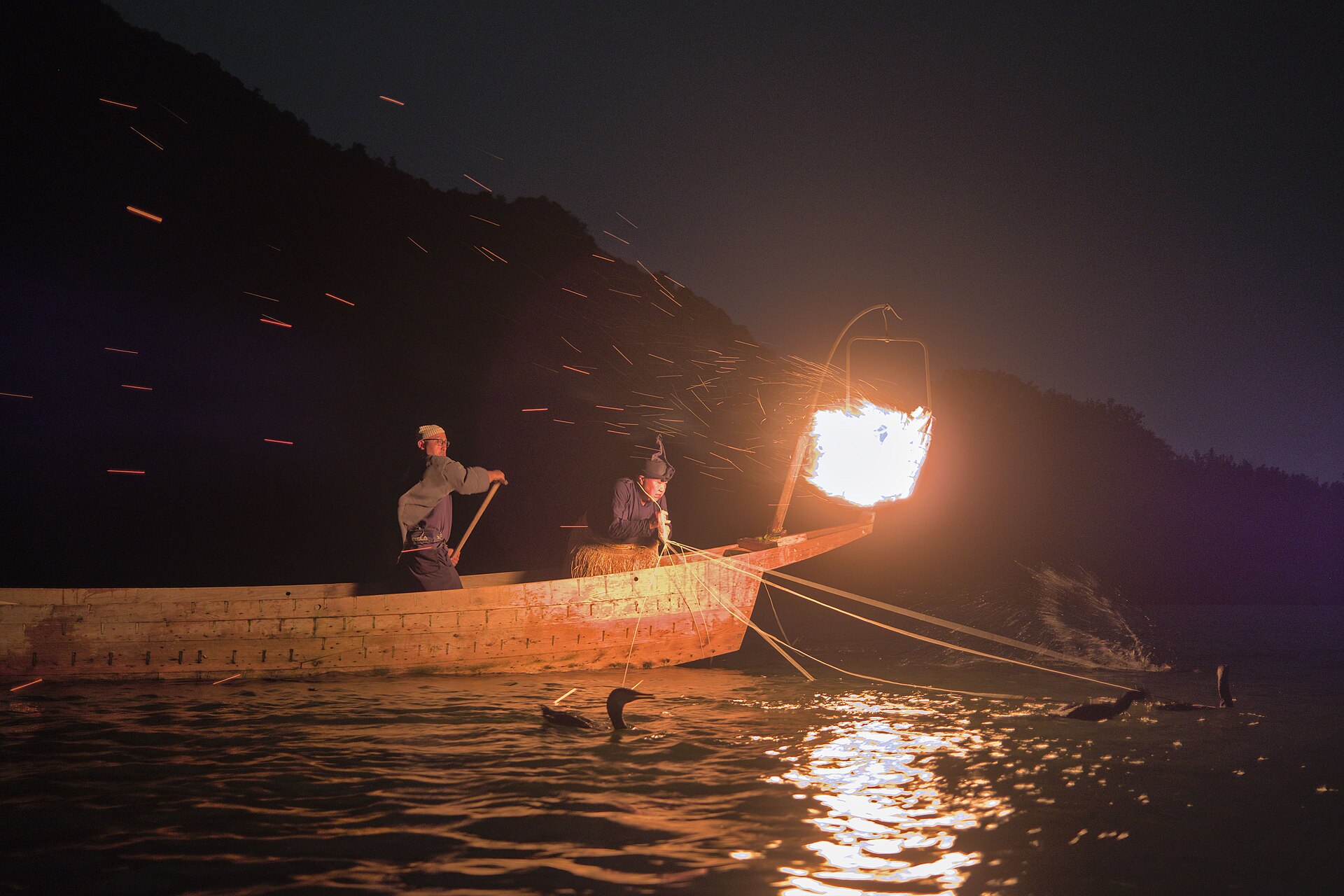
Nagara River Cormorant Fishing
18.7 km · straight line
Distances are straight lines on the map, not travel times.